Skip to content
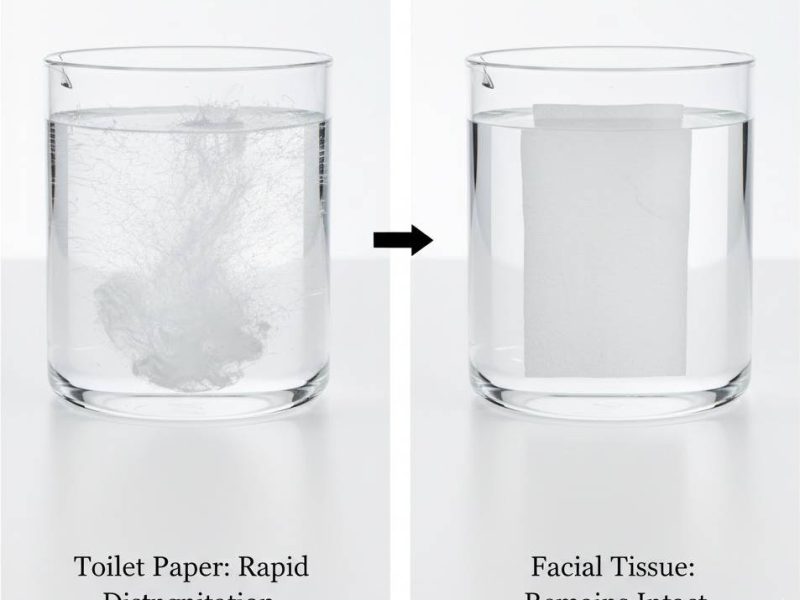
It’s an easy mistake—grabbing facial tissue in the restroom or reaching for toilet paper to handle a sneeze. While it seems harmless, the swap can lead to skin irritation or clogged plumbing. That’s because toilet paper is engineered to dissolve rapidly in water, while facial tissue is designed to stay strong when damp. Understanding this fundamental difference helps prevent maintenance issues and ensures you select the right product for every environment.
Toilet Paper vs Facial Tissue: Key Differences at a Glance
Choosing between toilet paper and facial tissue involves more than comparing softness. These products are engineered for opposite performance goals: toilet paper is designed to lose strength rapidly in water to safeguard plumbing, while facial tissue is built to remain intact when damp, making it unsuitable for flushing. Using the wrong product in the wrong setting can result in clogs, higher maintenance costs, or discomfort for end users.
| Feature | Key Comparison |
|---|---|
| Material Composition | Toilet paper typically uses virgin or recycled pulp formulated to break down quickly; facial tissue uses denser, higher-strength pulp, sometimes enriched with lotions or softeners. |
| Dissolvability | Toilet paper disperses rapidly in water; facial tissue resists breakdown even when wet. |
| Strength When Wet | Toilet paper loses structural integrity quickly; facial tissue maintains ply strength for repeated use. |
| Additives | Facial tissue may include lotion, scents, or antimicrobial agents; toilet paper generally avoids these to ensure rapid breakdown. |
| Primary Intended Use | Toilet paper is intended for restroom use and flush-safe disposal; facial tissue is designed for facial hygiene, makeup removal, or handling colds. |
What Is Toilet Paper?
Primary Function and Flushability
Toilet paper is engineered to perform one essential task—disintegrate rapidly when it contacts water. Manufacturers use virgin pulp or recycled fibers formulated to break down in under 30 seconds. This quick dissolution helps keep plumbing clear, safeguards septic systems, and ensures compliance with ISO flushability standards and local regulations. In high‑traffic environments such as hotels, offices, and restaurants, using the correct grade reduces maintenance needs, avoids costly downtime, and upholds guest satisfaction. Selecting the right balance of comfort and flushability protects both system performance and the customer experience.
Construction and Ply Options
Ply count directly affects both feel and usage cost. Single‑ply rolls suit high‑volume, budget‑driven sites where throughput outweighs softness. Two‑ and three‑ply formats increase comfort and absorbency via layered sheets and optimized embossing patterns. Embossing adds surface area for better absorption and an enhanced tactile finish, though heavier construction can slow dissolvability. Leading OEM suppliers such as Charmin, Scott, and Hearttex offer variations that balance softness with breakdown speed. Aligning ply and embossing with the end‑use environment prevents overpaying for unnecessary plushness or creating clog risks from overly dense sheets.
Packaging and Dispensing
Roll format influences operational efficiency. Standard rolls fit common residential and small‑office dispensers, while jumbo rolls serve large venues like airports or factories by reducing refill frequency. OEM programs allow customization of core size and roll diameter to suit existing fixtures and streamline replenishment. Larger formats can cut restroom labor hours and reduce waste from partially used rolls. Matching packaging capacity to traffic patterns helps control inventory costs and maintain user satisfaction without the expense of changing dispenser infrastructure.
What Is Facial Tissue?
Moisture Resistance and Wet Strength
Facial tissue is engineered to remain intact when damp, unlike toilet paper, which is designed to disintegrate quickly. Its fibers are densely pressed and often treated with skin-friendly lotions or softeners to enhance comfort. This structure ensures each sheet withstands nose-wiping, tears, or makeup removal without tearing apart. The same durability that delivers a premium feel makes it unsuitable for flushing, as it resists breakdown in water and can obstruct plumbing. For procurement teams, this means balancing product appeal with clear end-user disposal guidance.
Enhancements and Skin Benefits
Many facial tissue ranges differentiate themselves through additives such as moisturizing lotions, refreshing scents, or antimicrobial treatments. These upgrades shape brand positioning and user perception, but they can also introduce allergens, making market-specific testing essential. Leading names like Kleenex and Puffs have built loyalty with smooth, treated surfaces valued during cold and allergy seasons. For private label sourcing, selecting the right formulation can position a product as safe and minimal for sensitive skin or as a more indulgent, wellness-focused option.
Packaging Formats
Facial tissues are typically offered in box or pop-up formats for convenient, single-sheet dispensing. This suits workstations, clinics, vehicles, and living spaces where accessibility outweighs bulk volume. Boxed packaging also keeps branding highly visible, supporting both placement and aesthetic appeal in retail and professional settings. Compared with rolls, boxes help reduce waste by preventing excessive pulling. For B2B procurement, assessing how carton sizes and opening mechanisms align with specific usage patterns can help reduce costs, limit product loss, and maintain hygienic presentation.
Tailored Toilet Paper Manufacturing for Your Brand
If your brand is positioned for quality and trust, choosing the right toilet paper supplier is as critical as your marketing. Top Source Hygiene helps you develop products that balance softness, strength, and flushability—using virgin wood pulp or sustainable blends engineered for consistent performance. You can fine-tune ply count, embossing, packaging, and roll size to meet your market needs while ensuring dependable supply and cost efficiency.
Head-to-Head Showdown: Toilet Paper vs Facial Tissue
Performance in Everyday Use
In washroom settings, the defining factor is how quickly paper fibers disperse once wet. Quality toilet paper—from brands like Scott or Charmin—disintegrates within roughly 30 seconds, ensuring smooth plumbing performance. Facial tissues such as Kleenex or Puffs are engineered for durability during nose-wiping or makeup removal, retaining their structure under moisture. That same resilience, however, makes them problematic for toilets, as they resist breakdown and can cause blockages. Buyers evaluating a crossover option should weigh comfort against flushability: facial tissues deliver superior softness for repeated wipes, while toilet paper prioritizes safe disposal. Recognizing this “wet strength” distinction safeguards both user satisfaction and maintenance budgets.
Cost and Consumption Value
Unit economics differ by both product form and usage cycle. Toilet paper rolls typically cost $0.50–$2 and vary by ply count, which affects perceived softness and sheet usage per visit. Facial tissue boxes generally range from $1–$3, with higher plies extending product life in desks or rooms but adding no value if flushed. Commercial buyers achieve better margins by purchasing toilet paper in bulk for restrooms, while controlling facial tissue supply in limited‑access areas. Aligning consumption rate with purchasing volume prevents overstocking one category and shortages in another, helping manage cash flow and maintain a consistent user experience.
Choosing the Right Features for Each Environment
Hospitality venues typically favor premium toilet paper for guest confidence, complemented by lotion‑free facial tissue in private rooms. Offices supply facial tissue at workstations for hygiene and restrict toilet paper to restrooms to prevent misuse. For outdoor events or facilities with portable toilets, only fast‑dissolving toilet paper should be used—facial tissue’s moisture resistance can obstruct temporary plumbing or septic systems. Matching specifications to each environment avoids costly service calls and ensures every end user receives the appropriate product for the setting.

Material Science of Tissue Products
Behind every roll or box is a series of technical choices that define softness, tensile strength, and how the paper reacts to moisture. For procurement professionals, understanding these decisions is essential to ensure products meet both functional requirements and user expectations. While toilet paper and facial tissue may originate from similar pulp sources, their fiber processing and chemical treatments are tailored to opposite performance outcomes.
Virgin vs. Recycled Pulp
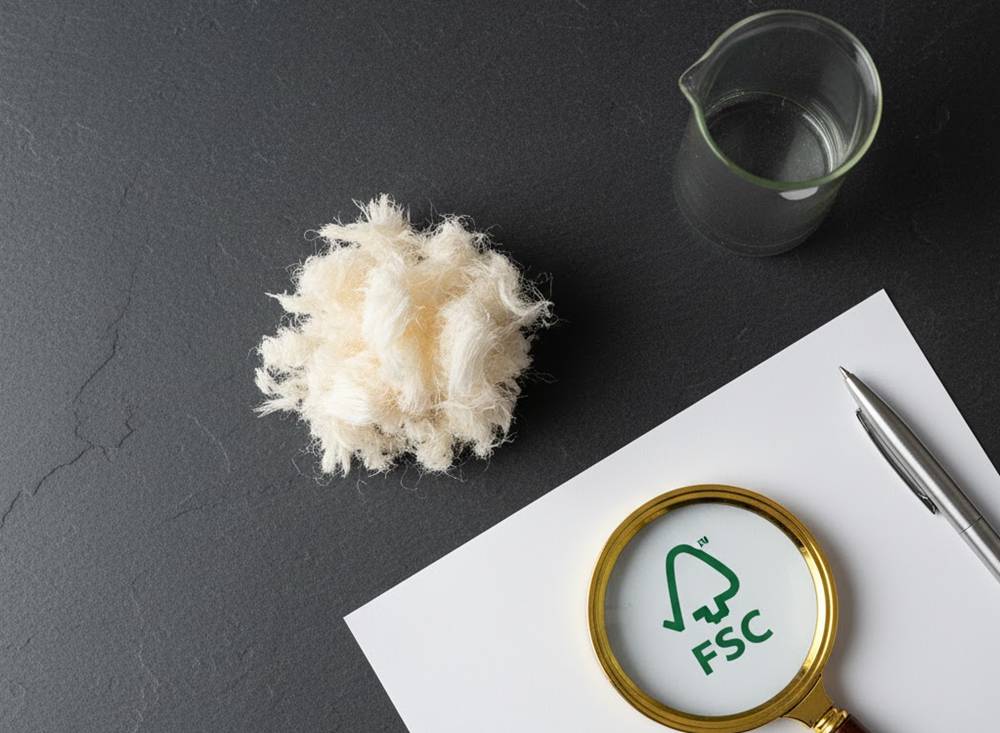
Virgin pulp delivers superior softness and structural strength, which is why premium products from brands like Kimberly-Clark or Vinda often use it extensively. Its uniform fiber network holds additives evenly and maintains high tear resistance. Recycled pulp offers advantages in sustainability and cost but can reduce surface smoothness and wet strength. Many manufacturers blend virgin and recycled fibers to balance environmental credentials with acceptable comfort levels. Buyers should plan clear messaging for eco-focused lines, as consumers frequently perceive virgin pulp as higher quality, and managing that perception is critical to positioning mid-range or green alternatives.
Impact of Additives
Lotions, scents, and antimicrobial coatings can enhance comfort or brand differentiation, but each alters fiber behavior with moisture and adds formulation complexity. Light lotions provide a silky texture suited for seasonal cold care, while heavier treatments raise production costs and may slow dissolvability. Scented products can attract niche markets but also raise allergen concerns, particularly in institutional supply chains. These enhancements are only cost-effective when the target segment values sensory experience over flushability or price per sheet. Clear communication of these trade-offs allows suppliers to align product design with channel priorities—whether that’s premium retail, office supply, or sustainability-driven lines—without creating end‑user misuse or plumbing issues.
The Final Verdict: Which One Should You Choose?
For any facility with active plumbing—such as restrooms, hotels, and restaurants—opt for toilet paper engineered to break down quickly on contact with water. Its composition is intentionally designed to protect pipes and septic systems from costly blockages. Facial tissues, even premium varieties with higher wet strength or conditioning additives, remain too durable to be safely flushed.
Choose facial tissue when comfort and durability take priority—offices, guest rooms, and customer-facing areas where users need something gentle for the face or hands. Its reinforced structure resists tearing under moisture, ideal for repeated wipes, but that same strength is precisely why it should stay out of the toilet.
Mixing these products creates both user frustration and maintenance issues. Instead, stock each product for its intended role. Buyers aiming for sustainability or stronger brand positioning can select FSC‑certified or recycled options within each category to meet environmental goals without compromising function or performance.
Frequently Asked Questions
What is the main difference between toilet paper and Kleenex?
Toilet paper is engineered to dissolve rapidly in water to protect plumbing systems, while Kleenex is designed for durability and softness, even when damp. This makes facial tissues ideal for nose care but unsuitable for flushing, as they resist breaking apart.
What happens if you flush a facial tissue?
Because facial tissue maintains its strength in water, it can clump together and cause blockages in pipes or septic systems. In commercial facilities, this often leads to avoidable maintenance issues and repair costs.
Can toilet paper be used to blow your nose?
Yes, but it is less comfortable for repeated use because it breaks down quickly. Frequent wiping with toilet paper can cause skin irritation compared to lotion-treated facial tissue, which is softer and more skin-friendly.
Why is facial tissue typically softer than toilet paper?
Facial tissue often contains premium pulp and skin-friendly additives such as lotion or aloe. These enhance softness and maintain sheet integrity when wet, prioritizing comfort over rapid disintegration.
Is it advisable to wipe your face with toilet paper?
It is generally fine for occasional use, but toilet paper’s rougher texture and quick-breakdown design can feel abrasive. For regular facial care, facial tissues are the better choice to maintain comfort and prevent irritation.
Your Takeaway
Toilet paper and facial tissue are engineered for different roles, and using them interchangeably can drive up costs or create avoidable plumbing issues. Toilet paper is designed to dissolve rapidly, safeguarding pipes and septic systems. Facial tissue, by contrast, is produced for wet strength and skin comfort, making it ideal for facial use but unsuitable for toilets. Matching product type to its intended environment preserves functionality, user satisfaction, and regulatory compliance.
Maintain toilet paper exclusively in restrooms and facial tissue in workspaces, reception areas, and other zones where comfort is the priority. For private label or OEM programs, partner with suppliers who can calibrate ply count, additives, and packaging to your brand’s positioning. Aligning procurement decisions with real-world application protects budgets while delivering the experience end users expect.