Skip to content
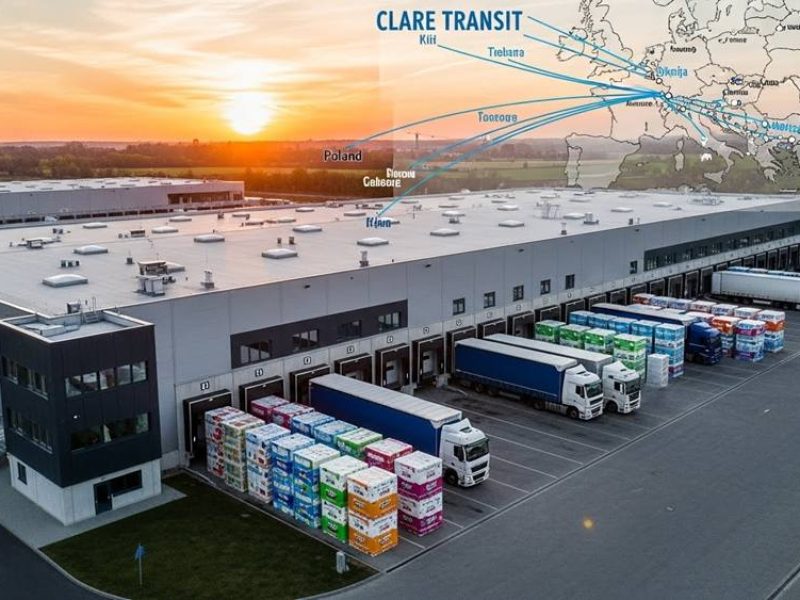
Poland has solidified its position as the 5th largest global exporter of toilet paper, with the sector generating over $3.50 billion in annual revenue and $890 million in annual shipments. By leveraging 20,000-ton annual machine capacities in industrial hubs like Witnica, Polish mills provide 1-to-3-day transit times to Western Europe, offering a high-volume, cost-stabilized alternative to the volatility of ocean-freight-dependent sourcing.
This guide profiles the Top 10 Toilet Paper Manufacturers in Poland, evaluating the industrial scale of market leaders like Velvet CARE and Lamix. We analyze their ability to manage complex private label contracts under BRC and FSC standards, ensuring your supply chain remains resilient and compliant with 2026 EU environmental mandates.
Top 10 Manufacturers and Massive Mills in Poland
Quick Comparison: Top Picks
| Manufacturer | Location | Core Strength | Verdict |
|---|---|---|---|
| Top Source Hygiene | Mancheng, Baoding (China) | High-capacity OEM/ODM & Factory-Direct Solutions | Best for global brands requiring high-volume customization and cost-efficiency. |
| Lamix | Poland | Away-From-Home (AFH) Sector Specialist | A reliable choice for professional, industrial, and institutional hygiene needs. |
| Almus | Poland | Multi-ply & Innovative Scented Papers | Ideal for large-scale retail and industrial supply of premium paper variants. |
| Maxi-Pap | Poland | Eco-friendly Recycled & High-Whiteness Products | Excellent for businesses prioritizing sustainability and high-absorbency paper. |
| Velvet CARE | Poland | Sustainable Growth & Premium Infrastructure | Top tier for established retail markets in Central and Eastern Europe. |
| Essity Oława | Oława, Poland | Specialized Healthcare & Personal Care Production | Best for medical-grade hygiene, diapers, and incontinence product supply. |
| ICT Poland | Kostrzyn, Poland | Massive Capacity (210k tons) | Top choice for high-volume Pan-European distribution. |
| Metsä Tissue | Krapkowice, Poland | Sustainable Nordic Fiber | Expert in renewable-fiber brands (Lambi, Katrin). |
| WEPA Piechowice | Piechowice, Poland | Recycled Tissue Leader | Specialist in eco-friendly private-label solutions. |
| GZ Papir | Głuchołazy, Poland | Long Heritage & Versatility | Reliable multi-base producer for AH and AFH sectors. |
Top Source Hygiene
Top Source Hygiene operates as a direct manufacturer in Mancheng, Baoding, the largest paper production hub in China. We supply high-capacity OEM and ODM solutions across six continents, focusing on bulk tissue and paper towel distribution. The company specializes in large-scale production runs for global brands and retail chains looking to minimize middleman costs.
With 30 years of operational experience, the facility integrates full-cycle production from raw material processing to final packaging. We maintain quality standards through ISO 9001, FDA, and FSC certifications to meet international regulatory requirements. Current infrastructure supports high-volume exports, though logistics planning must account for 40’HQ container minimums and standard transoceanic transit times.
📊 At a Glance:
- 📍 Location: Mancheng, Baoding (China – Global Shipping)
- 🏭 Core Strength: Toilet Paper, Jumbo Roll Tissue, Kitchen Towels, Facial Tissues, Napkins
- 🌍 Key Markets: North America, Europe, Asia, Africa, South America, Oceania
Why We Picked Them:
| ✅ The Wins | ⚠️ Trade-offs |
|---|---|
|
|
Lamix
Lamix operates as a primary Polish manufacturer specializing in hygienic paper products since 1991. They position themselves strictly within the Away-From-Home sector, supplying industrial and professional markets rather than standard retail channels.
The facility maintains a production capacity exceeding 20,000 tons per year. They utilize automated machinery to produce industrial hand towels and toilet paper for a global distribution network.
📊 At a Glance:
- 📍 Location: Poland
- 🏭 Core Strength: Toilet paper, paper hand towels, industrial hygienic products
- 🌍 Key Markets: Global AFH sector
Why We Picked Them:
| ✅ The Wins | ⚠️ Trade-offs |
|---|---|
|
|
Almus
Almus operates as a primary Polish manufacturer specializing in the production of hygiene paper products for consumer and industrial sectors. They control the processing cycle for multi-ply toilet papers and towels, focusing on specific segments like balsam-infused and scented variants.
The facility processes 50,000 tonnes of paper annually under BRC quality certifications. Production lines handle high-volume output of multi-ply goods, specifically catering to both Away-from-Home (AFH) industrial requirements and At-Home (AH) retail markets.
📊 At a Glance:
- 📍 Location: Poland
- 🏭 Core Strength: Multi-ply toilet papers, paper towels, cleaning cloths
- 🌍 Key Markets: Domestic (AH) and Industrial (AFH)
Why We Picked Them:
| ✅ The Wins | ⚠️ Trade-offs |
|---|---|
|
|
Maxi-Pap
Maxi-Pap operates a manufacturing facility in Poland, producing toilet paper and industrial towels from 100% cellulose and recycled waste paper. They specialize in high-whiteness paper production that avoids the chemical odors often found in recycled goods. This focus makes their inventory suitable for both hygiene-sensitive professional environments and retail household sectors.
The production line utilizes pure waste paper and virgin cellulose to reach specific strength and absorbency benchmarks across industrial rolls and consumer packs. By maintaining a regional supply chain in Poland, they provide consistent lead times for European distributors. The company balances softness with physical durability to meet the standards of the professional hygiene industry.
📊 At a Glance:
- 📍 Location: Poland
- 🏭 Core Strength: Cellulose and recycled toilet paper, paper towels, industrial rolls
- 🌍 Key Markets: Professional and home use
Why We Picked Them:
| ✅ The Wins | ⚠️ Trade-offs |
|---|---|
|
|
Velvet CARE
Velvet CARE operates as a primary tissue manufacturer within the Central and Eastern European landscape. The company controls a significant share of the Polish, Czech, and Slovak markets through its vertically integrated production of toilet paper and hygiene essentials.
Operations center on their Eco Agenda 2025 framework, which integrates automated paper machinery to produce premium-grade hygiene goods. Their infrastructure supports large-scale industrial output while managing local supply chains to maintain their position as a regional market leader.
📊 At a Glance:
- 📍 Location: Poland
- 🏭 Core Strength: Paper hygiene products, toilet paper
- 🌍 Key Markets: Polish, Czech, and Slovak markets
Why We Picked Them:
| ✅ The Wins | ⚠️ Trade-offs |
|---|---|
|
|
Essity Oława
Essity Oława operates as a primary production node for the personal care sector in Poland. The facility integrates into a global supply chain network, focusing on the specialized manufacturing of baby diapers and incontinence products. This site serves the European Union market, utilizing local logistical advantages to facilitate cross-border distribution.
The facility recently increased its production capacity to meet rising demand in the tissue and personal care hygiene categories. Operations leverage global R&D assets to maintain standardized quality control across high-volume runs. Current output supports Poland’s role as a top exporter of hygiene products within the EU.
📊 At a Glance:
- 📍 Location: Oława, Poland
- 🏭 Core Strength: Baby diapers, incontinence products, tissue hygiene paper
- 🌍 Key Markets: European Union personal care sector
Why We Picked Them:
| ✅ The Wins | ⚠️ Trade-offs |
|---|---|
|
|
ICT Poland (Kostrzyn nad Odrą)
ICT Poland, part of the Italian Industrie Cartarie Tronchetti Group, operates a colossal production facility in Kostrzyn nad Odrą. With an annual production capacity reaching 210,000 tons, it stands as a central pillar of the European tissue market. The facility is vertically integrated, combining state-of-the-art paper machines with high-speed converting lines to produce the well-known Foxy brand alongside extensive private-label contracts for major EU supermarkets.
The site’s strategic location near the German border facilitates rapid logistics, while its focus on high-performance 3-ply and 4-ply products ensures it meets premium consumer standards. For B2B buyers, ICT Poland represents the ultimate “scale partner,” capable of absorbing massive volume fluctuations while maintaining strict ISO 14001 environmental compliance.
📊 At a Glance:
- 📍 Location: Kostrzyn nad Odrą, Poland
- 🏭 Core Strength: High-volume retail tissue, premium 4-ply technology, “Foxy” brand
- 🌍 Key Markets: Western and Central Europe, Pan-European retail chains
Why We Picked Them:
| ✅ The Wins | ⚠️ Trade-offs |
|---|---|
|
|
Metsä Tissue (Krapkowice)
Metsä Tissue, a division of the Finnish Metsä Group, operates a modernized facility in Krapkowice with an annual capacity of approximately 85,000 tons. The mill specializes in converting fresh Nordic wood fibers into premium brands such as Lambi, Mola, and the professional-grade Katrin line. Their operations are highly regarded for their “Fresh Fiber” strategy, which ensures superior brightness and strength without the chemical intensity often found in lower-grade alternatives.
The Krapkowice mill serves as a strategic export node for Metsä’s “Away-from-Home” (AFH) solutions, providing high-absorbency towels and high-density rolls to hospitals and offices across Europe. Their commitment to the “Future Mill” concept focuses on CO2 reduction and energy efficiency, aligning perfectly with the EU’s 2026 environmental mandates.
📊 At a Glance:
- 📍 Location: Krapkowice, Poland
- 🏭 Core Strength: Sustainable fresh fiber products, “Katrin” professional systems, Lambi/Mola brands
- 🌍 Key Markets: Poland, Germany, Scandinavia, Central Europe
Why We Picked Them:
| ✅ The Wins | ⚠️ Trade-offs |
|---|---|
|
|
WEPA Piechowice
WEPA Piechowice, a key asset of the German WEPA Group, is a specialist in the manufacturing of eco-friendly tissue products derived from recycled fibers. As one of the largest suppliers of private-label (retailer brand) toilet paper in Europe, the Piechowice facility is engineered for flexibility and environmental performance. Their advanced de-inking technology allows them to produce “high-whiteness” recycled paper that rivals virgin pulp in aesthetic appeal.
The facility focuses on meeting the ESG requirements of major international retailers, providing a transparent and certified supply chain. For B2B buyers looking to satisfy the growing consumer demand for “Green” products, WEPA Piechowice offers a comprehensive portfolio that includes hybrid fibers and 100% recycled options, all maintaining rigorous FSC and EU Ecolabel standards.
📊 At a Glance:
- 📍 Location: Piechowice, Poland
- 🏭 Core Strength: Recycled tissue, private-label manufacturing, sustainable fiber blends
- 🌍 Key Markets: Germany, Poland, Western European retail hypermarkets
Why We Picked Them:
| ✅ The Wins | ⚠️ Trade-offs |
|---|---|
|
|
GZ Papir (Głuchołaskie Zakłady Papiernicze)
GZ Papir is one of Poland’s oldest and most versatile paper producers, with significant history and multiple production sites including Głuchołazy and Niedomice. They manage a diverse supply chain that caters to both the “At-Home” (AH) consumer market and the “Away-from-Home” (AFH) professional sector. Their ability to produce both mother reels (parent rolls) and finished converted goods makes them a vital flexible partner for other converters and wholesalers.
The company is known for its wide product spectrum, ranging from value-tier recycled rolls to specialized high-absorbency industrial wipers. Their long-term presence in the market has allowed them to build reliable logistics networks that serve not only the domestic Polish market but also high-growth export corridors in the Czech Republic and Slovakia.
📊 At a Glance:
- 📍 Location: Głuchołazy and Niedomice, Poland
- 🏭 Core Strength: Multi-sector tissue production, jumbo reels, industrial wiping solutions
- 🌍 Key Markets: Poland, Czech Republic, Slovakia, Eastern Europe
Why We Picked Them:
| ✅ The Wins | ⚠️ Trade-offs |
|---|---|
|
|
Poland: The Manufacturing Engine of the European Tissue Industry
Poland is Europe’s tissue powerhouse, leveraging 20,000-ton annual capacities and strategic border access to dominate the 2026 supply chain for both retail and professional sectors.
Industrial Output and Market Dominance in Central Europe
Poland solidified its status in 2026 as the primary source for European tissue products. Mill expansions in Witnica and other industrial hubs have pushed total annual production capacity to record levels to meet rising AFH and consumer demand.
Major producers prioritize high-volume output through significant capital investments. The current infrastructure relies on high-speed paper machines designed for industrial-scale reliability:
- Key Producers: Velvet CARE, Lamix, Almus, Maxi-Pap, and Essity Oława.
- Production Capacity: Modern lines exceed 20,000 tons per annum.
- Total Processing: Facilities like Almus process up to 50,000 tonnes of paper annually.
- Infrastructure: Modernized plants in Witnica, Klucze, and Lower Silesia.
Strategic Proximity to Major Western Markets
Polish factories sit at the center of a 24-to-48-hour distribution radius covering Germany, the Czech Republic, and Slovakia. This geographic advantage reduces freight costs and lead times compared to Southern European or intercontinental suppliers.
The sector has matured through aggressive regional integration. Acquisitions, such as Velvet CARE’s purchase of Czech producer Moracell, allow manufacturers to manage supply chains directly across the European Union, ensuring redundant capacity and localized logistics networks.
Integration of Sustainable and High-Tech Manufacturing
Polish mills moved early to align with 2026 EU environmental mandates. Modern processing plants now focus on energy-efficient production and certified raw materials to satisfy the sustainability audits of premium European retailers.
Production lines are highly versatile, allowing for deep customization of private label and professional specifications:
- Materials: 100% virgin wood pulp, FSC-certified fibers, and high-quality recycled options.
- Product Range: 2-ply to 4-ply toilet paper, industrial rolls, and nonwoven-added cleaning cloths.
- Certifications: BRC quality standards, ISO compliance, and FSC certification.
- Specialized Variants: Balsam-added, scented, and ecoROLL configurations (300 sheets per roll).
The market currently generates over US$3.50 billion in annual revenue. This scale provides the necessary capital for Polish firms to maintain technical parity with global players while offering more flexible MOQs and development cycles for private label partners.
Why Poland is the Hub for Private Label Production in Europe
Poland dominates European private label tissue by combining central-EU logistics, lower operating costs, and industrial-scale capacity to deliver 1-3 day transit times to major Western markets.
Strategic Logistics and Proximity to Key EU Markets
Poland acts as the primary central-European logistics hub for tissue products. This geographic advantage drastically shortens lead times for distribution to Germany, Scandinavia, and the Baltic states compared to Southern European or intercontinental suppliers. Most full-truck-load shipments reach major EU fulfillment hubs within 48 to 72 hours.
The region’s dense road and rail infrastructure is specifically optimized for bulky, low-value-density items like toilet paper rolls and jumbo tissue reels. These shorter supply chains allow retailers to maintain leaner inventory levels through 2026, reducing the capital tied up in safety stock and mitigating the risks of ocean freight volatility.
Industrial-Scale Capacity and Cost Efficiency
Major manufacturing sites, including Velvet CARE’s Klucze plant and converters like Maxi-Pap, utilize high-capacity paper machines to handle massive volumes. These facilities are built for the scale required by pan-European retail and professional sectors. One modern paper machine in Witnica alone outputs over 20,000 tons annually.
Polish producers maintain a competitive cost structure due to lower operating expenses and labor costs relative to Western European counterparts. This efficiency does not sacrifice quality; buyers can switch between 100% cellulose for premium tiers and high-quality recycled fiber for value-driven products without re-tooling.
Advanced Private Label Expertise and Regulatory Alignment
Polish tissue converters have spent decades refining the technical specifications required by international retail chains. They possess the specific know-how to manage complex private label SKUs across consumer and industrial sectors. All production adheres to strict EU hygiene, safety, and FSC forestry standards, ensuring seamless cross-border compliance.
Retailers can customize several technical variables to hit specific price points or performance benchmarks:
- Ply & Sheet Count: Standard 2-ply to premium 4-ply luxury rolls.
- Material Options: Virgin cellulose, recycled fiber, or hybrid blends.
- Finishing: Custom embossing patterns, scented cores, and deco-printing.
- Packaging: Multilingual artwork, eco-friendly overwraps, and shelf-ready configurations.
This expertise extends into the Away-From-Home (AFH) segment. Manufacturers like Lamix specialize in professional hygiene systems, providing industrial rolls and dispenser-compatible products that meet the same rigorous quality benchmarks as retail consumer brands.
Build Your Unique Toilet Paper Brand with 30 Years of OEM Expertise
The Strategic Advantage of Sourcing from Poland for EU Distribution
Poland provides 1–3 day transit to major EU markets, full regulatory alignment, and competitive cost structures, offering a resilient alternative to volatile overseas tissue sourcing.
Geographic Centrality and Logistical Efficiency
Poland’s location in Central Europe slashes lead times for pan-EU distribution. Frequent truckload shipments and intermodal rail links allow retailers to ditch the massive safety stocks required for Asian imports.
- Primary Markets: Germany, Austria, Czechia, Slovakia, and the Nordics.
- Transit Times: 1–3 days via road for full-truckload (FTL) shipments.
- Infrastructure: Dense motorway networks and intermodal hubs supporting rapid replenishment.
Local distribution networks support high-volume private label programs. This proximity ensures you can respond to retail demand spikes without waiting six weeks for a container to clear a port.
Regulatory Harmony and Manufacturing Standards
Manufacturing aligns with EU safety and environmental mandates by default. This built-in compliance removes the legal risks wholesalers face when importing from regions with laxer environmental oversight.
- Key Certifications: ISO 9001, BRC, FSC, and PEFC.
- Fiber Options: 100% virgin cellulose, recycled fiber, and hybrid blends.
- Compliance: Ready for 2026 EU ESG reporting and sustainability requirements.
Integrated mills in industrial zones like Klucze and Witnica use modern paper machines. These facilities ensure consistent ply-bonding and embossing quality for both premium 4-ply and high-volume value grades.
Cost Stability and Supply Chain Resilience
Poland maintains a competitive operating cost base while delivering high industrial standards. This balance offers attractive ex-works pricing that competes with Western European mills on margin and quality.
Operating within the EU customs union eliminates several specific financial risks:
- Container Volatility: No exposure to ocean freight price hikes.
- Currency Fluctuations: Stable intra-EU trade environment.
- Capacity: Large-scale output (e.g., Lamix’s 20,000+ tons/year) handles major promotional peaks.
Mature export infrastructure ensures low friction for new buyers. The combination of high-speed converting lines and local raw material access provides the redundancy needed for secure, long-term contract manufacturing.
Quality vs. Cost: How Polish Manufacturers Balance Both
Polish manufacturers use vertical integration and high-capacity automation to deliver premium 4-ply tissue and sustainable double-length rolls at price points that undercut Western European competitors.
Advanced Manufacturing Technology and Scale Efficiencies
Scale drives the pricing strategy in the Polish market. Facilities like Lamix utilize modern paper machines that produce over 20,000 tons annually, driving down unit costs through sheer volume. By controlling the entire production chain—from raw pulp processing to final conversion—manufacturers eliminate the middleman margins typically found in smaller operations.
- Annual Output: 20,000+ tons per paper machine.
- Export Value: $890 million in annual shipments (2023 data).
- Global Rank: 5th largest global exporter of toilet paper.
Automation ensures consistency in multi-layer tissue processes. This high-speed technology maintains product softness and tensile strength while keeping labor costs significantly lower than the Western European average. This structural advantage allows Polish mills to secure raw materials at competitive rates through massive bargaining power.
Value-Engineered Product Tiers and Sustainable Solutions
Polish producers offer diverse portfolios that cater to different retail segments. They engineer premium 4-ply rolls with silk proteins for high-end markets while simultaneously producing efficient 3-layer designs for high-volume discount retailers. These manufacturers often treat sustainability as a logistics efficiency rather than just a marketing claim.
- EcoROLL Concept: 300 sheets per roll, replacing 8 standard rolls with 4 double-length rolls.
- Additives: Chamomile and silk protein integration for 3-ply and 4-ply variants.
- Standards: Strict alignment with FSC and EU eco-label requirements.
Strategic alignment with FSC standards allows these mills to satisfy premium European quality expectations without bloated overhead. By optimizing roll length and sheet count, they reduce packaging waste and transport costs, passing those savings directly to the wholesaler through leaner operations.
Pro Tip: Partnering with Polish Converters for Custom Tissue Solutions
Sourcing from Polish converters cuts lead times and shipping costs for EU retailers while providing the flexibility to engineer specific sheet counts and eco-friendly packaging for private labels.
Flexible Private Label Development and Customization
Polish converters facilitate shorter development cycles and smaller minimum order quantities than large global conglomerates. This agility allows regional retailers to launch or refresh product lines without the burden of massive inventory overhead.
- Technical Adjustments: Engineering teams modify embossing patterns, sheet counts, and roll diameters to fit specific category strategies.
- Product Tiers: Mid-sized plants rapidly develop 2–4 ply specifications to hit precise cost-performance targets for value or premium brands.
- Capacity: Modern facilities, such as the WEPA plants, manage outputs exceeding 20,000 tons annually to support high-volume contracts.
Regional Logistics and Supply Chain Security
Poland operates as a central logistics hub for efficient truckload shipments to Germany, Scandinavia, and the Baltic states. Sourcing within this region slashes transport costs and eliminates the import duties associated with Asian or Western European suppliers.
The Polish tissue market exceeds $1 billion in annual revenue. Establishing partnerships now helps wholesalers secure production capacity and priority supply through 2026, mitigating the risk of future supply chain disruptions.
Compliance Standards and Sustainable Product Engineering
Modern Polish facilities maintain quality systems identical to Western producers. They ensure consistent ply bonding and winding quality across all professional and retail hygiene ranges.
- Sustainability: Manufacturers co-develop eco-friendly ranges using FSC-certified fibers and plastic-reduced packaging to meet EU Green Deal mandates.
- Retail Readiness: In-house services simplify the creation of multi-language packs and GS1-compliant labeling for cross-border distribution.
- Quality Benchmarks: Production lines often follow BRC quality standards with regular testing for tensile strength and absorbency.
Final Thoughts
Poland delivers Western-tier quality at a deep cost discount, but the real winner is speed. Replacing 6-week sea freight with 3-day road transit protects your cash flow and eliminates ocean freight volatility.
Secure 2026 production capacity with a Polish converter like Velvet CARE or Lamix immediately. Prioritize high-density “ecoROLL” designs to slash packaging waste and hit EU sustainability targets before they become mandatory.