Skip to content
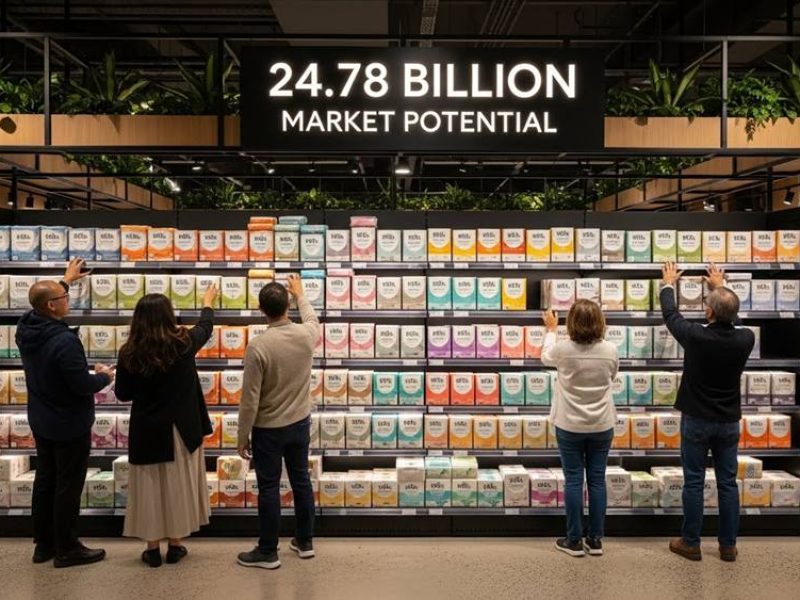
Global hygiene brands face a critical deadline as 2030 EU mandates approach and over 70% of consumers demand plastic-free alternatives. This shift moves the industry toward a market projected to reach $24.78 billion by 2035. Companies must now navigate the technical and financial gaps between traditional plastics and sustainable packaging design while maintaining supply chain efficiency.
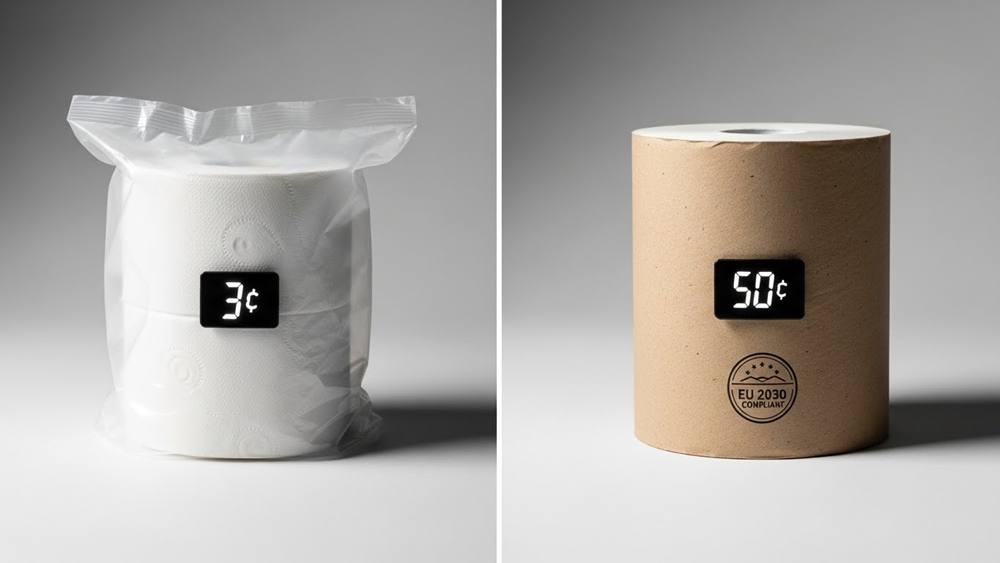
This guide examines the performance and cost of eco-friendly materials, including a comparison of 3-cent poly-bags versus 50-cent paper wraps. We evaluate the impact of soy-based inks on recyclability—which cut VOC emissions by 80%—and the role of PLA/PBAT blends in stabilizing bulk transit. By reviewing retail ROI and FSC-certified shipping requirements, businesses can implement a logistics strategy that meets both environmental standards and consumer expectations.
The Global Shift Toward Plastic-Free Hygiene
Global hygiene industries are transitioning toward plastic-free packaging to align with 2030 EU mandates and a consumer landscape where over 70% of shoppers prioritize sustainability. The market for these alternatives is projected to reach USD 24.78 billion by 2035, led by Kraft paper and plant-based solids across personal care and household segments.
Regulatory Mandates and Consumer Sustainability Shifts
Current European Union targets aim for 100% plastic-free packaging by 2030, with 2026 serving as a critical implementation year for manufacturing compliance. North American markets face increasing pressure from state-level bans in California, New York, and Washington, alongside national restrictions in Canada. These legislative changes mirror consumer data, which indicates that 75% of US and 70% of UK shoppers actively prefer hygiene products with eco-friendly or plastic-free packaging options.
Statistical Outlook for the Plastic-Free Market
The market for plastic-free packs carries a valuation of USD 7.291 billion entering 2026 and follows a trajectory toward USD 24.78 billion by 2035 at a 13.01% CAGR. North America currently holds the largest market share, while the Asia-Pacific region exhibits the fastest growth due to premium demand in China and India. Zero-waste shampoo and personal care segments contribute significantly to this expansion, with a projected 7.1% growth rate through the late 2020s.
Material Transitions in Hygiene Product Formats
Kraft paper has emerged as the leading alternative for secondary and primary packaging because of its biodegradability and structural strength. Plant-based materials represent the fastest-growing category, particularly for deodorant sticks and solid hygiene formats. Major global players including Unilever, Procter & Gamble, and Top Source Hygiene increasingly adopt refillable and compostable formats to meet FSC standards and fulfill long-term sustainability pledges.
Custom Paper-Wrap vs. Poly-Bag: Cost and Speed
Plastic packaging remains significantly more economical than paper, with standard poly-bags costing roughly 3 cents compared to 50 cents for paper alternatives. While paper supports plastic-free initiatives, plastic offers superior water resistance and faster production speeds for high-volume hygiene supply chains.
| Packaging Format | Estimated Cost (per 1,000 units) | Primary Industrial Advantage |
|---|---|---|
| Standard Polythene Bag | £51.49 | High-speed automation and moisture barrier |
| Custom Paper Wrap | £288.78 | Regulatory compliance and brand sustainability |
Unit Pricing and Material Investment
Standard plastic bags average 3 cents per unit, while paper alternatives typically reach 50 cents each. Bulk mailing data indicates that 1,000 polythene units cost roughly £51.49, whereas paper versions reach £288.78. Resource-intensive manufacturing processes drive these higher prices, as paper production generates more greenhouse gas emissions than plastic equivalents.
Logistics Efficiency and Shipping Weight
Lightweight plastic minimizes total freight weight and lowers global shipping expenses for bulk orders. Conversely, paper wrapping occupies more storage volume and can hinder automated packing lines due to its physical thickness. Top Source Hygiene manages high-volume logistics with a 2,860-ton monthly capacity and lead times of 20-25 days for full containers to maintain supply chain stability.
Durability and Production Speed Trade-offs
Plastic provides superior water and tear resistance, which is critical for protecting hygiene products during the 2026 supply chain cycle. Paper often needs multi-layer reinforcement to prevent moisture damage, adding time to the manufacturing process. Machine speeds for custom paper-wrap options generally lag behind high-speed poly-bagging equipment, affecting total output for urgent retail demands.
Designing for Recyclability: Soy-Based Ink Printing
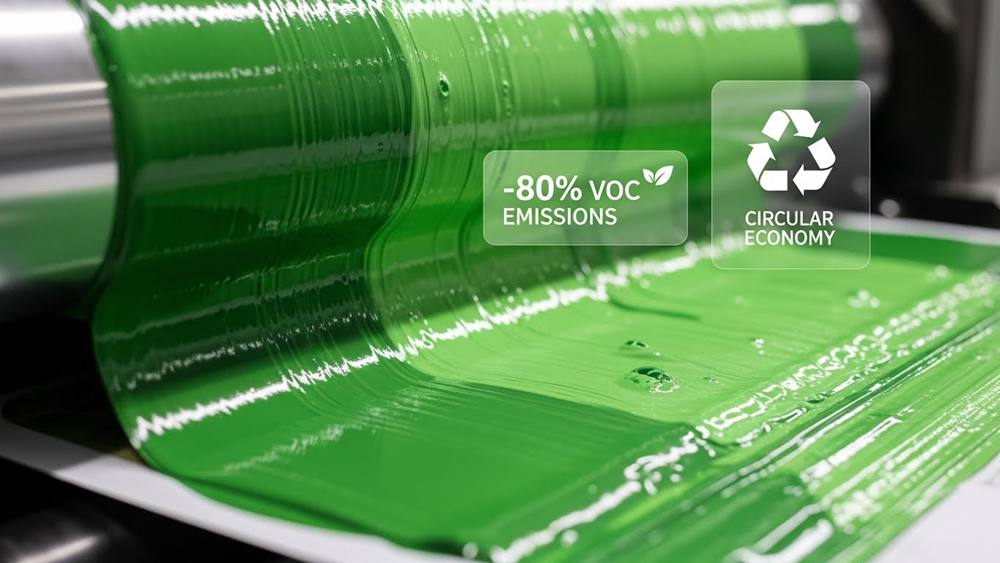
Soy-based inks improve the circularity of paper packaging by facilitating easier de-inking, reducing volatile organic compound (VOC) emissions by over 80%, and providing a 15% better spread that lowers total material consumption.
| Performance Metric | Petroleum-Based Inks | Soy-Based Inks |
|---|---|---|
| VOC Emissions | 4.6% | 0.8% |
| Ink Usage Reduction | Standard Baseline | 17% Less Volume |
| Decomposition Rate | Standard | 4x Faster |
Sustainability Advantages for Circular Paper Recycling
Water-soluble properties of soy ink simplify the removal of ink from paper fibers during the de-inking process. This efficiency allows recycling facilities to extract cleaner pulp without the harsh chemical treatments often required for petroleum-based alternatives. Because the material detaches cleanly, the resulting recycled paper streams are brighter and of higher quality, which is essential for manufacturing hygiene products like facial tissues and premium paper wraps.
Soy-based derivatives decompose four times faster than petroleum alternatives, significantly reducing long-term waste contamination. This rapid biodegradability supports composting goals and ensures that residual fibers do not introduce synthetic pollutants into the soil. For brands aiming for plastic-free certification, using renewable ink sources eliminates one of the most common barriers to achieving a 100% biodegradable product profile.
Operational Performance and Emission Reductions
Operational data reveals that soy inks provide a 17% reduction in usage per sheet. The material spreads 15% more effectively than traditional oils, allowing printers to achieve the same color density with a thinner layer of ink. This increased efficiency offsets the slightly higher price per gallon and reduces the frequency of ink refills during high-volume production runs.
Environmental safety in the workplace improves as VOC emissions drop to 0.8%, compared to the 4.6% found in petroleum-based inks. This 31% reduction in air pollution during the drying phase helps manufacturing plants comply with strict environmental regulations while providing a safer atmosphere for operators. Furthermore, printing runs generate approximately 9% less mixed ink and cleaner waste, supporting leaner manufacturing targets and reducing disposal costs.
Integration Strategies for Custom Paper Packaging
The 2% to 5% higher upfront cost of soy ink is typically offset by savings in total ink volume and more efficient cleanup procedures. Modern offset printing equipment remains fully compatible with these inks, allowing for high-quality custom branding on labels, cardboard boxes, and tissue packaging without mechanical modifications. This compatibility makes soy ink an accessible upgrade for companies transitioning away from plastic film and toward fiber-based alternatives.
Global adoption continues to rise as the market for sustainable inks reaches a projected value of USD 4.3 billion by 2032. Startups and sustainability directors can leverage these materials to meet consumer demand for transparency, especially in the cosmetics and personal care sectors where eco-labels influence purchasing decisions. Sourcing soy ink aligns supply chain practices with international recycling standards and the growing demand for plastic-free retail displays.
Build Your Unique Toilet Paper Brand with 30 Years of OEM Expertise
Bio-degradable Materials (PLA/PBAT) in Bulk Transit
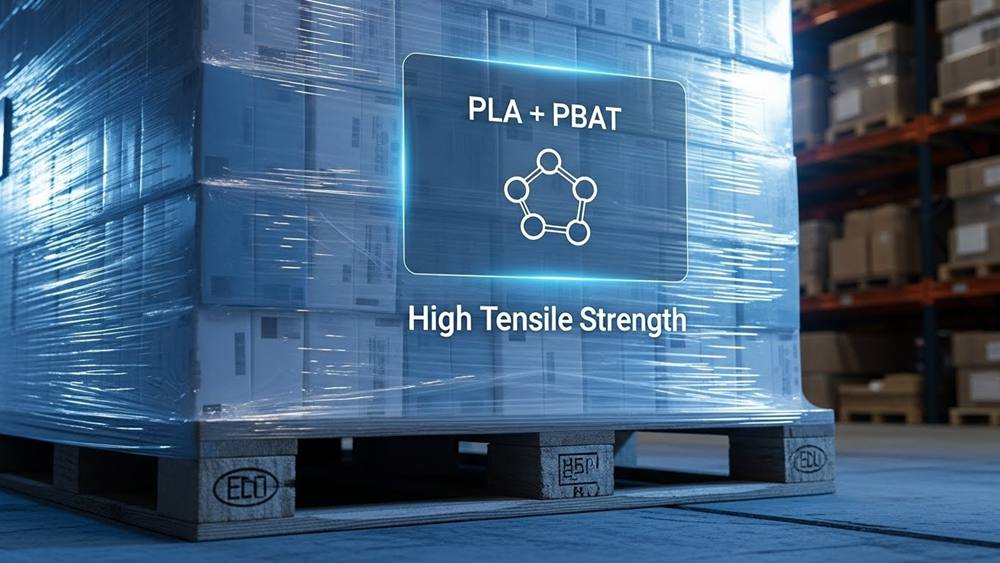
PLA and PBAT blends provide a technical solution for bulk transit by combining high-modulus rigidity with enhanced elongation. This composite material ensures pallet stability for heavy paper products while meeting 2026 international zero-waste compliance through industrial composting capabilities.
Tensile Strength and Flexibility of PLA/PBAT Blends
We utilize Polylactic Acid (PLA) for its high modulus and rigidity to support heavy palletized loads of paper products. While pure PLA can be brittle, blending it with Polybutylene Adipate Terephthalate (PBAT) improves the elongation at break. This modification prevents film tears during the 2026 shipping cycle, allowing the wrap to stretch and secure loads without snapping under high tension.
This composite material provides the puncture resistance necessary to protect soft facial tissues and kitchen towels from external contamination. The balanced mechanical properties ensure that the film survives the rigors of automated handling equipment and sharp pallet edges, maintaining a protective barrier that equals the performance of traditional polyethylene films.
Environmental Resilience and Degradation Cycles in 2026 Logistics
These bio-degradable films maintain mechanical stability across varying temperatures and humidity levels during 15-25 day sea transits. Standardized 2026 testing ensures the material remains intact during storage in high-traffic commercial venues like airports and malls. Logistics teams can rely on the film’s integrity throughout the global supply chain without fear of premature degradation in transit environments.
The bioplastic wrap converts to water and carbon dioxide in industrial composting settings, meeting international zero-waste compliance for high-volume retailers. By integrating these materials into the logistics chain, companies reduce their fossil fuel reliance while ensuring that the packaging can be processed efficiently in commercial organic waste streams after its primary use is complete.
Retail Display ROI of Sustainable Packaging
Sustainable packaging generates measurable returns by capturing a 60-64% consumer premium and driving 64% of first-time product trials through enhanced shelf appeal. Beyond sales growth, retailers realize operational ROI through 15-40% reductions in plastic expenses and 25-30% efficiency gains in logistics via smart material integration.
Consumer Conversion and Premium Pricing Models
Visual appeal serves as a primary driver for retail conversion, with data indicating that 64% of first-time product trials result from eco-friendly packaging designs. Consumers increasingly show a willingness to pay more for sustainability, as 60-64% of shoppers accept premium price points for products in sustainable housing. Integrating smart packaging features into these green formats further amplifies results, increasing consumer engagement by 40-50% compared to traditional retail displays.
Operational Savings and Logistics Efficiency
Retailers significantly lower overhead by investing in sustainable material capabilities, which can cut plastic packaging expenses by 15% to 40%. Operational advantages extend to the supply chain, where smart tracking technologies within green packaging generate 25-30% efficiency gains in logistics and inventory optimization. Lowering plastic usage directly correlates with reduced waste management costs and allows for more optimized shelf space management, maximizing the profitability of every square foot of retail area.
Market Growth and Long-Term Brand Equity
The sustainable packaging market continues a strong upward trajectory toward a $423.56 billion valuation by 2029, maintaining a 7.67% CAGR through 2026. Securing eco-friendly certifications strengthens vital retail partnerships and ensures access to global markets that enforce strict green compliance requirements. These initiatives contribute to a documented rise in brand reputation, fostering higher customer return rates and securing long-term equity in an increasingly conscious marketplace.
FSC-Certified Shipping Cartons for Full-Chain Green Compliance
FSC certification verifies that wood and paper-based shipping cartons are sourced from responsibly managed forests, ensuring environmental and social compliance across the entire supply chain through rigorous Chain of Custody protocols.
Tracking Materials through Chain of Custody Certification
Chain of Custody (CoC) protocols establish a traceable path for paper-based shipping cartons, monitoring materials from initial forest production to the final delivery. This systematic approach relies on internal material control systems to prevent the mixing of certified wood pulp with non-certified materials during manufacturing. Regular third-party audits and comprehensive documentation verify that every participant in the supply chain maintains strict environmental and social standards.
Compliance with 2026 Labeling and Global Export Standards
FSC labeling rules mandate that the official logo and license code appear only on cartons where every forest-based component meets certification requirements. Aligning with 2026 regulatory updates helps shipping cartons comply with new HS codes and green tariff requirements essential for international trade. Collaborating with accredited vendors ensures that FSC-certified packaging satisfies strict import regulations in North America and Europe, supporting seamless global logistics and sustainability goals.
Case Study: Moving a Brand to 100% Plastic-Free
Eliminating plastic from a global supply chain requires transitioning to high-strength fibers and cellulose-based materials. The plastic-free packaging market is projected to reach USD 13.1 billion by 2035, driven by a 13.01% CAGR in specific segments as brands replace rigid plastics with recyclable alternatives like molded fiber and kraft paper.
Adopting High-Strength Fiber and Cellulose Alternatives
Brands replace traditional rigid plastics with kraft paper and heavy-duty paperboard to maintain structural integrity while ensuring the final product remains fully recyclable. These materials serve as the primary substitute in the food and hygiene sectors, which currently dominate the market with a 31.2% revenue share. By choosing fiber-based solutions, companies meet the demand of 74% of consumers who report a willingness to pay premiums for sustainable packaging.
The global plastic-free packaging market is expected to exceed USD 9.2 billion by 2026, fueled by rapid adoption in high-growth regions. Significant investments in China and India have scaled the production of molded fiber, providing cost-competitive alternatives to traditional single-use plastic trays. These manufacturing hubs enable brands to source sustainable inserts at scale, overcoming previous barriers related to supply chain volume and material consistency.
Implementation Successes in Electronics and Consumer Goods
Google successfully eliminated single-use plastics across its consumer electronics product lines by redesigning internal components and outer shipping materials. This transition highlights a broader industry shift where consumer electronics companies move toward 100% plastic-free formats by 2026. These efforts often involve replacing plastic films with cellulose wraps and using soy-based inks to enhance the recyclability of the final fiber-based carton.
Large-scale beverage and hygiene brands also show measurable results in plastic reduction. Coca-Cola Europacific Partners reduced PET usage in standard 500ml bottles by 15%, removing nearly 10,000 tonnes of plastic from their supply chain annually. Meanwhile, in the Asia-Pacific market, refillable formats and solid bar hygiene products continue to gain market share as retailers prioritize plastic-free retail displays. This regional growth, climbing at a CAGR of over 5%, suggests that sustainable packaging is no longer a niche preference but a fundamental requirement for market entry.
The 2026 Plastic-Free Sourcing Checklist: 10 Critical Insights
To successfully transition your brand, audit your supply chain against these ten technical and financial benchmarks:
-
The 2026 Compliance Window: Align manufacturing now to beat the 2030 EU mandate, as lead times for certified paper-wrap machinery are extending.
-
Cost Reality Check: Budget for the 3-cent to 50-cent jump per unit when switching from poly-bags to premium paper-wraps.
-
Shelf Appeal ROI: Leverage the 64% surge in consumer trial rates to justify the higher upfront cost of sustainable materials.
-
VOC Reduction: Mandate soy-based inks to slash VOC emissions by 80% and improve the recyclability of your outer cartons.
-
Transit Stability: Use PLA/PBAT blends for bulk transit; they provide the high tensile strength needed to survive 25-day sea voyages.
-
FSC Traceability: Ensure every node in your supply chain holds a Chain of Custody (CoC) certificate to avoid greenwashing penalties.
-
Ink Efficiency: Benefit from the 17% volume reduction offered by soy inks, which spread more effectively than petroleum-based oils.
-
Industrial Composting: Verify that your bio-plastic wraps meet EN 13432 or ASTM D6400 standards for industrial compostability.
-
The “Eco-Premium” Margin: Target the 60-64% of consumers willing to pay a premium for verified plastic-free hygiene products.
-
Zero-Waste Logistics: Transition to FSC-certified shipping cartons to ensure your secondary packaging matches your primary product’s green claims.
Frequently Asked Questions
Can a manufacturing facility provide 100% plastic-free packaging for all products?
Universal adoption of 100% plastic-free packaging remains challenging due to technical barriers in moisture protection and cost. In the 2026 landscape, the market continues to shift toward alternatives like molded fiber and cellulose coatings, with the sector projected to exceed $11 billion by 2030. While many applications like food trays and hygiene boxes are now fully plastic-free, multi-layer flexible packaging often still requires specialized barriers.
Is paper wrapping significantly more expensive than standard plastic film?
Paper mailers and wraps typically cost two to four times more than equivalent plastic films due to higher raw material and energy costs. The price difference is narrowing as new plastic taxes and environmental regulations increase the total cost of ownership for petroleum-based products. Brands often offset these costs through improved customer loyalty and reduced labor when using high-strength paper tapes.
How do biodegradable bags perform during long-distance transit and storage?
Certified compostable bags maintain high durability and elasticity, withstanding temperatures up to 85°C and freezer conditions without leaking. They offer better breathability for organic contents compared to traditional plastic. For the best results, these bags should be used within six to twelve months and stored in cool, dry environments to prevent premature breakdown.
Which printing inks are most effective for sustainable hygiene packaging?
Soy-based and water-based inks are the preferred choices for eco-friendly packaging because they emit fewer volatile organic compounds (VOCs) and allow for easier recycling. Algae-based inks have emerged as a high-performance option with a negative carbon footprint, while UV-curable inks eliminate solvents and cure instantly, reducing energy consumption during production.
What is the best way to market plastic-free toilet paper to modern consumers?
Successful marketing strategies emphasize FSC certifications, skin safety, and the absence of fragrances or bleach. Consumers in major markets like North America and Europe show a strong preference for non-bleached materials and plastic-free outer wraps. Highlighting specific waste reduction metrics, such as the use of coreless rolls, also appeals to the growing segment of eco-conscious shoppers.
Are FSC-labeled outer cartons available for bulk shipping and logistics?
Many packaging firms now hold FSC chain-of-custody certifications, enabling them to provide traceable, FSC-labeled outer cartons for shipping. These cartons ensure that the entire supply chain meets strict environmental and social standards. Demand for these materials has risen sharply due to the growth of sustainable e-commerce and regional compliance requirements.
Final Thoughts
Transitioning to sustainable hygiene packaging aligns production with upcoming 2026 manufacturing deadlines and shifting buyer habits. Choosing paper wraps or plant-based bags balances higher initial unit costs against regulatory safety and market share. Brands integrating these materials now prepare for the $24.78 billion demand projected for the next decade.
Moving away from plastic requires high-performance soy inks and PLA/PBAT blends that survive international shipping. These technologies provide the durability needed for bulk transit while lowering VOC emissions. Establishing a traceable supply chain through FSC certification builds brand equity and secures a place in competitive retail environments.
SEO
Title: Eco-Packaging: Customizing Paper Wraps and Compostable Bags
Description: Plastic-free hygiene packaging allows brands to meet EU mandates while optimizing costs for paper wraps, soy inks, and biodegradable transit.
URL: plastic-free-hygiene-packaging-trends
Keywords: Plastic-free hygiene packaging