Skip to content
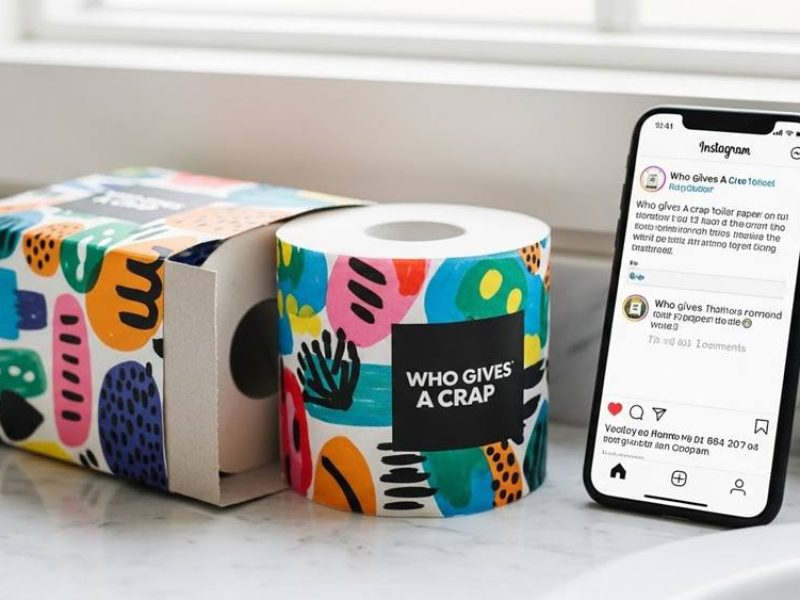
While the global tissue market scales toward a $64.75 billion valuation by 2030, savvy B2B operators are moving beyond commodity pricing to capture 500% surges in organic traffic through high-impact novelty branding. Data confirms that custom-branded amenities drive a 20% increase in guest satisfaction scores, transforming a $0.70-per-unit investment into a potent social media asset and hospitality differentiator.
We analyze the market-disrupting models of Who Gives A Crap and Renova Black to illustrate how purpose-driven and aesthetic differentiation yield high-margin returns. This guide provides the technical specifications required for Promotional Branded Tissue procurement, including ISO 9001 quality standards, FSC-certified material sourcing, and the strict 25% ink coverage limits necessary to preserve tensile strength during 1200 dpi digital printing.
The Viral Potential of Branded Toilet Paper
Branded tissue transforms staples into marketing tools via “surprise and delight.” The Who Gives A Crap model proves combining donations with premium materials drives viral engagement and sustainable growth.
| Market Metric | Data Point | Business Context |
|---|---|---|
| Global Market (2025) | USD 55.44 Billion | Projected to reach $64.75B by 2030 with 3.15% CAGR. |
| Private Label Share | >33% Retail Sales | Strong shift toward store-branded and specialty DTC brands. |
| Regional Dominance | 39.28% Revenue | North America leads global consumption and premiumization trends. |
| Bidet Adoption | +80% Growth | Reduces total volume use by 75% but increases demand for premium rolls. |
The Psychology of Novelty in Purpose-Driven Branding
The “unboxing” experience has moved from tech gadgets to the bathroom. Brands like “Who Gives A Crap” effectively turned a dull household staple into a social media asset by wrapping rolls in vibrant, recycled paper and donating 50% of profits to sanitation projects. This strategy generated A$11 million for charities over a decade, including A$5.85 million in 2020 alone. Purpose-driven branding satisfies the 53% of consumers who now choose premiumized, eco-friendly goods over generic alternatives.
This shift relies on more than just aesthetics. By using FSC-certified virgin pulp and sustainable packaging, brands align their physical product with the values shared in their marketing campaigns. When a consumer buys a roll that funds a toilet for someone in need, the purchase becomes an act of micro-philanthropy that people are eager to share online, driving organic visibility without traditional ad spend.
Quantifying Impact: Engagement Metrics and Conversion ROI
Financial data confirms that custom tissue products influence bottom-line performance across multiple sectors. Hospitality clients using custom-branded amenities report a 20% increase in guest satisfaction scores. Also, retail groups see a 30% surge in product sales after switching to private-label, eco-friendly strategies. These gains persist even as the toilet paper market faces disruption from the bidet sector, which saw an 80% sales jump recently.
The Direct-to-Consumer (DTC) model remains the primary growth engine for branded tissue. Online sales are on track to maintain a 5.84% CAGR through 2030, outperforming traditional retail growth. This growth is sustained by the following consumer preferences and market shifts:
- Comfort Demands: 53% of consumers prefer multi-ply tissue, allowing for higher margins on premium SKUs.
- Sensitive Skin: 47% of users seek fragrance-free options, driving the “Naturality” shopper segment.
- Commercial Efficiency: One-ply tissue holds a 46% market share in high-traffic B2B venues because it is 22% more efficient than two-fold alternatives.
- Pulp Costs: Brands are raising prices to offset a 14% rise in pulp costs, making premium branding essential to justify the spend.
While bidet usage can reduce paper consumption by 75% per household, the total market value continues to rise as consumers trade up to scented or specialty rolls. High-margin segments like aloe and lavender-infused rolls help brands maintain profitability despite volume fluctuations.
Custom Printed Sheets: Photos, Logos, and Messages
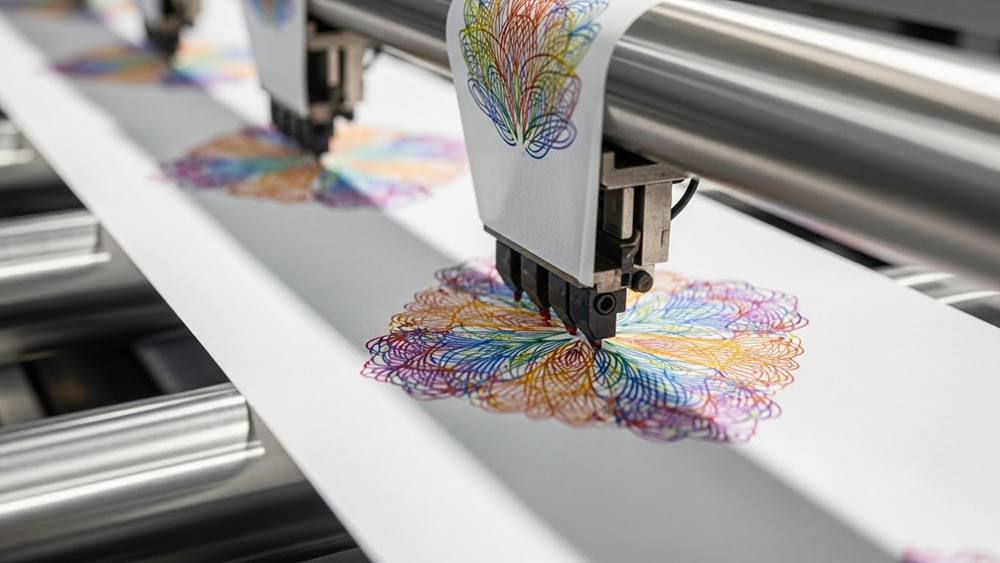
Custom printed tissue uses 17-45 GSM stocks, supporting 1200 dpi digital or 6-color Pantone offset printing. Specs require 25% maximum ink coverage to maintain structural tensile strength.
Advanced Printing Techniques for High-Definition Brand Visuals
Standard tissue isn’t a blank canvas for every file type. High-definition results require a specific hardware-to-substrate match. For complex photos and detailed logos, 1200 dpi digital printing ensures zero pixelation on lightweight stocks.
- Print Resolution: Up to 1200 dpi for digital; 6-color Pantone (PMS) or CMYK for offset production.
- Inks: Precision application of eco-friendly soy-based or water-based fluids.
- Artwork Specifications: Vector-based requirements (EPS or high-res PDF) to ensure crisp 20” x 30” output.
- Luxury Enhancements: Foil stamping capabilities available for heavier stocks (≥22 GSM).
Foil stamping adds a significant premium feel but requires physical durability. While 17 GSM is excellent for standard wrapping, the mechanical pressure of foil stamping necessitates a move to 22 GSM or higher to prevent tearing during the press phase.
Technical Parameters for Material Strength and Ink Performance
Printing on tissue involves balancing aesthetics with physics. Saturating a 17 GSM sheet with too much ink compromises the fibers and causes bleeding. We strictly limit ink coverage to ensure the paper survives the packing process without shredding.
- Ink Coverage Limit: 25% maximum coverage to preserve 1.8 kN/m tensile strength on 17 GSM paper.
- Material Composition: Use of pH-neutral (7.0-9.0) acid-free virgin wood pulp to prevent message yellowing.
- Opacity Levels: 30 GSM sheets provide 85% light blockage to highlight printed logos effectively.
- Scalability: Minimum orders starting at 1,000 sheets with 72-hour physical proofing options.
Engineers prioritize GSM for mechanical performance. Lower weights offer higher flexibility, but if the goal is high-contrast logo visibility, 30 GSM is the sweet spot. It provides enough opacity to stop the product inside the wrap from visually interfering with the brand logo.
Low-MOQ Options for Promotional Events and Giveaways
Digital printing enables custom tissue orders as low as 100 sheets, eliminating the 20,000-unit minimums of traditional manufacturing for niche marketing and events.
Scaling Brand Reach with Digital Printing and Small Batches
Traditional manufacturing requires massive volume to offset the cost of physical printing plates. Digital printing bypasses this barrier, making professional branding accessible for pop-up shops and boutique giveaways. This technology allows for seasonal designs or specific event messaging without the financial burden of dead stock.
- Minimum Order Quantities: 100 to 250 sheets via digital-first suppliers.
- Unit Economics: Approximately $0.70 per sheet for low-run custom batches.
- Setup Costs: $0 (Digital processes eliminate plate fees).
- Versatility: Supports small-batch consistency for product launches under 1,000 units.
Technical Specs: GSM, Dimensions, and Material Quality
Material selection depends on GSM (grams per square meter). A lower GSM offers the classic sheer “crinkle” look, while higher weights provide the tear resistance needed for durable gift packaging or premium inserts.
- Paper Weights: 17 GSM (sheer), 30–45 GSM (durable), 70 GSM (premium inserts).
- Standard Sizes: 380×500 mm (Small) and 500×750 mm (Medium).
- Eco-Standards: FSC-certified, acid-free, 100% virgin wood pulp.
- Turnaround Times: 2–3 days for stock; 10 days for custom design fulfillment.
Event planners should verify that materials are acid-free to ensure the tissue remains home-compostable and does not yellow over time. Using FSC-certified virgin pulp ensures the product meets sustainability mandates often required for corporate gifting and high-profile promotional events.
Build Your Brand with Global Experts in Custom Toilet Paper OEM
Packaging for Impact: Custom Boxes and Foil Wraps
Custom packaging transforms basic tissue into premium assets. Using 17-45gsm materials ensures durability and hygiene while meeting ISO 9001 and moisture protection standards for retail and hospitality.
Elevating Brand Identity with Custom Outer Packaging
B2B buyers in the hospitality and retail sectors use OEM and ODM services to align secondary packaging with corporate branding. Custom-branded boxes do more than house the product; they increase guest satisfaction scores by up to 20% in professional environments by signaling attention to detail.
- Foil Wraps: These serve as a moisture barrier for individual rolls, maintaining hygiene and providing a boutique aesthetic.
- Private Label Finishes: Full-color printing and diverse textures allow brands to differentiate products in high-traffic retail settings.
- Sustainable Positioning: Utilizing FSC-certified recycled materials or 100% virgin wood pulp satisfies the growing demand for eco-conscious supply chains.
Technical Specifications and Material Standards
Manufacturing high-impact packaging requires strict adherence to physical tolerances and international regulations. We balance material weight against cost to ensure the product survives the logistics chain without degrading the visual appeal.
- GSM Standards: Options include 17gsm (wraps), 22gsm (standard), and up to 45gsm for heavy-duty outer containers.
- Thickness & Dimensions: Paper thickness ranges from 10 to 35 microns. Standard sheet sizes are 20″ x 30″, with custom sizes at 17″ x 23″ and 23″ x 34″.
- Print Specifications: We limit ink to 25% coverage per sheet with 0.02″ trapping to ensure clear logo reproduction.
- Compliance: All packaging meets ISO 9001 quality standards, FDA requirements for North America, and EU hygiene regulations.
Budgeting for these solutions depends on the chosen basis weight. Market rates average $60 per 10,000 sheets for 17gsm material, while 30gsm stock typically reaches $110. Selecting 22gsm provides the most popular balance between cost-efficiency and professional quality.
Case Study: A Successful Viral Marketing Campaign via Tissue
Renova Black proved that color-based novelty can bypass traditional ad spends, driving a 500% traffic surge and global PR within three months through organic “mouth-to-ear” sharing.
| Performance Metric | Recorded Outcome |
|---|---|
| Global Media Reach | Achieved in under 3 months |
| Website Traffic Growth | 500% increase in hit rates |
| Customer Acquisition | Organic “mouth-to-ear” (Zero major ad spend) |
| Price Elasticity | Shipping costs exceeded product value |
The Renova Black Phenomenon: Organic Growth and Media Reach
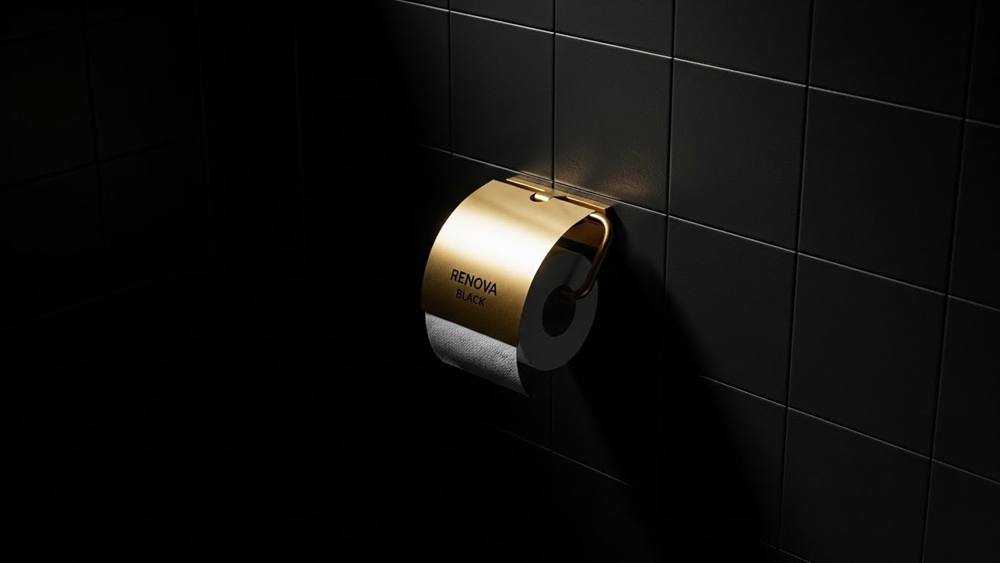
Renova Black didn’t rely on billboards or TV spots. Instead, the brand weaponized a single visual differentiator: color. By launching a black toilet tissue, they transformed a generic household commodity into a lifestyle statement that people actually wanted to discuss.
This “improbable product” strategy triggered immediate media interest. Within 90 days, the campaign secured coverage in high-tier global publications, including:
- The Washington Post: Providing mainstream visibility in the US market.
- The Sunday Morning Herald: Establishing the brand in Australia without local ad agencies.
- Niche Online Communities: Fueling organic “mouth-to-ear” spreading that bypassed traditional marketing costs.
Quantifiable Marketing Outcomes: Traffic and Consumer Behavior
The campaign’s success wasn’t just about PR mentions; it drove hard digital engagement. Directly following the viral launch, the company’s website experienced a 5-fold (500%) increase in hit rates. This surge represented a massive formation of a new, niche consumer community specifically interested in high-design paper products.
Consumer behavior data also revealed extreme price elasticity. Buyers demonstrated a willingness to pay more for the transport and shipping of the tissue than the value of the tissue itself. This shift indicates that novelty and branding can successfully override standard commodity pricing models in the tissue industry.
Success in this context moved away from technical engineering standards. Rather than focusing on ISO mechanical properties or PSI strength, the brand prioritized PR pickup and traffic surges as its primary KPIs. The result was a high-value brand positioning that standard white tissue products cannot replicate.
Managing Copyright and Artwork Requirements for Printing
Branded tissue production requires 300 DPI vector artwork and legal IP certification. US law mandates a single deposit copy for commercial label registration to ensure compliance.
Legal Compliance: Navigating Copyright, Licensing, and Fair Use
Printers will not risk a lawsuit for your logo. Manufacturers require signed certification that you own the intellectual property or possess a valid license before production begins. Commercial tissue sales trigger full licensing requirements; do not rely on fair use, as it rarely applies to commercial merchandise.
- Deposit Requirements: Under 37 CFR 202.20, commercial prints and labels for promotional tissue require only one complete copy for US Copyright Office registration.
- Public Domain Thresholds: Works created before 1929 are generally free to use, but modern trademarks (like updated logos) require active defense and permission.
- Licensing: Commercial distribution requires written contracts specifying duration, usage scope, and per-item fees.
- Ownership Verification: Companies like PromotionChoice and Top Source Hygiene mandate customer IP certification to shield the supply chain from infringement liability.
Technical Artwork Specifications: Vector Formats and Print Readiness
Tissue paper is a porous and challenging substrate. Low-resolution files result in ink bleeding and blurry branding. To maintain high-fidelity results, your creative team must adhere to strict file formatting and resolution standards before submission.
- Mandatory Formats: Submit files in AI, EPS, or CDR vector formats with all fonts converted to outlines to prevent rendering errors.
- Raster Resolution: If using JPG, TIFF, or BMP files, a minimum of 300 DPI is required for acceptable clarity.
- Production Lead Times: Custom sample production takes approximately 10 days, followed by a 15-25 day mass production cycle.
- Regulatory Labeling: Designs must incorporate regional hygiene standards, including FDA requirements for North America or specific EU labeling mandates.
Logistics: Handling Small-Batch Shipments for Events
Consolidated LTL freight avoids per-package drayage fees and split-delivery delays, ensuring branded tissue arrives within specific venue move-in windows.
Strategic Shipping: Consolidation and Carrier Selection
Small-batch event orders rarely fill a 40-foot high-cube container. Shipping these via small package carriers like UPS or FedEx often backfires because they split shipments. When five boxes arrive on five different days, the venue treats them as five separate deliveries, each triggering its own processing fee. Using Less-than-Truckload (LTL) freight keeps the order together and keeps costs predictable.
- Freight Type: Less-than-Truckload (LTL) for shipments below full container capacity.
- Production Lead Time: 15–25 days for factory manufacturing cycles.
- Regional Transit: 7–25 days depending on the venue’s proximity to the distribution hub.
- Consolidation: Merging units into a single freight bill to eliminate per-package administrative overhead.
Event Site Coordination: Drayage and Delivery Windows
The final mile of event logistics happens on the loading dock. Drayage services handle the physical movement of your branded tissue from the dock to your exhibit space. Missing a “Targeted Move-In” window often results in forced waiting time or premium last-minute handling surcharges. Precision timing is the only way to protect the margin on a low-MOQ order.
- Move-In Windows: Specific time slots assigned by the venue to manage dock traffic and labor.
- Scheduling Notice: Minimum 48–72 hour advance notice required for return shipments.
- Regulatory Compliance: Adherence to FDA, FSC, and international hygiene standards during transit.
- Material Handling: Coordination of on-site labor to transport goods to specific booth coordinates.
Final Thoughts
Novelty creates viral PR, but technical constraints limit usability. While custom tissue drives 500% traffic spikes, ink irritants make it a display asset rather than a functional toiletry.
Launch a 100-roll digital pilot run to bypass plate fees and test engagement. Focus your design on high-opacity 22 GSM outer wraps to maximize visual impact without compromising structural integrity.
Frequently Asked Questions
Can I print my logo on every individual sheet of toilet paper?
No. Industry standards for roll-fed printing do not allow for unique logos on every sheet. Designs repeat across a cycle of 4 to 50 sheets; a common setup uses a 400mm design space that repeats 50 times across a standard 200-sheet roll.
What is the minimum order quantity (MOQ) for promotional branded rolls?
Small custom runs start at 100 rolls. The standard industry threshold for a specific artwork design is 500 rolls. Large-scale OEM manufacturers often require 10,000 rolls but may provide flexibility for initial brand trials.
Is the ink used for custom tissue printing safe for the skin?
No. Printing inks are classified as skin irritants (Skin Irrit. 2) and are not intended for direct skin contact. Safety data sheets indicate they can cause allergic reactions or burns, requiring immediate washing with soap and water if contact occurs.
How long is the typical lead time for custom event tissue production?
The standard production timeline is 14 to 21 business days after artwork approval and payment confirmation. While express options can reduce this to 14 days, the standard industry turnaround for high-quality custom tissue is 21 days.
Can I customize the outer packaging for marketing giveaways?
Yes. You can customize outer wraps with up to 6-color Pantone or CMYK printing. Options include gloss, matte, or spot UV finishes, gold/silver foiling, and FSC-certified materials, with basis weights ranging from 17 to 33 GSM.
What are the specific artwork requirements for printing on tissue?
Submit designs in vector format (AI or PDF) at a minimum of 300 DPI in CMYK. To maintain the paper’s structural integrity, print coverage is strictly limited to a maximum of 25% per sheet.