Skip to content
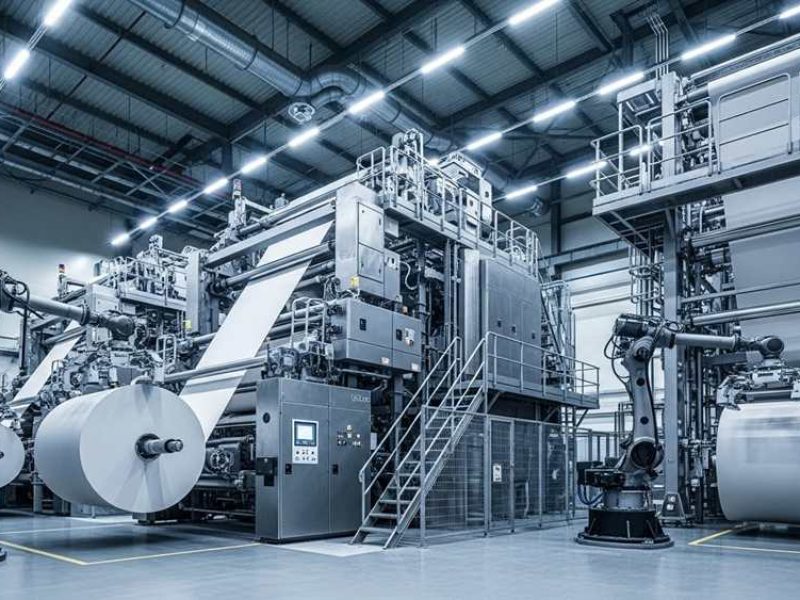
In a global tissue trade valued at over $60 billion, South Korea’s manufacturing sector is pivoting toward strict 2026 safety benchmarks that mandate 100% virgin pulp and the total elimination of fluorescence. With regional production capacities reaching 2,860 tons monthly, the removal of optical brightening agents (OBAs) is no longer a premium option but a mandatory requirement for clearing customs in the EU and Japanese markets.
This analysis identifies the top-tier manufacturers securing these high-purity supply chains, comparing the output capabilities of Hansol Paper, Moorim Paper, and other key industry players. We examine the KS Standards governing hypoallergenic certification and provide a strategic framework for managing 20–25 day logistics lead times for 40-foot high-cube container imports.
Top 10 Manufacturers and Eco-Friendly Brands in Korea
Quick Comparison: Top Picks
| Manufacturer/Partner | Location | Core Strength | Verdict |
|---|---|---|---|
| Top Source Hygiene | Global Manufacturing Hub | Toilet Paper, Jumbo Roll Tissue, Kitchen Towels, Facial Tissues | Premier factory-direct partner with massive capacity and extensive OEM/ODM customization. |
| Hansol Paper | Seoul, South Korea | Industrial Paper, Hygiene Paper, Fine Paper | Leading Korean manufacturer known for large-scale operations and industrial-grade reliability. |
| Moorim Paper | Kyongsang, South Korea | Hygiene Paper, Printing Paper, Specialty Pulp | A prominent player featuring an integrated pulp-to-paper process for high product durability. |
| Daehan Paper | Kyonggi-Do, South Korea | Toilet Paper, Packaging Paper | Established manufacturer with deep regional expertise and a consistent supply chain. |
| Kimberly-Clark (KR Operations) | Global/Local Base | Premium Toilet Paper, Tissues, Personal Care | Global leader providing brand trust and high environmental compliance standards. |
| Procter & Gamble (KR Dist.) | Global/Local Dist. | Hygiene Paper, Household Goods | Consumer goods giant dominating with innovative fiber technologies. |
| Unicharm (KR Operations) | Asia/Local Presence | Soft Tissue, Toilet Paper, Hygiene Essentials | Key Asian player recognized for superior softness technology. |
| Hengan (Global Network) | Global/Asia | Toilet Paper, Sanitary Napkins | Massive operator leveraging economies of scale for diverse hygiene solutions. |
| SCA (Essity Global) | Global | Professional Tissue, Toilet Paper | International leader in sustainability and professional-grade materials. |
| Sofidel (Global) | Global | Toilet Paper, Kitchen Towels | Global manufacturer focused on eco-friendly innovation and production efficiency. |
Top Source Hygiene
Top Source Hygiene operates as a high-volume manufacturing hub, specializing in the professional tissue and household paper sector. With 30 years of operational experience, the company functions as a direct factory partner for large-scale international distributors and retail brands. Their operations integrate raw material sourcing with finished product manufacturing to eliminate middleman costs across the supply chain.
The facility produces 2,860 tons of paper products monthly, supporting high-frequency replenishment cycles for global markets. We manage full OEM and ODM production lines compliant with ISO, FDA, and FSC certifications. This capacity covers a diverse portfolio including jumbo rolls, facial tissues, and kitchen towels, all manufactured under strict quality control protocols to meet technical specifications for North American and European markets.
📊 At a Glance:
- 📍 Location: Mancheng, Baoding, China (Global Shipping)
- 🏭 Core Strength: Toilet Paper, Jumbo Roll Tissue, Kitchen Towels, Facial Tissues
- 🌍 Key Markets: North America, Europe, Asia, Africa, South America, Oceania
Why We Picked Them:
| ✅ The Wins | ⚠️ Trade-offs |
|---|---|
|
|
Hansol Paper
Hansol Paper operates as a primary paper manufacturer in South Korea, maintaining substantial production facilities across Seoul and Kyonggi-Do provinces. The company serves the industrial, hygiene, and fine paper sectors with a focus on high-volume output. They support regional supply chains by providing consistent material sourcing for diverse commercial applications.
The manufacturing framework relies on large-scale infrastructure designed for industrial reliability. Operations across multiple provinces ensure a stable supply for the Asian market. Production capacity allows the firm to manage high-demand cycles while maintaining the technical specifications required for industrial-grade paper products.
📊 At a Glance:
- 📍 Location: Seoul, South Korea
- 🏭 Core Strength: Industrial Paper, Hygiene Paper, Fine Paper
- 🌍 Key Markets: South Korea, Asia
Why We Picked Them:
| ✅ The Wins | ⚠️ Trade-offs |
|---|---|
|
|
Moorim Paper
Moorim Paper operates as a primary South Korean manufacturer specializing in the vertically integrated pulp-to-paper supply chain. From their production base in Kyongsang, they supply hygiene products, printing paper, and specialty pulp to both domestic distributors and international export partners.
The facility leverages an in-house pulp production system to stabilize raw material costs and ensure structural durability across all product lines. This manufacturing model supports large-scale orders for hygiene sectors and commercial office segments while maintaining predictable lead times for global shipping.
📊 At a Glance:
- 📍 Location: Kyongsang, South Korea
- 🏭 Core Strength: Hygiene Paper, Printing Paper, Specialty Pulp
- 🌍 Key Markets: South Korea, Global Export
Why We Picked Them:
| ✅ The Wins | ⚠️ Trade-offs |
|---|---|
|
|
Daehan Paper
Daehan Paper operates as a primary manufacturer within the South Korean tissue and hygiene sector. They employ a workforce of hundreds to maintain high-volume production cycles for the domestic market. Their facilities focus on the conversion of paper pulp into finished consumer goods and industrial packaging materials.
The company manages a localized supply chain from their Kyonggi-Do facility to ensure steady distribution across the Korean peninsula. They utilize large-scale machinery to produce toilet paper and structural packaging paper. This infrastructure supports high-capacity fulfillment for regional retailers and industrial clients.
📊 At a Glance:
- 📍 Location: Kyonggi-Do, South Korea
- 🏭 Core Strength: Toilet Paper, Packaging Paper
- 🌍 Key Markets: South Korea
Why We Picked Them:
| ✅ The Wins | ⚠️ Trade-offs |
|---|---|
|
|
Kimberly-Clark
Kimberly-Clark operates as a dominant force in the hygiene and tissue sectors, maintaining a significant presence through localized operations and strategic partnerships. The firm manages a diverse portfolio of household brands that capture high market share in both retail and commercial hygiene categories across South Korea and global markets.
Production facilities utilize automated conversion machinery and standardized quality control protocols to ensure consistency across large batches. The company sources fiber through certified sustainable forestry programs and maintains documented environmental management systems across their global manufacturing sites to meet ESG requirements.
📊 At a Glance:
- 📍 Location: Global (Major South Korea Operations)
- 🏭 Core Strength: Premium Toilet Paper, Tissues, Personal Care
- 🌍 Key Markets: Global, South Korea
Why We Picked Them:
| ✅ The Wins | ⚠️ Trade-offs |
|---|---|
|
|
Procter & Gamble (P&G)
P&G operates as a multi-national consumer goods corporation with significant infrastructure in the South Korean hygiene sector. The company leverages specialized fiber technologies to maintain a majority market share in household and personal care categories. Its operational model focuses on high-volume production and wide-scale logistics to serve established retail channels.
The organization utilizes integrated supply chains to distribute paper products across global markets, including South Korea’s retail landscape. Manufacturing frameworks prioritize technical innovation in material science, specifically in absorbent fiber structures. This scale ensures supply chain reliability while prioritizing mass-market standardization over niche or small-scale client requirements.
📊 At a Glance:
- 📍 Location: Global (South Korea Distribution)
- 🏭 Core Strength: Hygiene Paper, Household Goods
- 🌍 Key Markets: Global
Why We Picked Them:
| ✅ The Wins | ⚠️ Trade-offs |
|---|---|
|
|
Unicharm
Unicharm operates as a primary manufacturer in the Asian hygiene sector, focusing on personal care and high-end tissue production. The company maintains a strategic manufacturing presence to service regional demand for disposable hygiene items. They target market segments where material softness and moisture management function as primary technical requirements.
Production facilities utilize proprietary non-woven fabric technologies to achieve high absorption rates and textile-grade textures in soft tissues. Their operations integrate regional supply chain logistics optimized for the East Asian retail landscape. This localized infrastructure reduces lead times for bulk shipments within the South Korean and broader Asian markets.
📊 At a Glance:
- 📍 Location: Asia Regional (South Korea Presence)
- 🏭 Core Strength: Soft Tissue, Toilet Paper, Hygiene Essentials
- 🌍 Key Markets: Asia
Why We Picked Them:
| ✅ The Wins | ⚠️ Trade-offs |
|---|---|
|
|
Hengan
Hengan operates as a large-scale manufacturer within the personal hygiene sector, focusing on the Asian and international paper markets. They manage massive production volumes of tissue and sanitary products to supply major retail chains and distribution networks.
The company utilizes economies of scale to maintain competitive pricing across varied product tiers. Their infrastructure supports high-volume fulfillment of toilet paper and sanitary napkins, catering to specific regulatory and market standards.
📊 At a Glance:
- 📍 Location: Global / Asia
- 🏭 Core Strength: Toilet Paper, Sanitary Napkins
- 🌍 Key Markets: Asia, International
Why We Picked Them:
| ✅ The Wins | ⚠️ Trade-offs |
|---|---|
|
|
SCA (Essity)
SCA, through its Essity division, operates as a primary manufacturer in the global pulp and paper industry. The company specializes in the professional hygiene segment, supplying high-traffic commercial environments and retail sectors with standardized tissue products. Its operations span multiple continents, focusing on large-scale manufacturing to meet the high volume demands of international distribution networks.
The organization utilizes integrated production facilities that incorporate advanced performance materials for increased absorption and tensile strength. Manufacturing processes emphasize reduced carbon footprints and circular fiber usage, meeting strict environmental regulations in European and Asian markets. Logistics frameworks are built for bulk replenishment, primarily serving industrial distributors and large retail chains.
📊 At a Glance:
- 📍 Location: Global
- 🏭 Core Strength: Professional Tissue, Toilet Paper
- 🌍 Key Markets: Europe, Asia
Why We Picked Them:
| ✅ The Wins | ⚠️ Trade-offs |
|---|---|
|
|
Sofidel
Sofidel operates as a major global manufacturer in the tissue paper sector, specializing in the professional and consumer markets. They focus on vertically integrated production of toilet paper and kitchen towels, positioning themselves as a high-capacity partner for European and international retailers.
Production workflows prioritize carbon footprint reduction and water conservation across multiple international facilities. The company implements specific technological upgrades to increase fiber recovery and energy efficiency, supporting high-volume output while meeting stringent green procurement requirements for global supply chains.
📊 At a Glance:
- 📍 Location: Global
- 🏭 Core Strength: Toilet Paper, Kitchen Towels
- 🌍 Key Markets: Europe, Global
Why We Picked Them:
| ✅ The Wins | ⚠️ Trade-offs |
|---|---|
|
|
The South Korean Tissue Market: A Focus on Health and Purity
South Korean tissue buyers prioritize chemical-free, virgin pulp products with hypoallergenic certifications to ensure skin safety and purity in 2026.
Consumer Shift Toward Chemical-Free Hygiene Products
South Korean shoppers in 2026 prioritize tissues free from artificial dyes and fragrances to minimize skin irritation. Leading brands like Kleannara and Codi maintain market dominance by securing hypoallergenic and dermatological certifications for their retail lines.
- Key Standards: Hypoallergenic, Dermatological.
- Banned Additives: Formaldehyde, Paraben-based preservatives, Artificial dyes.
- Consumer Preference: Fragrance-free, Natural alternatives.
Health-conscious households increasingly reject products containing harsh chemical residues. This demand drives manufacturers to replace traditional preservatives with natural stabilizers to protect sensitive skin and long-term health.
Material Standards for Non-Bleached and Virgin Wood Pulp
The market shows a distinct preference for unbleached paper that retains its natural beige tone. This visual cue signals a lack of harsh chlorine processing, which is a major selling point for premium B2B importers.
- Raw Materials: 100% Virgin wood pulp, Bamboo.
- Processing Methods: Elemental chlorine-free (ECF), Total chlorine-free (TCF).
- Mandatory Safety: Zero Fluorescent Whitening Agents (FWAs).
Suppliers like International Tissue Co., Ltd. focus on 100% virgin wood pulp to ensure high absorbency levels without chemical reinforcement. Strict manufacturing protocols eliminate whitening agents to meet safety requirements for infant care and sensitive skin products.
Navigating Korean Quality Standards: Non-Bleaching and Virgin Pulp
Korean tissue standards prioritize ECF/TCF processing and 100% virgin pulp to meet 2026 safety benchmarks for hypoallergenic, high-absorbency B2B exports.
Chemical-Free Processing and Non-Bleaching Standards
Korean quality benchmarks for 2026 focus on eliminating chemical residues through specific pulping methods. Manufacturers move away from traditional bleaching to meet strict safety demands for sensitive skin applications.
- Pulping Methods: Total Chlorine-Free (TCF) and Elemental Chlorine-Free (ECF).
- Industry Leaders: Hansol Paper and Moorim Paper follow these protocols for global B2B supply.
- Safety Profile: Hypoallergenic certifications ensure tissue is safe for sensitive consumer demographics.
Virgin Pulp Requirements and KS Certification
The Korean Industrial Standards (KS) define the mechanical requirements for premium tissue lines. To achieve required fiber strength and absorbency, producers bypass recycled content, which often compromises softness and purity.
- Core Mandate: 100% new wood pulp usage for KS-compliant premium lines.
- Sustainability Standards: FSC certification validates raw materials originate from managed forests.
- Production Scale: International Tissue Co., Ltd. produces high-purity jumbo rolls for leading brands like Kleannara and Codi.
Build Your Unique Toilet Paper Brand with 30 Years of OEM Expertise
E-commerce Dominance in the Korean Tissue Supply Chain
South Korean tissue sales shifted to digital platforms like Coupang and Naver. High-volume supply chains now rely on automated subscriptions and private-label OEM partnerships to maintain margins.
Digital Platform Integration for Household Essentials
Coupang and Naver Shopping represent the primary sales channels for tissue products through 2026. High mobile-first shopping habits drive the heavy demand for bulk paper products via digital apps. Retailers use algorithmic pricing to maintain competitiveness in facial tissue and kitchen towel segments.
Logistics and Subscription-Based Consumption Models
Next-day and same-day delivery services eliminate the burden of transporting large tissue packs from physical stores. Subscription models for toilet paper and jumbo rolls provide steady recurring revenue for both manufacturers and platforms. Automated replenishment systems ensure high-traffic commercial venues maintain inventory levels without manual oversight.
Supply Chain Dynamics for Private Label Sourcing
Korean e-commerce giants partner with manufacturers for high-volume OEM tissue production. The shift toward online direct-to-consumer sales allows for better margins on customized, multi-ply tissue products. Manufacturers prioritize specific standards to meet the rising demand for premium private labels.
- Core Suppliers: International Tissue Co., Ltd., Hansol Paper, and Moorim Paper.
- Material Standards: FSC-certified virgin pulp, 100% recycled paper, and bamboo fibers.
- Compliance Requirements: Fluorescence-free certification, KS Standards, and hypoallergenic testing for sensitive skin segments.
- Import Channels: Bulk tissue stock and jumbo rolls from China, Portugal, and France for local conversion.
Sourcing Premium “Greu” and Global OEM Opportunities
Premium Korean tissue sourcing focuses on chemical-free virgin pulp and regional OEM hubs, with capacities reaching 2,860 tons monthly to stabilize global retail supply chains.
The Premium “Greu” Standard for Health-Conscious Markets
The 2026 premium market centers on the “Greu” philosophy. This standard mandates 100% virgin wood pulp and the total removal of chemical whiteners from the production line to meet hypoallergenic requirements.
International Tissue Co., Ltd. leads this segment. They blend high-tier production technology with licensed character branding for major labels like Kleannara and Codi to capture the health-conscious demographic.
Retailers prioritize these chemical-free certifications. This shift addresses a specific consumer demand for purity in household hygiene products that traditional bleached or recycled tissues cannot satisfy.
Global OEM and ODM Infrastructure for Scalable Supply
Regional giants like Hengan International and Unicharm use South Korean subsidiaries to bridge high-volume manufacturing with localized quality benchmarks. This structure provides a scalable safety net for global buyers seeking reliability.
- Production Capacity: 2,860 tons per month across two primary facilities.
- Logistics Lead Time: 20–25 days for 40-foot high-cube containers.
- Market Support: Dedicated OEM infrastructure via Top Source Hygiene for the Asian regional market.
Strategic logistics routes are optimized for high-volume turnover. This setup ensures steady inventory flow for large-scale commercial and retail buyers who require consistent stock for 40-foot high-cube container orders.
Pro Tip: Why Fluorescence-Free Certification is Mandatory for Market Entry
Certification is a non-negotiable barrier for EU and Japanese markets, ensuring skin safety and preventing customs rejections in the $60B global tissue trade.
Health Risks of Optical Brightening Agents (OBAs) in Tissue Products
Optical Brightening Agents (OBAs) are synthetic chemicals that absorb UV light to make paper appear whiter. These additives frequently trigger skin irritation and allergic reactions in sensitive users. Professional buyers prioritize OBA-free stock to eliminate these health risks in premium hygiene segments.
Leading manufacturers like Yuhan-Kimberly and Top Source Hygiene utilize 100% virgin wood pulp. This material is naturally white and removes the need for chemical brighteners. Fluorescence-free tissue also prevents the yellowing seen in low-quality recycled paper while meeting the high softness standards required for 2026 consumer markets.
Regulatory Compliance for EU and Japanese Market Entry
The European Union and Japan enforce strict bans or restrictions on OBAs in hygiene products. This makes fluorescence-free certification a prerequisite for customs clearance. Retailers and e-commerce platforms increasingly demand third-party proof to verify the absence of harmful brighteners.
- EU Ecolabel: Confirms compliance with European safety and environmental standards.
- FSC Certification: Ensures fibers come from sustainable, pure wood sources.
- KS Standards: Korean Industrial Standards for high-purity hygiene production.
South Korean exporters like Hansol Paper and Moorim Paper use advanced pulping technologies to pass rigorous retailer audits. Products failing these purity tests face immediate rejection during port inspections. This failure blocks access to international markets valued at over USD 60 billion.
Frequently Asked Questions
Which companies lead tissue paper manufacturing in South Korea?
Hansol Paper, Moorim Paper, and Daehan Paper lead the sector. These mills focus on sustainable milling and high-quality stock. Other key players include Shinpoong Paper, Hankuk Paper, and Kukil Paper, serving both domestic and export markets.
Why is fluorescence-free certification vital for the Korean market?
South Korean consumers prioritize skin safety. Fluorescence-free certification ensures tissue lacks optical brightening agents (OBAs) that cause irritation. Leading brands use these hypoallergenic standards to meet 2026 premium retail expectations and safety regulations.
Does South Korea rely on imported jumbo rolls for tissue production?
Yes. South Korea is a major Asian importer of bulk tissue stock and jumbo rolls. Local manufacturers use these materials for conversion into consumer packs to supplement domestic production and meet hygiene sector demand.
What are the most popular eco-friendly tissue brands available in Seoul?
Bumboo is a top local choice for recycled paper. International brands like Cheeky Panda and Who Gives A Crap provide FSC-certified bamboo. Other options include Caboo and Eco Cheeks, which prioritize plastic-free packaging and chlorine-free production.
How can businesses source OEM manufacturers for private label tissue in Korea?
International Tissue Co. and Samjung Pulp offer specialized OEM services for private labels. Importers can identify partners through trade platforms like Kompass or TradeKorea. Focus on manufacturers capable of producing 3-ply or 4-ply virgin pulp with custom embossing.
Final Thoughts
Competing on price alone is a losing strategy in South Korea. Sacrificing low-cost recycled materials for mandatory fluorescence-free and 100% virgin pulp standards is the only way to clear customs and win premium shelf space.
Audit your supply chain for OBA-free compliance immediately. Pivot your distribution toward Coupang-integrated subscription models to capitalize on high-volume, mobile-first consumer habits and secure recurring revenue.
SEO
Title: Tech-Driven Hygiene: Top 10 Toilet Paper Manufacturers in South Korea and Premium Import Guide
Description: Tissue Paper Manufacturers Korea offer OBA-free virgin pulp. Compare the top 10 suppliers for quality and 2026 safety compliance.
URL: tissue-paper-manufacturers-korea
Keywords: Tissue Paper Manufacturers Korea