Skip to content
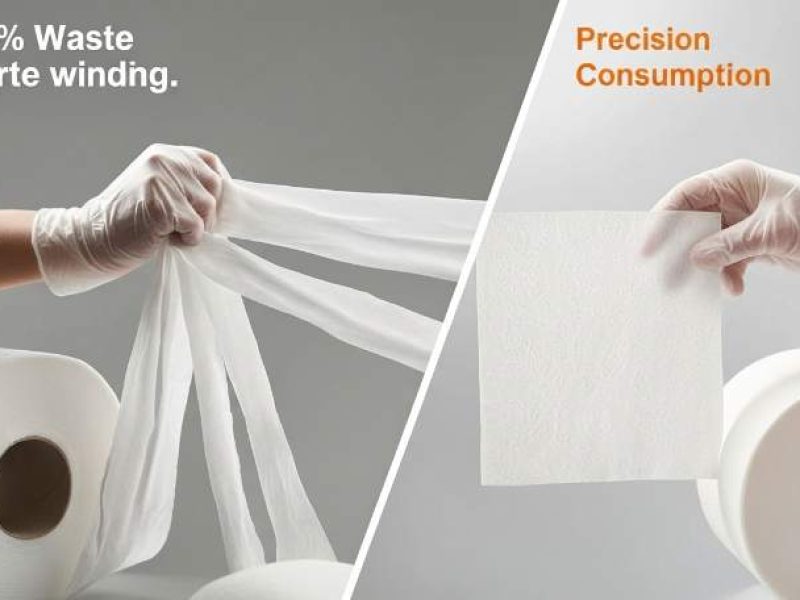
Calculating the true 1-Ply vs. 2-Ply (ROI) requires moving beyond simple unit prices to address the hidden drain on facility budgets. Procurement teams choosing 1-ply often trigger a 300% spike in consumption volume, as users instinctively over-wind thin sheets to compensate for lack of structural density.
Our analysis benchmarks performance using 13–22g/m² density standards and 100% virgin wood pulp specifications. By integrating point-to-point embossing and maximizing 40HQ container payloads to 9 tons, we provide a data-driven path to lowering cost-per-visit and stabilizing long-term procurement margins.
The “Unit Price Trap”: Why 1-Ply Cost-Per-Roll Metrics Are Financial Illusions
Roll price is a distraction. Users pull 3-4x more 1-ply sheets, spiking waste and labor. High-density 2-ply reduces turnover despite higher initial costs.
Procurement managers often fall for the low per-case price of 1-ply toilet paper, assuming it leads to facility savings. By 2026, data-driven procurement shifts the focus toward consumption volume rather than individual roll price. Buying cheaper, thinner paper creates an immediate spike in usage that erases any perceived savings on the invoice.
User Behavior and the Multi-Sheet Usage Reality
The physical limitations of 1-ply paper force a change in how people use it. Because a single layer provides a poor moisture barrier and low structural integrity, users instinctively pull three to four times as many sheets to create a functional thickness. This “hand-wrapping” behavior leads to faster roll depletion and significantly more waste per restroom visit.
- Consumption Spikes: Users pull excessive lengths of 1-ply to compensate for the lack of thickness, draining rolls faster than multi-ply alternatives.
- Structural Failure: Thin paper lacks the tensile strength for high-traffic commercial use, often shredding during use and increasing total volume consumed.
- Labor Inflation: Faster roll depletion requires more frequent janitorial intervention. The labor cost to change a roll often exceeds the raw material savings of the cheaper paper.
Optimizing Absorbency with 22 GSM High-Density Fiber Engineering
Real ROI comes from manufacturing specifications that limit the amount of paper needed per visit. At Top Source Hygiene, we focus on fiber density and surface engineering to ensure each sheet performs more work than multiple 1-ply layers combined.
- Ply Density: We strictly control density between 13–22g/m² per ply to balance skin-friendly softness with high-wet-strength durability.
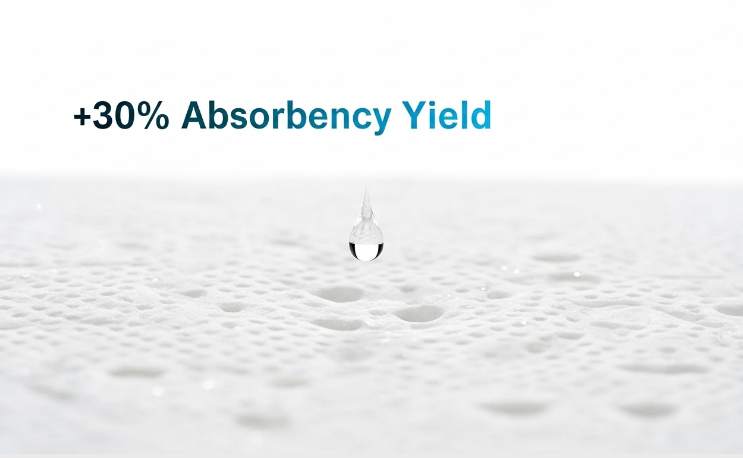
- CNC Point-to-Point Embossing: Our precision embossing patterns increase surface area absorbency by 30%, allowing a single sheet to trap more moisture.
- 100% Virgin Wood Pulp: We utilize long-fiber pulp to create stronger bonds. This prevents the tearing and “shredded edges” that lead users to pull extra paper.
- Septic Safety: Despite higher density, our engineering ensures rapid disintegration to prevent plumbing clogs in commercial systems.
Switching to a high-density 2-ply or 3-ply roll reduces the total payload required to service a facility. While the initial unit price is higher, the reduction in consumption and maintenance labor provides a lower total cost of ownership for distributors and hospitality groups.
Behavioral Consumption ROI: How the “Winding Factor” Drives 1-Ply Waste
The “winding factor” inflates 1-ply consumption by 300%. Low roll prices hide high total costs due to excessive user wrapping and frequent labor-intensive restocks.
The Psychological Winding Loop: Thinness as a Waste Catalyst
Users instinctively compensate for the perceived fragility of 1-ply paper. They wind excessive amounts around their hands to create a functional barrier that feels safe. This mechanical over-consumption means users pull roughly 2.5 times more sheets compared to 2-ply or 3-ply alternatives.
Facility waste metrics in 2026 confirm that 1-ply rolls reach the core significantly faster than projected. This creates a labor trap. Your janitorial staff spends more hours on roll change-outs, which often exceeds the initial savings gained from a lower per-roll price point.
High-Pressure Ply-Bonding: Engineered Density to Limit Over-Use
Top Source Hygiene counters this behavior by engineering tactile density into every roll. We use specific manufacturing techniques to ensure users pull only what they need for a secure clean.
- Ply-Bonding: High-pressure lamination ensures multi-ply layers remain inseparable and feel significantly thicker.
- Controlled Density: We maintain a strict 13–22g/m² per ply to maximize tensile strength and prevent tearing.
- Point-to-Point Embossing: CNC patterns increase surface area and absorbency by 30%.
These technical specifications change the user’s psychological response. When a sheet feels dense and durable, users naturally exit the “winding loop,” reducing consumption volume and protecting your operational margins.
Premium Custom Toilet Paper at Factory Prices
Plumbing Maintenance Insurance: Balancing 1-Ply Dissolvability with Facility Risk
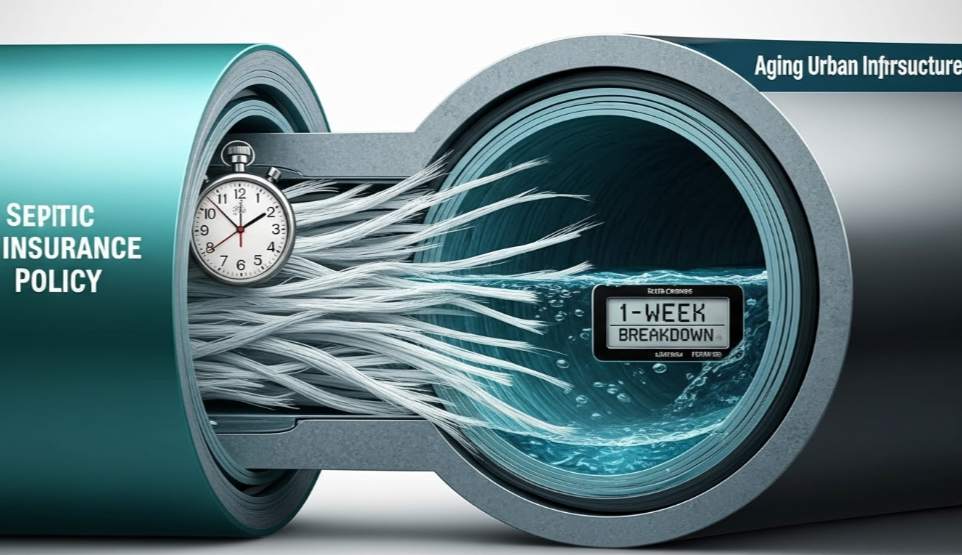
Rapid-dissolve paper prevents main-line obstructions, serving as a low-cost preventative maintenance strategy for aging urban infrastructure and high-traffic commercial facilities.
Dissolution Dynamics in High-Traffic Infrastructure
Commercial facilities face constant hydraulic pressure from high-volume usage. Standard plumbing systems in urban centers often rely on aging infrastructure that struggles with the heavy sediment buildup associated with multi-ply paper. When 2-ply or 3-ply sheets enter these systems, they require significantly more water volume to transit through the main line without settling.
Modern low-flow plumbing systems, common in 2026 urban upgrades, exacerbate this risk. These systems lack the flushing force needed to move slow-dissolving fibers. Selecting 1-ply paper serves as a mechanical insurance policy. The thinner profile and reduced fiber mass allow for smoother transit through pipes, directly reducing the frequency of structural clogs and pipe friction failures.
Facility managers shift procurement focus to disintegration rates to avoid the catastrophic costs of emergency plumbing interventions. While a roll might cost less upfront, the total cost of ownership (TCO) increases dramatically if the material causes a single main-line obstruction. 1-ply configurations optimize the hydraulic flow, keeping facilities operational during peak traffic periods.
Rapid Disintegration Engineering and Septic Safety
Top Source Hygiene engineers its paper products to meet strict North American and European septic-safe standards. This process ensures that fibers separate immediately upon saturation. Unlike lower-grade options that rely on recycled waste or chemical binders, our focus on material purity facilitates a faster breakdown in both standard sewer lines and sensitive septic tanks.
The technical specifications of the paper dictate its environmental and mechanical risk profile. We maintain strict control over the following parameters:
- Material Composition: 100% OBA-Free virgin wood pulp ensures no chemical residues remain in the system.
- Ply Density: Calibrated between 13–22g/m² to balance user comfort with rapid water solubility.
- Fiber Integrity: Long-fiber pulp provides tensile strength when dry but separates within seconds when submerged.
- Safety Standards: Compliance with ISO 9001 and EU hygiene standards for commercial use.
Facility risk is further mitigated by the rapid disintegration of 1-ply fibers. Biodegradable 1-ply paper typically dissolves in 1 to 2 weeks, whereas standard 2-ply variants can take up to a month to fully break down. This speed prevents the accumulation of “wipes-like” masses in septic baffles, protecting the long-term integrity of the facility’s waste management system.
For systems that can handle it, our TSH high-density 2-ply offers a better ROI, but for 100-year-old pipes, our engineered 1-ply is the strategic default.
The TCO Formula: Shifting Procurement Metrics from Price-Per-Case to Cost-Per-Visit
TCO measures cost-per-utilization rather than sticker price. High-quality 2-ply rolls cut consumption and labor costs, outperforming cheap, high-waste alternatives in high-traffic facilities.
The Math: 1-Ply ($25/case) x 1.3 Usage = $32.50 vs. 2-Ply ($28/case) x 1.0 Usage = $28.00.
| Performance Metric | Standard 1-Ply Economy | TSH Premium 2-Ply (Virgin Pulp) |
|---|---|---|
| Absorbency Yield | Low (Requires more sheets) | +30% via Point-to-Point CNC |
| Maintenance Labor | High (Frequent restocks) | Low (Extended replacement cycles) |
| Tensile Strength | Poor (Mid-pull tearing) | High (Long-fiber virgin pulp) |
| Disintegration | Rapid | Septic Safe (North American Standard) |
Quantifying Operational Interdependencies and Consumption Yield
Buying based on price-per-case often backfires for high-traffic facilities. Cheap 1-ply rolls deplete rapidly, forcing janitorial staff to restock dispensers more frequently. These labor costs for roll change-outs in airports or shopping malls often exceed the initial purchase price of the paper itself.
We focus on “Cost-Per-User-Session” as the primary KPI for 2026 procurement. This metric accounts for the fact that users take fewer sheets of high-tensile 2-ply compared to fragile 1-ply alternatives that tear mid-pull. Using 100% Virgin Wood Pulp ensures the paper holds together, preventing the common “shredded floor waste” associated with low-grade recycled fibers.
- Labor Impact: High-density rolls reduce the man-hours required for facility maintenance.
- Material Integrity: Long-fiber wood pulp provides the strength needed to prevent excessive sheet pulling.
- KPI Shift: Hospitality groups now prioritize cost-per-visit over simple case price to stabilize annual budgets.
Maximizing Absorbency Through CNC Point-to-Point Embossing
Technical specifications directly drive the Total Cost of Ownership. Our CNC-precision Point-to-Point embossing creates air pockets that increase liquid absorbency by 30%. This physical structure allows a single sheet to do the work of three, drastically slowing the depletion rate of each roll.
We also maintain strict GSM density between 13–22g/m² per ply. This balance ensures the paper is soft enough for luxury hospitality yet durable enough to withstand wet use without separating. High-pressure lamination ply-bonding keeps these layers intact, providing a consistent user experience that reduces complaints and waste.
- Embosing Tech: Point-to-Point patterns increase surface area for better drying efficiency.
- Density Standards: GSM is calibrated per ply to prevent “see-through” thinness.
- Logistics Optimization: We maximize 40HQ container payloads to 9 tons, lowering the landed cost per roll for international distributors.
- OBA-Free Safety: 100% Virgin Wood Pulp ensures no chemical whiteners are needed, maintaining 85-92% natural brightness.
Brand Equity and Invisible Amenities: The Strategic Value of 2-Ply in Hospitality
In 2026, 2-ply toilet paper functions as a strategic invisible amenity, balancing procurement costs with guest comfort while using 100% virgin pulp to enhance brand perception.
Guest Satisfaction and Amenity Standards in Lodging
Toilet paper serves as a high-frequency touchpoint. Its quality directly influences guest satisfaction scores and online reviews, often more than guests explicitly mention. If the paper fails, the perception of the entire room follows.
The 2026 hospitality tissue market now exceeds $30 billion. This scale shows a massive shift toward 2-ply as the mandatory baseline for mid-tier and luxury establishments. Managers no longer view 1-ply as a viable saving measure because the cost of a negative review far outweighs the per-roll savings.
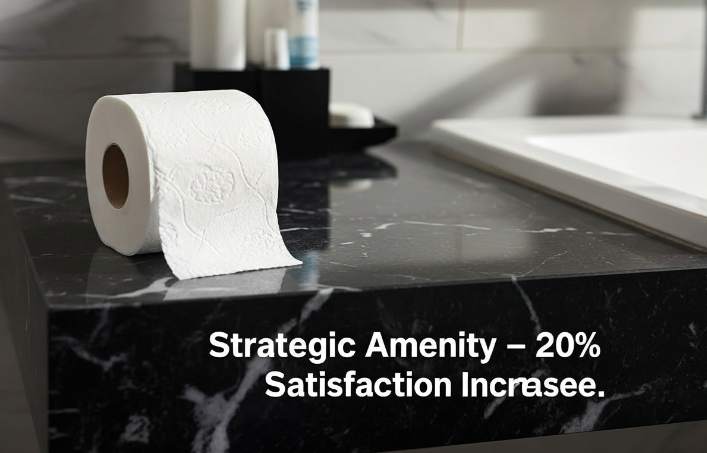
Case studies from Coastal Elegance Hotels show that upgrading to high-quality branded tissue led to a 20% increase in amenity satisfaction ratings. This data highlights that guests notice the tactile difference immediately.
Hotels use 2-ply products to signal professional care. It prevents the budget perception that typically follows 1-ply rolls. By providing a soft, lint-free experience, a facility communicates that they do not cut corners on basic hygiene needs.
Virgin Wood Pulp Standards and Point-to-Point Embossing
We apply specific technical standards to our hospitality rolls to ensure they meet 2026 global hygiene requirements. The focus remains on durability and skin safety for international hotel chains.
- Core Model: TSH-2559 (Global Retail and Hospitality Favorite).
- Material: 100% Virgin wood pulp ensures a lint-free experience and cloud-like softness.
- Bonding: High-pressure ply-bonding technology prevents layer separation during use.
- Embossing: CNC-precision point-to-point patterns increase absorbency by 30%, often reducing total paper consumption per visit.
- Compliance: 100% OBA-free (no optical brightening agents) to ensure safety for sensitive skin and meet EU/FDA standards.
- Packaging: Individually wrapped rolls maintain hygiene from the factory to the guest bathroom.
The 13–22g/m² density per ply provides the necessary wet strength. This prevents the paper from tearing prematurely, which is a common complaint with low-grade recycled alternatives. By utilizing these specs, hospitality groups protect their reputation while managing operational waste.
Technical Calibration for Payload ROI: How GSM and Sheet Count Stabilize Margins
Stabilize margins by balancing 13–22g/m² density with mechanical compression. This maximizes 40HQ container capacity to a 9-ton payload, significantly reducing landed costs per roll for bulk importers.
Basis Weight Precision and GSM Variability
Maintaining a precise basis weight is a financial necessity in high-volume manufacturing. We strictly control ply density between 13–22g/m² to ensure fiber consistency across every 40HQ batch. This precision prevents material waste and costly rework that typically occurs when weights fluctuate on high-speed lamination lines.
- Density Range: 13–22g/m² per ply for optimal tensile strength.
- Material Quality: 100% Virgin Wood Pulp ensures high-purity fiber throughput.
- ROI Factor: Stabilizes net savings per ton of pulp by reducing variance in sheet thickness.
Consistent calibration directly impacts the bottom line for distributors. When the grams per square meter are predictable, the number of sheets per roll remains exact, protecting the dealer’s advertised specs and consumer trust.
40HQ Payload Optimization through Mechanical Compression
Shipping air is the fastest way to erode a distributor’s profit. Our Hebei facility uses mechanical compression technology during the bagging process to increase the roll count per cubic meter. This allows us to pack more product into a 40HQ container while maintaining the paper’s natural loft and softness.
- Payload Capacity: Targeting the 9,000kg (9-ton) limit for maximum freight efficiency.
- Industrial Model: TSH-3082 high-density solid rolls (5000g/28 rolls).
- Space Recovery: High-density coreless rolls eliminate empty space to lower the landed cost per unit.
Strategic payload loading ensures that bulk importers pay less for transportation per roll. By utilizing solid roll designs and reinforced 5-ply export cartons, we maximize vertical stacking strength, allowing for a dense, damage-free container load that protects your investment until it reaches the warehouse.
Frequently Asked Questions
Is 1-ply or 2-ply more cost-effective for high-traffic buildings?
While 1-ply has a lower initial purchase price, 2-ply systems often provide better long-term value in high-traffic areas. The double-layer construction offers four times the structural strength and significantly less deflection, which reduces the frequency of plumbing repairs and dispenser maintenance over time.
Why do 2-ply rolls often outlast 1-ply rolls in office restrooms?
The increased absorbency and durability of 2-ply paper mean users need fewer sheets per visit. Even though 1-ply rolls typically contain more sheets, users often over-compensate for the thin material by pulling longer strips, leading to faster depletion and higher waste.
Which ply count is safer for commercial septic system maintenance?
1-ply toilet paper is the superior choice for septic health because it dissolves rapidly. A single-layer sheet typically breaks down in 1–2 weeks, whereas 2-ply can take up to a month. This fast disintegration minimizes the risk of blockages in high-volume industrial or older plumbing systems.
How should facility managers conduct a cost-per-visit ROI test?
Managers should move beyond price-per-case metrics and use the formula: ROI = (Total Benefits – Total Costs) / Total Costs. Track consumption rates over 30 days, factoring in the labor cost of roll change-outs and the expense of clearing clogs to find the true cost of each restroom visit.
Does 1-ply material carry a higher risk of tearing and user complaints?
Yes. 1-ply paper is more prone to shredding and breaking during use, which frequently leads to guest dissatisfaction in hospitality settings. In commercial environments, this lack of structural integrity causes ‘shredded edges’ and increased lint, requiring more frequent cleaning of the restroom stalls.
What is the standard GSM difference between quality 1-ply and 2-ply products?
GSM (grams per square meter) measures paper density. While 1-ply uses a single layer, Top Source Hygiene calibrates each ply between 13–22g/m². 2-ply products combine these layers to create a denser, thicker barrier that balances skin-friendly softness with the tensile strength needed to prevent tearing.