Skip to content
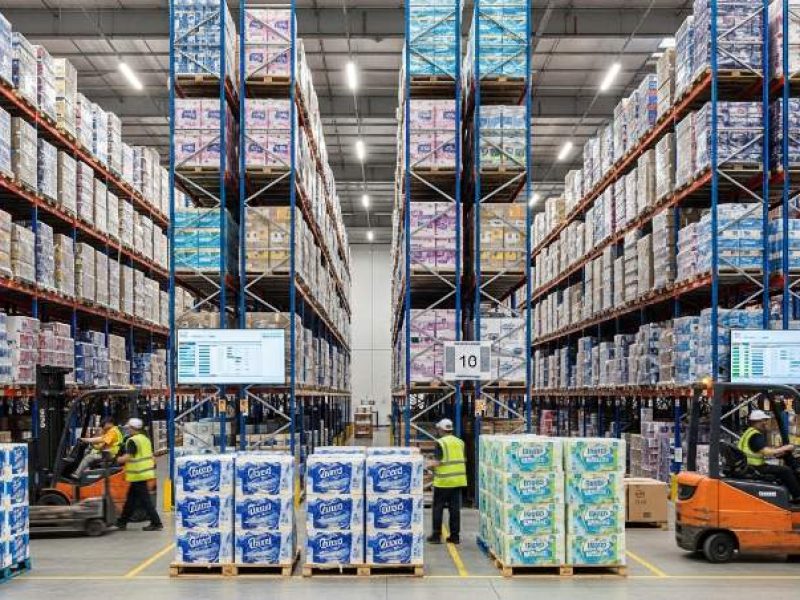
New Zealand procurement teams face the dual challenge of meeting high standards for premium 3-ply softness while adhering to aggressive 2026 carbon reduction targets. Balancing these demands requires a supply chain that prioritizes FSC-certified materials and efficient local distribution to keep commercial facilities running without interruption.
This guide examines the leading manufacturers across Auckland, Canterbury, and the Bay of Plenty, focusing on high-capacity production and sustainable fiber options. We analyze how local facilities like the Kawerau mill use geothermal steam to reduce emissions by 46% and how logistics hubs manage shipping timelines of 10 to 20 days for bulk orders across Oceania.
Top 10 Manufacturers and Distributors in New Zealand
Quick Comparison: Top Picks
| Manufacturer | Location | Core Strength | Verdict |
|---|---|---|---|
| Top Source Hygiene | Mancheng, Baoding, China (Global) | Toilet Paper (2-5 ply), Jumbo Rolls, Kitchen Towels | Premier factory-direct partner with massive capacity and full OEM customization. |
| Essity Australasia (Sorbent) | Kawerau, Bay of Plenty, NZ | Sorbent, Purex, Handee, Tork branded tissues | Leading local manufacturer using renewable geothermal steam for sustainable production. |
| Cottonsoft (Livi) | Auckland and Dunedin, NZ | Livi, Tuffy, Paseo, KiwiSoft tissue ranges | NZ-owned converter with a diverse portfolio and strong South Island presence. |
| York Paper Company Ltd | Auckland, NZ | Paper bags, gift wrap, and specialty paper goods | Family-owned business with 65+ years of experience in local paper production. |
| With Small | New Zealand | Tree-free bamboo toilet paper and tissues | Best for eco-conscious consumers seeking sustainable, plastic-free hygiene essentials. |
| Matthews Packaging & Hygiene | New Zealand | M branded hygiene products and cleaning supplies | Critical supply chain link providing institutional support and exclusive brand distribution. |
| Essity (Tork, Handee) | Australia and New Zealand | Tork hygiene systems, soaps, and professional wipes | Market leader for professional environments and comprehensive workplace hygiene systems. |
| Asaleo Care | New Zealand (AFH distribution network) | AFH toilet paper, jumbo rolls, dispenser systems for hospitals, offices, education | Preferred AFH solution provider for high-traffic commercial and public-sector facilities in New Zealand. |
| Bunzl New Zealand | Nationwide distribution across New Zealand | Commercial hygiene supplies, toilet paper distribution, private label sourcing | One of New Zealand’s largest B2B distributors connecting global tissue manufacturers with local hospitality and institutional buyers. |
| Opal New Zealand | Auckland, NZ | Paper converting, packaging, hygiene paper supply chain | Integrated paper solutions provider supporting tissue and hygiene product distribution across New Zealand. |
Top Source Hygiene
Top Source Hygiene operates as a direct manufacturer in Baoding, China, specializing in high-volume tissue production for the global market. With three decades of experience, they manage the entire production cycle from raw material processing to final packaging, ensuring tight control over product quality and cost. Their facilities output approximately 2,860 tons of product monthly, making them a reliable partner for large-scale distributors and retailers needing consistent supply chains.
Retailers and brands can leverage their extensive OEM and ODM capabilities to develop bespoke product lines, ranging from 2-ply to 5-ply toilet rolls and specialized kitchen towels. Every product meets stringent global safety and environmental certifications, including FDA, ISO 9001, and FSC standards. This focus on international compliance helps businesses reduce regulatory risks when importing hygiene goods into demanding markets like North America and Europe.
At a Glance:
- 📍 Location: Mancheng, Baoding, China (Global Shipping)
- 🏭 Core Strength: Toilet Paper (2-5 ply), Jumbo Roll Tissue, Kitchen Towels, Facial Tissues, Napkins, Hand Towels
- 🌍 Key Markets: Oceania (New Zealand), North America, Europe, Asia, Africa
Why We Picked Them:
| ✅ The Wins | ⚠️ Trade-offs |
|---|---|
|
|
Essity Australasia (Sorbent)
Essity manages the entire production cycle within New Zealand at its dedicated Kawerau mill. By manufacturing paper products onsite, they maintain direct oversight of the factory floor. This high level of factory control ensures consistent quality across major retail brands like Sorbent, Purex, and Handee. Executing production locally allows them to manage supply chain variables directly and avoid the logistical delays common with overseas imports.
Their operations leverage renewable geothermal steam as a primary power source. This strategy provides a stable energy supply and significantly lowers the carbon footprint of their manufacturing process. Utilizing local renewable energy reduces the environmental risks associated with traditional paper production. Domestic manufacturing also secures a steady supply of essential tissue products for New Zealand’s retail and hospitality sectors.
At a Glance:
- 📍 Location: Kawerau, Bay of Plenty, New Zealand
- 🏭 Core Strength: Sorbent toilet tissue, Purex, Handee, Tork branded toilet paper, paper hand towels
- 🌍 Key Markets: Retail consumers, professional environments, workplaces, hospitality
Why We Picked Them:
| ✅ The Wins | ⚠️ Trade-offs |
|---|---|
|
|
Cottonsoft (Livi)
Cottonsoft operates as a dedicated New Zealand-owned tissue converting specialist, managing production sites in both Auckland and Dunedin. The company caters to a broad spectrum of clients, ranging from large-scale retail chains to commercial enterprises through the Livi brand. This dual-island manufacturing footprint ensures efficient distribution and supports a variety of hygiene requirements with products spanning the Everyday and Impressa lines.
Maintaining direct control over local factories reduces supply chain risks and ensures consistent quality across the tissue ranges. This regional infrastructure provides steady stock availability for essential sectors like healthcare and education while managing the specific needs of the local market. The diverse brand portfolio, including Paseo and Tuffy, demonstrates a capability to serve both budget-conscious and premium segments through focused manufacturing oversight.
At a Glance:
- 📍 Location: Auckland and Dunedin, New Zealand
- 🏭 Core Strength: Livi toilet tissue, hand towels, facial tissue, Tuffy, Paseo, KiwiSoft
- 🌍 Key Markets: Education, hospitality, healthcare, offices, retail
Why We Picked Them:
| ✅ The Wins | ⚠️ Trade-offs |
|---|---|
|
|
York Paper Company Ltd
York Paper Company operates as a family-owned pillar within the New Zealand manufacturing landscape. Since its inception over six decades ago, the business has maintained a consistent presence on the Te Atatu Peninsula. This long-term commitment to local production ensures that clients receive goods crafted under direct factory control, bypassing the complexities often associated with overseas sourcing.
The facility produces a diverse range of items including paper bags, gift wrap, and banners. By managing the entire supply chain from their Auckland base, the company reduces logistical risks and provides a reliable distribution channel for the local market. This hands-on approach allows the team to maintain high quality standards while supporting the domestic economy through steady, regional manufacturing.
At a Glance:
- 📍 Location: Te Atatu Peninsula, Auckland, New Zealand
- 🏭 Core Strength: Paper bags, gift wrap, banners, various paper products
- 🌍 Key Markets: General paper product distribution
Why We Picked Them:
| ✅ The Wins | ⚠️ Trade-offs |
|---|---|
|
|
With Small
With Small provides New Zealand households with tree-free paper products made from fast-growing bamboo. This approach targets people who want to minimize their environmental impact by moving away from traditional wood pulp. By focusing on sustainable alternatives for everyday essentials like toilet paper and tissues, the brand helps consumers protect old-growth forests through their daily purchasing habits.
The brand maintains high standards for sustainability by using septic-friendly materials and completely plastic-free packaging. Their local presence in New Zealand ensures efficient distribution while maintaining strict control over product quality. This focus on ethical manufacturing reduces the risk of environmental contamination and offers a reliable way for families to green their homes.
At a Glance:
- 📍 Location: New Zealand
- 🏭 Core Strength: Tree-free toilet paper, bamboo tissues, paper towels
- 🌍 Key Markets: Sustainable home essentials, eco-conscious retail
Why We Picked Them:
| ✅ The Wins | ⚠️ Trade-offs |
|---|---|
|
|
Matthews Packaging & Hygiene
Matthews Packaging & Hygiene operates as a specialized supply chain partner for New Zealand’s institutional and industrial sectors. By securing exclusive distribution rights for the M branded hygiene range, they provide a localized touchpoint for businesses that require consistent access to essential cleaning supplies and packaging materials. This local presence ensures that procurement teams can manage their inventory without the complexities of international logistics or language barriers.
The company maintains high standards of factory control by vetting the products they bring into the local market, effectively acting as a quality filter for their clients. Their focus on the M brand allows for a streamlined procurement process, reducing the risk of supply chain disruptions for high-volume industrial users. By managing the end-to-end distribution within New Zealand, they offer a reliable link between global hygiene standards and local business requirements.
At a Glance:
- 📍 Location: New Zealand
- 🏭 Core Strength: M branded hygiene products, cleaning supplies, industrial packaging
- 🌍 Key Markets: Institutional, industrial, business procurement
Why We Picked Them:
| ✅ The Wins | ⚠️ Trade-offs |
|---|---|
|
|
Essity (Tork, Handee)
Essity manages its local execution across New Zealand by delivering the Tork brand directly to professional environments. Their operations maintain strict factory control over the production of essential hygiene goods, ensuring that workplaces and hospitality venues receive consistent supplies. By overseeing the entire chain from manufacturing to distribution, they prioritize risk reduction for businesses that require reliable sanitation resources.
The inventory includes integrated hygiene systems that pair specialized soaps and industrial wipes with standard paper products. These solutions support high-traffic settings where durability and volume are necessary for daily operations. While the product catalog features well-known brands like Handee and Purex, the professional division focuses on building a unified hygiene infrastructure for corporate and hospitality clients.
At a Glance:
- 📍 Location: Australia and New Zealand
- 🏭 Core Strength: Tork toilet paper, hand towels, soaps, wipes, napkins, Handee, Purex
- 🌍 Key Markets: Professional environments, workplaces, hospitality
Why We Picked Them:
| ✅ The Wins | ⚠️ Trade-offs |
|---|---|
|
|
Asaleo Care / Tork (AFH Solutions)
Tork operates primarily through a nationwide AFH distribution and service network across New Zealand, focusing on professional hygiene systems rather than retail tissue products. Its strength lies in delivering consistent quality, standardized roll formats, and integrated dispenser compatibility for hospitals, offices, education facilities, and government buildings.
By emphasizing system-based hygiene solutions, Tork enables facility managers to streamline maintenance, control consumption, and ensure compliance with workplace hygiene standards. While not positioned as a low-cost option, its reliability and brand recognition make it a preferred choice in environments where operational consistency and user experience are critical.
Tork’s AFH-focused approach allows procurement teams to source toilet paper, hand towels, and dispensers from a single ecosystem, reducing complexity in multi-site operations across New Zealand.
At a Glance:
- 📍 Location: Nationwide AFH distribution network, New Zealand
- 🏭 Core Strength: AFH toilet paper, jumbo rolls, dispenser systems, hand towels
- 🌍 Key Markets: Hospitals, offices, education, government facilities, commercial buildings
Why We Picked Them:
| ✅ The Wins | ⚠️ Trade-offs |
|---|---|
|
|
Bunzl New Zealand
Rather than manufacturing tissue products directly, Bunzl specializes in large-scale B2B distribution across hospitality, healthcare, foodservice, and institutional sectors. Its strength lies in consolidating supply from multiple manufacturers and delivering consistent product availability nationwide.
Bunzl’s private-label and sourcing programs allow New Zealand businesses to access competitively priced toilet paper and hygiene products without managing overseas supplier relationships themselves. This makes Bunzl especially attractive to multi-location operators seeking simplified procurement and reliable delivery schedules.
By leveraging global sourcing expertise combined with local warehousing and logistics infrastructure, Bunzl supports both imported and locally produced tissue products, offering flexibility depending on cost, sustainability, and volume requirements.
At a Glance:
- 📍 Location: Nationwide distribution network, New Zealand
- 🏭 Core Strength: B2B hygiene distribution, private label sourcing, supply chain management
- 🌍 Key Markets: Hospitality, healthcare, foodservice, commercial and institutional buyers
Why We Picked Them:
| ✅ The Wins | ⚠️ Trade-offs |
|---|---|
|
|
Norske Skog Tasman
Operating from its Kawerau mill, Norske Skog Tasman focuses on pulp and paper production rather than finished tissue products. Its role is foundational, supplying raw paper materials that are converted into toilet paper and hygiene products by local manufacturers and converters.
Local paper production helps stabilize supply chains by reducing reliance on imported raw materials. This upstream presence is particularly important for manufacturers seeking consistent fiber quality, predictable lead times, and alignment with New Zealand’s environmental and sustainability frameworks.
While Norske Skog does not sell toilet paper directly to end users, its contribution underpins much of the domestic tissue ecosystem, making it a strategic player in New Zealand’s hygiene paper industry.
At a Glance:
- 📍 Location: Kawerau, Bay of Plenty, New Zealand
- 🏭 Core Strength: Pulp and paper production, upstream raw material supply
- 🌍 Key Markets: Tissue converters, paper manufacturers, industrial buyers
Why We Picked Them:
| ✅ The Wins | ⚠️ Trade-offs |
|---|---|
|
|
The New Zealand Tissue Market: Demand for Softness and Cost Efficiency
The New Zealand tissue market balances high consumer demand for premium multi-ply luxury products with an increasing institutional focus on cost-efficient, sustainable solutions. Local manufacturing and the adoption of alternative fibers like bamboo drive the current shift toward environmentally certified and energy-efficient production methods.
Consumer Preferences for Premium Softness and Sustainable Fibers
New Zealand households prioritize 3-ply and 4-ply virgin wood pulp products for daily use. Brands like Paseo lead the luxury segment by delivering high-softness specifications that cater to domestic comfort expectations. This preference for thicker, softer paper remains a dominant driver in the retail sector.
Eco-conscious purchasing habits have accelerated the demand for bamboo-based alternatives. Producers such as EcoRoll and With Small have gained market share by eliminating plastic packaging and traditional tree-pulp. These brands offer tree-free toilet paper that appeals to users seeking chemical-free and biodegradable household essentials.
The 2026 market landscape indicates a strict transition toward FSC-certified materials. Major retailers continue to phase out non-certified paper goods to align with local environmental standards and ethical sourcing mandates. This ensures that the supply chain remains transparent and compliant with global forestry protections.
Operational Strategies for Cost Efficiency in the AFH Sector
The Away-From-Home (AFH) sector utilizes high-capacity jumbo rolls and interleaved systems to manage high-traffic environments. These configurations reduce maintenance labor and lower per-sheet costs in schools, hospitals, and office buildings. By focusing on volume-based dispensing, facilities minimize waste while maintaining hygiene standards.
Local converters in Auckland and Dunedin, including the Cottonsoft Group, supply the Livi brand to meet institutional needs. Having manufacturing sites within New Zealand allows these companies to respond quickly to regional demand and reduces the logistical costs associated with importing bulky paper goods. This domestic presence supports the heavy-duty requirements of the healthcare and hospitality industries.
Sorbent’s production facility in Kawerau uses geothermal steam to power its operations, creating a unique sustainability advantage. This reliance on renewable energy has reduced greenhouse gas emissions by 46% since 2010. Utilizing geothermal power lowers the carbon footprint of domestic manufacturing and provides a buffer against the volatility of global energy prices.
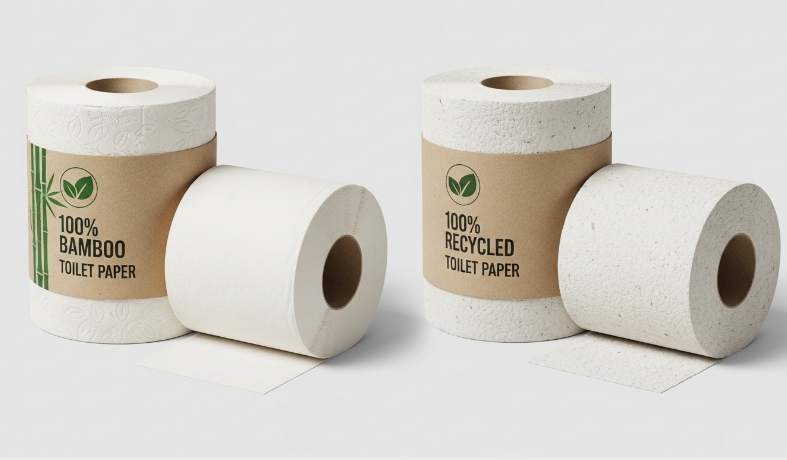
The Focus on AFH (Away-From-Home): Supplying Schools, Hotels, and Public Sectors
New Zealand’s Away-From-Home market focuses on high-capacity hygiene solutions and strict sustainability benchmarks. Major suppliers such as Cottonsoft and Essity provide commercial-grade products tailored for the heavy usage requirements of schools, luxury hotels, and public sector facilities.
Commercial-Grade Standards and Volume Requirements for 2026
Procurement teams in the New Zealand public sector prioritize ISO 9001 and FSC-certified products to meet strict national hygiene and sustainability benchmarks. These standards ensure paper products come from responsibly managed forests and maintain consistent quality. Manufacturers like Top Source Hygiene and Livi provide 2,860-ton monthly capacities to handle the high-volume needs of regional distribution hubs across the country.
Facility managers select products based on GSM weight and ply strength. This technical approach ensures tissue holds up in high-traffic commercial washrooms. Focusing on these metrics reduces waste and keeps shared facilities at a professional standard.
Sector-Specific Solutions for Education and Hospitality
Schools and universities use interleaved hand towels and high-capacity jumbo rolls from suppliers like CPC (New Zealand) Ltd to reduce maintenance frequency. These systems prevent over-consumption and lower labor costs for large campuses. Luxury hotels in Auckland and Queenstown integrate premium 3-ply facial tissues and the Livi Impressa range to improve guest satisfaction scores.
Public facilities increasingly adopt dye-free and chlorine-free recycled tissues from Matthews Packaging. These choices align with green building certifications and user expectations. Shifting toward chemical-free manufacturing supports public health goals in high-density urban settings.
Local Production and Sustainability in Public Procurement
Sorbent’s Kawerau mill utilizes geothermal steam to produce tissue, offering a low-carbon option for government tenders. This renewable energy source allows onsite manufacturing, which cuts the environmental impact of the supply chain. Auckland-based distributors maintain 15-25 day lead times for bulk OEM orders to support hospitals and clinics without interruption.
Institutional buyers prefer products that reduce greenhouse gas emissions. This mirrors the 46% reduction seen in local manufacturing plants since 2010. Prioritizing local production strengthens New Zealand’s industrial base while helping agencies reach carbon targets. Domestic manufacturing also simplifies logistics and increases transparency regarding environmental compliance.
Scale Your Brand with China’s Leading OEM Toilet Paper Manufacturer
Sourcing Eco-Friendly and Recycled Jumbo Rolls for Local Use
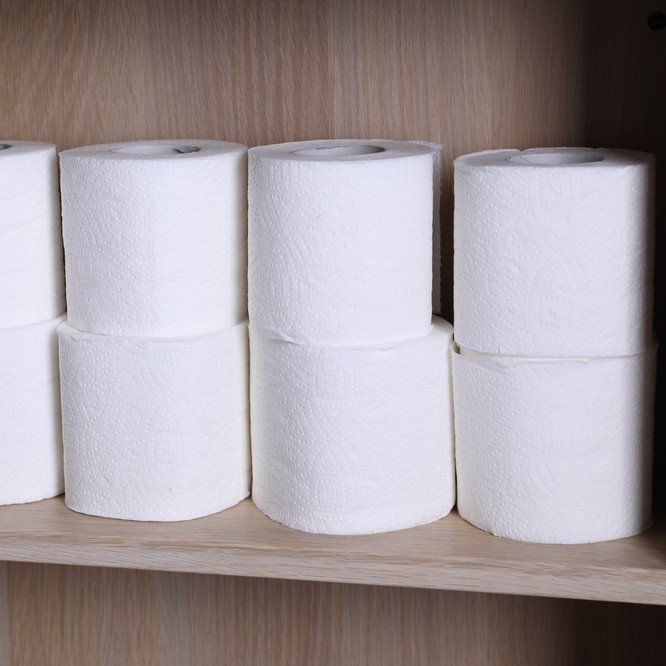
New Zealand businesses are increasingly adopting sustainable jumbo rolls, leveraging local manufacturing innovations like geothermal steam production and certifications such as Environmental Choice NZ. Procurement teams can now select between rapid-growth bamboo fibers and 100% post-consumer recycled pulp to meet strict 2026 carbon reduction targets while maintaining high-volume supply chains.
Sustainable Fiber Options: Bamboo vs. 100% Recycled Tissue
Tree-free bamboo options from suppliers like EcoRoll and With Small provide a rapidly renewable alternative to traditional wood pulp. These materials are often certified as PFAS-free and biodegradable, ensuring they remain safe for various septic systems used in rural and commercial New Zealand facilities.
Recycled tissue sourcing focuses on 100% certified post-consumer waste. Providers such as Matthews Packaging supply products free from chlorine, inks, and fragrances, which specifically benefits sensitive commercial environments and high-traffic public washrooms.
Bulk delivery models for 2026 prioritize zero-plastic packaging and high-count rolls. This approach minimizes the carbon footprint of the last-mile supply chain by reducing the frequency of deliveries and the volume of packaging waste generated at the point of use.
New Zealand Ecolabels and Environmental Certifications
The Environmental Choice New Zealand (ECNZ) ecolabel serves as a primary benchmark for sustainability in the local market. Major converters like Cottonsoft utilize this certification to verify audited fiber sourcing, providing transparency for corporate and government buyers.
FSC-certified bamboo and recycled materials ensure that jumbo rolls meet global forest management standards. This certification remains a core requirement for most public sector contracts and large-scale commercial procurement agreements across the country.
Climate-positive certifications from organizations such as Toitū Envirocare help local businesses align with New Zealand’s 2026 carbon reduction targets. These audits track the entire lifecycle of the tissue product, from raw material extraction to final delivery.
Low-Emission Manufacturing and Geothermal Energy Use
Sorbent’s use of geothermal steam at the Kawerau Paper Mill demonstrates how onsite energy recovery can significantly lower the environmental impact of production. This process reduces greenhouse gas emissions by up to 18,000 tonnes annually, making it a world-first in tissue manufacturing efficiency.
Local converting plants in Auckland and Dunedin reduce the environmental impact of transport by processing jumbo rolls near major population centers. By manufacturing close to the end user, these facilities lower the fuel consumption associated with nationwide distribution.
Sourcing from manufacturers that minimize water waste and landfill contributions during the pulping process ensures a transparent green supply chain. This focus on resource efficiency provides commercial importers with the necessary data to support their internal sustainability reporting and ESG goals.
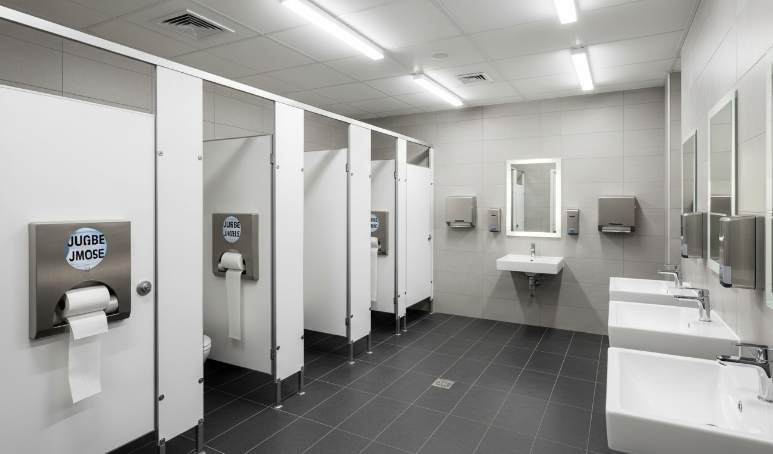
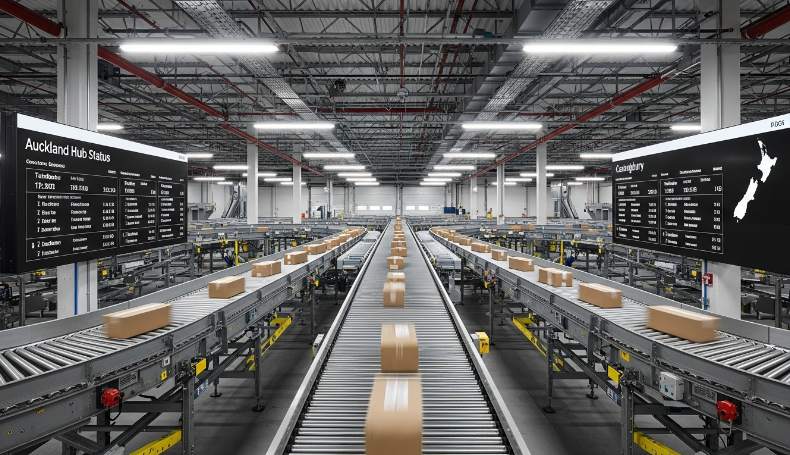
Logistics: Efficient NZ-Wide Delivery from Auckland and Canterbury Hubs
New Zealand’s tissue supply chain relies on a dual-island distribution model, utilizing Auckland and Canterbury as primary hubs to connect geothermal-powered manufacturing in the Bay of Plenty and converting plants in Dunedin to nationwide commercial and retail sectors.
Strategic Distribution via Auckland and Bay of Plenty
Auckland acts as the primary logistics gateway for imported jumbo rolls and finished tissue products destined for the upper North Island market. CPC (New Zealand) Ltd manages bulk procurement and nationwide distribution from its Auckland CBD base to support institutional and retail supply chains. In the Bay of Plenty, Essity leverages its Kawerau Paper Mill to manufacture Sorbent products. This facility uses geothermal energy for production, after which stock moves through North Island hubs to meet high demand in professional and hospitality environments.
South Island Connectivity through Canterbury and Otago Facilities
Canterbury serves as the central node for South Island logistics, facilitating efficient transit to Christchurch and neighboring regional centers through 2026. Cottonsoft maintains converting plants in both Auckland and Dunedin, ensuring that the Livi brand reaches the education, hospitality, and health sectors across both islands without the delays of long-haul transport. These dual-island manufacturing and warehousing strategies reduce the carbon footprint and transport costs for commercial buyers by keeping stock closer to the end-user.
Supply Chain Management and 2026 Delivery Timelines
Top Source Hygiene provides shipping timelines of 10 to 20 days for Oceania, allowing New Zealand importers to maintain lean inventory levels while ensuring consistent stock. Auckland and Canterbury warehouses act as critical buffers to manage demand spikes in the Away-from-Home market, particularly for high-traffic public facilities. Integrated logistics networks ensure that specialized products, such as interleaved towels and eco-friendly jumbo rolls, reach schools and hotels within standard domestic lead times.
Pro Tip: Why “Interleaved” and “Enviro” Options are Winning in NZ’s Commercial Sector
New Zealand’s commercial sector increasingly adopts interleaved dispensing and enviro-labeled products to lower maintenance costs and meet 2026 sustainability standards. Interleaved systems reduce consumption by limiting users to one sheet at a time, while geothermal-powered production and FSC-certified bamboo align with corporate green procurement policies.
Reducing Waste with Interleaved Dispensing Systems
Interleaved paper towels and tissues minimize consumption by dispensing one sheet at a time. This specific design prevents users from pulling excess material, which directly reduces refill frequency for commercial facilities. Because users only touch the specific sheet they intend to use, these systems maintain high hygiene standards and lower the risk of cross-contamination in high-traffic hubs throughout Auckland and Canterbury.
Facility managers select interleaved products to control maintenance budgets more effectively. Compatibility with modern dispensers allows for a lower total volume of paper usage compared to traditional rolls. This efficiency helps commercial operations manage overhead while ensuring a consistent supply of hygiene essentials for employees and the public.
Aligning with 2026 Sustainability Goals through Enviro-Friendly Tissue
The commercial sector prioritizes FSC-certified products and recycled rolls to meet 2026 environmental compliance standards. Manufacturers like Sorbent utilize geothermal steam in their Bay of Plenty facilities, which has significantly lowered greenhouse gas emissions since 2010. These sustainable practices support local green procurement policies and help businesses reach carbon-neutral targets through localized, energy-efficient supply chains.
Bamboo-based options from brands like With Small and EcoRoll provide the eco-credentials necessary for modern government and corporate tenders. These tree-free alternatives, alongside 100% recycled tissue from Matthews Packaging, offer absorbent and chemical-free hygiene solutions. NZ businesses select these Enviro-labeled products to satisfy environmental audits and meet growing consumer demand for plastic-free, biodegradable essentials.
Final Thoughts
New Zealand’s tissue industry successfully merges domestic manufacturing with strict environmental standards. Companies now focus on geothermal energy and alternative fibers like bamboo to meet the rising demand for both premium retail products and high-volume commercial solutions. This balance allows the market to provide high-quality 3-ply comfort while hitting carbon reduction goals.
Strategic logistics hubs in Auckland and Canterbury ensure a reliable supply chain across both islands, minimizing transport delays for essential hygiene goods. As 2026 standards approach, businesses that adopt interleaved systems and certified recycled materials will likely see lower overhead and better compliance. These local innovations keep the supply chain resilient and environmentally responsible.