Skip to content

Choosing between Septic-Safe vs. Marine-Grade tissue often determines whether a mobile plumbing system remains operational or suffers a total system failure during peak usage. While residential septic standards focus on long-term decomposition, marine and RV environments require immediate fiber breakdown to prevent macerator pump jams and holding tank clogs. Using the wrong specification leads to expensive maintenance downtime, emergency plumbing repairs, and a significant drop in fleet reliability.
This analysis breaks down the technical requirements for extreme plumbing, focusing on the 15-second disintegration rule and the impact of fiber length engineering on rapid dissolution. We compare the performance of bamboo and wood pulp under high-efficiency conditions and provide a framework for auditing manufacturer laboratory test reports. These standards help procurement managers and retailers source products that protect narrow-bore plumbing systems from mechanical damage.
Why Is Standard Toilet Paper the Enemy of Boat and RV Plumbing?
Standard household tissue relies on high-volume hydraulic shear to disintegrate, a mechanism that fails in the low-flow, static environment of marine and RV holding tanks.
Marine and RV toilets operate on a fraction of the water volume used by residential systems. While a standard home toilet uses high-pressure flow to move waste through large pipes, mobile systems use minimal water per flush. This prevents standard long-fiber paper from reaching the saturation point required to break its structural bonds. Residential tissue often stays fully intact within small-diameter pipes, causing immediate blockages in gravity-fed or vacuum-assisted systems. Rapid-dissolving alternatives, such as those produced by Top Source Hygiene, break down up to ten times faster than premium 1-ply household brands.
Mechanical Obstructions in Holding Tanks
In a stagnant tank environment, the absence of the mechanical agitation found in city sewer lines causes standard tissue to accumulate. This often leads to the formation of a “pyramid” of waste directly under the toilet intake. This physical buildup causes several operational failures:
- Accumulated paper clumps coat electronic tank sensors, triggering false readings that indicate a full tank even after a pump-out.
- Un-dissolved fibers frequently snag on narrow exit valves, obstructing the flow during discharge at marinas or RV stations.
- Standard paper takes significantly longer to liquefy, occupying valuable tank capacity and increasing the required frequency of pump-out services.
Chemical Mismatches with Tank Treatments
Standard luxury tissue brands utilize heavy binders and adhesives to maintain a quilted texture. These chemicals often interact poorly with modern tank deodorizers and enzyme-based cleaners. Certain chemical treatments intended to digest waste can actually cause standard paper fibers to clump or harden into a brick-like substance. Top Source Hygiene utilizes 100% virgin wood pulp that remains compatible with 2026 enzyme-based treatments. By avoiding the heavy binders found in household rolls, marine-grade paper ensures the bacterial ecosystem in the holding tank can effectively break down waste without interference.
OEM Production for Specialized Marine Tissue
The growing demand in the outdoor and maritime sectors has led to a shift toward specialized OEM production. Top Source Hygiene leverages its 2,860-ton monthly capacity to manufacture custom-branded, rapid-dissolving rolls specifically for B2B distributors and hospitality groups. These OEM services allow clients to specify fiber length and ply thickness to meet strict marine hygiene standards. Our 2026 production focus includes FSC-certified, eco-friendly options that satisfy the sustainability requirements of the European and North American marine markets while maintaining the high-wet-strength durability needed for professional applications.
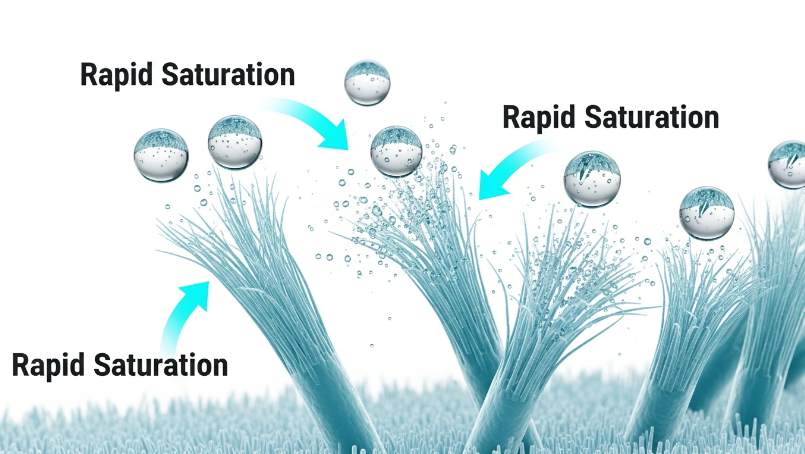
The 15-Second Rule: Defining Marine-Grade Disintegration Speeds
Reliable marine sanitation performance depends on the speed at which tissue fibers lose structural integrity to prevent macerator failure and valve clogs in narrow-diameter plumbing.
Technical Benchmarks for Rapid Solubility in Marine Systems
Marine sanitation systems operate with significantly smaller pipe tolerances and lower water volumes than residential septic systems. We define the 15-second rule as the maximum time allowed for tissue fibers to separate and lose their shape when saturated. This rapid window ensures that the paper does not clump in holding tanks or obstruct delicate valve seals, which are common points of failure in boat plumbing.
| Performance Metric | Standard Household Tissue | Marine-Grade (TSH) |
|---|---|---|
| Initial Disintegration | 300+ Seconds | < 15 Seconds |
| Macerator Risk | High (Fiber Entanglement) | Zero (Total Suspension) |
| OBA Content | Often Present | 100% OBA-Free |
Our engineers measure this speed by observing the time elapsed from initial water contact to total cloud suspension. Unlike standard septic-safe papers that might take minutes to break down, marine-grade tissue must separate immediately upon mechanical agitation. This prevents the “brick-like” accumulation that occurs when traditional wood pulp remains idle in small holding tanks.
Material Engineering: Leveraging Virgin Wood Pulp for Breakdown
Top Source Hygiene utilizes 100% virgin wood pulp to achieve the fast-acting solubility required for marine certification in 2026. Virgin wood pulp fibers lack the heavy binding agents and artificial resins found in standard household paper, which facilitates a much faster dissolution process. By avoiding these chemical binders, we ensure that the tissue remains soft for the user but technically fragile once it hits the water.
- Manufacturing excludes fluorescent whiteners (OBAs) that strengthen fiber bonds and impede breakdown.
- Fiber selection focuses on high-purity pulp to eliminate lint and sludge buildup.
- GSM (grams per square meter) is calibrated specifically to balance tensile strength with rapid solubility.
Customizing Ply and Thickness for Optimal Solubility
Specialized OEM services allow our clients to adjust ply layers to meet specific performance benchmarks without sacrificing product quality. While 1-ply is traditional for marine use, our 2-ply and 3-ply configurations use advanced ply-bonding technology. These layers are engineered to peel apart instantly upon flushing, effectively behaving like single-ply paper once they enter the waste stream.
Testing shows that high-capacity jumbo rolls with a lower GSM provide the best results for high-traffic marine vessels. We work with hospitality and maritime partners to specify custom dimensions that fit the compact, space-saving dispensers typical of RV and boat bathrooms, ensuring the roll diameter does not compromise the flushing efficiency of the vessel.
Verification Protocols and Global Compliance in 2026
Rigorous quality control ensures every batch meets international standards and remains safe for delicate marine environments. Our Hebei-based laboratory simulates marine flushing environments to verify that products dissolve within the 15-second limit. This testing goes beyond standard jar tests to account for the saline and chemical conditions found in marine holding tanks.
- ISO 9001 compliance ensures consistent fiber density across every container order.
- FSC certification guarantees that rapid-dissolve products meet 2026 environmental sustainability requirements.
- Factory-direct testing eliminates batch inconsistencies, protecting global distributors from performance-related claims.
Scale Your Brand With Expert OEM Manufacturing
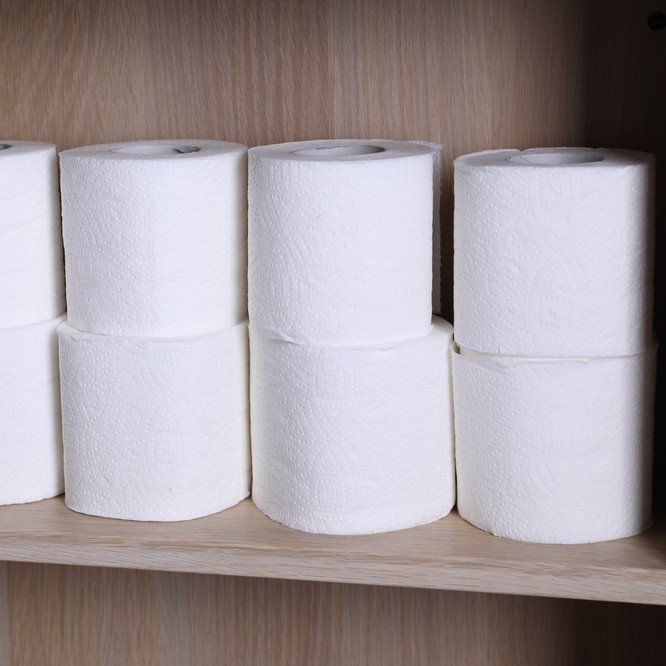
Does Bamboo Tissue Naturally Outperform Wood in Marine Septic Tests?
Bamboo fiber morphology allows for near-instantaneous saturation and fiber separation, significantly reducing the mechanical load on marine macerator pumps compared to long-fiber virgin wood pulp.
Dissolution Timelines in Controlled Septic Environments
Empirical testing in stagnant and low-flow water systems reveals a stark contrast between material types. Bamboo toilet paper typically dissolves within 3 to 5 minutes of initial water contact, reaching full dispersion within a 24-hour window. This rapid breakdown is critical for marine holding tanks where volume is limited and mechanical agitation is minimal. In contrast, traditional wood pulp often maintains its structural integrity for over 6 hours under identical conditions, posing a direct threat to narrow plumbing lines.
| Performance Metric | Bamboo Tissue (100% Pulp) | Virgin Wood Pulp (Standard) |
|---|---|---|
| Initial Dissolution | 3–5 Minutes | 6+ Hours |
| Full Tank Dispersion | Under 24 Hours | 48+ Hours (Clumping likely) |
| Fiber Length Strategy | Short/Fine (Rapid Break) | Long/Resilient (High Tensile) |
Fiber Morphology: Why Short Bamboo Fibers Excel
The biological structure of bamboo provides a mechanical advantage in mobile plumbing. Bamboo contains naturally shorter and finer fibers that separate easily when saturated, unlike wood pulp which utilizes longer fibers designed for high tensile strength. This strength, while beneficial for residential comfort, delays breakdown in the restricted environment of a marine septic system. Furthermore, the absence of heavy chemical binders in high-quality bamboo tissue prevents the formation of “rags” that frequently jam marine macerators.
Long-Term Residue and Tank Dispersion Observations
Field data from 2026 fleet evaluations indicates that bamboo tissue significantly reduces mechanical failures. Bamboo fibers tend to settle uniformly at the bottom of holding tanks, which effectively prevents the floating “scum layer” often associated with undissolved wood paper. This uniform dispersion also supports the efficacy of enzyme-based tank treatments by increasing the available surface area for bacterial action, ensuring cleaner pump-outs and fewer system backups.
Navigating Septic-Safe Certifications for 2026 Fleet Requirements
Manufacturing quality remains the critical variable for marine compliance. Procurement managers should prioritize FSC-certified bamboo to avoid budget additives that slow decomposition. Top Source Hygiene utilizes 100% virgin materials to ensure consistent dissolution rates across all custom-branded lines. For 2026, the industry standard emphasizes tissue specifically tested for low-volume flush systems to guarantee performance in high-traffic vessels.
Would you like me to draft a technical comparison between 2-ply wood pulp and bamboo tissue for your procurement report?
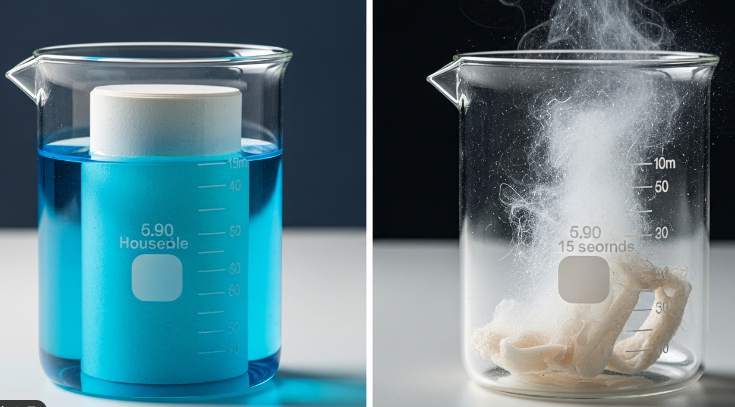
Fiber Length Engineering: Why Short Fibers Prevail in Mobile Plumbing
Reducing cellulose fiber length serves as the primary technical mechanism to prevent mechanical interlocking and “webbing” within low-pressure marine and RV waste systems.
The Mechanics of Fiber Dissolution in Low-Flow Systems
Mobile plumbing environments in 2026 rely on gravity-fed or low-pressure systems that cannot process the long-chain cellulose fibers found in premium residential tissues. Residential paper prioritizes tensile strength to prevent tearing during use, but this strength becomes a liability in a holding tank. Short fibers create fewer mechanical bonds, allowing the tissue to lose its structural integrity the moment it hits the water.
Engineers select specific pulp types that prioritize breakability over strength to accommodate small-diameter RV piping. Active dissolution prevents the formation of clump mass, which is the most frequent failure point in marine sanitation devices. By shortening the fiber length during the milling process, the paper transitions from a solid sheet to a loose pulp in seconds, ensuring it flows through the system without snagging on valves or junctions.
Preventing Structural Clogs in Marine and RV Holding Tanks
Longer fibers tend to entwine and form mats within holding tanks, whereas short-fiber engineering ensures the material settles as a fine sediment. This distinction is critical for maintaining the accuracy of tank sensors. Short-fiber tissue reduces the risk of sensor fouling by ensuring particles remain small and suspended in the liquid rather than clinging to the tank walls.
| Technical Metric | Standard Residential (Long Fiber) | Marine-Grade (Short Fiber) |
|---|---|---|
| Disintegration Time | 970 – 1,170 Seconds | < 15 Seconds |
| Mechanical Interlocking | High (Forms Structural Mats) | Low (Settles as Fine Sediment) |
| Pump-Out Efficiency | Low (Residual Build-up) | High (Complete Evacuation) |
Tests show that tissues with shorter fiber lengths exit the tank more efficiently during pump-out cycles. The absence of long-fiber webbing prevents the pyramid effect, where solid waste builds up and hardens in mobile septic environments. Engineering the fiber length ensures that the waste remains in a state that is easily handled by standard macerators and vacuum flush systems.
Top Source Hygiene’s 2026 Approach to Short-Fiber Manufacturing
We leverage 30 years of manufacturing expertise to utilize specific virgin wood pulp blends that meet global mobile plumbing standards. Our 2026 production line uses a controlled milling process to shorten fibers specifically for OEM marine-grade orders. This precision allows the tissue to remain soft for the user while maintaining a 15-second disintegration window.
- Controlled milling protocols reduce fiber length without sacrificing the tactile quality expected in luxury hospitality.
- Daily laboratory tests verify a consistent 15-second disintegration window across all 40HQ container batches.
- 100% Virgin Wood Pulp selection ensures the short fibers remain lint-free and safe for high-efficiency vacuum toilets.
Our factory’s strict quality control measures verify fiber length consistency to prevent batch-to-batch plumbing risks. This empirical approach to manufacturing provides wholesalers and distributors with a product that eliminates the most common cause of technical support calls in the outdoor and marine sectors.
Can a Septic-Safe Label Guaranteed No Clogs in High-Efficiency Toilets?
A septic-safe certification confirms a fixture’s water efficiency and basic processing capabilities but offers no protection against clogs caused by high-ply luxury papers or synthetic wipes in low-flow plumbing systems.
Understanding the Scope of Septic-Safe Certifications
The EPA WaterSense label serves as the primary benchmark for high-efficiency toilets, certifying that these fixtures utilize 1.28 gallons per flush—a 20% reduction compared to federal standards. This testing ensures the toilet performs its mechanical function reliably under lower water volumes. These certifications focus on the hardware’s ability to clear waste rather than the unpredictable behavior of every paper product on the market.
- WaterSense models undergo independent testing to ensure they meet performance benchmarks without requiring double-flushing.
- Low-flow systems remain sensitive to the volume and density of external materials introduced into the bowl.
- Certification measures the fixture’s efficiency but does not account for the varied disintegration rates of third-party tissue brands.
Factors That Compromise High-Efficiency Toilet Performance
Mechanical efficiency in 2026 plumbing standards often fails when confronted with the physical properties of modern consumer paper. Thick, quilted, or multi-ply toilet papers require significantly longer immersion times to break down than a standard low-flow flush provides. While flushable wipes carry septic-safe marketing, they frequently maintain their structural integrity long enough to create immediate blockages in narrow bends or macerator blades.
Top Source Hygiene addresses this engineering challenge by utilizing 100% virgin wood pulp engineered for rapid disintegration. By prioritizing a fiber structure that breaks apart upon contact with water, we support the operational requirements of low-flow plumbing designs. Our rolls ensure that high-efficiency toilets do not face the “brick-like” accumulation caused by the over-engineered fibers found in standard ultra-soft retail brands.
- High-density fibers in luxury rolls create a netting effect that traps solid waste in water-restricted lines.
- Synthetic binders in many ‘flushable’ products are fundamentally incompatible with the anaerobic environment of a septic tank.
- Top Source Hygiene’s virgin pulp strategy optimizes tensile strength without delaying the liquefaction process.
Best Practices for Maintaining Clog-Free Systems
Maintaining a clog-free high-efficiency system requires a shift in both product selection and maintenance habits. Reducing the overall wastewater volume entering the septic tank improves long-term operation by maximizing the retention time necessary for bacterial breakdown. Operators should avoid introducing any material not specifically engineered for rapid dissolution in low-water environments to prevent line buildup.
- Stick to tissue products verified for rapid breakdown to ensure paper doesn’t accumulate in the tank’s intake or sensors.
- Regular maintenance with septic-compatible enzymes supplements the hardware’s ability to process waste efficiently.
- Mindful flushing habits, combined with professional-grade rapid-dissolve paper, mitigate the risks inherent in low-flow plumbing.
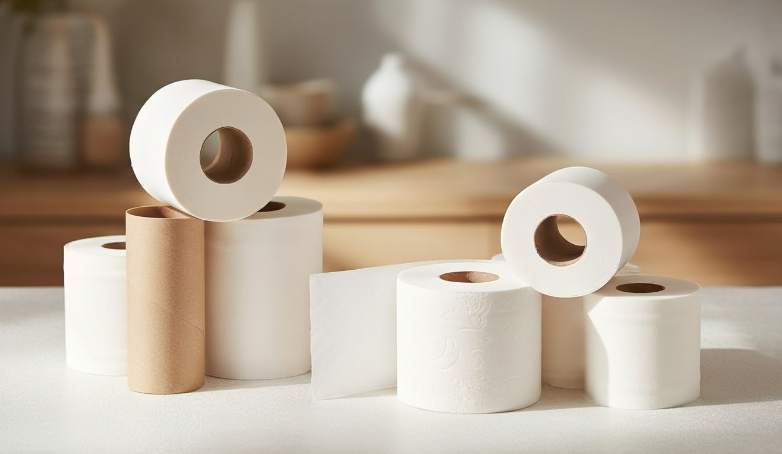
Niche ROI: Marketing Specialized “Clog-Free” Tissue to Outdoor Retailers
Shifting hygiene tissue from a commodity to a technical maintenance accessory allows outdoor retailers to capture higher margins while reducing customer equipment failure rates in off-grid sanitation systems.
Outdoor retailers in 2026 face a consumer base increasingly invested in off-grid independence. From high-end camper vans to expedition-grade marine vessels, the hardware supporting these lifestyles relies on delicate, low-flow plumbing. Marketing specialized tissue requires moving past basic softness and focusing on plumbing protection. When tissue is sold as a tool to prevent 3:00 AM macerator pump failures, it stops being a price-sensitive commodity and becomes an essential maintenance item.
Identifying High-Growth Segments in Outdoor Recreation
The most aggressive growth occurs among travelers utilizing portable sanitation and high-efficiency septic systems. Unlike residential users, these consumers operate in environments with zero room for plumbing error. 2026 market data shows that specialized hygiene products see rapid adoption when retailers present them as “preventative maintenance kits” rather than disposable rolls.
- Retailers target the surge in off-grid van-life and expedition boating where waste tank volume is extremely limited.
- Rapid-dissolving tissue serves as a high-margin accessory that complements the sale of portable toilets and marine hardware.
- Consumer behavior shifts toward “system-safe” products, allowing retailers to upsell specialized rolls alongside tank treatment chemicals.
Leveraging Sustainability Certifications for Premium Pricing
Environmental compliance is no longer optional for the outdoor sector. Consumers expect verifiable proof that their waste does not leave a permanent footprint. Top Source Hygiene provides FSC-certified and OBA-free (Optical Brightening Agent) options that align with strict 2026 environmental mandates. By highlighting PFAS-free formulations and biodegradable certifications, retailers justify price points 15-20% higher than standard retail rolls.
- Regulatory pressure in 2026 demands tissue that breaks down without leaving chemical residues in sensitive park ecosystems.
- Sustainability-focused hikers and conservationists prioritize products with zero plastic packaging and certified fiber sourcing.
- OBA-free guarantees appeal to health-conscious users who want to avoid synthetic whiteners and skin irritants during long-duration trips.
Strategic Branding and Private Label Integration
OEM and ODM services empower retailers to build a complete ecosystem under their own brand. Top Source Hygiene leverages 30 years of manufacturing experience in the Hebei industrial hub to produce tissue that meets rugged outdoor durability standards. Private labeling allows a retailer to bundle “Brand-Approved” tissue with every RV or boat sale, ensuring the customer uses the correct consumables to protect the manufacturer’s warranty.
- Custom packaging allows retailers to create “RV Starter Kits” that bundle clog-free tissue with hoses and tank sensors.
- Mechanical compression technology maximizes 40HQ container payloads, reducing the landed cost for international distributors.
- Private labels foster brand loyalty by providing a reliable, specialized gear component that consumers can only restock at specific outlets.
Quantifying Economic Benefits for Retail Partners
The financial argument for specialized tissue extends beyond the initial sale. For facility managers at public parks and marina operators, high-capacity rolls like the TSH-JRT08 reduce labor costs and maintenance intervals. Rapid-dissolving properties directly correlate to fewer service calls for clogged septic lines, which are notoriously expensive to repair in remote locations.
- Promoting rapid-dissolving specs helps retailers minimize returns and complaints linked to plumbing blockages.
- Institutional buyers see a measurable reduction in maintenance hours when switching to specialized, high-capacity rolls in high-traffic public restrooms.
- Direct factory sourcing from Top Source Hygiene ensures the necessary margins for retailers to fund aggressive niche marketing campaigns.
Conclusion
Sourcing specialized marine-grade tissue prevents expensive plumbing failures and maintains the functional integrity of high-efficiency septic systems in mobile environments. Selecting paper with engineered short fibers and verified rapid disintegration speeds protects holding tank health while reducing long-term maintenance costs for fleet operators and rental agencies. This technical approach ensures that inventory meets the rigorous demands of marine and RV plumbing rather than just standard household septic requirements.
Review your current procurement specifications to ensure they meet the 15-second disintegration rule required for specialized distribution. Contact our team at Top Source Hygiene to request laboratory test reports or to discuss wholesale container-load options for your retail network.
Frequently Asked Questions
Is septic-safe toilet paper the same as RV-safe toilet paper?
No. Septic-safe paper is designed to break down in large, high-volume residential systems over hours. RV and marine-safe paper must disintegrate within seconds to prevent clogs in narrow-bore pipes and avoid jamming macerator pumps used in mobile sanitation.
How fast should marine-grade toilet paper dissolve in a holding tank?
Industry-leading marine-grade tissue, such as that produced by Top Source Hygiene, is engineered to lose its structural integrity within 15 seconds of water contact. This rapid breakdown ensures the fibers remain in total suspension, preventing the “pyramid effect” in stagnant tanks.
Why does standard “ultra-soft” paper consistently clog boat toilets?
Standard luxury papers use long cellulose fibers and chemical binders to provide strength and softness. In low-flow boat toilets, these fibers interlock and form structural mats that cannot be cleared by minimal water pressure, leading to immediate macerator failure.
Can bamboo toilet paper be safely used in marine septic systems?
Yes, provided it is 100% bamboo pulp. Bamboo fibers are naturally shorter and finer than wood pulp, allowing for faster saturation and separation. Field tests show bamboo tissue often outperforms traditional virgin wood pulp in low-agitation holding tanks.
What is the impact of fiber length on rapid disintegration rates?
Fiber length is the primary factor in solubility. Short fibers create fewer mechanical bonds, allowing the paper to transition into a loose sediment almost instantly. High-efficiency plumbing requires short-fiber engineering to ensure complete evacuation during pump-out cycles.
How to verify a manufacturer’s “Marine-Grade” laboratory test reports?
Procurement managers should look for ISO 9001 compliance and specific 15-second disintegration benchmarks. Reports should detail GSM calibration and the absence of OBAs, which strengthen fiber bonds and impede the rapid breakdown required for marine environments.