Skip to content
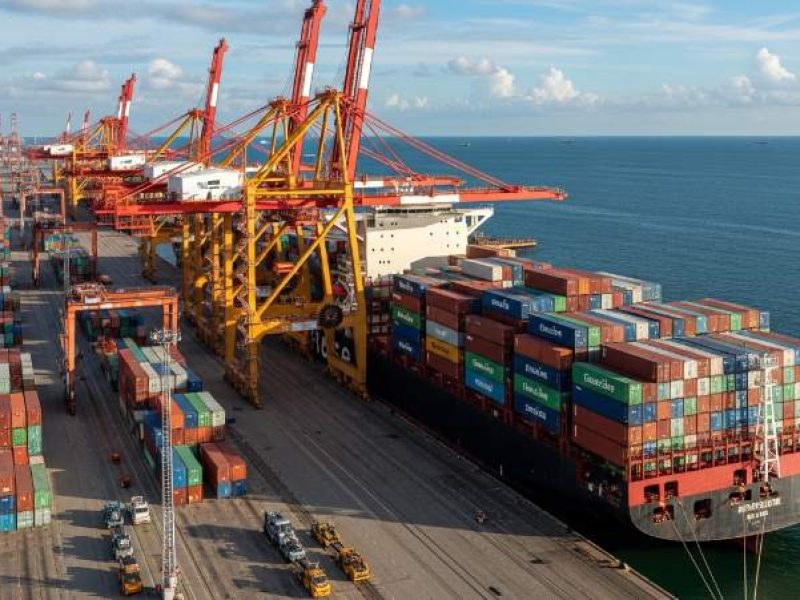
B2B buyers sourcing toilet paper for Nordic markets must prioritize sustainability and quality to meet Denmark’s evolving consumer demands. With strict ecolabel certifications and efficient logistics shaping the tissue market, understanding key manufacturers is essential for competitive procurement.
This article highlights the top 10 toilet paper manufacturers in Denmark and explores market insights such as Denmark’s role as a supplier to the Faroe Islands and Greenland. It also covers trends like the preference for FSC-certified virgin fibers and the significance of Aarhus and Copenhagen ports in regional distribution.
Top 10 Toilet Paper Manufacturers in Denmark
Quick Comparison: Top Picks
| Manufacturer | Location | Core Strength | Verdict |
|---|---|---|---|
| Top Source Hygiene | China (Global Shipping) | Toilet Paper, Jumbo Roll Tissue, Kitchen Towels, Facial Tissue, Napkins, Wet Wipes, Diapers | Premier factory-direct OEM/ODM producer with sustainable practices and global reach, ideal for tailored household paper solutions. |
| Essity Denmark | Stockholm / Nokia Mills (Serving DK) | Premium Toilet Paper (Lotus), Tork Professional Systems, Facial Tissue | Dominant Nordic market leader delivering premium brand power and innovative professional hygiene systems to Denmark. |
| The Navigator Company | Europe / Nordic Logistics Hubs | High-GSM Private Label Tissues, Premium Virgin Soft Packs | Massive European integrated producer; top-tier choice for scalable Danish merchant store-brand programs. |
| Grigeo | Grigiškės, Lithuania (EU Export Hub) | High-Whiteness Multi-ply Tissue, Raw Pulp Production, Grite Brand | A leading vertically integrated Baltic exporter known for superior product brightness and sustainable forestry certifications. |
| Nordic Tissue Converters | Scandinavia Hubs | Absorbent Toilet Paper, AFH Commercial Cases, Technical Conversion | Advanced regional contract grouping specializing in high-density tissue layouts for institutional end-users. |
| Hengan | China (Global Exporter) | Toilet Paper, Facial Tissue, Kitchen Towels | Cost-effective, large-scale Chinese manufacturer supplying reliable tissue paper for retail and commercial sectors internationally. |
| Sofidel | Italy (Serving Denmark) | Toilet Paper, Paper Towels, Facial Tissue | Italian sustainable tissue producer with FSC-certified products, favored by eco-conscious consumers and businesses. |
| WEPA Group | Arnsberg, Germany (Supplying Denmark) | Private-Label Tissue, Kitchen Towels, Napkins | Europe’s private-label specialist, driving cost-efficiency and sustainability for Denmark’s major retailers. |
| Adara Converting Partners | Nordics (Regional Processing) | B2B Private Label Tissues, Commercial Bulk Packaging Runs | Highly automated regional contract converter specializing in agile, customized white-label tissue configurations. |
| Metsä | Finland (Exports to Denmark) | Toilet Paper, Facial Tissue, Kitchen Towels | Finnish forest industry expert producing high-quality and innovative tissue products emphasizing renewable materials. |
Top Source Hygiene
Top Source Hygiene operates with a strong focus on local execution by being based in China, which allows the company to maintain firm control over production processes. This factory-direct approach enables them to offer OEM and ODM household paper products tanked to client specifications, ensuring quality and efficiency at competitive prices. With a monthly production capacity of 2,860 tons, the company handles the manufacturing of various essential hygiene products including toilet paper, jumbo rolls, kitchen towels, and facial tissues. Serving clients in over 56 countries since 1995, Top Source Hygiene balances global reach with close oversight of factory operations to reduce risks and maintain their high standards.
The company emphasizes strict quality control measures certified by ISO 9001, FDA, and FSC standards, which ensures products meet regulatory requirements in different markets worldwide. Its reputation for sustainable practices enhances client confidence and supports tailored brand solutions that meet diverse market needs. While the company ships globally and serves markets across North America, Europe, Asia, Africa, South America, and Oceania, potential clients should consider lead times involved with international shipping. Despite this, Top Source Hygiene remains a reliable source for businesses seeking customizable and compliant household paper products directly from the factory.
At a Glance:
- 📍 Location: China (Global Shipping)
- 🏭 Core Strength: Toilet Paper, Jumbo Roll Tissue, Kitchen Towels, Facial Tissue, Napkins, Wet Wipes, Diapers
- 🌍 Key Markets: North America, Europe, Asia, Africa, South America, Oceania
Why We Picked Them:
| ✅ The Wins | ⚠️ Trade-offs |
|---|---|
|
|
Essity Denmark
Essity, with its deep Scandinavian manufacturing roots and processing plants, stands as one of the world’s most influential hygiene and health companies, maintaining a “Top 3” market position in Denmark. Through iconic brands like Lotus and Libresse, Essity has built deep consumer trust within Danish households, while its Tork brand remains the gold standard for professional hygiene in Danish offices, hospitals, and hospitality venues. Their operational model emphasizes direct factory control and localized distribution, ensuring that their premium 3-ply and 4-ply products meet the rigorous quality expectations of the Nordic region.
Essity’s leadership is further solidified by its pioneering work in sustainability, including carbon-neutral production initiatives and high-absorbency technology that reduces per-use consumption. For B2B procurement managers, Essity offers a low-risk partnership backed by massive regional infrastructure and a sophisticated logistics network that spans the entire Nordic corridor. By integrating advanced digital solutions with physical hygiene products, Essity provides Danish businesses with reliable, high-performance systems that prioritize both end-user comfort and environmental stewardship.
At a Glance:
- 📍 Location: Stockholm, Sweden / Nokia Mills (Primary Danish Supplier Hub)
- 🏭 Core Strength: Premium Toilet Paper (Lotus), Tork Professional Systems, Facial Tissue
- 🌍 Key Markets: Denmark, Nordic Countries, Global Retail Accounts
Why We Picked Them:
| ✅ The Wins | ⚠️ Trade-offs |
|---|---|
|
|
The Navigator Company
The Navigator Company coordinates vast multi-ply tissue lines across the Nordic sector, channeling high-purity virgin fibers directly from its large-scale European milling arrays straight to regional logistics hubs. The group excels at executing container-scale private label packaging solutions, manufacturing premium consumer rolls and bespoke formats tailored precisely for dominant grocery store brands. Sourcing from their vertically managed forest footprints ensures complete material tracing and stable baseline input costs.
The firm utilizes highly sophisticated automated converting rows, ensuring uniform sheet thickness and absolute weight parameters across massive wholesale orders. This integrated structure insulates retail buying departments from open-pulp market fluctuations, stabilizing contract pricing over multi-year framework agreements. For Danish grocers capitalizing on own-label programs, this provider offers exceptional volume scalability.
At a Glance:
- 📍 Location: Europe / Nordic Sourcing Nodes
- 🏭 Core Strength: High-GSM Private Label Tissues, Premium Virgin Soft Packs, Commercial Utility Roll Wrapping
- 🌍 Key Markets: Danish grocery chains, major wholesale buying groups across Western Europe, corporate accounts
Why We Picked Them:
| ✅ The Wins | ⚠️ Trade-offs |
|---|---|
|
|
Grigeo
Grigeo stands as a major player in the European tissue market, operating a vertically integrated system that encompasses the entire lifecycle from raw wood processing to the finished Grite brand. This integration allows for absolute factory control over material quality, ensuring that its multi-ply toilet paper and kitchen towels maintain superior brightness and tensile strength. By managing the pulping and converting processes in-house, Grigeo emphasizes quality assurance and maintains consistent performance across its premium and professional product lines.
As a key EU export hub, Grigeo leverages its high production capacity to serve large-scale European supermarket chains and industrial distributors. The company maintains strict FSC and EU Ecolabel certifications, guaranteeing that its high-whiteness products meet the 2026 environmental benchmarks required for the Nordic and Central European markets. Their ability to scale production while ensuring fiber traceability significantly reduces risks related to raw material variability, positioning Grigeo as a dependable partner for brands seeking high-end hygiene solutions with a transparent supply chain.
At a Glance:
- 📍 Location: Grigiškės, Lithuania (EU Export Hub)
- 🏭 Core Strength: High-Whiteness Multi-ply Tissue, Raw Pulp Production, Grite Brand
- 🌍 Key Markets: Scandinavia, Poland, Denmark, Baltics
Why We Picked Them:
| ✅ The Wins | ⚠️ Trade-offs |
|---|---|
|
|
Nordic Tissue Converters
Nordic Tissue Converters operates high-capacity processing infrastructure across regional industrial sectors, partnering with global distributors seeking custom product profiles. The facility coordinates the entire conversion process, executing tailored 2-ply and 3-ply facial box and roll formats that comply with standard EU guidelines. This localized framework ensures that strict sheet strength metrics and non-toxic parameters remain consistent across high-volume production cycles.
The plant utilizes modern high-speed slitting lines to protect corporate accounts from raw stock deviations, ensuring stable product texture. By maintaining close contact with regional shipping routes, they minimize terminal delays, supporting predictable reorder parameters for wholesale networks. For international retail chains looking to capture domestic market share through stable own-brand programs, this firm provides excellent contract manufacturing scalability.
At a Glance:
- 📍 Location: Scandinavia Hubs
- 🏭 Core Strength: Absorbent Toilet Paper, AFH Commercial Cases, Technical Specification Control
- 🌍 Key Markets: International retail brands, large pharmacy chains, nationwide bulk wholesale traders
Why We Picked Them:
| ✅ The Wins | ⚠️ Trade-offs |
|---|---|
|
|
Hengan
Hengan is a major manufacturer based in China, specializing in household paper products that cater to various global markets including Denmark and wider Asia. The company’s product line mainly consists of toilet paper, facial tissues, and kitchen towels designed to meet both retail and commercial needs. By concentrating on cost-effective and dependable tissue paper, Hengan provides practical solutions that appeal to a broad customer base looking for everyday essentials without compromising on affordability.
With a large production capacity, Hengan maintains tight factory control which supports consistent supply and local execution of orders to reduce risk for international buyers. Their operational setup allows them to manage quality and delivery schedules effectively, enabling them to serve diverse markets worldwide. While the company is known for providing budget-conscious products, some customers note variability in quality perception, which suggests that buyers should assess product samples to ensure fit for their specific requirements.
At a Glance:
- 📍 Location: China (Global Exporter)
- 🏭 Core Strength: Toilet Paper, Facial Tissue, Kitchen Towels
- 🌍 Key Markets: Denmark, Asia, Global
Why We Picked Them:
| ✅ The Wins | ⚠️ Trade-offs |
|---|---|
|
|
Sofidel
Sofidel is an Italian company specializing in sustainable tissue production, with a significant presence in Denmark and across Europe. By focusing on eco-friendly options, including FSC-certified toilet paper, the brand appeals strongly to consumers and businesses prioritizing environmental responsibility. Their commitment to local execution ensures that their operations align closely with the standards and expectations of the markets they serve, particularly in Denmark. This close market alignment helps Sofidel maintain a consistent supply chain and product quality that resonates with eco-conscious buyers.
Running production facilities under strict European quality standards allows Sofidel to keep control over factory processes, reducing risks and ensuring sustainability benchmarks are met. This approach also facilitates better oversight and responsiveness in manufacturing, supporting their reputation for high-quality paper products such as toilet paper, paper towels, and facial tissues. While their products may come at a higher price point, the brand’s emphasis on sustainability and quality offers a compelling value proposition for customers seeking responsible and reliable tissue solutions in Denmark and broader European markets.
At a Glance:
- 📍 Location: Italy (Serving Denmark)
- 🏭 Core Strength: Toilet Paper, Paper Towels, Facial Tissue
- 🌍 Key Markets: Denmark, Europe
Why We Picked Them:
| ✅ The Wins | ⚠️ Trade-offs |
|---|---|
|
|
WEPA Group
WEPA Group is a leading European family-owned business and the continent’s largest specialist in private-label tissue products. In the Danish market, WEPA plays a pivotal role behind the scenes, acting as the primary manufacturing partner for many of the nation’s leading supermarkets and discount retail chains. By focusing on high-volume production and local European execution, WEPA ensures that Danish retailers can offer competitive, high-quality household paper essentials under their own store brands without the overhead of maintaining their own production facilities.
The company’s strategic advantage lies in its commitment to a circular economy and its advanced “Hybrid” technology, which combines recycled and virgin fibers to meet the strict Nordic Swan Ecolabel standards. WEPA’s extensive European production network reduces supply chain risks, ensuring consistent stock availability for the Danish hygiene sector. Their expertise in private-label conversion allows for rapid adaptation to Danish consumer trends, such as the increasing demand for plastic-free packaging and unbleached fiber options.
At a Glance:
- 📍 Location: Arnsberg, Germany (Supplying Denmark)
- 🏭 Core Strength: Private-Label Tissue, Kitchen Towels, Napkins
- 🌍 Key Markets: Denmark, Germany, Pan-Europe
Why We Picked Them:
| ✅ The Wins | ⚠️ Trade-offs |
|---|---|
|
|
Adara Converting Partners
Adara Converting Partners delivers highly efficient, customizable tissue slitting and custom packaging out of its advanced processing lines in Valkeakoski. The operation focuses on providing smaller-scale private-label tissue and custom wrap configurations, allowing independent regional distributors to deploy bespoke product layouts without enormous upfront capital risk. This business profile makes them a practical choice for procurement managers requiring rapid, budget-conscious turnarounds rather than heavy primary mill infrastructure.
With direct factory oversight on custom packaging shifts, Adara eliminates excess middleman distribution layers, improving response speed when client volume forecasts shift. Their production layout allows for immediate adjustments in box designs and sheet configurations, helping corporate hygiene brands keep their inventory levels lean. Importers should simply consider that this conversion-focused scale limits advanced raw pulp fiber blending options that heavy primary paper mills carry.
At a Glance:
- 📍 Location: Nordics (Regional Processing)
- 🏭 Core Strength: Private Label Tissues, Commercial Bulk Packaging Runs, Flexible Converting Adjustments
- 🌍 Key Markets: Nordic domestic retail chains, regional corporate facility contractors, mid-tier commercial wholesalers
Why We Picked Them:
| ✅ The Wins | ⚠️ Trade-offs |
|---|---|
|
|
Metsä
Metsä Group operates as a Finnish forest industry company focused on local execution by maintaining close control over its manufacturing processes. Their expertise lies in producing high-quality tissue products, including toilet paper, facial tissues, and kitchen towels, designed specifically to meet the demands of the Danish market. By managing production directly within Finland, Metsä ensures consistent quality and reduces risks associated with outsourcing and variable supply chains.
The company prioritizes sustainability by using renewable raw materials and continuously innovates within paper manufacturing techniques. This approach supports both environmental goals and product performance, catering not only to Denmark but also extending its reach to the broader Nordic countries and Europe. Although export lead times may require planning, Metsä’s firm grasp of factory operations delivers reliability and trustworthy delivery schedules to its customers.
At a Glance:
- 📍 Location: Finland (Exports to Denmark)
- 🏭 Core Strength: Toilet Paper, Facial Tissue, Kitchen Towels
- 🌍 Key Markets: Denmark, Nordic Countries, Europe
Why We Picked Them:
| ✅ The Wins | ⚠️ Trade-offs |
|---|---|
|
|
The Danish Tissue Market: A Focus on Sustainability and High-Value Consumption
Denmark’s tissue market emphasizes sustainable sourcing and premium product usage. Consumer demand drives manufacturers to adopt eco-friendly materials and innovate in softness, absorbency, and packaging to meet evolving preferences.
Sustainability Trends in the Danish Tissue Market
Danish consumers increasingly prefer tissue products certified by eco-labels such as FSC and the Nordic Swan Ecolabel, reflecting broader environmental awareness. Suppliers are shifting to virgin wood pulp processed without fluorescent whiteners to reduce ecological impact. Packaging improvements focus on recyclability and reduced material use, aligning with circular economy goals.
These trends are supported by compliance requirements with standards like the Danish Ecolabel (Svanemærket) and EU Ecolabel, which set rigorous criteria for sustainable production processes, fiber sourcing, and chemical usage.
High-Value Consumption Patterns Among Danish Consumers
Consumers in Denmark show a clear preference for premium tissue products, including multi-ply variants that balance softness and absorbency. This segment is distinguished by branded and private-label offerings that highlight quality and sustainability assurances.
Retailers and hospitality sectors drive demand for customizable tissue solutions with higher specifications, reflecting their unique service requirements and the importance of hygiene standards.
Market Influences: Imports, Local Production, and Regulatory Environment
The Danish tissue market depends heavily on imports, primarily from Nordic and European producers such as Metsä Tissue. These imports transit through major ports like Aarhus and Copenhagen, facilitating efficient distribution across Denmark and to North Atlantic export destinations.
Environmental regulations and sustainability certifications strongly shape product offerings, with manufacturers and sourcing agents aligning portfolios to meet these requirements. Although local production exists within paperboard sectors, tissue-specific manufacturing in Denmark remains limited.
Logistics infrastructure supports timely deliveries, with Aarhus providing cost-effective bulk handling capabilities and Copenhagen offering rapid customs clearance and proximity to major retail hubs. This infrastructure underpins the role of Denmark as a regional hub for both Nordic markets and North Atlantic territories like the Faroe Islands and Greenland.
The Strategic Role of Denmark in Supplying the North Atlantic (Greenland, Iceland)
Denmark acts as a key supplier of toilet paper to the North Atlantic region, especially the Faroe Islands, Greenland, and Iceland. These markets depend heavily on Danish exports due to their geographic isolation and limited local production, while Denmark serves as a Nordic hub, importing raw materials primarily from Sweden, processing or branding the products domestically, and re-exporting to these territories.
Overview of Denmark’s Supply Chain Role
Denmark supplies toilet paper to the Faroe Islands, Greenland, and Iceland, which constitute the main export markets in the North Atlantic. These territories rely chiefly on Danish imports because they have limited manufacturing capability and face logistical challenges tied to their remote locations and harsh climates.
Export Market Data and Trends
Among the North Atlantic markets, the Faroe Islands represent the largest export destination for Danish toilet paper, followed by Greenland and Iceland. Notably, Iceland has experienced the most rapid growth in imports from Denmark, showing a strong compound annual growth rate over the period from 2012 to 2024. Together, these three markets account for a substantial share of Denmark’s total toilet paper exports, highlighting Denmark’s importance as a regional supplier.
Logistics and Market Context Challenges
The logistics for supplying these markets are complicated by their remoteness and challenging weather conditions. Denmark has developed well-organized distribution networks from major ports like Aarhus and Copenhagen to efficiently manage shipments. The country imports most of the raw toilet paper material from Sweden, then processes or brands the products domestically before exporting them to North Atlantic customers. This role positions Denmark as a Nordic supply hub for retailers and sourcing agents. Additionally, Denmark ensures compliance with sustainability standards through EU-regulated supply chains, supporting eco-friendly market positioning in these territories.
Customize Your Perfect Toilet Paper with Top Source Hygiene
Navigating Danish Eco-Labels and FSC Certification Requirements
Understanding and complying with Danish environmental certifications such as the Danish Ecolabel (Svanemærket) and FSC Certification is critical for tissue manufacturers and brands targeting Nordic and North Atlantic markets. These certifications enforce sustainable sourcing, limit chemical use, and ensure responsible forest management to meet consumer and regulatory demands.
Overview of Danish Eco-Labels and FSC Certification
The Danish Ecolabel, known as Svanemærket, applies strict environmental criteria including sustainable sourcing of fibers, minimizing water consumption, and restricting chemical emissions during production processes. It mandates the use of FSC or PEFC certified virgin fibers and encourages high recycled content where feasible. FSC Certification complements this by guaranteeing fiber traceability from responsibly managed forests, prohibiting wood harvested from areas of high conservation value, and requiring chain-of-custody documentation along with annual compliance audits. Both certifications have strong recognition among Nordic retailers and are essential for brands that appeal to eco-conscious consumers.
Specific Certification Requirements for Toilet Paper
Toilet paper bearing the Svanemærket label must use virgin fibers certified by FSC or PEFC and restrict bleaching processes to chlorine dioxide-based or Elemental Chlorine Free (ECF) methods. It also emphasizes maximizing recycled content whenever possible. FSC standards require at least 70% post-consumer recycled content in Mix Credit certifications and strictly prohibit any inclusion of illegally logged material. Additionally, the EU Ecolabel supports these criteria by capping hardwood virgin fiber content at 15%, requiring ECF or Totally Chlorine Free (TCF) bleaching, and promoting a minimum of 60% recycled content. This multi-label approach aligns with life-cycle assessments aimed at reducing energy and water use throughout production.
Market Implications and Compliance Strategies
Adhering to the Danish and EU ecolabel requirements strengthens sustainable positioning for manufacturers and retailers serving Nordic countries and North Atlantic markets. It opens access to premium segments, particularly under tightening EU deforestation regulations that influence sourcing policies. Tissue suppliers and manufacturers gain competitive advantages by aligning their production with stringent environmental standards, which builds greater customer trust and supports compliance with regional trade and procurement criteria.
Logistics: Efficient Distribution from Aarhus and Copenhagen Ports
Denmark relies heavily on its major ports, Aarhus and Copenhagen, for the efficient import and distribution of tissue products. Aarhus serves as the prime container port for bulk shipments, while Copenhagen offers versatile cargo handling with specialized cold chain logistics. Both ports underpin Denmark’s role as a regional hub for Nordic retail markets and North Atlantic exports, supported by modern infrastructure and sustainability initiatives.
Role of Aarhus Port in Tissue Product Distribution
Aarhus port manages over 700,000 TEU annually, making it Denmark’s primary container gateway for consumer goods including tissue products. It features deep-water berths suitable for Post-Panamax vessels, enabling cost-effective bulk handling. The port’s direct rail and road connections facilitate smooth inland distribution within Jutland and beyond.
Copenhagen Port’s Advantages for Tissue Logistics
Copenhagen functions as a multipurpose cargo hub supporting both less than container load (LCL) and full container load (FCL) shipments. The port provides cold chain logistics tailored for paper products, allowing fast distribution to Scandinavian retail chains. Its proximity to Greater Copenhagen retail hubs and customs processes clearing shipments within 24 hours reduce lead times to just 1-2 days, enabling just-time delivery.
Strategic Impact on Regional and North Atlantic Distribution
Both Aarhus and Copenhagen ports act as crucial gateways for tissue imports originating from Sweden, Poland, and Germany, the largest suppliers to Denmark’s market. Exports routed through these ports supply the Faroe Islands, Greenland, and Iceland, with the latter showing significant growth trends. Modern automation in terminal operations and alignment with green shipping principles help these ports maintain efficient throughput despite declining import volumes.
Pro Tip: Why Denmark is the Sourcing Gateway for the Faroe Islands and Greenland
Denmark serves as the primary export hub for toilet paper to the Faroe Islands and Greenland, leveraging geographic proximity, established logistics, and market dominance over Sweden to maintain robust supply chains in the North Atlantic region.
Denmark’s Strategic Position in North Atlantic Trade
Denmark acts as the main export hub for toilet paper shipments to the Faroe Islands and Greenland, benefiting from its geographic closeness and well-established logistics routes. The combined export volumes to these territories comprise the largest share of Denmark’s North Atlantic toilet paper exports. Its substantial control over direct imports from Sweden further cements Denmark’s role as a critical regional supplier.
Export Volumes and Market Share Data
From 2012 through 2024, Denmark consistently exported significant volumes of toilet paper to the Faroe Islands and Greenland, which outpace Iceland in market share as Denmark’s top North Atlantic destinations. This export strength is bolstered by Denmark’s sizeable tissue market, encompassing paper production value and associated businesses that underpin its supply capabilities.
Logistics and Supply Chain Advantages
Denmark utilizes efficient distribution channels through its ports in Aarhus and Copenhagen to support deliveries to the remote islands. Established trade routes and competitive supply networks ensure reliable and timely shipments to both the Faroe Islands and Greenland. Partnerships with Nordic paper suppliers and regional entities further enhance Denmark’s position as the preferred sourcing gateway for these territories.
Frequently Asked Questions
Where does Denmark export most of its toilet paper?
Denmark exports most of its toilet paper to the Faroe Islands, followed by Greenland and Iceland. Together, these three destinations constitute the majority of Denmark’s total exports in this category.
Is the Danish tissue market growing?
No, the Danish tissue market is currently experiencing a decline after three years of growth. In 2024, production and consumption decreased, marking a reversal from previous trends. However, the facial tissue sub-market shows some growth amid overall contraction.
What are the key eco-labels for tissue products in Denmark?
The main eco-labels are the Nordic Swan Ecolabel, EU Ecolabel, and FSC Certification. These certifications emphasize sustainable sourcing, energy-efficient production, and environmental safety, which are highly valued by Danish consumers.
Who are the largest manufacturers of toilet paper in Denmark?
Leading manufacturers supplying the market include Essity, Sofidel Group, WEPA Group, Metsä Group, and Grigeo. They hold significant market shares and produce a wide range of tissue products via integrated European networks.
How can one sell sustainable paper products in the Danish market?
To sell sustainable paper products in Denmark, focus on meeting certification standards like FSC or EU Ecolabel, emphasize eco-friendly production, target key retailers and wholesalers, and leverage competitive pricing and efficient logistics. Import channels are crucial due to limited local production.
Final Thoughts
Denmark’s toilet paper market reflects a strong commitment to sustainability and quality, supported by rigorous eco-label certifications and a focus on premium consumer preferences. Its strategic location and advanced logistics infrastructure enable it to serve not only the domestic market but also play a vital role as a supply hub for the North Atlantic region.
For manufacturers and retailers, aligning with Danish environmental standards and leveraging the country’s efficient port facilities is key to accessing both Nordic consumers and remote export markets. These factors combined ensure Denmark maintains its position as a dependable source of sustainable, high-quality tissue products in Scandinavia and beyond.