 Skip to content

Toilet paper texture selection & manufacturing science serves as the foundational technical standard for procurement officers who must balance bulk costs with the high stakes of end-user retention. Purchasing 100% virgin pulp does not automatically guarantee a premium experience, and facility managers who ignore the mechanical nuances of paper production risk high complaint rates and damage to their brand reputation. The difference between a supple, high-performance tissue and a brittle, abrasive roll lies in the specific engineering of fiber networks and moisture regulation during the conversion process.
This guide examines the essential variables of tissue production, from the 70% hardwood to 30% softwood ratio required for silkiness to the precision of the Yankee Dryer creping process. We explore how micro-crepe frequency and a 5% to 7% moisture range prevent fiber brittleness and create a texture that mimics fabric rather than wood. This technical breakdown serves as a definitive resource for wholesale partners to audit manufacturing quality and ensure every shipment meets the tactile expectations of a professional hygiene environment.
Beyond the Label: Why 100% Virgin Pulp Doesn’t Guarantee Premium Softness
In the 2026 B2B tissue market, “100% Virgin Pulp” serves only as a baseline requirement; true product differentiation now depends on mechanical creping precision, moisture calibration, and fiber ratio engineering.
Beyond the “100% Virgin Pulp” Marketing Label
While material origin provides a foundation for hygiene products, raw material labels do not guarantee specific tactile outcomes or absorbency levels. Procurement officers often mistake the fiber source for the finished quality, yet the interaction between fibers defines the actual performance. Process engineering stands as the primary differentiator, separating standard commodities from high-performance household goods.
- Raw material labels provide no certainty regarding final absorbency or hand-feel.
- Manufacturing techniques currently dictate how fibers bond and flex, making process control the most critical procurement metric.
- Top Source Hygiene applies 30 years of factory-floor expertise to transform raw pulp into engineered tissue that meets specific commercial durability standards.
Engineering Softness Through Advanced Manufacturing
Premium tissue quality relies on aggressive technical interventions during production. We utilize Yankee dryer creping to create micro-folds in the paper web, which increases perceived bulk and flexibility. This mechanical manipulation ensures the paper mimics a fabric-like texture rather than a rigid wood-based sheet. Precision is required to maintain these properties across high-volume container orders.
- Advanced creping developments introduce micro-folds that improve the paper’s “drape” and skin-contact comfort.
- Maintaining moisture within the 5-7% range prevents fibers from becoming brittle and scratchy during the finishing process.
- Precision doctor blade calibration ensures consistency in texture, preventing variations between different production batches.
Defining Global Quality Standards for 2026
Strategic sourcing in 2026 prioritizes products that balance fiber flexibility with structural integrity. We optimize fiber blends by utilizing a 70% hardwood and 30% softwood ratio. This specific configuration provides the short fibers necessary for surface softness alongside the long fibers required for wet strength. Modern embossing innovations further enhance this by creating air pockets that boost absorbency without increasing the weight of the material.
- Optimized 70/30 hardwood-to-softwood ratios provide a superior balance of comfort and tensile strength.
- Embossing techniques create critical air pockets between plies, increasing moisture retention by 30%.
- Strict adherence to ISO 9001 and FSC standards confirms that technical performance aligns with global environmental and safety compliance.
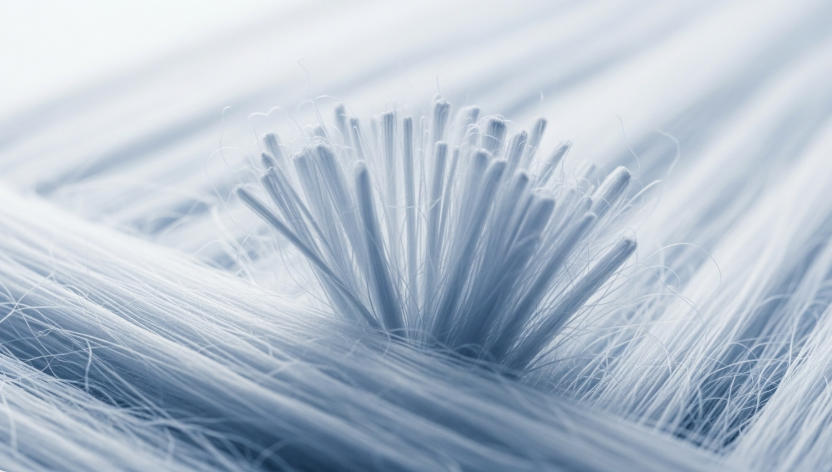
The Science of Fiber Ratios: Balancing Hardwood Softness with Softwood Strength
The technical superiority of a tissue product rests on the mechanical optimization of fiber lengths, specifically balancing the velvety texture of hardwood with the tensile scaffolding of softwood.
Hardwood Fibers for Surface Softness
Short hardwood fibers serve as the primary source of tactile comfort and paper bulk in high-end tissue production. These fibers provide the necessary density and opacity to create a bright, premium appearance without the need for excessive chemical whitening. Because hardwood fibers are naturally shorter, they reduce surface friction, making facial tissues and multi-ply toilet paper gentler on sensitive skin.
- Short fiber structures create a smooth, velvet-like surface that minimizes micro-abrasions.
- High-purity hardwood pulp ensures products remain free from the stiffness often found in recycled alternatives.
- Top Source Hygiene utilizes 100% virgin hardwood to maintain a lint-free experience across all premium lines.
Softwood Fibers for Structural Strength
Long softwood fibers act as the internal scaffolding of the paper, ensuring the product maintains its integrity when wet. These longer fibers create a reinforced matrix that increases the tensile strength of 2-ply and 3-ply paper products. Without this structural foundation, tissue would lack the durability required for high-traffic commercial environments.
| Fiber Type | Primary Function | Key Characteristic |
|---|---|---|
| Hardwood (Eucalyptus/Birch) | Surface Softness & Bulk | Short, smooth fibers; high opacity. |
| Softwood (Pine/Spruce) | Tensile Strength & Durability | Long, interlocking fibers; tear resistance. |
| 70/30 Optimized Blend | Premium Retail Standard | Ideal balance of skin-comfort and wet-strength. |
Precision Blending for OEM Customization
Balancing these two fiber types allows manufacturers to meet specific client requirements for different global markets. We adjust the hardwood-to-softwood ratio based on whether a client prioritizes extreme softness for residential use or heavy-duty absorbency for industrial applications. Advanced refining and beating processes in 2026 allow for fiber flexibility, significantly reducing the need for chemical softeners.
Customized fiber blends help international brands meet regional compliance standards while maintaining cost-effective production for bulk orders. By manipulating the mechanical properties of the pulp slurry before it reaches the Yankee dryer, we engineer tissue that delivers high performance without compromising the 100% virgin wood pulp quality that defines the Top Source Hygiene standard.
Premium OEM Toilet Paper at Wholesale Prices
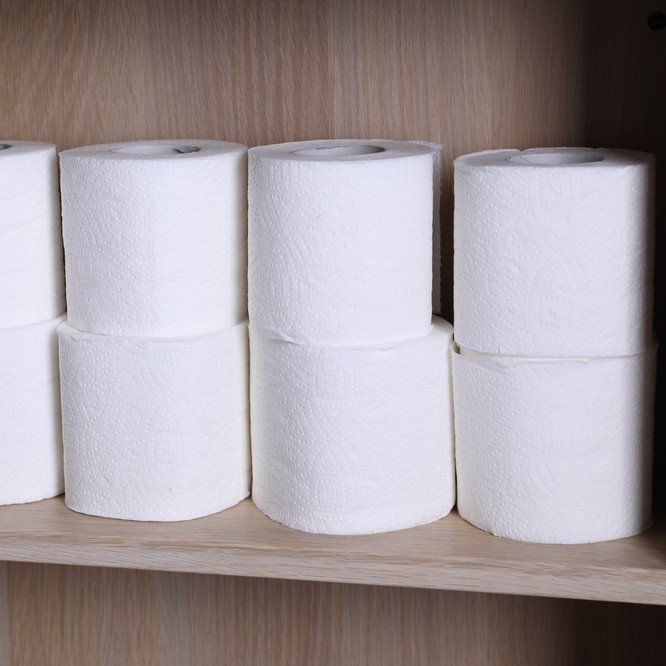
Mastering the Creping Process: Engineering Micro-folds for Fabric-like Texture
Premium softness is a mechanical achievement where precision-calibrated creping transforms rigid 100% wood pulp fibers into a flexible, high-bulk microstructure.
Mechanical Action of the Doctor Blade and Yankee Dryer
The creping process fundamentally changes the physical structure of the paper web as it travels across the heated Yankee dryer. We use a high-precision metal doctor blade to scrape the dry paper from the cylinder surface, which forces the fibers to bunch into microscopic folds. These “micro-folds” are the primary reason 100% virgin wood pulp achieves its signature cloud-like feel without relying on chemical softeners alone.
By adjusting the blade pressure and contact angle, we dictate the frequency and depth of these folds. This mechanical step physically breaks internal fiber bonds to increase flexibility while maintaining the structural integrity of the sheet. For high-volume B2B operations, this precision ensures that every batch in our 2,860-ton monthly output meets consistent texture standards for international distributors.
| Creping Variable | Standard Economy Grade | Top Source Hygiene Specs |
|---|---|---|
| Crepe Ratio | 10% – 12% (Flatter texture) | 15% – 25% (Fabric-like bulk) |
| Residual Moisture | < 4% (Brittle feel) | 5% – 7% (Supple hand-feel) |
| Adhesive Type | Standard industrial glue | Thermosetting OBA-Free organic |
Optimizing Crepe Ratios for Fabric-Like Texture
Controlling the speed differential between the Yankee dryer and the windup reel determines the final crepe ratio. We maintain this ratio between 15% and 25% to generate the bulk necessary for premium products. Higher crepe ratios create a thicker, more cushioned feel that consumers associate with luxury hotel-grade rolls.
- Engineered microstructures allow mid-tier products to compete with luxury brands on perceived softness.
- Precise speed control prevents the “shredded edge” common in lower-quality manufacturing.
- We refine these ratios to match regional preferences, such as the high-thickness demands of the Middle Eastern market.
Chemical Adhesion and Moisture Control
The success of the mechanical creping depends on a balance of thermosetting adhesives and residual moisture content. If the paper web is too dry, the fibers become brittle and scratchy. We hold moisture levels strictly between 5% and 7% to keep the cellulose fibers supple and skin-friendly.
Adhesive coatings on the Yankee dryer ensure the paper web sticks uniformly. This prevents uneven tearing during the scraping process, which is vital for producing high-ply options like our 4-ply and 5-ply ultra-soft rolls. These manufacturing protocols allow us to meet international ISO and FDA standards for hygiene and safety without compromising on the tactile experience global buyers expect.
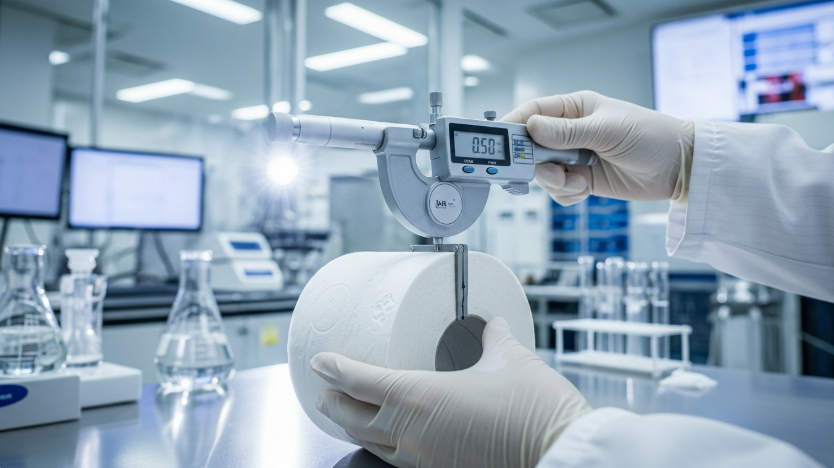
Advanced Fiber Refining: How Mechanical Beating Enhances Tissue Suppleness
Precision refining transforms rigid cellulose into supple tissue, proving that mechanical engineering is as vital as raw material selection for modern B2B quality benchmarks.
Mechanical Refining for Tactile Softness
Mechanical refining acts as the bridge between raw pulp and a finished consumer product. By utilizing mechanical fibrillation, we increase the surface area of individual fibers, which significantly improves bonding potential without sacrificing the “loft” required for premium tissue. This stage determines whether a 100% virgin wood pulp sheet feels like stiff office paper or a soft, textile-like material.
At our Hebei manufacturing hub, we prioritize refining protocols that keep fibers supple. Brittle fibers lead to “dusting” and poor user experience, particularly in high-traffic commercial environments. Our 2026 production lines utilize precision beating to ensure that the internal structure of the fiber remains intact while the exterior is sufficiently “fuzzed” to create the velvet hand-feel expected in luxury hospitality sectors.
Hardwood and Softwood Fiber Optimization
Engineering the perfect sheet requires a calculated balance of different wood species. Hardwood fibers, such as eucalyptus, provide the short, dense structures necessary for surface smoothness and bulk. Conversely, softwood fibers—derived from pine or spruce—act as the structural “rebar” of the tissue, offering the long-fiber tensile strength needed to prevent tearing during use or high-speed converting.
| Fiber Attribute | Hardwood (Eucalyptus/Birch) | Softwood (Pine/Spruce) |
|---|---|---|
| Fiber Length | Short (approx. 1mm) | Long (approx. 3mm) |
| Primary Function | Surface softness & bulk | Tensile strength & durability |
| Typical Ratio (Premium) | 70% – 80% | 20% – 30% |
We adjust these ratios based on the target market. North American distributors often prefer the added strength of higher softwood content to handle multi-ply residential use, while European and Middle Eastern markets often prioritize the silkier feel of high-hardwood blends. For our TSH-series premium rolls, we strictly control these ratios to guarantee consistency across every 40HQ container shipped.
Moisture Management and Fiber Elasticity
Moisture is the “unsung hero” of tissue quality. If the paper is over-dried during the refining and drying stages, the cellulose fibers become brittle, resulting in a scratchy product that feels like low-grade recycled paper. We maintain a strict 5–7% moisture range throughout our 2,860 tons of monthly production to ensure the fibers retain their natural elasticity.
Controlling this range requires advanced sensor systems and Yankee dryer calibration. Proper hydration during the refining stage also supports the formation of micro-folds during the creping process. This elasticity is what allows the paper to yield under pressure—a sensation the end-user identifies as “softness”—rather than snapping or providing resistance.
Sustainability Standards in Fiber Engineering
By 2026, mechanical excellence must go hand-in-hand with environmental stewardship. Top Source Hygiene utilizes 100% virgin wood pulp that is entirely OBA-free (No Optical Brightening Agents). We achieve natural brightness levels of 85-92% through superior fiber selection and mechanical washing rather than relying on harsh chemical bleaches that can irritate sensitive skin.
- Use of FSC-certified pulp ensures that our mechanical refining processes support global reforestation efforts.
- Mechanical softening reduces the need for chemical debonders, maintaining a more “natural” and hypoallergenic product profile.
- Precision beating allows us to use 100% virgin pulp efficiently, maximizing the performance of every gram of material.
For B2B buyers, these sustainability metrics are not just “nice-to-have” features; they are critical for compliance with EU and North American hygiene standards. Our refining techniques ensure that even while meeting these strict ecological goals, the mechanical performance and “hand-feel” of the tissue remain in the top tier of the global market.

Embossing & Surface Finishing: Aesthetic vs. Functional Texture
Precision embossing serves as a mechanical leverage point that increases effective surface area and traps air to boost perceived bulk without the need for higher GSM or increased material costs.
Modern manufacturing prioritizes a balance between visual appeal and physical performance. For 2026 procurement standards, embossing patterns act as a primary indicator of quality, signaling premium softness to the end-user. Beyond aesthetics, textured surfaces expand the functional surface area of the paper, which directly accelerates liquid absorption rates. We engineer specific pocket patterns between paper plies to trap air, increasing the perceived thickness and “squish” of the roll while maintaining a lean weight profile.
| Performance Metric | Standard Commercial Embossing | TSH Point-to-Point Tech |
|---|---|---|
| Absorbency Improvement | 5% – 10% base increase | Up to 30% increase |
| Ply Integration | Mechanical friction only | High-pressure ply lamination |
| Bulk Generation | Flat, compressed fibers | Structured air-trap pockets |
Precision Engineering: Maintaining Fiber Strength Through Pattern Design
Technical sophistication in engraving ensures that adding texture does not weaken the paper. Top Source Hygiene utilizes advanced mechanical and chemical engraving to create precise patterns that avoid fiber degradation. Engineers control embossing depth to achieve a “soft yet strong” profile, so the tissue remains durable during use. Custom roll designs allow our OEM clients to select textures that match specific brand identities while maintaining the high tensile strength required for commercial applications.
Operational Efficiency: Integrated Embossing and Rewinding Systems
High-volume production facilities leverage automation to maintain quality across thousands of tons of monthly output. Advanced rewinder systems integrate embossing, perforating, and winding into a single continuous process. We manage moisture levels strictly between 5% and 7% during the finishing stage to prevent paper brittleness. This consistency ensures the texture feels the same in every batch, whether it is destined for a hotel in the Middle East or a retail chain in North America.
- Automated systems reduce log vibration and prevent premature equipment wear.
- Integrated perforating ensures clean-cut lines for a smooth tear every time.
- Direct-factory models allow for rapid pattern adjustments to meet shifting market demands.
Market Differentiation: Building Premium Brand Identity via Texture
Unique surface finishes act as a powerful tool for differentiation in a competitive global market. Custom-branded embossing allows hospitality and retail clients to embed logos or motifs directly into the tissue surface, creating a signature look. These premium textures provide a quantifiable advantage for institutional buyers, often resulting in higher guest satisfaction scores. By offering diverse finishing options—from micro-embossing to decorative borders—we help private labels compete effectively against established global brands.
Conclusion
Understanding the technical balance between fiber selection, creping ratios, and embossing patterns allows procurement teams to select products that meet specific comfort and durability standards. These engineering choices ensure consistent quality and skin safety while preventing issues like linting or poor absorbency. Selecting the right specifications based on fiber science helps maintain high facility standards and end-user satisfaction.
Review our Big 10 inventory to find the ideal ply and density specifications for your regional market requirements. Contact our team to request technical datasheets or a 40HQ trial order consultation for your private label needs.
Frequently Asked Questions
Why does some 100% wood pulp feel scratchy?
Scratchiness in 100% wood pulp often results from an over-reliance on long softwood fibers for structural strength without sufficient mechanical processing. Premium texture requires a balanced hardwood-to-softwood ratio and advanced Yankee dryer creping techniques to break down fiber rigidity and develop the necessary micro-texture for surface smoothness.
Does higher GSM always mean softer paper?
No, higher GSM (grams per square meter) does not automatically equate to softness. While it increases thickness and durability, a high GSM paper without proper refining and debonding treatments can result in a stiff, cardboard-like feel. Softness is a function of process engineering—such as doctor blade calibration—rather than just material weight.
What role does embossing play in texture?
Embossing creates critical air pockets within the tissue layers, which significantly enhances “bulk” and the perceived hand-feel of softness. While micro-embossing improves absorption and tactile comfort, manufacturers must carefully manage the intensity, as heavy embossing can occasionally stiffen the fibers if the pressure is not precisely calibrated.
How does moisture affect hand-feel?
Moisture content is a decisive factor in fiber suppleness. Industry standards prioritize a precision moisture range of 5-7%; if the paper is over-dried, the fibers become brittle and abrasive to the touch. Maintaining optimal moisture levels ensures the cellulose structure remains flexible and maintains a velvety finish.
Can chemicals improve softness?
Yes, chemical interventions are a key competitive differentiator in premium tissue production. Manufacturers utilize organic “debonder” agents to strategically reduce fiber-to-fiber hydrogen bonding. This mechanical refinement process allows the tissue to achieve a velvet-like softness and increased pliability without compromising the overall strength of the sheet.
