 Skip to content
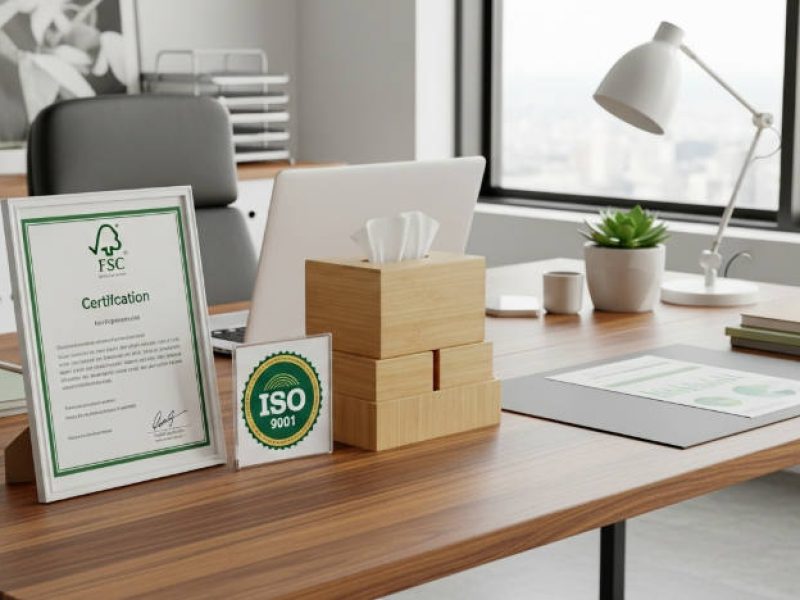
Sourcing from a top China OEM requires balancing cost efficiency with the strict material standards of a $54 billion market. As the facial tissue segment grows at a 7.12% CAGR, global buyers now prioritize 100% virgin wood pulp and chemical-free production to meet international safety certifications and consumer health demands.
This guide breaks down the leading suppliers in manufacturing hubs like Baoding and Mancheng, detailing their production capacities and minimum order quantities. We analyze the shift toward sustainable bamboo materials, procurement strategies for 40-foot high-cube containers, and the verification process for FSC Chain-of-Custody claims to ensure your supply chain remains transparent.
Top 10 Facial Tissue Manufacturers in China: Ranking by Export Capacity
Quick Comparison: Top Picks
| Manufacturer | Location | Core Strength | Verdict |
|---|---|---|---|
| Top Source Hygiene | Mancheng, Baoding, China | Facial Tissue, Toilet Paper, Jumbo Rolls | Best for factory-direct OEM/ODM with massive 2,860 tons/month capacity. |
| Taison Technology (Group) Co. | China | Facial tissue, tissue paper | Leading high-volume producer leveraging state-of-the-art production lines. |
| Golden Hongye (APP / Qingfeng) | Xiamen/Nantong, China | Tissue paper, Facial tissue | Massive industrial scale ideal for standardized, large-scale supply chains. |
| Hengan International Group | Jinjiang, Fujian, China | Facial tissue, household paper | Premier household brand with a massive global distribution network. |
| Vinda International Holdings | Foshan, Guangdong, China | Facial tissue, toilet paper | Premium leader specializing in high-end embossed and soft tissue products. |
| Shandong Sun Paper Co. | Shandong, China | Tissue paper, pulp | Reliable integrated player with a strong focus on raw material self-sufficiency. |
| Shaoneng Group | China | Tissue paper | Stable manufacturer with a consistent and proven export track record. |
| Asia Symbol | China | Tissue paper | A specialized export-driven manufacturer providing steady production reliability. |
| Liansheng Pulp & Paper (Zhangzhou) Co. | Zhangzhou, China | Tissue paper, pulp | Rapidly expanding producer with aggressive infrastructure and pulp growth. |
| Lee & Man Paper | Dongguan, Guangdong, China | Bulk Export Facial Tissues, Eco Bamboo Pulp Series, Jumbo Roll Slitting | Listed multi-national powerhouse providing extensive container-scale FCL outputs for trans-oceanic retail programs. |
Top Source Hygiene
Top Source Hygiene operates out of Mancheng, Baoding, the heart of China’s paper industry, giving them direct access to specialized supply chains and raw materials. With a massive output of 2,860 tons per month, they maintain total factory control over the manufacturing process, ensuring that every batch of 100% virgin wood pulp meets rigorous international standards. This direct oversight allows them to offer factory pricing while eliminating the markups and communication gaps often found when dealing with intermediaries or trading companies.
For brands in the hospitality and retail sectors, the company minimizes procurement risk by adhering to global compliance certifications such as ISO 9001, FDA, and FSC. Their extensive experience serving clients across 56 countries ensures that they understand diverse market regulations and packaging requirements. By providing fully customizable OEM/ODM solutions, they act as a strategic partner that helps businesses build local brand equity through consistent quality and scalable production capabilities.
At a Glance:
- 📍 Location: Mancheng, Baoding, China
- 🏭 Core Strength: Facial Tissue, Toilet Paper, Jumbo Roll Tissue, Kitchen Towels
- 🌍 Key Markets: North America, Europe, Asia, Africa, Oceania
Why We Picked Them:
| ✅ The Wins | ⚠️ Trade-offs |
|---|---|
|
|
Taison Technology (Group) Co.
Taison Technology operates as a dominant force in the paper manufacturing sector, recently scaling its annual production output from 1.25 million to 1.41 million tons. The group manages the entire fabrication process through state-of-the-art facilities, ensuring that every batch of facial and tissue paper meets rigorous export standards. This level of factory control allows them to maintain consistent quality while handling the logistics of large-scale international orders.
By integrating modern production lines, the company directly addresses the demands of the global export market, which currently sees double-digit growth. This expansion serves as a strategic move to stabilize supply chains for international buyers who require reliable bulk tonnage. The scale of these operations reduces risks associated with smaller facilities, providing a stable foundation for long-term procurement partnerships.
At a Glance:
- 📍 Location: China
- 🏭 Core Strength: Facial tissue, tissue paper
- 🌍 Key Markets: Global exports
Why We Picked Them:
| ✅ The Wins | ⚠️ Trade-offs |
|---|---|
|
|
Golden Hongye (APP / Qingfeng)
Golden Hongye stands as a pillar in the paper industry, particularly after finalizing its massive phase two tissue project in 2024. This expansion pushed its total production capacity beyond 1.26 million tonnes per year, securing its position as a heavy hitter in the global market. Operating under the APP umbrella, the group leverages a massive, integrated supply chain that ensures consistent output and high-volume availability for international buyers.
The facility focuses on high-efficiency manufacturing processes to maintain rigorous quality control across all production lines. By standardizing every step of the fabrication process, the company reduces risks associated with product variance. This industrial-scale approach allows the group to meet the demands of large global retailers and distributors who require reliable, high-volume shipments of facial tissues and other paper products.
At a Glance:
- 📍 Location: Xiamen/Nantong, China
- 🏭 Core Strength: Tissue paper, Facial tissue
- 🌍 Key Markets: Global exports
Why We Picked Them:
| ✅ The Wins | ⚠️ Trade-offs |
|---|---|
|
|
Hengan International Group
Hengan International Group operates as a major force in the household paper sector, anchoring its market presence with the widely recognized Hearttex brand. The company manages every aspect of production from its base in Jinjiang, ensuring rigorous factory control over its facial tissue and paper towel lines. This direct oversight allows them to maintain high quality standards while scaling output to meet the demands of both domestic and international markets.
Their local execution is supported by a robust logistics network that handled a tissue segment revenue of RMB 12.5 billion in FY2024. By controlling the distribution chain, Hengan provides significant risk reduction for global partners who require stable and timely delivery of high-volume orders. Their established infrastructure and massive production scale make them a reliable choice for businesses seeking a manufacturer with proven financial stability and global reach.
At a Glance:
- 📍 Location: Jinjiang, Fujian, China
- 🏭 Core Strength: Facial tissue, household paper
- 🌍 Key Markets: Mainland China, International
Why We Picked Them:
| ✅ The Wins | ⚠️ Trade-offs |
|---|---|
|
|
Vinda International Holdings
Vinda International Holdings operates as a powerhouse in the household paper industry, anchoring its production in Foshan, Guangdong. By maintaining strict factory control over their manufacturing processes, they ensure every roll and sheet meets high-tier quality benchmarks. Their strategic position in the Greater China region allows for rapid local execution, catering to a massive consumer base that demands consistent hygiene standards and premium materials.
The integration with Essity provides a global backbone for their operations, yet Vinda remains focused on the specific needs of the Asian market. Their use of 4D-Deco embossing technology distinguishes their facial and toilet tissues from standard commodities by adding tactile softness and structural integrity. This commitment to technical innovation helps reduce supply chain risks associated with product variability, providing retail partners with reliable, high-end inventory.
At a Glance:
- 📍 Location: Foshan, Guangdong, China
- 🏭 Core Strength: Facial tissue, toilet paper
- 🌍 Key Markets: Asia, Global
Why We Picked Them:
| ✅ The Wins | ⚠️ Trade-offs |
|---|---|
|
|
Shandong Sun Paper Co.
Shandong Sun Paper Co. stands as a cornerstone of the paper industry, particularly following its massive capacity expansion to 495,000 tonnes per year in 2024. As a vertically integrated producer, the company manages everything from raw pulp processing to final tissue manufacturing. This structural setup ensures tight factory control and consistent product quality, making them a primary choice for high-volume buyers seeking stability in their supply chain.
Beyond sheer volume, the organization focuses on risk reduction through localized execution and modern production techniques. By balancing domestic demand with a growing export presence, they provide a reliable bridge for international distributors looking to source at scale. Their integrated model allows for better price predictability and technical oversight, which remains a critical factor for partners who require large-scale, high-speed delivery of modern tissue products.
At a Glance:
- 📍 Location: Shandong, China
- 🏭 Core Strength: Tissue paper, pulp
- 🌍 Key Markets: Domestic and Export
Why We Picked Them:
| ✅ The Wins | ⚠️ Trade-offs |
|---|---|
|
|
Shaoneng Group
Shaoneng Group operates as a pillar in the Chinese paper industry, focusing on maintaining a steady and reliable supply chain for global tissue markets. Their production facility keeps a fixed annual capacity of 380,000 tons, which ensures they meet large-scale orders without compromising quality standards. By prioritizing factory control and consistent output, they provide a dependable foundation for international distributors looking for high-volume tissue paper solutions.
The company plays a vital role in the export economy, contributing significantly to the overall valuation of China’s paper product shipments. Partners benefit from their established presence and predictable manufacturing cycles, which reduces the risks associated with supply fluctuations in the global market. While they focus on stability rather than rapid scaling, their proven track record in local execution makes them a preferred choice for long-term procurement needs.
At a Glance:
- 📍 Location: China
- 🏭 Core Strength: Tissue paper
- 🌍 Key Markets: Global exports
Why We Picked Them:
| ✅ The Wins | ⚠️ Trade-offs |
|---|---|
|
|
Asia Symbol
Asia Symbol operates as a major producer in the Chinese pulp and paper industry, focusing heavily on the tissue paper segment. They manage a significant annual output of 350,000 tonnes, positioning the company as a dependable supplier for high-volume buyers. By moving away from the saturated local market to focus on international trade, they provide a stable supply chain for global distributors who need consistent volume.
The company manages production risks by securing long-term export contracts, which helps them keep facilities running at steady capacity. This strategy allows them to maintain strict factory control and meet specific international quality requirements for every batch. Buyers work directly with the source, reducing the uncertainties and extra costs often associated with smaller trading entities.
At a Glance:
- 📍 Location: China
- 🏭 Core Strength: Tissue paper
- 🌍 Key Markets: Export markets
Why We Picked Them:
| ✅ The Wins | ⚠️ Trade-offs |
|---|---|
|
|
Liansheng Pulp & Paper (Zhangzhou) Co.
Liansheng Pulp & Paper (Zhangzhou) Co. operates as a significant manufacturer in the paper industry, focusing on tissue paper and pulp. The organization is scaling its production capabilities rapidly, aiming to reach a capacity of 290,000 tons per year within 2024. This expansion targets global demand while maintaining direct control over the manufacturing process from its Zhangzhou base.
The company is also building a 1.66 million tons per year pulp project to ensure a steady supply of raw materials for its production lines. This strategy helps the business manage costs and avoid supply chain disruptions that often affect smaller players. While the scale of these new facilities is impressive, the primary focus remains on vertical integration to provide consistent product quality for international buyers.
At a Glance:
- 📍 Location: Zhangzhou, China
- 🏭 Core Strength: Tissue paper, pulp
- 🌍 Key Markets: Global
Why We Picked Them:
| ✅ The Wins | ⚠️ Trade-offs |
|---|---|
|
|
Lee & Man Paper
Lee & Man Paper operates as an international giant in the primary pulp and packaging infrastructure, running advanced manufacturing grids concentrated heavily across Southern China and Southeast Asian clusters. The corporation focuses on large-scale paper converting and processing, engineering extensive volume runs of custom facial tissue and premium unbleached bamboo series destined for global port loading. Sourcing from their integrated high-speed machinery segments allows international distributors to stabilize multi-SKU private label pipelines.
The group utilizes massive, automated slitting arrays and deep forest plantation assets to control material quality parameters directly at the sourcing source. By managing highly predictable container-scale configurations from their coastal networks, they reduce cross-border distribution friction and shield buying teams from sudden raw pulp deviations. For global merchants seeking a massive, non-localized manufacturing anchor capable of delivering high-throughput container requirements, their framework provides premier stability.
At a Glance:
- 📍 Location: Dongguan, Guangdong, China
- 🏭 Core Strength: Bulk Export Facial Tissues, Eco Bamboo Pulp Series, Jumbo Roll Slitting
- 🌍 Key Markets: Global B2B distribution, major hypermarket private labels, international procurement blocks
Why We Picked Them:
| ✅ The Wins | ⚠️ Trade-offs |
|---|---|
|
|
The 2026 Landscape of China’s Facial Tissue Manufacturing Industry
China’s facial tissue industry is projected to reach a $54 billion market value by 2026, maintaining a 7.12% compound annual growth rate. This expansion is driven by a massive urban middle class and a structural shift toward premium 100% virgin wood pulp and eco-friendly bamboo materials in key manufacturing hubs like Mancheng and Baoding.
Market Scale and Economic Growth Projections for 2026
China’s tissue market expects revenue to reach $54 billion in 2026, solidifying its position as the global leader in production. The facial tissue segment maintains a compound annual growth rate (CAGR) of 7.12%, outperforming other household paper categories. High-volume manufacturing centers like Mancheng, Baoding, provide the infrastructure required to meet both domestic and international supply requirements. These regions benefit from established logistical networks and proximity to major pulp import terminals, allowing manufacturers to scale production rapidly as global demand increases.
Consumption Drivers and Urbanization Trends
China accounts for over 40% of global facial tissue demand, fueled by a middle class with expanding purchasing power. Rising disposable incomes and urbanization shift consumer preferences toward premium, multi-ply facial tissues for daily use. People increasingly look for high-strength, soft-textured products that cater to personal care rather than basic utility. Increased hygiene awareness remains a primary driver for product adoption in residential and commercial sectors, as businesses and households prioritize sanitary paper solutions in post-pandemic environments.
Material Innovation and Sustainable Production Standards
Leading manufacturers like Top Source Hygiene, Vinda, and Hengan prioritize 100% virgin wood pulp to ensure maximum softness and absorbency. These companies are investing in integrated pulp-to-paper facilities to stabilize supply chains and control material costs. Industrial mills transition toward bamboo-based and biodegradable materials to satisfy the increasing demand for eco-friendly products, particularly in export markets with strict environmental regulations. The 2026 market emphasizes chemical-free production, specifically removing fluorescent whiteners from the manufacturing process to meet safety certifications and consumer health standards.
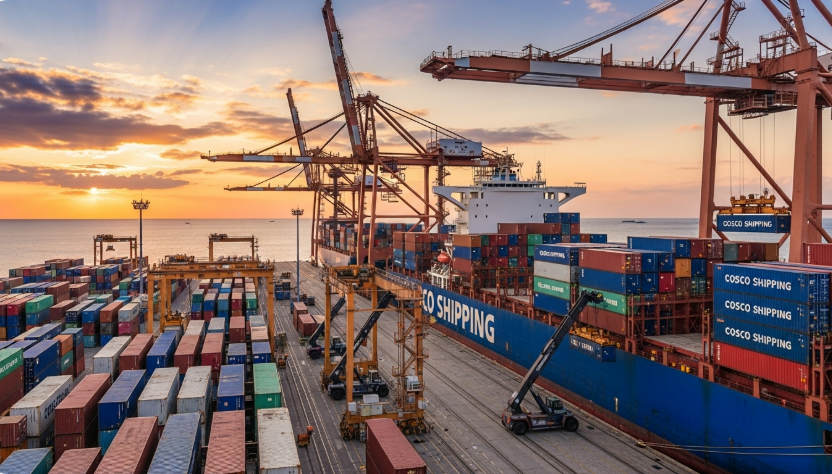
Virgin Wood Pulp vs Recycled: Material Sourcing Standards in Chinese Mills
Chinese tissue manufacturers utilize chemical wood pulp for 82% of their import volume, primarily sourced from Brazil, Indonesia, and Chile. Strict 2026 regulatory frameworks now enforce a 0.5% impurity limit on recycled fiber imports, ensuring that industrial-grade materials meet the hygiene requirements necessary for global B2B facial tissue distribution.
International Wood Pulp Procurement and Supply Dynamics
Chemical wood pulp represents the vast majority of wood pulp imports in China, with annual volumes reaching approximately 30 million tons. Brazil stands as the primary partner in this supply chain, contributing 27% of total imports. Indonesia and Chile act as secondary sources to maintain a diversified fiber supply for large-scale manufacturing operations.
Domestic production in China currently meets only 40% of the total market demand. This gap led major mills in hubs like Baoding to adopt “pulp-to-paper” integration strategies. By managing the production process from raw fiber to finished facial tissue, these facilities stabilize raw material pricing and ensure the fiber quality remains consistent across high-volume orders.
Quality Control Thresholds for Recycled Fiber Imports
The 2026 regulatory framework establishes a strict 0.5% impurity limit for all imported fiber materials. Any shipments exceeding this threshold face automatic rejection by port authorities. Thailand serves as a key supplier for dry pulp, providing 2-3 million tonnes annually, which mills use primarily for industrial-grade tissue products where recycled content is permissible.
To maintain these environmental and hygiene standards, port authorities currently perform 100% inspection rates on all incoming recycled pulp. As mills establish a verified history of clean sourcing and compliance, these inspection frequencies may decrease to 50% or 30%. This rigorous oversight prevents contaminated or substandard materials from entering the household paper supply chain.
Sustainability Certifications and Chemical Safety Requirements
High-grade facial tissue production focuses on 100% virgin wood pulp, specifically excluding fluorescent whitening agents to meet consumer safety expectations. FSC certification has become the benchmark for Chinese mills exporting to North American and European markets. This certification confirms that the wood fiber is harvested from responsibly managed forests, aligning with international sustainability goals.
Current quality control protocols include extensive testing for softness and absorbency to comply with ISO 9001 and FDA safety benchmarks. These verified standards provide global buyers with the flexibility to select specific GSM and ply configurations while ensuring the entire supply chain remains eco-friendly and safe for direct skin contact.
Build Your Premium Toilet Paper Brand with Global OEM Experts

Decoding OEM Minimum Order Quantities (MOQs) for Global Buyers
Chinese OEM facial tissue manufacturers generally mandate a 40-foot high-cube container (40’HQ) for bulk production, though entry points for specialized custom orders can range between 500 and 2,000 units. Experienced sourcing agents frequently negotiate these thresholds down by 20% to 35% by providing detailed inventory projections and consolidated shipping plans.
Industry Benchmarks for High-Volume Paper Production
Most large-scale mills in 2026 require a 40-foot high-cube (40’HQ) container to optimize machine run times and export logistics. Full container loads allow factories to maintain consistent quality control standards and lower the price per unit for global distributors. Production lead times for standard container orders typically range between 20 and 25 days depending on current facility capacity.
SKU-Level Constraints and Regional Exceptions
Suppliers often set separate thresholds for specific product attributes such as GSM, ply count, and custom embossed patterns rather than a single total count. Manufacturers provide lower entry points for buyers in South America and Africa to support local market development and infrastructure. Customized packaging and private label branding usually trigger higher minimums due to the setup costs of printing plates and specialty materials.
Cost Formulas and Procurement Strategy
Factories determine minimums by comparing fixed production expenses against desired profit margins and raw material consumption rates. Many suppliers inflate published 2026 MOQs by 30% to 50% as a baseline for negotiations with experienced international sourcing agents. Sourcing teams often secure 20% to 35% lower minimums by presenting detailed inventory projections and consolidated shipping plans.

Logistics and Compliance: Securing FSC Certification from Chinese Tissue Suppliers
FSC certification confirms that tissue products originate from responsibly managed forests, but buyers must verify Chain-of-Custody (CoC) claims via third-party audits to mitigate fraud. Successful procurement requires validating certificate numbers through the official FSC database and ensuring documentation aligns with export lead times for 40-foot high-cube containers.
Chain-of-Custody Verification and Database Auditing
Procurement teams must validate supplier FSC certificate numbers through the official FSC database at info.fsc.org to confirm certifications remain active for the 2026 cycle. Reviewing recent surveillance audit reports from accredited third-party bodies like SCS confirms compliance and identifies skipped inspections that signal operational risk. Reliable suppliers maintain a Chain-of-Custody (CoC) that specifically tracks materials for the P6 category, covering household and sanitary paper products such as facial tissues and napkins.
Material Authenticity and Fiber Analysis Protocols
Independent laboratory testing on tissue samples confirms fiber content to prevent the unauthorized substitution of acacia or eucalyptus in products labeled as 100% bamboo. We cross-reference FSC Mix Credit or 100% claims on commercial invoices with physical product labels to maintain shipment integrity and brand transparency. Partnering with specialized mills like Top Source Hygiene or UPM Changshu ensures the use of sustainable pulp free from fluorescent whitening agents, meeting strict international safety standards.
Export Documentation and Logistical Lead Times
Coordinating with manufacturers aligns FSC documentation with standard production lead times of 15 to 25 days for 40-foot high-cube containers. Shipping documents for 11-15 GSM tissue products must include all environmental declarations necessary for seamless North American and European customs clearance. Utilizing resources from the China Sustainable Paper Alliance (CSPA) helps vet suppliers capable of sustaining large-scale export capacities that reach 2,860 tons per month.
Frequently Asked Questions
Which companies lead the facial tissue manufacturing sector in China for 2026?
Market leaders include Vinda International, Hengan International (Hearttex brand), and Lee & Man Paper. These organizations dominate through advanced production capabilities and proprietary technologies like 4D-Deco embossing. Other major exporters serving the global 2026 market include Lee & Man Paper and APP China, which operate extensive international supply networks.
What factors identify a dependable OEM tissue factory?
Reliable partners demonstrate high monthly production capacities, such as the 2,860-ton output maintained by Top Source Hygiene. Proximity to industrial hubs in Guangdong or Fujian provinces indicates access to mature infrastructure. Buyers should verify international compliance certifications like ISO 9001, GMPC, and FDA standards to ensure product safety and quality consistency.
What are the typical Minimum Order Quantities for custom tissue products?
MOQs fluctuate based on the degree of customization. While standard wholesale orders often start at 2,000 units, many suppliers offer lower thresholds between 100 and 500 pieces for emerging brands. Specialized manufacturers even provide MOQs as low as 25 to 250 sheets for initial market testing and samples.
How do buyers verify the sustainability of Chinese tissue suppliers?
Buyers confirm sustainable sourcing through FSC (Forest Stewardship Council) certification, which is standard for top-tier exporters like Top Source Hygiene and Jiangsu Hewbonn. This certification guarantees that the wood, bamboo, or recycled pulp meets global environmental standards for responsible forestry and ethical supply chain management.
What distinguishes virgin wood pulp from mixed pulp options?
Virgin wood pulp uses fresh fibers to provide superior softness, strength, and absorbency. Mixed pulp contains recycled content with shorter, degraded fibers that are more prone to tearing and may contain chemical residues from de-inking. For the 2026 premium market, virgin pulp remains the preferred choice for high-end facial tissues and products designed for sensitive skin.
Final Thoughts
The Chinese facial tissue market is moving toward a future defined by high-quality materials and strict environmental oversight. Manufacturers like Top Source Hygiene and Vinda set the pace by integrating pulp-to-paper production and securing FSC certifications. Buyers prioritizing 100% virgin wood pulp and chemical-free manufacturing position themselves to meet the rising global demand for safe, soft, and sustainable personal care products.
Navigating the 2026 landscape requires a clear understanding of order thresholds and logistical requirements. A 40-foot high-cube container remains the industry standard for bulk orders, but flexible negotiation and early inventory planning help secure competitive pricing. Partnering with suppliers that maintain transparent supply chains and verified safety standards ensures a reliable flow of premium tissue products to international markets.
