Skip to content

toilet paper tube length is the first checkpoint buyers should lock before they approve a supplier, budget, or production slot. If you manage procurement for schools, transit hubs, or government buildings across Africa, you’ve likely faced this: a shipment of jumbo rolls arrives, and a chunk of them don’t fit the dispensers. The tube is too short, the roll wobbles on the spindle, or it jams completely. That’s a budget hit you didn’t plan for. The toilet paper tube length is one of those specs that looks simple on paper but causes real operational headaches when it’s wrong.
Standard toilet paper tube lengths fall between 90 mm and 115 mm, with 100 mm being the most common for commercial jumbo rolls. But here’s the catch: many Chinese manufacturers default to a 95 mm tube, which is too short for European-designed dispensers common in East Africa. A mismatch of just 5 mm can make a roll unusable. And since public facilities often mix dispensers from different donors or importers, the problem compounds fast. You’re not just losing product — you’re losing time, labor, and credibility with facility managers.
The real cost isn’t just the wasted rolls. It’s the maintenance hours spent swapping spindles or refitting dispensers. It’s the emergency restocking orders that blow your budget. In a school network with 500 stalls, a 10 mm tube length mismatch can render 30% of a container unusable. That’s tens of thousands of dollars down the drain because of one overlooked number on a spec sheet. The irony is that many procurement managers focus on outer diameter and ply count, assuming the tube is standard. It isn’t.
This guide gives you the exact measurements you need to avoid that trap. You’ll learn standard tube lengths, how to measure them, and — most importantly — which tolerances to demand from your supplier. Because when you’re buying one 40-foot container at a time for multiple facilities, consistency across every roll isn’t a nice-to-have. It’s the difference between a smooth rollout and a logistical mess.
Why Dispenser Mismatches Plague Africa’s Public Facilities
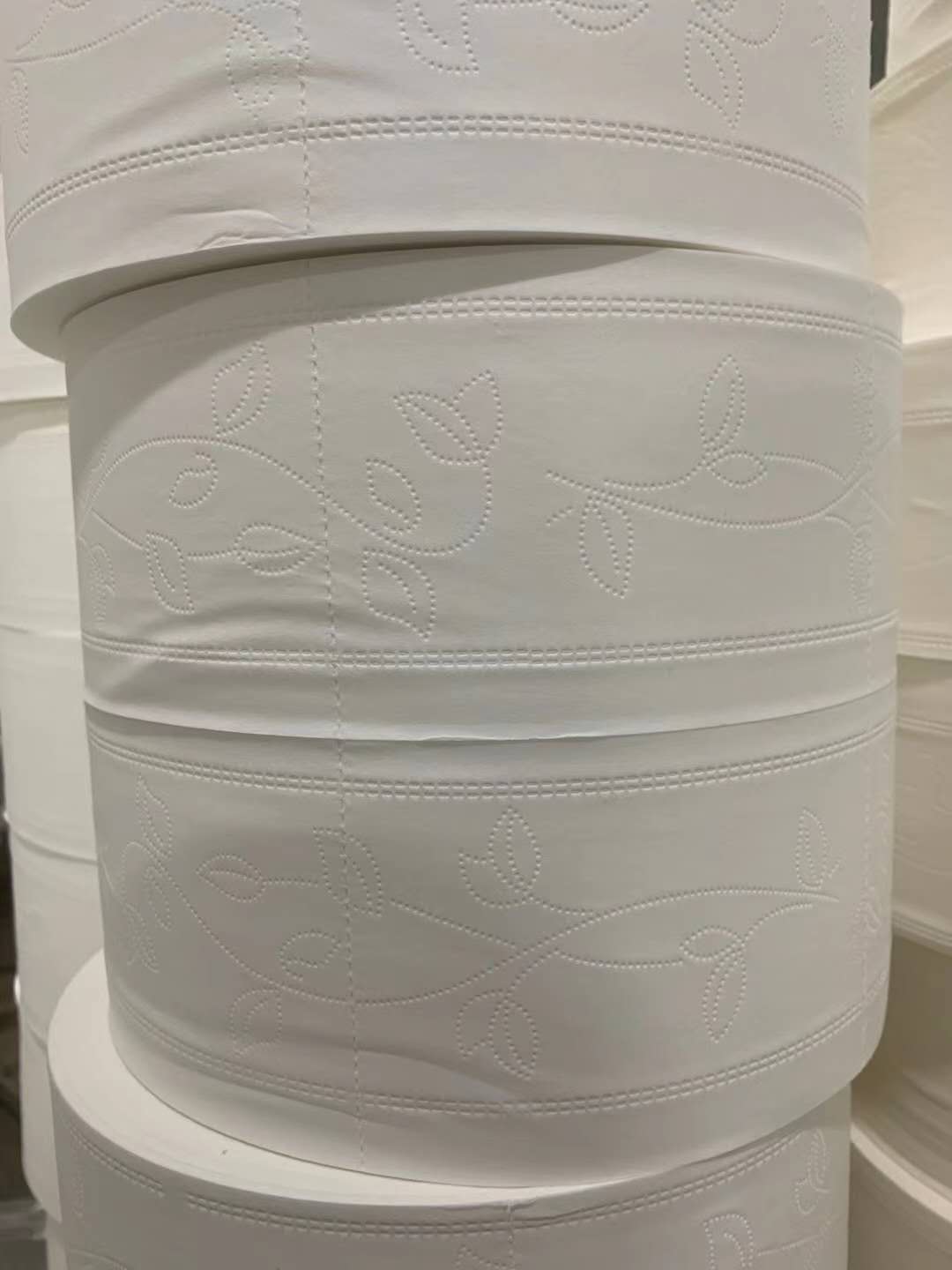
A 5mm tube mismatch jams 30% of dispensers, wasting thousands in emergency restocking.
The core problem in Africa’s public facilities is a hardware hodgepodge. Dispensers arrive from different donors, importers, or government tenders—each with a different spindle length. You’ll find a 90 mm tube from one supplier sitting next to a 110 mm spindle from another. The moment you load a 90 mm roll onto a 110 mm spindle, the roll slips sideways, jams, or spins freely without dispensing paper. That’s not a user complaint; that’s a structural failure in your cleaning protocol.
- Common tube lengths metrics: Standard household: 90 mm. Jumbo roll (commercial): 100 mm. European imports: 110–115 mm. Inner diameter is near-universal 38 mm (1.5″) for standard rolls, or 76 mm (3″) for jumbo spindles cleanly.
- Mechanical mismatch consequences: A 90 mm tube on a 110 mm spindle leaves 20 mm of exposed metal. The roll wobbles, the cardboard core shreds, and paper bunches inside the dispenser housing panels.
Here is the insider fact most spec sheets hide. Many Chinese manufacturers default to a 95 mm tube length because it saves a few grams of pulp per roll. But European-designed dispensers—common in East Africa from NGO donations or EU-funded projects—expect a 100 mm tube. That 5 mm gap is enough to cause recurring jams. Top Source Hygiene can adjust to 100 mm or any custom length without an MOQ penalty, and we maintain ±1 mm tolerance on every core. Most suppliers will not even show you a tolerance certificate. Ask for it.
Standard Toilet Paper Tube Lengths: 90 mm, 100 mm, and 110 mm
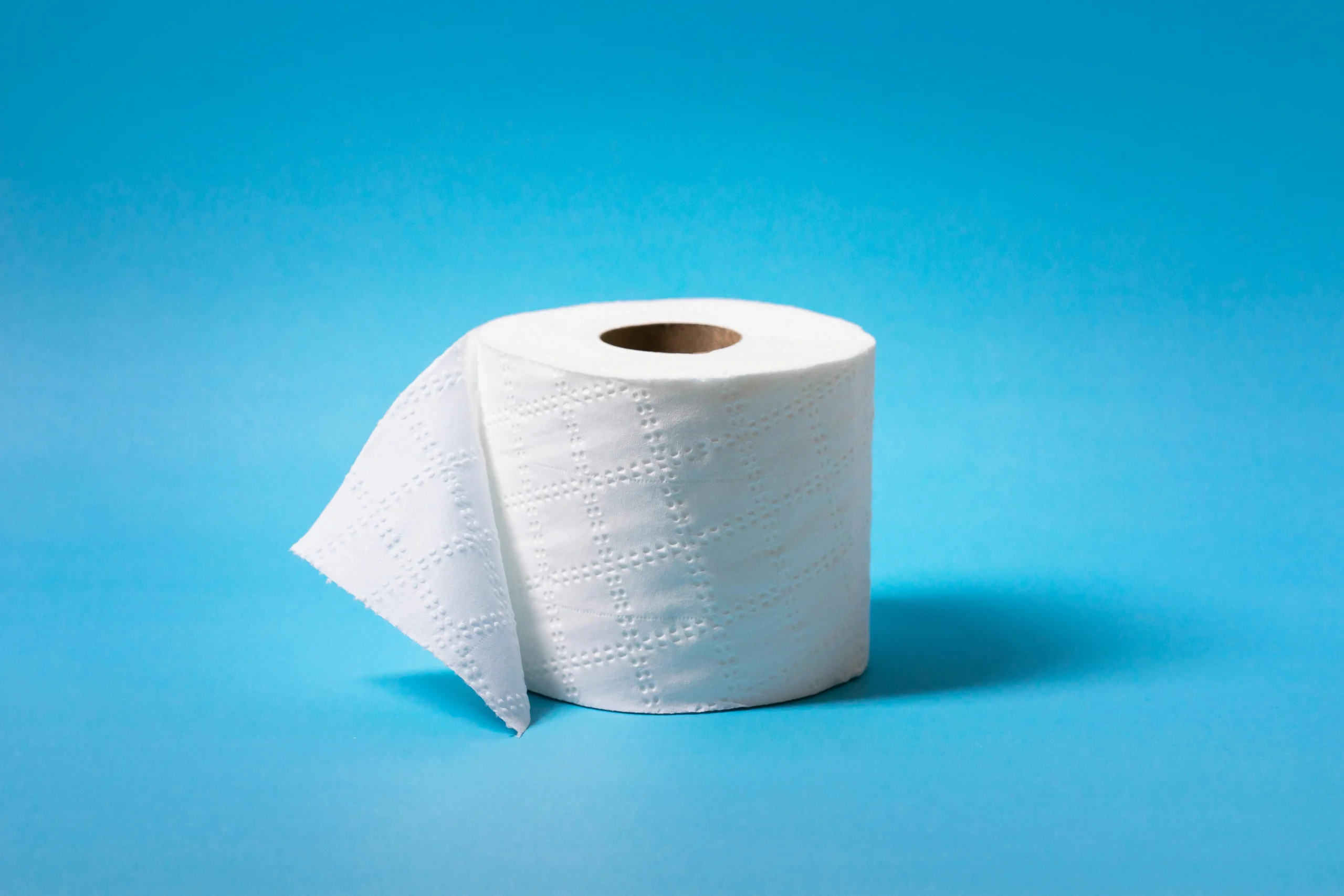
A 5 mm tube length mismatch can jam 500 dispensers in a single school district.
Toilet paper tube length typically falls into three bands: 90 mm (3.5 inches) for compact household rolls, 100 mm (4 inches) for standard jumbo rolls, and 115 mm (4.5 inches) for some European import dispensers. For African public facilities — schools, transit hubs, government buildings — the 100 mm tube is the de facto standard for commercial jumbo rolls. A 90 mm tube is too short for standard spindles, causing the roll to wobble or jam. A 115 mm tube will stick out past the dispenser arms, creating waste and potential blockages.
The inner diameter (core size) is equally critical: 38 mm (1.5 inches) for standard rolls and 76 mm (3 inches) for jumbo rolls. A jumbo roll with a 76 mm core will spin freely on a 1.5-inch spindle, leading to roll drop and maintenance calls. The combination of correct tube length and core diameter is what ensures reliable dispensing.
- 90 mm tube specs (3.5″): Common for retail compact rolls. Too short for most commercial dispensers in Africa. Risk: roll slips off spindle or fails to engage spring-loaded mechanism.
- 100 mm tube specs (4″): Standard for jumbo rolls used in public facilities. Compatible with the majority of European and Chinese-made dispensers found in East and West Africa. Top Source Hygiene supplies this as default.
- 115 mm tube specs (4.5″): Found in some European import dispensers. Overhangs standard units. May cause paper waste and increased refill frequency. Verify dispenser vendor before ordering.
Tube length directly affects roll performance. A roll with a too-short tube will not sit flush against the dispenser tension arm, causing the roll to spin freely and unspool excess paper. This increases per-stall waste by an estimated 15–25%. For a facility with 500 stalls, that loss translates into thousands of dollars annually. Specifying 100 mm tube length with a 38 mm core for standard dispensers eliminates this hidden cost.
Cost of a Tube Length Mistake: Maintenance vs Procurement
A 10 mm tube length error can waste 30% of a 40HQ container across 500 stalls allocations.
Let’s run the numbers on a real scenario. A school network in East Africa operates 500 toilet stalls, each fitted with spring-loaded dispensers designed for a 100 mm tube. Your procurement team sources jumbo rolls from a supplier whose default tube is 95 mm — a common shortcut to save a few cents on core material. The result: rolls sit loose on the spindle, slip during dispensing, or jam entirely. In practice, field reports from facility managers show that a 5–10 mm mismatch renders roughly 30% of a shipment unusable for those dispensers.
That 30% waste on a 40HQ container (approximately 1,000 cases of jumbo rolls, each case covering about 20 stalls per month) translates directly into lost product and emergency reordering. At typical landed costs for African ports, a wasted case costs roughly $45–$60. With 300 unusable cases, you’re looking at $13,500 to $18,000 in pure scrap — not counting the labor to sort, return, or dispose of the bad rolls.
- Procurement error financial cost: 30% unusable rolls = 300 cases lost × $50 average = $15,000 scrap value, plus rush shipping for replacement.
- Maintenance hardware fix cost: Replacing 500 spindles with adjustable or universal models: parts at ~$8 each + labor at $15 per stall = $11,500 total. One-time cost, permanent fix.
- Production capacity scaling metrics: Top Source Hygiene produces 2,860 tons/month. That 30% waste on a single 40HQ container (roughly 20 tons) represents less than 1% of monthly output cleanly.
| Mismatch Scenario | Procurement Cost | Maintenance Cost | Net Financial Impact |
|---|---|---|---|
| 5 mm tube length error (95 mm vs required 100 mm) across 500 stalls | 30% of rolls (approx. 300 cases) unusable – lost value $4,500 | Spindle replacement for 150 dispensers at $10 each = $1,500 | $6,000 additional cost per procurement cycle |
| Inconsistent tube length (±2 mm) in bulk order for 1,000 stalls | 15% of rolls cause jams – wasted $2,250 (based on $15,000 container) | Emergency labor for 50 facilities at $200 each = $10,000 | $12,250 added to operational budget |
| Default 95 mm tube from unverified supplier (common in East Africa) | No immediate cost, but rolls incompatible with European-designed dispensers | Retrofit 200 dispensers with new spindles: $20/unit = $4,000 | $4,000 hidden hardware expense loop cleanly |
How to Specify Tube Length for African Public Tenders
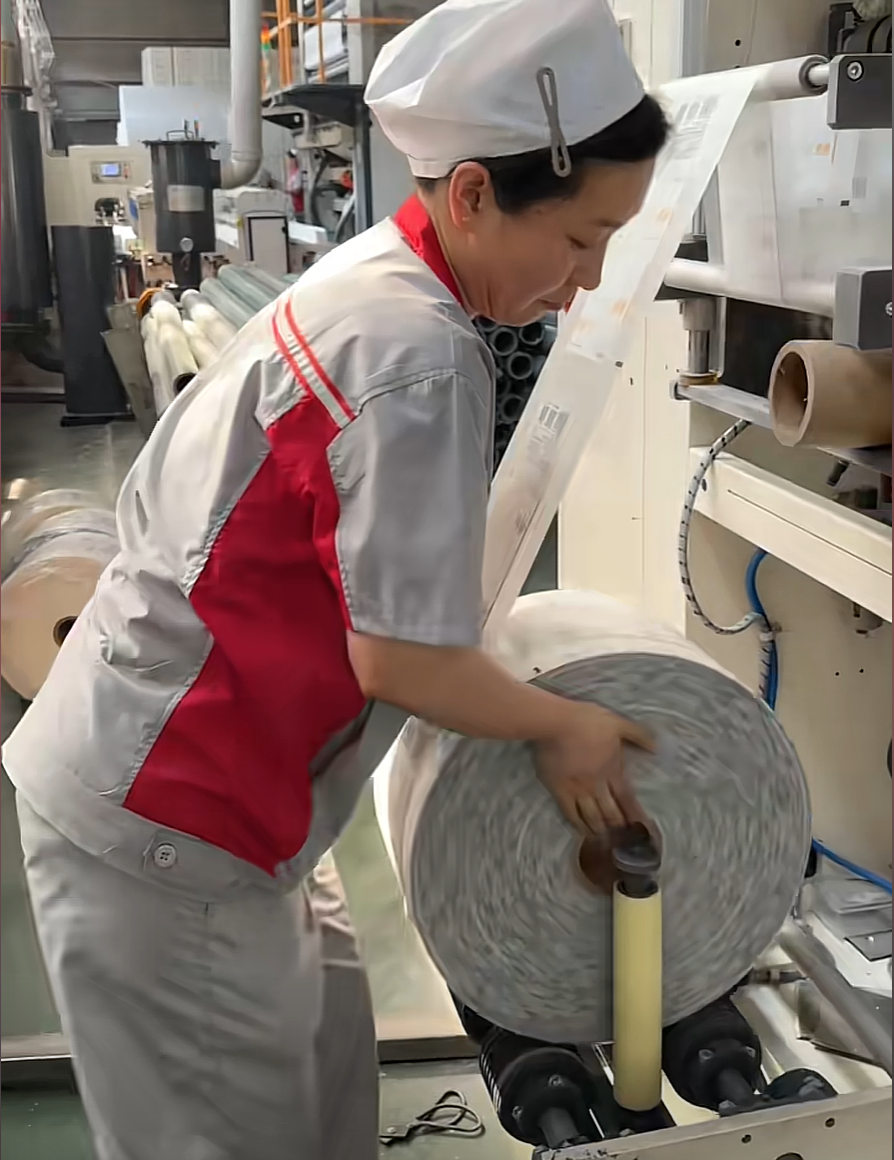
A 5 mm tube length error can lock up 500 stalls across a school network footprint.
For African public tenders, the spec sheet must list inner diameter 38 mm (1.5″) and tube length 100 mm (4 inches) for standard jumbo rolls. Outer diameter should not exceed 250 mm to fit common dispensers. These three numbers alone determine whether the roll seats correctly on the spindle and the dispenser door closes. Change any one by 5 mm and you create a facility-wide jam。
- Tolerance certificate framework: Demand a signed report showing ±1 mm on tube length. Top Source Hygiene maintains ±1 mm tolerance on tube length and can adjust to 100 mm without MOQ penalty. Always request a tolerance certificate.
- Physical measurement guide: Remove the cardboard core, lay it flat, and measure end to end with a metal ruler or digital caliper. Record in millimeters. Compare against your dispenser spindle length.
Top Source Hygiene supplies jumbo rolls with a 100 mm tube, 38 mm core, and an outer diameter capped at 250 mm. Every production batch includes a tolerance report. The standard MOQ is one 40HQ container, with production at 20–25 days and sea freight to Africa in 15–25 days. You can request a sample kit or a spec sheet at the Africa Solutions page.
Conclusion
Tube length is the most overlooked spec in public facility tissue procurement. A 5 mm mismatch across 500 stalls means 30% of rolls jam — you pay for the rolls, then pay again for emergency restocking. Top Source Hygiene maintains ±1 mm tolerance on every 100 mm jumbo roll tube, a guarantee most suppliers won’t put on paper.
Before your next tender, check your existing dispensers’ spindle length. Then compare it against the tube specs on the Africa Solutions page. That single measurement eliminates the most common cause of wasted procurement spend safely cleanly.
Frequently Asked Questions
How long is a standard toilet paper tube?
Standard toilet paper tube length ranges from 90 mm to 115 mm (3.5 to 4.5 inches), with 100 mm (4 inches) being the most common for household and commercial jumbo rolls. A 5 mm core length error will cause structural feeding jams, so always measure your current spindle length to ensure compatibility perfectly.
Are all toilet paper roll tubes the same size?
No, tube sizes vary significantly by roll type and geographic region—household rolls often use a shorter core, while jumbo rolls use a longer 100 mm core. Suppliers may also trim cores secretly to save pulp, so always request an official sample or technical spec sheet before bulk ordering container volumes.
What is the standard diameter of a toilet paper roll tube?
Standard core diameters are 1.5 inches (38 mm) for household rolls and 3 inches (76 mm) for jumbo rolls. Using the wrong diameter will cause the roll to spin loosely or fail to mount. Check your dispenser spindle diameter dimensions before selecting cores lines cleanly.
Can I use a 3-inch core roll in a 1.5-inch dispenser?
No, a 3-inch core roll will not fit a 1.5-inch spindle because the inner diameter is too large, causing the roll to slip and jam. Dispensers are designed for a specific core size. Match core diameter to your dispenser spindle size exactly.
How to measure toilet paper tube length?
Measure the tube from one end to the other using a ruler or caliper, excluding any paper overhang. For accuracy, take the measurement at the center of the tube to avoid damaged edges. Always confirm length in mm to avoid ordering errors.