Skip to content
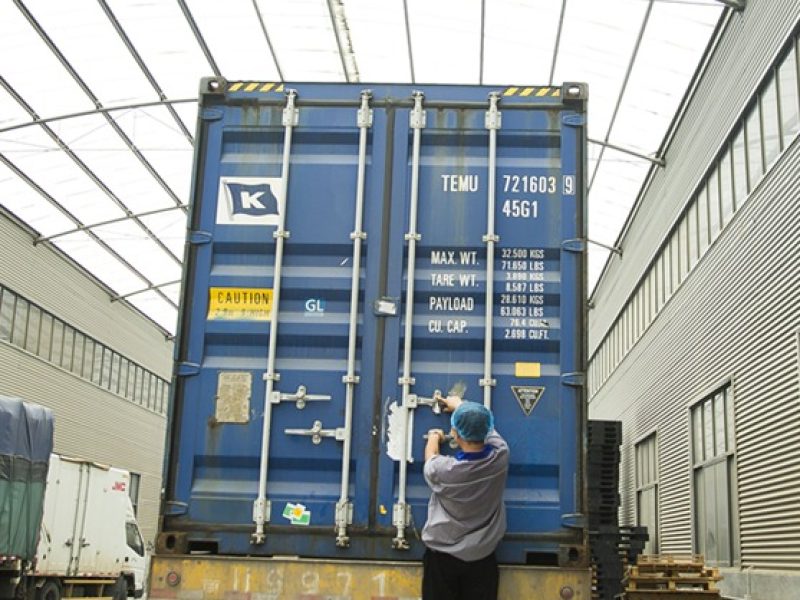
Toilet paper manufacturer selection often hinges on a single moment: the day the container arrives and the rolls don’t match the sample you signed off on. A buyer authorizes a $50,000 order after approving a pre-production sample that feels right — the ply count, the GSM, the softness. Then the mass production run shows up with a different shade of white, a lower grammage, and edges that dust onto the retail shelf. FOB pricing looked competitive on paper, but quality tolerance wasn’t locked in writing. That gap between sample approval and container reality is why most sourcing mistakes happen before the product ever leaves the factory.
For European private-label retail leads, the margin for error is even thinner. A 2026 trade survey found that 43% of tissue import delays trace back to non-compliant pulp sources. FSC certification alone doesn’t protect you if the chain-of-custody document carries a different factory name. Many suppliers claim high GSM but never test moisture content — anything above 6% causes brittleness and dust on the roll face. Ask for a moisture analysis certificate alongside the COA. That one request separates a rigorous vetting process from a rubber-stamp checklist.
Why Most Retailers Choose the Wrong Supplier
43% of tissue import delays stem from non-compliant pulp sources — a 2026 trade survey reveals this root cause.
You’d think a container of toilet paper is simple. Virgin pulp. Converted. Shipped. Yet five-figure orders have sat at Rotterdam port because the supplier’s FSC certificate didn’t match the factory’s legal name — a chain‑of‑custody gap that most articles ignore. The real trap: intermediaries posing as factories.
- The Broker Disguise: Many so‑called ‘manufacturers’ are trading desks that buy leftover capacity from multiple mills. You get inconsistent GSM, varying roll diameters, and no single party responsible for quality. One hotel chain in Berlin ended up with 2‑ply rolls labeled 3‑ply because three different mills supplied the same order.
- FSC Certification Theatre: A supplier shows you an FSC logo on their website. You assume compliance. But the certificate might be expired, or registered under a different entity. Intermediaries routinely fail to map direct mill-of-origin processing parameters.
- The Capacity Bluff: An intermediary quoting 1,200 tons/month likely aggregates from five mills each producing 250 tons. When one mill runs out of pulp, lead times stall. A single‑source manufacturer operating at 2,860 tons/month (like Top Source Hygiene) absorbs demand spikes cleanly.
- Hidden Cost of Non‑Compliance: Missing FSC certification blocks shelf access completely. Certified pulp is 8–12% more expensive than conventional pulp, but without it you can’t bypass German or French retail redlines safely.
The fix isn’t asking ‘Are you the factory?’ — every trader will say yes. Request a production capacity record for the past 12 months, a site license with the plant address, and the FSC chain‑of‑custody certificate number. Verify it on the FSC database. If the name on the certificate doesn’t match the factory door, your container risks sitting at port.
Production Capacity: The Hidden Bottleneck
If your supplier can’t ship 1,500 tons monthly, your retail seasonal inventory forecast is a gamble.
Monthly capacity below 1,500 tons means single-source fulfillment of large retail orders is unreliable. You’ll split shipments, face delays, and eat demurrage charges. The industry average hovers between 800 and 1,200 tons per month — barely enough for one steady retail account. Top Source Hygiene runs at 2,860 tons per month across two factories in Mancheng, which covers multiple simultaneous orders without reallocating lines.
- Output Ledger Audits: Request a 12-month consecutive volume sheet during your factory audit to verify actual sustained mechanical tonnage bounds natively.
- Lead Time Standardization: High-speed converting lines should pack out a full 40HQ container inside 25 days, preventing chronic backlog bottlenecks safely.
A factory that can’t hit these benchmarks will force you to carry safety stock, eroding your margin. Don’t accept a supplier pitch — demand the numbers.
Sustainability & Certifications: Non-Negotiable for Europe
FSC certification validation at the database gate guarantees seamless European port customs clearance loops.
For European retail buyers sourcing from a toilet paper manufacturer, FSC-certified pulp is the baseline for listing in Germany, France, and Scandinavia. Without it, you’re locked out of premium shelf space. Products must use 100% virgin wood pulp with no fluorescent whiteners to meet absorbency and softness standards expected by EU consumers. FSC-certified pulp costs 8–12% more than non-certified, but the margin unlock is real: a 2026 trade survey found 43% of tissue import delays were linked to non-compliant pulp sources.
- Database Synchronization: Cross-check supplier numbers on info.fsc.org to confirm the plant’s corporate name anchors the active chain-of-custody log.
- EU Ecolabel Mapping: Premium private-label lines demand EU Ecolabel or Blue Angel accreditations to guarantee energy and wastewater footprint benchmarks.
If your supplier cannot provide chain-of-custody documentation linking the FSC claim to their specific production line, assume non-compliance. A factory like Top Source Hygiene, operating with both FSC certification and a 30-year history of exporting to Europe, can supply the certificate number and production records for verification. Virgin wood pulp remains the gold standard for absorbency and softness; recycled options are cheaper ($200–300/ton less) but trade off strength and can fail premium retail specs.
Custom Branding & Packaging: More Than a Logo
Specs alone don’t sell; core dimensions and sheet tolerances map live retail turn rates.
Retail buyers often fixate on ply count and GSM, but overlook roll diameter and core size. A 4-ply toilet paper with a 40mm core and 110mm roll diameter behaves differently on a standard dispenser than a 38mm core. If your packaging shows one dimension and the product varies by even 2mm, you get dispenser jams or loose rolls. For European retail, GSM must stay within 14–20 for standard lines and 20–25 for premium. Top Source Hygiene controls these variables in-house, ensuring every roll in a container matches the approved sample.
- Ply Layer Segregations: 2-ply for bulk corridors, 3-ply for regional household standards, and heavy 4–5 ply webs for luxury hospitality positioning.
- GSM Range Windows: 14–20 gsm for base retail case runs; 20–25 gsm for premium high-density hotel parameters to secure low web dusting.
- Regulatory Wrap Compliance: Pre-verify EN 13432 compostability marks or Green Dot recyclability indicators across specialized prepress proofs.
- Roll-End Logo Embossings: Executing branded custom seals directly on tissues during active reeling drives immediate brand retention cheaply.
Most factories outsource packaging design to third-party agencies, adding 5–10 days to lead time and increasing the chance of labeling mistakes. Working with a manufacturer that has an in-house design team eliminates that handoff. The design team knows the exact die lines, shrink margins, and legal requirements for EU markets. This is where delays die. Ask your supplier: who designs the packaging – a third party or your own team?
MOQ & Pricing: What Your Budget Actually Buys
Standard MOQ for private label: one 40HQ container (~2,000 cases).
Every FSC certified toilet paper supplier I’ve vetted for European retail starts with a container-sized commitment. For a private label toilet paper manufacturer Europe entrant, that’s roughly 2,000 cases of 12-roll packs. If you’re a OEM toilet paper bulk supplier testing a new partner, some factories allow split containers for trial orders–but expect a 10-15% premium on per-unit cost. Payment terms run 30% deposit, 70% against bill of lading copy; letters of credit accepted for established buyers.
- Virgin Pulp FOB Spreads: $1,200–$1,800 per metric ton (2026 spot pricing). Economy layers sit at lower bounds, whereas 20-25 GSM tiers land at the curve peaks.
- Freight to Rotterdam: $200–$400 per ton depending on container booking allocations, moving roughly 20 tons per FCL pool cleanly. Settle routes under our Freight to Rotterdam summary notes.
Logistics & Lead Times: Avoid Stockout Surprises
Production + sea freight to Europe takes 50–65 days total.
Most first-time European buyers underestimate the full timeline from order placement to goods arriving at their warehouse. The clock does not start when the container leaves the factory — it starts when you confirm the sample. A standard custom order with a manufacturer like Top Source Hygiene requires 20–25 days for production of a full 40HQ container. Then add sea freight from China to Rotterdam: another 30–40 days depending on the carrier and season. That is a minimum of 50 days, and often closer to 65 if customs clearance or port congestion adds friction.
The worst time to realize you need more stock is week six, when your container is still mid-Atlantic and your retail shelves are empty. Reliable suppliers build in a buffer — Top Source Hygiene reserves roughly 10–15% of monthly capacity for urgent reorders. If you run low unexpectedly, they can prioritize a partial top-up within their existing production schedule rather than making you wait for the next available slot.
- Incoterms Frameworks: FOB or CIF channels dictate clear transit accountability spans. Direct DDP options streamline port clearance loops via integrated local logistical assets smoothly.
- Port Verification Records: Demand a historical port-to-port tracking index spanning the prior 12 months to verify cargo arrival reliability boundaries cleanly.
How to Vet a Manufacturer Without Getting Scammed
Vetting paper density parameters require cross-analyzing moisture certificates directly at the rewinder gate.
Most sourcing guides tell you to ‘ask questions’ but never give you a number to check. A 2026 trade survey found 43% of tissue import delays traced to non-compliant pulp sources. You need verifiable benchmarks, not reassurances.
- Step 1: Free Stock Samples: Request stock samples first – 2-3 day turnaround is standard. Test weight and capillary absorption speeds. Demand moisture certificates to guarantee metrics sit below 6% thresholds.
- Step 2: Virtual Factory Tour: Verify converted log lines and slitting saw setups via live streams. Intercept brokers by auditing real asset footprints. Top Source Hygiene runs a solid 2,860-ton monthly pool.
- Step 3: Certification Tracking: Settle direct database lookups for FSC certification details. Match company registration titles exactly with operational licenses to prevent port rejections.
- Step 4: Direct Prepress Dialogue: Converse directly with production leads to trace roll depth tolerances, reel core diameter variances, and line conversion settings.
Conclusion
Skip the FSC chain-of-custody check, and you lose access to premium retail shelf space. Miss the sample approval stage, and your quality tolerance drifts—a 5% moisture variance can turn a 3-ply roll into dust by month six. That’s not a risk. It’s a guaranteed stockout or a compliance penalty that wipes out any savings from low FOB pricing.
Before you commit, verify the manufacturer’s production record, request free samples, and cross-reference their FSC certificate against the official database. That single step protects your landed cost per unit and keeps your private label on schedule.
Frequently Asked Questions
What certifications should a toilet paper manufacturer have for EU retail?
For EU retail, a manufacturer must hold FSC certification and comply with local EU hygiene regulations. ISO 9001 for quality management is also a baseline requirement most retailers expect. Always request a copy of the FSC certificate before placing an order.
How can I confirm a supplier is actually the manufacturer?
Request a live video factory tour showing production lines and ask for a business license that matches the factory address. A legitimate manufacturer will also provide raw material purchase records and export credentials cleanly. Arrange a third-party factory audit if the order exceeds $50,000.
What is the typical MOQ for private label toilet paper?
The typical MOQ is one 40-foot high-cube container, which holds roughly 2,000 cases. Some manufacturers offer smaller trial orders for specific regions like Africa or South America. Confirm MOQ only after finalizing your product spec and packaging design.
How long does it take to produce and ship a custom toilet paper order to Europe?
Production for a custom order takes 20–25 days, and sea freight to Europe adds 7–14 days. Total lead time is typically 4 to 6 weeks from order confirmation. Request an expedite option if you need faster delivery for launch deadlines.
Are recycled content toilet papers cheaper than virgin pulp?
Recycled content is often cost-competitive, but not always cheaper due to processing and de-inking costs. For bulk orders, virgin pulp can offer lower per-ton pricing when pulp macro-cycles trade flat. Ask for a dual quote on both recycled and virgin options to compare landed costs.