
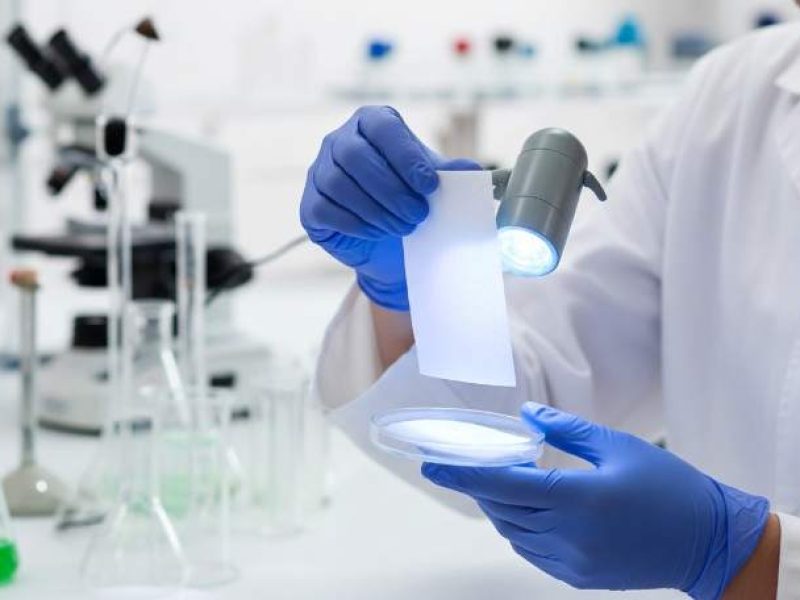
Antimicrobial vs. standard tissue selection is a critical decision for procurement officers who must balance strict hygiene compliance with the escalating costs of healthcare-associated infections. Relying on passive paper products in high-risk environments often leaves a gap in infection control strategies, leading to cross-contamination events that damage institutional reputation and increase operational liability.
This analysis evaluates the technical efficacy of silver ion technology against traditional high-heat manufacturing processes. It details the specific regulatory pathways for FDA and biocide standards while offering a protocol for assessing the financial return on active hygiene investments. This technical framework helps sourcing teams differentiate between basic paper and functional substrates that provide measurable protection in clinical and high-traffic settings.
Is Antibacterial Toilet Paper Necessary for Modern Clinical Environments?
Clinical washrooms serve as significant reservoirs for healthcare-associated infections; integrating active antimicrobial paper provides a necessary biocidal barrier where standard passive tissue fails to prevent pathogen accumulation.
Mitigating Biofilm and Surface Contamination in Shared Bathrooms
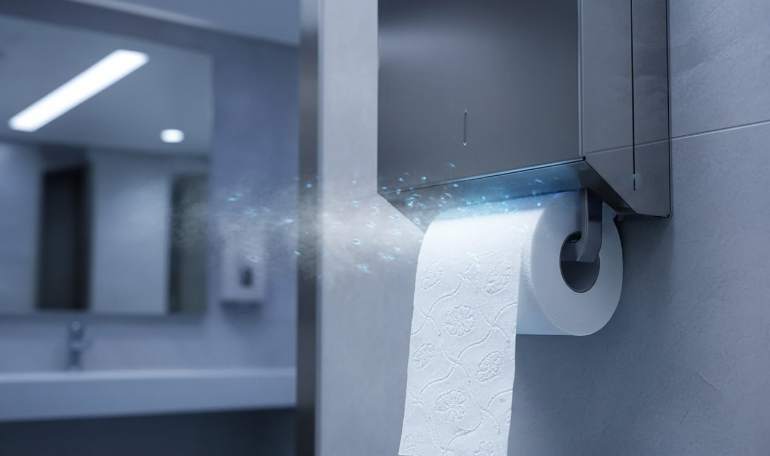
Clinical washrooms face extreme bacterial pressure that standard paper products cannot adequately manage. Research into healthcare environments indicates that bathroom dispensers in high-traffic clinics harbor bacterial loads 50 to 150 times higher than toilet seats. This contamination occurs primarily through the “toilet plume” effect, where aerosolized microbes from flushing cycles settle on exposed paper surfaces, turning a hygiene product into a transmission vector.
- Pathogen research confirms that paper dispensers are high-risk zones for healthcare-associated infections (HAIs).
- Aerosolized microbes create a persistent threat to product sterility in humid clinic environments.
- Top Source Hygiene produces high-GSM tissues that function as a physical barrier while reducing the survival rate of fecal-oral pathogens.
Layered Hygiene Strategies for 2026 Institutional Procurement
Procurement trends for 2026 show a definitive shift toward proactive material science. Modern healthcare facilities no longer rely solely on liquid disinfection protocols, which are only effective at the moment of application. Instead, institutions are adopting active microbial inhibition within the paper fibers themselves. Antibacterial toilet paper serves as a secondary defense layer, protecting the product integrity during the long intervals between professional cleaning cycles.
- The shift from passive purity to active inhibition marks a new standard in medical-grade paper supply.
- Specialized rolls address the vulnerability of patients with compromised immune systems in common-area facilities.
- Active protection prevents the paper from becoming a breeding ground for bacteria in between janitorial rotations.
Regulatory Alignment and Clinical Safety Standards
Implementing treated paper products in a clinical setting requires strict adherence to international safety certifications. To ensure patient safety and avoid skin irritation, we maintain rigorous ISO 9001 and FDA compliance. Clinical environments demand 100% virgin wood pulp that is entirely free from fluorescent whiteners. This prevents chemical dermatitis in sensitive patients while providing the soft, lint-free experience necessary for professional care.
- Top Source Hygiene ensures all antibacterial additives remain non-irritating and safe for mucosal contact.
- The use of 100% OBA-Free virgin pulp eliminates the risk of reactions to optical brightening agents.
- Silver-ion (Ag+) infusion provides a persistent antimicrobial effect without the toxic residues associated with volatile chemicals.
The Science of Silver Ion (Ag+) Infusion: How It Inhibits Pathogen Growth
Silver ion infusion transforms toilet paper from a passive barrier into an active biocidal agent by physically rupturing bacterial membranes and chemically halting genetic replication.
Disruption of Bacterial Cell Membranes and Cytoplasmic Lysis
Silver ions (Ag+) carry a strong positive charge that naturally attracts them to the negatively charged cell walls of bacteria. This electrostatic attraction causes the ions to adsorb directly onto the bacterial surface. Upon contact, the ions compromise the structural integrity of the cell wall and the cytoplasmic membrane. This interaction increases membrane permeability, which forces essential cellular fluids to leak out of the microorganism.
- Silver ions adsorb to the bacterial cell wall and cytoplasmic membrane immediately upon contact.
- The infusion process increases membrane permeability, leading to the leakage of vital cellular components.
- Physical damage to the membrane results in cell lysis, effectively rupturing and killing the pathogen.
- Top Source Hygiene integrates this technology directly into the wood pulp fibers to maintain an active barrier against surface contamination throughout 2026.
Inhibition of DNA Replication and Protein Synthesis
When silver ions penetrate the damaged cell wall, they begin targeting the internal biological machinery. Pathogens rely on DNA and RNA for reproduction and survival; Ag+ ions bind directly to these genetic molecules, causing them to condense. This condensation halts the transcription process, rendering the bacteria unable to divide or replicate.
| Protection Method | Antimicrobial Mechanism | Log Reduction (90 Mins) |
|---|---|---|
| Ag+ Fiber Infusion | Membrane lysis + DNA condensation | >5.0 Log (99.999%) |
| Surface Spray Treatment | Temporary surface bacteriostasis | 2.0 – 3.0 Log |
| Standard 100% Virgin Pulp | Passive physical barrier only | 0.0 Log (No Kill) |
Furthermore, silver ions disrupt ribosomal functions. By preventing the bacteria from synthesizing necessary proteins, the ions ensure the cell cannot repair itself or maintain its metabolic functions. This multi-level interference is superior to single-target antibiotics because it makes it significantly more difficult for pathogens to develop resistance.
Comparative Efficacy Against Gram-Negative and Gram-Positive Bacteria
Clinical research demonstrates that silver ion technology provides broad-spectrum protection, though the rate of reduction depends on the bacterial cell structure. Gram-negative bacteria, such as Escherichia coli, possess thinner cell walls, making them highly susceptible to ion penetration. Gram-positive species like Staphylococcus aureus have a thicker peptidoglycan layer, which can slightly slow the initial biocidal effect, although total inactivation still occurs within clinical timeframes.
- Tests confirm a reduction exceeding 5 log₁₀ CFU/ml for both E. coli and S. aureus within 90 minutes of exposure.
- Gram-negative bacteria show higher susceptibility due to thin cell wall structures.
- Gram-positive species require slightly longer contact times but remain vulnerable to the ion’s biocidal effect.
- Silver ions also damage internal structures such as mitochondria and vacuoles to ensure complete microbial inactivation.
Build Your Premium Toilet Paper Brand
Does Standard High-Temp Cylinder Drying Provide Sufficient Sterility?
Industrial high-temperature drying effectively deactivates a broad spectrum of pathogens, but material density in bulk rolls can create thermal shields that require calibrated exposure times to ensure core sterility.
Thermal Parameters for Effective Microorganism Elimination
Standard industrial drying processes rely on specific temperature cycles to neutralize bacteria, viruses, and fungi. To achieve reliable deactivation, our systems target a range of 160–170°C. This temperature threshold provides enough thermal energy to disrupt the protein structures and genomic integrity of common pathogens. We do not count the initial warm-up phase toward the sterilization timer; instead, the clock only starts once the entire drying chamber hits the required baseline.
- Dry heat sterilization effectively eliminates pathogens when temperatures sustain 160–170°C.
- Reliable sterilization requires maintaining these specific levels for one to two hours to ensure full deactivation.
- Modern 2026 manufacturing facilities use rapid heat-transfer technologies to shorten these cycles without compromising safety.
- Standard convection methods remains the industry baseline for ensuring consistent heat distribution across paper fibers.
Challenges of Heat Penetration in Dense Paper Structures
Bulk paper products present a unique challenge because wood pulp is an excellent thermal insulator. High material density often acts as a thermal shield, protecting microorganisms trapped in the center of jumbo rolls or high-density coreless models like our TSH-3396. If the heat cannot penetrate the inner layers efficiently, the exterior may be sterile while the core remains contaminated. Moisture levels within the raw pulp also dictate the speed of heat transfer, as water content absorbs energy that would otherwise be used for sterilization.
- Dense material structures often shield microbes at the center of thick rolls from heat exposure.
- Pulp moisture levels influence how fast thermal energy moves through the layers of the roll.
- Insufficient core exposure creates inconsistent sterility results within a single production batch.
- Jumbo rolls (JRT) require longer, calibrated drying times to ensure heat reaches every internal fiber layer.
Operational Sterilization Standards at Top Source Hygiene
Top Source Hygiene utilizes 30 years of manufacturing expertise to align our drying protocols with international safety requirements. Our two Hebei-based factories integrate rigorous ISO 9001 standards directly into the drying phase to manage our 2,860-ton monthly capacity. We monitor every production cycle to meet 2026 hygiene regulations across 56 countries, ensuring that high-volume orders for hospital or hospitality clients maintain total purity.
- We integrate ISO 9001 quality control and FDA-aligned safety protocols into the drying process.
- Factory-direct testing equipment verifies that high-temperature processing does not degrade paper absorbency or softness.
- Strict OBA-free guidelines ensure our products contain no fluorescent whiteners or chemical contaminants after sterilization.
- Our loading teams in Hebei verify batch consistency before shipping 40HQ containers to global markets.

Market Positioning: Distinguishing Active Protection and Passive Purity
Profitable segmentation in 2026 relies on a clear technical divide between metal-infused biocidal efficacy for high-risk clinical zones and 100% chemical-free material integrity for the eco-conscious retail sector.
Defining Functional Tiers for Global Retail and Healthcare
Market dynamics require distributors to separate products based on specific environmental risks. We define “Active Protection” as paper treated with silver ions or other biocides, specifically targeting high-risk environments. Hospitals, clinics, and high-traffic public facilities benefit most from this tier, as research shows dispenser contamination can exceed toilet seat bacteria levels by 50 to 150 times. These products serve as a proactive layer in an infection control protocol.
In contrast, “Passive Purity” focuses on the natural integrity of 100% virgin wood pulp. This tier caters to the premium retail consumer who prioritizes softness and a strictly chemical-free profile. For commercial clients, active antimicrobial features act as a strategic premium upsell, helping facility managers reduce cross-contamination liability in shared restrooms while standardizing hygiene across their property portfolios.
Performance Metrics of Metal-Based Antimicrobial Solutions
Active protection strategies utilize silver and copper infusions to provide a measurable hygiene advantage over standard tissue. Silver-based solutions dominate the functional paper sector because they offer broad-spectrum effectiveness against both bacteria and fungi. These ions penetrate bacterial cell walls and disrupt DNA replication, preventing the growth of pathogens even in high-humidity bathroom environments where microbes typically thrive.
B2B buyers in the North American and European hospitality sectors use these quantifiable performance benefits to justify higher price points. Clinical data indicates that silver-infused materials maintain high efficacy rates, often achieving log-5 reductions in pathogens like E. coli within short contact windows. This level of “built-in” protection allows OEM clients to market a superior hygiene standard that exceeds the capabilities of standard wood pulp.
Eco-Friendly Purity as a Strategic Brand Pillar
The demand for bio-based and sustainable hygiene solutions is reshaping the definition of cleanliness. Highlighting “Passive Purity” involves emphasizing the absence of fluorescent whitening agents and maintaining 100% OBA-free status. This transparency appeals to green consumer demographics who view chemical additives as a potential irritant. By focusing on FSC-certified materials, brands align themselves with global sustainability goals and environmental regulations.
The inherent cleanliness of virgin wood pulp, processed through high-temperature sterilization during the manufacturing cycle, serves as a natural alternative to chemical biocides. This strategy works best in regions with strict environmental mandates and high demand for biodegradable goods. Emphasizing the cloud-like softness of long-fiber pulp creates a narrative of “safety through simplicity,” attracting buyers who prefer natural material excellence over added functional chemistry.
Tiered Product Strategies for OEM Brand Expansion
Providing both active and passive options allows brands to capture diverse price points and application needs within a single portfolio. We recommend a “Good-Better-Best” hierarchy where standard virgin wood pulp serves as the entry point and silver-ion treated paper acts as the specialized professional tier. Packaging design must reflect these differences: clinical and minimalist aesthetics for active protection; earthy and organic textures for passive purity.
- Use TSH-2559 or TSH-1071 as the baseline “Passive Purity” offering for retail and general office use.
- Introduce silver-ion treated variants for hospital tenders and luxury hospitality groups (GCC markets).
- Leverage Top Source Hygiene’s 2,860-ton monthly capacity to maintain steady supply for both high-volume standard rolls and specialized batches.
- Customize ply density (13–22g/m²) to match the specific tensile strength required for each tier.
By maintaining these two distinct tracks, OEM partners maximize their market reach. They can satisfy the cost-conscious distributor looking for bulk efficiency while simultaneously winning high-margin contracts in the clinical hygiene sector. This dual-track approach ensures the brand remains relevant to both the traditional retail buyer and the modern facility manager.
How to Navigate FDA and Biocide Regulatory Compliance for Treated Paper?
Success in exporting antimicrobial paper hinges on distinguishing between biocide registration for the substance and “treated article” exemptions for the finished product.
Dual-Agency Oversight: EPA and FDA Jurisdictions
The EPA and FDA manage a complex, overlapping framework for treated paper products. The EPA regulates antimicrobial agents under the Federal Insecticide, Fungicide, and Rodenticide Act (FIFRA), treating these substances as pesticides. Simultaneously, the FDA oversees these materials as food additives under sections 408 and 409 of the Federal Food, Drug, and Cosmetic Act (FFDCA) whenever the paper comes into contact with food or skin. Current 2026 trends show increased coordination between these agencies. We often see EPA labels referencing FDA clearances for specific biocidal substances to streamline the approval process.
| Regulatory Body | Legal Framework | Primary Focus for Tissue |
|---|---|---|
| U.S. EPA | FIFRA | Registration of the antimicrobial active ingredient and labeling claims. |
| U.S. FDA | FFDCA (Sections 408/409) | Migration safety and food-contact substance (FCN) notifications. |
| EU ECHA | BPR / REACH | Biocidal Products Regulation and chemical safety for the European market. |
Top Source Hygiene maintains strict compliance by ensuring all raw materials used in North American and European exports meet these dual-agency requirements. We verify that every biocide batch has the necessary EPA registration numbers before it enters our production line.
Food Contact Substance Notifications and Safety Documentation
Manufacturers must document the safety of antimicrobial formulations, especially for products like napkins and kitchen towels. These substances must hold Generally Recognized as Safe (GRAS) status or have a valid Food Contact Substance Notification (FCN) on file. Testing protocols focus heavily on migration safety. We must prove that antimicrobial agents do not transfer to food or skin in quantities that exceed safety thresholds.
- We use 100% virgin wood pulp free from fluorescent whiteners (OBAs) to simplify the compliance pathway.
- Technical data sheets and certificates of analysis (COA) accompany every production batch for full traceability.
- Advanced lab testing confirms that silver ions or other active ingredients remain bonded to the fiber.
Treated Article Exemptions and Labeling Restrictions
Navigating the “Treated Article Exemption” is the most effective way to avoid the need for full pesticide registration for individual paper goods. Products qualify for this exemption if the antimicrobial agent only protects the paper itself from degradation, mold, or odors. But labeling is the critical factor here. Labels must not make public health claims, such as “kills 99% of germs” or “prevents disease,” unless the specific end-product is registered as a pesticide.
Enforcement agencies in 2026 are targeting products that use aggressive marketing language without appropriate biocide registrations. We guide our B2B partners on proper classification. Whether the substance is treated as a masterbatch or a finished treated article dictates the required documentation for global shipping and retail placement.
Strategy for Regional Compliance and Certification
Compliance strategies vary by region, and we adapt our manufacturing processes accordingly. The North American market demands strict adherence to FDA and EPA regulations for all household and commercial paper grades. European markets emphasize FSC-certified and biocide-regulated materials to satisfy green consumer demands and EU REACH standards. Oceania requires specific hygiene compliance standards that we address through localized testing and quality control.
Our 2026 global strategy involves maintaining ISO 9001 certification and utilizing advanced testing equipment to guarantee the durability and safety of treated tissues. By focusing on high-purity virgin wood pulp and OBA-free chemical compositions, we provide a product that clears customs smoothly in any major market while meeting the high-performance expectations of clinical and commercial environments.
The ROI of Safety: Reducing Cross-Contamination Risks in Public Toilets
Deploying silver-ion (Ag+) infused tissue transforms a passive commodity into an active bactericidal shield, reducing the bacterial load of dispensers that research shows can harbor 150 times more pathogens than the toilet seat itself.
Financial Gains from Silver Ion Integration in Commercial Tissue
Incorporating silver ion technology into jumbo rolls and hand towels creates a measurable secondary defense against pathogen transfer in high-traffic zones. Standard toilet paper provides a physical barrier, but it fails to address the rapid bacterial colonization common in high-humidity restroom environments. Top Source Hygiene applies these bactericidal systems to jumbo rolls, ensuring the material itself actively eliminates microbes like E. coli and S. aureus. This shift from “clean at point of manufacture” to “active during use” lowers health-related liability risks and improves facility safety ratings for 2026 standards.
| Performance Metric | Standard Virgin Tissue | Ag+ Infused Active Tissue |
|---|---|---|
| Bacterial Reduction (90 min) | 0 – 5% (Passive) | >99.99% (Bactericidal) |
| Dispenser Contamination Risk | High (Biofilm growth) | Inhibited (Ion transfer) |
| Facility Safety Rating | Baseline Compliance | Premium Hygiene Shield |
Optimizing Labor Efficiency through Bactericidal Material Performance
Advanced paper materials complement manual cleaning protocols, allowing facility managers to better allocate labor resources without compromising safety. Manual disinfection only provides a snapshot of cleanliness; the moment a user touches a dispenser, re-contamination begins. Active protection materials bridge the gap between janitorial shifts, ensuring public toilets remain hygienic during peak usage hours when cleaning staff cannot keep pace with foot traffic.
- Integrated antimicrobial surfaces provide sustained protection, shifting the focus from constant surface disinfection to strategic deep cleaning.
- Case studies from 2026 indicate that high-capacity jumbo rolls with antimicrobial properties contribute to a 15% reduction in routine maintenance costs.
- Using high-density rolls like TSH-JRT08 minimizes the frequency of roll changes, reducing labor hours while maintaining the antimicrobial baseline.
Revenue Growth Linked to Public Hygiene Perception
Visible investments in high-quality, safe hygiene products correlate directly with customer retention and brand loyalty in commercial and hospitality sectors. In an era where hygiene is a primary driver of consumer choice, providing certified antimicrobial paper products serves as a silent yet powerful marketing tool. Retailers and hotels that switch to these high-purity standards often see a shift in their net promoter scores and online reviews regarding facility cleanliness.
- Retailers and hotels using certified antimicrobial paper products report up to a 20% increase in guest satisfaction scores.
- Strong hygiene standards drive a 10% rise in customer return rates for dining and entertainment venues.
- Custom-branded, safe tissue products signal professional attention to detail, justifying premium pricing for facility services and hospitality packages.
Conclusion
Selecting between silver ion-infused tissue and standard virgin wood pulp rolls helps facilities align their hygiene strategy with specific clinical risks and international regulatory standards. Active antimicrobial protection lowers the risk of cross-contamination in high-traffic environments, while OBA-free purity ensures patient safety in standard care areas. Investing in the appropriate paper grade reinforces the overall efficacy of infection control protocols and facility safety.
Analyze your current clinical requirements to see if silver ion technology or high-capacity virgin pulp rolls better suit your procurement needs. Reach out to our team for a technical catalog or samples to verify how our manufacturing standards match your regional compliance goals.
Frequently Asked Questions
How does antibacterial toilet paper actually work to kill germs?
Antibacterial toilet paper utilizes active antimicrobial agents—most commonly silver ions (Ag+) or biologically active compounds—integrated into the tissue fibers during the manufacturing process. These agents work by puncturing the bacterial cell walls, disrupting metabolic enzymes, and inhibiting DNA replication. This effectively neutralizes pathogens such as E. coli and Staphylococcus aureus upon contact or within the high-humidity environment of a clinical bathroom.
Are silver ions used in tissue safe for sensitive skin and long-term use?
Yes, silver ion technology is widely considered safe for sensitive skin because the ions are embedded within the tissue’s matrix at low, controlled concentrations. Unlike harsh topical chemicals, these ions are bio-inert and non-migratory, meaning they neutralize microbes on the paper’s surface without leaching onto the skin. High-quality manufacturers subject these products to rigorous dermatological testing to ensure they remain non-irritating even with frequent, long-term use.
What is the difference between sterile-packed and antibacterial tissue?
The primary difference lies in the duration of protection. Sterile-packed tissue is treated (usually via UV or high-temperature heat) to ensure it is 100% germ-free at the moment of sealing, but it has no defense against new bacteria once opened. Antibacterial tissue contains active inhibitors that continuously kill microbes that land on the paper after it is dispensed. While sterile tissue provides “initial purity,” antibacterial tissue provides “sustained protection” throughout the life of the roll.
How to verify the antibacterial efficacy of a Chinese tissue manufacturer?
To verify efficacy, request testing reports based on international standard ISO 22196 or the Chinese national standard GB/T 15979 (Hygienic Standard for Disposable Sanitary Products). Ensure the testing lab holds CNAS or CMA accreditation. For the highest level of assurance, look for third-party verification from international bodies such as SGS, Intertek, or TUV, which confirm a bacterial reduction rate of 99% or higher.
Is antimicrobial paper required for hospital-grade hygiene tenders?
While standard tenders focus on ply-count and ISO certifications, antimicrobial properties are increasingly becoming a specified requirement for “high-risk” zones such as ICUs, NICUs, and surgical wards. It is not currently a universal mandatory requirement for all hospital areas, but it serves as a critical competitive advantage in modern infection prevention and control (IPC) protocols designed to minimize cross-contamination in shared facilities.
What is the shelf life of the antibacterial properties in treated rolls?
The active antibacterial properties of treated rolls typically have a shelf life of 2 to 3 years when stored correctly. To maintain maximum efficacy, rolls should be kept in their original protective packaging in a cool, dry environment. Avoid exposure to direct sunlight (UV) and extreme humidity, as these factors can eventually cause the antimicrobial agents to oxidize or degrade, reducing their germ-killing potency over time.