Toilet Paper Ply vs GSM: The Real Spec for Buyers
A toilet paper ply comparison for commercial use usually starts with a simple assumption: more layers mean a better product. That assumption costs hospitality buyers
Top Source Hygiene’s blog offers practical advice for hotels, retailers, and distributors looking to source toilet paper, wet wipes, and other hygiene products. Our posts cover industry trends, sustainable practices, and regional buying strategies to keep your business competitive. Subscribe to get the latest updates or dive into our top posts now.

A toilet paper ply comparison for commercial use usually starts with a simple assumption: more layers mean a better product. That assumption costs hospitality buyers

Setting the right healthcare toilet paper GSM ply spec is the first filter in your supplier RFP, and it is the one most buyers get wrong. A 30-year-old manufacturer like Top Source Hygiene, operating out of China’s largest paper production base in Mancheng, Baoding, sees this mistake daily. Buyers either chase a high GSM number thinking it equals quality, or they default to a cheap 1-ply that disintegrates on contact.

The overlooked variable is quality tier. Many Chinese manufacturers routinely push 1‑ply recycled jumbo rolls into African markets because the upfront price is lowest. That savings disappears fast when the thin paper clogs toilets in high‑traffic restrooms — a single plumbing callout for a blocked line can cost more than the entire weekly paper budget.

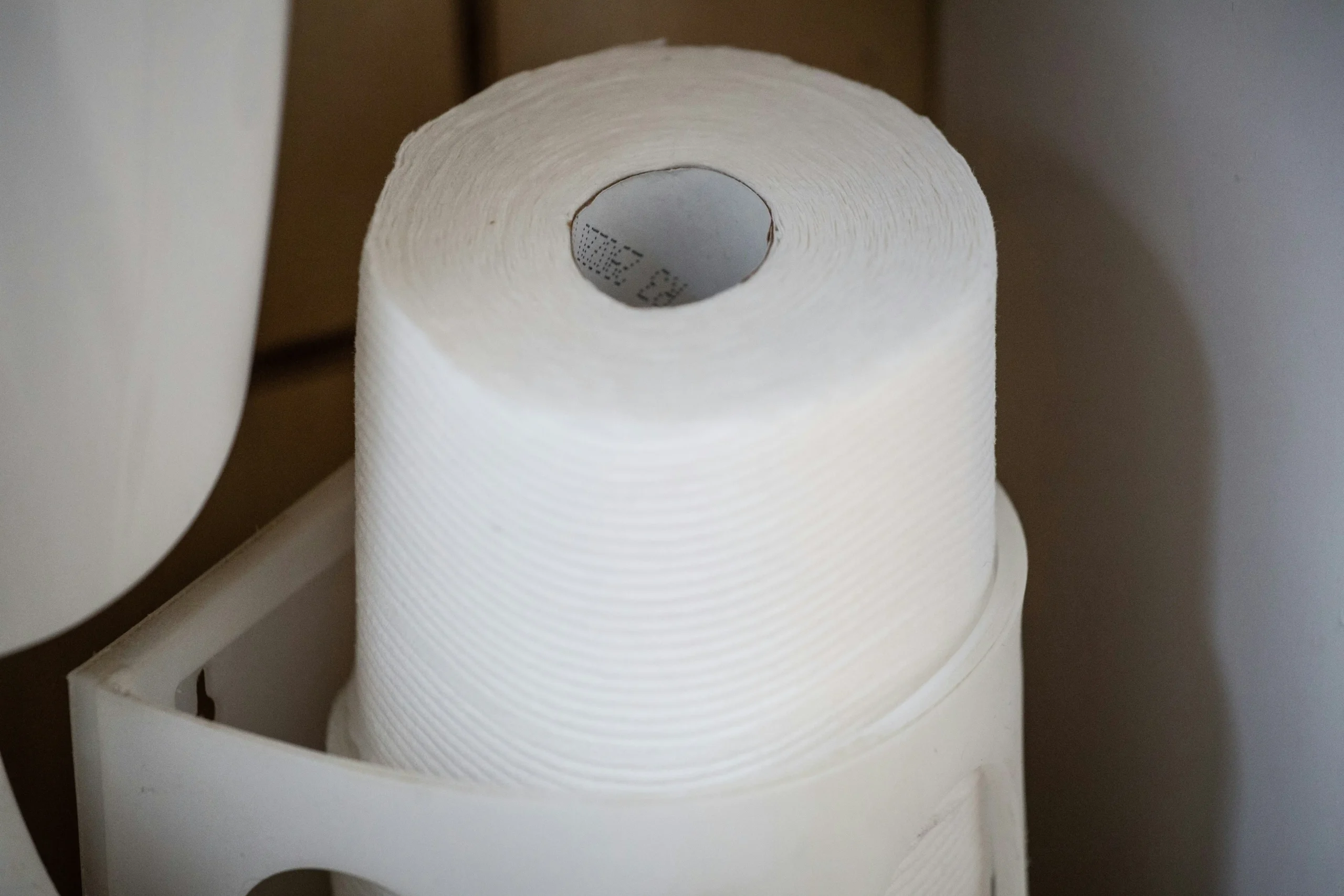
Most buyers fall into the trap of equating higher ply with higher quality. But the real metric is GSM per layer — grams per square meter of each individual ply. A low-GSM 3-ply, say 12 GSM per layer, feels thin and linty. Guests use more of it. That drives up sheet consumption and per-room cost.

If you’re procuring FSC toilet paper healthcare for a hospital network, you’re already ahead of most procurement teams. The FSC logo signals responsible forestry, but

fluorescent whiteners toilet paper is the first checkpoint buyers should lock before they approve a supplier, budget, or production slot. Fluorescent whiteners in toilet paper aren’t just a cosmetic concern—they’re a compliance and patient safety issue that healthcare supply chain managers have to navigate with every tissue order.

If you’re managing hospitality procurement, the toilet paper ply comparison is something you deal with constantly. It’s not just about picking a number—it’s about how

Sourcing private label toilet paper from an overseas manufacturer means choosing between OEM and ODM. For a hospitality procurement manager, that decision isn’t just about speed versus control—it’s about brand consistency, regulatory compliance, and hidden costs that can add 15-25% to the total landed expense if not flagged upfront.
You are very important to us, We appreciate that you’ve taken the time to write to us. We’ll get back to you very soon within 24 hours. Have a nice day!