
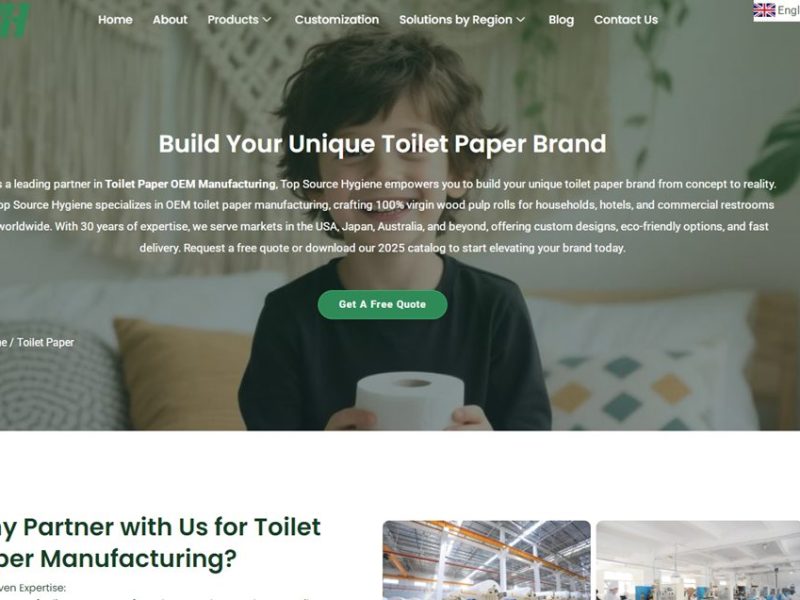
Sourcing toilet paper from China requires careful planning to secure quality products at good prices. Many B2B buyers struggle to find reliable manufacturers, manage complex export rules, and choose the right manufacturing model.
This article looks at China’s top toilet paper manufacturers and explains how to import them effectively. We cover essential checks like verifying ISO 9001 certifications, handling export compliance (like HS Code 4818.10), and choosing between private label and OEM models. This helps you understand the process, from ensuring product quality to dealing with shipping costs, which can be around $2,500-$4,000 for a 20ft container by 2026.
Top 10 Toilet Paper Manufacturers in China
Quick Comparison: Top Picks
| Manufacturer | Location | Core Strength | Verdict |
|---|---|---|---|
| Vinda International Holdings Limited | Foshan, Guangdong, China | Premium tissue and hygiene products, strong export footprint across Asia, Middle East, Europe. | China’s largest tissue producer with a strong focus on premium brands and global exports. |
| Hengan International Group | Jinjiang, Fujian, China | Diversified hygiene group, large-scale tissue and sanitary product manufacturing, nationwide distribution. | Major player in both tissue and broader hygiene products with extensive domestic reach. |
| C&S Paper Co., Ltd. | Shenzhen, Guangdong, China | Leading household tissue producer, strong brand recognition in southern and eastern China, modern facilities. | Key domestic brand with significant presence in southern and eastern Chinese markets. |
| Asia Pulp & Paper (APP) China | Shanghai, China | One of China’s biggest tissue exporters, large mills, sustainability certifications, high-capacity lines for global buyers. | Major global exporter of tissue and paper products, emphasizing large-scale and sustainable production. |
| Lee & Man Paper Manufacturing Ltd. | Dongguan, Guangdong, China | High-capacity paper group, major producer of commercial and household tissue, competitive pricing for bulk orders. | Cost-competitive producer targeting high-volume buyers for tissue and packaging papers. |
| Qingfeng (Gold Hongye Paper Industry Group) | Xiamen, Fujian, China | Core household tissue brand under Asia’s largest producers, high-quality consumer tissue, strong distribution. | Focuses on high-quality consumer tissue with significant domestic and growing export presence. |
| Quanlin Benze (Shandong Quanlin Group) | Zibo, Shandong, China | Strong focus on sustainable, eco-friendly tissue products, leveraging wood pulp and agricultural residues. | Leader in eco-friendly tissue production, catering to environmentally conscious buyers. |
| Sichuan Vanov New Material Co., Ltd. | Sichuan, China | Specializes in bamboo-based tissue, sustainability-focused, FSC-style certified bamboo tissue products. | Pioneer in bamboo-based tissue, appealing to eco-oriented brands and importers. |
| C&S-Linked Jiangsu Regional Producers (Aggregated Capacity Node) | Jiangsu, China | Major tissue capacity cluster, large contract manufacturing, jumbo-roll supply, private label conversion. | Key regional hub for large-scale OEM, private label, and jumbo-roll tissue supply. |
| Top Source Hygiene (TSH) | Baoding, Hebei, China | Private Label (OEM/ODM) Tissue, Bamboo & Virgin Pulp options, high-standard export compliance (US/EU). | Export-focused solution provider for brands seeking custom tissue products with strong quality control and flexible material choices. |
Vinda International Holdings Limited
Vinda International Holdings Limited stands as one of China’s largest tissue producers. It runs multiple large-scale mills equipped with advanced converting lines. Vinda maintains a strong export presence across Asia, the Middle East, and Europe. The company focuses on premium tissue and hygiene products, supported by ISO-certified quality systems.
Vinda has significant annual production capacity, covering a range of products including toilet tissue, facial tissue, and kitchen paper. Its operations allow it to meet demand in diverse markets. This extensive capacity helps cement its position in the global hygiene product industry.
At a Glance:
- 📍 Location: Foshan, Guangdong, China
- 🏭 Core Strength: Toilet tissue, facial tissue, kitchen paper, paper towels, napkins, wet wipes, hygiene products under brands such as Vinda and Tempo.
- 🌍 Key Markets: China domestic retail and HoReCa, Asia-Pacific exports, Middle East and Europe private label and branded supply.
Why We Picked Them:
| ✅ The Wins | ⚠️ Trade-offs |
|---|---|
|
|
Hengan International Group
Hengan International Group is a prominent diversified hygiene group and one of China’s largest manufacturers of tissue and sanitary products. The company operates large, integrated plants in Fujian and other provinces across the country.
Hengan’s tissue division produces significant volumes of toilet paper and household tissue. It leverages a strong nationwide distribution network, which is also utilized for its sanitary napkins, baby diapers, and wipes, reaching a wide customer base.
At a Glance:
- 📍 Location: Jinjiang, Fujian, China
- 🏭 Core Strength: Toilet paper, facial tissue, napkins, paper towels, wet wipes, sanitary napkins, baby diapers and other hygiene products.
- 🌍 Key Markets: China national retail chains, convenience and pharmacy channels, and export markets in Asia, Middle East, and Africa via OEM/private label.
Why We Picked Them:
| ✅ The Wins | ⚠️ Trade-offs |
|---|---|
|
|
C&S Paper Co., Ltd.
C&S Paper Co., Ltd. is a major household tissue producer headquartered in Shenzhen, China. They are known for strong brand recognition, especially in southern and eastern China. The company supplies both branded products under their C&S (Clean & Soft) label and private label items.
Their operations include modern tissue machines and converting lines located across Jiangsu and other regions. These facilities produce a range of products, including toilet paper, facial tissues, paper towels, napkins, and wet wipes.
At a Glance:
- 📍 Location: Shenzhen, Guangdong, China
- 🏭 Core Strength: Toilet paper, facial tissues, paper towels, napkins, wet wipes under brands such as C&S (Clean & Soft).
- 🌍 Key Markets: China domestic supermarkets and e‑commerce, OEM/private label exports for Asia-Pacific and selected Western markets.
Why We Picked Them:
| ✅ The Wins | ⚠️ Trade-offs |
|---|---|
|
|
Asia Pulp & Paper (APP) China
Asia Pulp & Paper (APP) China runs significant tissue and paper mills, including facilities in Shanghai. The company stands out as one of China’s largest tissue exporters. They are a key supplier for global buyers, offering various household and away-from-home tissue products.
APP China operates high-capacity production lines for items like toilet paper, facial tissue, and paper towels. Their focus includes sustainability certifications, ensuring their manufacturing processes meet international standards. They supply products to markets across Asia-Pacific, North America, Europe, and the Middle East.
At a Glance:
- 📍 Location: Shanghai, China
- 🏭 Core Strength: Toilet paper, facial tissues, paper towels, paper napkins and other household and AFH tissue grades.
- 🌍 Key Markets: China domestic, Asia-Pacific, North America, Europe and Middle East via branded, private label and jumbo-roll supply.
Why We Picked Them:
| ✅ The Wins | ⚠️ Trade-offs |
|---|---|
|
|
Lee & Man Paper Manufacturing Ltd.
Lee & Man Paper Manufacturing Ltd. is one of China’s largest paper groups. It produces commercial and household tissue in Guangdong and other Asian locations. They offer competitive pricing on large orders.
The company targets high-volume buyers for tissue, packaging grades, and related paper products. Their production capacity is among the highest in China.
At a Glance:
- 📍 Location: Dongguan, Guangdong, China
- 🏭 Core Strength: Commercial and household toilet paper, facial tissue, plus corrugated medium, kraft liner board and packaging papers.
- 🌍 Key Markets: China domestic AFH segment, export markets in Asia and overseas for bulk tissue, packaging, and OEM/private label supply.
Why We Picked Them:
| ✅ The Wins | ⚠️ Trade-offs |
|---|---|
|
|
Qingfeng (Gold Hongye Paper Industry Group)
Qingfeng is a core household tissue brand under Jin Hongye (Gold Hongye) Paper Industry Group, one of Asia’s largest producers of household paper products. Their operations in Xiamen focus on high-quality consumer tissue.
The company has strong distribution within China and growing export activity, offering products like toilet paper, facial tissues, paper towels, napkins, and wet wipes under brands including Qingfeng and Gold Hongye.
At a Glance:
- 📍 Location: Xiamen, Fujian, China
- 🏭 Core Strength: Toilet paper, facial tissues, paper towels, napkins, wet wipes under brands including Qingfeng and Gold Hongye.
- 🌍 Key Markets: China domestic retail and e‑commerce, selected Asia-Pacific export markets via brand and OEM/private label.
Why We Picked Them:
| ✅ The Wins | ⚠️ Trade-offs |
|---|---|
|
|
Quanlin Benze (Shandong Quanlin Group)
Quanlin Benze is the tissue brand of Shandong Quanlin Group, a large, integrated paper producer. They focus on making sustainable, eco-friendly tissue products. The company’s mills in Shandong use both wood pulp and agricultural residues in their production.
This group targets buyers who value environmental certifications like ISO 9001, ISO 14001, and FSC. Their product range includes toilet paper, facial tissues, napkins, and paper towels, all with an eco-focused approach.
At a Glance:
- 📍 Location: Zibo, Shandong, China
- 🏭 Core Strength: Toilet paper, facial tissues, napkins, paper towels, and other eco‑focused tissue products with ISO 9001, ISO 14001, FSC certifications.
- 🌍 Key Markets: China domestic wholesalers and retailers, export customers seeking sustainable tissue from Shandong and surrounding regions.
Why We Picked Them:
| ✅ The Wins | ⚠️ Trade-offs |
|---|---|
|
|
Sichuan Vanov New Material Co., Ltd.
Sichuan Vanov New Material Co., Ltd. is a leading Chinese manufacturer specializing in bamboo-based tissue products. They are recognized as one of the country’s most significant producers of bamboo toilet paper and related items. The company’s operations are built around sustainability, providing FSC-style certified bamboo tissue to brands and importers focused on ecological responsibility.
Vanov’s product range includes bamboo toilet paper, bamboo facial tissues, bamboo paper towels, bamboo napkins, and other bamboo-fiber tissue products. They cater to a diverse market, supplying the domestic eco segment in China, as well as importers and private label brands in North America, Europe, and Asia-Pacific regions that prioritize sustainable tissue solutions.
At a Glance:
- 📍 Location: Sichuan, China
- 🏭 Core Strength: Bamboo toilet paper, bamboo facial tissues, bamboo paper towels, bamboo napkins and other bamboo‑fiber tissue products.
- 🌍 Key Markets: China domestic eco segment, North America, Europe, and Asia-Pacific importers and private label brands focused on sustainable tissue.
Why We Picked Them:
| ✅ The Wins | ⚠️ Trade-offs |
|---|---|
|
|
C&S-Linked Jiangsu Regional Producers (Aggregated Capacity Node)
Jiangsu province is home to significant tissue capacity, notably from C&S Paper and Sun Paper Group. This region has become a major production hub in China, serving various downstream needs.
Producers in this cluster support large-scale contract manufacturing, provide jumbo-roll supply, and handle private label conversion. They cater to both domestic and export buyers, offering a range of tissue products.
At a Glance:
- 📍 Location: Jiangsu, China
- 🏭 Core Strength: Jumbo tissue rolls, toilet tissue, facial tissue and paper towels for downstream converters and brand owners.
- 🌍 Key Markets: China national OEM network, Asia-Pacific converters, and international private label importers sourcing from Jiangsu mills.
Why We Picked Them:
| ✅ The Wins | ⚠️ Trade-offs |
|---|---|
|
|
Top Source Hygiene
Top Source Hygiene (TSH) serves as a key production and export partner, leveraging over 30 years of expertise in the tissue sector. Operating from its base in Baoding, Hebei, TSH focuses on providing comprehensive Private Label (OEM/ODM) services for international distributors, retailers, and hospitality clients across North America, Europe, and Oceania.
TSH is strategically positioned to offer a flexible range of products, including high-quality virgin wood pulp tissue and sustainable bamboo fiber tissue. Their core competence lies in managing the complexities of international trade, ensuring strict quality control, adherence to global standards (e.g., FDA compliance), and customized production specifications for sheet size, ply count, and packaging design.
At a Glance:
- 📍 Location: Baoding, Hebei Province, China
- 🏭 Core Strength: Custom Toilet Paper, Facial Tissue, Paper Towels. 30+ Years of OEM/ODM Expertise. Flexible Material Sourcing (Virgin Wood Pulp, Bamboo Pulp).
- 🌍 Key Markets: North America, Europe, Australia, and Global Wholesale. Strong focus on Retail and HoReCa (Hotel, Restaurant, Cafe) Private Label supply.
Why We Picked Them:
| ✅ The Wins | ⚠️ Trade-offs |
|---|---|
|
|
The Global Importer’s Checklist: Quality, Volume, and Cost
To successfully import tissue products globally, focus on three main areas: quality assurance through certifications and lab tests, assessing production volume and capacity, and strategic cost negotiation. This approach helps secure reliable supply and favorable pricing.
Quality Assurance and Certification Verification
Verify certifications like ISO 9001 for quality management and ISO 14001 for environmental standards. Check for FSC certification to ensure sustainable sourcing. Major Chinese manufacturers like Vinda, Qingfeng, and Quanlin Benze hold these, ensuring product consistency. Conduct third-party lab tests for key metrics: tensile strength, absorbency, and softness.
Assessing Production Volume and Capacity
Evaluate a manufacturer’s annual production capacity and minimum order quantity (MOQ) requirements. Companies like Lee & Man and Hengan offer high-volume output suitable for international wholesalers. Lee & Man handles large orders but has higher MOQs; Vinda supports a range of scales. Request factory audits to confirm machinery output and ensure a reliable supply chain.
Cost Structure and Negotiation Strategies
Compare FOB pricing per ton, considering raw material costs like bamboo or pulp. APP and Lee & Man offer competitive rates for large volumes. Account for shipping, tariffs, and premiums for eco-friendly products from suppliers like Vanov or Quanlin Benze. Negotiate pricing based on order volume and the potential for long-term contracts, especially for private label brands.
Export Compliance and Logistics from China to the World
Exporting toilet paper and tissue products from China requires compliance with regulations like U.S. FDA, EU REACH, and proper customs declarations for HS Code 4818.10. Key certifications include FSC/PEFC, ISO 9001/14001, and compliance with FDA and EU REACH guidelines. Major export hubs include Shenzhen/Guangdong, Fujian, and Shanghai/Ningbo. Sea freight is the primary option for bulk orders, with costs around $2,500-$4,000 for a 20ft container by 2026. Lead times for orders typically range from 20-30 days post-order. Importers face risks such as tariffs and potential delays; verifying suppliers with ISO/FSC certifications helps reduce delays. The total landed cost for a 20ft container to the U.S. West Coast is estimated at $2.2-$2.8/kg, including product, freight, and compliance/testing costs.
Essential Export Regulations and Certifications
International trade requires strict adherence to regulations like U.S. FDA, EU REACH, and proper customs declarations for HS Code 4818.10.
Key certifications include FSC/PEFC for sustainable sourcing, ISO 9001/14001 for quality and environmental standards, and compliance with FDA (biodegradable, non-toxic inks) and EU REACH (chemical restrictions) guidelines.
Non-compliance can lead to significant shipment delays or higher duties.
Logistics and Shipping Pathways from China
Major export hubs include Shenzhen/Guangdong, Fujian (Xiamen/Jinjiang), and Shanghai/Ningbo, each handling significant volumes of tissue exports.
Sea freight is the primary option for bulk orders (10-20 tons), with costs around $2,500-$4,000 for a 20ft container by 2026.
Lead times for orders typically range from 20-30 days post-order, with potential increases during peak seasons like Golden Week.
Managing Import Risks and Landed Costs
Importers face risks such as tariffs (U.S. Section 301 on Chinese paper) and potential delays, with 15% of shipments held for audits.
Working with verified suppliers holding ISO/FSC certifications helps mitigate delays.
Total landed cost for a 20ft container to the U.S. West Coast is estimated at $2.2-$2.8/kg, including product, freight, and compliance/testing costs.
Launch Your Brand with Custom Toilet Paper Manufacturing
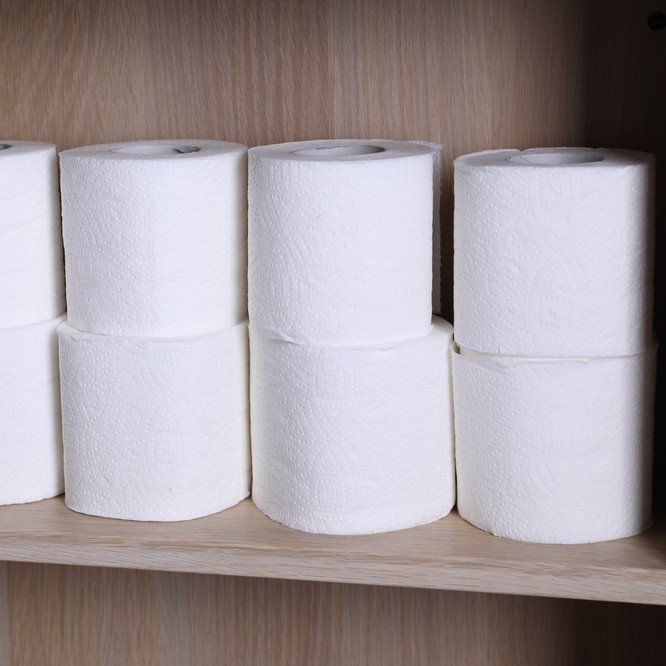
Private Label vs. OEM: Finding the Right Manufacturing Model
Private label manufacturing lets brands sell products made by third parties under their own name, allowing for customization and higher profit margins. OEM focuses on producing goods to exact buyer specifications for rebranding, which is cost-effective for large, standardized orders but offers less design flexibility. The best choice depends on a buyer’s need for customization, desired profit margins, and order volume.
Understanding Private Label Manufacturing
Private label allows brands to sell products under their own name, produced by third-party manufacturers.
It offers customization in packaging, formulation, and design for exclusivity.
Importers often see higher profit margins with private label products.
Chinese tissue manufacturers like Vinda and Hengan support private label with flexible MOQs.
Examples include custom-branded toilet paper, facial tissues, and napkins with client logos.
Understanding OEM Manufacturing
OEM involves manufacturers producing goods to exact buyer specifications for rebranding.
This model focuses on standardized, high-volume production.
OEM is cost-effective for large orders but offers less customization than private label.
High MOQs are common among top Chinese producers like Lee & Man and C&S Paper.
Products include standard toilet rolls, jumbo rolls, and tissues per buyer specifications (e.g., 1-3 ply, bamboo-based).
Key Differences and Strategic Considerations
Private label offers greater customization and higher profit margins through exclusivity.
OEM provides cost efficiency for large, bulk orders with less design flexibility.
Importers targeting specific markets often choose private label for tailored products.
International wholesalers needing reliable bulk supply typically opt for OEM.
The choice depends on customization needs, desired profit margins, and order volume.
Pro Tip: Auditing Manufacturer Sustainability and Certifications
To audit a manufacturer’s sustainability, verify essential certifications like FSC, PEFC, ISO 9001, ISO 14001, and ISO 50001. Check sustainability claims by auditing social compliance, third-party eco-labels, bamboo fiber traceability, and pulp sourcing disclosures. Request wastewater, emissions, and solid waste performance metrics for concrete data.
Essential Certifications for Responsible Sourcing
FSC Chain-of-Custody Certification ensures wood pulp comes from responsibly managed forests, enabling full traceability from forest to product.
PEFC Chain-of-Custody Certification provides another major assurance that pulp originates from sustainably managed forests.
ISO 9001 certifies a manufacturer operates a documented quality management system for consistent product specifications.
ISO 14001 indicates a structured environmental management system to reduce environmental impacts, tracking legal compliance and environmental KPIs.
ISO 50001 specifies a framework for systematic energy management, helping mills reduce consumption and improve efficiency.
Verifying Sustainability Claims and Performance Metrics
SMETA / SEDEX or BSCI Social Compliance Audits focus on labor conditions, health, safety, and ethical conduct.
Third-Party Eco-Labels (e.g., EU Ecolabel, Nordic Swan) apply product-level criteria for environmental performance.
Evaluating bamboo and alternative-fiber claims requires auditing plantation management, chemical usage, and feedstock traceability.
Recycled Fiber Content and Pulp Sourcing Disclosures involve verifying mill declarations and CoC data to validate green claims.
Requesting Wastewater, Emissions, and Solid-Waste Performance Metrics like COD/BOD, specific water/energy use, and CO₂e provides concrete data.
Frequently Asked Questions
What is the standard lead time for a 40′ HQ container from China?
The standard lead time for shipping a 40′ HQ container from China via ocean freight is typically 30-40 days port-to-port to the US West Coast, or 35-50 days door-to-door to the US East Coast. Total supply chain lead times, including production and logistics, can extend from 6 to 16 weeks. This includes 13-35 days for ocean transit, 1-3 days for factory pickup/export clearance, and 1-7 days for port handling and inland delivery. While physical manufacturing of the empty container takes 10-16 hours in automated Chinese factories, the order-to-port lead time adds 6-16 weeks due to scheduling, material availability, and demand. Peak seasons or shortages can prolong this to 6 months; off-peak, it is 15 workdays for new 40′ HQ units.
What are the most common quality control issues with imported Chinese tissue?
Common QC issues include: (1) Incorrect Ply Count/GSM: Receiving thinner paper than ordered (e.g., 2-ply instead of 3-ply, or lower basis weight/GSM). (2) Poor Perforation: Rolls tearing incorrectly or the paper being difficult to separate cleanly. (3) Incorrect Roll Density/Winding: Rolls being too loosely wound, leading to rapid consumption and customer dissatisfaction. (4) Packaging Errors: Mismatched print colors, incorrect quantity per pack, or use of non-compliant plastic films.
Which Chinese manufacturers focus on eco-friendly or bamboo pulp?
Manufacturers focusing on sustainable materials include Quanlin Benze (eco-friendly wood pulp/residues) and Sichuan Vanov New Material Co., Ltd. (pioneer in bamboo-based tissue). Additionally, Top Source Hygiene offers flexible sourcing for 100% bamboo fiber tissue to meet eco-market demand.
What are the typical Incoterms used for tissue export from China?
The most common Incoterms are: (1) FOB (Free On Board): Most popular for bulk imports; the buyer takes over cost and risk once goods are loaded onto the vessel at the Chinese port (e.g., Shanghai, Ningbo). (2) CIF (Cost, Insurance, and Freight): Seller covers costs to the destination port, but risk transfers to the buyer once goods are onboard. (3) EXW (Ex Works): Used less often, where the buyer handles all transport/cost from the factory gate.
How can I verify a manufacturer’s true production capacity?
Verification requires: (1) Factory Audit: Conducting an in-person or remote audit of the facility to physically inspect the number and age of tissue machines and converting lines. (2) Reviewing Utility Bills: Requesting recent electricity or water consumption data (highly effective for large mills). (3) Cross-Checking Certifications: High-capacity exporters often hold globally recognized certifications (like ISO 9001/14001 or FSC CoC), which may correlate with larger operational scale.
Final Thoughts
Importing toilet paper from China needs careful planning. Focus on verifying quality certifications, understanding production capacity, and negotiating costs. This helps secure good products and fair prices. You also need to navigate export regulations and logistics to avoid problems.
Whether you choose private label for custom products or OEM for bulk orders, make sure to check sustainability claims. Look for certifications and actual performance data. This detailed approach helps ensure a smooth, compliant, and cost-effective import process.