
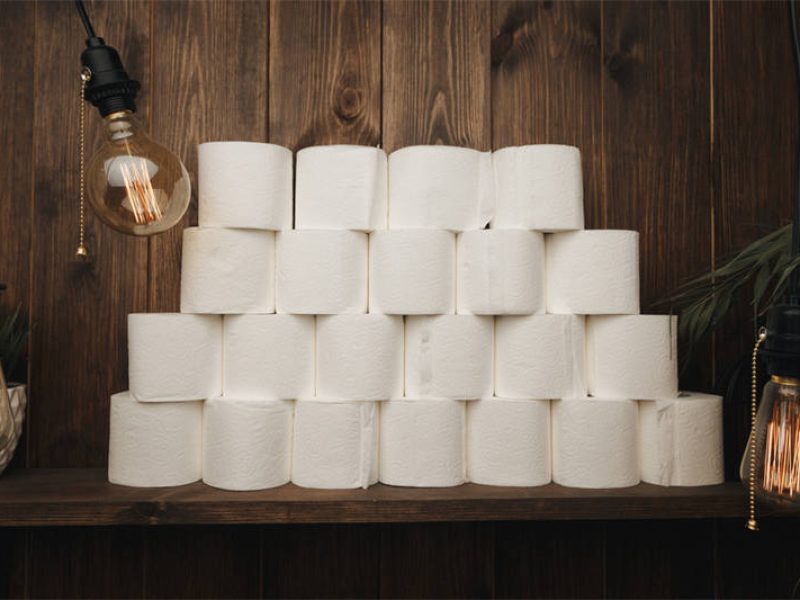
Deciding between coreless vs. cored tech sourcing determines the final landed cost for every 40HQ container. Procurement teams often miscalculate the trade-off between legacy dispenser compatibility and the 16% payload boost from tube-free formats, resulting in wasted shipping volume or expensive hardware retrofits.
We benchmark high-density TSH-3396 solid rolls against 1.5mm reinforced cored models using 100% virgin wood pulp standards. This data examines ply-bonding integrity and 9-ton loading strategies to help wholesalers maximize fiber density per cubic meter.
The Traditional Cored Roll: Why Is it Still the Global Standard for Dispenser Compatibility?
Global facilities rely on cored rolls because existing spindle-based hardware requires a rigid central tube to rotate correctly, ensuring universal compatibility and avoiding expensive retrofitting costs.
Legacy Infrastructure and Universal Spindle Compatibility
Millions of commercial dispensers globally utilize a fixed or spring-loaded spindle that requires a 1.5 to 2-inch cardboard core for support. These systems represent a massive installed base that facility managers cannot easily replace without significant capital expenditure. Cored rolls eliminate the need for costly dispenser retrofitting or replacement across large-scale facility portfolios.
- Core Diameter: Standardized 1.5 to 2-inch fit for universal spindle support.
- Roll Widths: Precision sizing at 104mm and 110mm ensures consistent rotation.
- Hardware Alignment: Designed to prevent jamming in traditional side-loading units.
- Market Longevity: Reliability for existing building ages and diverse plumbing types through 2026.
Ply-Bonding Technology and Material Integrity Standards
Top Source Hygiene utilizes high-pressure ply-bonding technology to ensure 2-ply to 5-ply layers remain laminated while rotating on the core. This manufacturing technique prevents the paper from de-plying or shredding during the high-speed pull common in public restrooms. We select 100% virgin wood pulp to provide the necessary tensile strength to prevent roll collapse.
- Material: 100% Virgin wood pulp for high-wet-strength durability.
- Lamination: High-pressure ply-bonding keeps layers intact during use.
- Plumbing Safety: Rapid disintegration engineering ensures rolls are septic-safe.
- Compliance: Meets North American and European plumbing and hygiene standards.
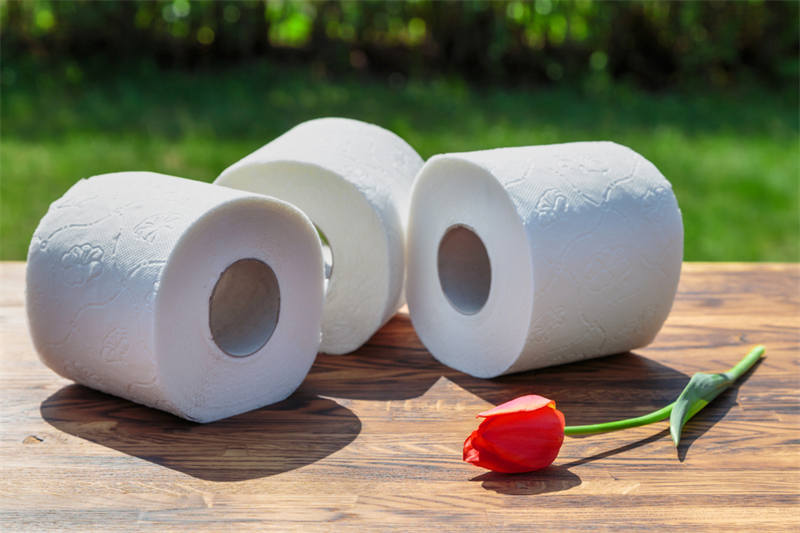
Sourcing Core Board: How to Ensure Wall Thickness and Support for High-Speed Production?
High-speed winding requires 1.5mm to 3mm core thickness to resist collapse and maintain roll roundness during 9-ton 40HQ container stacking.
The Role of Vertical Crush Resistance in High-Speed Rewinding
Mechanical winding machines in the Hebei paper industrial hub operate at extreme speeds, exerting significant inward tension. If the core board lacks sufficient wall thickness, the center collapses during the initial winding stage. This failure stops production lines and results in wasted material. Maintaining a rigid inner diameter is the only way to ensure the finished rolls fit standard commercial dispensers without jamming.
Precision-engineered cores prevent the “oval effect.” When rolls flatten under the weight of thousands of paper layers, they become unusable for automated converters. High-speed 2026 production cycles demand cores that stay perfectly circular from the mandrel to the final packaging stage.
- Wall Thickness: 1.5mm to 3.0mm depending on roll weight.
- ID Consistency: Critical for high-speed automated dispensers.
- Structural Integrity: Prevents core deformation during rapid 3-second winding cycles.
High-Density Core Specifications for Heavy Bundle Compression
Top Source Hygiene utilizes high-density cores to support Format B direct bundle packs. Unlike boxed goods, these bundles rely on the internal strength of the roll itself. We use mechanical compression technology during the bagging process to maximize container space. Without a reinforced core, the compression would crush the paper fibers and ruin the product’s “fluffiness.”
Logistics efficiency for a 40HQ container depends on high-stacking. We regularly load 7 to 9 tons of product into a single shipment. Higher GSM (grams per square meter) core board prevents the bottom layers of toilet rolls from deforming under this extreme vertical pressure. This ensures that every roll—even those at the bottom of a 5-ply export carton—reaches the destination in retail-ready condition.
- Payload Support: Safely carries up to 9,000kg per 40HQ container.
- Packaging Format: Supports Format B direct bundles and 5-ply export cartons.
- Model Compatibility: Essential for high-density models like TSH-3396 and TSH-3082.
- Deformation Control: Prevents roll flattening during multi-month sea transit.
Build Your Brand With Premium OEM Toilet Paper
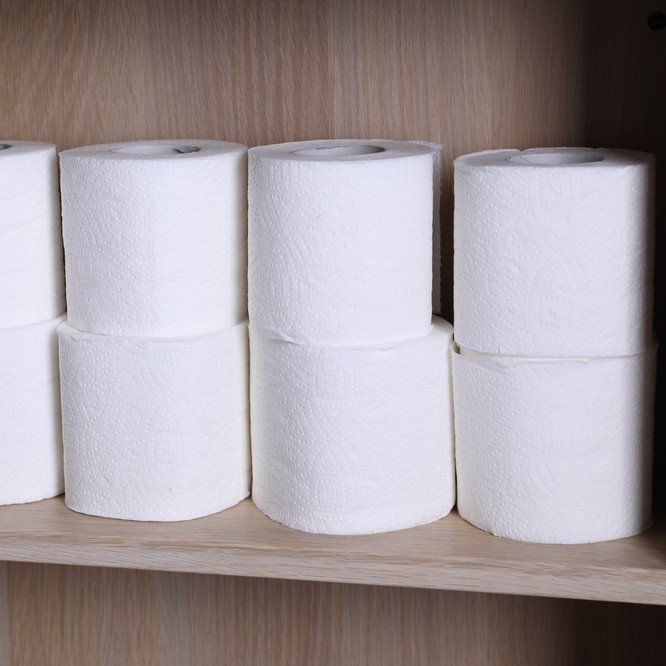
The Coreless Revolution: Is Eliminating the Tube the Most Effective Way to Reduce Paper Waste?
Removing cardboard cores slashes landfill waste, boosts container payloads by 16%, and ensures 100% paper utilization. It is a direct logistical win for high-volume B2B distributors.
Environmental Impact and Logistics Optimization of Tube-Free Formats
Traditional cardboard tubes often fail to reach recycling streams, ending up in landfills as unnecessary bulk. Eliminating the central core simplifies the waste management chain for commercial facilities and distributors. In our Hebei production hub, tube-free lines achieve annual CO2 reductions equivalent to planting over 4,000 trees per facility, addressing environmental targets at the source.
The shift to coreless formats significantly improves transport density. Without the hollow center, we apply mechanical compression to the rolls, allowing trucks and 40HQ containers to carry 16% more product per shipment. This reduction in the carbon footprint per roll also helps importers bypass European disposal taxes and landfill levies often tied to cardboard packaging waste.
High-Density Solid Roll Engineering for Maximum Resource Utilization
Our engineering focus for the TSH-3396 model centers on maximizing paper volume within a fixed footprint. This 5-ply high-density solid roll provides 5000g of paper per bundle with zero core wastage, making it a preferred choice for the high-traffic Southeast Asian and Middle Eastern markets. Users consume every inch of the 100% Virgin Wood Pulp, eliminating the “stub roll” waste common in cored systems.
- Model Specs: TSH-3396 5-Ply Solid Rolls (5000g/28 Rolls).
- Shipping Payload: Maximized 40HQ container loads reaching up to 9 tons.
- Structural Strength: High-density winding prevents rolls from crushing during stacking, removing the need for internal supports.
- Chemical Safety: 100% OBA-Free and septic-safe for international compliance.
By utilizing high-purity wood pulp and precision winding technology, we ensure the roll remains stable during high-tension shipping cycles. For B2B distributors, this means fewer damaged goods and the lowest possible landed cost per meter of paper, as we eliminate the weight and space of non-consumable cardboard components.

Precision Winding Technology: How to Prevent Coreless Rolls from Crushing During High-Tension Production?
Coreless roll integrity relies on precision-ground solid shafts and automated tension control paired with 100% virgin wood pulp to maintain structural roundness during high-speed production.
Maintaining Roll Geometry with Solid Shaft and Tension Control Systems
Manufacturing coreless rolls requires a mechanical substitute for the cardboard tube to resist winding pressure. Without internal support, high-tension rewinding creates oval or “egg-shaped” rolls that fail quality checks and jam dispensers. We solve this by replacing the temporary core with engineering-grade hardware during the conversion process.
- Precision-Ground Solid Shafts: These provide internal structural support, acting as a temporary mandrel that replaces the traditional cardboard core during the winding cycle.
- Tension Regulation: Magnetic brakes and frequency inverters maintain a stable stress status, which prevents wrinkles and uneven forces from distorting the paper layers.
- Elevated Pressure Systems: Applied pressure during winding eliminates the “egg-shaped” deformation common in high-density models like the TSH-3396.
- Slit Width Optimization: Precision slitting improves parent paper stability and reduces the impact of caliper variations during high-speed center-winding.
The Role of 100% Virgin Wood Pulp and High-Pressure Ply-Bonding
The physical resilience of a solid roll starts with fiber selection. Long-fiber integrity ensures the paper itself acts as a structural component, allowing the roll to keep its shape even after the winding shaft is removed. At Top Source Hygiene, we use specific material densities to ensure the roll remains firm during shipping and storage.
- 100% Virgin Wood Pulp: We select long-fiber pulp to provide the natural tensile strength required for high-tension production environments.
- High-Pressure Ply-Bonding: Mechanical lamination ensures multi-ply layers adhere without sliding or collapsing inward when the roll is under compression.
- Ply Density (13–22g/m²): We strictly control the GSM per ply to balance user softness with the structural rigidity needed to withstand mechanical bagging.
- Brightness and Resilience: Maintaining 85-92% natural brightness through fiber selection ensures the paper stays strong without the degradation caused by aggressive chemical bleaching.
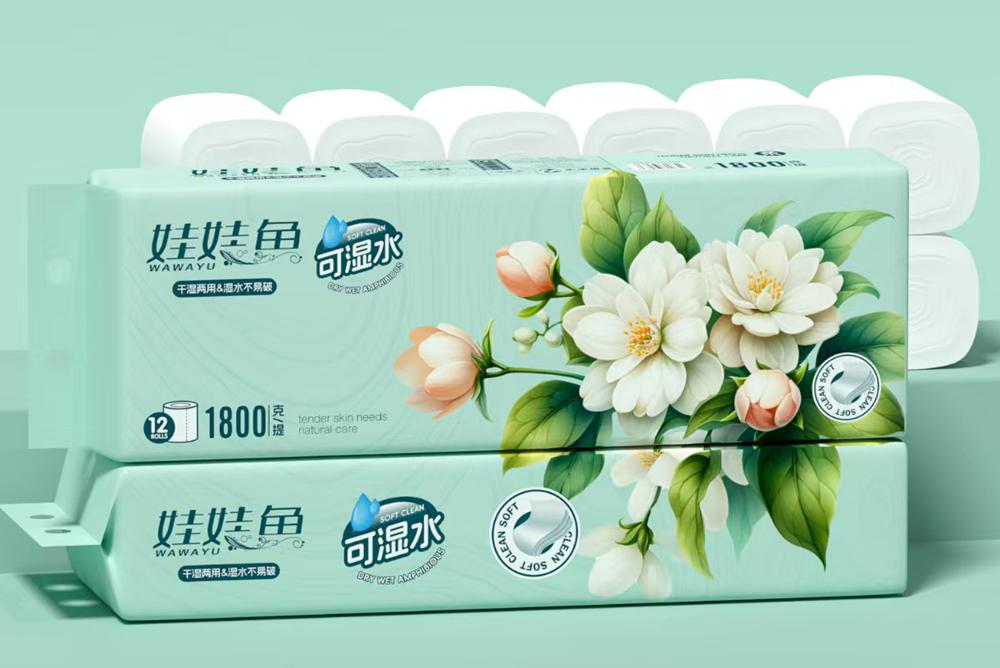
Center-Pull Capability: Can Coreless Rolls Improve Efficiency for High-Traffic Facilities?
Coreless center-pull systems cut waste by 56% and eliminate cardboard disposal, allowing janitorial teams to manage high-traffic restrooms with fewer refills and better hygiene control.
Traditional jumbo rolls often lead to overconsumption because they spin freely. Center-pull systems solve this by forcing single-sheet pulls, which directly impacts the bottom line in high-volume settings like airports or stadiums.
Operational Gains through Controlled Dispensing
Managing maintenance labor is the hidden cost of facility management. By switching to a coreless center-pull format, facilities see immediate improvements in both material usage and staff productivity.
- Waste Reduction: Paper waste drops by up to 47% because the cardboard tube is eliminated and the dispenser prevents over-pulling.
- Extended Intervals: Rolls deliver between 600 and 1,000 sheets, significantly decreasing the frequency of janitorial interventions.
- Sanitation Control: Users only touch the specific sheet they intend to use, which is a requirement for high-hygiene regulated environments.
Payload Optimization with TSH-3396 High-Density Bundles
Efficiency extends beyond the dispenser to the warehouse and shipping container. For B2B suppliers, maximizing the weight of 100% virgin wood pulp per shipment is the only way to protect margins against rising freight costs.
- Model TSH-3396: These solid rolls utilize 5000g heavy-duty bundles to provide the highest paper volume possible per dispenser load.
- Point-to-Point Embossing: CNC-precision technology increases absorbency by 30%, ensuring users need fewer sheets per visit.
- Container Efficiency: Mechanical compression techniques allow for maximum 40HQ container utilization, lowering the total landed cost for facility suppliers.
By focusing on high-density formats like the TSH-3396, distributors can offer clients a lower cost-per-meter while reducing the carbon footprint associated with shipping empty cardboard cores.
Comparing Shipping Volume: How Much Can You Save on ROI with Coreless vs. Cored Logistics?
Coreless rolls maximize container ROI by replacing the central cardboard void with usable fiber, fitting 20% more product into a 40HQ container to lower landed costs per roll.
| Logistical Metric | Standard Cored Rolls | High-Density Coreless (TSH-3396) |
|---|---|---|
| Internal Core Void | 40mm – 45mm (Empty Air) | 0mm (Solid Paper Fiber) |
| 40HQ Container Capacity | Standard Payload | Up to 20% Volume Increase |
| Max Payload Weight | Varies (Includes Core Weight) | 9 Tons (Pure Paper Weight) |
| Landed Cost Efficiency | Higher (Paying for Air) | Optimized ROI per Cubic Meter |
Volumetric Efficiency and Payload Maximization in Container Loading
Traditional cored rolls feature a 40mm to 45mm diameter void. This hollow center consumes valuable container volume without adding product weight or value to the buyer. By removing this tube, distributors pay for paper instead of air. Coreless technology replaces that empty space with usable sheets, increasing the total meters of paper delivered in every cubic meter of cargo space.
For high-volume 2026 distribution contracts, payload optimization drastically reduces the number of required shipments. Removing the weight of the cardboard core allows for more actual paper fiber within the strict 40HQ weight limits. This shift ensures every inch of the container contributes to the bottom line.
- Space Recovery: Eliminating the 45mm core diameter turns wasted space into revenue-generating product.
- Freight Reduction: Fewer containers are needed to move the same tonnage of paper fiber.
- Fiber Density: 100% of the container weight limit is dedicated to usable virgin wood pulp.
Lowering Landed Costs through TSH-3396 High-Density 40HQ Optimization
High-density models like the TSH-3396 utilize a specific 5000g bundle design. This configuration is engineered to maximize the 9-ton payload capacity of a standard 40HQ container. We use mechanical compression technology during the bagging process to minimize roll bulk. This process ensures the paper remains fluffy for retail display while reducing the physical footprint during transit.
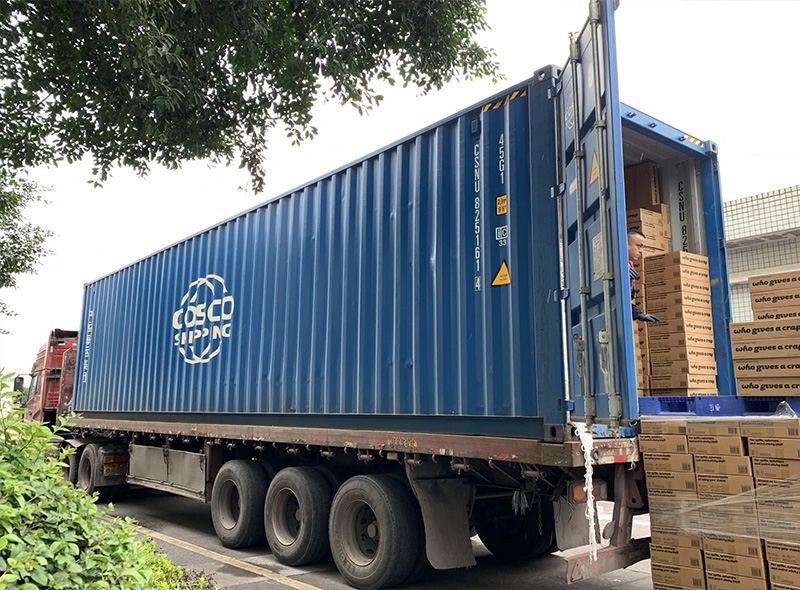
Our Hebei-based loading teams utilize precision stacking techniques to ensure the 40HQ container generates the highest possible revenue. Increasing product density by 15-20% directly offsets rising trans-Pacific and Middle Eastern freight rates. This logistical strategy protects dealer margins by lowering the landed cost per roll significantly compared to standard household formats.
- Model TSH-3396: Optimized for 5000g/28-roll heavy bundles.
- Mechanical Compression: Reduces volume by 15%+ without damaging fiber integrity.
- Hebei Loading Strategy: Maximize 40HQ limits to 9 tons for better freight amortization.
- Rate Defense: Density increases provide a buffer against volatile international shipping costs.
Solving Dispenser Mismatch: What Are the Best Adapter Solutions for Coreless Products?
Adapters bridge the gap between legacy hardware and coreless efficiency, using mechanical kits and precise roll dimensions to eliminate the need for full dispenser replacement.
Transitioning to coreless technology often hits a wall when facilities face the cost of replacing thousands of existing dispensers. High-capacity coreless rolls do not fit standard spindles, but adapter solutions bridge this gap. These tools allow distributors to offer coreless upgrades to clients without requiring a complete hardware overhaul.
Retrofitting Standard Fixtures with Coreless Adapter Kits
Facilities with legacy cored dispensers can switch to coreless formats by installing small mechanical components. These kits are designed to hold the solid weight of coreless rolls while maintaining a smooth rotation. Most solutions focus on durability and ease of installation for janitorial staff.
- Stainless Steel Kits: Models like the Kimberly-Clark 09611 retrofit standard recessed wall units to handle coreless tissue through a simple two-piece insert.
- Spring-Loaded Spindles: The Georgia-Pacific 50011 adapter fits into Bobrick rotating or drop-down dispensers to secure solid rolls firmly.
- Dual-Roll ABS Units: These configurations often include Microban protection to maintain high hygiene standards in high-traffic commercial environments.
- Cost Reduction: Conversion kits eliminate the need for heavy capital expenditure, allowing facilities to adopt waste-reducing technology immediately.
Using these adapters protects the facility’s existing infrastructure investment while capturing the 15% increase in paper capacity that coreless rolls provide. This makes the upgrade a logistical decision rather than a construction project.
Precision Dimensions for Specialized Commercial Dispensers
Hardware adapters only function correctly if the roll dimensions are precise. If the paper is too narrow, it shifts on the spindle; if it is too wide, it jams. We manufacture our rolls to tight tolerances at our Hebei facility to ensure they work with various international adapter standards.
- TSH-3099 Model: An oversized 235mm wide roll specifically designed for specialized high-capacity industrial dispensers.
- Width Customization: We adjust roll widths from 102mm up to 132mm to ensure a snug, wobble-free fit in regional commercial fixtures.
- Solid-Core Winding: High-density models like TSH-4010 and TSH-3396 prevent the roll from deforming or shifting during use.
- 100% Virgin Wood Pulp: This fiber provides the high tensile strength required for consistent rotation on adapter spindles without paper breakage.
Matching the right roll model to the specific adapter prevents common user complaints such as paper shredding or difficult pulls. For distributors, providing the correct “Big 10” inventory model ensures that the hardware and the paper work as a single, reliable system.
Frequently Asked Questions
What is the main manufacturing difference between cored and coreless toilet paper?
Cored rolls wind around a cardboard tube for structure. Coreless rolls use a rotating mandrel and moisture-activated hydrogen bonding. This creates a stable, hollow center without a disposable core, so the entire roll is consumable.
Do coreless rolls require specific dispenser equipment?
Yes. Coreless rolls do not fit standard spindles. They need specialized dispensers that grip the roll from the sides or use a thin, high-capacity mandrel. These systems are common in high-traffic areas because they hold significantly more paper than traditional dispensers.
How do coreless rolls improve environmental impact in 2026?
Coreless rolls remove waste from cardboard cores and adhesives. Higher paper density lets us fit more product into 40HQ containers. This reduces the number of shipments needed and lowers the carbon footprint per ton of paper.