
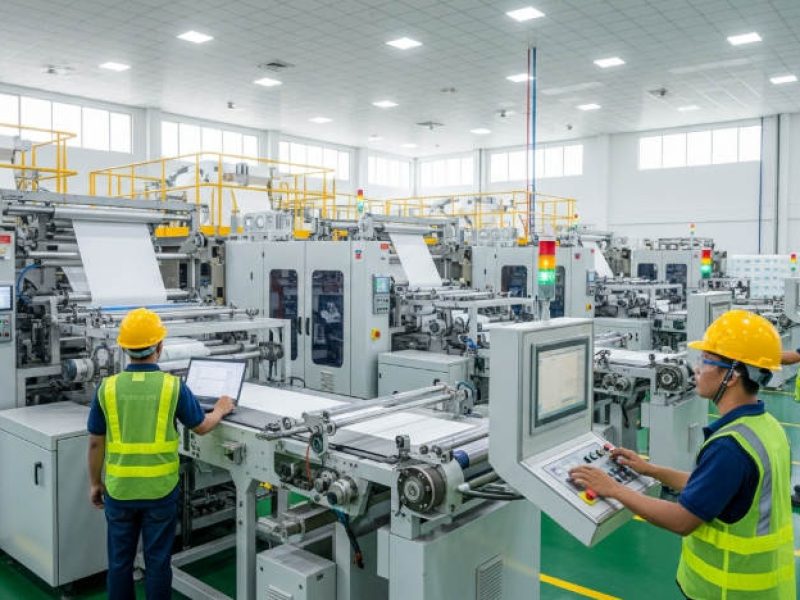
Sourcing facial tissue for the Philippine market often involves navigating 25-day shipping delays and unpredictable international freight costs. Local manufacturing hubs now eliminate these logistics bottlenecks while offering low-MOQ flexibility for brands to scale with as few as 500 units. By shifting to domestic production, BPO centers and hospitality firms secure their supply chains and avoid the stockouts that frequently disrupt imported product lines.
This leaderboard analyzes the top manufacturers specializing in high-speed soft pack production and BPS-compliant tissue. We examine how local mills use XY-GU-A-B automated lines to optimize 130mm packaging for the sari-sari economy and meet PNS 72:1997 quality benchmarks. You will find a breakdown of the leading facilities providing OEM services, fiber blending techniques for cost-efficiency, and the regulatory requirements for 2026 domestic distribution.
Top 10 Facial Tissue Manufacturers in the Philippines
Quick Comparison: Top Picks
| Manufacturer | Location | Core Strength | Verdict |
|---|---|---|---|
| Top Source Hygiene | Mancheng, Baoding (Global Shipping to Philippines) | Facial Tissue, Soft Pack Tissues, Toilet Paper, Jumbo Rolls | Premier factory-direct partner for high-capacity global OEM/ODM sourcing. |
| Sanitary Care Products Asia (SCPA) | Luzon, Visayas, and Mindanao, Philippines | Sanicare, Tisyu, Femme, and Cheers Facial Tissues | Innovative local leader using hybrid material technology with an extensive distribution network. |
| MICHAELA | Philippines | Premium 3-ply Facial Tissues (100 pulls) | Top-tier choice for superior absorption and skin-friendly 3-ply durability. |
| Femme | Philippines | 2-ply Virgin Pulp Facial Tissues | Reliable, 100% virgin pulp staple for everyday Philippine household use. |
| S&R | Philippines | Velvety Soft 2-ply Facial Tissue | High-end “velvety” texture optimized for hospitality and retail comfort. |
| Watsons | Philippines | Bamboo Facial Tissue, Flower Travel Tissue | Accessible retail giant focusing on sustainable bamboo and travel-friendly formats. |
| LamPure | Philippines | 4-ply Premium Facial Tissue (100 pulls) | Luxury 4-ply construction ideal for thick, durable premium B2B and institutional procurement. |
| Kimberly-Clark (Kleenex) | Philippines (Local Operations) | Kleenex Facial Tissue (Eucalyptus, Cucumber variants) | Trusted global leader specializing in skincare-infused 3-ply virgin fiber tissues. |
| Asia Pulp & Paper (APP) | Asia-Pacific / Philippines Operations | Bulk Facial Tissues | Global production powerhouse focused on competitive large-scale wholesale and export stability. |
| Blest | Philippines | Facial Pocket Tissue (10 pulls) | Specialized manufacturer of soft, portable pocket tissues for on-the-go hygiene. |
Top Source Hygiene
Top Source Hygiene operates as a direct manufacturing partner for businesses seeking large-scale facial tissue production without middleman markups. With three decades of industry expertise, the company manages a massive production facility in Mancheng that outputs nearly 3,000 tons of product every month. This scale allows them to maintain total control over the supply chain, from sourcing 100% virgin pulp to final packaging. For distributors in the Philippines, this setup reduces the risks associated with quality fluctuations and ensures that high-volume orders remain consistent across every batch.
The factory focuses heavily on soft-pack and boxed tissue solutions, which match current consumer trends across Southeast Asia. Clients can customize technical specifications including GSM, ply thickness, and branding to meet specific market demands or price points. Every production run undergoes quality checks to meet ISO 9001, FDA, and FSC certifications, which confirms that the final products comply with international safety and environmental regulations. By bridging the gap between raw material processing and retail-ready packaging, they provide a streamlined path for brands to scale their inventory.
At a Glance:
- 📍 Location: Mancheng, Baoding (Global Shipping to Philippines)
- 🏭 Core Strength: Facial Tissue, Soft Pack Tissues, Toilet Paper, Jumbo Rolls
- 🌍 Key Markets: Philippines, North America, Europe, SE Asia
Why We Picked Them:
| ✅ The Wins | ⚠️ Trade-offs |
|---|---|
|
|
Sanitary Care Products Asia (SCPA)
Sanitary Care Products Asia (SCPA) has established itself as a cornerstone of the Philippine hygiene industry since starting its operations in 1996. The company manages a widespread network of physical manufacturing plants strategically located across Luzon, Visayas, and Mindanao. This nationwide footprint allows for direct control over the production process, ensuring that every batch of tissue and paper products meets specific quality standards. By maintaining these local facilities, they reduce logistical risks and provide a stable supply chain for retail and institutional partners throughout the archipelago.
Technical innovation drives their manufacturing approach, particularly through a specialized layering technique that combines recycled-grade paper with virgin pulp sheets. This hybrid process solves the common trade-off between environmental responsibility and product performance, resulting in materials that remain soft yet durable. They handle the engineering and production in-house, which minimizes the quality variations often found in outsourced goods. Their focus on sustainable technology ensures that businesses and consumers receive hygiene solutions that are both effective and ecologically conscious.
At a Glance:
- 📍 Location: Luzon, Visayas, and Mindanao, Philippines
- 🏭 Core Strength: Sanicare, Tisyu, Femme, and Cheers Facial Tissues
- 🌍 Key Markets: Philippines (Retail, Wholesale, Institutional)
Why We Picked Them:
| ✅ The Wins | ⚠️ Trade-offs |
|---|---|
|
|
MICHAELA
MICHAELA has established itself as a leading force in the Philippine hygiene sector by focusing on high-grade material sourcing. The brand utilizes 100% virgin pulp across its product line, ensuring that every tissue maintains a balance between skin-friendly softness and structural integrity. By controlling the production quality to meet 3-ply standards, they provide a reliable solution for consumers who prioritize hygiene and durability in their daily essentials.
The company addresses specific local market needs by delivering tissues that resist tearing even when damp, a critical factor for professional environments like BPO offices and retail centers. Their local execution strategy centers on maintaining consistent supply chains and factory-level quality control, which reduces the risks associated with thinner, low-quality alternatives. This focus on performance makes them a staple in high-traffic commercial sectors where reliability is non-negotiable.
At a Glance:
- 📍 Location: Philippines
- 🏭 Core Strength: Premium 3-ply Facial Tissues (100 pulls)
- 🌍 Key Markets: PH Home, Office, BPO, and Retail
Why We Picked Them:
| ✅ The Wins | ⚠️ Trade-offs |
|---|---|
|
|
Femme
Femme operates as a specialized brand under the Sanitary Care Products Asia (SCPA) portfolio, filling a specific niche in the Philippine hygiene market. By using 100% virgin pulp for its 2-ply facial tissues, the brand ensures a level of softness and strength that meets the daily needs of local families. This focus on material quality allows the manufacturer to maintain high production standards while delivering a product that feels premium yet remains accessible for the general public.
The brand manages its supply chain effectively to ensure consistent stock levels across major retail chains and wholesale channels throughout the Philippines. This logistical control reduces the risk of supply shortages and maintains product uniformity, which has helped the 100-pull boxed packaging become a common sight in many homes. Because the brand stays within the SCPA ecosystem, it benefits from established factory protocols that prioritize reliability and consumer safety in every batch produced.
At a Glance:
- 📍 Location: Philippines
- 🏭 Core Strength: 2-ply Virgin Pulp Facial Tissues
- 🌍 Key Markets: PH Consumers, Retail Chains, Wholesale
Why We Picked Them:
| ✅ The Wins | ⚠️ Trade-offs |
|---|---|
|
|
S&R
S&R operates as a significant force in the Philippine retail and wholesale landscape, leveraging a robust local supply chain to deliver high-quality paper goods. We found that they focus on 100% virgin wood pulp, ensuring that every tissue maintains a consistent texture suitable for sensitive skin. This emphasis on factory-level material control allows them to serve both individual shoppers and large-scale hospitality clients who require dependable product standards across all locations.
The brand reduces procurement risks by maintaining a strong institutional presence, which guarantees steady availability across their warehouse network. By overseeing the manufacturing specifics of their 2-ply tissue, they ensure the velvety soft texture meets the expectations of high-end commercial environments. This local execution strategy makes them a preferred choice for businesses looking for premium hygiene products without the complexities of direct international sourcing.
At a Glance:
- 📍 Location: Philippines
- 🏭 Core Strength: Velvety Soft 2-ply Facial Tissue
- 🌍 Key Markets: PH Retail, Hospitality, Wholesale
Why We Picked Them:
| ✅ The Wins | ⚠️ Trade-offs |
|---|---|
|
|
Watsons
Watsons utilizes its extensive retail network across the Philippines to deliver high-quality hygiene essentials directly to the local market. The brand emphasizes the use of sustainable and soft materials, such as bamboo fiber and 3-ply virgin pulp, to meet the specific needs of urban professionals. This local presence ensures that products remain consistently available while maintaining strict quality control over every manufacturing batch.
By prioritizing compact packaging and specialized textures, the brand effectively serves high-traffic environments like BPO facilities and corporate offices. This strategy minimizes logistics risks and ensures that the hygiene products withstand frequent use in fast-paced work settings. The focus on localized production allows for rapid adjustments based on consumer feedback, keeping the product line relevant and reliable for daily use.
At a Glance:
- 📍 Location: Philippines
- 🏭 Core Strength: Bamboo Facial Tissue, Flower Travel Tissue
- 🌍 Key Markets: PH Retail (Watsons Stores), BPO Facilities
Why We Picked Them:
| ✅ The Wins | ⚠️ Trade-offs |
|---|---|
|
|
LamPure
LamPure operates as a specialized manufacturer within the Philippines, focusing on high-density facial tissue production. They use 100% virgin wood pulp to create a product that prioritizes material integrity and softness. This manufacturing approach serves high-end residential users and institutional clients who require consistent quality and local supply chain reliability.
The 4-ply structure offers significant durability, ensuring the tissue remains intact even when wet. By providing a thick, multi-layered format, the brand addresses the needs of businesses looking for premium supplies that reduce overall consumption. Their focus on wholesale and institutional sourcing allows for efficient bulk distribution across various commercial sectors in the PH market.
At a Glance:
- 📍 Location: Philippines
- 🏭 Core Strength: 4-ply Premium Facial Tissue (100 pulls)
- 🌍 Key Markets: PH Wholesale, Institutional Sourcing
Why We Picked Them:
| ✅ The Wins | ⚠️ Trade-offs |
|---|---|
|
|
Kimberly-Clark (Kleenex)
Kimberly-Clark manages a significant manufacturing presence in the Philippines, providing the Kleenex brand to a wide range of retail and institutional clients. The company utilizes 3-ply virgin fibers to create tissues that stand out for their durability and softness. This local infrastructure supports the production of specialized items featuring Eucalyptus and Cucumber extracts, catering to a market that values both hygiene and skincare benefits.
Local production facilities give the brand a distinct advantage in logistics and supply chain reliability across the Filipino market. By maintaining direct factory control, the organization ensures every batch meets international standards while minimizing the risks associated with long-distance importing. This focus on technological innovation allows them to serve high-volume demands from major retail chains and institutional partners who prioritize consistency and brand equity.
At a Glance:
- 📍 Location: Philippines (Local Operations)
- 🏭 Core Strength: Kleenex Facial Tissue (Eucalyptus, Cucumber variants)
- 🌍 Key Markets: PH-wide, Institutions, Retail Chains
Why We Picked Them:
| ✅ The Wins | ⚠️ Trade-offs |
|---|---|
|
|
Asia Pulp & Paper (APP)
Asia Pulp & Paper stands as a dominant force in the global paper industry, leveraging a massive manufacturing infrastructure to supply the Philippine market. Their operations focus on high-volume imports and the establishment of strategic logistics hubs to streamline distribution across the archipelago. This approach allows them to serve large-scale distributors and retailers who require consistent supply chains and the pricing advantages that come with industrial-scale output.
The company’s strength lies in its ability to manage the entire lifecycle of tissue production, from pulp sourcing to final packaging. By prioritizing the wholesale and export sectors, they provide a catalog of facial tissues designed for mass consumption rather than niche markets. Their presence in the Philippines provides local businesses with access to international-grade products, backed by the reliability of one of the world’s largest forestry and paper conglomerates.
At a Glance:
- 📍 Location: Asia-Pacific / Philippines Operations
- 🏭 Core Strength: Bulk Facial Tissues
- 🌍 Key Markets: PH Wholesale, Global Export
Why We Picked Them:
| ✅ The Wins | ⚠️ Trade-offs |
|---|---|
|
|
Blest
Blest focuses on the growing demand for portable hygiene solutions within the Philippine market. By utilizing 100% virgin pulp, the brand ensures that each 2-ply tissue remains gentle on the skin while maintaining the necessary durability for daily use. This commitment to raw material quality helps users avoid the irritation often associated with recycled fibers, making it a reliable choice for personal care during commutes or travel.
The manufacturing process emphasizes strict quality control to meet the specific requirements of the on-the-go lifestyle. These pocket-sized 10-pull packs offer a practical solution for the travel and retail sectors where convenience is the primary driver. By streamlining production to focus on these compact formats, the brand effectively addresses the local need for premium, accessible paper products that fit easily into small bags or pockets.
At a Glance:
- 📍 Location: Philippines
- 🏭 Core Strength: Facial Pocket Tissue (10 pulls)
- 🌍 Key Markets: PH Travel, Personal Use, Retail
Why We Picked Them:
| ✅ The Wins | ⚠️ Trade-offs |
|---|---|
|
|
The Filipino Manufacturing Surge: Why Local Production Rules in 2026
Domestic manufacturing in the Philippines secures supply chains by eliminating 25-day shipping delays and providing low-MOQ (Minimum Order Quantity) flexibility that allows brands to scale with as few as 500 units.
Supply Chain Stability and Reduced Import Reliance
Local production hubs eliminate the 15-25 day ocean freight delays typical of cross-border shipping in 2026. Domestic sourcing protects retailers from fluctuating international shipping rates and chronic port congestion in the Asia-Pacific region. By moving manufacturing closer to the end consumer, brands execute real-time inventory adjustments based on local demand spikes, preventing the stockouts that often plague imported lines.
Technical compliance also becomes more manageable through local partnerships. Factories like Quanta Paper Corporation and Philusa Corporation adhere to Bureau of Philippine Standards (BPS) requirements, specifically PNS 72:1997 and PNS 73:1997. These standards regulate sheet size, ply thickness, and tensile strength, ensuring that products meet domestic quality benchmarks without the risk of customs seizures or regulatory rejection often associated with non-compliant imports.
Scaling Through Flexible MOQ and Rapid Prototyping
Regional facilities like those operated by Beauty N Glam and Chef RLU allow brands to start with as few as 500 units. This low-barrier entry enables indie labels and startups to test new formulations without the capital risk of massive factory runs. Active R&D labs in the Philippines, such as The Z Lab, provide in-house chemists who facilitate quick formulation changes and custom branding, allowing for a more agile product development cycle than traditional large-scale offshore plants.
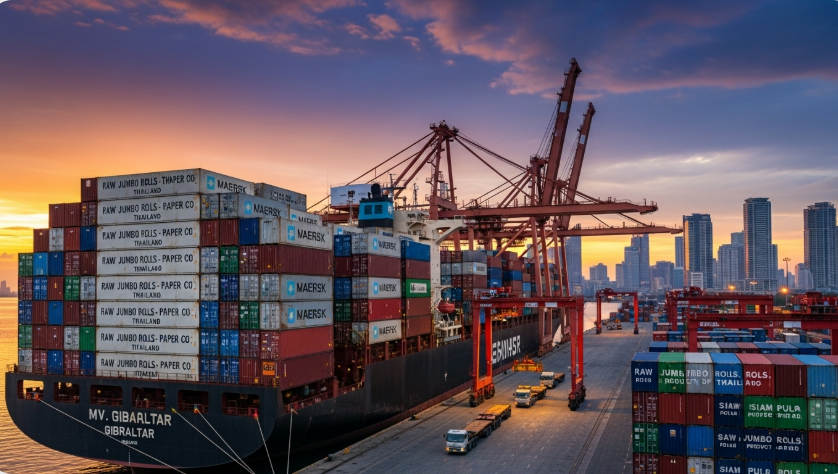
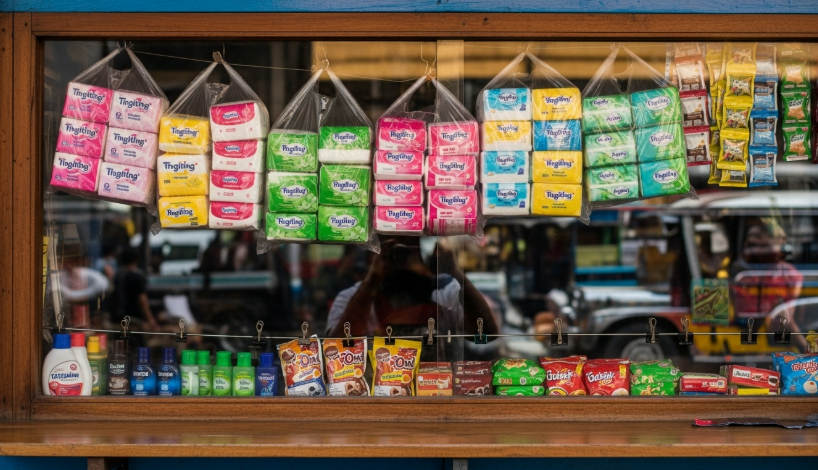
Short-run manufacturing strategies specifically support the Sari-Sari micro-retail model by producing smaller, affordable pack sizes for immediate distribution. Local mills optimize raw materials by mixing virgin pulp with recycled fibers to form a slurry that balances softness and cost. Using automated high-speed lines for cutting, folding, and soft-packing, these factories create compact 130mm height packs designed for high-turnover retail environments. This localized approach ensures that quality control remains consistent across small units, reducing returns and protecting the margins of wholesale buyers.
Engineering the Soft Pack: How Local Mills Optimize for the Sari-Sari Economy
Philippine tissue mills optimize for the sari-sari economy by blending virgin pulp with recycled fibers to balance cost and strength while using high-speed XY-GU-A-B automated lines for efficient soft-pack sealing. These manufacturing strategies prioritize high absorbency and compact 130mm packaging to meet the specific retail and hygiene demands of local high-volume distribution networks.
Material Engineering and Fiber Blending for Retail
Local mills mix virgin wood pulp from softwood and hardwood with recycled fibers to create a slurry that balances strength and cost-efficiency. Refining processes tailor the slurry to ensure high absorbency levels specifically for the low-cost, high-volume retail needs of sari-sari stores. Philippine manufacturers utilize sustainable fibers to meet the growing demand from wholesale buyers for eco-friendly paper products in 2026.
Automated Conversion and Soft Pack Packaging Technology
Factories use Yankee dryers and heated rollers to dewater sheets, enhancing the creping effect for increased pliability and bulk in 130mm soft packs. High-speed automated lines, such as the XY-GU-A-B series, integrate interleaved folding and plastic sealing into a single continuous process. Full embossing techniques provide the texture and thickness required for compact retail distribution while maintaining soft-pack structural integrity.
Quality Benchmarks and Hygiene Standards for Domestic Markets
Testing protocols monitor absorbency, softness, and tensile strength to ensure each batch meets local sanitary permits and hygiene requirements. Production lines target a maximum of 2.5 defects per batch to reduce return rates for wholesale distributors and institutional buyers. Manufacturers exclude fluorescent whiteners and chemicals from the 100% virgin pulp supply to ensure the safety of tissues used in healthcare and hospitality sectors.
Premium OEM/ODM Toilet Paper Manufacturing: Your Brand, Our Expertise

Strategic B2B Sourcing: Leveraging Domestic Supply Chains for BPO and Hospitality
Sourcing facial tissues through domestic Philippine channels allows BPO centers and hospitality firms to stabilize their supply chains while meeting sustainability goals. Local manufacturers provide the high-volume capacity and custom branding options necessary for corporate environments, paired with reduced lead times that eliminate the risks of international logistics volatility.
Optimizing High-Volume Supply for BPO Facilities
BPO centers operate in high-traffic office environments where consistent sanitation is a requirement for daily operations. Facilities managers rely on high-capacity hygiene products from domestic suppliers like King Global Sanitary Products to maintain these standards across large-scale floor plans. Sourcing from Quanta Paper Corporation further enables firms to meet corporate sustainability targets, as their manufacturing processes have earned the Green Choice Seal of Approval. Bulk procurement of 2-ply tissues ensures that office staff have access to absorbent, chemical-free paper that prevents skin irritation during long shifts, supporting a healthier workspace.
Custom Amenities and Branding for Hospitality Partners
Hotels and resorts increasingly utilize OEM and ODM services from manufacturers like Top Source Hygiene to produce bespoke facial tissue boxes. These services allow hospitality brands to integrate custom logos and specific sheet counts into their guest room amenities, reinforcing brand identity. Philusa Corporation offers diverse packaging formats, such as 75-sheet or 150-sheet boxes, allowing housekeeping departments to select sizes based on guest room turnover rates and storage constraints. Premium hospitality chains prioritize 100% pure pulp tissues to provide guests with superior softness and strength, ensuring a high-end experience without the use of fluorescent whiteners.
Reducing Operational Costs through Local Lead Time Efficiency
Domestic supply chains provide a critical hedge against global logistics volatility, offering predictable 15-to-25-day production cycles for bulk orders. Facilities managers can reduce maintenance labor costs by up to 15% when switching to high-capacity jumbo rolls and soft-pack tissues that require less frequent restocking. Factory-direct sales models eliminate middleman fees, allowing B2B buyers to secure competitive pricing while maintaining strict standards for sanitary compliance. This local proximity ensures that large-scale facilities can adjust their inventory levels quickly in response to changing occupancy without waiting for long-haul international shipments.
Regulatory Compliance: Navigating BPS Standards and Local Sanitary Permits
Facial tissue compliance in the Philippines requires strict adherence to Bureau of Philippine Standards (BPS) quality benchmarks and Food and Drug Administration (FDA) licensing. Manufacturers must meet PNS 49:2004 technical specifications for absorbency and strength while maintaining local sanitary permits to ensure a contaminant-free production environment.
Mandatory BPS Quality Standards and PNS 49:2004 Specifications
The Bureau of Philippine Standards (BPS) mandates that all facial tissues sold in the local market meet rigorous quality benchmarks by 2026. These regulations ensure that hygiene products provide consistent performance and safety for the general public. Manufacturers must align their production processes with these evolving requirements to maintain legal access to the Philippine retail and wholesale sectors.
PNS 49:2004 establishes the specific technical criteria for essential performance metrics, including liquid absorbency rates and tensile strength. This standard prevents the sale of fragile or non-absorbent paper that fails during standard use. Testing facilities evaluate how the tissue fibers react to moisture, ensuring the product remains effective for facial hygiene and sensitive skin applications.
Manufacturers certify ply thickness and verify the absence of harmful chemical residues or fluorescent whitening agents in the raw pulp. Eliminating these additives prevents skin irritation and ensures the paper remains safe for prolonged contact. Quality control teams conduct regular laboratory tests to confirm that every batch of raw material meets these non-toxic specifications before entering the converting line.
Compliance remains compulsory for both domestic factories and importers to ensure consumer safety across the Philippine market. Regulatory bodies monitor port entries and local production floors to verify that all products possess the necessary certification. This level playing field guarantees that all soft pack tissues, whether locally made or imported, provide the same high level of protection for the end-user.
FDA Licensing and Local Sanitary Requirements for Production Facilities
Tissue manufacturing plants secure a License to Operate (LTO) from the Food and Drug Administration (FDA) to validate sanitary production environments. This license serves as a primary requirement for businesses involved in the manufacturing of hygiene and personal care items. It confirms that the facility follows established safety protocols to prevent biological or chemical contamination during the pulping and folding stages.
Local Government Units (LGUs) and the Department of Health (DOH) conduct regular hygiene inspections based on Good Manufacturing Practices (GMP). These audits evaluate the cleanliness of the machinery, the hygiene of the staff, and the overall structural integrity of the factory. Consistent adherence to GMP ensures that the facility maintains a sterile atmosphere throughout the high-speed manufacturing cycle.
Facilities implement wastewater management systems that align with Department of Environment and Natural Resources (DENR) effluent standards. These systems treat the water used in paper production to remove chemical byproducts before discharge into the environment. Maintaining these environmental permits prevents local contamination and supports the sustainability goals of the Philippine industrial sector.
Rigorous adherence to these permits ensures that soft pack products remain free from contaminants during the high-speed converting process. Automated packaging lines minimize human contact, but the surrounding environment must remain pristine to meet the standards set by institutional buyers and retail chains. These sanitary measures protect the reputation of the brand and the health of the Filipino consumer.
Frequently Asked Questions
Which facial tissue brands lead the Philippine market in 2026?
Major players include Kleenex, Puffs, Hearttex, and Cottonsoft. These brands, along with Asia Pulp & Paper (APP), maintain a strong presence in Manila’s retail chains and institutional supply sectors by focusing on high-quality virgin pulp and sustainable production.
Is there a specific preference for soft packs over boxed tissues in the Philippines?
Market data shows steady growth across all packaging formats due to rising hygiene awareness. While boxed tissues are popular for their ease of use, soft packs offer portability for urban users. Local leaders like Sanitary Care Products Asia (SCPA) supply both formats to meet varied consumer and B2B needs.
What is the process for importing wholesale tissues through the Port of Manila?
Importers register with the Bureau of Customs (BOC) and submit mandatory documents including the Bill of Lading, Commercial Invoice, and Packing List. Paper products under HS Code 4818.10 typically face duties between 1% and 7% plus a 12% VAT. Most standard facial tissues do not require FDA registration unless they contain chemical treatments.
What standards does the Bureau of Philippine Standards (BPS) set for tissue paper?
The BPS enforces PNS 72:1997 for facial tissue and PNS 73:1997 for toilet tissue. These regulations specify a minimum pH level of 4.5, wet tensile strength of at least 0.04 kN/m, and strict labeling requirements. Labels must clearly state the ply count, sheet size, and manufacturer information to comply with the Philippine Consumer Act.
Where can businesses find low-MOQ OEM partners for tissue production?
Sanitary Care Products Asia (SCPA) and Quanta Paper Corporation are prominent local manufacturers offering private label services. For global sourcing with local supply capabilities, Top Source Hygiene provides extensive customization for weight, ply, and packaging, operating with a monthly capacity of over 2,800 tons.
Final Thoughts
Local manufacturing now drives the Philippine tissue market by removing the unpredictability of international shipping. Brands benefit from smaller order requirements and faster turnarounds from domestic facilities like Quanta Paper and SCPA. These partnerships allow retailers and startups to maintain consistent stock levels while meeting specific quality standards designed for the local climate and economy.
BPO centers and hospitality firms reduce operational risks by sourcing directly from Philippine mills. This proximity ensures that high-traffic facilities always have access to compliant, hygienic products without the wait times of imported goods. Adhering to BPS and FDA guidelines guarantees that these essential supplies remain safe for consumers, supporting a more resilient domestic supply chain for the coming years.