Skip to content

South African retailers and wholesalers are navigating a tissue market projected to reach $631.5 million by 2032. As demand for affordable hygiene products grows, businesses are moving away from traditional middleman models to secure better margins through direct factory relationships. Shifting to direct sourcing allows distributors to capture the 42% market share currently held by private-label products while bypassing the 15-30% price inflation common with local intermediaries.
This guide highlights the leading manufacturers supplying the region and explores how direct procurement improves supply chain efficiency. We look at the rise of 2-ply soft packs, the advantages of accessing 2,860-ton monthly production capacities for bulk orders, and how recent infrastructure upgrades at the Durban and Cape Town ports are streamlining South Africa sourcing for high-turnover inventory.
Top Wholesale Facial Tissue Manufacturers Servicing Distributors in South Africa
Quick Comparison: Top Picks
| Manufacturer | Location | Core Strength | Verdict |
|---|---|---|---|
| Top Source Hygiene | Mancheng, Baoding, China (Global Shipping) | Facial Tissue, Toilet Paper, Jumbo Roll Tissue, Kitchen Towels | Best for high-volume OEM/ODM factory-direct pricing and global distribution. |
| Twinsaver Group | Johannesburg, South Africa | Tissue, Facial Tissues, Hand Hygiene Solutions | Top choice for local branded retail distribution and large-scale commercial scaling. |
| Kimberly-Clark South Africa | Johannesburg Office / Global Imports | Kleenex Premium Tissues, Professional Grade Hygiene Supplies | Premium choice for world-class product standards and global brand recognition via established import channels. |
| GQ Tissue Products | South Africa | Facial Tissue, Serviettes | Ideal for budget-conscious buyers seeking value-for-money with accredited sourcing. |
| Tissue Works (Pty) Ltd. | Isando, Gauteng, South Africa | Toilet Rolls, Hand Towels, Facial Tissue, Industrial Wipes | A versatile converter offering a direct sales model for industrial and domestic use. |
| Simply Tissue | South Africa | Facial Tissues, Toilet Paper, Paper Towels | Reliable supplier of both recycled and virgin tissue options for hygiene services. |
| Universal Paper & Plastics | Pretoria, South Africa | Dinu Branded Premium Tissues, Custom Printed Napkins, Multi-Ply Formats | Independent local giant renowned for high-end micro-embossing and retail shelf supremacy; premium local logistics. |
| Nova Paper Products | Johannesburg, South Africa | Private Label Tissues, 2-Ply Soft Packs, Bulk Wholesale Supplies | Highly versatile regional converter optimized for high-volume contract packaging and agile retail brand setups. |
| Spring Forest Tissues | Killarney Gardens, South Africa | Facial Tissue, Tissue Products | Strong regional choice for the Western Cape with modern manufacturing facilities. |
| Mthembu Tissue Converting | Durban, South Africa | Commercial Facial Tissues, AFH Disposables, Co-Packed Boxes | Strategic port-adjacent operator specializing in commercial utility runs and swift regional SADC distribution blocks. |
Top Source Hygiene
Top Source Hygiene operates from Baoding, the heart of China’s paper manufacturing industry, offering direct access to high-volume production lines. This proximity to the supply chain allows them to maintain strict control over the manufacturing process, ensuring that every batch of facial tissue or toilet paper meets exact specifications. For distributors in South Africa and beyond, this means bypassing middleman markups and working directly with a partner capable of scaling production to meet heavy market demands.
Technical compliance serves as a cornerstone of their operations, evidenced by certifications like ISO 9001, FDA, and FSC. These credentials reduce the risk for global importers by guaranteeing that products are safe, sustainably sourced, and consistently manufactured. Their specialized OEM/ODM services allow brands to customize everything from GSM weight to ply count and packaging, providing a turnkey solution for businesses looking to establish a private-label presence in the hygiene sector.
At a Glance:
- 📍 Location: Mancheng, Baoding, China (Global Shipping)
- 🏭 Core Strength: Facial Tissue, Toilet Paper, Jumbo Roll Tissue, Kitchen Towels
- 🌍 Key Markets: South Africa, North America, Europe, Asia
Why We Picked Them:
| ✅ The Wins | ⚠️ Trade-offs |
|---|---|
|
|
Twinsaver Group
Twinsaver Group operates a network of production sites across South Africa to maintain consistent quality for their extensive range of tissue and hygiene products. This infrastructure allows them to serve large-scale retail chains and commercial clients who require high-volume fulfillment and reliable stock levels. By focusing on local manufacturing, they provide a level of oversight and responsiveness that international suppliers often struggle to match in the regional market.
The company leverages its robust local footprint to support efficient scaling across South African territories. This focus on domestic distribution means they can adapt quickly to market demands while minimizing the logistical risks often found in long-distance supply chains. Their product portfolio, which includes facial tissues and hand hygiene solutions, meets the rigorous standards of both the consumer retail sector and professional commercial environments.
At a Glance:
- 📍 Location: Johannesburg, South Africa
- 🏭 Core Strength: Tissue, Facial Tissues, Hand Hygiene Solutions
- 🌍 Key Markets: South Africa, Domestic Distribution
Why We Picked Them:
| ✅ The Wins | ⚠️ Trade-offs |
|---|---|
|
|
Kimberly-Clark South Africa
Kimberly-Clark manages extensive premium tissue distribution operations within South Africa from its primary corporate offices in Johannesburg, linking its advanced global manufacturing framework with regional retail needs. Sourcing heavily from structured inter-regional mill assets, the company ensures that premium product variations under household labels like Kleenex and BabySoft remain continuously accessible. This extensive commercial footprint allows local distributors to secure uniform technical properties and reliable thickness tiers across national grocery channels.
Their industrial scale translates into highly standardized sheet metrics and rigorous quality checking protocols. By routing high-grade consumer stock through established port pathways and regional warehousing nodes, Kimberly-Clark provides a predictable supply framework for tier-one wholesalers, insulating buyers from local fiber deviations. While their primary strategy elevates established retail brand properties, their steady distribution capacity establishes them as a vital player within the South African market ecosystem.
At a Glance:
- 📍 Location: Johannesburg Hub / Global Import Network
- 🏭 Core Strength: Kleenex, BabySoft, Facial Tissue, Professional Hygiene
- 🌍 Key Markets: South Africa, Sub-Saharan Retail Channels
Why We Picked Them:
| ✅ The Wins | ⚠️ Trade-offs |
|---|---|
|
|
GQ Tissue Products
GQ Tissue Products has established itself as a reliable manufacturer within the South African market since its inception in 2001. By focusing specifically on facial tissues and serviettes, the company maintains strict factory control over its production lines. This specialization allows them to prioritize high-quality raw materials sourced from ISO 9001 accredited producers, ensuring that every batch meets consistent standards. Their local presence provides a significant advantage for regional businesses looking for direct supply chains and reduced logistical risks compared to international imports.
Operating in a sector often led by global corporations, the brand emphasizes integrity and affordability without compromising on the tactile quality of their goods. Their business model centers on offering value-for-money solutions, which helps local retailers and hospitality providers manage costs effectively. By managing the manufacturing process from accredited material intake to the final product, they mitigate the risks associated with inconsistent quality often found in lower-tier commodities. This dedicated approach to a niche product range ensures that they remain a competitive and trusted local partner.
At a Glance:
- 📍 Location: South Africa
- 🏭 Core Strength: Facial Tissue, Serviettes
- 🌍 Key Markets: South Africa
Why We Picked Them:
| ✅ The Wins | ⚠️ Trade-offs |
|---|---|
|
|
Tissue Works (Pty) Ltd.
Tissue Works operates as a specialized tissue converter and supplier out of its dedicated facility in Isando, Gauteng. Since starting operations in 2019, the company has focused on a direct sales model that removes intermediaries, giving clients a straight line to the source for essential hygiene products. This setup allows the team to maintain tight control over the manufacturing process, ensuring that every batch of toilet rolls and facial tissues meets specific quality standards before leaving the factory floor.
Local execution serves as a core strength for the business, as they provide manufacturing services to both industrial and domestic sectors across South Africa. By managing production on-site, Tissue Works reduces supply chain risks and offers a diverse catalog including industrial wipes and hand towels. Their business model emphasizes transparency, allowing buyers to engage directly with the factory to secure reliable supplies without the typical delays associated with third-party distributors.
At a Glance:
- 📍 Location: Isando, Gauteng, South Africa
- 🏭 Core Strength: Toilet Rolls, Hand Towels, Facial Tissue, Industrial Wipes
- 🌍 Key Markets: South Africa
Why We Picked Them:
| ✅ The Wins | ⚠️ Trade-offs |
|---|---|
|
|
Simply Tissue
Simply Tissue operates as a dedicated manufacturer within the South African market, specializing in high-volume paper consumable production since 2001. By maintaining direct control over their factory processes, they ensure that every batch of facial tissues and paper towels meets specific hygiene industry standards. This local execution allows them to manage supply chains effectively and provide businesses with reliable stock availability without the risks associated with long-distance importing.
The facility processes both virgin and recycled materials to suit different client requirements and sustainability goals. Their operational model prioritizes consistency, which reduces the risk of product variability for hygiene service providers. By focusing on the specific demands of the local professional sector, they have established a reputation for reliability and quality control that supports long-term commercial partnerships across South Africa.
At a Glance:
- 📍 Location: South Africa
- 🏭 Core Strength: Facial Tissues, Toilet Paper, Paper Towels
- 🌍 Key Markets: South Africa
Why We Picked Them:
| ✅ The Wins | ⚠️ Trade-offs |
|---|---|
|
|
Universal Paper & Plastics
Universal Paper & Plastics operates as a massive independent manufacturing force out of Pretoria, producing highly recognized premium tissue portfolios such as the Dinu brand line. By exercising tight factory control over advanced core embossing systems, the firm balances plush material textures with high cross-direction paper stability. This localized execution provides regional retail grocery buyers with immediate access to consistent multi-ply inventories, bypassing international sea routes.
Their industrial setup centers on top-tier consumer converting efficiency, supplying an extensive mix of custom-printed napkins, 2-ply soft packs, and facial boxes to major retail networks. This deep regional integration shortens logistics loops across South Africa, delivering high structural reliability for store inventories. Wholesalers track their premium outputs to fulfill upscale consumer standards, leveraging their established market prestige across Southern African channels.
At a Glance:
- 📍 Location: Pretoria, South Africa
- 🏭 Core Strength: Dinu Branded Premium Tissues, Custom Printed Napkins, Multi-Ply Formats
- 🌍 Key Markets: South African consumer retail, high-traffic commercial networks
Why We Picked Them:
| ✅ The Wins | ⚠️ Trade-offs |
|---|---|
|
|
Nova Paper Products
Nova Paper Products drives significant market volume through its specialized converting facilities located near Johannesburg, serving as a prominent partner for private-label tissue procurement. The group focuses explicitly on bulk multi-ply conversions, engineering flexible 2-ply soft packs and boxed configurations tailored to domestic grocery merchant demands. This regional infrastructure ensures that custom packaging specifications pass through strict quality controls before retail distribution.
Their industrial model adapts cleanly to sudden sales events and promotional cycles, managing highly automated wrapping systems to maximize throughput. By maintaining localized converting operations, Nova Paper cuts down on transit times for commercial accounts, providing an accessible contract option for mid-tier distributors. Sourcing from their automated lines reduces capital exposure for private label launches, providing solid volume consistency.
At a Glance:
- 📍 Location: Johannesburg, South Africa
- 🏭 Core Strength: Private Label Tissues, 2-Ply Soft Packs, Bulk Wholesale Supplies
- 🌍 Key Markets: South African independent supermarkets, regional commercial traders
Why We Picked Them:
| ✅ The Wins | ⚠️ Trade-offs |
|---|---|
|
|
Spring Forest Tissues
Spring Forest Tissues operates a high-capacity manufacturing facility in Killarney Gardens to maintain complete control over the production cycle. By managing their own distribution center, the company oversees every phase from raw material processing to the final packaging of facial tissues. This hands-on management allows the team to enforce strict quality standards and adjust production volumes quickly based on localized market demand.
Their localized sales and distribution network significantly reduces the logistics risks typically found in international or long-distance supply chains. By focusing operations within South Africa, they provide fast delivery and personal customer support to regional clients. This direct approach eliminates third-party delays and ensures that all tissue products arrive at their destination while maintaining their original factory quality.
At a Glance:
- 📍 Location: Killarney Gardens, South Africa
- 🏭 Core Strength: Facial Tissue, Tissue Products
- 🌍 Key Markets: South Africa
Why We Picked Them:
| ✅ The Wins | ⚠️ Trade-offs |
|---|---|
|
|
Mthembu Tissue Converting
Mthembu Tissue Converting handles reliable high-volume tissue production out of its strategic maritime gateway hub in Durban. Since expanding its core machinery lines, the company has focused on executing efficient commercial utility runs, supplying massive institutional orders and corporate paper supplies to distributors across South Africa. This port-adjacent infrastructure ensures that inbound master roll logistics link directly into high-speed folding assets, cutting down processing delays.
Local execution allows Mthembu to distribute tissue packs fluidly across domestic nodes while supporting trade lines into the wider SADC regional block. Sourcing from their automated layouts reduces administrative overhead, as workflows are optimized for standard high-frequency professional channel supply. While they emphasize commercial utility over heavy consumer branding finish, their high output capacity makes them a robust supplier choice for high-volume contract accounts.
At a Glance:
- 📍 Location: Durban, South Africa
- 🏭 Core Strength: Commercial Facial Tissues, AFH Disposables, Co-Packed Boxes
- 🌍 Key Markets: Durban municipal supply lines, hospitality wholesaling, SADC cross-border trade
Why We Picked Them:
| ✅ The Wins | ⚠️ Trade-offs |
|---|---|
|
|
The Fast-Moving Consumer Goods (FMCG) Boom in the South African Tissue Market
The South African tissue market is experiencing a significant surge, with market valuations projected to reach US$ 631.5 million by 2032. This expansion is supported by a robust compound annual growth rate of 8.7% starting in 2026, fueled by increasing urbanization and the rapid expansion of private-label offerings in the discount retail sector.
Projected Growth and Market Valuation through 2032
Rising urban demand and shifting consumer habits are driving the South African tissue market toward a valuation of US$ 631.5 million by 2032. Economic data indicates the sector will maintain a strong compound annual growth rate (CAGR) of 8.7% beginning in 2026. These valuations reflect a steady climb from earlier benchmarks, moving from USD 250 million to over USD 383 million by 2033 as retail volumes increase across the region. This growth trajectory highlights the increasing necessity of hygiene products in a developing middle-class economy.
The broader African tissue paper market, valued at USD 2.6 billion in 2024, acts as a catalyst for local South African producers. As regional trade stabilizes, manufacturers are scaling operations to meet both domestic needs and export demands within the SADC region. The influx of infrastructure investments and stabilized supply chains allows for consistent market expansion, ensuring that tissue paper remains a staple high-turnover FMCG commodity.
High-Demand Segments: Toilet Paper and Facial Tissue Trends
Toilet paper remains the dominant force in the consumer retail and wholesale categories, holding the largest overall market share. Consumer preference for multi-ply products and value-packs is driving volume growth in major supermarket chains. Meanwhile, facial tissue has established dominance in the Away From Home (AFH) segment. Projections place the value of the AFH facial tissue segment at USD 299.37 million by 2033, serving hospitals, hotels, and corporate offices that require consistent, high-quality hygiene solutions.
Niche categories like printed tissue paper and napkins are growing at a steady 5% rate. This trend is largely attributed to discount retailers expanding their private label portfolios to provide cost-effective alternatives to premium brands. Currently, private label products account for approximately 42% of retail tissue value sales in South Africa. This shift toward store brands encourages competition and forces manufacturers to optimize production costs while maintaining the softness and strength standards expected by the local population.
Supply Chain Opportunities for Bulk Importers and Wholesalers
Direct OEM sourcing is becoming a preferred strategy for African FMCG importers looking to bypass traditional middleman costs. By sourcing from high-capacity manufacturing hubs, such as those in Mancheng, distributors can secure production volumes of up to 2,860 tons per month. This high-capacity access is essential for supplying durable jumbo rolls to public facilities, including schools, government buildings, and transport stations, where cost-per-unit and durability are the primary procurement factors.
Efficiency at major ports like Durban and Cape Town further supports this boom. Recent infrastructure upgrades at Durban’s Pier 2 have increased container handling capacity to 2.8 million TEUs, significantly reducing vessel turnaround times for incoming raw materials and finished goods. Wholesalers are leveraging these logistical improvements and revised demurrage rates to manage inventory more effectively. By utilizing custom-branded packaging and direct import routes, retailers are capturing larger market shares in high-turnover discount sectors where pricing sensitivity is most acute.
Maximizing Import Margins: Bypassing Local Middlemen with Direct OEM Sourcing
Direct OEM sourcing enables South African importers to bypass local intermediaries, eliminating the 15-30% markups typically added by third-party wholesalers. By establishing factory-direct relationships, businesses can secure customizable product specifications and predictable lead times to Durban and Cape Town, supporting growth within a domestic tissue market projected to reach USD 631.5 million by 2032.
Eliminating Intermediary Markups through Factory-Direct Procurement
Sourcing directly from manufacturers removes the standard 15-30% price inflation typically added by local South African wholesalers. This procurement model provides transparent pricing structures, allowing importers to leverage South Africa’s projected 2026 trade surplus and economic growth of 1.2-1.6%. Direct communication with the factory ensures lower per-unit costs for high-volume orders, particularly when coordinating 40-foot high-cube container shipments that maximize cargo space and reduce landed costs.
Customizing Product Specifications for Regional Market Demand
OEM partnerships allow for precise adjustments to paper weight (GSM), ply counts from 2-ply to 5-ply, and sheet dimensions to meet specific retail price points. Manufacturing facilities with 2,860-ton monthly capacities offer the scale needed to develop private labels for large-scale South African retail chains. Custom packaging and branding services help distributors differentiate their products in a competitive FMCG landscape without the design limitations found in generic, pre-branded stock.
Verifying Quality Compliance and Lead Time Reliability
Direct sourcing requires strict adherence to international standards, including ISO 9001 for quality management and FSC for sustainable material sourcing. Production lead times typically range from 20 to 25 days, while established shipping routes to Durban and Cape Town take approximately 15 to 25 days for transit. Utilizing manufacturers that provide free samples and conduct rigorous testing for absorbency and softness mitigates the risks associated with international trade and ensures consistent product performance for the end consumer.
Build Your Unique Toilet Paper Brand with 30 Years of OEM Expertise

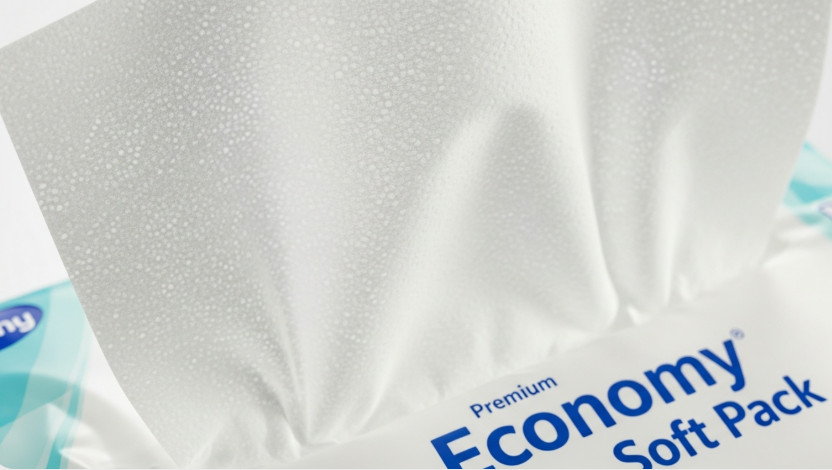
The Economy Soft Pack Strategy: High-Turnover 2-Ply Tissues for African Retail
The South African tissue market is shifting toward 2-ply soft packs to maximize retail turnover and affordability, with the total sector value projected to reach USD 631.5 million by 2032. By sourcing directly from high-capacity OEM facilities and utilizing optimized port infrastructure in Durban, importers can maintain competitive price points while meeting the specific softness and hygiene requirements of regional consumers.
Scaling Volume with 2-Ply Soft Pack Configurations
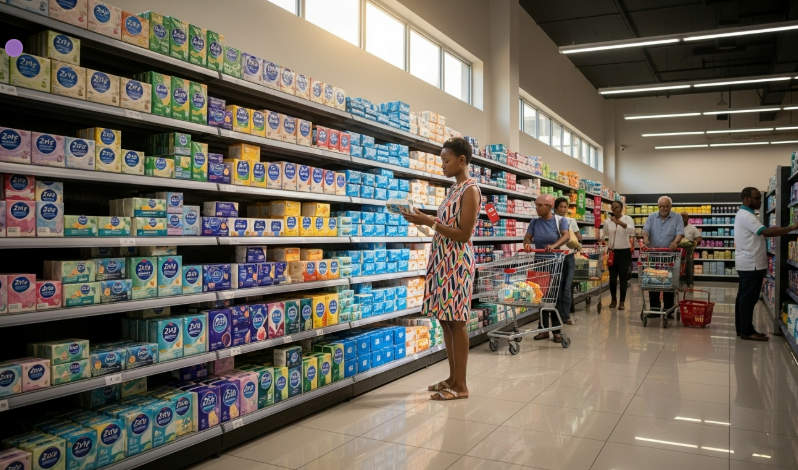
The South African tissue products market enters a high-growth phase in 2026, with long-term projections reaching USD 631.5 million by 2032. Soft pack facial tissues currently dominate high-turnover retail channels because they offer a significantly lower price point and reduced shelf footprint compared to traditional boxed alternatives. FMCG importers utilize 2-ply configurations to balance manufacturing cost-efficiency with the specific softness required for consumer satisfaction in discount retail sectors. This strategy allows retailers to move higher volumes of inventory while catering to price-sensitive household budgets.
Custom Manufacturing Specs for Regional Price Sensitivity
Manufacturers adjust GSM and sheet counts to meet specific price ceilings for wholesalers servicing schools, transportation stations, and public facilities. Dedicated production facilities provide substantial scaling capacity, such as those in Mancheng which offer a 2,860-ton monthly output to ensure a steady supply for large-scale African contracts. Direct OEM options allow for 100% virgin wood pulp selection, which maintains high hygiene standards while removing the premium pricing usually associated with international brands. This customization ensures that products remain affordable for institutional buyers without sacrificing basic quality benchmarks.
Supply Chain Efficiency for High-Turnover Inventory
Direct factory sourcing shortens the production cycle to between 15 and 25 days, allowing distributors to maintain lean inventory levels and improve cash flow. Flexible MOQ policies for African markets facilitate container consolidation, which reduces the capital required for initial market entry. Custom-branded packaging options integrate brand identity directly at the source, speeding up the transition from arrival at Durban or Cape Town ports to the retail shelves. Recent infrastructure upgrades at these ports, including increased crane productivity and optimized demurrage rates, further support the rapid movement of high-turnover FMCG goods into the domestic supply chain.
Optimizing Ocean Freight and Container Consolidation to Durban and Cape Town
South African port operations are undergoing a major transition with R15 billion in infrastructure investments at Durban and Cape Town to expand TEU capacity and improve crane productivity. Importers must adapt to revised 2026 demurrage and detention rates that require tighter container consolidation and faster port clearance to maintain profit margins.
Durban Pier 2 Capacity Expansion and Crane Productivity
ICTSI took over management of Pier 2 under a 25-year concession at the start of 2026, initiating an R11 billion investment program. This capital injection aims to grow container capacity from 2 million to 2.8 million TEUs to meet rising demand for FMCG and industrial imports. Operational shifts under the new management increased crane performance from 18 to 28 moves per hour, which directly reduces vessel turnaround times. Since Pier 2 handles 75% of Durban’s total volume, these efficiency gains help stabilize national supply chains. Port throughput data showed the facility processed 305,775 TEUs during January 2026, marking its first full month of upgraded operations.
Cape Town Infrastructure for Wind Resilience and Reefer Management
An R4 billion infrastructure project recently deployed 28 new rubber-tyred gantry cranes to the Cape Town terminal to mitigate weather-related disruptions. These cranes use anti-sway technology to maintain operations during high-wind events that previously caused significant berthing delays. To support the cold chain for tissue products and perishables, the port expanded its reefer plug points and installed backup generator systems. These upgrades are vital during the peak season from November to March when wind and high volumes collide. The Port Service Partnership strategy enabled the terminal to exceed its throughput targets by 62% by early 2026.
Strategic Management of Import Demurrage and Detention Costs
Revised import demurrage and detention (D&D) rates became effective on 15 April 2026, forcing wholesalers to speed up their consolidation schedules. In Durban, 20-foot dry containers incur penalties of ZAR 4,391 per day starting on the fifth day after freetime expires. Cape Town offers a slightly more flexible seven-day freetime window, but subsequent daily charges for 20-foot dry units are set at ZAR 272. Importers need to coordinate closely with freight forwarders to ensure cargo clears the terminal before these daily penalties accumulate. Effective container management now serves as a primary lever for protecting margins in the South African market.

Frequently Asked Questions
Who are the leading facial tissue manufacturers and suppliers in South Africa?
The South African market includes global entities like Kimberly-Clark and Procter & Gamble alongside prominent local manufacturers such as Twinsaver Group and Universal Paper & Plastics. These companies support a diverse distribution network where private label products represent a substantial share of retail value.
What steps are necessary to import bulk tissue products into South Africa?
Importers must register with the South African Revenue Service (SARS) to obtain a formal importer’s code. Shipments entering through ports like Durban or Cape Town require a Bill of Lading, Commercial Invoice, and detailed Packing List. Accurate tariff classification is mandatory to navigate the local customs process effectively and determine applicable duties.
Where can distributors find high-volume, cost-effective facial tissue supplies?
MedqSupplies provides 25 kg bulk options for industrial use, while Red Star Wholesale and Snow Soft SA focus on high-turnover 2-ply packs for the retail sector. Local converters like Nova Paper and Mthembu Tissue Converting also supply significant monthly volumes to the regional SADC market, offering competitive pricing for bulk buyers.
Are custom branding and sustainable materials available for tissue products in the region?
Yes, companies like Tish&Shoo offer custom-printed options using recycled, FSC-certified paper. Additionally, manufacturers such as Top Source Hygiene provide OEM and ODM services, allowing South African distributors to create private-label products with specific ply, GSM, and customized packaging configurations tailored to local consumer preferences.
Final Thoughts
The South African tissue sector’s shift toward direct factory sourcing marks a change in how local wholesalers compete. Moving away from local intermediaries and working directly with high-capacity manufacturers helps businesses lock in the 15-30% margins previously lost to middleman fees. This approach allows distributors to scale their private-label offerings, specifically in the high-demand 2-ply soft pack segment. As the market nears its USD 631.5 million valuation by 2032, companies controlling their supply chain from the source gain a price advantage that traditional importers struggle to match.
Success in this market depends as much on port logistics as it does on product quality. Multi-billion rand investments in Durban and Cape Town terminals create a window for companies to move higher volumes with fewer delays. Importers who align their production cycles with these efficiency gains and manage their container schedules effectively will lead the discount retail space. Maintaining a consistent supply of hygiene products like facial tissues ensures long-term shelf presence as South Africa’s urban population continues to expand.