

French retail and pharmacy buyers face the complex task of sourcing luxury-grade facial tissues while navigating the strict mandates of the AGEC law. Successfully entering this USD 11.77 billion market requires a supply chain that blends sensory branding—such as botanical scents and premium softness—with the total elimination of plastic opening films to meet upcoming environmental deadlines.
This guide highlights the leading manufacturers providing private label solutions that align with France’s circular economy goals. We outline the technical requirements for 2026, including mandatory Triman logo placement and the transition to paper-based overwraps, while identifying suppliers capable of high-volume logistics and monthly production capacities exceeding 2,800 tons.
Top 10 Facial Tissue Suppliers & Manufacturers Serving the French Market (2026 Guide)
Quick Comparison: Top Picks
| Manufacturer | Location | Core Strength | Verdict |
|---|---|---|---|
| Top Source Hygiene | Mancheng, Baoding, China (Global Shipping) | Facial Tissues, Toilet Paper, Jumbo Rolls, Kitchen Towels | Premier factory-direct partner for high-capacity, FSC-certified OEM/ODM facial tissues. |
| Essity AB (Lotus Brand) | France / Europe | Premium Facial Tissues, Hygiene Paper | Dominant French market leader known for high-end innovation and iconic brand recognition. |
| Sofidel S.p.A. (Softis, Regina Brands) | Italy / France Operations | Softis Facial Tissues, Regina Toilet Paper | European leader in sustainable manufacturing with a massive regional distribution network. |
| Kimberly-Clark Corporation (Kleenex) | Global (Europe Operations) | Kleenex Facial Tissues | The global pioneer for reliability, offering specialized lotion-infused and anti-viral varieties. |
| WEPA Group | Germany / Europe | Sustainable Facial Tissues, Hygiene Paper | Family-owned specialist leading in circular economy principles and recycled paper innovation. |
| Metsä Tissue Corporation | Finland / Europe | Facial Tissues, Professional Hygiene Products | Premium manufacturer utilizing high-quality Nordic wood pulp with an exceptional eco-track record. |
| Georgia-Pacific LLC | USA / Europe Operations | Facial Tissues, Industrial Paper Products | Global industrial leader providing durable, high-capacity solutions for commercial sectors. |
| Procter & Gamble (Puffs) | Global (Europe Operations) | Puffs Facial Tissues | R&D-focused premium brand offering superior comfort and advanced skin-soothing technology. |
| CMPC Tissue S.A. | Chile / Europe Operations | Facial Tissues, Hygiene Paper | Cost-competitive through vertical integration and direct control of global pulp sourcing. |
| KP Tissue Inc. (Kruger Products) | Canada / Europe Operations | Facial Tissues, Multi-ply Hygiene Paper | Robust manufacturing partner adhering to strict global hygiene and sustainability standards. |
Top Source Hygiene
Top Source Hygiene operates as a direct manufacturer situated in the heart of China’s paper production hub, offering clients a straight line to the source without intermediary markups. With three decades of experience in the industry, the company manages every stage of production from raw material sourcing to final packaging. This factory-direct model allows for precise control over manufacturing schedules and quality standards, ensuring that every batch of facial tissue or toilet paper meets the specific density and softness requirements of the buyer.
The facility specializes in high-capacity OEM and ODM orders, providing the flexibility needed for international brands to scale their operations. They maintain rigorous certifications, including FSC and ISO 9001, to satisfy strict environmental and safety regulations across Europe and North America. By focusing on AGEC law compliance and FDA standards, the team reduces the risks associated with importing paper products into highly regulated markets. Businesses can customize variables such as GSM, ply count, and eco-friendly packaging to align with their specific market positioning.
At a Glance:
- 📍 Location: Mancheng, Baoding, China (Global Shipping)
- 🏭 Core Strength: Facial Tissues, Toilet Paper, Jumbo Rolls, Kitchen Towels
- 🌍 Key Markets: France, Europe, North America, Oceania
Why We Picked Them:
| ✅ The Wins | ⚠️ Trade-offs |
|---|---|
|
|
Essity AB (Lotus Brand)
Essity operates as a powerhouse within the European hygiene sector, leveraging the Lotus brand to maintain a significant presence in France and neighboring markets. By maintaining direct oversight of production facilities, the company ensures high levels of factory control that translate into consistent product quality across their facial tissue and hygiene paper lines. This hands-on approach to local execution allows the brand to respond swiftly to regional consumer demands while upholding the rigorous performance standards expected by premium retail partners.
The focus on innovation extends beyond simple product softness into advanced manufacturing techniques that reduce environmental risks and align with strict European directives. By implementing sustainable packaging solutions and ultra-absorbent technology, Essity manages supply chain vulnerabilities through localized sourcing and robust operational frameworks. This strategy positions them as a leader in premium tissue categories and provides a reliable framework for risk reduction within the fast-moving consumer goods sector.
At a Glance:
- 📍 Location: France / Europe
- 🏭 Core Strength: Premium Facial Tissues, Hygiene Paper
- 🌍 Key Markets: France, United Kingdom, Germany
Why We Picked Them:
| ✅ The Wins | ⚠️ Trade-offs |
|---|---|
|
|
Sofidel S.p.A. (Softis, Regina Brands)
Sofidel S.p.A. stands as a dominant force in the European hygienic paper industry, managing high-profile brands like Softis and Regina. The company operates extensively across Italy and France, leveraging an annual sales volume exceeding €2.7 billion to maintain its market-leading position. By controlling the entire production process through modern facilities, they ensure every facial tissue and toilet paper roll meets the rigorous quality standards demanded by large-scale retail distribution.
The group prioritizes environmental responsibility by integrating certified sustainable raw materials into their manufacturing lines. Their operational strategy focuses on reducing carbon footprints while maintaining a massive supply chain that serves Germany, France, and Italy. Organizations partnering with Sofidel benefit from direct factory control, which minimizes risks related to material sourcing and ensures consistent product availability across the continent.
At a Glance:
- 📍 Location: Italy / France Operations
- 🏭 Core Strength: Softis Facial Tissues, Regina Toilet Paper
- 🌍 Key Markets: France, Italy, Germany
Why We Picked Them:
| ✅ The Wins | ⚠️ Trade-offs |
|---|---|
|
|
Kimberly-Clark Corporation (Kleenex)
Kimberly-Clark operates as a dominant force in the global personal care market, specifically through its Kleenex brand which defined the facial tissue category. In the French market, the company leverages its long-standing reputation for reliability to serve a broad demographic of retail and commercial consumers. Their operations across Europe ensure that high-volume demand meets consistent quality standards, making them a primary choice for businesses and households seeking dependable hygiene solutions.
The brand distinguishes itself by controlling the manufacturing process from raw material selection to the final product, which allows for specialized innovations like anti-viral and lotion-infused tissues. This level of factory control reduces the risk of supply chain inconsistencies often found with smaller manufacturers. While they focus on premium segments, their extensive distribution network across the USA, Asia, and France ensures that localized logistics remain efficient and responsive to market shifts.
At a Glance:
- 📍 Location: Global (Europe Operations)
- 🏭 Core Strength: Kleenex Facial Tissues
- 🌍 Key Markets: France, USA, Asia
Why We Picked Them:
| ✅ The Wins | ⚠️ Trade-offs |
|---|---|
|
|
WEPA Group
WEPA Group operates as a major force in the European hygiene market, centering its operations on sustainable manufacturing and circular economy principles. As a family-owned specialist, the company maintains direct factory control over the production of facial tissues and other hygiene paper products. This hands-on management allows them to serve major retailers across France, Germany, and the Benelux region with consistent quality. By focusing on local execution within Europe, they reduce supply chain risks and ensure that their production processes align with strict environmental standards.
The company balances its output between its own brands and private-label manufacturing, providing flexibility for retail partners looking for high-volume supply. WEPA invests heavily in recycled paper innovation to minimize its ecological footprint while maintaining product performance. Their logistical network across Europe enables efficient distribution, helping retailers manage inventory without the complications often found in long-distance sourcing. This combination of sustainable practices and robust regional logistics makes them a reliable partner for businesses prioritizing environmental responsibility and local supply chain stability.
At a Glance:
- 📍 Location: Germany / Europe
- 🏭 Core Strength: Sustainable Facial Tissues, Hygiene Paper
- 🌍 Key Markets: France, Germany, Benelux
Why We Picked Them:
| ✅ The Wins | ⚠️ Trade-offs |
|---|---|
|
|
Metsä Tissue Corporation
Metsä Tissue Corporation operates as a core division of the Metsä Group, maintaining direct control over its production cycle by utilizing wood pulp from sustainably managed Nordic forests. This proximity to raw materials allows for consistent quality across their facial tissue lines, ensuring every product meets high cleanliness and hygiene standards. By managing the manufacturing process within Finland and across Europe, the company maintains factory control that minimizes supply chain disruptions and guarantees functionality for both professional and consumer markets.
The company focuses on reducing operational risks by adhering to rigorous European environmental regulations. Their commitment to sustainable wood pulp sources protects brand integrity while satisfying the growing demand for eco-conscious hygiene products. Because they execute production locally across Northern Europe and France, they provide a reliable sourcing option for businesses that require high-performance products without the logistical complexities often found in less transparent manufacturing regions.
At a Glance:
- 📍 Location: Finland / Europe
- 🏭 Core Strength: Facial Tissues, Professional Hygiene Products
- 🌍 Key Markets: Northern Europe, France
Why We Picked Them:
| ✅ The Wins | ⚠️ Trade-offs |
|---|---|
|
|
Georgia-Pacific LLC
Georgia-Pacific operates as a powerhouse in the industrial paper sector, specializing in high-capacity tissue solutions that cater to demanding commercial needs. The company serves the French market as a primary supplier, delivering facial tissues and paper products designed specifically for businesses and retail chains that require high-volume inventory. Their strategy centers on maintaining product performance and physical durability, making them a preferred choice for facilities with significant daily foot traffic.
The organization leverages a robust supply chain to ensure consistent delivery across North America and Europe. By maintaining tight control over manufacturing processes, they minimize the risks associated with stock shortages or quality fluctuations in large orders. This industrial-scale approach allows them to provide the stability needed for long-term procurement contracts, emphasizing functional reliability to meet the rigorous standards of both retail and professional sectors.
At a Glance:
- 📍 Location: USA / Europe Operations
- 🏭 Core Strength: Facial Tissues, Industrial Paper Products
- 🌍 Key Markets: France, North America
Why We Picked Them:
| ✅ The Wins | ⚠️ Trade-offs |
|---|---|
|
|
Procter & Gamble (Puffs)
P&G maintains rigorous control over its manufacturing facilities to ensure every box of Puffs meets global quality standards. By managing the supply chain directly, the brand minimizes risks associated with material inconsistency, ensuring that softness remains uniform across different production runs. This factory-level oversight allows for precise local execution, meeting the specific hygiene and comfort expectations of consumers in France, the USA, and Canada.
The engineering behind Puffs involves specialized air-fluffing processes that distinguish the product from standard competitors. This dedication to research results in a tissue that reduces skin irritation, a critical factor for users dealing with frequent nose-blowing. By prioritizing skin health through advanced fiber technology, the brand effectively reduces the risk of redness and discomfort, solidifying its position in the premium tier of the facial tissue market.
At a Glance:
- 📍 Location: Global (Europe Operations)
- 🏭 Core Strength: Puffs Facial Tissues
- 🌍 Key Markets: France, USA, Canada
Why We Picked Them:
| ✅ The Wins | ⚠️ Trade-offs |
|---|---|
|
|
CMPC Tissue S.A.
CMPC Tissue S.A. operates as a major force in the hygiene paper industry, leveraging a unique vertically integrated model to serve the European and South American markets. By managing the entire production cycle from pulp sourcing to final manufacturing, the company maintains strict factory control over quality and cost. This structure appeals to large-scale distributors and retailers looking for consistent supply chains and high-quality facial tissues without the price swings typical of third-party sourcing.
Their manufacturing efficiency stems from large-scale operations and a strategic presence in Europe, which helps reduce logistics-related risks for regional clients. The integration of raw material production minimizes the impact of global pulp supply shortages, ensuring local execution remains stable and predictable. As they expand their footprint, their focus on streamlining the manufacturing process continues to gain recognition in market analyses, positioning them as a reliable partner for high-volume paper product procurement.
At a Glance:
- 📍 Location: Chile / Europe Operations
- 🏭 Core Strength: Facial Tissues, Hygiene Paper
- 🌍 Key Markets: Europe, South America
Why We Picked Them:
| ✅ The Wins | ⚠️ Trade-offs |
|---|---|
|
|
KP Tissue Inc. (Kruger Products)
KP Tissue operates as a primary manufacturer within the Kruger family, maintaining a strong foothold in both Canadian and European markets. The company manages direct factory control over the production of facial tissues and multi-ply hygiene paper, ensuring every batch meets rigorous quality requirements. By overseeing distribution across France and North America, they provide a reliable supply chain that minimizes common procurement risks associated with outsourced production.
This manufacturer integrates global sustainability certifications into its core processes, which helps partners meet environmental compliance goals. Adhering to these international standards reduces the risk of regulatory hurdles in markets like the USA. Their focus on high-level hygiene and robust manufacturing capabilities ensures businesses receive consistent paper products without the variability found in smaller operations.
At a Glance:
- 📍 Location: Canada / Europe Operations
- 🏭 Core Strength: Facial Tissues, Multi-ply Hygiene Paper
- 🌍 Key Markets: France, Canada, USA
Why We Picked Them:
| ✅ The Wins | ⚠️ Trade-offs |
|---|---|
|
|
The French ‘Mouchoir’ Market: Aesthetic Appeal vs. Environmental Regulation
The French tissue market requires a dual strategy of aesthetic refinement and environmental compliance. While high-end buyers demand botanical-scented, cosmetically-styled tissues, the AGEC law mandates a shift to plastic-free, mono-material packaging and clear recycling labels by 2026.
Design Sophistication and Sensory Branding for the 2026 Market
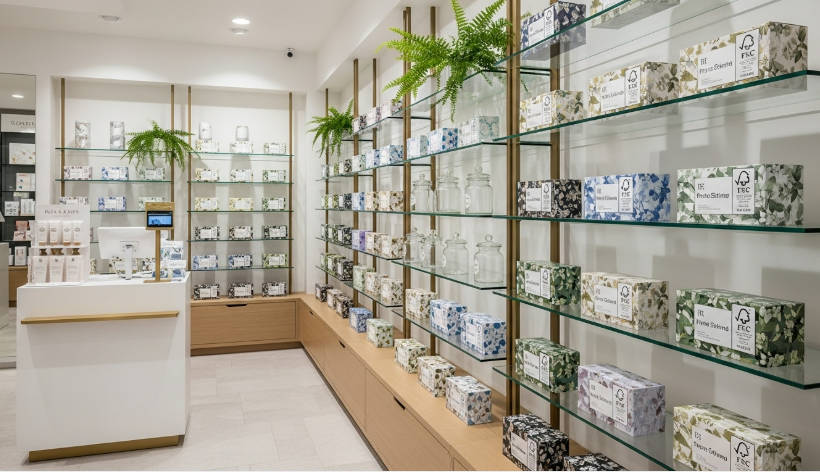
French retail buyers select facial tissues based on their potential to serve as luxury home accessories. This trend forces manufacturers to move beyond functional utility, focusing instead on elegant dispensers and packaging that mirrors high-end cosmetic standards. By incorporating Provence botanicals and spa-grade formulations, brands successfully penetrate high-end pharmacy networks and specialized boutiques. Visual refinement and tactile softness serve as essential markers of quality in a market driven by sensory branding.
Sensory experience remains a primary driver for consumer selection in this region. Refined visual branding combined with superior softness allows brands to differentiate themselves in a competitive landscape. By positioning tissues as upscale hygiene products, companies secure placement in specialized distribution channels where sensory luxury is a prerequisite for entry.
The Impact of AGEC Law on Sustainable Packaging Standards
The Anti-Waste Law for Circular Economy (AGEC) imposes rigorous standards on packaging materials, pushing the industry toward a plastic-free future. Production facilities are currently adapting to incorporate post-consumer recycled (PCR) components and biodegradable films to meet 2026 deadlines. Transitioning to mono-material packaging ensures that tissue wrappers comply with the recyclability thresholds necessary for distribution within the European Union.
Manufacturers must reconcile the demand for luxury presentation with national waste reduction targets, including mandatory sorting instructions and the removal of disruptive mineral oil inks. Sustainable production strategies now focus on balancing these luxury aesthetics with circular economy goals. This approach ensures that products meet strict national waste reduction targets while maintaining the high visual standards expected by the French pharmacy and retail sectors.
The AGEC Law Effect: Transitioning to Plastic-Free and Sustainable Packaging
The Anti-Gaspillage pour une Économie Circulaire (AGEC) law requires a 20% reduction in single-use plastic packaging across France by 2026. This regulation forces facial tissue manufacturers to eliminate plastic opening films and transition to paper-based overwraps while implementing mandatory Triman logo labeling and sorting instructions.
Regulatory Standards for Plastic Reduction by 2026
The AGEC law mandates a 20% reduction in single-use plastic packaging across the French market by 2026. This target directly impacts the design of facial tissue boxes, as manufacturers must eliminate plastic opening films to comply with new waste reduction goals. Beyond material changes, mandatory environmental labeling is now required for all household paper products. Every pack must feature the Triman logo alongside specific sorting instructions to guide consumers on proper disposal and recycling protocols.
Material Innovation in Eco-Friendly Tissue Packaging
Retail chains and pharmacies prioritize FSC-certified and recycled paper packaging as they move away from polyethylene films. Major manufacturers like Sofidel and Top Source Hygiene are actively developing paper-based overwraps for bulk facial tissue packs to provide a cohesive plastic-free solution. Innovation also extends to the chemical components of the packaging. Biodegradable inks and solvent-free adhesives are becoming the industry standard for branded boxes, ensuring that the entire unit remains fully recyclable within the French circular economy without introducing contaminants like mineral oils.
Manufacturer Compliance and Supply Chain Adaptation
OEM and ODM suppliers are integrating 100% virgin wood pulp and certified eco-friendly materials to meet both EU safety standards and French environmental laws. French retailers now conduct regular supply chain audits to ensure that facial tissue products align with the 2026 goal of utilizing 100% recycled plastic in instances where plastic components must temporarily remain. Brands are using these sustainable certifications to secure their position in a market valued at over USD 11.77 billion, focusing on high-level hygiene benchmarks to appeal to pharmacy buyers and eco-conscious consumers.
Scale Your Business with Expert OEM Toilet Paper Manufacturing

B2B Opportunities: Supplying France’s Massive Pharmacy and Retail Chains
Supplying the French facial tissue market involves meeting the high demand for private label alternatives within pharmacy networks and retail chains. Success in this sector requires strict compliance with the AGEC Law for sustainable packaging, high-volume production capabilities, and factory-direct logistics that bypass intermediaries to preserve profit margins for wholesalers.
Entry Strategies for French Retail and Pharmacy Networks
Multinational corporations such as Essity, Kimberly-Clark, and the Sofidel Group dominate the current French market, which creates a significant opening for competitive private label alternatives. French retail groups actively seek Original Equipment Manufacturer (OEM) partnerships to develop store-branded facial tissues that match the quality and softness of premium brands like Lotus. These retailers focus on high-tier 3-ply and 4-ply products to satisfy a consumer base that values sensory luxury and refinement.
Pharmacies and healthcare clinics represent a specialized B2B segment that prioritizes professional identity and hygiene standards. These buyers often require custom-branded boxes to enhance their clinical environment, favoring tissues provided in sleek, pharmacy-exclusive packaging. Offering soft, hypoallergenic options in these custom formats allows suppliers to establish long-term contracts with large-scale healthcare networks across the country.
Sustainability Standards and AGEC Law Compliance for 2026
The French AGEC Law (Anti-Waste Law for a Circular Economy) mandates a rigorous transition toward plastic-free packaging, requiring all tissue suppliers to provide recyclable paper-based alternatives. This regulation necessitates the use of the Triman logo and specific sorting instructions (Info-Tri) on every pack sold in France. Suppliers must also eliminate mineral oils and derived inks from their packaging to comply with waste reduction targets and avoid significant fines.
Retailers increasingly demand FSC-certified or PEFC-certified products to meet local environmental regulations and satisfy the growing consumer preference for eco-friendly goods. Using virgin wood pulp that remains free from fluorescent whiteners ensures compliance with both French safety standards and broader European hygiene requirements. Meeting these sustainability benchmarks is no longer optional but a prerequisite for entering the distribution networks of major French supermarkets and luxury pharmacies.
Logistics and Scalability for High-Volume B2B Distribution
Efficient distribution to the French market relies on established shipping routes capable of delivering 40-foot high-cube containers within a 7-14 day window. High-volume B2B buyers in the pharmacy and retail sectors require consistent inventory replenishment to maintain stock levels. A factory-direct sales model provides a distinct advantage by eliminating intermediaries, which allows French wholesalers to maintain higher profit margins on bulk orders while receiving goods directly from the production source.
Production facilities must demonstrate significant scalability to support nationwide pharmacy chains and massive supermarket inventories. Facilities with a monthly capacity exceeding 2,800 tons can adequately handle the volume required for large-scale French contracts. This industrial scale, combined with strict adherence to European General Product Safety Directives, ensures that suppliers can meet the rigorous logistical and quality demands of the French B2B hygiene sector.
Logistics & Compliance: Navigating EU Safety Standards for the French Market
Success in the French facial tissue market depends on strict adherence to REACH chemical restrictions and the unique AGEC waste reduction laws. Importers must synchronize production lead times with maritime schedules while ensuring all packaging meets specific French-language labeling and environmental sorting requirements.
Chemical Safety and General Product Directives
The REACH Regulation (EC 1907/2006) serves as the primary chemical safety framework for paper hygiene products sold in France. This regulation restricts the use of specific substances like formaldehyde and optical brighteners to ensure that any chemical migration from the tissue to the skin remains within safe thresholds. Manufacturers must monitor their supply chains to guarantee that raw pulp and additives do not exceed these established limits.
Safety for daily consumer use is further governed by the General Product Safety Directive (2001/95/EC). This directive requires manufacturers to conduct rigorous testing for allergens and harmful dyes. For tissues designed for dual-use—such as those sold within pharmacy networks—Food Contact Materials (FCM) regulations apply, setting a strict migration limit of 10 mg/dm² to prevent chemical transfer during contact with sensitive areas or food surfaces.
AGEC Law and Circular Economy Packaging Standards
The French Anti-Waste for a Circular Economy (AGEC) Law introduces specific obligations for packaging that go beyond standard EU requirements. By 2026, all facial tissue packaging must prominently display the “Triez vos déchets” logo alongside clear sorting instructions. These visual cues are mandatory to assist French consumers in waste management and are a core part of the nation’s circular economy goals.
Sustainability benchmarks often center on the EU Ecolabel, which requires tissue products to contain at least 70% FSC or PEFC certified recycled fibers. Production processes must also limit AOX emissions to 1 kg per tonne of paper produced. The DGCCRF (General Directorate for Competition Policy, Consumer Affairs and Fraud Control) monitors compliance closely, ensuring all labeling is in French. Non-compliant products face immediate withdrawal and fines for the manufacturer of up to €15,000.
Logistics Timelines and Distribution Requirements
Coordinating the supply chain requires careful management of production and transit schedules. Production lead times for bulk facial tissue orders typically range from 20 to 25 days. Once dispatched, shipping routes to major French ports generally take between 7 and 14 days. Maintaining this rhythm is vital for retailers who operate on lean inventory models and require consistent replenishment of hygiene stock.
Retailers and pharmacy distribution hubs require a full suite of technical documentation before authorizing the entry of goods into their networks. Suppliers must provide safety data sheets (SDS) and thorough risk assessments that detail the mechanical and chemical properties of the paper. For high-volume distribution, logistics protocols favor the use of 40-foot high-cube containers to maximize pallet density and maintain cost efficiency throughout the import process.
Frequently Asked Questions
Which facial tissue brands are most prominent in the French market?
Lotus, Cushelle, and Kleenex are the primary brands recognized by French consumers. Lotus, owned by Essity, holds a long-standing dominant position in France, while Kleenex is widely available in pharmacies and retail chains. Cushelle is also a major player, focusing on high softness and sustainability.
How does the French Anti-Waste (AGEC) law impact tissue packaging?
The AGEC law requires all tissue packaging to display the Triman logo and sorting instructions. Manufacturers must disclose environmental data, such as recycled content and recyclability. The law also restricts the use of mineral oils in inks and sets a timeline to eliminate single-use plastic packaging by 2040.
Are bamboo or eco-friendly tissues allowed in French pharmacies?
Yes, bamboo and eco-friendly tissues are permitted as long as they meet PFAS safety standards. New regulations effective in 2026 limit PFAS concentrations to 25 ppb. Pharmacies often stock these alternatives to meet the growing demand for sustainable hygiene products.
What quality standards must tissues meet for entry into France?
Tissues must comply with the General Product Safety Directive, focusing on microbiological quality and heavy metal limits for lead and mercury. If tissues contain lotions or scents, they are regulated as cosmetics, requiring specific toxicological profiles and skin safety tests to ensure consumer protection.
How can businesses find B2B facial tissue distributors in France?
Major producers like Essity and Sofidel Group serve as the main B2B supply sources for retail and pharmacy chains. Buyers also use trade platforms such as Europages and attend industry events like Paris Packaging Week to establish direct contact with wholesale distributors.
Final Thoughts
Manufacturers entering the French hygiene sector must align their production with a culture that values both sensory luxury and environmental responsibility. Meeting the AGEC law requirements for plastic-free packaging and Triman labeling is no longer a niche strategy but a baseline for market entry. Brands that successfully merge FSC-certified materials with premium 3-ply and 4-ply textures will find the most receptive audience in pharmacy networks and large-scale retail chains.
The shift toward a circular economy is reshaping the supply chain, making factory-direct models and sustainable material innovation essential. Wholesale buyers and distributors prioritize partners who can prove compliance with REACH safety standards and provide scalable logistics for high-volume orders. As France moves closer to its 2026 environmental deadlines, the ability to deliver high-quality, legally compliant paper products will define which manufacturers lead the market.