

Optimizing Hydrogen Bonding & Strength is the primary defense against the structural failure and stiffness issues that plague low-tier tissue imports. Improperly managed fiber connections lead to excessive linting and poor wet-strength, forcing wholesalers to absorb the costs of returned stock and lost procurement contracts.
Top Source Hygiene benchmarks production using 100% Virgin Wood Pulp and a strict 13–22 GSM ply density to stabilize these molecular networks. By analyzing high-performance models like the TSH-4010 and TSH-2559, we help you secure 40HQ shipments that balance premium softness with the tensile integrity required for global retail distribution.
What Is the Vital Role of Hydrogen Bonding in Modern Tissue Chemistry?
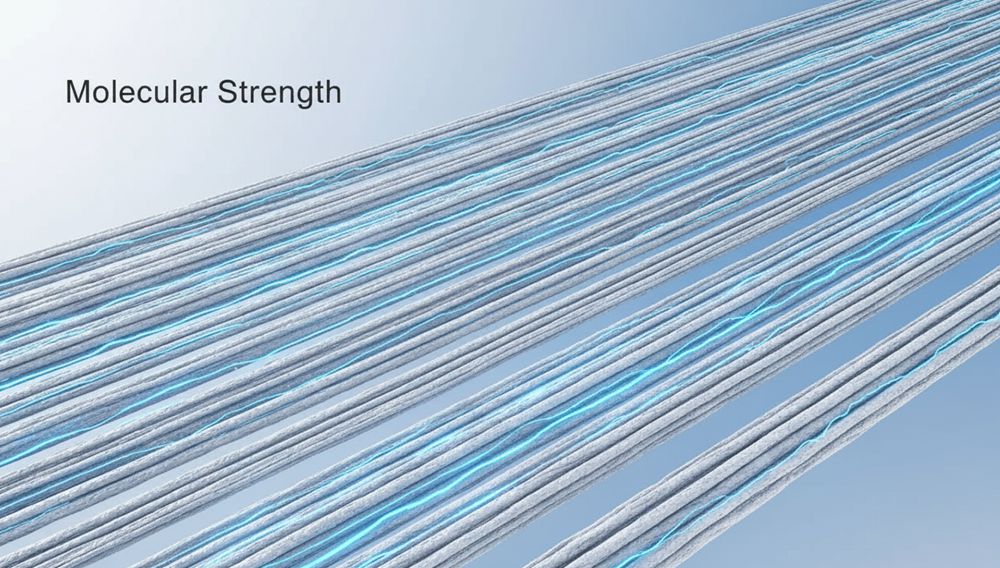
Hydrogen bonding acts as the primary molecular adhesive in tissue chemistry, providing the structural stability for fiber networks and protein folding while balancing soft textures with industrial-grade durability.
The Structural Scaffolding of Protein Folding and Fiber Integrity
Hydrogen bonds form the foundation of tissue architecture. In proteins, these bonds develop between amide donors and carbonyl acceptors along the peptide backbone. This interaction is the specific driver behind the formation of α helices and β pleated sheets, which maximize the stability of the molecular scaffolding within the tissue environment.
These interactions operate within an intermediate strength range of 1 to 40 kcal/mol. This specific energy level allows tissues to maintain their shape under normal stress while remaining dynamic enough to respond to mechanical signals. By stabilizing multi-subunit protein complexes, hydrogen bonding ensures that quaternary structures remain intact during processing and end-use.
The hydration layer surrounding these fibers also relies on these bonds. Within aqueous tissue environments, hydrogen bonding maintains a protective shell that preserves protein function. The collective effect of these repetitive, cooperative bonds creates a robust molecular network that withstands physiological pressure without requiring heavy chemical cross-linking.
Maximizing Tensile Strength Through 100% Virgin Wood Pulp Fibers
At Top Source Hygiene, we leverage long-fiber virgin wood pulp to maximize the number of available hydrogen bonding sites. Longer fibers provide more surface area for these molecular connections to occur, which directly increases the dry tensile strength of the paper without adding stiffness.
- GSM Control: We maintain a strict density of 13–22g/m² per ply to optimize the bond density, ensuring a cloud-like texture.
- Ply-Bonding Technology: Our machines use high-pressure lamination to secure multi-ply sheets, using mechanical force to reinforce the hydrogen bond network between layers.
- Model Specifics: Premium models like TSH-4010 and TSH-2269 utilize this high-wet-strength engineering for lint-free performance in luxury hospitality settings.
- Septic Safety: We engineer these molecular bonds to break down rapidly upon saturation, ensuring the paper disintegrates safely in septic systems.
By focusing on the purity of the virgin pulp, we avoid the interference often found in recycled materials. This ensures the hydrogen bonding remains consistent across every batch, providing wholesalers with a product that balances high-tier strength with the rapid solubility required for modern plumbing standards.
How Do We Balance Dry (DSA) and Wet (WSA) Strength Agents Effectively?
Balancing DSA and WSA involves optimizing hydrogen bonds for dry strength and minimal crosslinking for wet durability, ensuring products remain septic-safe while maintaining structural integrity during use.
| Optimization Factor | DSA Priority (Dry Strength) | WSA Priority (Wet Strength) | The Balanced Approach |
|---|---|---|---|
| Cost Efficiency | High (Lower material costs) | Lower (Synthetic resins) | Minimum effective WSA dosage |
| Environmental Impact | Biodegradable H-bonds | Potential AOX concerns | OBA-Free & Septic Safe |
| Plumbing Safety | Rapid disintegration | Resists water breakdown | Controlled wet-tensile decay |
| Fiber Interaction | Increases contact area | Forms covalent networks | Synergistic chemical layering |
The Functional Distinction Between Temporary and Permanent Fiber Bonds
Dry strength agents (DSA) function by enhancing the natural hydrogen bonding between cellulose fibers. This process increases the internal bond strength and stiffness of the paper sheet without creating permanent chemical barriers against water. In premium tissue production, maximizing these bonds allows us to achieve high initial tensile strength and burst resistance while ensuring the product remains soft to the touch.
Wet strength agents (WSA) operate through a different mechanism by forming covalent bonds and crosslinked networks. These networks act like a chemical “glue” that resists water penetration, allowing the paper to retain 10% to 50% of its original strength when fully saturated. However, over-reliance on synthetic agents like polyamidoamine epichlorohydrin (PAE) can lead to unintended consequences.
- Mechanical Trade-offs: Excessive WSA reduces paper flexibility and increases production costs per ton.
- pH Control: Alkaline conditions (pH 7-10) improve fiber swelling and bond efficiency compared to acidic environments.
- Curing Dynamics: Thermal conditions in the drying section determine how effectively the crosslinked network sets.
Optimizing 13–22 GSM Ply Density for Strength and Disintegration
At Top Source Hygiene, we prioritize long-fiber 100% Virgin Wood Pulp to maximize natural inter-fiber bonding. By using high-quality raw materials, we reduce the need for heavy chemical dry strength additives that can make the tissue feel scratchy or stiff. This material choice is the foundation for our 2-ply to 5-ply ultra-soft rolls.
Our engineers maintain a strict ply density range of 13–22g/m² to balance commercial durability with rapid disintegration. This specific GSM range ensures the tissue holds up during use but dissolves quickly once flushed, meeting the plumbing standards required in North American and European markets.
- Fiber Choice: 100% Virgin Wood Pulp (TSH-4010 and TSH-2559 models).
- Bonding Method: High-pressure lamination secures layers without excessive chemical adhesives.
- Safety Standards: 100% OBA-Free and septic-safe certification.
- Performance: Point-to-point embossing increases absorbency by 30% while maintaining structural integrity.
We also leverage retention aids to manage fine fiber distribution. These aids prevent smaller fiber fragments from washing away during formation, which improves yield by 1-5% and ensures the final sheet has a uniform, lint-free surface.
Premium Custom Toilet Paper OEM Solutions
Can Chemical Debonders Disrupt Fiber Stiffness Without Sacrificing Integrity?
Chemical debonders break hydrogen bonds to increase softness but trade off tensile strength. We offset this by using long-fiber 100% Virgin Wood Pulp and mechanical embossing.
Mechanisms of Interfacial Bond Interruption
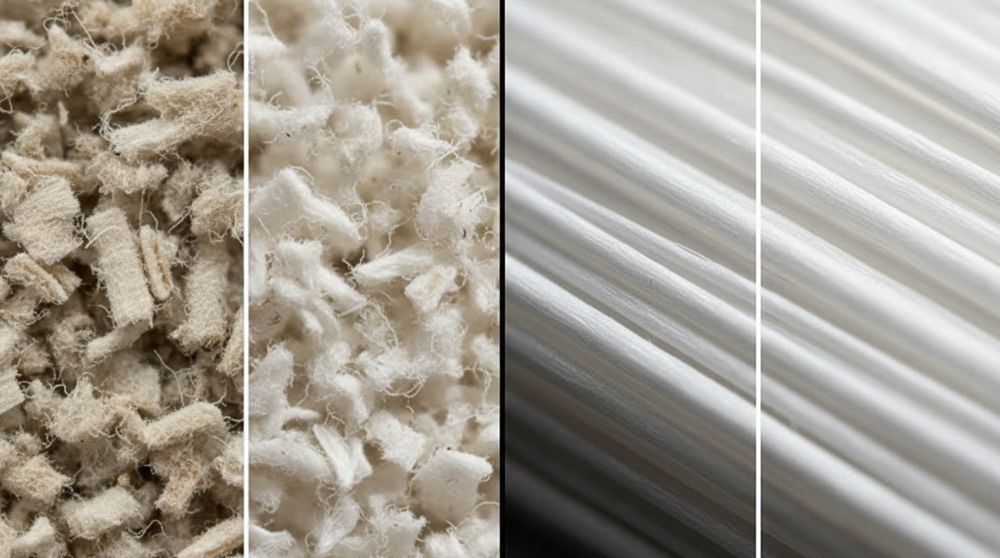
Chemical debonders act as surfactants. They coat wood fiber surfaces to prevent tight hydrogen bonds from forming during the drying process. This physical barrier increases the specific volume, or “fluffiness,” of the paper, which effectively lowers the elastic modulus and makes the tissue feel softer to the touch.
But excessive debonding creates a brittle sheet. If the bond interruption is too aggressive, the paper fails at the fiber-to-fiber interface rather than the fiber itself. Modern formulations now focus on selective debonding. This approach maintains a 2026 industry standard of high-wet-strength durability, ensuring the product does not disintegrate prematurely during use.
Maintaining Integrity Through 100% Virgin Wood Pulp and Embossing
Top Source Hygiene manages the strength-softness trade-off by combining high-grade raw materials with specific mechanical enhancements. We do not rely solely on chemicals to achieve a soft hand-feel.
- Material Selection: We utilize premium 100% Virgin Wood Pulp. The long fibers provide naturally high tensile strength that remains intact even after the debonding process.
- Mechanical Bulk: CNC-precision Point-to-Point Embossing adds mechanical volume. This increases absorbency by 30% without requiring additional softening agents.
- Ply-Bonding Technology: Our high-pressure lamination keeps multi-ply sheets together. This prevents the “shredded edge” effect common in over-debonded, low-tier products.
- GSM Calibration: We maintain a density between 13–22g/m² per ply. This balance ensures the paper is lint-free, septic-safe, and durable enough for global retail and hospitality markets.
By controlling the fiber geometry and using mechanical pressure for bonding, we deliver the cloud-like softness required by premium brands while meeting the rigorous tensile requirements of B2B distributors.
How Much Does Production PH Level Influence Molecular Bond Strength?
pH levels dictate the kinetic stability of fiber bonds. Shifting toward neutral levels accelerates bond exchange, balancing softness with the high tensile strength required for premium 100% virgin pulp tissues.
Molecular Dynamics and Hydrogen Bond Reorganization
pH acts as the master dial for bond kinetics during the papermaking process. Shifting the environment from an acidic pH 3 toward a neutral range triggers a massive change in how fibers interact at the molecular level. This shift directly impacts how rigid or flexible the final roll becomes.
- Reverse Rate Constants: These increase up to 176-fold as pH moves from 3 toward neutral levels, significantly accelerating bond exchange kinetics.
- Stress Relaxation: Half-life drops dramatically from 8,410 seconds at pH 3 to just 11.7 seconds at pH 7, making the fiber network far more dynamic.
- Ion Desorption: Higher pH causes hydronium ions to desorb, forcing carbonyl groups to reorganize their interactions across polymer chains.
These technical adjustments allow us to produce tissue that remains flexible without losing its structural foundation. By managing these rate constants, we ensure the fiber network in our high-density solid rolls provides a soft hand-feel while resisting mechanical failure under tension.
Ensuring OBA-Free Safety and Fiber Consistency
Precise pH management at our Hebei manufacturing hub eliminates the need for artificial additives. By controlling chemical equilibrium in the pulp slurry, we maintain high aesthetic standards while strictly adhering to safety protocols for sensitive skin.
- Natural Brightness: Achieves an 85-92% level through fiber selection and pH-stabilized batch consistency, not chemical bleaching.
- OBA-Free Guarantee: 100% free from Optical Brightening Agents, ensuring the product is safe for all skin types.
- Ply Density: Strictly maintained between 13–22g/m² to balance cushioned softness with durability.
- Septic Compatibility: Engineered bond strength ensures high wet-strength during use, followed by rapid disintegration to prevent plumbing clogs.
We utilize premium long-fiber wood pulp to ensure that even at lower gsm weights, the tissue maintains superior tensile strength. This focus on molecular balance allows Top Source Hygiene to deliver commercial and household solutions that meet North American and European hygiene standards without compromising on cost-efficiency for our B2B partners.
Why Are Retention Aids Crucial for Managing Fine Fiber Distribution?
Retention aids capture microscopic fibers missed by mechanical filters, boosting yield by 5% while ensuring the high-tensile, lint-free surface required for premium virgin wood pulp products.
Mechanical filtration alone cannot manage the complex slurry in modern tissue production. Fine fibers are fiber fragments that pass through standard mesh screens, yet they are essential for the final sheet’s bonding and texture. Without chemical intervention, these particles bypass the forming fabric, leading to massive material waste and inconsistent paper quality.
Overcoming the Surface Area Challenges of Fine Fibers
Fine fibers possess roughly 10 times the surface area of whole fibers. This massive surface area creates a high demand for chemical bonding sites. If left unmanaged, these fines cluster irregularly or wash away into the white water system, destabilizing the entire wet-end process.
- Molecular Bridging: High molecular weight polymers form bridging connections between fine fragments and larger fibers, reducing white water turbidity by 75%.
- Shear Resistance: Advanced microparticle systems create flocs that survive the high-speed turbulence of the headbox, ensuring fines remain distributed rather than clumping.
- Yield Improvement: Efficient retention programs increase total production yield by up to 5% by keeping valuable raw material inside the paper web.
Securing 100% Virgin Wood Pulp Material Integrity
For a manufacturer like Top Source Hygiene, maintaining the purity of 100% virgin wood pulp is a non-negotiable standard. Retention aids allow us to hit precise technical specifications for our global B2B clients, especially for premium 3-ply and 4-ply household rolls that demand a lint-free experience.
- Ply Density Control: We maintain a strict 13–22g/m² ply density by ensuring fines are evenly distributed, which balances cloud-like softness with wet-strength durability.
- Lint-Free Performance: By locking fine fibers into the structural matrix, we prevent the “dusting” or shedding common in low-tier products, meeting the standards of luxury hospitality and medical sectors.
- OBA-Free Brightness: Proper retention of high-purity natural fibers maintains an 85-92% brightness level, removing the need for chemical whiteners or optical brightening agents.
- Formation Uniformity: Even distribution eliminates localized thin spots in the tissue, which is vital for maintaining high-speed machine runnability and clean perforation.
Our Hebei-based production lines utilize these chemical strategies to ensure that every 40HQ container of TSH-2559 or TSH-4010 maintains batch-to-batch consistency. By managing the microscopic behavior of fibers, we protect the margins of our distributors and the skin health of the end-user.
Is the Future of Strength Found in Bio-based Chemical Additives?
Nanocellulose and natural tannins now boost compressive strength by 40% via molecular hydrogen bonding. These bio-based agents redefine sustainability without sacrificing the structural integrity of high-purity paper.
The Hydrogen Bonding Mechanism in Natural Polymers
Bio-based materials rely on a dense network of non-covalent interactions to stabilize paper structures. Unlike synthetic agents that often require complex curing, natural polymers like nanocellulose utilize a high surface area to maximize fiber-to-fiber contact. This creates a structural hierarchy where the additive acts as a molecular bridge, significantly increasing the energy required to rupture the fiber network.
- Nanocellulose Performance: Boosts compressive and flexural strength by 30-40% through extensive surface area interactions.
- Natural Tannins: Utilize hydroxyl groups to form bonds that match the performance of synthetic polyvinylamine (PVAm).
- Lignin-based Binders: Act as renewable co-products to replace petroleum-derived chemicals in complex formulations.
- Biomass Balance: Integrates renewable feedstocks into existing production lines without degrading mechanical performance.
Leveraging 100% Virgin Wood Pulp and FSC-Certified Materials
The efficiency of bio-based chemistry depends heavily on the quality of the substrate. At Top Source Hygiene, we prioritize 100% Virgin Wood Pulp because its long-fiber structure provides the necessary “anchors” for natural additives to bind effectively. This foundation ensures that strength enhancements translate into real-world durability for 3-ply and 5-ply formats, particularly in moisture-sensitive environments.
- Long-Fiber Foundation: 100% Virgin Wood Pulp provides the surface chemistry required for bio-additives to reach maximum tensile strength.
- Regulatory Compliance: FSC-certified materials align with 2026 environmental standards for North American and European markets.
- OBA-Free Safety: Manufacturing protocols ensure strength agents operate without interference from fluorescent whiteners or optical brightening agents.
- Ply-Bonding Technology: High-pressure lamination complements natural chemical binders to maintain layer integrity in high-density rolls like the TSH-3396.
Frequently Asked Questions
Chemical agents balance the trade-off between fiber strength and skin comfort. We use OBA-free bonding and CNC embossing to maintain structural integrity without sacrificing softness.
What are dry strength agents and how do they improve paper integrity?
Dry strength agents like cationic starch and polyacrylamide (PAM) strengthen the hydrogen bonding between cellulose fibers. These additives increase the friction strength and contact area within the fiber network, which directly improves burst resistance and stiffness. Top Source Hygiene uses these agents to ensure our 100% virgin wood pulp maintain high tensile strength even in thick 4-ply or 5-ply configurations.
How do chemical debonders make toilet paper feel softer?
Debonders use cationic quaternary ammonium compounds to interfere with hydrogen bonds. By increasing the spacing between cellulose fibers and lowering sheet density, they create a bulkier and more flexible structure. This chemical adjustment gives the tissue a cushioned feel while reducing the natural rigidity of the wood pulp for better skin comfort.
Is the chemistry used in high-strength tissue production safe for sensitive skin?
Yes. While the manufacturing process involves various chemicals, finished Top Source Hygiene products are 100% OBA-Free and contain no fluorescent whiteners. We prioritize non-formaldehyde wet-strength agents to ensure all premium rolls are safe for sensitive skin and comply with international hygiene standards.
What is the optimal pH level for maximizing hydrogen bond strength?
Maintaining the process water in an alkaline range, specifically between pH 7 and 11, is most effective. Higher pH levels increase the negative charge on the surface of cellulose fibers. This triggers fiber swelling and builds a denser network structure, which maximizes the inter-fiber bonding required for high-performance tissue durability.
Why is it difficult to achieve both maximum softness and high tensile strength?
These properties work against each other; softness requires weak bonds for easy deformation, while strength requires rigid bonds to resist tension. We bypass this trade-off using multi-ply lamination and CNC point-to-point embossing. This technique increases absorbency and strength by 30% while maintaining cloud-like softness on the surface fibers.
Do eco-friendly bamboo tissue products use the same bonding agents as wood?
Generally, yes. Bamboo and wood share similar chemical properties and often rely on traditional bonding agents like Phenol-Formaldehyde. Modern sustainable trends for 2026 are shifting toward enzyme-based treatments, such as laccase, to activate natural lignin. This allows for self-bonding without the need for synthetic chemical additives.
Final Thoughts
Selecting inferior recycled pulps creates a high risk of linting claims and plumbing liabilities that erode your brand equity. Our 100% Virgin Wood Pulp utilizes natural hydrogen bonding to deliver a cloud-like texture without the structural fragility found in over-processed alternatives. High-density inventory, such as our TSH-3396 and TSH-4010 models, safeguards your margins by ensuring consistent batch quality and skin-safe performance.
Professional sourcing requires physical verification of fiber integrity and ply-bonding strength. Request a sample pack of our “Big 10” inventory to compare the performance of our OBA-free tissue against your current regional benchmarks. Reach out to our Hebei manufacturing team to discuss private label requirements or to receive a landed cost estimate for a trial 40HQ container.