

Maintaining Recycled PCW Safety is no longer just a sustainability goal; it is a critical requirement for facility managers who must navigate the hidden risks of chemical residues and contamination in high-traffic commercial environments. Many procurement teams assume that recycled paper carries a higher risk of containing BPA or industrial toxins, which can lead to liability concerns or failure to meet strict health standards. Choosing the wrong fiber source can compromise hygiene protocols and result in rejected bids for government or medical contracts.
This guide breaks down the mechanical and thermal processes used to transform post-consumer waste into clinical-grade tissue. We examine the specific de-inking technologies that remove heavy metals at scale and the high-temperature sterilization methods that eliminate microbial threats. You will also find a breakdown of FSC standards for verifying green claims and a cost-benefit analysis of recycled fiber compared to virgin alternatives, providing a technical framework for making informed procurement decisions.
Does 100% Recycled Paper Contain Harmful BPA and Ink Residues?
Recycled paper products frequently contain measurable levels of Bisphenol A (BPA) and mineral oils, primarily introduced via mixed waste streams like thermal receipts, though industrial de-inking and high-heat processing keep these concentrations well within international safety margins for dermal contact.
The presence of Bisphenol A (BPA) in the recycling stream stems almost entirely from the inclusion of thermal receipt paper. Unlike standard office paper, receipts use BPA or BPS coatings as heat-sensitive color developers. When these receipts enter the pulping process, the chemical coatings dissolve and transfer to the entire batch. Data indicates that approximately 67% of analyzed recycled paper products show detectable BPA levels because these mixed-stream contaminants are difficult to isolate completely. Professional manufacturers prevent this by maintaining strict material sorting at the source, ensuring that high-grade recycled tissue avoids these low-quality inputs.
BPA Concentration Levels: Recycled vs. Virgin Wood Pulp
Empirical testing as of 2026 confirms a measurable gap in chemical purity between recycled and virgin fiber. Studies identify BPA levels in recycled paper as high as 9,641 µg/kg, whereas virgin wood pulp products—the industry benchmark for purity—typically peak at just 112 µg/kg. In the specific context of toilet paper, recycled versions show concentrations ranging from 3.2 to 41.1 mg/kg depending on the quality of the feedstock.
- Virgin wood pulp effectively eliminates the risk of bisphenol migration during use.
- Recycled toilet paper concentrations vary wildly based on the ratio of office waste to post-consumer receipts.
- Standardized testing ensures that even at peak levels, the chemicals remain bound within the fiber matrix.
Assessing Human Health Risks and Dermal Absorption
Toxicological assessments suggest that while residues exist, they do not pose a significant threat to consumers. Dermal absorption from handled tissue is notably lower than direct contact with raw thermal receipts. Migration studies using worst-case scenarios show that BPA levels in recycled paper stay well below the safety limits established for food-contact materials. Manufacturing facilities prioritize high-temperature processing to ensure that any remaining micro-residues do not compromise the safety of the final commercial product.
Managing Ink Residues and Mineral Oils in Recycled Fibers
Beyond BPA, recycled paper contains remnants of printing inks and mineral oils that require intensive mechanical cleaning. De-inking processes target the removal of carbon-based inks and pigments common in newsprint and office paper. Mechanical filtration and flotation techniques extract mineral oil saturated hydrocarbons (MOSH), which are frequent contaminants in recycled pulp.
- Froth flotation uses air bubbles to lift hydrophobic ink particles to the surface for removal.
- Wash de-inking employs dispersants to extract finer particles below 30 μm.
- Effective mechanical cleaning results in a fiber that meets the aesthetic and safety requirements for luxury hospitality and commercial applications.

The De-inking Science: How We Mechanically Remove Toxins at Scale
Advanced de-inking systems in 2026 combine froth flotation and enzymatic extraction to eliminate ink pigments and microscopic toxins, ensuring recycled pulp meets strict hygiene standards for B2B tissue production.
Mechanical Separation: Flotation and Wash Systems
Effective de-inking relies on two distinct mechanical phases to handle different contaminant sizes. We utilize froth flotation to target larger ink particles, typically those exceeding 10 μm. In this stage, air bubbles and chemical collectors create a hydrophobic environment where ink attaches to the bubbles and rises to the surface as foam. This process effectively strips away the heavy pigments found in traditional offset and laser printing.
Wash deinking complements this by focusing on finer particles and water-based inks below 30 μm. By employing dispersants and multi-stage mechanical filtration, the system flushes out microscopic residues that flotation might miss. For high-grade tissue production, the combination of these methods ensures the final fiber is clean enough for skin-contact applications while maintaining the integrity of the pulp.
| De-Inking Method | Target Particle Size | Primary Mechanism |
|---|---|---|
| Froth Flotation | > 10 μm | Air bubbles and surfactants lift hydrophobic ink. |
| Wash De-Inking | < 30 μm | Mechanical filtration and dispersants flush fine residues. |
| Enzymatic Treatment | Microscopic/Inkjet | Biological catalysts break pigment-to-fiber bonds. |
Enzymatic Extraction for Toxin-Free Fiber
Industrial-grade enzymes now serve as biological catalysts in the pulping phase. These enzymes specifically target the bonds between ink pigments and paper fibers, facilitating a cleaner separation than traditional chemicals alone. This approach is particularly effective for removing modern inkjet pigments, which often contain smaller particles that resist conventional mechanical scrubbing.
- Enzymes increase the overall fiber yield by reducing the need for aggressive mechanical agitation.
- The process significantly lowers the requirement for bleaching agents, resulting in a more skin-friendly final product.
- This method improves the brightness of recycled fiber without introducing harmful optical brightening agents (OBAs).
Multi-Stage Filtration and Fiber Recovery
Modern engineering focuses on maximizing the recovery of usable fibers while discarding microscopic toxins and adhesives. Multi-stage flotation cells allow for precise control over bubble size, targeting specific ink types found in mixed global waste streams. This precision ensures that contaminants like clay particles and coating adhesives are filtered out, as these residues can negatively impact the tactile quality and absorbency of the paper.
Current technical standards in 2026 minimize fiber degradation during these intensive cleaning cycles. By carefully managing the alkaline levels (pH 9.5–11.0) and using sodium silicate to prevent ink redeposition, we maintain the tensile strength of the recycled fiber. This allows for high-strength paper that remains soft enough for commercial and hospital-grade use despite being part of a circular recycling loop.
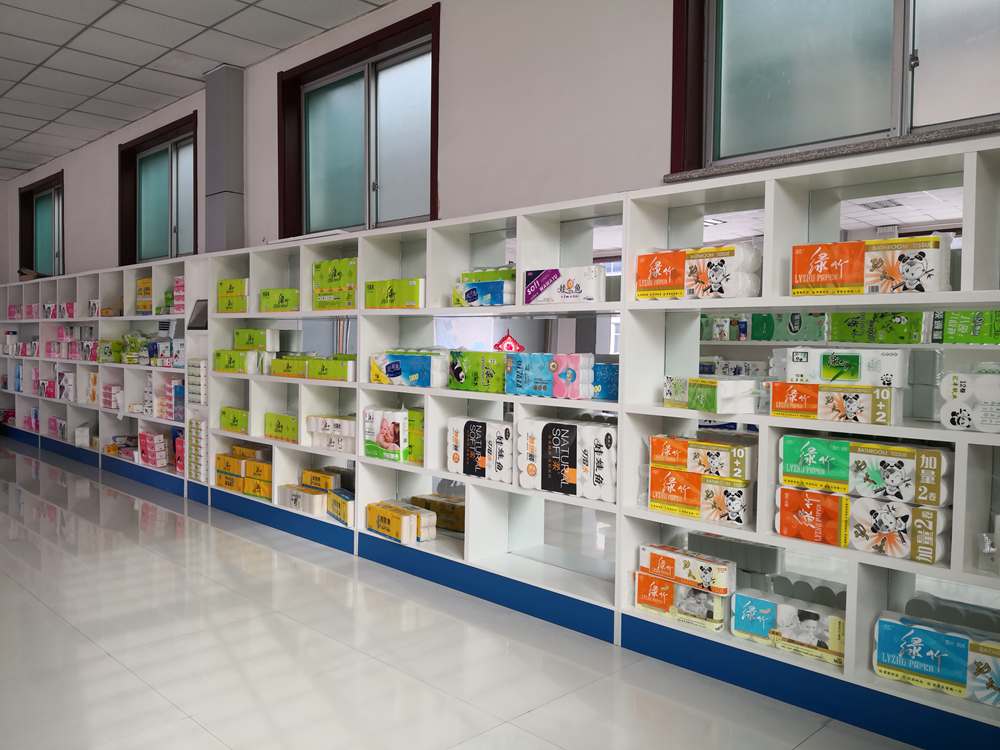
High-Quality Custom Toilet Paper at Wholesale Prices
Why High-Temp Sterilization (100°C+) Makes Recycled Paper Clinical-Grade?
While standard recycling removes bulk contaminants, clinical-grade safety relies on sustained thermal cycles exceeding 100°C to neutralize microbial bioburden and ensure the structural integrity of the fiber matrix.
Eliminating Microbial Bioburden Through Thermal Processing
Mechanical cleaning alone cannot guarantee the level of sanitization required for professional healthcare environments. We apply sustained heat during the drying and finishing stages of the 2026 production lines to neutralize pathogens that might survive chemical de-inking. This thermal treatment reduces the Total Viable Count (TVC) to levels compliant with clinical protocols, ensuring every batch of fiber is biologically inert before it reaches the packaging stage.
| Safety Metric | Standard Recycled Paper | Clinical-Compatible Recycled |
|---|---|---|
| Thermal Exposure | Ambient to 60°C | Sustained 100°C+ |
| Microbial TVC | Unregulated/Variable | Certified <100 CFU/g |
| Pathogen Risk | Low (Standard Use) | Negligible (Sanitized) |
- Top Source Hygiene monitors heat distribution across production lines to guarantee uniform sterilization.
- Thermal processing effectively destroys bacteria and mold spores found in mixed post-consumer waste.
- The 2026 protocols verify that recycled fibers meet clinical-grade TVC thresholds.
Structural Stability Under High-Temperature Steam Exposure
Paper used in medical or laboratory settings must maintain its physical properties when subjected to steam autoclaves, which typically operate at 121°C or higher. We integrate advanced bonding agents during the manufacturing process to prevent fiber delamination under these extreme conditions. This reinforcement allows the recycled fibers to retain their tensile strength and absorbency, ensuring the product does not disintegrate when exposed to thermal fluctuations common in pharmacies and diagnostic centers.
Porosity control is another critical factor for clinical-grade classification. High-temperature processing stabilizes the paper’s fiber network, allowing steam to penetrate for sterilization while maintaining a robust microbial barrier. This ensures that the paper functions as intended in sterile supply chains without compromising the integrity of the material or the safety of the end-user.
Regulatory Safety Alignment for 2026 Healthcare Environments
Meeting the hygiene requirements of ISO 9001 and regional healthcare protocols demands a verifiable safety margin. Our thermal stabilization process ensures that recycled materials remain free from chemical residues and fluorescent whiteners. This alignment with safety frameworks allows procurement managers to secure the necessary documentation for government healthcare bids, where environmental sustainability and clinical safety must coexist.
- Standardized heat-treatment logs provide the transparency required for institutional auditing.
- We guarantee that no OBA (Optical Brightening Agents) are introduced during thermal processing.
- Our 2026 protocols provide the verifiable safety data needed for pharmacies and clinics.

FSC Recycled Standards: Verifying Your Green Claims for Government Bids
FSC Recycled certification provides the legal and technical evidence required to satisfy 2026 public sector procurement mandates and eliminate greenwashing risks in competitive bidding.
Compliance with 2026 Government Procurement Mandates
Public sector agencies now require third-party verification to back up environmental claims during the bidding process. Government contracts frequently stipulate that paper products must carry FSC Recycled certification to meet 2026 sustainability benchmarks. We provide the documentation necessary to prove 100% recycled or reclaimed fiber sourcing, ensuring clients meet mandatory green criteria. Third-party auditing through FSC protocols removes the risk of greenwashing, which has become a primary focus for regulatory bodies globally.
Meeting Post-Consumer Recycled Content (PCRC) Thresholds
Verification of recycled percentages is critical because many government entities set specific minimums for post-consumer waste. FSC Recycled standards verify that the fiber used is truly diverted from the waste stream, satisfying strict PCRC requirements in North American and European tenders. We maintain a clear chain of custody to ensure that the recycled content percentages align with specific contract specifications. Standardized FSC labeling simplifies the evaluation process for procurement officers by providing an instantly recognizable mark of compliance.
| Verification Metric | Standard Recycled Paper | FSC Recycled (Top Source) |
|---|---|---|
| Audit Protocol | Self-Declared Claims | Annual 3rd-Party Inspections |
| Bidding Acceptance | Often Rejected for Tenders | Mandatory for Government Bids |
| Fiber Traceability | Limited or Opaque | Full Chain of Custody (CoC) |
| Contaminant Control | Variable | Verified Reclaimed Materials |
Circular Economy Integration for Competitive Bidding
Integrating FSC labeling into product specifications allows vendors to stand out in high-traffic commercial and government sectors. Using certified recycled paper helps organizations balance the costs of compliance with the increasing market demand for verified sustainable goods. Our manufacturing process supports these green claims by utilizing advanced de-inking and cleaning technologies that maintain fiber integrity while meeting eco-friendly standards.
- Leverage FSC certification to qualify for high-value tenders in North America and Europe.
- Use certified 100% recycled content to satisfy circular economy requirements.
- Streamline procurement audits with pre-verified chain-of-custody documentation.
Is the Tactile Difference in Recycled Fiber an Asset or a Liability?
The value of a recycled fiber’s tactile profile depends entirely on the end-use environment, serving as a functional durability asset in industrial settings while remaining a comfort liability in luxury hospitality.
Softness Constraints in Personal Care Applications
Recycled fibers undergo multiple mechanical and chemical processing cycles that significantly shorten the cellulose strands. This structural degradation reduces the natural fluffiness and “loft” that consumers expect from premium tissue products. In the current 2026 market, brand owners often categorize 100% recycled paper as a liability for high-tier hospitality and wellness sectors. Because skin-contact comfort is the primary performance metric for facial tissues and high-ply toilet paper, virgin wood pulp remains the dominant choice for premium tiers.
- Shorter fiber lengths in recycled materials reduce the natural fluffiness and softness required for facial tissues and high-ply toilet paper.
- Brand owners in 2026 often categorize 100% recycled paper as a liability for luxury hospitality tiers where skin-contact comfort is the primary metric.
- Natural fibers retain a dominant position in the wellness and premium retail markets due to this inherent tactile advantage.
Structural Integrity for Industrial and Commercial Use
Stiffness, often viewed as a weakness in home-use products, transforms into a functional asset in high-traffic commercial environments. Shorter, denser recycled fibers provide superior shape retention and resistance to shredding under tension. For jumbo roll tissues (JRT) and industrial hand towels, this structural integrity ensures efficient dispensing and prevents the paper from disintegrating when wet. These characteristics are essential for facilities like airports and transit hubs that prioritize durability and reduced maintenance frequency.
- Recycled fibers provide better shape retention and resistance to shredding, which are essential for jumbo roll tissues used in high-traffic commercial venues.
- Performance-driven sectors, such as industrial workwear and commercial hand towels, value the durability and wrinkle resistance of recycled content.
- Top Source Hygiene leverages these characteristics to supply high-capacity products to airports and stations where structural strength outweighs soft-touch requirements.
Market Bifurcation and Application-Specific Selection
Procurement strategies have split based on the intended user experience and sustainability goals. Retailers typically bifurcate their inventory into comfort-focused tiers using virgin pulp and performance-focused tiers using recycled content. For commercial clients, the tactile firmness of recycled paper serves a dual purpose: it withstands the rigors of heavy use while signaling a clear commitment to circular economy practices. OEM manufacturers now guide brands through this selection process, blending fibers to meet specific regional compliance and consumer expectations.
- Retailers separate their product lines into comfort-focused virgin pulp tiers and performance-focused recycled tiers to meet diverse consumer needs.
- Commercial clients use the tactile firmness of recycled paper to signal sustainability efforts to users while reducing maintenance costs.
- OEM manufacturers help brands navigate this trade-off by selecting fiber blends that match specific regional compliance and consumer expectations.

Cost Analysis: Why Recycled PCW is Not Always the Cheapest Fiber Option
B2B procurement teams often assume recycled post-consumer waste (PCW) offers a price advantage, yet the high-cost infrastructure of mechanical de-inking and fragmented logistics frequently drives recycled paper prices above premium virgin pulp alternatives.
Processing Costs and De-inking Infrastructure
Recycling PCW is essentially an industrial cleaning operation rather than a simple material conversion. To produce tissue that meets 2026 hygiene standards, manufacturers must invest heavily in advanced de-inking equipment. We use multi-stage flotation cells and mechanical filtration to strip away synthetic inks, adhesives, and coatings. These steps add layers to the manufacturing cycle that virgin wood pulp production does not require. Processing raw timber into pulp is a more linear, predictable path compared to the resource-intensive refining of contaminated waste paper.
- Advanced de-inking systems and multi-stage sorting facilities demand massive capital investment and ongoing technical maintenance.
- Removing contaminants adds specific steps to the production cycle that increase the total time and labor required per ton.
- Meeting modern clinical hygiene levels using recycled fibers consumes more chemicals and mechanical energy than processing raw wood pulp.
Energy Consumption and Logistics for Collection
The logistics of gathering post-consumer waste create a significant cost floor. Unlike virgin pulp, which relies on centralized, high-volume timber supply chains, PCW collection is fragmented. Gathering waste paper from thousands of diverse sources involves higher transportation overhead and complex sorting. Rising energy prices also impact the high-heat sterilization and intensive washing phases necessary for recycled materials. These energy-intensive requirements make the price of recycled paper more volatile for international buyers compared to the stable contracts available for virgin pulp.
- High energy prices in 2026 directly increase the cost of the intensive cleaning and sterilization required for PCW.
- Fragmented collection networks for waste paper create higher logistics and fuel overhead than established forestry supply chains.
- Volatility in energy markets forces frequent price adjustments for recycled products, complicating long-term procurement for global distributors.
Certification Compliance and Fiber Strength Factors
Quality consistency remains a primary challenge for recycled fiber lines. Every time paper is recycled, the fibers lose length and structural integrity, typically degrading after 4 to 6 cycles. To maintain the tensile strength required for commercial use, we often have to incorporate expensive chemical bonding agents or blend in virgin fibers to compensate for the weak recycled base. Furthermore, maintaining certifications like FSC Recycled involves rigorous third-party auditing and high compliance fees. At Top Source Hygiene, we use our 2,860-ton monthly capacity to achieve economies of scale that many recycled paper plants cannot match, keeping our premium virgin pulp options more cost-effective.
- FSC Recycled certifications require strict auditing and administrative fees that elevate the final base cost.
- Recycled fibers often require expensive chemical additives to match the durability and lint-free performance of virgin paper.
- Top Source Hygiene leverages high-volume manufacturing to offer competitive pricing on 100% virgin pulp that often outperforms the cost-to-quality ratio of recycled alternatives.
Conclusion
Mechanical de-inking and high-temperature sterilization transform post-consumer waste into a safe, clinical-grade material suitable for professional environments. These rigorous technical processes ensure that 100% recycled tissue meets international hygiene standards and compliance requirements for government and commercial bids. Adopting verified recycled fiber allows procurement teams to reach sustainability targets while maintaining high standards for user safety and product performance.
Review your current sourcing requirements to see if recycled options align with your regional environmental mandates. Contact Top Source Hygiene to request a technical catalog or a 40HQ bulk sample to evaluate fiber performance for your next project.
Frequently Asked Questions
Is recycled toilet paper sanitized enough for medical or hospital use?
Yes, recycled toilet paper undergoes rigorous sanitization during the manufacturing process, including high-temperature drying (often exceeding 200°C) and chemical disinfection that eliminates pathogens. It is safe and widely used in general hospital facilities. For specialized surgical or sterile environments, virgin fiber may be preferred only to minimize particulate dust (linting), rather than for reasons of microbial safety.
What chemicals are used to remove ink from recycled paper pulp?
The de-inking process typically utilizes surfactants and detergents to separate ink from the fibers. Sodium hydroxide (caustic soda) is used to swell the fibers and release the ink, while hydrogen peroxide is employed for whitening. In “flotation” de-inking, collectors like fatty acids or calcium soaps are added to help ink particles adhere to air bubbles so they can be skimmed off the surface of the pulp.
Does recycled paper contain BPA from discarded thermal receipts?
Yes, 100% recycled paper can contain detectable levels of BPA, with concentrations in toilet paper ranging from 3.2 to 41.1 mg/kg. The primary source of this contamination is thermal receipt paper, which uses BPA or BPS in its coating. However, health risk assessments indicate that the exposure risk from recycled tissue is minimal and significantly lower than the levels absorbed from direct contact with the original receipts.
How can I prove the safety of recycled tissue to my health-conscious clients?
You can prove safety by providing migration study data and third-party certifications such as FSC Recycled or ISO 14001. Technical data sheets (TDS) confirm that trace chemical levels are well below specific migration limits (SML) for hygiene products. Furthermore, emphasizing the high-heat sterilization process used in production guarantees that the finished product is bacteriologically safe and free from harmful pathogens.
Why does 100% recycled paper usually have a lower whiteness score?
The lower whiteness score is a result of residual inks, dyes, and mineral fillers from the original paper sources. While it is possible to achieve high whiteness through intensive chemical bleaching, most sustainable manufacturers opt for a “Process Chlorine Free” (PCF) approach. This prioritizes environmental health by reducing chemical usage, resulting in a slightly off-white or cream-colored appearance that signals eco-friendly processing.
Is it more sustainable to use recycled paper or virgin bamboo fiber?
From a circular economy perspective, 100% recycled paper is generally more sustainable. It utilizes post-consumer waste that would otherwise end up in landfills and requires less energy and water to process than raw plant fibers. While bamboo is a renewable resource, the carbon footprint of transporting bamboo from Asia often exceeds the footprint of locally sourced recycled paper, making recycled fiber the superior choice for carbon-neutral goals.