
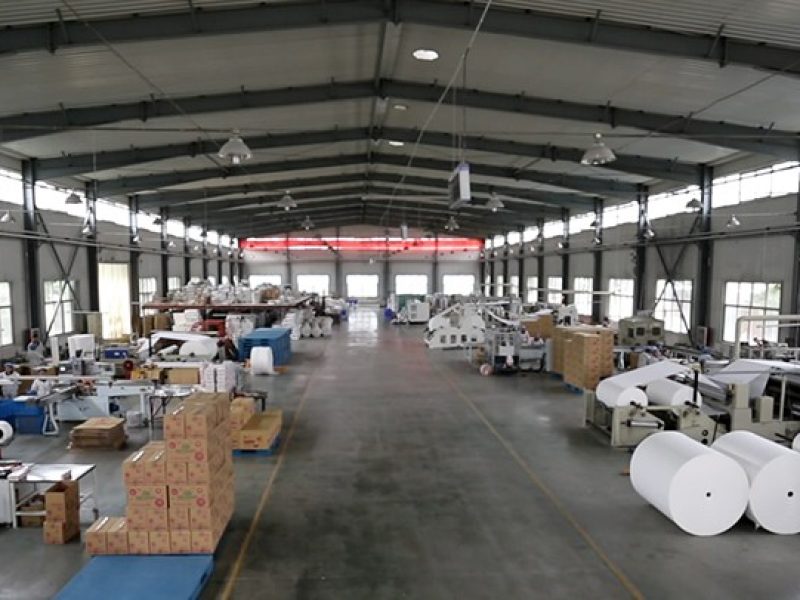
Perforation Engineering dictates the consumption ROI and user perception of high-volume hygiene products. Imprecise tear-force leads to shredded edges and product waste, devaluing 100% virgin wood pulp stocks and increasing cost-per-visit in commercial facilities.
We benchmark CNC-precision standards for 13–22g/m² plies to ensure a clean snap without lint generation. This analysis evaluates bridge-and-gap ratios and sheet lengths up to 132mm to optimize 40HQ payload efficiency and long-term brand reputation.
Why Perforation is a Key Functional Spec for Brands
Precision perforation balances material efficiency with user convenience, controlling consumption while ensuring a premium, shred-free tactile experience that builds brand loyalty in high-volume B2B markets.
Enhancing Consumer Experience and Brand Differentiation
Perforation acts as the primary touchpoint between the product and the user. For global brands, this isn’t just a utility—it is a strategic tool to manage how much product is consumed per use. By engineering specific tear-off points, manufacturers like Top Source Hygiene help distributors offer products that feel premium and deliberate rather than cheap or accidental.
Strategic use of micro-perforation supports a controlled consumption model. This technical choice ensures that sheets separate easily without the user needing to struggle with the roll. This level of control prevents the “chain-reaction” unrolling that leads to product waste, directly supporting the sustainability goals that international buyers demand in 2026. The visual impact of the perforation also serves as a brand identifier, where unique textures or patterns signal high-end quality in competitive markets.
Material efficiency remains a core driver for this specification. Precise engineering reduces raw material waste during the manufacturing process and optimizes the final product for energy-efficient shipping. Brands that prioritize these functional specs see several gains:
- Controlled Consumption: Engineering precise bridge widths to limit sheet counts per pull.
- Tactile Branding: Utilizing unique perforation patterns to create a memorable “snap” and feel.
- Sustainability Metrics: Reducing scrap material and optimizing 100% virgin wood pulp utilization.
- Waste Reduction: Eliminating the “ragged edge” syndrome that causes users to discard partial sheets.
Precision Perforation Standards to Prevent Shredded Edges
Shredded edges are a sign of poor manufacturing and instantly devalue 100% virgin wood pulp products. Top Source Hygiene utilizes CNC-precision perforation lines to ensure that every roll in a 40HQ container maintains the same professional appearance. This precision is vital because even a slight misalignment in the perforation blades can lead to “dusting” or irregular tears that frustrate the end-user.
The engineering behind a clean-cut edge involves a delicate balance between tensile strength and “tear-force.” If the perforation is too strong, the paper rips outside the lines; if it is too weak, the roll falls apart during high-speed dispensing. We maintain high standards by monitoring blade sharpness and shear angles, which are critical for processing 13–22g/m² plies. Dull blades create friction and heat, leading to microscopic tears that weaken the material before it even reaches the consumer.
Technical consistency is what protects a brand’s reputation in the long term. This is particularly important for commercial and luxury hospitality clients who require uniform performance across thousands of units. To achieve this, we focus on several technical parameters:
- CNC Tooling: Using wire EDM and programmable drill presses for exact blade tolerances.
- Tear-Force Calibration: Adjusting bridge and gap widths (often down to 0.5mm gaps) for optimal snap.
- Dust Management: Maintaining sharp blade edges to minimize particulate generation on the production line.
- Material Integrity: Protecting the high-purity wood pulp fiber bonding during the perforation strike.
B2B buyers should view perforation not just as a finishing touch, but as a core functional specification that dictates the end-user’s perception of quality. By ensuring every sheet tears exactly where it is supposed to, we remove a major consumer pain point and solidify the product’s position as a professional-grade hygiene solution.
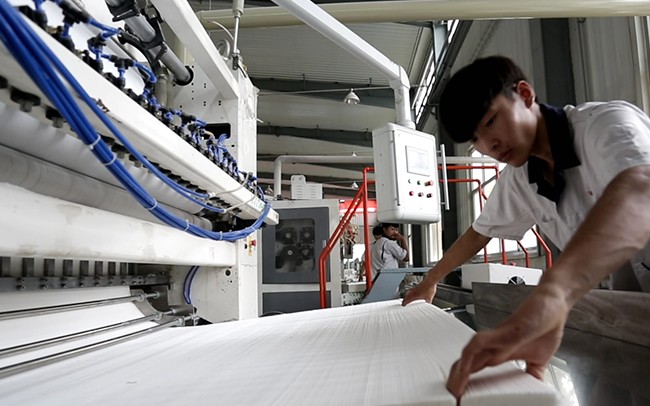
The Science of “Tear-Force”: Engineering the Perfect Snap
Engineering “tear-force” balances bridge width and gap spacing to ensure clean snaps without sacrificing the tensile strength of multi-ply wood pulp structures.
| Technical Parameter | Standard Specification | Functional Impact |
|---|---|---|
| Bridge Width | 2mm (Optimized) | Controls breaking force and prevents accidental tearing. |
| Material Grammage | 13g/m² – 22g/m² | Determines fiber density and tear propagation energy. |
| Tensile Reduction | 14% to 43% | The calculated loss in load-bearing capacity for easy opening. |
| Fiber Composition | 100% Virgin Wood Pulp | Ensures long-fiber integrity to eliminate lint and dust. |
The Mechanics of Bridge and Gap Ratios
Engineers define “tear-force” by the specific ratio between the paper bridge and the air gap. We utilize a 2mm bridge width to provide the necessary resistance that keeps the roll from stalling during high-speed unwinding. This spacing determines the exact energy required to propagate a tear from the first notch across the entire sheet.
The perforation process intentionally weakens the material, causing a 14% to 43% reduction in load-bearing capacity. Managing this reduction is critical for high-grammage papers between 13g/m² and 22g/m². If the bridge is too wide, the paper shreds; if it is too narrow, the roll disintegrates under its own weight. We calibrate these patterns to ensure the paper snaps only when the user applies intentional diagonal or downward force.
Precision Perforation for Multi-Ply Integrity
Top Source Hygiene uses precision-cut perforation lines to solve the “shredded edge” problem found in lower-grade mechanical punching. Mechanical methods often create microscopic cracks in the paper bridges that lead to uneven tears. Our process produces clean, consistent cuts that maintain the structural integrity of the roll until the moment of use.
- Ply-Bonding Technology: We use high-pressure lamination to bond 3-ply, 4-ply, and 5-ply layers together, ensuring they separate as a single unit without peeling apart.
- Lint-Free Fiber Selection: 100% Virgin Wood Pulp provides long-fiber strands that resist fracturing, preventing the accumulation of dust at the tear site.
- CNC-Precision Embossing: Our floral and dot patterns support the perforation line, increasing local absorbency by 30% while reinforcing the paper’s grip points.
- OBA-Free Standards: We avoid chemical whiteners, relying on the natural 85-92% brightness of the wood pulp to maintain fiber strength during the cutting process.
By aligning the perforation geometry with the fiber direction of our Hebei-sourced pulp, we ensure a lint-free experience for luxury hospitality and retail environments. This technical focus prevents the common consumer complaint of uneven tears and wasted product in high-traffic settings.
Premium OEM Toilet Paper Manufacturing Solutions
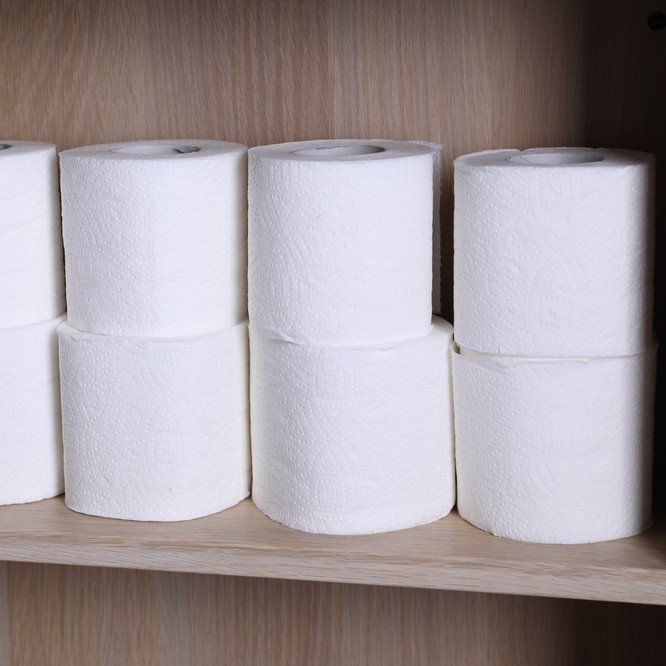
Straight vs. Wavy Perforation: The Aesthetics of Tearing
Wavy perforations align with natural pulling angles to ensure clean tears. While straight lines suit high-volume retail, scalloped edges offer a premium aesthetic and superior fiber integrity.
Ergonomics and the Physics of Scalloped Edges
Most users pull toilet paper at a diagonal angle rather than a perfectly perpendicular line. Traditional straight perforations resist this force, which often causes the sheet to rip mid-way through a square. Wavy or scalloped designs solve this by providing multiple “break points” that accommodate various pulling directions.
By following the natural arc of a human hand motion, scalloped edges minimize the shredded edge complaint typical of budget-grade products. For brand owners, these unique shapes serve as a primary visual differentiator. In the premium household market, a wavy tear signals high-end engineering and a better user experience immediately upon first use.
CNC-Precision Perforation and Fiber Integrity
Top Source Hygiene utilizes CNC-precision perforation lines to maintain consistency across every roll. Whether the pattern is straight or wavy, the machinery ensures a clean snap without leaving jagged paper fragments. This precision is essential for keeping high-traffic dispensers and residential bathrooms clean.
The quality of the tear depends heavily on the raw material specs:
- 100% Virgin Wood Pulp: Long-fiber pulp provides the tensile strength needed to snap cleanly rather than pilling at the tear line.
- Clean-Cut Technology: Sharp, automated blades reduce the generation of paper dust, ensuring a lint-free experience for sensitive skin.
- Fiber Bonding: High-pressure lamination prevents plies from separating during the tearing process.
Precision tooling prevents the accumulation of micro-debris at the perforation line. This attention to detail protects brand reputation for wholesalers and distributors who supply luxury hotels or medical facilities where hygiene and presentation are non-negotiable.
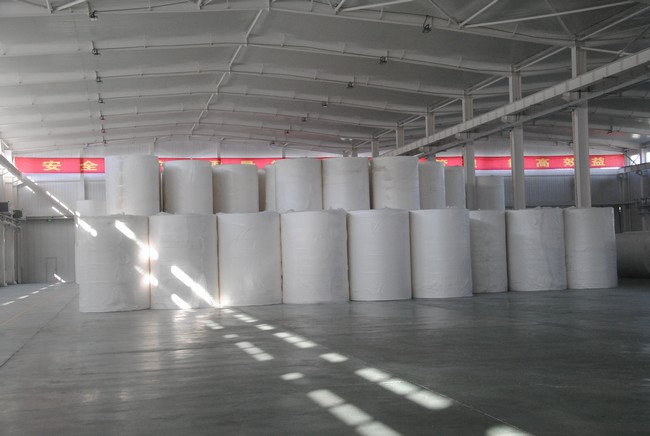
Impact of Sheet Length (100mm-130mm) on Consumption ROI
Sheet length dictates ROI. 100mm sheets hit aggressive retail price points, while 130mm sheets cut waste in commercial settings by reducing total sheet pulls per visit.
Correlation Between Perforation Pitch and User Behavior
User behavior in high-traffic environments revolves around muscle memory rather than conscious measurement. Most people pull a specific length of paper based on hand-wrap habits. When we set the perforation pitch at 100mm, users often pull more sheets to achieve their desired thickness. This standard works effectively for retail markets where a high sheet count—such as 500 or 1000 sheets—serves as a primary selling point on the packaging.
In contrast, the 130mm sheet length changes the consumption math for commercial distributors. Because each sheet offers more surface area, users tend to pull fewer individual sheets per use. This reduces the frequency of roll changes and lowers the total “cost-per-visit” for facility managers. For premium retail sectors in 2026, the trend shifts toward larger surface areas that signal luxury and durability, even if the total sheet count on the label is lower.
Customizable Perforation for 40HQ Payload Optimization
Top Source Hygiene uses CNC-precision perforation to align manufacturing specs with global shipping costs. Adjusting the distance between tears is not just about user experience; it is a tool for logistical efficiency. By fine-tuning the sheet length alongside roll diameter, we maximize the tonnage inside a 40HQ container, directly lowering the landed cost for the importer.
We maintain specific technical tolerances to ensure these variations do not compromise roll integrity during high-speed production:
- Perforation Range: CNC-adjustable lengths from 100mm to 132mm.
- Ply Density: Strictly controlled 13–22g/m² to ensure tensile strength across all sheet sizes.
- 40HQ Payload: Optimized for 7,000kg to 9,000kg (7-9 tons) per container.
- Fiber Composition: 100% Virgin Wood Pulp for superior snap-and-tear performance.
Our Hebei factory teams calculate the ideal roll diameter based on these sheet lengths to prevent wasted space. If a distributor needs a high-density 5000g roll, like our TSH-3396 model, we adjust the perforation to ensure the paper remains easy to pull without the roll becoming too bulky for standard dispensers. This balance protects your margins by ensuring you don’t pay to ship air.
Manufacturing Precision: Avoiding “Dust” at the Perforation Line
CNC-machined tooling and electrostatic filtration eliminate perforation dust, while 100% virgin wood pulp prevents fiber shedding for a clean, professional tear.
Mechanical Tolerances and Industrial Filtration Systems
Perforation dust is a direct result of irregular tearing and dull mechanical blades. In high-speed production environments, even a micron-level misalignment creates airborne particulates that compromise hygiene. We solve this by controlling the mechanical environment where the blades meet the paper web.
- CNC-Precision Machining: We use wire EDM and programmable drill presses to ensure exact hole geometry and razor-sharp contact edges.
- Electrostatic Precipitation: Our lines use double-pass technology to capture submicron contaminants before they settle on the finished roll.
- Laser-Cut Alternatives: For specific high-end requirements, laser perforation creates clean, consistent cuts that eliminate the secondary debris common in mechanical punching.
- Fiber Bed Technology: These systems filter fine mist and particles, maintaining clean air and preventing dust buildup during high-volume 40HQ production runs.
Virgin Wood Pulp Integrity for Lint-Free Performance
The material itself often dictates the “cleanliness” of the tear. Recycled paper contains shorter, brittle fibers that tend to shatter or “explode” into lint when the perforation is stressed. Top Source Hygiene avoids this by focusing on fiber length and tensile uniformity.
- 100% Virgin Wood Pulp: We utilize long-fiber pulp from our Hebei hub to provide the high tensile strength needed for a snap-clean tear.
- Zero Recycled Mixtures: Eliminating waste-based materials ensures a consistent, lint-free experience, which is critical for sensitive skin applications and luxury hospitality standards.
- Batch Consistency Monitoring: Our teams verify that tensile strength remains uniform across every pallet, preventing the “shredded edges” common in lower-tier commodities.
- Precision Edge Profiles: Sharp tooling combined with high-purity pulp creates a perforation line that holds firm during transport but releases cleanly during use.

Testing Protocols: Measuring Tensile Strength Across the Tear
Tear testing measures the force needed to propagate a break. We use Elmendorf and CRE methods to ensure 13–22g/m² wood pulp sheets resist shredding and maintain integrity.
Standard Methodologies for Tear Resistance Analysis
Quantifying how paper reacts to force involves more than simple pulling. In our Hebei manufacturing hub, we focus on how fibers hold together once a tear begins. This ensures the product remains functional even under stress.
- CRE Analysis: We use Constant-Rate-of-Extension machines to record peak force values in Newtons (N) following ASTM D2261 standards.
- Elmendorf Test: This falling-pendulum method evaluates fiber resistance, specifically for 100% virgin wood pulp and flexible films.
- Orientation Mapping: Specimens are prepared in warp and weft orientations to verify strength consistency across the entire sheet.
- Propagation Metrics: We distinguish between the energy needed to start a tear and the force needed to continue it, optimizing ease of use.
By isolating these variables, we prevent the “shredded edge” common in lower-grade products, giving wholesalers a more reliable commodity for high-traffic environments.
Integrating Ply Density and ISO 9001 Quality Benchmarks
Top Source Hygiene maintains strict control over material specs to meet international import requirements. Our engineering process balances the physical softness of the pulp with the structural requirements of bulk distribution.
- Density Management: We maintain ply density between 13–22g/m² to ensure high-wet-strength durability without losing the soft texture.
- Ply-Bonding Technology: High-pressure lamination bonds multiple layers, preventing separation when the paper is pulled from the roll.
- Regulatory Compliance: Regular batch testing ensures 100% OBA-Free safety and adherence to ISO 9001 and FDA standards.
- CNC Embossing: Our point-to-point patterns increase surface absorbency by 30% while reinforcing the intended tear line.
These technical benchmarks allow us to maximize the payload in every 40HQ container while guaranteeing that the product arrives in the Middle East, Europe, or North America with zero loss in structural integrity.
Customizing for High-Traffic vs. Residential Environments
Paper customization focuses on maintenance efficiency for high-traffic zones using Jumbo rolls, while residential settings prioritize multi-ply virgin pulp softness and rapid plumbing disintegration.
Balancing Maintenance Efficiency and User Comfort Demands
High-traffic commercial zones like airports and shopping malls prioritize high-density rolls. These environments demand solutions that reduce manual refill cycles and lower operational overhead for facilities management teams. Efficiency here means roll capacity outweighs tactile luxury.
Residential and luxury hospitality environments focus on tactile quality. These users prioritize cloud-like softness and aesthetic packaging over total roll length. Procurement standards for 2026 increasingly emphasize acoustic comfort and energy-efficient manufacturing processes for residential complex suppliers.
- Commercial Focus: Maximum roll density and dispenser compatibility to minimize labor costs.
- Residential Focus: Multi-ply thickness and 100% virgin wood pulp for premium skin feel.
- Environmental Standards: Shift toward OBA-free materials and energy-optimized production cycles.
Applying TSH-JRT08 Commercial Standards and Multi-Ply Bonding
We deploy the TSH-JRT08 Jumbo Roll for high-traffic facilities to provide a high-capacity solution that fits industrial-grade dispensers. This model minimizes maintenance frequency in airports and large retail centers. For residential and hotel projects, we utilize TSH-4010 luxury solid rolls to meet higher comfort expectations.
Our manufacturing process incorporates high-pressure ply-bonding technology. This ensures multi-ply residential sheets remain laminated without the use of excessive chemical adhesives. We also engineer these products for rapid disintegration to prevent plumbing blockages in residential septic systems.
- TSH-JRT08: Engineered for industrial dispensers in high-volume commercial zones.
- TSH-4010: Premium 5-ply construction using 100% virgin wood pulp for luxury hospitality.
- Septic Safety: Rapid disintegration engineering meets 2026 standards for plumbing protection.
- Chemical Integrity: 100% OBA-Free guarantee ensures safety for sensitive skin in residential settings.
Frequently Asked Questions
What determines the tearing quality of toilet paper in 2026?
Tearing quality depends on the balance between perforation precision and fiber durability. High-quality rolls made from 100% virgin wood pulp maintain over 15% of their dry strength when wet, ensuring sheets break cleanly at the designated line rather than shredding.
How do manufacturers customize perforation spacing for wholesale orders?
Factories utilize CNC-controlled systems to program specific hole patterns and spacing intervals. For high-volume 40HQ container orders, all-across perforating technology adjusts the feed rate to match brand-specific dimensions for household or jumbo rolls.
Is wavy perforation more effective than traditional straight lines?
Yes. Wavy or scalloped perforations accommodate pulling from multiple angles. Since users rarely pull paper perfectly straight, the curved design ensures a consistent, clean snap regardless of the direction of force, reducing wasted sheets.
Can sheet lengths be tailored to improve ROI for commercial brands?
Manufacturers offer custom cut-to-length services that allow brands to set sheet dimensions between 100mm and 132mm. Precision sizing helps distributors minimize scrap and optimize paper consumption in high-traffic hospitality and industrial environments.
Why does paper often rip outside of the perforation lines?
Ripping occurs when the pulling force doesn’t align with the perforation pattern. This directional mismatch causes the paper to tear unevenly. Advanced manufacturing minimizes this by using precision ply-bonding and sharp blades to ensure the perforation is the weakest point of the sheet.
Does blade maintenance affect the amount of dust on the roll?
Blade sharpness directly impacts dust generation. Sharp blades sever fibers with minimal friction, while dull blades tear the paper, creating excessive dust and ragged edges. Consistent maintenance ensures a lint-free product that meets EU and North American hygiene standards.
Final Thoughts
Poor perforation leads to shredded edges and wasted product, devaluing your brand in high-traffic or luxury settings. Our CNC-precision standards and 100% virgin wood pulp eliminate these user pain points while protecting your margins. Consistent, high-quality inventory across every 40HQ container builds the long-term dealer trust your business requires.
Stop leaving your product’s tactile experience to chance. We recommend requesting a sample kit or a trial 40HQ order to verify our “tear-force” calibration and lint-free finish firsthand. Contact our Hebei factory team today to discuss custom sheet lengths and private label options tailored to your regional market.