
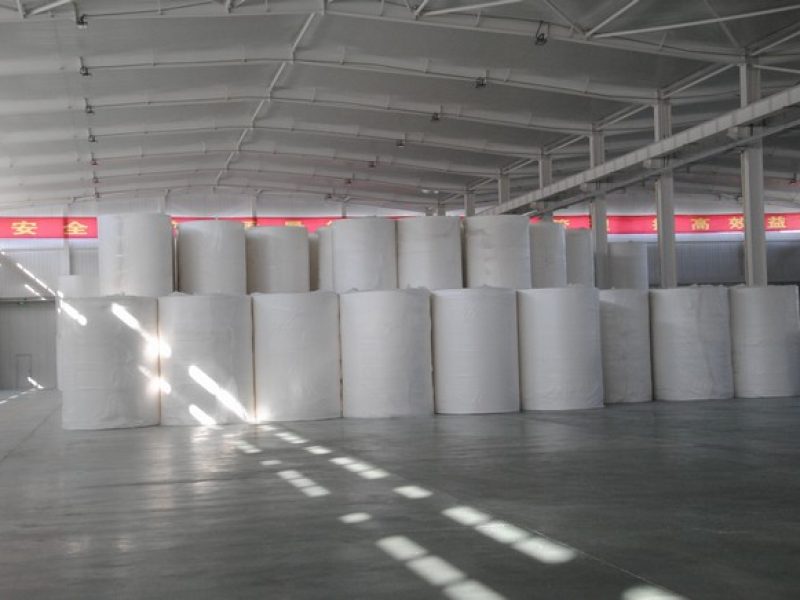
Sourcing specialized hygiene materials for Pediatric & Elderly Care is a high-stakes decision where material purity directly impacts patient outcomes and facility liability. Choosing paper with chemical residues or low tensile strength leads to preventable skin breakdown, increasing the total cost of care for nursing homes and pediatric clinics.
We benchmark professional manufacturing against the 100% OBA-free Virgin Wood Pulp standard. By focusing on 13–22g/m² ply density and 40HQ payload optimization, this analysis identifies how to secure medical-grade tissue that balances clinical safety with long-term supply chain scalability.
The Physiology of Sensitive Skin: Infants vs. Seniors
Infant and senior skin share structural vulnerabilities, including thinner layers and higher permeability, requiring high-purity, OBA-free hygiene materials to maintain barrier integrity and prevent irritation.
Shared Physiological Vulnerabilities in Infant and Senior Skin
While they sit at opposite ends of the age spectrum, newborns and the elderly share a remarkably similar skin profile. Both populations lack the robust barrier function found in healthy adults, making them highly reactive to mechanical friction and chemical contact. Their skin features a thinner hypodermis and a flatter dermal-epidermal junction, which reduces the skin’s ability to resist shear forces during cleaning.
- Reduced Layer Thickness: Thinner epidermis and dermis layers compared to adult skin, resulting in less mechanical protection.
- Barrier Weakness: Elevated transepidermal water loss (TEWL) and decreased natural moisturizing factors (NMF).
- Structural Fragility: Flatter dermal-epidermal junctions that offer lower resistance to friction-induced damage.
- Increased Permeability: A compromised stratum corneum that allows external irritants to penetrate the skin more easily.
In infants, the skin barrier takes nearly five years to fully mature. Seniors face a different challenge: vascular fragility and impaired blood flow reduce the skin’s ability to repair itself after pressure or irritation. For B2B distributors sourcing for care environments, these biological facts dictate a move away from standard retail-grade paper toward specialized, high-purity materials.
Selecting OBA-Free Virgin Pulp to Prevent Chemical Irritation
We manufacture hygiene products that address these vulnerabilities through strict material control. Chemical purity is the priority when the skin barrier is permeable. By eliminating additives and focusing on fiber integrity, we ensure the material supports the skin’s natural pH and structural health rather than compromising it.
- 100% OBA-Free: We eliminate Optical Brightening Agents to prevent contact dermatitis on sensitive, permeable skin.
- 100% Virgin Wood Pulp: Long-fiber pulp ensures a lint-free experience and high tensile strength without abrasive textures.
- Customized GSM: We maintain a strict density of 13–22g/m² per ply to balance cloud-like softness with necessary durability.
- Natural Brightness: Products achieve an 85-92% brightness level through fiber selection alone, avoiding harsh chemical bleaching agents.
Standard wood pulp papers often contain lotions, fragrances, or dyes that aggravate compromised skin. Our focus on 100% Virgin Wood Pulp at our Hebei industrial hub provides the purity required for clinical and luxury care settings. This approach protects the microbiome of infant skin and the fragile integrity of senior skin, ensuring safety across all high-stakes care environments.
Customizing GSM: Why 4-Ply is the Choice for Luxury Care
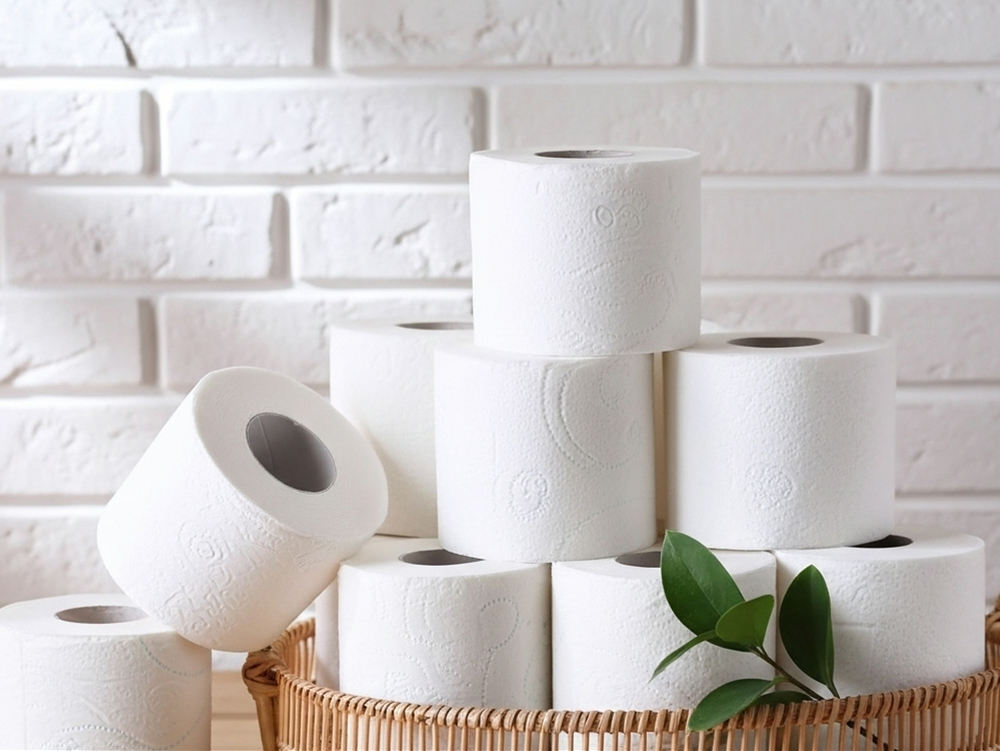
4-ply rolls at 13-22g/m² provide a high-absorbency, lint-free cushion that prevents skin abrasion in sensitive pediatric and geriatric care environments.
Density and Skin Protection in Sensitive Environments
Infants and seniors share a biological vulnerability: thinner epidermal layers and lower mechanical resistance to damage. Using a higher GSM (grams per square meter) creates a substantial physical barrier that reduces the amount of paper required per use while protecting fragile skin from irritation.
- Pressure Sore Prevention: The 4-ply construction minimizes shear friction against the skin, which is a critical safety factor for elderly patients with vascular fragility.
- 30% Higher Liquid Capture: Greater thickness allows for deep point-to-point embossing patterns that trap moisture more effectively than standard 2-ply or 3-ply rolls.
- Mechanical Strength: Multiple layers provide the structural integrity needed to ensure the paper does not shred or leave debris during clinical wiping procedures.
- Barrier Integrity: High GSM counts address the elevated transepidermal water loss (TEWL) common in vulnerable populations by providing a softer, non-abrasive touch.
Strategic 13-22 GSM Ply Density for Multi-Ply Sheets
We strictly control ply density to balance cloud-like softness with the high wet-strength durability required for professional care. This technical precision ensures the paper remains safe for environments where pH balance and fiber purity are non-negotiable.
- Model TSH-2269: This premium 165mm wide format features 4-ply thickness, specifically engineered for high-end hospitality and geriatric nursing standards.
- Density Range: We utilize a controlled 13–22g/m² per ply to maintain a soft texture without sacrificing tensile strength.
- 100% Virgin Wood Pulp: Premium long-fiber pulp provides a natural 85-92% brightness level without using optical brightening agents (OBA) or harsh fluorescent whiteners.
- Chemical-Free Bonding: High-pressure lamination technology bonds the 4-ply layers together without chemical adhesives, preserving the natural pH balance of the paper.
The result is a specialized hygiene product that meets 2026 standards for safety and comfort. By combining 100% OBA-free materials with precision perforation and embossing, we provide distributors with a reliable solution for the most demanding care facilities.
Build Your Unique Toilet Paper Brand
Infusing Comfort: The Science of Aloe, Calendula, and Vitamin E
Aloe, Calendula, and Vitamin E protect fragile skin barriers in 2026 standards. These OBA-free infusions reduce irritation in frequent pediatric and geriatric hygiene routines.
Botanical Synergy for Pediatric and Senior Skin Recovery
Infant and senior skin layers are significantly thinner than healthy adult tissue, resulting in lower mechanical resistance to shear forces. We utilize a specific botanical triad to simulate the skin’s natural moisturizing factors (NMF) and mitigate high transepidermal water loss.
- Aloe Vera: Natural polysaccharides create a protective film that traps moisture in thin, elderly skin layers.
- Calendula: Flavonoids and saponins soothe surface irritation and manage the risk of eczema flare-ups in clinical settings.
- Vitamin E: This antioxidant stabilizes the skin surface against oxidative stress during frequent hygiene cycles.
These botanicals ensure that repetitive cleaning does not compromise the fragile hypodermis or the flatter dermal-epidermal junctions found in vulnerable populations. This approach transforms standard disposal paper into a functional recovery tool.
Infusion Stability in OBA-Free High-Ply Wood Pulp
Active additives require a chemically neutral carrier to avoid degradation. Our manufacturing process uses 100% virgin wood pulp and specialized bonding to maintain the integrity of these infusions across 4-ply and 5-ply formats.
- OBA-Free Virgin Pulp: Removing optical brightening agents eliminates the risk of fluorescent whiteners reacting with the botanical compounds.
- High-Pressure Ply-Bonding: Mechanical lamination secures infusions within the sheets without requiring heavy chemical adhesives that could irritate sensitive skin.
- Point-to-Point Embossing: CNC-precision patterns increase the surface area, allowing ingredients to transfer more effectively from the paper to the skin barrier.
Maintaining an 85-92% natural brightness level without chemical bleaching protects the pH balance of the final product. This technical stability allows healthcare distributors to provide premium comfort without the risk of additive breakdown during long-term storage.
Low-Lint Technology: Preventing Respiratory and Skin Irritation
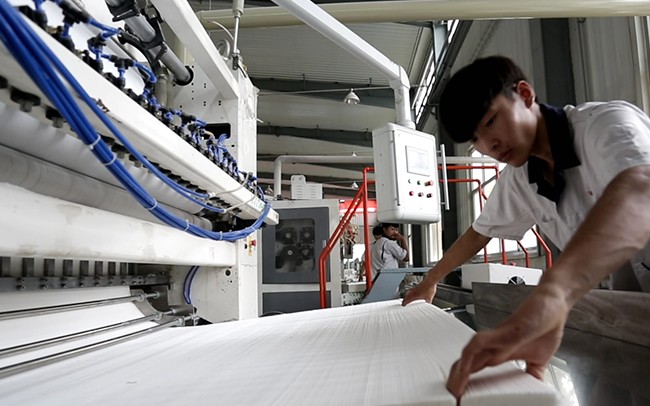
Low-lint technology stops fiber shedding through long-fiber virgin wood pulp and high-pressure bonding. This protects the fragile respiratory systems and thin skin barriers of infants and seniors.
The Relationship Between Tissue Dust and Mucous Membrane Sensitivity
Tissue dust consists of short, broken fibers that become airborne the moment a user tears a sheet. For most people, this is a minor nuisance. For newborns and elderly patients, these particles act as physical irritants that trigger sneezing, coughing, or even asthma attacks. Infants have highly permeable skin barriers that do not fully mature until age five, while seniors face vascular fragility and a thinner epidermis. Both groups are hypersensitive to external particulates.
Low-shedding materials maintain surface integrity during use. This prevents microscopic fibers from embedding in the delicate mucous membranes of the nose and throat. In 2026 healthcare environments, reducing particulate exposure is a primary requirement for infection control. By eliminating the “dust cloud” associated with low-grade paper, facilities significantly lower the risk of triggering respiratory distress or skin inflammation in vulnerable populations.
Long-Fiber Virgin Wood Pulp and High-Pressure Ply-Bonding
Top Source Hygiene solves linting issues at the raw material level. We exclusively use 100% Virgin Wood Pulp sourced from premium long-fiber timber. Long fibers provide the tensile strength needed to resist breaking, which naturally prevents the shedding seen in recycled alternatives that rely on short, brittle fibers.
- Fiber Composition: 100% Virgin Wood Pulp (OBA-Free) to ensure high-purity and zero chemical irritation.
- Lamination Tech: High-pressure ply-bonding secures layers together without chemical adhesives, preventing separation and lint release.
- Precision Perforation: CNC-precision perforation lines ensure clean-cut edges and eliminate the shredded fiber clusters found in bulk-grade tissue.
- Compliance Standards: Materials meet ISO 9001, FDA, and EU hygiene requirements for clinical safety.
Using mechanical bonding instead of chemical glues maintains the paper’s “cloud-like” softness while keeping the structure intact. This manufacturing approach ensures the tissue remains septic-safe and rapidly disintegrates in water, but stays lint-free during dry or wet contact with sensitive skin.
Designing Packaging for High-Visiblity and Ease-of-Access
Inclusive packaging balances child-resistant safety with senior accessibility through non-cylindrical closures, laser-perforated materials, and hygienic individual wraps that assist users with limited dexterity.
Human-Factor Engineering in Senior-Friendly Packaging
Designers face a dual challenge: keeping products secure from children while remaining reachable for elderly patients. Engineering must account for declining grip strength, reduced visual acuity, and conditions like rheumatoid arthritis that limit fine motor control.
- Regulatory Standards: Manufacturers adhere to 16 CFR 1700.20 and BS EN ISO 8317:2004, requiring rigorous panel testing with both children and adults aged 50-70.
- Tactile and Auditory Aids: Non-cylindrical closures provide a better mechanical advantage for gripping, while audible “clicks” confirm the package is locked without needing visual inspection.
- Laser-Perforated PET: PET materials offer high resistance to child tampering, but integrated laser-perforation allows elderly users to tear through tough laminates with minimal force.
- Digital Accessibility: High-visibility QR codes link directly to audio-based dosage instructions, bypassing the need for small-print physical inserts.
Individual Wrap and Direct Bundle Formats for Hygiene Accessibility
Logistics and format selection directly impact how easily healthcare staff or home-care users can access products. We focus on configurations that maintain hygiene while optimizing the footprint for storage and distribution.
- Format A Individual Wraps: These provide high-visibility hygiene protection for clinical environments. Each roll stays sealed until the moment of use, preventing cross-contamination in shared bathroom facilities.
- Format B Direct Bundle Packs: High-volume retail settings benefit from consolidated 10 to 32-roll configurations. These bundles use perforated openings for quick access in busy nursing homes.
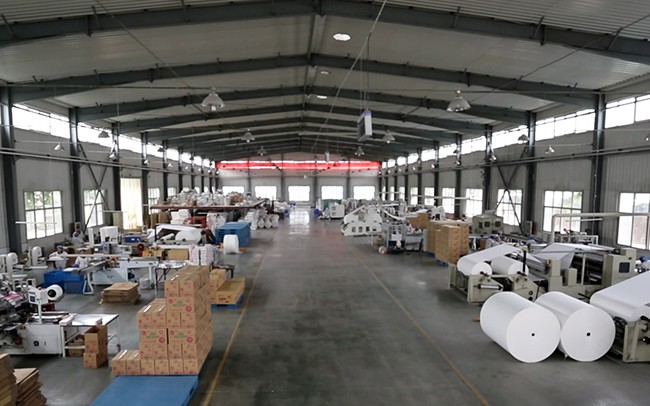
- Mechanical Compression: Our factory utilizes precision compression technology during the bagging process. This ensures bundles remain stable during 40HQ container stacking without crushing the paper fibers or making the bags too tight to open.
- Safety Recognition: Large, clear “100% OBA-Free” labeling on outer packaging allows staff to immediately identify products safe for infants and elderly patients with sensitive skin.
Clinical Validation: Patch Testing and PH-Balance (5.5)
Clinical validation confirms pH 5.5 levels to protect the skin barrier. 96-hour patch tests identify allergens, while OBA-free 100% Virgin Wood Pulp prevents chemical irritation for vulnerable users.
| Validation Parameter | Standard Specification |
|---|---|
| Optimal pH Level | 5.5 (Skin Acid Mantle Compatibility) |
| Patch Test Protocol | Primary (30 min) & Secondary (72-96 hours) |
| Material Purity | 100% OBA-Free Virgin Wood Pulp |
| Brightness Range | 85% – 92% (Fiber-based, no bleach) |
| Safety Compliance | ISO 9001, FDA, and EU Hygiene Standards |
Testing Protocols for Dermal Sensitivity and pH Stability
Validating hygiene products for pediatric and geriatric care requires a strict adherence to dermal response timelines. Because these populations possess thinner epidermis layers, a simple immediate reaction test is insufficient for identifying delayed contact dermatitis or chronic irritation.
- pH Range Monitoring: Clinicians utilize a controlled range between 5 and 8 during patch testing to maintain diagnostic accuracy and match the skin’s biological state.
- Observation Timeline: Accurate validation requires a primary reading at 15–30 minutes followed by a mandatory evaluation at 72 or 96 hours.
- Baseline Controls: Sodium lauryl sulfate (SLS) baseline tests help identify false positives in patients with high baseline skin irritability.
- Clinical Relevance: Weak positive reactions undergo re-evaluation to confirm the material remains safe for daily repeated use.
Achieving Biological Compatibility through OBA-Free Virgin Fibers
Maintaining the skin’s natural 5.5 pH balance depends heavily on the chemical purity of the base fibers. Traditional bleaching processes often introduce residual agents that disrupt the acid mantle, leading to increased transepidermal water loss and potential infections in nursing homes or childcare settings.
- Material Selection: Top Source Hygiene utilizes 100% Virgin Wood Pulp to provide a lint-free surface that eliminates mechanical irritation in sensitive areas.
- Chemical Safety: The complete absence of Optical Brightening Agents (OBA-Free) prevents chemical disruption of the skin’s acidic environment.
- Regulatory Alignment: Full compliance with FDA and EU hygiene standards ensures no residual fluorescent whiteners reach the user.
- Microbiome Protection: Natural brightness levels of 85-92% result from fiber selection rather than chemical bleaching to protect the local skin flora.
Market Entry: Sourcing for Nursing Homes and Childcare
Facilities prioritize 100% OBA-free, septic-safe supplies to protect thin skin and aging pipes while controlling unit costs through direct 40HQ factory container sourcing from professional manufacturers.
Strategic Sourcing and Reputation Management for Care Facilities
Institutional facility managers look for supply chain stability. They need to know that the bulk materials arriving in 2026 match the original approved samples. Building networks with geriatric professionals and pediatric care consultants establishes the necessary referral streams for long-term market penetration. Trust in this sector relies on consistent delivery and transparent communication between the factory and the facility administration.
- Network Development: Connect directly with healthcare providers and senior centers to establish stable referral streams.
- Compliance Standards: Align procurement with 2026 facility standards to meet rising health and safety expectations.
- Batch Integrity: Maintain high-level color and texture consistency across large-scale orders to ensure a professional facility appearance.
- Operational Transparency: Utilize pre-shipment visual verification, including photos and videos of the loading process, to provide administrative oversight.
Implementing Septic-Safe and OBA-Free Standards in High-Volume Bundles
Infants and seniors share a critical physical vulnerability: thin epidermal layers with high permeability. We remove optical brightening agents (OBAs) to prevent skin irritation and dermatoses in these sensitive groups. Beyond skin health, institutional infrastructure requires specific fiber performance to avoid maintenance disasters. High-volume environments need materials that balance structural strength with rapid disintegration to protect aging plumbing systems.
- Material Purity: Use 100% OBA-free virgin wood pulp to protect fragile skin in both pediatric and geriatric populations.
- Infrastructure Safety: Select septic-safe, rapid-disintegration fibers to prevent plumbing clogs in older nursing home facilities.
- Model Selection: Deploy TSH-1071 (Mid-Tier Versatile) rolls to achieve a balance between soft texture and institutional budget requirements.
- Payload Optimization: Logistics teams maximize 40HQ container loads (7-9 tons) to ensure the lowest possible landed cost per unit for wholesale distribution.
Frequently Asked Questions
Which toilet paper material is best for elderly individuals with sensitive skin?
Bamboo toilet paper is highly effective for seniors because the fibers are naturally smooth and round, which minimizes friction and chafing on thinning skin. It also features natural antimicrobial properties and retains moisture better than standard wood pulp, helping protect the drier skin barriers common in elderly populations.
How can a baby-care brand customize paper products for safety and branding?
Brands use OEM services to specify 100% virgin wood pulp and OBA-free (no optical brightening agents) materials. Top Source Hygiene allows customization of ply density—typically 3-ply to 5-ply—along with CNC-precision embossing patterns and pH-balanced formulations to ensure the product is safe for infant skin and aligns with premium brand standards.
Are there specific pH requirements for pediatric hygiene tissues?
Pediatric products undergo physico-chemical assessments including pH testing. Maintaining a pH level close to the skin’s natural 5.5 acidity preserves the infant’s protective acid mantle. This prevents irritation from alkaline residues, which is vital since newborn skin is not fully acidified at birth.
What are the primary benefits of using unbleached tissue in nursing homes?
Unbleached tissue reduces chemical exposure by eliminating chlorine and fluorescent whitening agents. This makes it hypoallergenic and safer for seniors who often have compromised immune systems or thin, easily irritated skin that reacts poorly to traditional bleaching residues.
How can hospitals and clinics reduce lint contamination from paper products?
Clinical settings should use low-linting products made from long-staple virgin fibers or specialized synthetic blends like SMS. These materials produce fewer than 20 particles per 10 square inches, preventing foreign body granulomas and respiratory irritation in sterile environments. Top Source Hygiene utilizes premium long-fiber wood pulp specifically to ensure this lint-free performance.
What additives help prevent skin chafing during frequent cleaning?
Effective additives include zinc oxide for barrier repair, aloe vera for soothing, and silicone or petroleum-based agents to reduce mechanical friction. These ingredients create a slippery protective layer on the tissue that minimizes skin abrasion during repetitive use, which is essential for patients requiring frequent hygiene care.
Final Thoughts
Prioritizing low-cost, retail-grade paper for pediatric or geriatric environments introduces significant liability regarding skin integrity and facility reputation. Our 100% OBA-free virgin wood pulp eliminates chemical triggers and linting risks that lower-grade recycled fibers cannot solve. Investing in specialized specifications like the TSH-2269 ensures your brand meets 2026 clinical standards and retains high-value institutional contracts.
Stop relying on data sheets and begin verifying material performance through direct physical testing. We recommend requesting a sample kit to experience the pH-balanced texture and 4-ply structural strength required for professional care. Contact our export specialists today to discuss private label branding and maximize your 40HQ container payload for the best landed cost.