
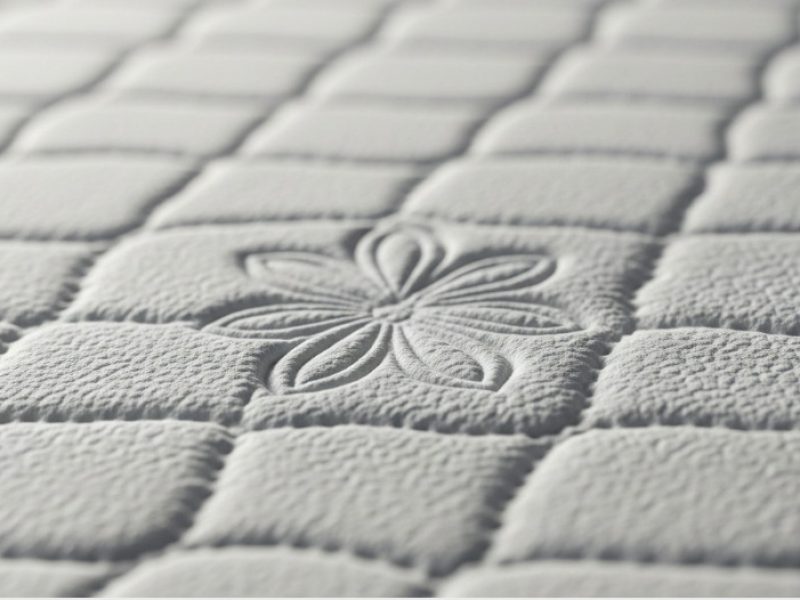
Advanced embossing tech determines whether a tissue manufacturer maintains healthy profit margins or loses revenue to inefficient fiber consumption and poor roll density. Many production lines struggle to balance perceived bulk with actual mechanical strength, often over-using raw pulp to compensate for low-quality pattern definition. Selecting the wrong roller configuration leads to inconsistent product quality and higher material costs, creating a significant disadvantage in a market where fiber prices remain volatile.
This guide analyzes the engineering mechanics of texture application, specifically comparing the performance of steel-to-steel and steel-to-rubber systems. We evaluate how specific surface patterns increase roll volume by up to 20% without adding weight and examine the impact of deep embossing on final tensile strength. By reviewing the functional differences between micro and macro patterns, this technical overview provides a framework for optimizing absorbency and fiber efficiency in modern tissue production.
Is Embossing More Than Just a Decorative Feature for Tissue Brands?
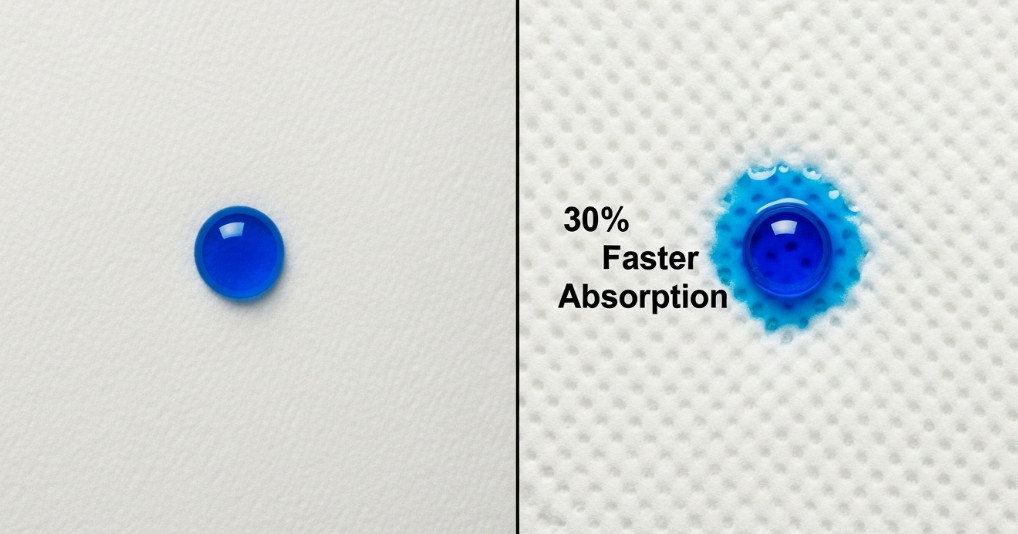
Embossing serves as a critical mechanical process that increases liquid retention by 30% while bonding multiple plies into a cohesive, high-strength structure.
Top Source Hygiene utilizes point-to-point embossing to modify the physical architecture of 100% virgin wood pulp. This process creates precise micro-cavities that trap moisture more effectively than flat, untreated sheets. Beyond fluid management, the mechanical action during the embossing phase breaks down stiff fiber bonds. This creates the velvet-like texture preferred in luxury hospitality sectors without compromising the paper’s core integrity.
- Surface patterns expand the total wicking area to accelerate moisture absorption.
- Internal air pockets between paper plies hold liquids securely during use.
- Mechanical fiber softening produces a lint-free, skin-friendly finish for 2026 consumer standards.
Maintaining Structural Integrity and Ply Cohesion
Modern production lines at the Hebei industrial hub leverage strategic pressure points to lock multiple plies together. This ply-bonding technology often eliminates the need for excessive chemical adhesives that can stiffen the final product. By using CNC-precision rollers, we maintain a delicate balance: the pattern remains deep enough to ensure the tissue does not separate during high-traffic commercial use, yet precise enough to preserve the original tensile strength of the long-fiber wood pulp.
- Mechanical lamination prevents layer separation in demanding wet-use scenarios.
- Advanced 4D and PIXEL technologies protect fiber bonds from premature tearing.
- Precise roller calibration ensures consistent runnability and prevents sheet control issues during unwinding.
Strategic Brand Differentiation and Premium Market Positioning
For ODM clients across 56+ countries, custom embossing acts as a psychological cue for quality. Shoppers instinctively equate sophisticated textures with premium performance, allowing brands to justify higher price points in retail and hospitality sectors. We transform a generic commodity into a branded experience by integrating custom logos directly into the tissue surface. This reinforces company identity at every touchpoint while clearly differentiating OEM products from low-tier budget alternatives.
- Unique visual patterns signal high-end positioning to international buyers and distributors.
- Logo embossing builds brand recall and serves as a functional tool for product authentication.
- Sophisticated textures help global clients build distinct market identities in saturated retail environments.
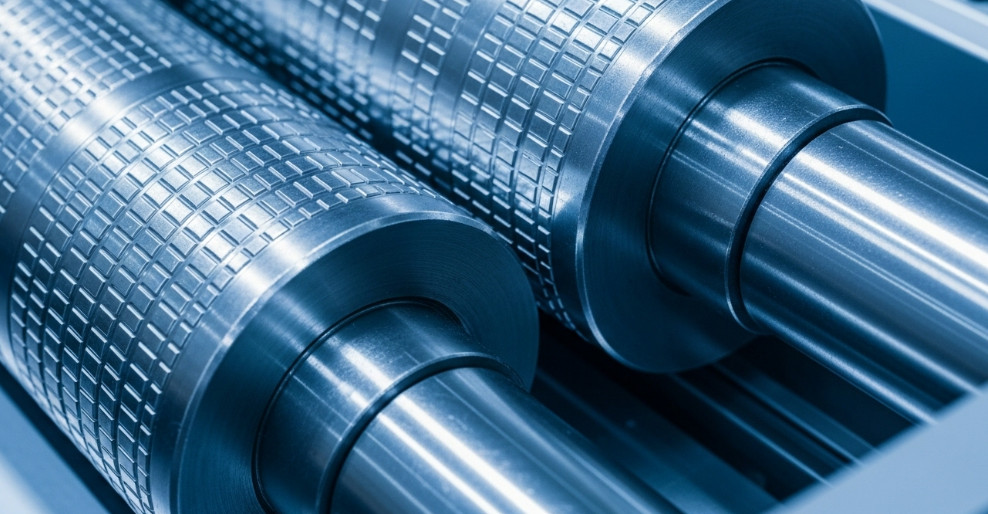
Why Does Steel-to-Steel Embossing Offer Superior Pattern Definition?
Steel-to-steel embossing utilizes precisely matched CNC-milled rollers to achieve micron-level pattern definition and structural integrity that rubber-backed systems cannot maintain during high-speed production.
Geometric Accuracy Through Matched Metal Tooling
Steel-to-steel systems rely on interlocking male and female rollers engraved with absolute precision. Unlike traditional methods that use a soft rubber backing roller, matched metal tooling applies equal pressure from both sides of the tissue web. This mechanical synchronization creates sharp, well-defined edges that remain consistent across every square centimeter of the paper. We utilize CNC-milled steel dies to maintain this synchronization across 2,860 tons of monthly production, preventing the pattern blurring common in softer material setups.
| Performance Metric | Steel-to-Steel (TSH Spec) | Steel-to-Rubber (Standard) |
|---|---|---|
| Pattern Definition | Ultra-High / Sharp Edges | Medium / Soft Edges |
| Thermal Stability | High (Resists Distortion) | Low (Heat Expands Rubber) |
| Absorbency Increase | Up to 30% (Deep Pockets) | ~10-15% (Shallow Indents) |
Resistance to Pattern Distortion in High-Volume Operations
The rigidity of hardened steel rollers preserves intricate design details even when operating at the maximum speeds required for global OEM orders. While composite or synthetic rollers often suffer from “pattern drift” due to heat-induced expansion during long runs, steel rollers maintain their physical dimensions. This ensures that the branding logos on the first roll of a 40HQ container are identical to those on the last roll.
- Steel rollers resist physical wear better than composite materials, extending the lifecycle of fine-line patterns.
- Consistent pressure application satisfies strict quality control standards for premium hospitality clients.
- Wear-resistant coatings applied to our 2026 machinery reduce the frequency of maintenance-related shutdowns.
Preservation of Deep Embossment Without Surface Tearing
Engineers calibrate the gap between steel rollers to compress 100% virgin wood pulp fibers into a permanent shape without fracturing the paper web. This controlled depth allows for significant bulk increases while protecting the tensile strength of the sheet. The process creates deeper pockets for air and moisture, improving the perceived thickness of our 2-ply and 3-ply rolls. The resulting 3D texture remains stable during mechanical compression bagging and shipping, ensuring the product maintains its premium visual appeal upon arrival at the retail destination.
Build Your Unique Toilet Paper Brand Today
The Bulk ROI: How Surface Patterns Increase Volume by 20% While Saving Fiber
Strategic embossing turns air into tangible volume, allowing B2B distributors to deliver high-perceived-value rolls that utilize significantly less wood pulp while meeting 2026 hospitality and retail thickness standards.
Expansion of Sheet Caliper through Geometric Air Traps
Mechanical rollers lift 100% virgin wood fibers to create three-dimensional patterns that physically expand the roll diameter without increasing raw material weight. These geometric air traps create a permanent separation between plies, resulting in a thicker sheet that consumers associate with premium quality. We utilize CNC-precision rollers to ensure that every millimeter of the 2,860-ton monthly production capacity at our Hebei factory meets specific caliper benchmarks for our North American and European partners.
| Performance Metric | Standard Embossing | Precision Geometric (TSH) |
|---|---|---|
| Apparent Roll Volume | Baseline (Flat) | +20% Increase |
| Fiber Content (GSM) | High (18-22g) | Low (13-15g) with high bulk |
| Consumer Value Perception | Moderate | Premium/Luxury Grade |
Fiber Displacement Strategies for Material Savings
Effective ROI in tissue manufacturing stems from optimizing the distribution of wood pulp. By concentrating fibers in high-stress pattern areas, we retain the structural integrity of the tissue while reducing the overall Grams per Square Meter (GSM). This displacement strategy allows Top Source Hygiene to stretch fiber yields further across high-volume orders, directly lowering the cost of goods sold (COGS) for OEM partners throughout the 2026 fiscal year.
- Precision perforation lines ensure that the reduced fiber density does not lead to “shredded edges” during consumer use.
- Point-to-point lamination bonds plies together, preventing separation even when fiber weight is minimized.
- High-wet-strength durability remains consistent by leveraging the mechanical architecture of the embossed pattern.
Visual Value Perception and Retail Shelf Impact
Bulkier rolls occupy more physical space on retail shelves, signaling higher value to consumers without the manufacturer incurring the cost of additional pulp. Patterns that increase volume by 20% enable retail brands to utilize larger packaging, which often drives a 30% surge in sales within competitive markets. Beyond aesthetics, the increased surface area improves liquid absorption rates, providing functional ROI that supports premium pricing strategies for private labels.
Operational Efficiency and 2026 Sustainability Goals
Saving fiber through pattern optimization aligns with global FSC-certified sustainability requirements. Lowering the total fiber weight per roll reduces shipping costs and fuel consumption for global exports to 56+ countries. By utilizing mechanical compression technology during bagging, we minimize roll bulk for transport while maintaining the paper’s “fluffiness” once the consumer opens the package. This ensures a 40HQ container payload of 7-9 tons is optimized for the lowest possible landed cost per roll.
Does Deep Embossing Negatively Impact the Final Tensile Strength?
Deep embossing physically alters fiber networks, creating a trade-off between visual depth and structural integrity that requires high-flexibility virgin pulp to mitigate.
Deep embossing subjects paper fibers to significant mechanical stress, often leading to localized thinning or micro-fractures within the sheet. When manufacturers apply high pressure to create deep, high-definition patterns, they often stretch cellulose fibers beyond their elastic limit. This physical displacement creates “perforation” points that reduce the force required to tear the tissue during use. Advanced production standards in 2026 now focus on cushioned embossing techniques. This approach preserves the base sheet’s tensile integrity while achieving the depth and texture that premium markets demand.
Fiber Integrity and the Mechanics of Deep Impressions
The mechanical deformation of the paper web during the embossing process directly impacts how the finished product handles tension. Excessive fiber displacement weakens the internal bonding of the paper, making it more susceptible to snapping under low loads.
- Stretching cellulose fibers beyond their elastic limit results in permanent structural degradation of the web.
- Localized thinning creates “weak spots” that act as starting points for tears.
- Cushioned embossing technology balances visual aesthetics with the preservation of fiber-to-fiber bonding.
The Resilience of 100% Virgin Wood Pulp
Material selection serves as the primary defense against the strength loss typically associated with heavy surface texturing. Top Source Hygiene utilizes long-fiber virgin wood pulp, which offers higher flexibility and bonding strength than recycled alternatives. This raw material quality ensures the sheet can withstand the rigors of high-pressure rollers without losing its functional durability.
- Longer fibers distribute the mechanical load of the embossing rollers more effectively, preventing the sheet from snapping.
- Higher GSM (Grams per Square Meter) specifications provide the density required to support deep patterns.
- The use of 100% OBA-free virgin pulp maintains the natural chemical bonds of the wood fibers, preventing brittleness.
Strategic Ply Bonding and Structural Durability
Multi-ply configurations allow manufacturers to maintain overall product strength even when individual layers undergo deep texturing. In 3-ply and 4-ply toilet paper, embossing often serves to “nest” or lock layers together. This mechanical interlocking can actually improve the combined tensile resistance of the roll compared to single-ply sheets with the same pattern depth.
- Pattern geometries avoid continuous horizontal lines of weakness, which are otherwise prone to splitting.
- Strategic lamination ensures the plies act as a single, unified structure under tension.
- Strict quality control measures verify that the final product maintains its pull strength across both commercial and retail applications.
Micro-Embossing vs. Macro-Embossing: Functional Differences for Absorbency
Sequential embossing strategies allow manufacturers to decouple tactile softness from structural volume, optimizing both liquid retention and fiber efficiency.
Micro-Embossing and Fiber Flexibility
Micro-embossing applies fine, high-density patterns directly to individual plies to modify the physical characteristics of the virgin wood pulp. We use this technique to mechanically break down fiber stiffness, which significantly enhances the tactile softness of the sheet. By creating a higher frequency of microscopic indentations, the paper gains a larger surface area for immediate moisture contact. This “pre-treatment” of the plies ensures that the finished multi-ply product remains flexible and highly absorbent at the point of contact.
| Technical Metric | Micro-Embossing | Macro-Embossing |
|---|---|---|
| Pattern Depth | 0.03 mm to 0.1 mm | 0.3 mm to 1.5 mm |
| Primary Objective | Tactile Softness & Wicking | Bulk Volume & Liquid Trapping |
| Ply Application | Individual Plies | Multi-Ply Lamination |
| Fiber Impact | Increases Flexibility | Creates Structural Voids |
Macro-Embossing for Moisture Retention and Bulk
Macro-embossing focuses on the structural architecture of the tissue roll. By producing deeper indentations across multiple plies, the process creates air pockets that physically capture and retain large volumes of liquid. This is the primary driver for high-performance kitchen towels and industrial jumbo rolls where liquid capacity is more critical than surface softness. Additionally, macro-patterns increase the perceived thickness of the roll by up to 20% without requiring additional raw fiber, allowing for a more substantial product feel that meets consumer quality expectations while maintaining strict pulp budgets.
Hybrid Techniques for Enhanced Wet Strength
The most advanced hygiene products in 2026 utilize a hybrid approach where micro and macro techniques are applied sequentially. We optimize the balance between absorption speed and total capacity by placing strategic micro-textures within a larger macro-embossed framework. This configuration ensures that the tissue maintains its structural integrity during wet-use scenarios, preventing the common “shredding” effect seen in lower-tier products.
- Top Source Hygiene employs CNC-precision pattern placement to resist tearing while maximizing the void volume between plies.
- Strategic lamination reduces raw fiber usage by 15-20% while still exceeding global performance standards for commercial absorbency.
- This dual-embossing method provides 30% more liquid retention compared to basic nested or non-embossed alternatives.
Can Custom Embossing Rollers Act as a Counterfeit-Prevention Tool?
Custom embossing creates a non-replicable physical signature that protects brand equity through tactile complexity and integrated digital traceability.
Tactile Three-Dimensional Pattern Security
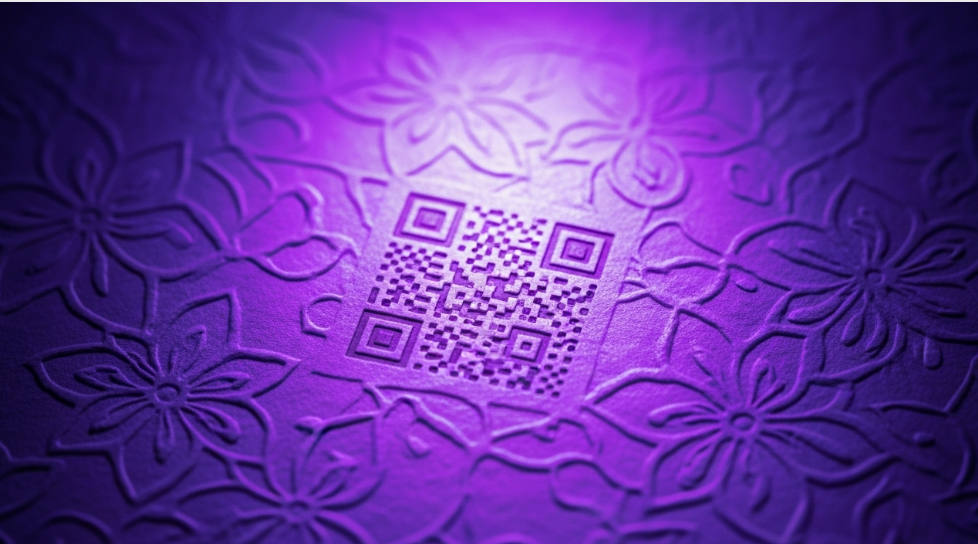
Manufacturers embed intricate tactile patterns directly into paper fibers to create a physical signature for authentic brands. These textures remain difficult to replicate without specialized industrial equipment, as they require specific pressure and roller alignment. Unique embossing designs allow consumers and inspectors to verify product authenticity through touch and visual inspection alone. Top Source Hygiene utilizes custom roller configurations to ensure brand-specific patterns across its global product lines in 2026, making the paper itself a tool for brand protection.
Direct Surface Serialization and Traceability
Modern embossing technology integrates identification codes directly into the product texture for supply chain monitoring. Rollers now incorporate batch codes and serialized numbers that mark each roll during the high-speed production process. Logistics teams use these embossed identifiers to track shipments across 56 countries, which prevents unauthorized market diversion. Smartphone verification systems also allow retailers to scan these embossed markers to confirm manufacturing origin in real-time.
Precision Steel-to-Steel Tooling Verification
High-grade steel rollers produce sharp pattern definitions that low-quality counterfeit molds cannot match. Precision-machined steel-to-steel rollers create crisp, well-defined edges that signify high-quality manufacturing standards. Counterfeiters often rely on cheaper rubber or plastic molding, which results in blurred patterns and inconsistent depth. Top Source Hygiene maintains strict quality control by using these high-definition patterns to distinguish its OEM products in the retail market, ensuring that every sheet reflects the brand’s technical superiority.
Multi-Layered Authentication Integration
Embossing acts as a primary security layer when combined with other anti-counterfeiting measures. Security experts combine custom embossing with microtext and holograms on packaging for comprehensive protection. Database-linked serialization ensures that the embossed codes on the paper match the digital records on the shipping container. The seamless integration of security patterns into existing workflows minimizes additional production costs while maximizing brand safety for distributors and wholesalers.
Conclusion
Proper texture engineering transforms raw wood pulp into a high-performance retail product by improving bulk and absorbency. Selecting a precise embossing method allows brands to reduce fiber usage by up to 20% without compromising the tactile experience or tensile strength. This technical approach ensures a balance between manufacturing ROI and consumer satisfaction.
Analyze your existing roll specifications to identify opportunities for pattern optimization or counterfeit prevention. Our team can help you select the ideal steel-to-steel configurations to meet specific regional market demands.
Frequently Asked Questions
Does embossing make toilet paper more or less absorbent in clinical tests?
Embossing significantly increases absorbency by creating interstitial spaces and “pockets” between the paper fibers and plies. These chambers utilize capillary action to trap and hold larger volumes of moisture compared to flat, unembossed sheets. Modern techniques like PIXEL embossing specifically optimize these structures to maximize water-holding capacity without compromising sheet integrity.
What is the technical difference between micro and macro embossing patterns?
Micro-embossing consists of high-density, very small background dots (often exceeding 30-80 dots per cm²) that primarily function to improve ply bonding, thickness, and hand-feel softness. Macro-embossing refers to larger, decorative designs—such as flowers or brand logos—that are spaced further apart to enhance visual premiumness and provide bulk without hardening the paper surface.
How much does a custom-designed embossing roller cost for an ODM brand?
In current industry standards, a custom-designed, laser-engraved steel embossing roller typically ranges from $15,000 to $45,000. The cost fluctuates based on the width of the production line (e.g., 2.7m vs. 5.5m), the complexity of the 3D pattern (such as 4D or PIXEL depth mapping), and whether the setup requires a steel-to-rubber or a synchronized steel-to-steel roller system.
Can embossing help reduce the amount of pulp used per toilet paper roll?
Yes, embossing is a key strategy for “caliper management.” By mechanically increasing the bulk and thickness of the paper through 3D patterning, manufacturers can produce a roll that feels substantial and reaches a standard diameter while using a lower Basis Weight (GSM). This allows for a reduction in raw pulp consumption by 5% to 15% without a perceptible loss in roll firmness to the consumer.
Does double embossing feel softer to the touch than single embossing?
Double embossing—particularly “Point-to-Point” or “Nested” configurations—is significantly softer than single embossing. This process breaks up more of the fiber stiffness and creates air-cushioned chambers between the two plies. This “quilted” effect provides a plush, velvety texture and improved compressibility that single-ply embossing cannot replicate.
How does the embossing pattern impact the way paper is pulled from a roll?
The embossing pattern influences both the roll’s surface friction and its tensile strength. A well-engineered pattern ensures enough “grip” for the user to locate the start of the roll and allows for a clean break at the perforations. Conversely, overly aggressive patterns can weaken the sheet, leading to premature tearing or “shredding” during the pull. Advanced 4D embossing balances these forces to ensure structural integrity and a smooth unwind experience.