

Sourcing bathroom tissue for the Canadian market requires balancing a US$1.31 billion demand with a supply chain that spans a 4,300 km landscape. While domestic production remains strong, wholesalers must navigate complex logistics and strict regulatory standards to maintain a consistent flow of goods. Success in this sector depends on understanding which manufacturers control the local market and how cross-border trade fills the gaps between regional supply and demand.
This article profiles the top toilet paper manufacturers in Canada and analyzes the trade dynamics driving the North American supply chain. We look at how Kruger Products maintains one-third of the nation’s capacity, the impact of federal bilingual labeling laws on packaging, and the freight strategies used to move high-cube products through the Windsor–Quebec City corridor.
Top 10 Manufacturers and Domestic Giants in Canada
Quick Comparison: Top Picks
| Manufacturer | Location | Core Strength | Verdict |
|---|---|---|---|
| Top Source Hygiene | Mancheng, China (Global Shipping) | Custom Toilet Paper, Jumbo Roll, Private Label | Premier global factory-direct partner for high-scale OEM/ODM customization. |
| Kruger Products Inc. | Mississauga, Ontario, Canada | Cashmere, Purex, and Scotties branded products | Dominant Canadian domestic manufacturer with massive production capacity. |
| Irving Consumer Products (Irving Tissue) | Dieppe, New Brunswick, Canada | Royale branded tissue and paper towels | Premium product quality supported by a vertically integrated supply chain. |
| Cascades Tissue Group | Kingsey Falls, Quebec, Canada | Recycled and virgin-fibre tissue systems | Industry leader in sustainability and eco-friendly manufacturing processes. |
| Kimberly-Clark (Canada) Inc. | Mississauga, Ontario, Canada | Cottonelle and Scott branded toilet paper | Global powerhouse focused on advanced R&D and widespread retail availability. |
| Procter & Gamble (P&G) Canada | Toronto, Ontario, Canada | Charmin toilet paper and Bounty paper towels | Market leader for product softness and high-trust consumer brands. |
| Sofidel Canada | National Canadian Distribution | Private-label and branded tissue products | Advanced manufacturer specializing in efficient private-label solutions. |
| Essity / Tork Canada | National Sales Offices, Canada | Tork brand hygiene systems and dispensing | Top specialist for commercial and “away-from-home” institutional sectors. |
| Resolute Forest Products | Montreal, Quebec, Canada | Private-label tissue and napkins | Strong regional player with direct access to Canadian virgin fiber sources. |
| Asia Pulp & Paper (APP) | Asian production, Canadian distribution | Export-oriented toilet paper and facial tissue | Competitive offshore source for high-volume, cost-effective private programs. |
Top Source Hygiene
Top Source Hygiene manages the entire manufacturing cycle through two specialized facilities, ensuring direct oversight of every production phase. This factory-direct model allows the team to maintain rigid quality benchmarks while offering the scalability required for high-volume orders. By controlling the supply chain from raw material selection to the final tissue products, they eliminate third-party markups and provide transparent execution for brands requiring consistent, large-scale paper supplies.
The company mitigates procurement risks by adhering to strict international compliance standards, including ISO, FDA, and FSC certifications. This dedication to regulatory alignment ensures that private label products meet the safety and environmental requirements of major markets across North America and Europe. Their three decades of experience enable them to handle complex OEM/ODM customizations, allowing businesses to tailor specific product details like ply count and packaging while maintaining a reliable timeline for global distribution.
At a Glance:
- 📍 Location: Mancheng, Baoding, China (Global Shipping)
- 🏭 Core Strength: Custom Toilet Paper, Jumbo Roll Tissue, Kitchen Towels, Facial Tissues, and Private Label Paper Products
- 🌍 Key Markets: North America, Europe, Asia, and Oceania (Supplying 56+ countries)
Why We Picked Them:
| ✅ The Wins | ⚠️ Trade-offs |
|---|---|
|
|
Kruger Products Inc.
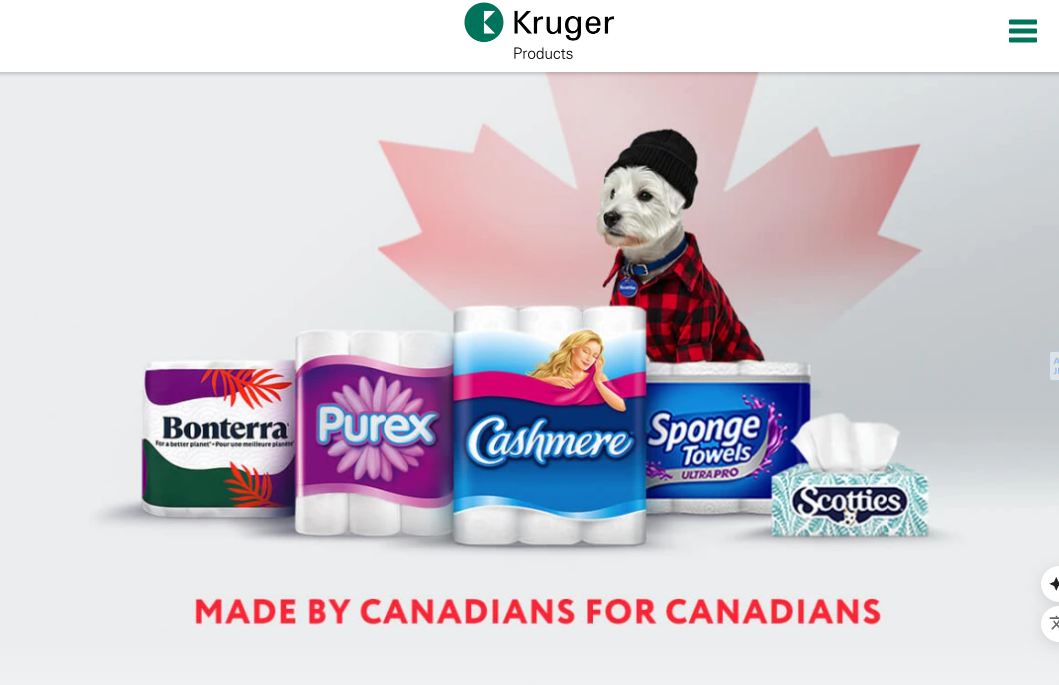
Kruger Products stands as the primary force in the Canadian tissue industry, controlling more than a third of the entire country’s manufacturing capacity. This massive scale allows them to supply major retail chains and commercial distributors with a degree of reliability that smaller competitors often struggle to match. Their operations bridge the gap between heavy industrial production and consumer-facing brand management, serving both the Canadian and American markets with high-demand household essentials.
The company manages ten specialized manufacturing facilities across Canada, which gives them direct oversight of the production process and helps mitigate logistics risks. By maintaining full factory control, they produce household names like Cashmere and Scotties while ensuring consistent supply for the foodservice and commercial sectors. This focus on domestic execution helps reduce the uncertainties typically associated with imported paper goods and provides a stable foundation for their retail partnerships.
At a Glance:
- 📍 Location: Mississauga, Ontario, Canada
- 🏭 Core Strength: Cashmere, Purex, and Scotties branded toilet paper, facial tissue, and napkins
- 🌍 Key Markets: Canada and the United States (Retail, Foodservice, and Commercial)
Why We Picked Them:
| ✅ The Wins | ⚠️ Trade-offs |
|---|---|
|
|
Irving Consumer Products (Irving Tissue)
Irving Consumer Products operates as a significant force within the North American tissue industry by leveraging the extensive resources of the J.D. Irving conglomerate. The company maintains full oversight of its production process, starting with responsible forest management and ending with finished household paper goods. This vertical integration provides a level of supply chain security that few competitors can match, ensuring that raw material quality remains consistent throughout the manufacturing cycle.
The organization specializes in high-volume production for the most prominent retail environments, including mass-market grocery chains and club stores. Their focus on factory-level precision allows them to produce both the premium Royale brand and various private-label lines that meet rigorous standards for softness and strength. By concentrating on large-scale contracts, they provide the necessary infrastructure to support the heavy inventory demands of major North American retailers.
At a Glance:
- 📍 Location: Dieppe, New Brunswick, Canada
- 🏭 Core Strength: Royale branded toilet paper, facial tissue, and paper towels
- 🌍 Key Markets: Major Canadian and U.S. Grocery, Mass Retail, and Club Stores
Why We Picked Them:
| ✅ The Wins | ⚠️ Trade-offs |
|---|---|
|
|

Cascades Tissue Group
Cascades operates as a leader in the circular economy by transforming recycled fibers into high-quality tissue products. Based in Kingsey Falls, the company maintains direct factory control over the entire production cycle, ensuring that sustainability remains a core operational standard rather than a secondary goal. Their focus on the institutional and retail sectors allows them to deliver consistent hygiene solutions while significantly reducing the environmental footprint of their partners through responsible resource management.
By prioritizing local execution and closed-loop manufacturing, Cascades reduces supply chain risks often associated with global sourcing and long-distance logistics. Their commitment to eco-friendly processes means businesses can secure reliable supplies of toilet paper and tissue systems that meet strict environmental certifications. This hands-on approach to manufacturing ensures that quality remains high across both virgin and recycled fiber lines, providing a stable foundation for foodservice and professional hygiene clients who value transparency.
At a Glance:
- 📍 Location: Kingsey Falls, Quebec, Canada
- 🏭 Core Strength: Recycled and virgin-fibre toilet paper, away-from-home tissue systems
- 🌍 Key Markets: Institutional, Foodservice, and Sustainability-focused Retailers
Why We Picked Them:
| ✅ The Wins | ⚠️ Trade-offs |
|---|---|
|
|
Kimberly-Clark (Canada) Inc.
Kimberly-Clark (Canada) Inc. operates a sophisticated supply chain that connects global manufacturing standards with the specific needs of the Canadian retail landscape. The organization manages a vast North American distribution network to ensure high-demand products reach store shelves reliably. This level of factory control and logistical oversight minimizes the risk of supply chain disruptions, allowing the company to maintain a steady presence in major wholesale and retail channels.
The company emphasizes local execution to keep its premium brands, such as Scott and Cottonelle, at the forefront of the hygiene sector. By centralizing operations in Mississauga, Kimberly-Clark provides retail partners with direct access to a stable inventory of essential household goods. This strategic focus on distribution efficiency and product consistency helps the firm secure a dominant share of the professional and consumer markets across Canada.
At a Glance:
- 📍 Location: Mississauga, Ontario, Canada
- 🏭 Core Strength: Cottonelle and Scott branded toilet paper and facial tissues
- 🌍 Key Markets: Global Multinational Retail and Wholesale Channels
Why We Picked Them:
| ✅ The Wins | ⚠️ Trade-offs |
|---|---|
|
|
Procter & Gamble (P&G) Canada
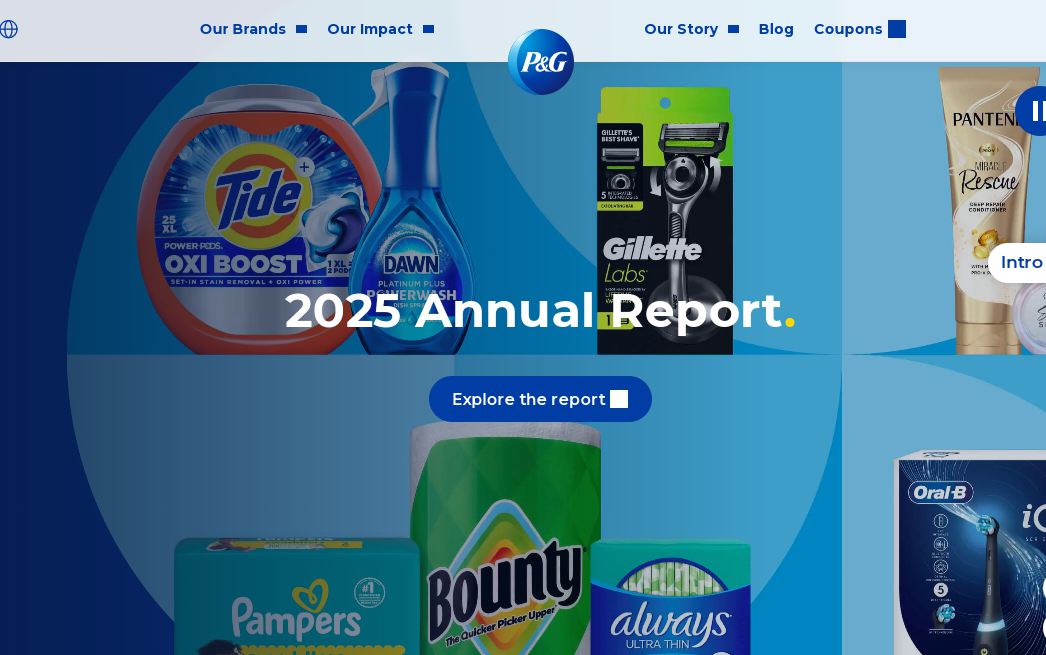
P&G Canada operates as a primary coordinator for household essentials, overseeing the distribution of staple brands like Charmin and Bounty. The organization maintains tight oversight through a synchronized North American production network. This infrastructure allows the company to execute high-volume manufacturing while keeping quality standards uniform across the Canadian market. Retailers rely on this localized management to ensure that shelf-stable products arrive without the variances often found in smaller-scale operations.
The management team in Toronto prioritizes risk reduction by integrating factory control directly into their logistics strategy. This structure supports both large retail chains and growing e-commerce sectors by providing a predictable flow of goods. By focusing on standardized production and robust supply lines, the company minimizes the complexities of cross-border trade for its distributors. This reliability helps partners maintain inventory levels despite the high demand for essential paper products.
At a Glance:
- 📍 Location: Toronto, Ontario, Canada
- 🏭 Core Strength: Charmin toilet paper and Bounty paper towels
- 🌍 Key Markets: Large Retail Chains and E-commerce across Canada
Why We Picked Them:
| ✅ The Wins | ⚠️ Trade-offs |
|---|---|
|
|
Sofidel Canada
Sofidel Canada operates as a large-scale tissue manufacturer, focusing on high-volume supply for the retail and commercial sectors. The company has established a presence in the Canadian market by offering a mix of proprietary brands and flexible private-label options. Retailers and wholesale distributors looking for a steady supply of essential paper goods benefit from Sofidel’s ability to scale production while maintaining consistent quality standards across their product lines.
By leveraging an integrated North American manufacturing network, Sofidel reduces supply chain risks often associated with overseas sourcing. This local footprint allows for direct control over the production process, from raw material handling to the final packaging of toilet paper and paper towels. Their focus on modern factory automation ensures efficiency, making them a reliable partner for businesses that require high-capacity fulfillment and precise technical specifications for their store-brand products.
At a Glance:
- 📍 Location: Industry-wide (National Canadian Distribution)
- 🏭 Core Strength: Private-label and branded toilet paper and paper towels
- 🌍 Key Markets: Retail, Wholesale, and Away-from-Home channels
Why We Picked Them:
| ✅ The Wins | ⚠️ Trade-offs |
|---|---|
|
|
Essity / Tork Canada
Essity operates as a global leader in the away-from-home hygiene sector, maintaining a strong presence through its Canadian sales and distribution network. The company manages the entire lifecycle of its products, ensuring that institutional clients receive high-durability paper goods and integrated systems directly from a controlled supply chain. This vertical integration allows for precise factory control over quality standards, which reduces the operational risks often associated with third-party sourcing. By focusing on commercial-grade solutions, the brand provides reliable infrastructure for large-scale facilities that require consistent performance.
Local execution in Canada means that businesses gain access to specialized dispensing systems designed for high-traffic environments like foodservice and healthcare. These systems help facilities reduce waste and improve sanitation efficiency through smart engineering and rugged product design. Because the company maintains its own distribution offices across the country, logistics are streamlined to meet the demands of professional buyers who cannot afford supply chain disruptions. The focus remains on durability and system integration, making these products a staple for commercial environments looking for long-term reliability.
At a Glance:
- 📍 Location: National Sales and Distribution Offices, Canada
- 🏭 Core Strength: Tork brand toilet paper, hand towels, and dispensing systems
- 🌍 Key Markets: Institutional, Commercial, and Foodservice sectors
Why We Picked Them:
| ✅ The Wins | ⚠️ Trade-offs |
|---|---|
|
|
Resolute Forest Products
Resolute Forest Products manages a significant portion of the paper and tissue supply chain across North America by utilizing its own timber resources. The company specializes in the manufacturing of private-label bathroom tissue, paper towels, and napkins, catering to retailers who require high-volume production under their own brand names. Based in Montreal, they focus their efforts on the Eastern Canadian and Northeastern U.S. markets, offering a reliable regional supply for both retail shelves and commercial facilities.
Controlling the raw fiber source allows the company to maintain strict oversight of the production process from start to finish. This setup reduces the risk of supply chain interruptions and helps keep costs stable for long-term partners in the away-from-home market. By operating regional facilities and distribution hubs, they ensure delivery efficiency and consistent product quality across their entire line of paper goods.
At a Glance:
- 📍 Location: Montreal, Quebec, Canada
- 🏭 Core Strength: Private-label bathroom tissue, paper towels, and napkins
- 🌍 Key Markets: Retail and Commercial channels in Canada and U.S. Northeast
Why We Picked Them:
| ✅ The Wins | ⚠️ Trade-offs |
|---|---|
|
|
Asia Pulp & Paper (APP)
Asia Pulp & Paper (APP) operates as a major international manufacturer that supports the Canadian supply chain through massive production capabilities in Asia. The company specializes in delivering high-volume shipments of bathroom tissue and paper goods to meet the needs of large-scale wholesalers and distributors. By focusing on manufacturing efficiency, APP enables Canadian businesses to stock value-oriented products that remain competitive against local premium brands. This setup is particularly effective for organizations running private-label programs that require consistent quality across vast quantities of inventory.
Importers choosing this route benefit from manufacturing at an industrial scale, which keeps unit costs low even with international shipping factored in. We see many Canadian value retailers using these offshore facilities to maintain steady stock levels of everyday essentials like facial tissues and paper towels. Success with this supplier requires a focus on logistical planning and inventory management to account for trans-Pacific lead times. For those who can manage these operational details, the primary advantage remains the ability to secure market-leading prices on core paper commodities.
At a Glance:
- 📍 Location: Industry-wide (Asian production with Canadian distribution)
- 🏭 Core Strength: Export-oriented toilet paper, facial tissue, and paper towels
- 🌍 Key Markets: Canadian Importers, Trading Houses, and Value Retailers
Why We Picked Them:
| ✅ The Wins | ⚠️ Trade-offs |
|---|---|
|
|
The Canadian Tissue Landscape: Stability and Steady Demand
The Canadian toilet paper market is valued at approximately US$1.31 billion, with a steady 2.5% annual growth rate. Domestic manufacturing remains strong, led by Kruger Products which controls one-third of the nation’s capacity, while a positive trade balance of nearly C$30 million monthly underscores the sector’s self-sufficiency.
Market Valuation and Consumer Growth Patterns
The Canadian toilet paper market reached a valuation of US$1.31 billion in 2025 and maintains a projected compound annual growth rate (CAGR) of 2.53% through 2030. This growth reflects consistent demand from both the residential sector and the recovering commercial market. Revenue distribution remains diversified between physical retail channels and a maturing online segment. Economic indicators such as GDP per capita and household spending continue to influence purchasing patterns across the country’s provinces.
Domestic Trade Balance and Export Strength
Canada demonstrates significant strength in the international tissue trade, consistently achieving a positive trade balance. Reports from late 2025 indicate monthly exports of C$112 million against C$82.3 million in imports, resulting in a surplus of approximately C$29.3 million. This trade performance relies heavily on the integrated North American supply chain, where Canadian manufacturers export bulk and converted products primarily to the United States while importing specialized SKUs to balance local demand.
Manufacturing Infrastructure and Resource Access
The manufacturing landscape is dominated by Kruger Products, which operates roughly 10 plants and manages one-third of the country’s total tissue manufacturing capacity. These facilities are strategically situated near fiber resources and major population hubs to optimize logistics. Major competitors like Irving Consumer Products and Cascades also maintain a significant footprint, focusing on virgin pulp and recycled fiber production. Industry infrastructure is currently shifting toward sustainability-focused outputs, including FSC-certified 3-ply products and septic-safe formulations to meet 2030 environmental targets.
The US-Canada Trade Relationship and Its Impact on Sourcing
Canada maintains a robust trade relationship with the United States, achieving a C$29.3M positive trade balance in toilet paper as of August 2025. While domestic giants like Kruger Products control one-third of the nation’s capacity, the market relies on a high-volume cross-border corridor to balance shifting retail demands and manage logistical constraints across the Windsor–Quebec City corridor.
Integrated North American Supply Chain Dynamics
Canadian retailers and wholesalers operate within a tightly coupled trade ecosystem where U.S. mills serve as the primary external sourcing points. This relationship allows for the fluid movement of jumbo rolls and converted tissue products, which is essential for balancing domestic manufacturing output with sudden shifts in consumer demand. By utilizing this regional network, major brands such as Charmin and Cottonelle maintain a consistent market presence through a mix of domestic production and strategic imports from the U.S. Midwest and Northeast.
Logistics providers prioritize these southern corridors to feed secondary lanes into the Prairies and Atlantic Canada. Because toilet paper is a high-cube, low-weight commodity, these integrated networks focus heavily on 53-ft trailer utilization and rail intermodal lanes. This coordination ensures that even with the vast geographical dispersion of the Canadian population, high-demand centers receive stock without the lead-time penalties often associated with offshore sourcing.
Trade Volatility and Market Dependency
Recent trade data reveals a significant 23.6% year-on-year growth in outbound shipments to the United States, which remains the dominant export destination for Canadian-made tissue. Wholesalers and distributors track these year-over-year fluctuations to adjust inventory levels and establish realistic lead times for 2026 procurement cycles. This heavy reliance on the North American corridor makes the Canadian market particularly sensitive to policy changes or logistical disruptions at major border gateways like Windsor-Detroit and Sarnia-Port Huron.
Inventory management strategies must account for the structural imbalance between concentrated production nodes in the south and coast-to-coast demand. Distributors often employ tiered distribution center models—placing core hubs in Ontario or Quebec and regional sites in Calgary or Halifax—to mitigate the risks of cross-border volatility. This setup allows for safety-stock buffers that protect against seasonal weather risks and border-clearing delays that can impact the predictable flow of essential hygiene products.
Diversifying Sourcing for 2026 Resilience
To reduce dependency on regional price fluctuations, many Canadian buyers are looking beyond the U.S. border toward global manufacturing hubs in Asia. Producers such as Asia Pulp & Paper (APP), Unicharm, and Hengan represent viable offshore alternatives for value-oriented bathroom tissue and private-label programs. Sourcing from these international markets provides a necessary hedge against domestic capacity constraints, especially within the away-from-home and commercial tissue segments.
Strategically balancing North American supply with international imports allows distributors to maintain competitive pricing and stock stability. While Western Canada benefits from proximity to Pacific ports for Asian imports, Eastern Canada leverages its deep-rooted fiber base and integrated mills. Combining these regional strengths with a diversified global supply chain ensures that the Canadian toilet paper market remains resilient against localized disruptions, while meeting the growing demand for sustainable and FSC-certified products.
Scale Your Brand with Global OEM/ODM Toilet Paper Experts

Logistics: Distributing Across Canada’s Vast Geography
Logistics providers in the Canadian tissue market manage a 4,300 km supply chain by utilizing tiered distribution centres in central and regional hubs. Because toilet paper is a high-cube, low-weight product, companies optimize freight through 53-ft trailers and rail intermodal transport to mitigate the high costs of trans-continental distribution and seasonal weather risks.
Managing Distribution Across Population Clusters and Remote Regions
Canada’s 40 million residents concentrate heavily in the Windsor–Quebec City corridor. This creates a structural imbalance where production sits in southern nodes while demand remains spread from coast to coast. Supplying the Territories and northern Indigenous communities requires complex multimodal chains. These routes involve barge, rail, and winter ice roads with narrow seasonal shipping windows. Remote logistics often require early bulk ordering and specialized palletization to withstand multiple handoffs in harsh environments.
Freight Economics and Modal Selection for Bulky Paper Goods
Tissue products are high-cube and low-weight items. Trailers reach maximum volume capacity long before hitting weight limits. This makes per-unit freight costs sensitive to distance and load configuration rather than mass. Long-haul routes like the 4,300 km Toronto–Vancouver corridor rely on rail intermodal and high-cube 53-ft trailers to balance lead times and transportation costs. Integrating North American supply chains involves optimizing cross-border truckload flows at gateways like Windsor–Detroit and Sarnia–Port Huron to maintain stable inventory levels.
Strategic Hub Networks and Weather Contingency Planning
Efficient national coverage typically utilizes a tiered distribution centre (DC) model. Companies place central hubs in Ontario or Quebec and regional hubs in Calgary, Vancouver, and Halifax. Winter weather introduces recurring risks of road closures and rail disruptions in the Prairies and mountain passes. These conditions necessitate seasonal safety-stock increases. Advanced network optimization uses lane-level analytics and collaborative logistics to reduce empty miles and improve GHG emission performance across trans-Canadian routes.
Regulatory Compliance: Bilingual Labeling and Environmental Acts
Toilet paper sold in Canada must navigate a complex regulatory landscape involving federal bilingual labeling laws, provincial environmental stewardship programs, and strict manufacturing discharge limits. Compliance requires adhering to the Consumer Packaging and Labelling Act (CPLA) for linguistic accuracy and the Canadian Environmental Protection Act (CEPA) for chemical safety.
Bilingual Labeling Requirements under Federal and Quebec Law
The Consumer Packaging and Labelling Act (CPLA) serves as the primary federal framework for retail tissue products. It mandates that manufacturers provide product identity, net quantity, and dealer information in both English and French. Standardized metric units must accompany roll counts and sheet dimensions to ensure transparency and prevent deceptive packaging for consumers nationwide.
Quebec’s Charter of the French Language, reinforced by Bill 96, imposes stricter standards for products sold within the province. French text must appear at least as prominently as English on all consumer packaging and commercial documentation. This requirement extends to brand descriptors, usage instructions, and safety warnings, necessitating dedicated regional packaging strategies for brands operating in the Quebec market.
Environmental Claims and Product Accuracy Standards
The Competition Act regulates the validity of performance and sustainability assertions. Manufacturers must substantiate claims like “biodegradable,” “septic safe,” or “plastic-free” with verifiable evidence. These rules prevent misleading marketing and ensure that green assertions align with established federal guidance and independent environmental standards.
Weights and Measures regulations enforce strict tolerances for quantitative declarations. These rules verify that the actual number of rolls, sheets per roll, and physical dimensions match the net quantity statement on the packaging. While companies often pursue voluntary certifications like the Forest Stewardship Council (FSC) or ECOLOGO to signal sustainability, they must still meet these baseline legal requirements for count and measurement accuracy.
Environmental Management and Extended Producer Responsibility
The Canadian Environmental Protection Act (CEPA) monitors substances used in pulp and tissue manufacturing. It specifically manages the risks associated with bleaching agents and chemical additives to prevent toxic releases into the environment. Manufacturers must adhere to reporting and permitting duties to ensure all processed components comply with federal safety assessments.
The Fisheries Act and Wastewater Effluent Regulations set stringent limits on industrial discharges to protect aquatic ecosystems near tissue mills. Beyond the manufacturing stage, provincial Extended Producer Responsibility (EPR) programs in British Columbia, Ontario, and Quebec shift the financial responsibility for recycling to the brand owners. Under these frameworks, companies must register their packaging materials, report weights by category, and pay stewardship fees to fund provincial waste management systems.
Pro Tip: Why Western Canada is a Prime Target for Asian Imports
Western Canada serves as a strategic gateway for Asian tissue imports due to its direct Pacific port access and a localized manufacturing gap. By landing goods in Western hubs, importers bypass the high costs of transcontinental rail, allowing them to compete directly with domestic suppliers who primarily concentrate their production capacity in Ontario and Quebec.
Strategic Proximity to Key Population Hubs
Western Canada houses population centers that represent a significant portion of the national consumer base. Importers landing products in Western ports reach 90% of Canadian consumers more efficiently than those using Eastern transit routes. This logistics model reduces the time-to-market and simplifies the supply chain for high-volume retailers.
Reduced inland shipping distances lower the overall landed cost for high-volume goods like toilet paper and jumbo rolls. Because tissue products are high-cube and low-weight, freight costs often dictate the final retail price. Minimizing the distance between the port of entry and the regional distribution center provides a decisive pricing advantage for offshore manufacturers.
Market Gaps and Regional Supply Dynamics
Kruger Products operates the only major tissue facility in the West, creating a landscape where Asian imports can challenge local supply. While Central Canada features a dense network of mills from Irving, Cascades, and Kruger, the Western provinces rely on a thinner domestic production base. This regional imbalance allows Asian manufacturers to secure market share without facing the same level of local competition found in the East.
Asian manufacturers like Hengan and Unicharm supply specialized products that complement the existing one-third of Canada’s total tissue capacity based in the region. Western markets show high demand for varied specifications, including 3-ply bath tissue and high-capacity rolls for the away-from-home sector. These manufacturers utilize their massive scale in Asia to produce niche SKUs that domestic mills may not prioritize for the Western regional market.
Revenue Growth and Sustainability Trends for 2026
The Canadian toilet paper market trajectory shows steady expansion toward 2026, driven by a projected 2.53% CAGR and a US$1.31bn valuation. This growth aligns with increasing urbanization in Western provinces, where consumer spending on household essentials remains resilient despite economic fluctuations. Importers targeting this window can capitalize on the predictable demand for both retail and commercial segments.
Consumer preference in Western provinces shifts toward FSC-certified, hypoallergenic, and plastic-free options like the Bonterra line. Asian OEM providers utilize these trends to introduce sustainable private-label brands that compete with domestic giants on price and quality. By adopting recyclable packaging and alternative fibers, these providers meet the strict environmental standards expected by Canadian retailers and provincial stewardship programs.
Frequently Asked Questions
Who are the largest toilet paper producers in Canada?
Kruger Products stands as the market leader, operating nine manufacturing plants and controlling roughly one-third of the country’s total tissue capacity. Other major participants with significant market share include Procter & Gamble, Kimberly-Clark, and SCA.
Does Canada import toilet paper from China?
Yes. Canadian wholesalers frequently import from Chinese manufacturers like Top Source Hygiene to leverage specialized OEM/ODM services. These imports often focus on custom-branded private labels and high-ply products that offer a competitive edge in the retail and hospitality sectors.
What are the labeling requirements for tissue products in Canada?
Canada requires all consumer tissue products to feature bilingual labeling in English and French. Labels must accurately list the sheet count, roll dimensions, and the name and place of business of the manufacturer or importer.
Which manufacturers focus on 100% recycled or sustainable paper?
Kruger Products offers several sustainable lines, such as Bonterra. Additionally, global suppliers like Top Source Hygiene provide FSC-certified virgin wood pulp and eco-friendly recycled options that meet Canadian environmental regulations and consumer demand for green products.
How do wholesalers manage logistics for bulk paper across Canada?
Wholesalers typically utilize 40-foot high-cube containers for international shipping and rely on Canada’s rail network for efficient long-distance domestic transport. To minimize costs associated with the high volume-to-weight ratio of tissue, companies often maintain inventory in regional distribution hubs near major cities like Toronto, Montreal, and Vancouver.
Final Thoughts
The Canadian tissue sector balances domestic production with essential international trade. Local giants like Kruger Products maintain a large footprint, but the bulky nature of bathroom tissue makes smart logistics and diverse sourcing strategies vital. Success in this market depends on navigating the Windsor–Quebec City corridor while finding opportunities to fill supply gaps in the Western provinces.
Businesses looking toward 2026 can benefit from a mix of North American reliability and Asian cost-efficiencies. Adopting FSC-certified options and following bilingual labeling rules helps brands stay competitive. As consumer demand for eco-friendly products grows, distributors who combine stable logistics with sustainable manufacturing will lead the market.