
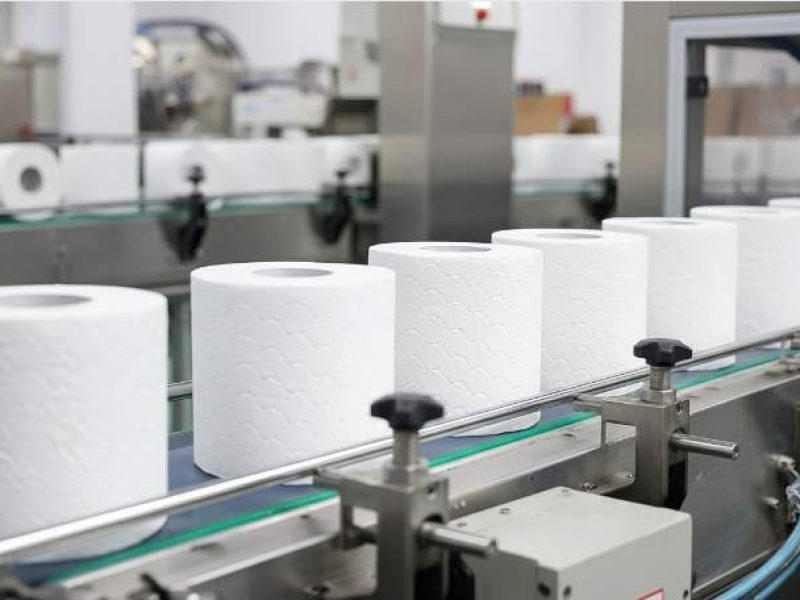
Austria’s hygiene sector serves as a high-capacity conduit for Central and Eastern European supply chains, anchored by an annual production of 132,000 tons at the Ortmann facility and a market valuation projected to reach $318 million by 2026. With export volumes totaling $162 million, the region provides a critical strategic hedge against logistics volatility for professional wholesalers and retail buyers across the CEE territory.
This guide analyzes the operational strengths of the top toilet paper manufacturers in Austria, focusing on dominant market participants like Essity, Metsä Group, and Mondi plc. We detail their adherence to ISO 14001 and PEFC standards, ensuring your sourcing strategy aligns with both technical performance requirements and European environmental compliance mandates.
Top 10 Toilet Paper Manufacturers in Austria
Quick Comparison: Top Picks
| Manufacturer | Location | Core Strength | Verdict |
|---|---|---|---|
| Top Source Hygiene | Mancheng, Baoding, China (Global Shipping) | Toilet Paper, Jumbo Rolls, Facial Tissue, Wipes | Top choice for factory-direct OEM/ODM pricing and global private label manufacturing. |
| Metsä Group | Austria / Finland (Regional Headquarters) | Tissue paper, Paperboard, Pulp-based hygiene | A regional powerhouse with massive market share and strong local supply infrastructure. |
| Essity | Stockholm, Sweden (Operating in Austria) | Professional Hygiene, Consumer Tissue, Health Products | A global leader in professional hygiene standards with a premium product portfolio. |
| WEPA Hygieneprodukte GmbH | Arnsberg, Germany (Active in Austria) | Sustainable Toilet Paper, Paper Towels, Napkins | Specialized manufacturer focusing on sustainability and efficiency in the DACH region. |
| Sofidel | Porcari, Italy (European Distribution) | Household Tissue, Professional Grade Toilet Paper | Large-scale European capacity combined with innovative sustainable technology. |
| Kimberly-Clark | Irving, USA (Global/Austria Operations) | Premium Toilet Paper, Facial Tissues, Hygiene Kits | Best for high-end professional brands and innovative material technology. |
| Procter & Gamble | Cincinnati, USA (Active in Austria) | Consumer Tissue, Household Paper Goods | Exceptional product quality and reliability with massive retail availability. |
| SCA (Svenska Cellulosa AB) | Sundsvall, Sweden | Pulp-based Paper Products, Hygiene Material | Ideal for reliable raw material sourcing and vertically integrated paper production. |
| Lucart | Regional hubs across Europe (Serving Austria) | Recycled “EcoNatural” tissue, Fiberpack® technology, circular economy solutions.A European leader in circular economy. | Best for buyers seeking innovative, light-brown recycled tissue made from beverage cartons with verified “Ecolabel” status. |
| Mayr-Melnhof | Vienna, Austria | Vertically integrated fiber production, industrial-scale packaging, cartonboard and paper. | Ideal for massive B2B contracts requiring supply chain stability and high-capacity manufacturing for the Central and Eastern European corridor. |
Top Source Hygiene
Top Source Hygiene operates as a factory-direct manufacturer specializing in high-capacity paper products. Based in Mancheng, Baoding, they provide a direct supply line for organizations scaling private label brands using virgin wood pulp. They manage the entire production cycle from raw material sourcing to final export for international markets.
The company maintains two manufacturing facilities and utilizes 30 years of industrial experience for OEM and ODM projects. Production processes comply with ISO 9001, FDA, and FSC standards to ensure consistency across volume orders. This technical infrastructure supports manufacturing toilet paper from 2 to 5 plies alongside specialized tissue lines.
📊 At a Glance:
- 📍 Location: Mancheng, Baoding, China (Global Shipping)
- 🏭 Core Strength: Toilet Paper (2-5 ply), Jumbo Roll Tissue, Kitchen Towels, Facial Tissues, Wet Wipes
- 🌍 Key Markets: Austria, North America, Europe, Asia, Africa, Oceania
Why We Picked Them:
| ✅ The Wins | ⚠️ Trade-offs |
|---|---|
|
|
Metsä Group
Metsä Group operates as the primary manufacturer in the Austrian paper and paperboard sector. The entity holds the largest market share in the region, serving as a Tier-1 supplier for high-volume tissue and pulp-based hygiene products. Their operational model utilizes Austrian industrial infrastructure to supply the broader European Union market while leveraging regional resources.
The company utilizes large-scale industrial infrastructure to maintain high production output. Their logistics network supports consistent delivery of paperboard and hygiene solutions across Central Europe. Strategic control over regional supply chains ensures material availability and minimizes lead times for enterprise-level procurement contracts.
📊 At a Glance:
- 📍 Location: Austria / Finland (Regional Headquarters)
- 🏭 Core Strength: Tissue paper, Paperboard, Pulp-based hygiene products
- 🌍 Key Markets: Austria, European Union
Why We Picked Them:
| ✅ The Wins | ⚠️ Trade-offs |
|---|---|
|
|
Build Your Unique Toilet Paper Brand with 30 Years of Expert OEM Manufacturing
Essity
Essity operates as a primary manufacturer of professional hygiene and tissue solutions with a concentrated presence in the Austrian market. Based in Stockholm, the company supplies specialized paper products to hospitals, restaurants, and industrial facilities under a multi-brand ecosystem.
The supplier manages global production facilities that adhere to international hygiene and health protocols. They focus on professional-grade tissue manufacturing and health products, leveraging large-scale infrastructure to meet high-capacity demands across Europe and international markets.
📊 At a Glance:
- 📍 Location: Stockholm, Sweden (Operating in Austria)
- 🏭 Core Strength: Professional Hygiene Paper, Consumer Tissue, Health Products
- 🌍 Key Markets: Europe, Global
Why We Picked Them:
| ✅ The Wins | ⚠️ Trade-offs |
|---|---|
|
|
WEPA Hygieneprodukte GmbH
WEPA operates as a specialized European manufacturer of sustainable hygiene paper products. From its headquarters in Arnsberg, Germany, the company manages a production network that serves the DACH region and focuses on reducing environmental impact through localized sourcing and manufacturing.
Production covers high-volume outputs of recycled toilet paper, paper towels, and napkins. The company leverages its German manufacturing base to provide reliable supply chains into Austria, which minimizes freight overhead and supports regional sustainability targets for corporate procurement.
📊 At a Glance:
- 📍 Location: Arnsberg, Germany (Active in Austria)
- 🏭 Core Strength: Sustainable Toilet Paper, Paper Towels, Napkins
- 🌍 Key Markets: Austria, Germany, Western Europe
Why We Picked Them:
| ✅ The Wins | ⚠️ Trade-offs |
|---|---|
|
|
Sofidel
Sofidel operates as a Tier-1 tissue paper producer with headquarters in Italy and a footprint spanning the European continent. This supplier serves as a primary infrastructure partner for the Austrian and North American trade markets, focusing on high-volume household and professional-grade paper goods. They control the entire production cycle from raw pulp processing to finished retail packaging.
The company manages extensive manufacturing facilities across Europe to ensure localized distribution and reduced logistics overhead. Operations utilize automated converting lines designed for rapid scaling and consistent fiber density across all product tiers. Supply chain managers must account for their massive output capacity, which specifically targets national retailers and industrial-scale distributors.
📊 At a Glance:
- 📍 Location: Porcari, Italy (European Distribution)
- 🏭 Core Strength: Household Tissue, Professional Grade Toilet Paper
- 🌍 Key Markets: Europe, USA
Why We Picked Them:
| ✅ The Wins | ⚠️ Trade-offs |
|---|---|
|
|
Kimberly-Clark
Kimberly-Clark operates as a primary manufacturer in the global pulp and paper industry, specifically supporting the Austrian commercial and retail hygiene sectors. They function as a tier-one supplier for organizations requiring standardized paper products across multiple international locations. The entity manages a complex supply chain infrastructure that bridges North American production with European distribution networks to ensure consistent stock availability.
Manufacturing facilities utilize high-speed converting lines and proprietary material processing to deliver consistent tissue quality and performance. Their professional division provides integrated hygiene systems designed for high-traffic environments, focusing on reduced consumption through controlled dispensing technology. Their operations comply with international ISO safety and environmental standards required for large-scale institutional procurement.
📊 At a Glance:
- 📍 Location: Irving, USA (Global/Austria Operations)
- 🏭 Core Strength: Premium Toilet Paper, Facial Tissues, Professional Hygiene Kits
- 🌍 Key Markets: Global, North America, Europe
Why We Picked Them:
| ✅ The Wins | ⚠️ Trade-offs |
|---|---|
|
|
Procter & Gamble
Procter & Gamble operates as a dominant force in the global consumer goods sector, specifically within the Austrian hygiene and tissue market. The company manages a massive distribution infrastructure that ensures product placement across major retail channels. Their operations prioritize brand consistency and high-volume output over niche customization.
Production focuses on the mass manufacturing of household paper goods and consumer tissue products. They utilize standardized industrial processes to maintain quality levels across multiple international facilities. The business model relies on significant brand investment and proprietary equity rather than white-label or private contract manufacturing services.
📊 At a Glance:
- 📍 Location: Cincinnati, USA (Active in Austria)
- 🏭 Core Strength: Consumer Tissue, Household Paper Goods
- 🌍 Key Markets: Global
Why We Picked Them:
| ✅ The Wins | ⚠️ Trade-offs |
|---|---|
|
|
SCA (Svenska Cellulosa AB)
SCA operates as one of Europe’s largest private forest owners, managing approximately 2.7 million hectares of forest land. Based in Sundsvall, Sweden, the company functions as a foundational supplier for the Austrian paper industry and broader global pulp markets. They control the entire value chain from timber growth to processed pulp and finished hygiene goods.
The company utilizes 100% renewable raw materials from managed forests to drive its production cycles. Facilities include high-capacity pulp mills designed for consistent chemical and mechanical pulp extraction. These assets provide the specific fiber quality required for industrial-scale tissue and containerboard production across European markets.
📊 At a Glance:
- 📍 Location: Sundsvall, Sweden
- 🏭 Core Strength: Pulp-based Paper Products, Hygiene Material
- 🌍 Key Markets: Europe, Global Pulp Markets
Why We Picked Them:
| ✅ The Wins | ⚠️ Trade-offs |
|---|---|
|
|
Lucart
Lucart operates a significant distribution and production network that feeds directly into the Austrian market. They are renowned for their “EcoNatural” line, which recycles Tetra Pak beverage cartons into high-quality tissue. For professional wholesalers in Austria, Lucart provides a specialized sustainable tier that aligns perfectly with the 2026 EU circular economy mandates.
📊 At a Glance:
- 📍 Location: Regional hubs across Europe (Serving Austria)
- 🏭 Core Strength: Recycled “EcoNatural” tissue, professional AFH solutions, and fiber recovery technology.
- 🌍 Key Markets: Austria, Italy, France, CEE Region.
Why We Picked Them:
| ✅ The Wins | ⚠️ Trade-offs |
|---|---|
|
|
Mayr-Melnhof (MM) Group
Based in Vienna, MM Group is one of Europe’s largest producers of cartonboard and folding cartons, but their role in the hygiene supply chain is critical as an upstream fiber provider and integrated packaging partner. They anchor the Austrian industrial landscape, providing the structural and logistical stability required for massive tissue export volumes to the CEE territory.
📊 At a Glance:
- 📍 Location: Vienna, Austria (Global HQ)
- 🏭 Core Strength: Virgin and recycled fiber processing, industrial-scale packaging, and pulp sourcing.
- 🌍 Key Markets: Global, with a focus on Austria and Eastern Europe.
Why We Picked Them:
| ✅ The Wins | ⚠️ Trade-offs |
|---|---|
|
|
Austria’s Role as a Bridge for Central and Eastern European Hygiene
Austria leverages its 132,000-ton annual production capacity and Vienna-based management hubs to dominate hygiene supply chains across Central and Eastern Europe.
Strategic Logistics Hub for Regional Supply Chains
Vienna functions as the primary management engine for hygiene sales and marketing targeting Eastern Europe. Consolidating corporate operations in the capital allows manufacturers to synchronize cross-border supply chains from a single regional base.
Austrian infrastructure serves as a high-efficiency distribution funnel for wholesalers and professional hygiene buyers. Geographic proximity to emerging CEE markets significantly reduces lead times, providing a logistical advantage over Western European competitors.
Industrial Capacity Supporting CEE Market Expansion
High-volume industrial output sustains the national export edge. The Ortmann facility alone provides a 132,000-ton annual capacity specifically engineered to fulfill bulk orders for regional retailers and professional Away-from-Home (AFH) sectors.
- Production Range: Toilet paper, household towels, napkins, and hankies.
- Technical Assets: Two paper machines and nine integrated converting lines.
- Infrastructure: Onsite paper recycling, bio-mechanical sewage purification, and finished goods warehousing.
By 2026, these advanced converting lines will be the primary drivers for maintaining export dominance. The integration of onsite recycling and power supply insulates the production flow from external market volatility while meeting strict EU sustainability standards.
The Ortmann Site: A Powerhouse for Zewa and Tork
The Ortmann facility produces 132,000 tons of tissue annually, serving as Essity’s strategic logistics hub for the Austrian and Eastern European consumer and professional hygiene markets.
Production Capacity and Technical Infrastructure
The Ortmann facility maintains high-volume manufacturing to meet regional demand. It functions as a central logistics node, using a large-scale finished goods warehouse to coordinate domestic distribution and exports.
- Annual Output: 132,000 tons.
- Primary Machinery: 2 specialized paper machines.
- Converting Lines: 9 lines dedicated to diverse tissue formats.
Dual-Brand Manufacturing for Zewa and Tork
The site operates as a primary hub for both retail and professional segments. This dual-focus strategy allows the facility to supply high-traffic professional environments and household consumers from a single location.
- Consumer Brands: Zewa, feh, Tempo, and Plenty (toilet paper, towels, and hankies).
- Professional Brand: Tork (Away-from-Home hygiene solutions).
- Market Reach: Austria and Eastern European growth markets.
Resource Management and Site Sustainability
Integrated resource systems allow the mill to operate as a self-sufficient production unit. The facility manages its own heavy manufacturing cycles by maintaining independent power and water treatment infrastructure.
- Fiber Sourcing: On-site paper recycling systems for secondary fiber processing.
- Water Management: Bio-mechanical sewage purification plant.
- Energy: Independent power supply infrastructure.
Build Your Premium Toilet Paper Brand with 30 Years of Expert Manufacturing
Sustainability and Local Recycling: Leading the EU Circular Economy
Austrian facilities like Ortmann act as high-capacity recycling hubs, processing 132,000 tons annually to meet EU circular economy goals and reduce transport emissions across Eastern Europe.
Integrated Local Fiber Recovery and Circular Production
The Essity Ortmann site operates as a primary engine for regional circularity. This facility integrates the entire production cycle—from raw waste recycling to finished goods warehousing—within a single industrial footprint. Localized fiber recovery minimizes the carbon costs associated with long-distance feedstock transport.
- Industrial Scale: 132,000 tons annual capacity.
- Infrastructure: 2 paper machines, 9 converting lines, and onsite power supply.
- Core Products: Toilet paper, household towels, napkins, and hankies.
Integrated production lines convert raw recovered fibers into hygiene products on-site. This model supports the 2026 EU goal for decentralized circular economies by reducing reliance on external pulp suppliers and optimizing regional logistics.
Advanced Bio-Mechanical Purification and Resource Management
Leading manufacturers implement bio-mechanical sewage purification to treat process water before it returns to local ecosystems. These water treatment protocols establish a 2026 benchmark for sustainable industrial output. High-capacity paper machines also integrate energy-recovery cycles to lower the carbon intensity of bulk manufacturing.
Austrian mills use these resource management systems to maintain high-volume output while adhering to strict environmental thresholds. The combination of onsite power generation and water recycling ensures the facility remains resilient against energy price volatility and resource scarcity.
FSC Certification and EU Environmental Compliance
Compliance with 2026 EU green standards requires rigorous auditing of raw material origins. Manufacturers prioritize FSC-certified virgin wood pulp to ensure supply chain transparency and forest preservation. This focus on verified sustainability extends to chemical use, particularly in bleaching processes.
- Key Standards: FSC certification and EU Deforestation Regulation (EUDR) compliance.
- Market Brands: Tork (Professional), Zewa, feh, Tempo, and Plenty (Consumer).
- Growth Drivers: Premiumization and eco-friendly product lines for Central European wholesalers.
Eco-friendly lines, including recycled facial tissues, meet the increasing demand for verified sustainable hygiene options. By aligning with EU environmental mandates, Austrian producers secure their position as the preferred sourcing partners for Eastern European retail and professional buyers.
AFH Market Leadership: Tork and Professional Hygiene Trends
Austria’s Ortmann facility serves as a 132,000-ton production hub, positioning the Tork brand to dominate Central and Eastern European professional hygiene markets through 2026.
Essity’s Ortmann Facility and Tork’s Regional Dominance
Essity leads the Austrian Away-from-Home (AFH) market. The company uses its Ortmann mill as a strategic bridge to supply Central and Eastern Europe with high-volume tissue products.
- Annual Capacity: 132,000 tons.
- Infrastructure: Two paper machines and nine converting lines.
- Sustainability Assets: Bio-mechanical sewage purification and dedicated power supplies.
- Portfolio: Tork-branded toilet paper, napkins, and professional towels.
The Vienna head office manages regional sales, ensuring stable distribution across the CEE corridor. This infrastructure supports a market projected to reach over US$310 million in revenue by 2025.
High-Traffic Solutions and Maintenance Efficiency
Facilities management in 2026 prioritizes jumbo rolls and automated dispensing to handle high-traffic environments like airports and office complexes. These systems reduce labor requirements and waste.
- Maintenance Savings: High-volume systems cut operational costs by approximately 15% compared to standard consumer-grade rolls.
- Target Sectors: Healthcare, hospitality, and public institutions.
- Competitors: Kimberly-Clark and WEPA challenge the market with specialized professional tiers.
Hagleitner Hygiene also maintains a strong domestic presence from Zell am See, serving public institutions with a 45% export quota. Their localized production competes directly with global players for institutional contracts.
Sustainability Integration in Professional Procurement
Professional buyers now mandate FSC-certified or recycled tissue to comply with EU circular economy targets. Procurement shifts away from virgin fiber for non-specialized AFH applications.
- Eco-innovation: Lucart and Metsä Tissue link supply chains to energy-efficient manufacturing and recycled fiber growth.
- Regulatory Compliance: Supply chains must meet EU Deforestation Regulation (EUDR) standards.
- Corporate ESG: Industrial-scale paper recycling at local mills allows providers to market lower-carbon footprints to public sector clients.
Recycled fiber demand is growing at a 5.45% CAGR. This trend forces manufacturers to integrate recycled feedstock directly into their Austrian operations to maintain competitive bidding advantages for corporate contracts.
Pro Tip: Why Austria is the Gateway for Sourcing Premium Private Label into Eastern Europe
Austria leverages massive production hubs like Ortmann to supply Central and Eastern Europe, combining high-volume output with strict EU sustainability standards and efficient cross-border logistics.
Strategic Geographic Positioning for CEE Distribution
Austria acts as the primary logistics bridge for Central and Eastern Europe (CEE). Manufacturing centers like the Essity Ortmann site handle high-volume exports because they sit directly on major trade routes, cutting transit times and reducing costs for heavy paper freight. This proximity allows wholesalers to maintain leaner inventories while ensuring a steady supply of premium tissue products.
The regional infrastructure supports the following high-capacity operations:
- Annual Capacity: 132,000 tons of tissue at major sites like Ortmann.
- Infrastructure: On-site paper recycling, dedicated power supplies, and bio-mechanical purification.
- Logistics: Finished goods warehouses optimized for bulk AFH (Away-from-Home) and consumer exports.
Adherence to Premium Private Label Standards
Retailers targeting the 2026 market need manufacturers that meet strict EU quality and sustainability rules today. Sourcing from Austrian-based operations ensures compliance with FSC certifications and upcoming recycled fiber requirements. These facilities specialize in the high-ply options and superior softness required to position private labels as legitimate alternatives to major brands.
Manufacturers like WEPA and Lucart focus on these specific technical requirements:
- Fiber Standards: Rapid growth in recycled fiber usage, currently tracking a 5.45% CAGR.
- Compliance: Ready for EU Deforestation Regulation (EUDR) and premiumization trends.
- Product Range: High-ply toilet paper, household towels, napkins, and hankies.
Leveraging Established Infrastructure for Regional Expansion
Importers use Austria’s advanced converting lines to scale production for emerging markets. The market presence of established brands like Zewa and Tork sets a high-quality benchmark that private-label competitors must match. Utilizing these Austrian-based networks facilitates faster market entry into fragmented retail channels across Eastern Europe.
The manufacturing footprint includes specific assets for regional scaling:
- Converting Lines: Facilities equipped with 9 active converting lines and 2 paper machines.
- Market Value: The Austrian toilet paper market alone will reach US$310.19 million by 2025.
- Export Quotas: Specialist plants like Hagleitner maintain export quotas as high as 45% for professional hygiene solutions.
This combination of high-tonnage output and central geographic access makes Austria the logical starting point for any premium tissue brand expanding into the CEE region.
Final Thoughts
Sourcing from Austria costs more than non-EU production but eliminates logistics delays and regulatory risks. You trade a slight price premium for instant access to the CEE market and guaranteed EU environmental compliance.
Leverage Vienna-based management hubs to anchor your CEE distribution. Audit Ortmann-scale facilities now for premium private label capacity before 2026 sustainability mandates tighten regional supply.
Frequently Asked Questions
Who are the leading tissue manufacturers in Austria?
Essity dominates the Austrian market, particularly in professional hygiene through its Tork brand. Other major participants include Metsä Group, Mondi plc, and Mayr-Melnhof Holz Holding AG, which maintain the primary paper and hygiene infrastructure for Central Europe.
What is the production capacity of the Essity Ortmann facility?
The Ortmann mill produces 132,000 tonnes annually. It operates as a fully integrated site, managing paper recycling, power generation, and nine converting lines for toilet paper, napkins, and household towels.
How large is the Austrian toilet paper market in 2026?
The market reaches a valuation of approximately $318 million in 2026. This reflects a steady 2.72% annual growth rate supported by demand from both retail consumers and the professional Away-from-Home (AFH) sector.
Does Austria lead the global export market for hygiene paper?
No. Austria ranks 11th globally with annual exports valued at $162 million. It holds roughly 3% of the world market, trailing major exporters like China and Germany.
What standards and certifications do Austrian tissue mills follow?
Austrian mills maintain ISO 9001, ISO 14001, and ISO 45001 certifications. They also prioritize sustainability through PEFC chain-of-custody standards and TÜV Austria compostability certifications to satisfy strict environmental requirements.
Final Thoughts
Austria offers unmatched supply chain stability and high environmental standards for the CEE region. You are paying for regional logistical dominance and certified quality rather than the lowest global unit price.
Base your CEE distribution out of Vienna to exploit established transit networks. Secure multi-year contracts with Austrian mills now to guarantee your allocation before the 2026 demand surge limits available capacity.
SEO
Title: Central European Hub: Top 10 Toilet Paper Manufacturers in Austria and Regional Export Sourcing
Description: Toilet Paper Manufacturers in Austria offer strategic CEE supply. Compare top 10 suppliers for ISO compliance and production capacity.
URL: toilet-paper-manufacturers-austria
Keywords: Toilet Paper Manufacturers in Austria