
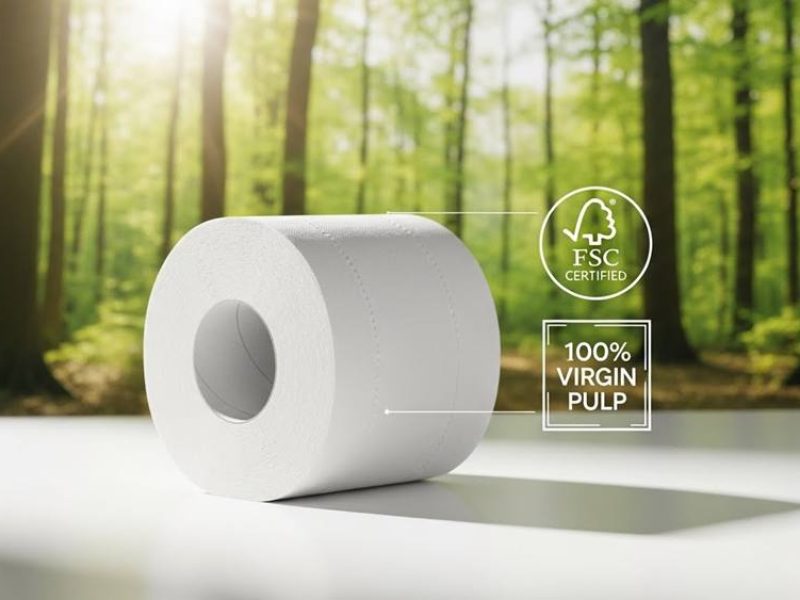
Mexico has solidified its position as the second-largest supplier of toilet paper to the United States, exporting $435 million in product in 2023 alone while offering a 20-30% labor cost advantage over domestic US production. For North American B2B distributors, leveraging the $6.6 billion Mexican tissue market provides a strategic hedge against trans-Pacific shipping volatility, reducing landed costs by up to 30% through duty-free USMCA access and streamlined cross-border logistics.
This guide evaluates the manufacturing capacity and export infrastructure of the region’s leading players, including the market-dominant Kimberly-Clark de Mexico and high-volume private label suppliers like Fábrica de Papel Potosí. We provide a technical breakdown of USMCA regional value content requirements, NOM safety standards, and the industrial clusters in Nuevo Leon and Baja California that currently drive North American hygiene supply chains.
Top 10 Manufacturers and Leading Brands in Mexico
Quick Comparison: Top Picks
| Manufacturer | Location | Core Strength | Verdict |
|---|---|---|---|
| Top Source Hygiene | Mancheng, Baoding, China (Global Shipping) | Toilet Paper, Jumbo Roll Tissue, Kitchen Towels, Facial Tissues, Wet Wipes | Best for large-scale OEM/ODM needs and factory-direct pricing for international brands. |
| Kimberly Clark de Mexico S.A.B. | Mexico | Toilet paper, tissues, general paper products | Dominant market leader providing exceptional reliability and a vast distribution network. |
| Convertidor de Papel | Mexico | Toilet paper, food-grade paper, industrial paper products | A strong local player ideal for industrial applications and food service sectors. |
| Beroky | Mexico | Toilet paper, premium paper products | Specialized distributor best suited for mid-to-high-end consumer market segments. |
| Essity Higiene y Salud Mexico | Uruapan, Mexico | Toilet paper, hygiene paper, personal care products | Leader in sustainability and high-end branded products with advanced manufacturing. |
| Fabrica de Papel Potosi | Potosi, Mexico | Toilet paper, raw paper materials | Reliable nationwide supplier using a hybrid model of local production and imports. |
| Grupo Corporativo Papelera | Mexico | Toilet paper, household paper products | Solid generalist choice for high-volume wholesale and consistent retail availability. |
| Convertidora de Papel del Noroeste | Northwest Mexico | Toilet paper, processed paper products | Top choice for regional distribution in Northwest Mexico with strong local logistics. |
| FAPSA | Mexico | Household paper, mass-market toilet paper | Best for mass-market consumption looking for accessible pricing and essential products. |
| Absormex CMPC Tissue | Mexico | High-end household paper, premium toilet paper | Premium provider backed by global expertise, focusing on the highest quality standards. |
Top Source Hygiene
Top Source Hygiene operates from the largest paper production hub in China, maintaining a 30-year track record in industrial-scale manufacturing. As a factory-direct partner, they focus on OEM and ODM production for the hospitality, retail, and commercial sectors across 56 countries. They bypass intermediaries to provide direct access to high-volume hygiene supplies including toilet paper, jumbo rolls, and wet wipes.
The facility manages complex customization requirements while adhering to international regulatory frameworks like ISO 9001, FDA, and FSC standards. With three decades of operational history, the infrastructure supports consistent output for global supply chains in North America and Europe. They handle the full production cycle from raw material sourcing to international shipping logistics for bulk 40’HQ container orders.
📊 At a Glance:
- 📍 Location: Mancheng, Baoding, China (Global Shipping)
- 🏭 Core Strength: Toilet Paper, Jumbo Roll Tissue, Kitchen Towels, Facial Tissues, Wet Wipes
- 🌍 Key Markets: North America, Europe, Asia, Africa, South America, Oceania
Why We Picked Them:
| ✅ The Wins | ⚠️ Trade-offs |
|---|---|
|
|
Kimberly Clark de Mexico S.A.B.
Kimberly Clark de Mexico S.A.B. operates as the central figure in the Mexican consumer paper sector. As a major subsidiary of the global corporation, the company controls a substantial portion of the domestic market for essential hygiene products. They manage large-scale import operations and a logistics framework designed to stock retail and wholesale channels throughout the country.
The entity functions as a massive distribution hub, converting imported raw materials and finished goods into a localized supply chain. Their operations support the high-frequency demands of the Mexican retail market, ensuring a constant flow of toilet paper and tissues to major commercial centers. This scale allows them to maintain stability in a sector defined by rapid turnover and essential demand.
📊 At a Glance:
- 📍 Location: Mexico
- 🏭 Core Strength: Toilet paper, tissues, general paper products
- 🌍 Key Markets: Retail, wholesale, nationwide Mexico
Why We Picked Them:
| ✅ The Wins | ⚠️ Trade-offs |
|---|---|
|
|
Convertidor de Papel
Convertidor de Papel operates as a central node in the Mexican paper supply chain by processing bulk raw materials into finished goods. They specialize in transforming industrial-grade paper stocks into retail-ready products specifically for the food service and hygiene sectors.
The company manages a logistics model centered on high-volume importation and local conversion. They distribute across industrial, retail, and food service channels, maintaining a stock of toilet paper and food-grade barriers to ensure consistent availability for large-scale domestic contracts.
📊 At a Glance:
- 📍 Location: Mexico
- 🏭 Core Strength: Toilet paper, food-grade paper, industrial paper products
- 🌍 Key Markets: Food service, retail, industrial sectors
Why We Picked Them:
| ✅ The Wins | ⚠️ Trade-offs |
|---|---|
|
|
Beroky
Beroky operates as a specialized trading and distribution entity within the Mexican market. They focus on the mid-to-high-end consumer segment, securing a stable market share through targeted product selection. The company functions as a bridge between manufacturers and premium retail outlets, prioritizing quality-driven paper goods over mass-market commodities.
The enterprise maintains established logistics networks to distribute premium toilet paper and related products across regional markets. By leveraging expertise in trading and supply chain management, they minimize delivery volatility for high-demand consumer goods. Their operational model emphasizes rigorous quality control at the procurement stage to meet the requirements of sophisticated consumer segments.
📊 At a Glance:
- 📍 Location: Mexico
- 🏭 Core Strength: Toilet paper, premium paper products
- 🌍 Key Markets: Mid to high-end consumer market
Why We Picked Them:
| ✅ The Wins | ⚠️ Trade-offs |
|---|---|
|
|
Essity Higiene y Salud Mexico
Essity Higiene y Salud Mexico operates the Uruapan plant with 50 years of manufacturing experience. This Swedish subsidiary functions as a primary production hub for hygiene and personal care products serving the Latin American market.
The facility integrates industrial cogeneration and water recycling technologies to reduce resource consumption. These systems enable the large-scale production of tissue and hygiene paper for premium retail and commercial segments.
📊 At a Glance:
- 📍 Location: Uruapan, Mexico
- 🏭 Core Strength: Toilet paper, hygiene paper, personal care products
- 🌍 Key Markets: High-end branded markets, Latin America
Why We Picked Them:
| ✅ The Wins | ⚠️ Trade-offs |
|---|---|
|
|
Fabrica de Papel Potosi
Fabrica de Papel Potosi operates as a traditional mill within the Mexican paper sector, servicing domestic wholesale and retail channels. The company utilizes a dual-sourcing strategy that combines onsite manufacturing with a network of strategic international imports to maintain a high-volume product structure.
The manufacturing facility in Potosi converts raw paper materials into consumer-ready toilet paper for national logistics chains. This hybrid model stabilizes the supply chain against domestic production bottlenecks and ensures inventory availability for large-scale retail contracts across the country.
📊 At a Glance:
- 📍 Location: Potosi, Mexico
- 🏭 Core Strength: Toilet paper, raw paper materials
- 🌍 Key Markets: Nationwide wholesale and retail
Why We Picked Them:
| ✅ The Wins | ⚠️ Trade-offs |
|---|---|
|
|
Grupo Corporativo Papelera
Grupo Corporativo Papelera operates as a major Mexican entity within the hygiene and tissue sector. The company supplies toilet paper and household paper products through established wholesale and retail channels nationwide. They manage high-volume movements to ensure shelf availability across varied retail tiers within the domestic market.
The operation focuses on mass-market penetration rather than niche specialty items. Current supply chain infrastructure supports broad distribution across Mexico, meeting the demands of large-scale retail contracts. They maintain consistent stock levels for household essentials to serve a general consumer base across all major Mexican regions.
📊 At a Glance:
- 📍 Location: Mexico
- 🏭 Core Strength: Toilet paper, household paper products
- 🌍 Key Markets: Wholesale, retail nationwide
Why We Picked Them:
| ✅ The Wins | ⚠️ Trade-offs |
|---|---|
|
|
Convertidora de Papel del Noroeste
Convertidora de Papel del Noroeste serves the paper product market as a specialized manufacturer and importer in Northwest Mexico. The company manages a localized supply chain for toilet paper and processed paper goods, catering specifically to regional retail and wholesale sectors.
They integrate local production lines with an import framework to maintain consistent product availability across the Northwest corridor. This operational setup reduces transit times and logistical overhead for clients within their primary geographic zone.
📊 At a Glance:
- 📍 Location: Northwest Mexico
- 🏭 Core Strength: Toilet paper, processed paper products
- 🌍 Key Markets: Regional distribution, Northwest Mexico
Why We Picked Them:
| ✅ The Wins | ⚠️ Trade-offs |
|---|---|
|
|
FAPSA
FAPSA operates as a specialized supplier within the Mexican household paper market, focusing on high-turnover mass consumption segments. The company centers its operations on mid-to-low-end retail products, catering to price-sensitive consumer bases through a streamlined product portfolio.
Current operations combine local manufacturing with a reliance on strategic imports to address gaps in production volume. This hybrid supply model ensures consistent stock levels for large retail orders but introduces risks associated with international logistics and shifting raw material costs.
📊 At a Glance:
- 📍 Location: Mexico
- 🏭 Core Strength: Household paper, mass-market toilet paper
- 🌍 Key Markets: Mass consumption, mid to low-end retail
Why We Picked Them:
| ✅ The Wins | ⚠️ Trade-offs |
|---|---|
|
|
Absormex CMPC Tissue
Absormex operates as the Mexican subsidiary of the Chilean CMPC Group. They manufacture high-end household paper products for the premium segment of the Mexican market. The company prioritizes brand prestige and product consistency to compete with international tissue brands in regional retail chains.
The facility leverages the parent group’s vertical integration in pulp production. Operations target the high-end consumer market where specific ply thickness and softness metrics are required. This industrial setup supports large-scale distribution while meeting technical specifications for premium paper categories.
📊 At a Glance:
- 📍 Location: Mexico
- 🏭 Core Strength: High-end household paper, premium toilet paper
- 🌍 Key Markets: High-end household market
Why We Picked Them:
| ✅ The Wins | ⚠️ Trade-offs |
|---|---|
|
|
The Mexican Tissue Market: A Hub for North American Supply
Mexico’s $6.6 billion tissue market leverages USMCA duty-free access and nearshore proximity to provide a faster, cheaper alternative to Asian supply chains for US distributors.
Market Valuation and Growth Trajectory in 2026
The Mexican tissue and hygiene paper market currently exceeds a $6.62 billion valuation. Steady production growth follows massive investment in modern manufacturing facilities designed to meet the rising regional demand for high-quality disposable paper products.
Mexico serves as the primary source for high-volume toilet paper and facial tissue exports to the United States. In 2023 alone, the country exported $435 million in toilet paper to the US market, solidifying its position as the second-largest supplier after Canada.
Strategic Manufacturing Clusters and Key Industry Players
Industry operations concentrate in strategic industrial hubs to optimize distribution. Mexico City serves as the central hub for Essity Higiene y Salud Mexico, which leads shipment frequency with over 550 annual cycles. Monterrey functions as a critical gateway for Absormex CMPC Tissue, facilitating trade across the northern border.
The market remains highly concentrated among a few dominant players:
- Kimberly-Clark de Mexico: The dominant force with an estimated market share exceeding 60% in the disposable paper division.
- Absormex CMPC Tissue: A major regional player producing high-end brands including Elite, Favorita, and Higienol.
- Fábrica de Papel Potosí: Offers private label and custom production (maquila) with a capacity of 25,000 metric tons per year.
- GCP Tissue: A verified exporter focused on jumbo rolls and finished products for US wholesalers.
Supply Chain Integration for North American Distributors
Mexican manufacturers integrate directly into US retail and commercial supply chains. This nearshoring model cuts transportation costs and lead times compared to trans-Pacific shipping, enabling just-in-time inventory for high-volume distributors.
The USMCA framework provides specific advantages for B2B procurement:
- Tariff Exemptions: Originating paper products enter the US duty-free, provided they meet the 60-75% regional value content requirement.
- Cost Efficiency: Labor rates for paper manufacturing remain 20-30% below US levels while maintaining high quality and sustainability standards.
- Logistics Speed: Border facilities in Nuevo Leon and Baja California utilize trusted trader programs to minimize transit times for jumbo rolls and bulk tissue.
By sourcing from integrated Mexican mills, North American distributors insulate their operations from global shipping disruptions while maintaining competitive margins on essential hygiene goods.
Nearshoring Benefits: Sourcing from Mexico for the US Market
Mexico cuts lead times and costs via USMCA duty-free access, offering a 20-30% labor advantage over US production for high-volume tissue imports.
Logistics Efficiency and Lead Time Reduction
Direct trucking routes from the Mexico-US border replace unpredictable trans-Pacific shipping, slashing freight expenses and narrowing delivery windows. This geographic proximity allows US wholesalers to implement just-in-time inventory strategies, which prevents stockouts on high-velocity items like toilet paper rolls. Mexican exporters, including Fabrica de Papel San Francisco, provide a buffer against global shipping volatility that often cripples Asian supply chains.
USMCA Compliance and Production Cost Advantages
The USMCA trade framework facilitates duty-free access for Mexican paper exports, removing the tariff burdens that inflate costs for North American B2B importers. Mexico maintains a significant competitive edge with labor rates for paper manufacturing typically 20-30% lower than US domestic production costs. These savings allow US distributors to preserve healthy margins while competing in a price-sensitive retail environment.
- Preferential Duty: 0% for products meeting 60-75% regional value content requirements.
- Market Leader: Kimberly-Clark de Mexico holds over 60% market share in the disposable paper division.
- Export Volume: Mexico supplied 43.1 million kg of toilet paper to the US in 2024.
- Cost Savings: Up to 30% reduction in logistics costs through duty savings and streamlined customs.
Industrial Infrastructure and Quality Oversight
Major manufacturing hubs in Nuevo Leon and Baja California house advanced facilities specialized in large-scale tissue and hygiene output. Short supply chains enable US buyers to conduct frequent on-site audits, ensuring strict compliance with North American hygiene and safety standards. Major players like Copamex and GCP Tissue continue to invest in recycled fiber and sustainable practices to satisfy the eco-friendly requirements of modern retail buyers.
- Primary Hubs: Monterrey (Nuevo Leon) and Tijuana (Baja California).
- Sustainability: 86% of Mexican tissue manufacturing sites integrate recycled fiber production.
- Quality Standards: Direct oversight of “maquila” (private label) production for wholesale and pharmaceutical channels.
This combination of trade protection, labor efficiency, and established infrastructure makes Mexico the second-largest supplier of toilet paper to the United States. For B2B buyers, the shift to Mexican sourcing is a move toward supply chain resilience.
Build Your Custom Toilet Paper Brand with 30 Years of Manufacturing Excellence

Logistics and Trade Agreements: Leveraging CUSMA/USMCA
CUSMA eliminates import duties on Mexican paper products, allowing manufacturers to reduce landed costs by 30% while securing duty-free status through strict regional value compliance.
Tariff Elimination for North American Paper Goods
The USMCA framework removes import duties on toilet paper and tissue products classified under HS Code Chapter 48. Major exporters, including Kimberly-Clark de Mexico and Fabrica de Papel San Francisco, utilize these provisions to reduce total landed costs for US buyers by up to 30% compared to non-treaty sources.
This agreement creates a fixed regulatory environment for B2B trade. By removing the threat of sudden tariff hikes, it ensures predictable pricing structures for US wholesalers through the 2026 review period.
Rules of Origin and Regional Value Requirements
Preferential treatment requires products to undergo “substantial transformation” within North America. Toilet paper and hygiene goods only qualify for duty-free entry if they meet specific regional content thresholds.
- Regional Value Content: Usually requires 60% to 75% North American composition.
- Documentation: Importers must maintain valid certificates of origin from suppliers like Copamex or GCP Tissue.
- Material Sourcing: Mexican conversion processes focus on local raw material sourcing to ensure compliance.
Sourcing from compliant Mexican mills protects US importers from the 25% tariffs often applied to non-originating paper products. This compliance is verified through strict audit trails provided by the manufacturer at the point of export.
Streamlined Customs and Cross-Border Logistics
Proximity to the US border is a primary competitive advantage for Mexican mills. Facilities located in Nuevo Leon and Baja California operate as “nearshore” hubs, significantly cutting transit times compared to overseas shipments from Asia.
The trade agreement enforces digital trade provisions and pre-clearance programs to minimize border bottlenecks. Trusted trader programs facilitate faster customs clearance, enabling Mexican tissue suppliers to support just-in-time inventory models for US retail chains and distribution centers.
Quality Control and Manufacturing Standards for Mexican Exports
Mexican tissue manufacturing leverages NOM safety standards and USMCA rules to guarantee duty-free, high-strength paper that meets 2026 US retail benchmarks.
Mexican NOM Standards and ISO Certification
Major manufacturers like Kimberly-Clark and Sofidel operate under Normas Oficiales Mexicanas (NOM). These regulations are the baseline for hygiene and safety in any facility producing tissue intended for human contact. If a plant isn’t NOM-compliant, it isn’t exporting.
- ISO 9001: Modern plants maintain this certification to guarantee consistent roll density and perforation quality across high-volume 2026 shipments.
- Automated Quality Tracking: Systems monitor ply bonding and tensile strength during monthly production cycles that often reach 2,860 tons.
- Output Capacity: Manufacturers like Fabrica de Papel Potosi run machines capable of 25,000 metric tons per year.
FDA Alignment and USMCA Compliance
Mexican exporters align their processes with FDA requirements for household paper products to clear US customs without friction. This alignment is critical for distributors managing inventory in a market where Mexico is the second-largest supplier to the United States.
- Regional Value Content (RVC): Under USMCA (CUSMA), products must meet 60-75% North American content to qualify for duty-free status.
- Sanitation Audits: Third-party audits verify facility cleanliness and chemical usage to meet US retail partner benchmarks.
- HS Code 4818: Strict adherence to Chapter 48 rules of origin allows for duty savings of up to 30% compared to non-FTA imports.
FSC Certification and Sustainable Sourcing
Sustainability is a hard requirement for North American contracts. Mexican firms are moving away from traditional pulping toward integrated systems that satisfy eco-conscious buyers while maintaining the softness and strength required for premium retail brands.
- Recycled Integration: Roughly 86% of Mexican tissue manufacturing sites are integrated with recycled fiber production.
- Water Management: Companies like CMPC and P&G utilize closed-loop water systems to minimize environmental impact at high-capacity mills.
- FSC Virgin Pulp: Facilities use FSC-certified wood pulp to meet high-end market demand for biodegradable and chemical-free tissue.
These standards ensure that Mexican paper isn’t just a low-cost alternative but a high-spec product capable of competing with domestic US production on quality and resilience.
Pro Tip: Why Mexico is the Ideal Secondary Source for US Distributors
Mexico offers US distributors duty-free, high-volume tissue supply with significantly lower logistics costs and faster lead times than Asian competitors.
Large-Scale Production Capacity and Market Concentration
The Mexican paper industry is highly concentrated. Kimberly-Clark de Mexico alone controls over 60% of the disposable paper market, providing the volume stability required for 2026 distribution needs.
- Primary Scalable Entities: Kimberly-Clark de Mexico, BIO Pappel, Copamex, Smurfit Kappa, and Grupo Corporativo Papelera (GCP).
- Manufacturing Clusters: Nuevo Leon and Mexico City specialize in tissue production for international supply chains.
USMCA Trade Advantages and Logistical Proximity
Geographic proximity slashes shipping costs and transit times compared to sourcing from China or Southeast Asia. USMCA provisions eliminate tariffs on most paper exports, simplifying cross-border trade for North American wholesalers.
Manufacturing hubs near the border support just-in-time delivery models. This allows US distributors to reduce warehouse overhead and maintain leaner inventory levels without risking stockouts.
Verified Export Infrastructure and Supply Stability
Established exporters like Fabrica de Papel San Francisco and GCP Tissue operate modern facilities in Baja California designed for high-volume US shipments. A network of over 30 verified suppliers ensures competitive pricing through redundant supply options.
Ongoing investments in sustainable manufacturing technology help Mexican producers meet North American regulatory and retail standards. This alignment reduces the compliance burden for B2B procurement managers.
Frequently Asked Questions
Which companies lead the Mexican tissue import market?
Kimberly Clark de Mexico controls nearly 18% of the import market. Other major players include Convertidor de Papel, Beroky, and Essity Higiene y Salud Mexico, which supply retail and industrial sectors nationwide.
How significant are Mexican toilet paper exports to the United States?
Mexico is the second-largest supplier of toilet paper to the US, surpassed only by Canada. The United States remains the top destination for Mexican tissue exports due to geographic proximity and high manufacturing capacity.
What advantages do Potosí and Kimberly-Clark Mexico offer to buyers?
Fábricas de Papel Potosí provides production flexibility with 120 different formats for private labels. Kimberly-Clark Mexico offers massive scale and a global distribution network to handle high-volume B2B demands.
Which trade agreements facilitate tissue exports from Mexico?
The USMCA enables duty-free access for Mexican tissue into the US and Canada. The modernized EU-Mexico Global Agreement and domestic tariffs on non-FTA countries also strengthen regional supply chains.
What is the quality standard for recycled tissue produced in Mexico?
Recycled tissue quality is high, with 86% of manufacturing sites utilizing recycled fiber integration. This allows Mexican mills to produce soft, strong, and absorbent products that meet modern eco-friendly requirements.
Final Thoughts
Choosing Mexico trades slight labor premiums over Asia for massive duty-free savings and supply chain resilience. Proximity eliminates trans-Pacific delays, protecting your margins against unpredictable global shipping spikes.
Request USMCA Certificates of Origin from three Nuevo Leon-based mills today to verify the 60% regional value threshold. Start with a private-label pilot run to lock in 2025 production capacity before competitors pivot.
SEO
Title: North American Nearshoring: Top 10 Toilet Paper Manufacturers in Mexico and B2B Import Guide
Description: Toilet paper manufacturers in Mexico offer 30% lower costs via USMCA. Compare the top 10 suppliers for high-volume B2B distribution.
URL: toilet-paper-manufacturers-mexico
Keywords: Toilet Paper Manufacturers Mexico