
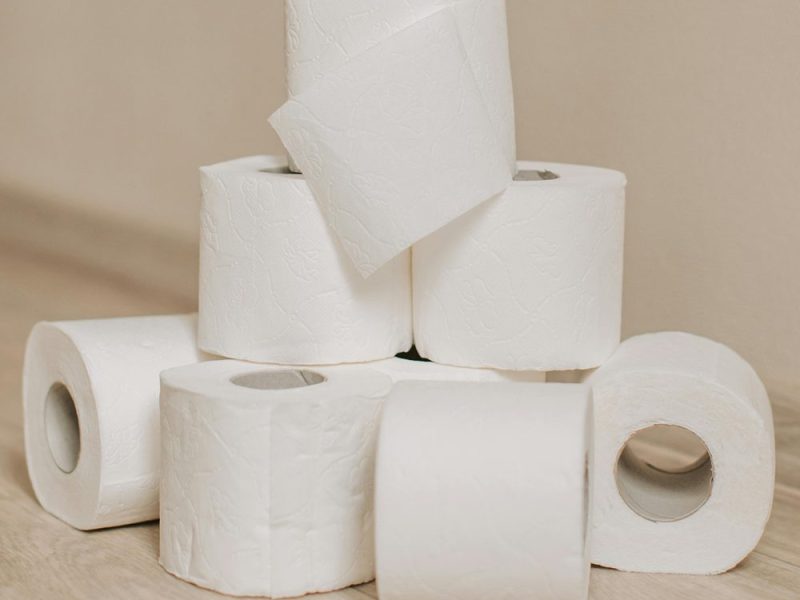
Procurement managers responsible for emergency or long-term supplies often wonder whether toilet paper actually expires or loses usability over time. In reality, it has no formal expiration date—but its quality depends heavily on materials and storage conditions. This guide compares bamboo and virgin wood pulp options, clarifies realistic shelf-life expectations, and shares proven storage strategies so you can maintain dependable inventory and avoid costly product deterioration.
Bamboo vs. Virgin Wood Pulp: Key Differences for Procurement Decisions
Selecting between bamboo and virgin wood pulp toilet paper for bulk or emergency stock requires balancing durability, moisture resistance, and cost efficiency. Bamboo’s naturally strong fibers resist mold and maintain integrity in varied climates, making it a dependable choice for extended storage. Virgin wood pulp provides a softer texture at a lower upfront cost but demands tighter humidity control to prevent quality loss. Both materials can retain usability for several years when stored in cool, dry conditions with protective packaging.
| Feature | Bamboo | Virgin Wood Pulp |
|---|---|---|
| Strength & Durability | High tensile strength that resists tearing and fiber degradation | Strong, though more prone to gradual fiber breakdown |
| Moisture Resistance | Naturally resists mold and mildew in variable climates | Moderate resistance; vulnerable in high-humidity environments |
| Eco-Friendliness | Highly renewable and biodegradable | Sustainably sourced variants available |
| Cost | Higher initial cost, offset by longer shelf stability | Lower purchase price, requires vigilant stock rotation |
| Storage Considerations | Performs reliably in standard dry storage without extra measures | Best preserved in airtight, moisture-free conditions |
Custom Toilet Paper Solutions Built Around Your Brand
Controlling every detail—from fiber selection to packaging—safeguards product quality and margins. At Top Source Hygiene, our three decades of manufacturing expertise deliver eco-friendly, high‑performance toilet paper lines for global brands. Whether supplying hotels, stocking retail shelves, or assembling emergency kits, we ensure consistent softness, durability, and wet strength. With dependable production schedules and stringent quality checks, you can forecast inventory accurately and minimize losses from product deterioration.
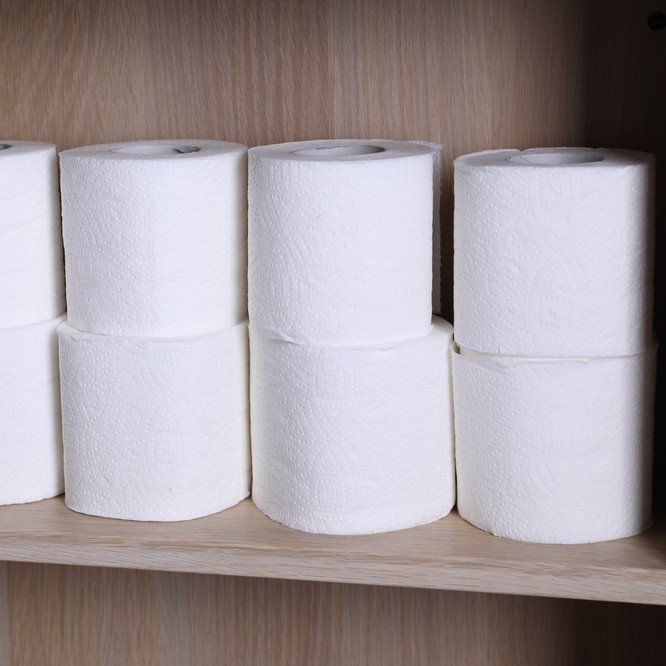
Bamboo Toilet Paper: Strength, Sustainability, and Long-Term Reliability
Bamboo toilet paper is produced from sustainably harvested bamboo pulp, offering a durable, smooth, and environmentally responsible alternative to conventional wood-based products. Its naturally dense fibers provide strong resistance to moisture and mold—an important advantage for buyers managing large inventories or emergency reserves. With standard three‑ply construction, it combines long-lasting tensile strength with comfortable softness, making it suitable for both residential and high-traffic commercial applications.
For procurement teams, the extended shelf stability of bamboo toilet paper reduces stock rotation demands and limits waste from product degradation. The material’s resilience in humid or variable climates lowers the risk of fiber breakdown, cutting replacement costs over time. Bulk buyers in sectors such as hospitality or healthcare, where consistent performance is crucial, benefit from its balance of comfort, sustainability, and dependability. Sourcing from suppliers that use airtight, plastic-free carton packaging further protects roll quality and hygiene during prolonged storage periods.
What Is Virgin Wood Pulp Toilet Paper?
Virgin wood pulp toilet paper is produced from freshly sourced wood fibers that undergo controlled processing and bleaching to deliver consistent softness, appearance, and hygiene standards. For procurement teams, understanding material origin and treatment is key as it directly influences user comfort and product durability in storage.
Most two‑ply virgin pulp varieties offer an effective balance of strength and smoothness, making them suitable for everyday use across residential, hospitality, and institutional settings. This construction maintains integrity under bulk handling and preserves quality over extended storage when kept in stable, dry conditions.
Many established brands include manufacturing dates or tracking codes on packaging or inner cores—a best practice that streamlines stock rotation and prevents distribution of aging rolls. When paired with moisture‑proof storage, these labeling systems help buyers maintain consistent product performance while reducing waste and replacement costs.
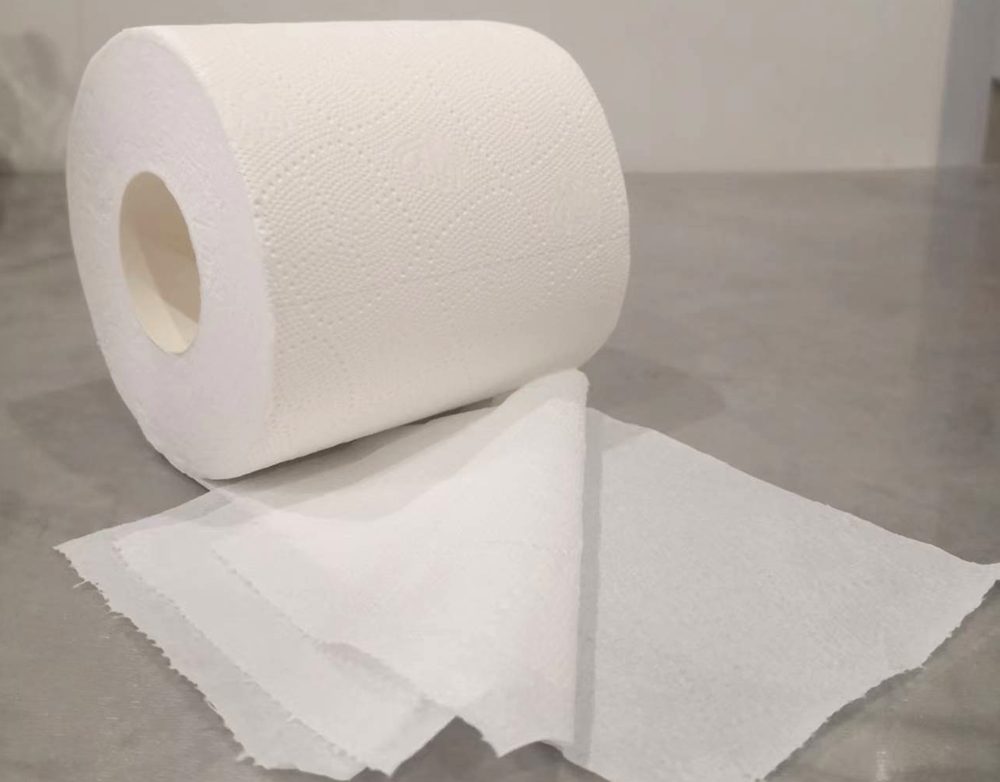
Head-to-Head Showdown: Bamboo vs. Virgin Wood Pulp
Durability and Storage
Bamboo toilet paper withstands demanding storage conditions thanks to fibers that naturally resist mold and moisture. This makes it a strategic choice for year‑round or emergency reserves stored in varied environments. Virgin wood pulp maintains good tensile strength but is more prone to absorbing humidity, which can cause brittleness, discoloration, or odor—especially in unventilated or sun‑exposed spaces. For both materials, consistent quality depends on moisture‑ and light‑proof storage. Using sealed packaging or airtight containers keeps fibers intact, ensures a reliable user experience, and prevents losses from degradation.
Cost and Value
Bamboo’s higher upfront price reflects its sustainable sourcing and extended shelf stability. For buyers with slower stock turnover, reduced replacement needs can offset the premium. Virgin wood pulp is more cost‑efficient initially and widely available, but demands careful inventory rotation to avoid deterioration. Evaluating total life‑cycle cost—including potential spoilage, disposal fees, and brand perception—helps determine the best fit. In environments with variable humidity or temperature, bamboo’s longevity often translates into fewer write‑offs and greater supply assurance.
User Comfort and Environmental Impact
Virgin wood pulp delivers the softness many consumers expect, making it well suited for hospitality sectors where comfort influences repeat business. Bamboo provides stronger fibers with a slightly firmer feel and is frequently offered in plastic‑free packaging, aligning with sustainability priorities. Its minimal environmental footprint supports eco‑certification goals and appeals to green‑minded markets. Ultimately, selection depends on end‑user priorities: venues prioritizing plush comfort may favor virgin pulp, while organizations focused on resilience and low environmental impact often choose bamboo.
How to Store Toilet Paper for Maximum Shelf Life
For procurement teams and emergency supply managers, proper storage is the key to keeping toilet paper usable and marketable over extended periods. Select storage areas that remain cool, dry, and shielded from direct light. Avoid locations such as damp basements or unventilated garages, as excess humidity weakens fibers and can produce odors that render the rolls unsuitable for sale or use.
Use airtight bins or leave rolls in factory‑sealed packaging to block out air and moisture. This protects against mildew and preserves softness. In larger inventories, implement a strict rotation system—moving older cartons forward—and apply clear date labels to simplify oversight. Such measures ensure products ship or deploy while still at peak quality.
Prevent compression damage by keeping heavy items off stacked cartons. Once flattened, rolls lose both form and tactile comfort, diminishing customer satisfaction and brand perception. Consistent adherence to these storage practices safeguards product integrity, minimizes waste, and maintains profitability over the long term.
Frequently Asked Questions
Can toilet paper go bad?
While toilet paper has no formal expiration date, poor storage can lead to fiber damage, discoloration, or odors. Moisture, heat, and prolonged air exposure accelerate deterioration, reducing usability and affecting brand perception.
How long can you store toilet paper?
Manufacturers typically suggest using toilet paper within two to three years for optimal quality. With sealed packaging and controlled storage, bulk or emergency stock can remain functional far beyond that without noticeable decline.
Why does older toilet paper turn yellow?
Oxidation weakens paper fibers over time, and exposure to light or moisture speeds the process. Yellowing is a visible indicator of aging or inadequate storage and can negatively influence consumer confidence in your product.
What’s the best way to store toilet paper long-term?
Store rolls in a cool, dry, airtight environment away from direct sunlight. This protects against moisture absorption and fiber degradation, ensuring consistent comfort, hygiene, and product reliability over extended periods.
Is it safe to use toilet paper that’s been stored for years?
Yes—provided it shows no signs of mold growth, unpleasant odor, or brittle texture. In sensitive environments such as healthcare or hospitality, inspect older stock before use to confirm condition and maintain quality standards.
Your Takeaway
Toilet paper has no definitive expiration date, but inadequate storage can undermine even premium products. Keep stock in cool, dry, well‑shielded spaces—away from moisture, heat, and direct sunlight—to preserve fiber strength, appearance, and hygiene. Doing so safeguards usability, prevents waste, and protects your operational margins.
For extended reserves, bamboo provides superior moisture resistance and maintains integrity over time. Virgin wood pulp offers familiar softness at a lower unit cost, making it ideal for high‑turnover, everyday use. Select the option that best aligns with your longevity requirements, desired feel, and budget parameters.
Audit inventory regularly, replace any compromised rolls, and rotate shipments so older units move first. These disciplined practices keep supplies in peak condition, ensure readiness, and eliminate costly last‑minute restocking.