
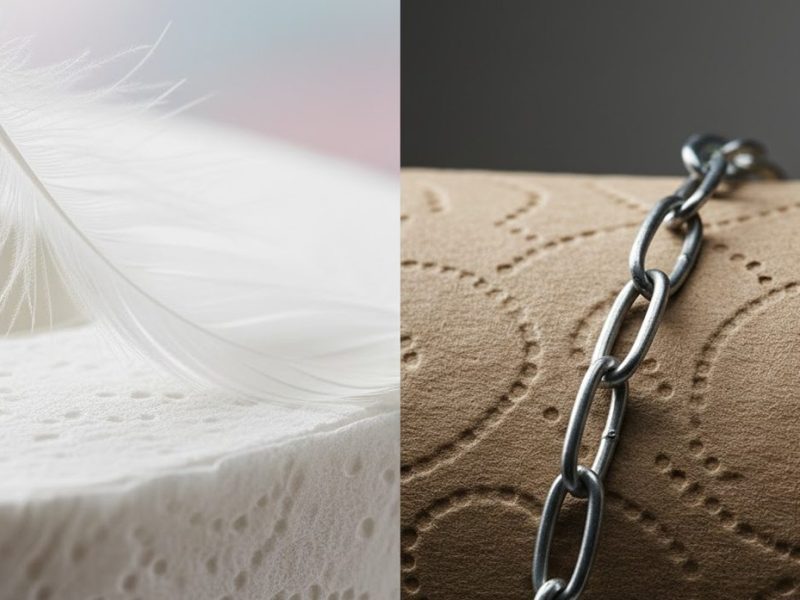
Buyers often struggle to find toilet paper that feels soft yet stays durable. Marketing phrases like “Ultra Soft” or “Ultra Strong” imply the best of both worlds, but fiber science shows that each roll involves a compromise. By understanding how fiber length, ply count, and pulp composition work together, you can select products that satisfy comfort preferences while protecting plumbing systems. This guide distills the key insights driving performance, sustainability, and cost efficiency.This guide distills the key insights driving performance, sustainability, and cost efficiency in the ongoing debate of strong vs soft toilet paper.
Softness vs. Strength: Core Differences at a Glance
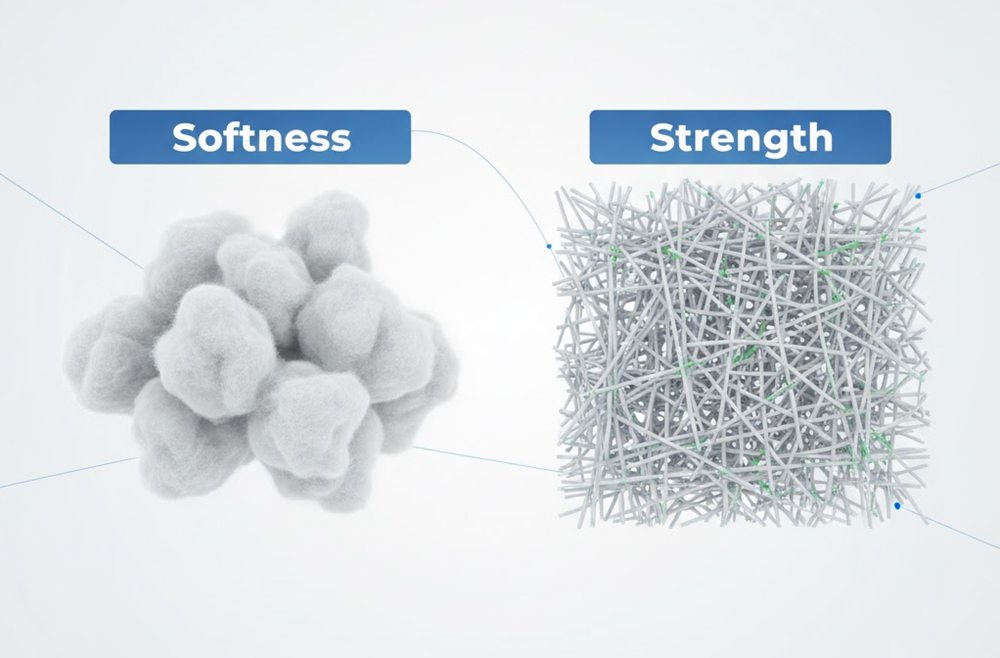
In tissue manufacturing, comfort and durability hinge on fiber composition and how the sheet is bonded. Buyers must weigh what matters most for their users and plumbing systems—plush texture or fast, reliable breakdown after use. The table below shows how these physical characteristics translate into maintenance costs and user experience.
Quick Comparison Table
Every design choice—fiber length, ply count, and emboss pattern—directly influences softness or strength. Understanding how these factors interact helps procurement teams match specifications to real-world performance.
| Characteristic | Technical Insight & Practical Impact |
|---|---|
| Softness | Produced with short, fine fibers and multiple plies (two to three) featuring air-cushion embossing. Delivers a luxurious feel but weakens when wet and may disperse slowly in water. |
| Strength | Made with long virgin fibers and tighter inter-fiber bonding, typically in one or two plies. Retains structure during use and breaks down more quickly, though the texture feels firmer. |
| Manufacturing Trade-Off | Processes that increase softness reduce wet dispersion speed, raising the risk of plumbing blockage if wet strength remains too high. |
| User Impact | Soft paper enhances comfort for residential or hospitality use. Stronger paper performs best in high‑traffic areas and facilities with older plumbing where fast disintegration matters most. |
What Makes Toilet Paper Soft?
Fiber Structure and Finish
Softness starts with fiber selection. Short, fine virgin fibers form a smoother surface that feels gentle to the touch. Unlike recycled blends, virgin pulp provides consistent texture, helping brands maintain a premium tactile profile across production runs. However, the same micro‑air gaps that create a plush cushion also weaken internal bonding. That’s why ultra‑soft sheets require precise control of fiber bonding and emboss depth to prevent tearing while preserving that signature softness.
Multi-Ply Cushioning: The 2 Ply vs 3 Ply Debate
Adding layers is the next lever for softness. Two‑ or three‑ply constructions trap tiny air pockets between sheets, producing the padded feel users associate with luxury. The compromise: slower dispersion after flushing, which can raise maintenance risks in older or septic‑sensitive systems. Emboss patterns help distribute contact pressure and maintain a soft appearance, while balanced ply density minimizes breakdown delays. For commercial buyers, a mid‑range two‑ply usually provides the best mix of comfort and plumbing reliability.
Surface Additives and Coatings
Surface finishes further refine the tactile experience. Light lotions or finishing agents create a silky touch but can slightly reduce wet tensile strength. These treatments are common in hospitality and healthcare settings, where comfort perception drives satisfaction. Yet thicker, heavily coated sheets often dissolve more slowly, affecting plumbing efficiency. For facility buyers, evaluate coating type and dissolve rate closely—it’s a small detail that determines whether you improve user comfort or increase maintenance calls.
Tailor Your Toilet Paper Brand with Trusted OEM Expertise
In private label or OEM toilet paper, the right fiber mix defines your brand’s success. You need softness that earns repeat business without compromising plumbing safety. Top Source Hygiene helps you strike that balance with decades of experience—offering control over ply count, fiber blend, and roll thickness—so you can achieve the optimal trade‑off for your target market and cost goals.
Our experts support your design from formulation to packaging, backed by international certification and reliable shipping. Partnering with a seasoned OEM protects your margins while ensuring consistent quality in every roll.
What Makes Toilet Paper Strong?
Long Fiber Composition
Toilet paper engineered for strength uses long, continuous fibers that form firm hydrogen bonds during production. This fiber length gives each sheet high resilience under stress, enhancing both dry and wet performance. Brands such as Charmin Ultra Strong and Cottonelle Ultra Clean rely on long virgin pulp fibers to maintain durability—critical for high‑use environments where rolls are replaced frequently.
For facility managers, this structure translates to fewer roll changes and reduced labor costs. Stronger tensile performance prevents tearing, so users need fewer sheets per use. Over time, lower consumption and maintenance demands often outweigh small cost differences per unit.
Wet‑Strength Additives
During manufacturing, specialized resins are added to help fibers hold together when exposed to moisture. These wet‑strength agents are vital for maintaining surface integrity but can slow dispersion if applied excessively, raising clog risk in older or low‑flow plumbing networks.
Moderation delivers the best results. A light resin level keeps sheets strong through use yet allows fast breakdown after flushing. Septic‑safe formulations strike this balance—durable for wiping while dispersing quickly in water. For institutional buyers, controlled resin dosage preserves reliability without increasing maintenance costs.
Manufacturing Bond and Weave
The bonding pattern between layers defines how well the paper withstands tension. A tight weave compresses fibers in a unified direction, distributing stress efficiently and improving tear resistance. Heavy‑duty commercial rolls often use this dense bonding to maintain durability across high‑traffic washrooms.
However, tighter bonding can slow disintegration, so medium weave density offers a practical compromise for homes and light commercial settings. It delivers sufficient strength and comfort while protecting plumbing performance. In procurement evaluations, reviewing bonding patterns and weave density often reveals where optimized durability can lower maintenance costs without increasing ply expense.
Toilet Paper Fiber Science: The Softness vs. Strength Trade-Off
Fiber Length Dynamics
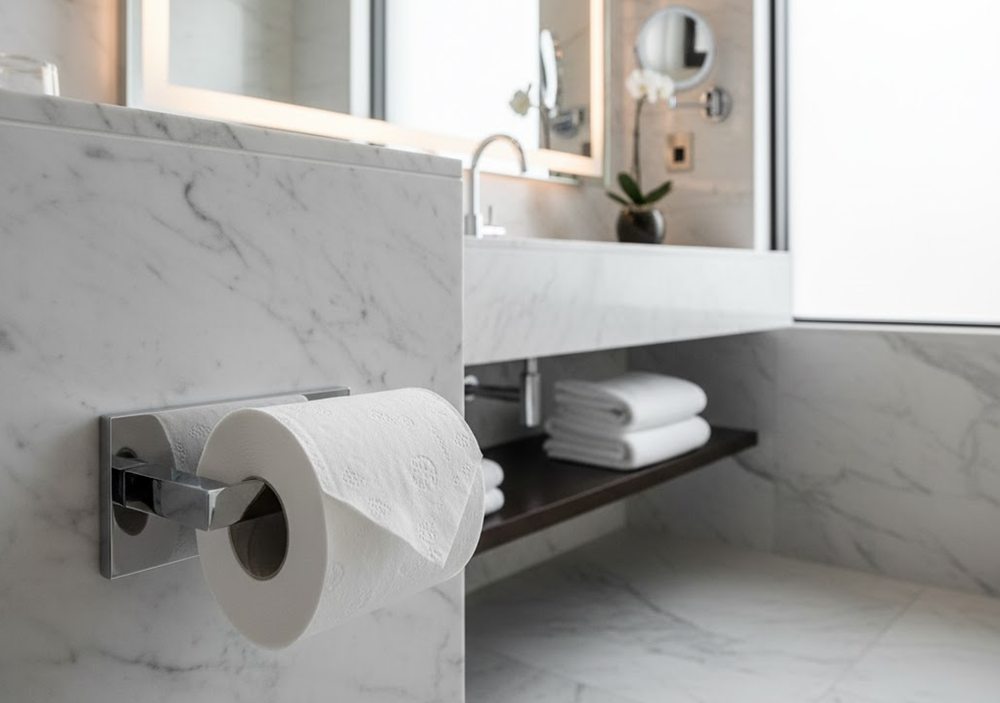
Softness and strength originate at the fiber level. Short fibers form smoother surfaces that feel gentle but reduce tensile strength. Long fibers interlock firmly, giving durability and better wet performance, though with a slightly firmer texture. By blending both types, manufacturers achieve balanced performance—enough dry strength for confident use with quick dispersion after flushing. This mid-blend approach suits hospitality and commercial settings that demand comfort without plumbing risk.
Plumbing Compatibility
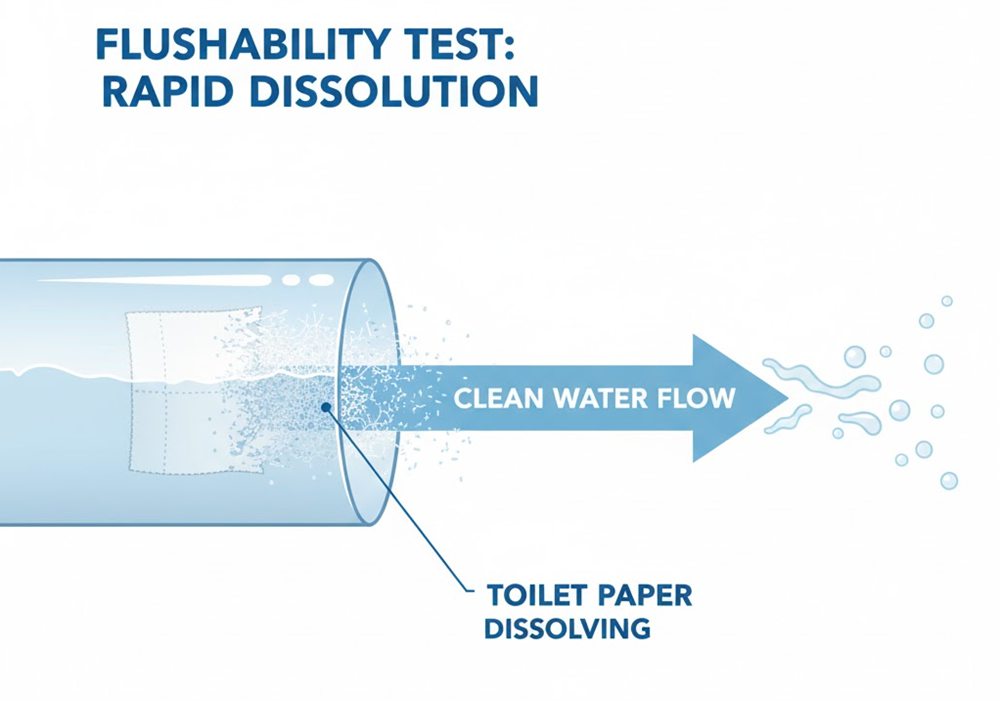
Dense, heavily bonded papers can feel premium but often challenge plumbing systems. When wet-strength resins slow dissolution, fibers cling longer than they should, particularly in thick 3‑ply sheets. To prevent blockages, aim for paper that dissolves within about 30 seconds under normal household conditions. Mid-range 2‑ply tissue typically meets this benchmark—it holds shape during use yet breaks apart quickly once flushed, earning septic-safe toilet paper ratings in most installations.
Environmental Impact
Every softness-strength choice influences sustainability. Ultra-soft grades often depend on virgin pulp, offering comfort but raising sourcing concerns. Recycled blends enhance circularity yet feel slightly firmer. Bamboo provides an effective middle ground—its long fibers deliver high strength, biodegradability, and acceptable softness. Savvy procurement teams weigh user preference against environmental targets, selecting fiber sources that support ESG goals while preserving tactile quality and brand integrity.
Strength vs. Softness in Real‑World Scenarios
Home Use Priorities
For household buyers, comfort matters, but plumbing safety should remain the deciding factor. A well‑made two‑ply mid‑blend offers enough softness without straining septic systems. When paper feels plush yet disperses quickly, it safeguards both comfort and plumbing. Homes with septic tanks should avoid thick three‑ply sheets that resist breaking down. Brands such as Great Value Soft & Strong demonstrate how balanced fiber design can deliver a gentle touch and reliable dissolution. Choosing with both feel and system capacity in mind helps prevent costly repairs while maintaining everyday satisfaction.
Hospitality Applications
In hospitality, the quality of your hospitality toilet paper directly shapes a guest’s impression. Rough or overly thin rolls diminish a premium experience, while soft, cushiony textures reinforce it. Hotels often select Charmin Ultra Soft or Quilted Northern Ultra Plush to meet these expectations—each offers visible comfort without giving up strength. For engineering and housekeeping teams, dissolvability is equally important to keep drains clear. Opting for mid‑weight constructions that combine smooth texture with fast breakdown sustains both reputation and maintenance efficiency. Custom OEM packaging further allows property managers to align tactile comfort with overall guest experience goals.
Commercial and Public Facilities
In commercial or public facilities, durability and cost control take precedence. Every longer‑lasting roll reduces changeovers and janitorial hours. Products like Papernet Heavenly Soft and Cottonelle Ultra Clean provide consistent performance under heavy foot traffic without raising clog risk. High dry strength coupled with rapid wet dispersion helps minimize plumbing downtime, protecting maintenance budgets in high‑use restrooms. Standardized core dimensions also prevent dispenser mismatches and simplify inventory management. Prioritizing balanced wet strength and quick dissolvability supports reliable operation while maintaining user comfort across multi‑site properties.
Finding the Optimal Middle Ground
Recommended Ply and Fiber Mix
For most commercial and residential environments, a balanced 2‑ply paper made from medium‑length virgin fibers delivers the best performance. It combines the soft touch users expect with controlled strength that protects plumbing systems. This structure maintains surface smoothness without sacrificing dry tensile integrity, keeping each sheet intact through use while dispersing efficiently after flushing.
The optimal formulation pairs strong dry handling with fast wet disintegration. Manufacturers achieve this by calibrating creping tension and minimizing wet‑strength resin levels. Excess resin increases durability but slows breakdown, posing risks for older or low‑pressure plumbing. A refined 2‑ply design achieves reliable comfort and dependable dispersion—ideal for homes, hotels, and mid‑volume commercial facilities where both user experience and maintenance efficiency matter.
Brand-Specific Guidance
Leading brands demonstrate different interpretations of this balance. Charmin Ultra Strong excels in high‑traffic facilities where fewer sheets per use cut labor and replacement costs. Its dense fiber weave supports durability without major comfort loss. Quilted Northern Ultra Plush, by contrast, favors luxury spaces that prioritize tactile softness over rapid breakdown. The three‑ply design performs best in modern systems maintained for steady water flow.
Great Value Soft & Strong serves households seeking comfort and cost efficiency, with quick‑dissolving fibers that help prevent clogs often linked to thicker papers. Cottonelle Ultra Comfort bridges premium feel and function, pairing solid absorbency with moderate softness suitable for offices or boutique hotels. The takeaway for procurement teams: evaluate user volume, plumbing sensitivity, and brand positioning before standardizing supply to ensure consistent performance and lower maintenance spend.
The Final Verdict: Choosing the Right Balance
For hospitality and healthcare settings, prioritize softness. These spaces emphasize guest comfort and patient care, so select 2‑ply or 3‑ply tissue with fine fibers and air‑cushioned layers for a premium feel. Just ensure local plumbing can accommodate slower dispersion rates to prevent service disruptions.
In offices and public facilities, strength and dissolvability take precedence. A tighter fiber structure minimizes sheet usage, reduces waste, and lessens clog risks—ideal for restrooms with heavy traffic and frequent turnover.
Residential buyers benefit most from balanced 2‑ply paper that combines dependable dry strength with quick wet breakdown. This choice delivers comfort while safeguarding household plumbing systems over time.
Manufacturers should tailor fiber blends and bonding levels to regional plumbing standards and consumer expectations. The goal isn’t achieving maximum softness or strength—it’s engineering the right equilibrium between comfort, performance, and system compatibility.
Frequently Asked Questions
Does a 3‑ply toilet paper automatically make it stronger?
Not always. The 2 ply vs 3 ply toilet paper debate is complex. While ply count adds thickness, true strength depends on fiber bonding and sheet density. A well‑crafted 2‑ply with high‑grade pulp can outperform a loosely bonded 3‑ply under wet conditions.
How can you test wet strength versus softness?
Place a sheet in water for about 30 seconds, then check how easily it tears and how the surface feels. This test reveals whether the paper maintains usable strength while keeping a pleasant texture—similar to how users experience it in daily use.
Which toilet paper brands offer comfort with septic safety?
Mid‑tier 2‑ply options such as Great Value Soft & Strong or Cottonelle Ultra Comfort deliver a soft touch and dependable dispersion. They minimize plumbing risks while keeping user satisfaction high—ideal for residential and light‑commercial settings.
Why do commercial toilet papers feel rougher?
They use longer fibers and fewer surface coatings to maximize durability and reduce dispenser jams. The result is a firmer texture that sacrifices softness but lowers replacement frequency and prevents excessive usage in high‑traffic restrooms.
Is recycled toilet paper generally weaker?
Recycled pulp contains shorter fibers, slightly reducing tensile strength. However, modern formulations maintain reliable performance for everyday use while supporting cost control and sustainability goals—without major comfort trade‑offs.
Final Thoughts
Every toilet paper roll represents a balance between comfort and performance. Understanding how fiber length and bonding influence softness and strength empowers smarter purchasing decisions. Longer fibers and tighter bonding provide resilience; shorter fibers and multiple plies create a smoother, more indulgent feel. The right blend safeguards both user satisfaction and plumbing reliability.
Softness defines the experience, while strength ensures consistency. Aligning these qualities with your market’s expectations drives repeat business and keeps maintenance costs predictable.
When you’re ready to refine that balance, partner with Top Source Hygiene. Our OEM expertise helps design fibers, plies, and textures tailored to your performance goals—ensuring every roll delivers exactly what your customers expect.