

B2B buyers in the eco-friendly market face growing pressure to source facial tissues that meet sustainability standards while maintaining high quality. Bamboo facial tissues offer a promising solution due to bamboo’s fast renewal cycle of 3 to 5 years and its significantly lower water and pesticide requirements compared to traditional hardwood pulp.
This article highlights the top 10 bamboo facial tissue manufacturers suited for eco-conscious brands and details key factors such as sourcing challenges, FSC certification, and production processes. You will also find comparisons between bamboo and virgin hardwood pulp, including carbon footprint differences of 25-50%, to support informed purchasing decisions for sustainable tissue products.
Top 10 Unbleached Bamboo Facial Tissue Manufacturers in the Global Supply Chain
Quick Comparison: Top Picks
| Manufacturer | Location | Core Strength | Verdict |
|---|---|---|---|
| Top Source Hygiene | China (Global Shipping) | Facial Tissues, Toilet Paper, Jumbo Roll Tissue, Kitchen Towels | Premier factory-direct partner with 30 years expertise, strong global reach, and strict quality control, though global shipping lead times apply. |
| Donsea Paper | China | Bamboo Facial Tissue (Unbleached, 100% Bamboo Pulp) | Manufacturer of soft, skin-friendly bamboo tissues with customizable specs; watch for possible language/support barriers. |
| Qingya Paper | China | Bamboo Facial Tissues | Sustainable premium bamboo tissue supplier with expert global retail focus; limited transparency on certifications. |
| Bambo Nature | Denmark | Bambo Nature Facial Tissue (Organic Bamboo) | Danish organic bamboo tissue brand with strong eco reputation and quality softness; limited production scale info. |
| Bim Bam Boo | Canada | Bim Bam Boo Facial Tissues (Bamboo) | Canadian maker of soft, sustainable bamboo tissues with regional market expertise; smaller regional focus noted. |
| Caboo | USA | Caboo Facial Tissues (Bamboo-based) | American brand with focus on sustainable, soft bamboo tissues and ESG alignment; limited global presence. |
| Trubambu | USA | Trubambu Facial Tissues (100% Bamboo) | US-based specialist in rapidly renewable, eco-friendly 100% bamboo tissues; mostly focused on USA market. |
| The Cheeky Panda | UK | Bamboo Facial Tissues | Popular green brand offering tree-free bamboo tissues with global eco reach; limited detailed production data. |
| Bambaw | Belgium (EU) | Sustainable Zero-Waste Supply | A leading European distributor with strict plastic-free supply chain standards |
| Who Gives A Crap | Australia | Social Impact & B-Corp | The gold standard for mission-driven branding; ideal for retailers targeting ESG-conscious consumers. |
Top Source Hygiene
Top Source Hygiene leverages 30 years of dedicated manufacturing expertise to produce high-quality household paper products. With two advanced factories based in Mancheng, Baoding, the company maintains strict factory control to ensure consistent quality and sustainable production. Specializing in OEM and ODM customization, they provide eco-friendly facial tissues made from virgin wood pulp, appealing to clients who prioritize both product quality and environmental responsibility.
By operating directly from their manufacturing facilities, Top Source Hygiene reduces risks associated with middlemen and ensures local execution of orders. Their production capacity of 2,860 tons per month allows them to serve a wide range of customers across more than 56 countries, including major markets in North America, Europe, Asia, Africa, South America, and Oceania. This combination of reliable factory processes and global shipping capabilities offers a streamlined supply chain with a focus on strict quality control and sustainable sourcing.
At a Glance:
- 📍 Location: China (Global Shipping)
- 🏭 Core Strength: Facial Tissues, Toilet Paper, Jumbo Roll Tissue, Kitchen Towels
- 🌍 Key Markets: North America, Europe, Asia, Africa, South America, Oceania
Why We Picked Them:
| ✅ The Wins | ⚠️ Trade-offs |
|---|---|
|
|
Donsea Paper
Donsea Paper specializes in manufacturing high-quality bamboo facial tissues made entirely from natural bamboo pulp. Operating from their facility in China, the company maintains strict control over the entire production process to ensure consistent quality. Their products stand out for being soft, gentle, and suitable for sensitive skin. Offering unbleached options highlights their commitment to environmentally friendly practices. By focusing on local execution and direct factory oversight, Donsea Paper reduces risks commonly associated with third-party manufacturing and ensures timely delivery with customizable specifications tailored to client needs.
The company serves global eco-friendly brands and retailers looking to source sustainable tissue products. With their expertise in producing bamboo pulp tissues, Donsea Paper provides reliable solutions for businesses aiming to minimize environmental impact without compromising product softness or quality. Their ability to offer custom sizes and packaging enhances flexibility for various markets. Potential buyers should consider possible language and support barriers, but the direct factory control helps mitigate common sourcing risks, making Donsea Paper a trustworthy partner for companies prioritizing green credentials and product excellence.
At a Glance:
- 📍 Location: China
- 🏭 Core Strength: Bamboo Facial Tissue (Unbleached, 100% Bamboo Pulp)
- 🌍 Key Markets: Global eco-friendly brands and retailers
Why We Picked Them:
| ✅ The Wins | ⚠️ Trade-offs |
|---|---|
|
|
Qingya Paper
Qingya Paper specializes in producing high-quality bamboo facial tissues designed to meet the demands of environmentally conscious consumers and retailers worldwide. Drawing from years of industry experience, the company offers products crafted with care to combine softness, durability, and eco-friendliness. Their expertise positions them as a reliable partner for global sustainable retailers who prioritize responsible sourcing and premium product performance in the personal care category.
Operating from China, Qingya Paper maintains strict control over its manufacturing process to ensure product consistency and reduce supply chain risks. Their local execution model enables close monitoring of raw materials and production standards, reinforcing their commitment to both quality and sustainability. While they emphasize environmental responsibility, transparency regarding specific certifications remains limited, which might be an important consideration for buyers seeking full documentation on sustainability credentials.
At a Glance:
- 📍 Location: China
- 🏭 Core Strength: Bamboo Facial Tissues
- 🌍 Key Markets: Global sustainable retailers
Why We Picked Them:
| ✅ The Wins | ⚠️ Trade-offs |
|---|---|
|
|
Bambo Nature
Bambo Nature is a Danish company devoted to producing personal care products with a strong focus on environmental responsibility. Their organic bamboo facial tissues are crafted from premium sustainable materials, ensuring both a gentle touch and a commitment to reducing environmental impact. With local execution based in Denmark, the brand tightly controls its factory operations to maintain consistent quality and sustainability throughout the production process.
By managing their manufacturing closely within their home country, Bambo Nature significantly reduces risks related to quality fluctuations and ecological standards. This approach helps uphold their solid eco-friendly reputation across Europe and global environmentally conscious markets, while delivering products that meet the high expectations of consumers looking for softness combined with sustainability.
At a Glance:
- 📍 Location: Denmark
- 🏭 Core Strength: Bambo Nature Facial Tissue (Organic Bamboo)
- 🌍 Key Markets: Europe and global eco-markets
Why We Picked Them:
| ✅ The Wins | ⚠️ Trade-offs |
|---|---|
|
|
Bim Bam Boo
Bim Bam Boo is a Canadian-based manufacturer dedicated to producing facial tissues made from sustainable bamboo fibers. Their products provide a notably soft and gentle experience, making them well-suited for consumers who prioritize comfort alongside environmental responsibility. By focusing on sustainable materials, Bim Bam Boo addresses the growing demand among North American and eco-conscious retailers for products that reduce environmental impact without compromising quality.
Maintaining control over production within Canada allows Bim Bam Boo to manage quality and supply chain risks directly. This local execution ensures that each batch of bamboo tissues meets their commitment to sustainability and delivers consistent softness. Although Bim Bam Boo’s reach primarily covers the North American market with an emphasis on eco-retailers, their strong regional focus helps them stay closely connected to customer preferences, improving responsiveness and reliability.
At a Glance:
- 📍 Location: Canada
- 🏭 Core Strength: Bim Bam Boo Facial Tissues (Bamboo)
- 🌍 Key Markets: North America and eco-retailers
Why We Picked Them:
| ✅ The Wins | ⚠️ Trade-offs |
|---|---|
|
|
Caboo
Caboo is a US-based company specializing in sustainable personal care products, with a primary focus on bamboo facial tissues. Their products emphasize softness and gentleness while being manufactured using eco-conscious practices. By centering their production in the USA, Caboo maintains strong control over manufacturing quality and environmental standards, ensuring that every product meets their sustainability goals. This local execution reduces risks related to supply chain uncertainties and supports consistent product availability for their customers.
The company aligns closely with ESG-focused brands in North America, catering to consumers and businesses that prioritize environmental and social responsibility. Caboo’s bamboo-based facial tissues highlight a shift away from traditional materials toward more renewable resources that deliver comfort without compromising ecological impact. Their operational approach reflects a balance between delivering high-quality, soft products and minimizing environmental footprint through ethical sourcing and manufacturing processes.
At a Glance:
- 📍 Location: USA
- 🏭 Core Strength: Caboo Facial Tissues (Bamboo-based)
- 🌍 Key Markets: North America, ESG-focused brands
Why We Picked Them:
| ✅ The Wins | ⚠️ Trade-offs |
|---|---|
|
|
Trubambu
Trubambu operates from the USA, focusing on delivering high-quality bamboo-based facial tissues that combine environmental responsibility with superior softness. By specializing in 100% bamboo products, the company leverages rapidly renewable bamboo resources to reduce environmental impact compared to traditional materials. Local execution within the USA allows Trubambu to maintain close oversight and control over manufacturing processes, ensuring consistent quality and adherence to eco-friendly standards. This approach reduces risks related to supply chain uncertainties and supports more sustainable production practices.
The company’s strong emphasis on factory control and sustainable sourcing aligns well with global markets that prioritize environmentally conscious products. While its primary market remains the USA, Trubambu’s focus on organic, bamboo-based facial tissues makes it a relevant player in the growing sector of green consumer goods worldwide. Its commitment to using rapidly renewable materials not only promotes environmental stewardship but also appeals to consumers looking for safer, softer alternatives to conventional tissues. Trubambu’s approach minimizes risks linked to overseas production and supports transparency throughout the supply chain.
At a Glance:
- 📍 Location: USA
- 🏭 Core Strength: Trubambu Facial Tissues (100% Bamboo)
- 🌍 Key Markets: USA and global sustainable markets
Why We Picked Them:
| ✅ The Wins | ⚠️ Trade-offs |
|---|---|
|
|
The Cheeky Panda
The Cheeky Panda focuses on producing bamboo facial tissues that prioritize sustainability and environmental responsibility. By utilizing bamboo as a raw material, they offer an alternative to traditional tree-based products, helping to reduce deforestation and carbon footprint. This approach meets the growing demand from eco-conscious consumers worldwide who seek products aligned with green values. The brand’s commitment to sourcing tree-free bamboo not only supports sustainable farming practices but also contributes to delivering a soft, reliable tissue product with a smaller impact on the planet.
Operating from the UK, The Cheeky Panda ensures strict control over their production processes to maintain high quality and sustainability standards. Local execution allows the company to closely monitor factory operations, reducing risks related to inconsistent manufacturing quality or environmental compliance. Although detailed production data is limited, the company’s emphasis on global distribution highlights their ability to supply eco-friendly bamboo tissues to a wide audience, reinforcing their position as a recognized green brand with expanding market reach.
At a Glance:
- 📍 Location: UK
- 🏭 Core Strength: Bamboo Facial Tissues
- 🌍 Key Markets: Global eco-friendly consumers
Why We Picked Them:
| ✅ The Wins | ⚠️ Trade-offs |
|---|---|
|
|
Bambaw
Bambaw is a Belgium-based pioneer in the zero-waste movement, specifically tailored for the European market’s rigorous environmental standards. They specialize in high-quality bamboo facial tissues that prioritize a 100% plastic-free supply chain. By maintaining a localized European execution model, Bambaw ensures that their logistics and packaging meet the high ESG (Environmental, Social, and Governance) expectations of premium eco-retailers across the EU.
Their operational focus is on carbon-neutral shipping and fully biodegradable products, making them an ideal benchmarking partner for brands looking to penetrate the European sustainable personal care sector. While they operate as a brand rather than a factory-direct OEM, their strict oversight of material sourcing and ethical production standards reduces third-party risks for niche distributors looking for ready-to-sell, high-compliance products.
At a Glance:
- 📍 Location:Belgium (EU)
- 🏭 Core Strength: Sustainable Zero-Waste Supply, Bamboo Facial Tissues
- 🌍 Key Markets: Europe, Zero-waste retailers
Why We Picked Them:
| ✅ The Wins | ⚠️ Trade-offs |
|---|---|
|
|
Who Gives A Crap
Who Gives A Crap has revolutionized the hygiene industry by proving that sustainability and social responsibility can drive massive brand success. As a certified B-Corp, they donate 50% of their profits to improve global sanitation, making them a top pick for retailers targeting “conscious consumers.” Their bamboo facial tissues are 100% tree-free and famously packaged in vibrant, plastic-free wraps that have become a visual benchmark for the industry.
Operating from Australia with massive distribution hubs in the USA and UK, they provide a reliable, high-profile case study for B2B buyers on how to balance premium eco-credentials with large-scale retail distribution. While they focus on their own branded growth rather than factory-direct OEM services, their success serves as the primary inspiration for brands looking to build emotional connections with sustainability-focused customer bases worldwide.
At a Glance:
- 📍 Location:Australia (Global Distribution / US & UK Hubs)
- 🏭 Core Strength: Social Impact Branding, 100% Bamboo Tissues
- 🌍 Key Markets: North America, UK, Australia, Europe
Why We Picked Them:
| ✅ The Wins | ⚠️ Trade-offs |
|---|---|
|
|
The Green Sourcing Shift: Why Brands Are Pivoting to Bamboo Facial Tissues
Bamboo facial tissues are gaining attention due to bamboo’s rapid renewability, lower environmental impact, and consumer demand for sustainable products. Brands are adopting bamboo to reduce deforestation risks and meet eco-conscious market expectations, despite challenges in certification and production scale.
Environmental Benefits of Bamboo Facial Tissues
Bamboo grows rapidly, maturing in 3 to 5 years, making it far more renewable than traditional hardwood trees that may take 10 to 20 years or more. This fast growth reduces pressure on forests, helping prevent deforestation and preserving wildlife habitats. Bamboo cultivation requires significantly less water and fewer pesticides than hardwood tree farming, supporting more sustainable and eco-friendly agricultural practices.
In addition, bamboo’s natural characteristics reduce the need for extensive chemical processing during pulping, further minimizing environmental pollution. Its ability to regenerate without replanting also contributes to soil health and carbon sequestration, making bamboo a strong candidate for sustainable tissue production.
Consumer Demand and Brand Responses
Consumers increasingly seek products with clear eco-friendly credentials, encouraging brands to pivot toward sustainable alternatives like bamboo facial tissues. These tissues appeal to markets looking for products that combine softness and hypoallergenic qualities with environmentally responsible sourcing.
Brands leverage bamboo facial tissue offerings to enhance their green image, align with environmental, social, and governance (ESG) targets, and comply with evolving sustainability regulations. Bamboo-based products also provide differentiation in competitive markets that are rapidly adopting greener consumer habits.
Challenges and Considerations in Bamboo Sourcing
Despite its benefits, sourcing bamboo for facial tissues comes with challenges. Maintaining sustainable bamboo farming is critical to avoid the risks of monoculture plantations and biodiversity loss. Proper crop rotation and environmental stewardship are essential to secure long-term sustainability.
Manufacturers must carefully balance production capacity and quality control to satisfy global demand, which continues to grow as bamboo tissue gains popularity. Consistency in fiber characteristics is essential to maintain tissue softness, strength, and hypoallergenic properties.
Certification processes, such as obtaining and verifying FSC (Forest Stewardship Council) certification for bamboo pulp, ensure that products originate from responsibly managed sources. These certifications support claims of genuine eco-friendly credentials but require rigorous audits and supply chain transparency to avoid issues related to fraud or misrepresentation.
Virgin Hardwood vs Bamboo Pulp: Analyzing Sustainability and Softness
Virgin hardwood and bamboo pulps differ notably in sustainability and softness. Bamboo offers faster renewability with a 3-5 year harvest cycle and lower processing impacts, resulting in a 25-50% smaller carbon footprint, while virgin hardwood requires much longer growth and more intensive resources. Softness favors hardwood due to longer fibers, but bamboo balances softness with durability and natural antibacterial qualities.
Sustainability Profiles of Virgin Hardwood and Bamboo Pulp
Bamboo grows rapidly with a 3-5 year harvest cycle, regenerating naturally without replanting, which enhances soil health and acts as a significant carbon dioxide sink. In contrast, virgin hardwood requires 10-20+ years to mature and relies on manual replanting, contributing to deforestation risks and habitat loss. The pulping of bamboo consumes less energy, water, and fewer chemicals due to its lower lignin content compared to hardwood pulp processing. Bamboo pulp exhibits a 25-50% lower overall carbon footprint, though long-distance transportation can reduce some of these environmental gains. Both pulps are fully biodegradable, with bamboo typically decomposing faster due to less chemical treatment.
Softness and Performance Differences Between Bamboo and Hardwood
Virgin hardwood fibers are longer and more flexible, which generally results in a softer, more luxurious feel in tissue products. Bamboo pulp fibers, while shorter, are strong and smooth, providing good softness alongside enhanced durability and natural antibacterial properties like bamboo-kun. Tissues made from bamboo tend to produce less dust and are better suited for sensitive skin. Bleached bamboo soda pulp can match or exceed hardwood pulp in absorbency and strength, making it effective for tissue manufacturing. While softness typically favors hardwood for premium tissue products, bamboo serves as a balanced option that aligns well with eco-conscious consumer preferences.
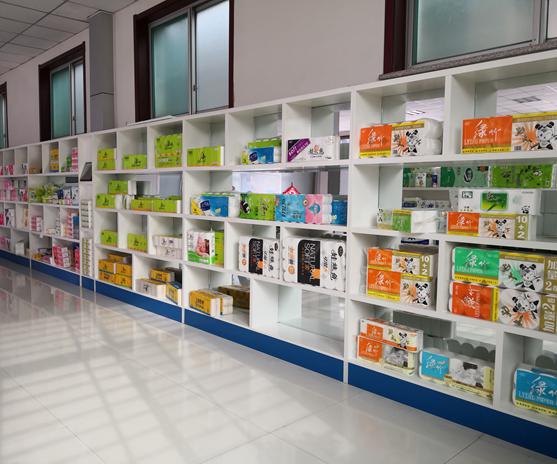
Elevate Your Brand with Top Source Hygiene’s Custom Toilet Paper Solutions
The Manufacturing Process Behind 100% Tree-Free, Dust-Free Bamboo Tissue
This process focuses on sustainable bamboo sourcing, environmentally friendly pulping techniques, and advanced dust-free production methods, ensuring high-quality, soft, and durable bamboo tissue.
Understanding Bamboo as a Raw Material for Tissue
Bamboo serves as a sustainable, fast-growing alternative to traditional virgin wood pulp in tissue manufacturing. It provides both fiber strength and natural softness while maintaining a 100% tree-free composition. The sourcing process selects bamboo species well-suited for pulping and enforces eco-friendly harvest practices to protect biodiversity and soil health.
Pulping and Processing Bamboo Fibers for Tissue Production
The pulping stage transforms bamboo into fibers usable for tissue production, employing methods that avoid harmful bleaching agents to reduce environmental impact. Advanced pulping techniques reduce dust emissions compared to conventional wood pulping. This includes a combination of mechanical and chemical treatments designed to clean the fibers thoroughly and maintain their natural softness and durability.
Ensuring Dust-Free Production and Quality Control
To minimize dust generation during production, manufacturers use enclosed machinery coupled with air filtration systems. Quality control protocols rigorously test parameters such as absorbency, softness, and fiber integrity to comply with international standards. Production facilities typically integrate sustainability certifications, validating their commitment to eco-friendly processes and continuous improvements in environmental performance.
Securing Authentic FSC Bamboo Certifications and Passing ESG Corporate Audits
FSC certification ensures bamboo sourcing from responsibly managed forests through independent audits verifying 10 principles and 57 criteria, including sustainability plans, indigenous rights, and environmental impact. Authentic certification requires sourcing from FSC-certified forests, obtaining Forest Management and Chain of Custody certifications, using recognized FSC labels, and undergoing annual re-assessments to meet social and environmental standards. For ESG audits, companies must provide third-party FSC documentation, demonstrate supply chain transparency, and rely on direct verification through FSC databases. Industry leaders like MOSO® and ettitude exemplify best practices in certified bamboo products.
Understanding FSC Certification for Bamboo
FSC certification confirms bamboo sourcing from responsibly managed forests via audits verifying 10 principles and 57 criteria.
Certification covers sustainable management plans, respect for indigenous rights, and environmental impact minimization.
Applies to bamboo as a non-timber forest product with annual assessments and chain-of-custody tracking.
Endorsed by leading environmental organizations such as WWF and Greenpeace for authenticity.
Steps to Secure Authentic FSC Bamboo Certifications
Source bamboo from FSC-certified forests or plantations that avoid hazardous chemicals and protect ecosystems.
Obtain Forest Management certification verifying responsible forest operations and Chain of Custody certification tracking materials through the supply chain.
Look for FSC labels: 100%, Recycled, or Mix, with varying levels of sourcing transparency.
Ensure annual re-assessments and compliance with social and environmental standards including fair labor and biodiversity support.
Passing ESG Corporate Audits with FSC Bamboo Certification
Provide third-party audit documentation from FSC-accredited bodies proving adherence to environmental, social, and economic criteria.
Demonstrate supply chain transparency through verified sourcing and continuous monitoring to manage risks identified by FSC.
Use examples of companies like MOSO® and ettitude that show best practices in integration of FSC-certified bamboo products.
ESG officers should verify certifications directly via FSC databases, favoring 100% certified materials for highest assurance.
Frequently Asked Questions
Who are the best bamboo facial tissue manufacturers?
Top manufacturers include Sichuan Petrochemical Yashi Paper Co., Ltd., Top Source Hygiene, Qingya Paper, NL Bamboo, and Roll Up. These companies offer a range of premium, FSC-certified bamboo facial tissues suited for wholesale, OEM, and private label markets.
Is bamboo tissue better than wood pulp tissue?
Bamboo tissue generally outperforms wood pulp in sustainability due to faster regrowth, lower water usage, minimal chemicals, and better biodegradability. However, advantages depend heavily on manufacturing location and energy sources, with coal-reliant production reducing its environmental benefits.
Are bamboo facial tissues truly sustainable?
Sustainability depends mainly on manufacturing region rather than material alone. Bamboo tissue made in coal-dependent power grids, like in parts of China, has higher carbon footprints and environmental impacts than wood pulp tissue manufactured with cleaner energy. Production technology and energy sources weigh more than fiber type.
Where can I find unbleached bamboo facial tissue wholesale suppliers?
Reliable suppliers include Yashi Paper, NL Bamboo, Qingya Paper, Top Source Hygiene, and PlantPaper. They offer unbleached, eco-friendly bamboo facial tissues with options for OEM, private labeling, and bulk wholesale distribution.
Which companies produce FSC-certified bamboo paper products?
FSC-certified bamboo manufacturers include Donsea Paper, Yashi Paper, Reel Paper, True Green Paper, Golden Paper Group, PlantPaper, and Newland. Note that the FSC supply chain for bamboo has had integrity issues recently, so verification with FSC’s database is recommended before sourcing.
Final Thoughts
Bamboo facial tissues represent a promising move toward more sustainable and eco-friendly personal care products. Their rapid renewability and lower resource demands offer clear environmental advantages over traditional hardwood fibers, although attention to responsible farming, certification, and production practices remains crucial. Brands and consumers alike are increasingly valuing bamboo’s blend of performance and environmental responsibility.
As the demand for bamboo tissue grows, manufacturers must maintain transparency and uphold stringent sustainability standards to ensure genuine eco-credentials. Careful selection of suppliers, verification of certifications, and awareness of manufacturing impacts will help brands confidently integrate bamboo tissues into their product lines while meeting evolving consumer and regulatory expectations.