
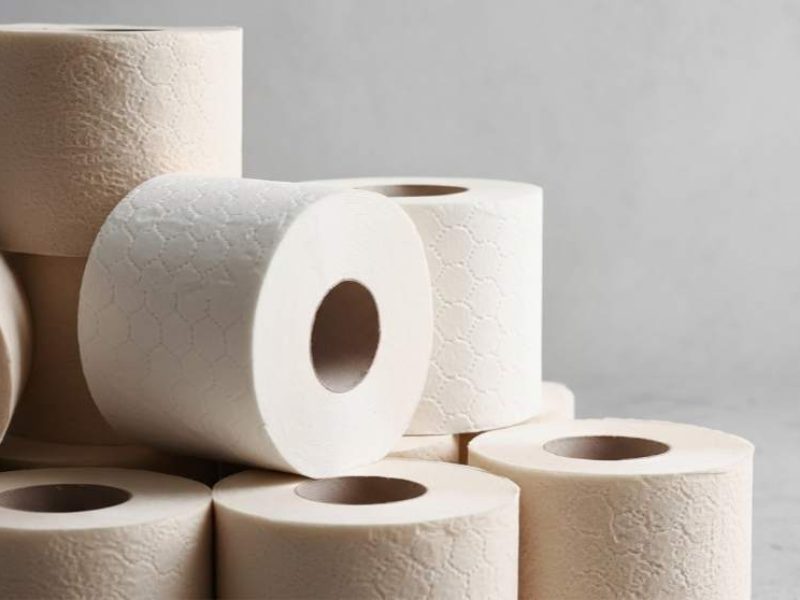
Eco-Recycled Brown is often the single specification that separates meeting your sustainability KPIs from losing shelf space, triggering costly procurement rework and failing retailer sustainability audits. Brands that treat brown recycled tissue as an afterthought face operational headaches—inconsistent material specs, contamination risk in the supply chain and confused customer messaging—that translate into real financial and reputational exposure.
This guide takes a practical, SOP-style approach for procurement, product and sustainability teams: clear technical criteria for unbleached recycled brown tissue, the chemistry and operational benefits of zero-bleach production and lower dioxin footprints, lab and sensory test methods to compare softness against bleached alternatives, visual-branding guidance tuned to Gen Z, a processing-cost breakdown that explains where savings can arise, and a B2B sustainability checklist to document claims and certifications. Read on for the step-by-step checks and templates your team can use to evaluate, specify and scale Eco-Recycled Brown across private-label and retail programs.
Why Unbleached Brown Toilet Paper Is Considered Eco-Authentic
Zero-bleach brown tissue cuts dioxin risk, reduces water and energy use, and keeps performance while simplifying mill compliance and ESG reporting.
Material and fibre specifications: 100% unbleached virgin pulp parameters
Unbleached tissue uses long-fiber 100% virgin wood pulp as the baseline for strength and softness; you can also specify bamboo or recycled pulp for targeted eco SKUs. Maintain an OBA-free chemical profile and avoid chlorine or chlorine dioxide entirely to protect the zero-bleach claim and reduce persistent organochlorine pollutants.
Design the sheet structure to support 2–5 ply formats, keeping each ply in the 13–22 g/m² range to balance tactile softness with wet-strength durability. Control natural brightness through fibre selection—set a target band between 85–92% rather than using whitening chemicals.
- Core material: 100% long-fiber virgin wood pulp; optional bamboo or recycled pulp for eco ranges.
- Chemical profile: OBA-free; no chlorine or chlorine dioxide used.
- Ply & GSM: 2–5 ply; 13–22 g/m² per ply.
- Natural brightness: target 85–92% via fibre selection.
- Action for OEM orders: specify pulp source, exact ply GSM per layer, and desired natural brightness band in the contract.
Manufacturing footprint and process controls that deliver authentic environmental benefit
Remove the bleaching stage to eliminate dioxin formation and related effluent. That change reduces water use and energy consumption because mills no longer run rinsing cycles and bleaching ovens. Simplify mill operations and lower chemical handling risks while improving your environmental disclosures for ESG audits.
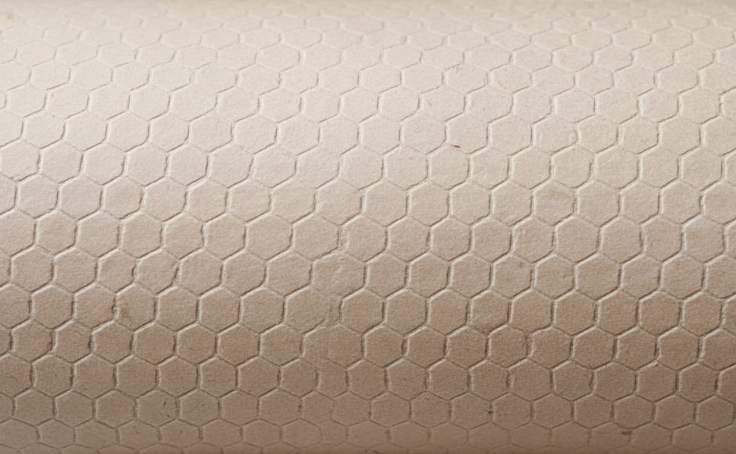
Offset any perceived softness gap through mechanical design: use CNC point-to-point embossing patterns to increase absorbency by roughly 30% and tune creping or debonding to achieve the expected hand feel. Maintain durability with precision perforation and high-pressure ply-bonding instead of chemical additives.
- Process change: eliminate bleaching to avoid dioxins and organochlorines.
- Resource impact: reduce water and energy demand by removing rinsing and bleaching ovens.
- Performance trade-off: CNC embossing increases absorbency ~30%, enabling perceived softness without extra chemistry.
- Quality control: use precision perforation and ply-bonding to secure wet-strength and sheet integrity.
- Action: require supplier documentation proving no bleaching, plus water and energy use metrics and embossing/ply specifications during pre-shipment verification.
Compliance, performance metrics and logistics to preserve eco-authenticity through the supply chain
Specify end-of-life performance up front: engineer rolls for rapid disintegration to satisfy North American and European plumbing standards and to support compostability claims. Back claims with disintegration test benchmarks and copies of certifications such as ISO 9001, FDA, and EU hygiene evidence; request an FSC Chain of Custody claim when fibre sourcing must be audited.
Standardize dimensions and packing to control landed cost and maintain eco-credentials. Offer widths between 102–132 mm, coreless heavy bundles like 5000g/28-roll formats for transport efficiency, and hotel-grade individually wrapped options for hygiene-sensitive channels. Use mechanical compression to maximize 40HQ payloads in the 7–9 tonne range and reduce transport footprint per roll.
- Septic & end-use: engineered for rapid disintegration; meet NA and EU plumbing standards.
- Certifications: ISO 9001, FDA, EU hygiene; FSC available on request for fibre sourcing.
- Dimensions & formats: widths 102–132 mm; coreless heavy bundles (e.g., 5000g/28 rolls); hotel-grade individually wrapped rolls.
- Packaging & loading: individual wrap or direct bundle with mechanical compression; optimize 40HQ payload to 7–9 tonnes.
- Action for contracts: include disintegration test benchmarks, certification copies, and chosen packaging format in purchase agreements to protect the unbleached positioning.
Zero-Bleach Brown Toilet Paper: Reducing Dioxins and Chemical Footprint
Zero-bleach production stops dioxin formation at the source and lowers chemical, water, and energy footprints—directly reducing regulatory risk and improving B2B ESG performance.
Dioxin and Byproduct Control: Monitoring Methods and Acceptance Criteria (2026)
Use GC/HRMS-level analysis (EPA Method 1613 or equivalent) for effluent and sludge sampling to detect dioxin TEQs. Expect non-detectable TEQ results once chlorine-based bleaching stops; compare results to the laboratory detection limits and flag any measurable TEQ immediately. Establish a clear chain-of-custody and document accredited lab reports so procurement and compliance teams can verify claims during audits.
Set a sampling baseline and an operational monitoring cadence: collect three monthly baseline samples before conversion, then six monthly samples after conversion to demonstrate trend removal of organochlorine signals. If labs return detectable dioxin or chlorinated byproducts, audit chemical inputs and wastewater return flows, then isolate and remove any residual chlorine sources and repeat targeted sampling until labs report non-detectable TEQ values.
- Analytical method: EPA Method 1613 (GC/HRMS) or equivalent accredited lab report
- Acceptance: non-detectable dioxin TEQ relative to lab detection limits
- Sampling protocol: 3 monthly samples pre-change, 6 monthly samples post-change; maintain chain-of-custody
- Corrective action: audit chemical inputs and wastewater returns; isolate and remove residual chlorine sources
Production Design Changes for Zero-Bleach Tissue: Water, Energy and Fiber Controls
Specify 100% Virgin Wood Pulp long-fiber and ban Optical Brightening Agents (OBA) to reach natural brightness targets of 85–92% through fiber selection rather than chemistry. Remove the bleaching stage to cut rinse cycles and high-temperature bleaching steps; measure water use per tonne and set a target reduction against the baseline established in the first quarter after conversion so operations staff can quantify savings in water and energy.
Recalibrate pulp washing, refining, and drying profiles to maintain tensile strength and absorbency while holding ply GSM between 13–22 g/m². Implement in-line brightness and wet-strength tests and adjust embossing and lamination pressure to preserve ply-bond integrity and rapid disintegration performance. Track process KPIs (GSM, brightness, wet-tensile) at regular intervals and log adjustments to ensure product consistency across batches.
- Material: 100% Virgin Wood Pulp (long-fiber), OBA-free; target brightness 85–92%
- Water & energy: remove bleaching steps; measure water use per tonne and target reduction in first quarter post-conversion
- Process: recalibrate pulp washing, refining, drying to secure strength and absorbency
- Quality checks: in-line brightness and wet-strength measurements; embossing/lamination pressure adjustments to protect ply bond and disintegration
Compliance, Product Specs and Commercial Steps for Zero-Bleach Positioning
Confirm ISO 9001, FDA and EU hygiene compliance and obtain OEKO-TEX or EU Ecolabel where relevant to support chemical-free claims. Document OBA-free status and rapid disintegration/septic-safe test results on technical data sheets so procurement teams can validate performance. Declare HS code 4818.1000 on shipping paperwork and include core specs—ply count, GSM range (13–22 g/m² per ply), brightness range (85–92%), and 100% Virgin Wood Pulp—on all datasheets.
Plan logistics and commercial terms around standard 40HQ payloads of 7–9 tons and maintain an MOQ policy of 1 x 40HQ for private-label orders. Provide pre-shipment photos and videos, deliver lab reports and disintegration tests to buyers, and update datasheets for 2026 compliance. Advise customers to cite verified, non‑misleading benefits—reference lab reports and certifications rather than unverified environmental language.
- Regulatory checklist: ISO 9001, FDA, EU hygiene; OEKO-TEX/EU Ecolabel where applicable
- Labeling & HS code: HS 4818.1000; include ply, GSM, brightness, and 100% Virgin Wood Pulp on TDS
- Logistics & MOQ: 40HQ payload 7–9 tons; MOQ 1 x 40HQ for private label; provide pre-shipment photos/videos
- Market verification: deliver accredited lab reports and disintegration tests; update datasheets for 2026 compliance and advise on substantiated claim language
OEM Toilet Paper — Fast, Custom, Affordable
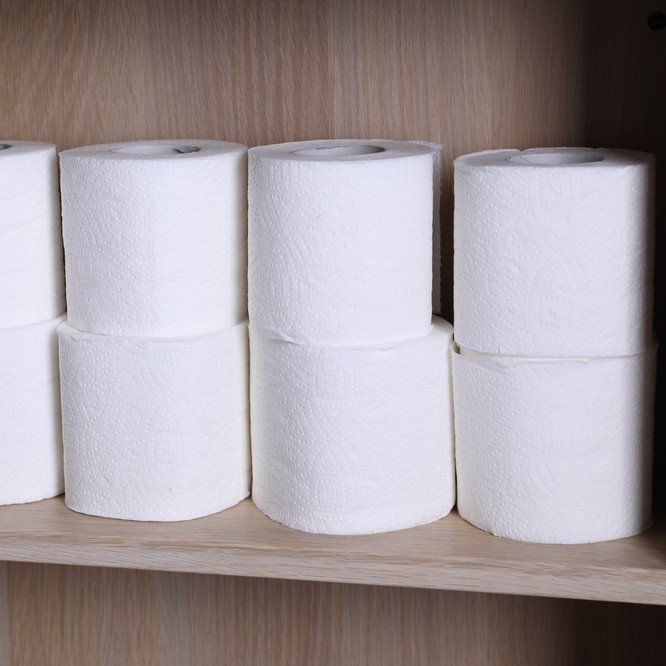
Can Unbleached Brown Toilet Paper Be as Soft as White Paper?
Replicating bleached-level softness on unbleached tissue protects premium positioning while cutting chemical use and easing regulatory compliance.
Fiber and pulp variables affecting perceived softness
Softness starts at the fiber level. Use long-fiber, 100% Virgin Wood Pulp to deliver a cloud-like hand and retain tensile strength; reserve Bamboo or Recycled Pulp for explicitly labeled eco variants where buyers accept different cost and processing profiles. Control ply density to 13–22 g/m² per ply to balance hand-feel with wet strength, and maintain natural brightness at 85–92% through fiber selection rather than optical brighteners so you remain 100% OBA‑Free for skin safety.
- Avoid blending recycled waste into virgin lines when you target lint-free, premium softness.
- Specify pulp grade, fiber source, and bleaching status in procurement documents to enforce repeatable softness across 2026 supply chains.
- Select fiber grades with high bulk-to-weight ratio to increase perceived softness without adding plies or raising cost per roll.
Sheet structure and converting processes to replicate bleached hand-feel
Match bleached hand-feel by engineering sheet structure and converting. Apply high-pressure ply-bonding on multi-ply sheets to prevent delamination while keeping a soft, quilted texture. Use CNC point-to-point embossing to raise absorbency by roughly 30% and to add tactile loft; test floral, dot and custom patterns against blinded hand panels to pick the best compromise between softness and absorbency.
Choose ply count by market: specify 3–5 plies for luxury and hospitality parity and 2–3 plies for mainstream retail cost-performance. Standardize roll widths between 102–132 mm and bundle weights from 780 g to 5000 g to meet regional comfort and dispenser compatibility. Implement precision perforation and clean-cut edges to prevent rough tearing that reduces perceived softness. For coreless/solid rolls, optimize roll density and packaging compression to retain surface fluff while maximizing meters per roll.
- Convert specs: ply-bonding pressure, embossing pattern files, perforation pitch, cut quality, roll density targets.
- Field-test embossing variants with absorbency and tactile panels before scaling.
- Document roll-width and bundle-weight tolerances for each SKU to ensure dispenser and logistics fit across regions.
Measurement, testing and compliance benchmarks to validate softness parity
Validate softness with objective tests plus human panels. Apply ISO 12625 series methods for tensile, burst and absorbency and run controlled tactile panels to compare brown tissue against target bleached products. Define acceptance criteria up front: brightness 85–92%, ply density 13–22 g/m² per ply, OBA‑Free certification, and rapid disintegration for septic-safe claims.
Record tensile, burst and absorbency metrics per batch and log results for supplier traceability and QC trends. Include microbiome and skin-safety checks aligned with ISO 9001, FDA and EU hygiene standards for 2026 market entry. Require pre-shipment visual verification (photos/videos) and tactile samples for private-label approvals. Feed QC data back into production controls — embossing pattern, bonding pressure, pulp grade — and iterate until tactile parity with bleached alternatives is repeatable.
- Testing protocol: ISO 12625 tensile/burst/absorbency + blinded tactile panels.
- Acceptance criteria: brightness 85–92%, ply density 13–22 g/m², OBA‑Free, rapid disintegration (septic-safe).
- Compliance: ISO 9001 quality records, FDA material safety where required, EU hygiene verification for European clients.
- Shipment controls: batch photos/videos, tactile roll samples, and signed private-label approvals before final loading.
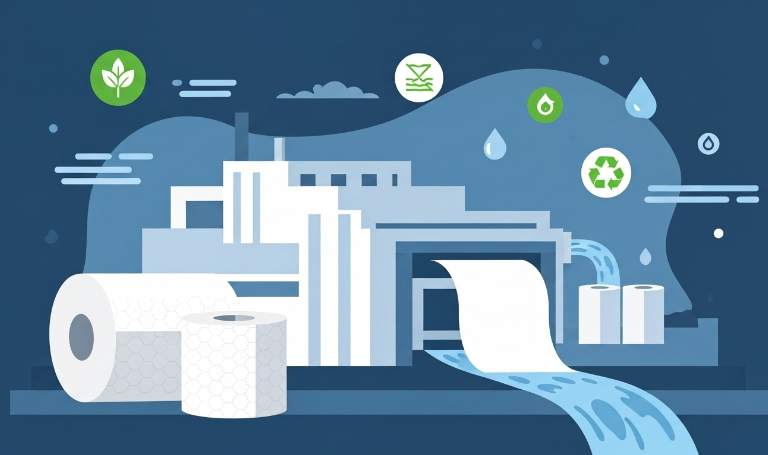
Why Unbleached Brown Toilet Paper Appeals to Gen Z Consumers
Raw, unbleached tissue design converts Gen Z authenticity into measurable sourcing and packaging specs that cut chemical footprint and improve retail performance.
Material & Surface Cues: Specifying Unbleached 100% Virgin Wood Pulp and Ply/GSM Targets
Specify 100% virgin long-fiber wood pulp processed OBA‑free to preserve the natural beige/brown tone and meet sensitive-skin expectations. Set per-ply densities between 13–22 g/m² and target 2–3 ply constructions at roughly 15–18 g/m² per ply to balance tactile surface texture with required wet strength and septic-safe disintegration.
Use CNC point-to-point embossing patterns to lift visible fiber and increase absorbency by about 30%. Target natural brightness in the 85–92% range through fiber selection rather than chemical whitening. Finish sheets with precision perforation so customers get clean tears and the product meets North American and European plumbing standards for rapid disintegration.
- Core material: 100% Virgin Wood Pulp (long-fiber), OBA‑Free processing
- Ply / GSM: 13–22 g/m² per ply; recommend 2–3 ply at ~15–18 g/m² per ply
- Brightness target: 85–92% via fiber choice, not bleaching
- Embossing: CNC point-to-point — ~30% absorbency gain
- Functional: precision perforation; septic-safe rapid disintegration to NA & EU standards
Packaging & Hygiene Specs: Kraft Wrap, Bundle Formats, and Export Logistics
For individual-wrap (Format A) use unbleached kraft or certified compostable paper for the outer wrap and keep a PE inner bag or sealed film where hygiene rules require barrier protection. For value and wholesale packs use direct bundle formats sized to retail counts—10, 12, 18, 28, 32—and wholesale bundles from 780 g up to 5000 g, consolidated into reinforced 5‑ply export cartons for long-haul stacking.
Apply mechanical compression during bagging to reduce cubic meters while preserving roll fluffiness so you maximize payload per 40HQ. Design pack geometry and reinforcement to achieve consistent container payloads of 7–9 tons. Set MOQ and lead-time policy clearly: private-label MOQ = 1 × 40HQ; in-stock dispatch 10–15 days; full production 20–25 days.
- Wrap: unbleached kraft or compostable paper; keep PE inner bag where required
- Retail counts: 10 / 12 / 18 / 28 / 32; wholesale bundles: 780 g–5000 g
- Cartons: reinforced 5‑ply export cartons for export stability
- Compression: mechanical compression during bagging to minimize volume, preserve roll bulk
- Container optimization: target 7–9 tonnes payload per 40HQ
- Regulatory checklist: OBA‑Free, ISO 9001, FDA, EU hygiene compliance; claim ‘Septic Safe’ only with certification
- Supply constraints: MOQ 1 × 40HQ; lead times — in-stock 10–15 days, production 20–25 days
Visual Production & Retail Execution: Texture Photography, POS Specs, and Market Model Alignment
Shoot macro, low-glare, matte lighting images that show point-to-point embossing, visible fiber and natural color variation; use tight depth-of-field to make tactile texture readable at 1:1 crop. On-pack, prioritize technical claims — “Unbleached”, “OBA‑Free”, “100% Virgin Wood Pulp”, “Septic Safe” — and cite certification numbers or logos to validate each claim for procurement teams and skeptical Gen Z buyers.
Design art to match roll geometry: standard roll widths 102–132 mm and retail pack footprints. Align the kraft face panel with roll orientation so fiber direction and emboss pattern read correctly on shelf. Map product models by market: North America — TSH‑2559 (septic-safe retail); Middle East — TSH‑4010 and TSH‑2269 (luxury wide-format); Southeast Asia — TSH‑3396 (coreless 5000 g bulk). Require pre-shipment visual verification and batch color-consistency checks to ensure a uniform natural brown tone across container loads.
- Photo brief: macro, matte lighting, show CNC emboss and fiber; crop for 1:1 detail
- On-pack claims: ‘Unbleached’, ‘OBA‑Free’, ‘100% Virgin Wood Pulp’, ‘Septic Safe’ + certification references
- Dimensions: design for roll widths 102–132 mm and corresponding retail pack sizes
- Market-model alignment: TSH‑2559 (NA), TSH‑4010 / TSH‑2269 (Middle East), TSH‑3396 (SEA bulk)
- QC: require pre-shipment photos/video and batch color-consistency checks across the container
Is Unbleached Brown Toilet Paper Cheaper Than White Toilet Paper?
Recycled brown pulp lowers chemical and utility inputs but adds deinking, sorting and logistics costs that must be modeled per tonne and per roll.
Cost-line Breakdown: which processing steps save money when using recycled brown pulp
Recovered fibre often reduces the raw fibre purchase price versus buying virgin long-fiber wood pulp, and skipping bleaching removes expensive chlorine-based chemicals and associated wastewater treatment. Expect meaningful utility reductions: recycled or unbleached routes use roughly 70% less energy and about 35% less water, which cuts drying time and kWh per tonne on the mill floor.
At the same time, recycled lines require deinking, fines removal and extra screening that create discrete cost blocks. Industry benchmarks show net processing cost increases for recycled streams (examples: ~$3/ton higher for single-stream collection, $5–15/ton extra processing, and recovery fibre mark-ups around $8/ton). Model landed cost per roll using container economics (40HQ payload typically 7–9 tons) and bundle weights spanning 780g–5000g to convert tonne-level savings into unit price.
- Raw material: compare recovered-fiber spot price against virgin long-fiber per tonne, then include collection and sorting premiums.
- Eliminated bleaching: remove chlorine/chlorine-dioxide chemical costs and lower wastewater treatment load when you choose zero-bleach processes.
- Deinking & screening: budget for deinking chemicals, extra pumps and screens, and higher energy for flotation/washer stages.
- Energy & water: record kWh/tonne and m³/tonne savings (use the 70% and 35% indicators as planning inputs).
- Yield & losses: include reject rates and contamination losses in cost models; recycled lines can have higher usable-loss factors.
- Logistics unit economics: calculate landed cost per roll using 40HQ fill (7–9 t payload) and target bundle formats (780g–5000g) to optimize freight and packaging spend.
Quality-driven cost drivers: how fibre properties and GSM influence processing needs and price
Recycled fibres typically have shorter length and lower tensile strength than virgin long-fiber pulp, so mills compensate with extra refining, higher refining energy, or chemical additives to meet tensile and burst specifications. Set your design targets in GSM: industry practice holds 13–22 g/m² per ply. Increasing GSM or ply count raises material usage and calendering time, but it restores perceived quality and wet performance.
You can trade material for design: add wet-strength agents or higher-pressure ply-bonding to preserve functionality in 2–5 ply products, or choose product formats that improve unit economics—coreless or solid rolls and higher-density bundles (for example, 5000g/28 rolls) reduce cost per metre through improved material and transport efficiency. Where strength matters, blend a controlled percentage of virgin long-fiber into recycled pulp to hit specs while containing cost. Require lab specs up front to avoid costly reformulation later.
- Product design levers: prefer coreless/solid rolls and heavier bundles (5000g/28) to lower freight cost per metre.
- Specification trade-offs: specify a fixed virgin long-fiber blend percentage when tensile/burst must meet premium thresholds.
- Testing requirements: demand lab data for tensile, burst, and disintegration time (septic-safe criteria) before batch approval.
Operational and procurement levers buyers should use to convert processing savings into lower per-roll price
Buyers convert mill-level savings into lower unit price by controlling order configuration, packaging format and supplier transparency. Fill 40HQ containers tightly and choose heavier bundle formats (5000g where feasible) to lower freight and handling cost per roll; Top Source Hygiene’s 40HQ optimization (7–9 t payload) and 5000g bundle options illustrate the impact on landed price.
Drive supplier accountability: require OBA-free confirmation, septic-safe disintegration guarantees, batch colour consistency and explicit deinking protocol. Ask suppliers for line-item processing costs—deinking chemical spend, drying kWh/tonne, and water m³/tonne—so you can compare recycled versus virgin routes on a true-cost basis. Use pre-shipment photos and videos, insist on ISO 9001 / FDA / EU hygiene evidence, and leverage MOQ and lead-time flexibility (trial = 1×40HQ; production lead time ~20–25 days) to negotiate better pricing.
- Order configuration: maximize 40HQ fill and select heavier bundle formats (e.g., 5000g) to cut freight per roll.
- Packaging choices: use coreless or compressed packing to reduce volume; confirm compression limits so product integrity stays intact.
- Supplier specs to demand: OBA-free, septic-safe disintegration test results, batch colour consistency and a written deinking protocol.
- Cost transparency actions: request line-item processing costs (deinking chemicals, drying kWh/tonne, water m³/tonne) to compare real savings.
- Quality acceptance: mandate pre-shipment photos/videos and require certification evidence (ISO 9001, FDA, EU hygiene) to avoid downstream rejects.
- Negotiation points: use trial 1×40HQ orders, run production cadence discussions (20–25 day lead time), and tie better unit pricing to MOQ and scheduling flexibility.
B2B Sustainability Benefits of Unbleached Brown Toilet Paper
Adopt certified unbleached tissue to cut chemical risk, reduce water and energy use, and deliver verifiable ESG claims for B2B procurement.
Specify material and product standards for brown (unbleached) tissue
Require unbleached or minimally processed fibers to eliminate chlorine-based bleaching and avoid dioxin release; demand OBA-free certification to prevent optical brightening agents from undermining chemical-free claims. Set material hierarchy: 100% Virgin Wood Pulp as the standard for premium lines, Bamboo Pulp for softness and renewability, and Recycled Pulp for targeted eco collections where post-consumer content matters.
Lock technical targets into specs so suppliers cannot trade them away: 2–5 ply options, 13–22 g/m² per ply, and natural brightness 85–92% achieved by fiber choice not chemical whiteners. Engineer rolls for rapid disintegration to meet North American and European septic-safe criteria and declare HS code 4818.1000 for import compliance and tariff planning.
- Material: 100% Virgin Wood Pulp (preferred); Bamboo or Recycled Pulp optional for labeled eco lines.
- Ply & GSM: 2–5 ply; 13–22 g/m² per ply.
- Brightness: 85–92% natural brightness; OBA-free mandatory.
- Septic spec: rapid disintegration validated to North American and European test methods.
- Customs: HS code 4818.1000 for tariff and clearance planning.
Set procurement specifications and contractual clauses for authenticity
Require suppliers to submit material declarations that state percent virgin pulp, source region, and OBA-free certification on every bill of materials. Specify packaging formats (Format A: individually wrapped for hospitality; Format B: direct bundle for retail/wholesale) and set MOQ at 1 x 40HQ container to protect unit economics and freight efficiency.
Embed supplier KPIs in contracts: batch color consistency tolerances, ply-bond integrity, and perforation quality. Fix lead times and payment: in-stock dispatch 10–15 days, production 20–25 days; T/T 30% deposit, 70% before shipment. Require pre-shipment visual verification and video of container loading to preserve margin and transparency, and include a clause for payload and freight optimization that targets typical 40HQ loads of 7–9 tons with compression-tech handling.
- Mandatory declarations: % virgin pulp, mill region, and OBA-free certificate per shipment.
- Packaging & MOQ: Support Format A and B; MOQ = 1 x 40HQ container.
- Performance metrics: color consistency tolerances, ply-bond strength, clean perforation.
- Commercial terms: In-stock dispatch 10–15 days; production 20–25 days; T/T 30%/70%.
- Verification: require photos and full video of container loading before final payment.
Validate environmental and health claims with targeted testing and certifications
Run lab tests that verify absence of chlorine compounds and optical brightening agents and confirm low residuals consistent with unbleached processing. Validate performance through tensile strength, wet-strength, septic rapid disintegration, and absorbency tests; note that point-to-point embossing increases absorbency by about 30%, a measurable design lever.
Request third-party certifications: ISO 9001 for quality systems, applicable EU hygiene standards, and FDA compliance for materials that contact skin. Define pass/fail thresholds and a sampling plan per container covering brightness range, GSM per ply, and disintegration time under accepted test methods, and retain certificates in the vendor scorecard to support B2B sustainability claims on labels and procurement sheets.
- Chemical tests: confirm no chlorine compounds, no OBA, and low residuals.
- Performance tests: tensile, wet-strength, septic disintegration, absorbency (embossing +30%).
- Certifications: ISO 9001, EU hygiene standards, FDA where applicable; consider OEKO-TEX + FSC for market claims.
- Sampling: brightness, GSM per ply, and disintegration time per container; store certificates in vendor scorecards.
Optimize packaging and logistics to minimize lifecycle footprint
Match packaging to end markets: use Format A for hospitality where hygiene and presentation justify individual wrapping; use Format B for cost-sensitive retail and wholesale to maximize freight efficiency. Use mechanical compression during bagging to increase units per cubic meter and lower kg CO2 per roll shipped—compression drives better 40HQ utilization and reduces landed cost per roll.
Standardize master carton specs to reinforced 5-ply export cartons and consolidated poly bundles to prevent damage during high-stack 40HQ loads. Track freight efficiency metrics—rolls per cubic meter, kg CO2 per 40HQ, and landed cost per roll—and offer coreless or high-density solid rolls (for example 5000g bundles like TSH-3396) where space and cost per meter determine SKU priority.
- Format alignment: Format A for hospitality, Format B for retail/wholesale.
- Compression: mechanically compress bags to raise units/m³ and cut CO2 per roll.
- Cartons: reinforced 5-ply export cartons + consolidated poly bundles for high-stack 40HQ loads.
- Freight metrics: measure rolls/m³, kg CO2 per 40HQ, and landed cost per roll; target 7–9 ton 40HQ payloads.
- Product options: offer coreless/high-density solid rolls (e.g., 5000g bundles) for maximum space efficiency.
Measure outcomes and report sustainability KPIs for B2B customers
Track product KPIs that matter to procurement and sustainability teams: percent unbleached inventory, virgin pulp percentage, OBA-free confirmation rate, and septic-disintegration pass rate. Monitor supply-chain KPIs such as container payload (tons per 40HQ), average lead time, and pre-shipment verification compliance to hold suppliers accountable and improve landed-cost forecasting.
Calculate environmental metrics—estimated water and energy savings versus bleached lines and end-of-life biodegradability/compostability indicators—and deliver SKU-level technical sheets containing material, test results, HS code, and handling guidance. Use these KPI reports to refine buying decisions and prioritize SKUs (for example TSH-3396 for space efficiency and TSH-4010 for hospitality) based on measured performance and regional fit.
- Product KPIs: % unbleached inventory, virgin pulp %, OBA-free confirmation, septic pass rate.
- Supply-chain KPIs: 40HQ payload (tons), average lead time, pre-shipment verification rate.
- Environmental metrics: estimated water & energy savings vs bleached lines; biodegradability indicators.
- Customer reporting: SKU technical sheets with material, test certificates, HS code 4818.1000, and handling guidance.
- Decision rule: prioritize SKUs by KPI outcomes—TSH-3396 for freight efficiency; TSH-4010 for premium hospitality performance.
Conclusion
Correct installation protects staff and facilities, keeps you aligned with OSHA requirements, and extends equipment lifespan. Following the specified procedures also reduces downtime and lowers long-term repair costs.
Start by reviewing your fleet’s current setup against the checklist. Contact us to request a certified lighting catalog and a sample for hands-on evaluation.
Frequently Asked Questions
Is unbleached brown toilet paper safe for sensitive skin?
Yes. The research states unbleached brown tissue is produced without chlorine or other bleaching chemicals, avoiding chemical residues and byproducts that can irritate sensitive skin. This chemical-free production is one of the documented health advantages compared with traditionally bleached papers.
Why does unbleached brown toilet paper have a natural scent?
Because it is minimally processed and remains free of bleaching chemicals and masking agents, the paper can retain the natural scent of its fibers. The research notes the natural color signals minimal processing, which correlates with retained natural fiber characteristics such as a subtle scent.
Is unbleached brown toilet paper less absorbent than white toilet paper?
The research does not report a loss of absorbency from avoiding bleaching. It emphasizes that unbleached tissue delivers environmental and health benefits while commonly using recycled or sustainably sourced fibers, without claiming reduced functional performance.
How do brands market unbleached brown toilet paper as a premium eco product?
Communicate the chemical-free production, reduced water and energy use, biodegradability/compostability, and transparent sourcing. The research highlights that explaining these measurable environmental and health benefits — and positioning the natural color as a marker of minimal processing and authenticity — helps consumers see brown paper as a premium eco choice.
What is the difference between bamboo toilet paper and recycled brown toilet paper?
The research focuses on unbleached vs bleached processing and on recycled or sustainably sourced fibers but does not detail bamboo specifically. Generally, unbleached describes a chemical-free process applied to whatever fiber is used; recycled brown wood paper uses reclaimed wood fibers, while “natural bamboo” refers to a different fiber source that may be marketed for sustainable sourcing — specifics on performance or footprint are not provided in the research.
What certifications are required for unbleached and chemical-free toilet paper?
The research emphasizes transparent environmental credentials but does not list specific certifications for 100% unbleached or chemical-free tissue. It notes manufacturers often document recycled or sustainably sourced fibers and eco-claims, but the research does not name certifying programs.