Skip to content

Facility and procurement managers often face the challenge of reducing restroom waste while keeping supply chains cost-efficient. Cardboard toilet paper tubes, typically discarded, are in fact a clean, high‑carbon resource that can strengthen your compost mix. With a straightforward preparation method, these tubes can be repurposed to accelerate decomposition and improve nutrient balance. This guide shows you how to process each roll for optimal breakdown speed, operational efficiency, and measurable sustainability gains.
Why Composting Toilet Paper Rolls Matters
Environmental Benefits
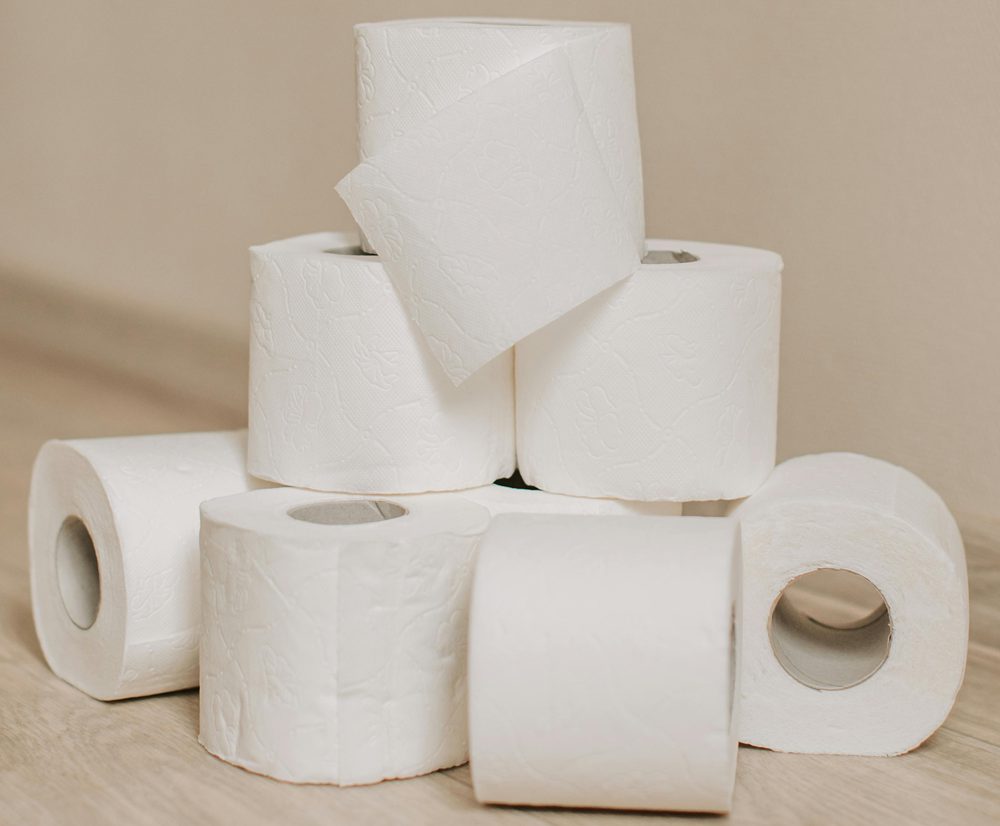
When toilet paper rolls are sent to landfill, they occupy space and generate methane during anaerobic breakdown. Composting them stores carbon in a stable form and returns it to the soil, enriching local landscapes or agricultural plots. Selecting rolls made from FSC or SFI certified fibers avoids concerns about chemical additives, making them safe for gardens and facilities targeting low-toxicity inputs. Consistently diverting this material improves waste reduction metrics and can cut hauling and landfill costs over time.
Compost System Performance
Cardboard tubes supply high-carbon material that balances nitrogen-rich inputs such as fruit peels or coffee grounds. This ratio supports efficient microbial activity, controls odors, and achieves the high temperatures needed for rapid thermophilic decomposition. Shredding or tearing the rolls increases airflow in the pile, preventing dense clusters that slow breakdown. Even in compact compost bins, these brown materials maintain pile structure, producing consistent, high-quality output without the need for extra bulking agents.
Business and ESG Value
Integrating toilet paper rolls into an existing compost stream strengthens zero-waste commitments, often without additional collection costs. The resulting diversion is trackable for ESG reporting, demonstrating measurable reductions in landfill tonnage. For consumer brands, it becomes a tangible proof point in sustainability communications. Procurement teams can specify compostable roll criteria in supplier scorecards, ensuring all purchasing decisions align with environmental goals and reinforcing the organization’s sustainability positioning across its operations.
Know Your Material
Bamboo Fiber Tubes
Separate bamboo fiber toilet paper rolls from standard cardboard before composting. Bamboo cores are naturally antibacterial and hypoallergenic, helping maintain a clean compost environment suitable for organic gardening or landscaping. Their shorter fibers soften quickly, allowing faster integration into the pile. Many bamboo products carry FSC certification, providing procurement teams with verifiable sustainable sourcing. For rapid breakdown, soak the tubes for several minutes, then tear into smaller pieces before layering with nitrogen-rich material. This accelerates bacterial activity, keeps decomposition timelines predictable for sites with tight cycles, and demonstrates renewable resource use—an ESG advantage for brands highlighting sustainability commitments.
Recycled Paper Tubes
Identify recycled paper cores by their dull, grayish tone and light, fibrous texture. These offer the highest waste diversion value, giving post-consumer paper a second life before returning it to the soil. Even lower-grade recycled tubes are suitable for compost, provided they are free from synthetic liners, glues, or wax coatings that slow decomposition or introduce contaminants. A simple tear test reveals coatings—waxy or resistant surfaces indicate unsuitable material. For commercial operations, verifying chemical-free tubes ensures compliance with organic waste processing standards. At scale, replacing coated tubes with verified uncoated cores maximizes diversion metrics and strengthens sustainability reporting without increasing costs or process complexity.
SFI/FSC Certified Cardboard
Look for SFI or FSC certification marks on the tube or packaging, confirming the pulp was sourced from responsibly managed forests. These certified cores decompose cleanly and are safe for compost intended for organic gardens or agricultural soil. Stocking only certified options simplifies compliance checks across multiple locations and maintains clear ESG audit trails. This approach supports procurement policies that prioritize verified supply chains, reducing vendor risk. For facilities that repurpose or sell compost, certification safeguards brand reputation and satisfies downstream buyers who demand complete transparency on input materials. Always retain packaging or supplier documentation to support environmental reporting.
Expert OEM Toilet Paper Manufacturing Tailored for Your Brand
For brands seeking reliability, compliance, and customization, working with the right OEM manufacturer ensures consistent quality and buyer confidence. With over thirty years of experience, Top Source Hygiene delivers tailored toilet paper solutions across bamboo, recycled, and certified fibers—all under stringent quality controls. From niche small-batch production to high-volume supply for global markets, you can define the exact ply, texture, and packaging needed without jeopardizing timelines or quality standards.
Tools and Preparation
Essential Equipment
Set up a straightforward process that keeps throughput high and results consistent. A sturdy bucket or tub allows you to soak multiple rolls simultaneously, softening the cardboard for quick tearing and efficient composting. Use sharp scissors or a box cutter to reduce the softened tubes into smaller fragments, increasing surface area and accelerating microbial breakdown. An active compost bin with adequate airflow and a healthy microbial base will convert these cores into nutrient-rich material without interrupting your operation.
Safe Handling Practices
Always cut with controlled movements—direct blades away from your body to prevent accidental injury. Since wet cardboard can be slick, wear gloves to maintain grip and avoid minor abrasions. Keep cutting tools sharp to produce clean cuts and reduce physical strain, especially when processing larger batches. Consistent safety protocols maintain steady output and help avoid costly downtime.
Material Sorting
Before soaking, remove any plastic film or other non-biodegradable packaging that would compromise compost quality. Exclude glossy or heavily printed tubes, as they may contain inks unsuitable for soil use. Ensure every roll is untreated—free from wax, synthetic coatings, or chemical additives—so the final compost remains clean and compliant with sustainability standards. Careful sorting prevents contamination and protects both product integrity and your brand’s environmental commitments.
Step-by-Step Composting Process
Step 1: Remove Non-Compostable Components
Inspect each toilet paper tube and remove any elements that will not decompose, such as tape, labels, adhesive residue, or plastic from packaging. Discard tubes with paint, wax, or chemical coatings, as these interfere with microbial activity and compromise compost quality. Conducting this check before processing safeguards purity and ensures a clean final product—critical for applications in commercial landscaping, agriculture, or resale.
Step 2: Shred or Tear for Efficiency
Cut or tear tubes into sections approximately two to three centimeters wide to increase surface area and accelerate microbial digestion. Mechanical shredders suit high-volume operations, while manual tearing is adequate for small batches and helps manage labor costs. Smaller pieces reduce the risk of matting, promote even moisture distribution, and ensure a consistent compost texture that meets commercial standards.
Step 3: Pre-Soak to Accelerate Breakdown
Immerse shredded cardboard in warm water for five to ten minutes to soften fibers, making them easier to incorporate into the compost. This pre-soak allows moisture penetration and faster bacterial colonization, reducing total decomposition time. Shortening the process cycle supports steady compost output for operations with recurring demand.
Step 4: Combine with Nitrogen-Rich Greens
Mix softened cardboard with fresh food scraps or grass clippings, maintaining a ratio of roughly two to three parts brown material to one part greens. Integrate thoroughly and avoid large clumps to preserve airflow and prevent anaerobic zones. A well-balanced, evenly mixed pile decomposes uniformly, yielding high-grade compost suitable for both personal use and professional supply chains, while maximizing the environmental value of each diverted roll.
Expert Tips and Common Mistakes
Best Practices
Pre-soak toilet paper rolls in water before composting to soften fibers, simplify shredding, and accelerate microbial breakdown. Vary the size of torn pieces to create texture in the pile, which improves airflow and maintains steady decomposition. After incorporation, monitor moisture levels—because rolls can absorb liquid from the mix, adding a light spray when needed keeps conditions optimal and prevents the process from slowing.
Avoiding Common Pitfalls
Exclude any rolls with plastic, wax, or other non-biodegradable coatings, as these will not decompose and can contaminate the finished product. Avoid leaving tubes whole; limited surface area prolongs breakdown and reduces efficiency. Mix thoroughly after adding rolls to prevent dense clumps, which restrict oxygen flow and cause anaerobic pockets. Consistent preparation and blending safeguard compost quality and maintain predictable production timelines.
Frequently Asked Questions
Can you compost toilet paper tubes?
Yes. Provided they are free from plastic, heavy inks, or food contamination, cardboard tubes made from bamboo, recycled paper, or certified fibers will break down efficiently in a composting system. They supply a clean, carbon-rich brown material that helps maintain optimal compost balance.
Should rolls be shredded before composting?
Yes. Shredding or tearing tubes into small sections exposes more surface area, enabling faster microbial activity. For maximum speed, soften the fibers by soaking briefly in water before adding them to the compost.
Do toilet paper rolls qualify as brown material?
Yes. They are considered high-carbon brown material, essential for balancing nitrogen-rich green inputs such as food scraps. This ratio sustains consistent heat and efficient composting performance.
What is the decomposition timeframe?
Shredded and soaked tubes typically break down within three to six months in an active compost pile. Whole, dry tubes may require more time, particularly in cooler or less humid conditions.
Can paper towels be composted as well?
Yes. Uncoated paper towels without synthetic additives, heavy dyes, or chemical residues decompose quickly and also contribute as brown material in the compost mix.
Final Thoughts
You now have a clear, repeatable process for preparing and adding toilet paper tubes to compost in a way that accelerates decomposition and maintains balanced nutrient levels. The soak-and-tear method improves integration with existing materials, ensuring a uniform, carbon-rich contribution to the pile.
Establishing this as a routine not only reduces landfill waste but also produces consistently high-quality compost for landscaping, gardens, or grounds maintenance. Over time, such incremental measures deliver tangible environmental benefits and operational efficiencies.
Continue incorporating other clean, paper-based brown materials to boost output volume and maintain steady compost consistency across batches.