Skip to content
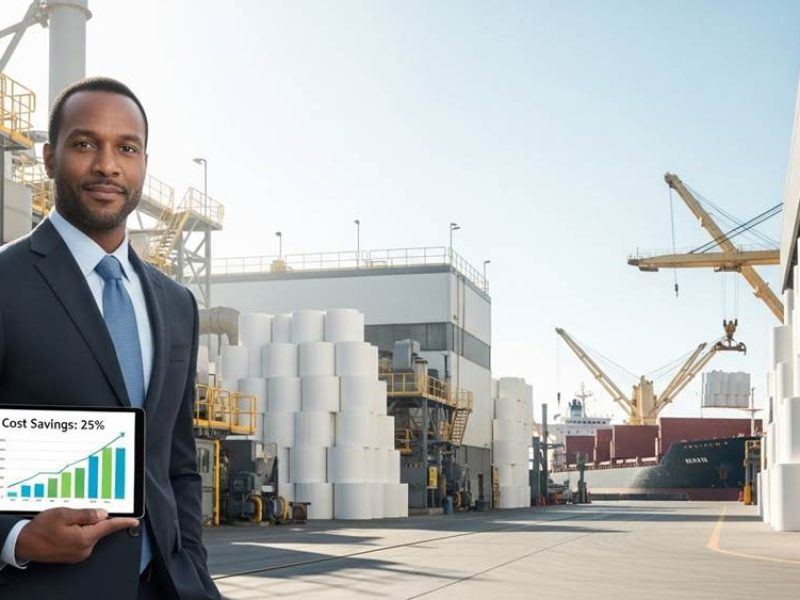
Scaling a supply chain requires a choice between the local expertise of an agent and the higher margins of a direct factory relationship. Many procurement teams find themselves caught between paying for peace of mind or risking communication gaps to save on unit costs.
This comparison explores the operational differences between these two models and how they impact your bottom line. We analyze standard commission structures that range from 3% to 10% and examine how direct partnerships can stabilize lead times to between 15 and 25 days. You will also find strategies to identify hidden factory rebates and evaluate whether your internal team is ready to manage logistics without an intermediary.

Defining the Role of a China Sourcing Agent
A China sourcing agent acts as a local intermediary that manages the entire procurement lifecycle, including supplier identification, price negotiation, quality control, and logistics coordination. These professionals bridge the gap between international buyers and Chinese manufacturers to minimize supply chain risks and ensure production efficiency.
Core Responsibilities in the Procurement Cycle
Sourcing agents serve as the primary link between international buyers and Chinese manufacturers in the 2026 trade landscape. They handle supplier identification by researching and vetting factories through local networks to ensure reliability and operational stability. By verifying a factory’s history and reputation on the ground, agents prevent buyers from engaging with unqualified or fraudulent entities.
The agent also manages price negotiations to secure competitive rates while maintaining quality standards. They draft detailed contracts that specify payment terms, production timelines, and precise quality requirements. This technical documentation protects the buyer’s interests and provides a clear framework for resolving potential disputes during the manufacturing process.
Technical Oversight and Quality Assurance
Agents conduct comprehensive factory audits to verify compliance and manufacturing capacity before production starts. These audits confirm that a facility possesses the necessary machinery, workforce, and certifications to meet specific project demands. Verification at this stage prevents delays caused by over-capacity or technical inability.
The role involves performing AQL-based inspections and testing for deviations to maintain high quality standards throughout the production run. Supervisors monitor manufacturing schedules in real-time, allowing them to address issues immediately rather than waiting for post-production reports. They coordinate the final logistics, including customs clearance and warehousing, to ensure products arrive at their destination on time.
Strategic Support for Diverse Business Scales
Startups use agents to overcome language barriers and gain access to niche suppliers in a complex market. Because new businesses often lack the volume to command attention from large manufacturers, agents leverage their existing relationships to secure favorable terms for smaller orders. This support reduces the initial overwhelm associated with navigating the vast Chinese manufacturing sector.
Established brands rely on agents to identify hidden fees and protect against risks like incomplete specifications or unreliable factories. Professional agents provide translation services and local expertise that reduce the complexity of sourcing high-volume goods, such as paper products. Their presence ensures that even experienced brands maintain total transparency across their supply chain while optimizing landed costs.
Pros of Direct Factory Sourcing (Cost & Clarity)
Direct factory sourcing optimizes procurement by eliminating third-party commissions and hidden markups, allowing for direct price negotiations that improve profit margins. This model grants businesses complete visibility into raw material selection and production schedules while ensuring quality standards meet specific regulatory requirements through on-site oversight.
Cost Savings from Removing Intermediary Markups
Direct sourcing removes agent commissions and middleman markups that typically inflate the unit cost of paper products. By dealing directly with production facilities, businesses secure lower base prices and gain a clearer understanding of the actual manufacturing costs. This transparency allows organizations to strengthen their 2026 profit margins by capturing the value previously lost to third-party intermediaries.
Eliminating intermediaries simplifies the supply chain and cuts down on hidden logistics fees. Businesses manage their own financial agreements with carriers and manufacturers, ensuring that every dollar spent contributes directly to product quality or shipping efficiency. Removing the middleman reduces administrative overhead and prevents the “blind markups” that often occur when agents hide the true factory price from the buyer.
Direct Control Over Product Specs and Materials
Direct interaction with the factory floor ensures precise control over raw material selection, such as choosing 100% virgin wood pulp over lower-quality blends. Buyers work directly with manufacturing engineers to manage specific paper weights, ply counts, and embossing patterns. This level of granular management guarantees that the final output aligns perfectly with technical specifications and brand requirements.
OEM and ODM partnerships allow buyers to manage custom packaging designs and unique product features without third-party interference. Direct communication with manufacturing teams eliminates the translation errors and technical misunderstandings that often arise when information passes through an agent. This direct line of contact facilitates rapid prototyping and ensures that specialized products reach the market according to the original design intent.
Oversight of Quality Standards and Delivery Timelines
Quality managers monitor ISO 9001 and FDA compliance throughout the manufacturing process via direct factory access. Removing the agent allows for unfiltered reporting and the implementation of specific quality check protocols at every production stage. On-site or video inspections verify product durability, softness, and absorbency before the shipment leaves the facility, significantly reducing the risk of receiving sub-standard inventory.
Direct factory relationships secure consistent 15 to 25-day lead times for high-cube container orders. Buyers coordinate directly with production schedulers to prioritize their orders, avoiding the communication lag that often delays shipments in agent-managed supply chains. This hands-on approach to timeline management ensures that supply chains remain agile and responsive to shifting inventory demands.
When an Agent is Essential (Niche Products/Small MOQs)
Sourcing agents become indispensable when procurement involves highly specialized custom goods or low-volume orders that fall below standard factory minimums. They provide the technical oversight and negotiation leverage required to manage complex product development and initial market testing for startups and niche brands.
Sourcing Specialized and Custom Paper Products
Niche items like technologically advanced or custom-designed paper goods require the extensive supplier vetting and product development oversight that agents offer. These professionals use established local networks to find reliable manufacturers capable of handling complex ODM projects. They often manage specific technical features and custom packaging requirements for a 5-10% commission, ensuring the final product matches the original specifications.
Startups entering the market use agents to handle production complexities that might otherwise overwhelm teams new to the China manufacturing landscape. By acting as an on-ground extension of the buyer, the agent verifies that the factory maintains quality standards throughout the specialized manufacturing process, reducing the risk of “quality fade” during long-term production runs.
Managing Low-Volume Orders and Test Batches
Small businesses frequently encounter high standard minimum order quantities (MOQs) when approaching large factories directly. Agents navigate this barrier by negotiating smaller batches, which allows brands to scale without committing to massive upfront inventory. This service is vital for companies needing to validate a product concept before investing in full-scale production.
Agents also work to mitigate the higher per-unit expenses and shipping costs inherent in low-volume orders. This coordination ensures that startups do not miss critical market entry windows due to prohibitive logistics or manufacturing costs. While high-capacity manufacturers like Top Source Hygiene focus on large-scale solutions, agents provide the necessary flexibility for initial market testing and specialized private label launches.
Build Your Custom Toilet Paper Brand with Expert OEM Manufacturing

Commission Structures: 3% to 10% Reality Check
China sourcing agent commissions typically fall between 5% and 10% of the total order value. While large-scale orders or simple market sourcing can drop these rates to 3%, complex technical products or projects requiring extensive quality oversight often reach the 10% ceiling.
| Fee Model | Typical Rate | Best For |
|---|---|---|
| Commission-Based | 3% – 10% | Regular importers and high-volume orders |
| Fixed Project Fee | $500 – $5,000 | One-time supplier identification or sampling |
| Hybrid (Upfront + Commission) | $1k – $3k + 3% – 6% | First-time buyers requiring deep factory vetting |
Comparing Commission, Fixed, and Hybrid Fee Models
Sourcing rates in 2026 generally range from 5% to 10%. High-volume orders or Yiwu market sourcing can lower these costs to 3%. Importers choose from different financial structures depending on their goals. Commission-based models suit regular orders, while fixed project fees between $500 and $5,000 work best for one-time supplier identification. Hybrid models involve an upfront payment combined with a lower percentage on the final invoice.
A standard 5% to 10% commission on a $10,000 order costs between $300 and $1,000. This cost varies based on the agent’s involvement level in production monitoring and shipping coordination. Small businesses often prefer fixed fees to keep initial costs predictable during the sampling phase.
Primary Factors Driving Final Sourcing Percentages
Order volume serves as the strongest lever for negotiation. High quantities allow agents to lower their percentage while keeping their operations profitable. Product complexity also dictates the fee. Technical requirements, such as custom OEM paper specifications for Top Source Hygiene products, influence whether an agent charges 4% or up to 8% to cover the extra technical oversight needed.
Service scope adjustments shift the total fee structure. Quality inspections usually add $200 to $500 per visit to the bill. These additional services move the total investment beyond the base commission, making it essential to define expectations before signing a contract.
Hidden Markups and Total Landed Cost Considerations
Low-commission offers of 2% frequently mask 10% to 20% price markups on the unit cost. Transparent fees of 5% to 8% often lead to better financial outcomes because they allow for open negotiation with the factory. Importers calculate the total landed cost by adding 8-15% for shipping and 5-25% for duties to the agent’s base commission.
Factory-direct models, such as those used by Top Source Hygiene, eliminate these intermediary fees entirely. These manufacturers provide direct quotes and maintain production lead times of 15 to 25 days. By removing the agent, brands reduce the risk of hidden kickbacks and gain more control over their margins.
Risk of “Kickbacks”: How to Vet Your Agent
Sourcing agents in China frequently collect undisclosed commissions from factories, ranging from 4% to 15%. These payments can inflate total landed costs and compromise an agent’s impartiality, making a rigorous vetting process essential for maintaining supply chain transparency.
Common Hidden Commission and Markup Models
Agents often collect hidden commissions between 4% and 15% from factories while also charging buyers separate service fees. These blind markups inflate product costs by 30% to 40%, which increases the total landed cost and associated import tariffs. These secret financial arrangements create a conflict of interest, as agents may prioritize higher-priced suppliers over manufacturers that offer better value or technical capabilities for the project.
Red Flags and Warning Signs in Agent Relationships
Exercise caution with agents who offer free sourcing services, as they typically recoup their operating costs through undisclosed factory rebates. Another sign of a compromised relationship is the refusal to disclose factory names, locations, or direct contact details. This behavior suggests the agent wants to maintain an unnecessary middleman position to control the flow of information. A major red flag exists if an agent consistently pushes a specific supplier even when market data shows better pricing or quality options elsewhere.
Practical Strategies for Verifying Supplier Transparency
Demand original factory quotes and invoices to verify the agent is not adding hidden markups to the unit price. Paying factories directly serves as a primary safeguard, as it eliminates the risk of an agent withholding funds or manipulating the transaction. Buyers should also request full transparency of all communications and employ independent third-party inspectors to audit production. This ensures the agent does not act as a gatekeeper who filters out quality issues or production delays.
Managing Communications: Eliminating the Middleman Lag
Direct sourcing from overseas manufacturers often creates a “middleman lag” due to 12-hour time differences, language barriers, and a lack of local oversight. While sourcing agents bridge these gaps with real-time inspections, businesses can minimize response delays by adopting hybrid sourcing models and using shared project management software to maintain direct technical oversight.
Identifying Communication Barriers in Direct Sourcing
Geographic and 12-hour time differences with Chinese factories often stall production cycles when buyers rely solely on asynchronous tools like email. Managing these cycles requires constant coordination, yet the time gap forces most interactions into a 24-hour delay loop. Language and cultural gaps also contribute to “quality fade,” where technical specifications gradually deviate from the original design without constant on-site clarification. Research indicates that as of 2026, miscommunication on technical specs remains a primary risk for businesses bypassing local intermediaries.
Speed and Quality Control: Agent Support vs. Direct Interaction
Agents offer proactive on-site inspections that catch defects during production. In contrast, direct sourcing often defaults to reactive post-production checks, which increases the risk of receiving unusable goods. The internal costs for travel, third-party audits, and management time frequently outweigh the standard commissions charged by sourcing professionals. Data shows only a small percentage of distributors manage direct sourcing successfully because the logistical burden of real-time oversight requires significant internal resources and local expertise.
Systems to Minimize Response Delays and Technical Errors
Importers use video calls and shared project management software to bridge the gap between their headquarters and the factory floor. These tools allow for immediate visual confirmation of product specs and production milestones. Companies like Top Source Hygiene facilitate direct relationships through dedicated support teams that handle design and delivery logistics for global clients in 56 countries. Hybrid sourcing models allow brands to use agents for initial relationship building and then move to direct oversight once they establish stable quality protocols and reliable communication channels.
Transitioning from Agent to Direct Factory Relationship
Moving to a direct factory model removes intermediary markups and provides full transparency over the supply chain. Successful transitions require sufficient internal resources to handle audits and logistics, but the shift ensures manufacturers prioritize the brand’s orders directly while eliminating hidden commissions.
Evaluating Strategic Readiness for Direct Procurement
Buyers analyze internal bandwidth to manage factory vetting, language barriers, and logistics in-house before moving away from intermediaries. Shifting to direct models eliminates hidden commissions, which research suggests impact 90% of agent-intermediated deals. Direct relationships with manufacturers like Top Source Hygiene ensure factories prioritize commitments and offer transparent pricing. This strategic shift requires a robust internal team capable of handling technical specifications and contract negotiations without external assistance.
Implementing Direct Communication and Quality Oversight
Buyers build trust through personal vetting and direct negotiation to eliminate middleman communication lags. Establishing direct links allows for onsite monitoring and rigorous audits that protect against low-quality referrals. These independent oversight measures prevent “quality fade” and ensure the factory adheres to agreed-upon standards. Teams often leverage agent insights for initial supplier shortlists but move to independent management to secure long-term partnerships and maintain full control over the production environment.
Utilizing Data for Production and Risk Management in 2026
Supply chain managers use digital tools to track unit costs, cashflow velocity, and production milestones in real time. Rigorous evaluation processes, including sample testing and reference checks, replace the traditional reliance on agent loyalty. Direct sourcing models prioritize human verification alongside analytics to mitigate operational risks in the global supply chain. By integrating these data points, companies reduce their dependency on third-party reports and gain a clearer view of their total cost of ownership.
Frequently Asked Questions
Is it more cost-effective to use a sourcing agent or go direct to the factory?
Using a sourcing agent involves upfront fees, typically a 5% to 10% commission, but they often reduce the total cost of ownership. Agents secure better pricing through established relationships and prevent expensive mistakes like quality defects or supplier scams.
How do sourcing agents in China structure their service fees?
Most agents charge a commission on the total order value, generally between 3% and 10%. Other common models include flat project fees ranging from $100 to $5,000, per-inspection charges, or hybrid structures that combine a smaller upfront fee with a lower commission.
Can sourcing agents manage factory audits and quality control?
Yes, agents perform factory audits to verify production capacity, safety compliance, and ethical labor practices. They also handle quality control tasks like supplier quality engineering and pre-shipment inspections to ensure products meet specific standards.
What are the primary risks when using a sourcing agent for tissue products?
Risks include a lack of transparency in the supply chain, potential regulatory non-compliance, and hidden markups. Some agents may prioritize high-volume suppliers over quality or ethics, which can lead to contamination issues or inconsistent product standards.
How do brands identify a reliable sourcing agent for hygiene items?
Check for financial stability and industry certifications like ISO 9001 or GMP. Evaluate their responsiveness and production capabilities through client references, then place a small pilot order to test their quality control and delivery performance.
When is the right time for a brand to transition to direct sourcing?
Brands typically move to direct sourcing once their order volumes stabilize and they have the internal capacity to manage factory relationships. This transition often occurs after one or two years of consistent operations or when agent commissions exceed 10% of total costs.
Final Thoughts
The choice between hiring an agent or working directly with a factory rests on your internal resources and order scale. Agents provide a safety net for companies navigating the Chinese market for the first time or those handling highly customized goods with low volumes. They manage the daily legwork of vetting suppliers and performing quality checks on the ground. Established brands with stable, high-volume orders often find more value in direct relationships. This path removes extra commissions and gives the buyer total control over production schedules and material selection.
Reliable procurement requires a clear view of every cost in the supply chain. Hidden fees and undisclosed kickbacks can quickly erode profit margins, making transparency the most important factor in any partnership. Brands that establish strong communication channels—whether through a local intermediary or a factory’s internal support team—protect themselves against quality issues and shipping delays. Focusing on direct oversight and verified data helps businesses maintain a lean, responsive supply chain in a competitive global market.