Skip to content
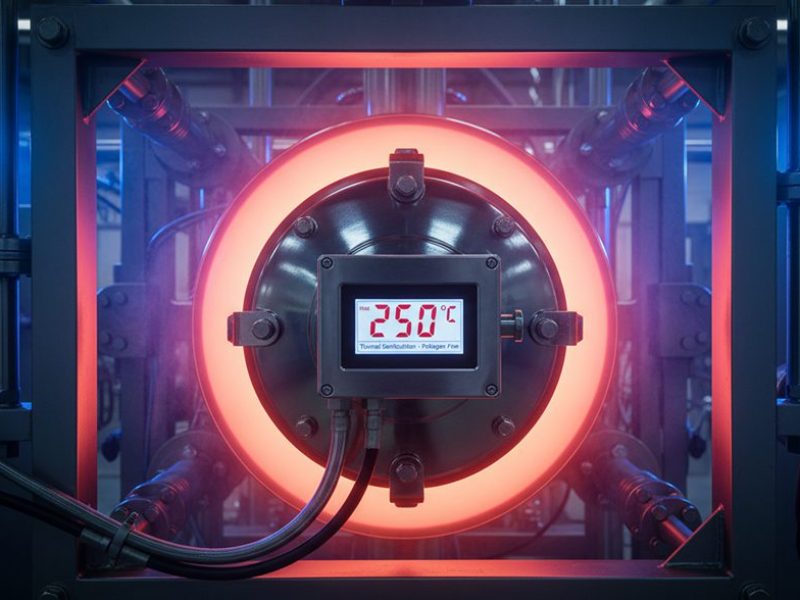
Precision Chemical Management Systems act as the primary defense against trace dioxins and pH-driven skin irritation in bulk tissue sourcing. For medical and hospitality procurement officers, unmanaged wet-end variables threaten total container rejection and legal liability if products fail to meet 2026 international safety mandates.
This evaluation benchmarks manufacturing lines against the 100% OBA-Free virgin wood pulp standard. We evaluate how 250°C thermal sanitization and 4.5–5.75 pH alignment protocols secure a 40HQ payload that satisfies strict FDA and EU hygiene requirements for sensitive skin.
Is Modern Papermaking Possible Without Precise “Wet End” Management?
Modern papermaking is impossible without precise wet end management. It dictates fiber retention and chemical efficiency, preventing costly machine downtime while ensuring consistent product safety and sheet quality.
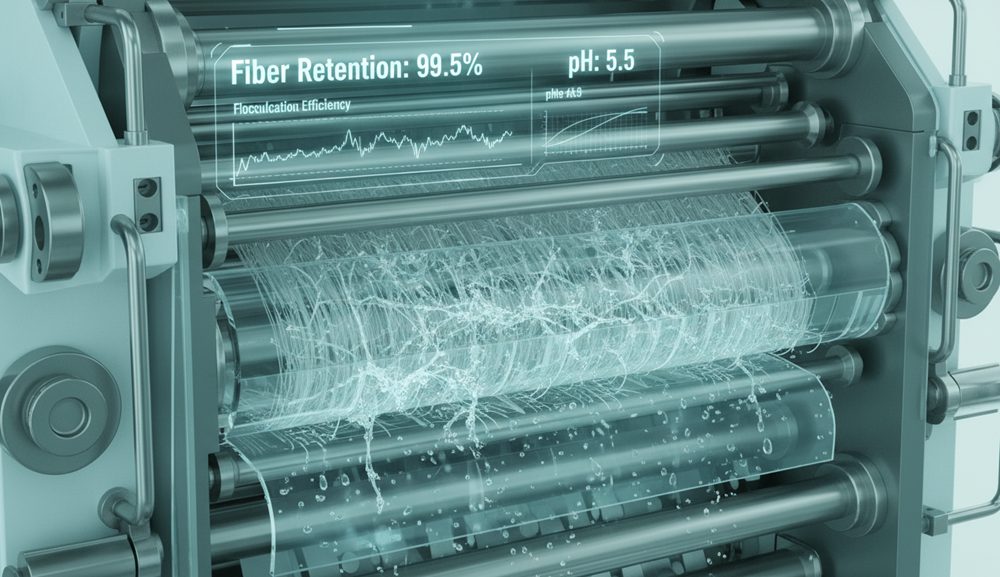
The Impact of Wet End Chemistry on Fiber Retention and Machine Runnability
Wet end chemistry manages the complex interactions between fibers, fillers, and additives during the initial formation stage. When these parameters fluctuate, mills face an immediate risk of deposit buildup and costly production breaks. Maintaining stability here is the only way to ensure the paper machine runs at high speeds without frequent interruptions.
- Retention Monitoring: Real-time tracking of first-pass retention prevents the loss of fines and significantly reduces energy consumption.
- pH Optimization: Using CO2 for precise pH adjustment minimizes swings and allows wet end strength agents to perform at peak efficiency.
- Operational Stability: Consistent management reduces the accumulation of harmful particles that otherwise force prolonged troubleshooting and machine downtime.
Leveraging 100% Virgin Wood Pulp for OBA-Free Material Integrity
Material selection at the wet end directly influences the final product’s safety and performance. At Top Source Hygiene, we utilize premium long-fiber 100% Virgin Wood Pulp from our Hebei manufacturing hub to achieve high tensile strength. This foundation allows the paper to withstand mechanical stress during the forming and drying phases without losing its characteristic softness.
- OBA-Free Protocol: We implement a strict 100% OBA-Free standard, ensuring no optical brightening agents enter the wet end, which keeps the paper safe for sensitive skin.
- Natural Brightness: We reach 85-92% brightness through careful fiber selection rather than relying on aggressive chemical bleaching.
- Physical Durability: Stable wet end drainage creates the uniform fiber mat necessary for high-pressure ply-bonding and CNC-precision point-to-point embossing.
Effective wet end management is a prerequisite for any factory aiming for global compliance and production efficiency. By controlling these variables, we protect both the machine’s runnability and the distributor’s margin by delivering a consistent, lint-free product in every container.
Sanitization Systems: Using High-Temp Cylinders for Sterility
High-temperature cylinders eliminate pathogens at 250°C, ensuring wood pulp remains sterile and OBA-free without chemicals, meeting 2026 international hygiene and septic-safe standards.
Pathogen Elimination via High-Temperature Cylinder Surface Contact
Modern paper production lines rely on extreme thermal contact to maintain microbial safety. High-temperature pneumatic and drying cylinders act as a physical sterilization barrier, using direct heat to neutralize contaminants as the pulp web passes through the machinery.
- Thermal Range: Systems use heat-resistant seals to operate reliably between 180°C and 250°C.
- Surface Integrity: Electropolished stainless steel surfaces prevent liquid and bacterial residue buildup during cycles.
- Operating Pressure: Applying 6-10 bar pressure ensures consistent fiber bonding in a sterile environment.
- Component Protection: Flame-retardant heat-shrink sleeves shield cylinder parts from external contaminants in high-moisture zones.
Maintaining OBA-Free Purity Through ISO-Certified Thermal Controls
Sterilization through heat eliminates the need for aggressive chemical bleaching agents. This process maintains the natural integrity of the 100% virgin wood pulp while meeting strict international safety certifications for skin-contact products.
- Natural Brightness: Top Source Hygiene reaches 85-92% brightness via thermal processing instead of chemical OBA whiteners.
- Safety Standards: Strict adherence to ISO 9001 and FDA standards guarantees paper is safe for sensitive skin.
- Density Stability: Drying cylinders stabilize ply density between 13–22g/m² to balance wet-strength with softness.
- Disintegration: Thermal sanitization supports septic-safe rolls that meet North American and European rapid disintegration requirements.
Premium OEM Toilet Paper at Wholesale Prices
Why Should You Prioritize ECF and TCF Bleaching Lines?
ECF and TCF bleaching eliminate toxic dioxins and slash water waste while maintaining the high-purity fiber strength required for international safety standards.
Traditional bleaching methods used elemental chlorine, which created hazardous by-products. Modern industrial lines have shifted to ECF and TCF technologies to protect both the environment and the end-user. These processes ensure the wood pulp remains structurally sound while meeting the strict purity requirements of the hygiene sector.
Environmental Performance of Modern Bleaching Technologies
The transition to cleaner bleaching isn’t just about optics; it changes the chemical footprint of the entire mill. By removing elemental chlorine, factories stop the discharge of persistent bioaccumulative toxins into local waterways.
- ECF (Elemental Chlorine Free): Utilizes chlorine dioxide instead of chlorine gas to prevent the formation of dioxins.
- TCF (Totally Chlorine Free): Removes all chlorine compounds, relying on oxygen, ozone, or hydrogen peroxide for delignification.
- Water Efficiency: Advanced TCF mills often reduce water consumption by 50% through efficient closed-loop wastewater recycling.
- Regulatory Standards: The EPA recognizes ECF as the best available technology for balancing technical pulp quality with environmental safety.
OBA-Free Standards and Natural Fiber Brightness
At Top Source Hygiene, we focus on chemical safety and fiber integrity. We avoid aggressive chemical treatments that can damage the wood fibers, opting instead for strategic material selection to achieve a premium finish.
- 100% OBA-Free: We guarantee a manufacturing process free from optical brightening agents or fluorescent whiteners.
- Natural Brightness: Our paper achieves an 85% to 92% brightness level through fiber selection rather than heavy chemical loading.
- Fiber Strength: Using premium long-fiber wood pulp maintains high tensile strength and a soft texture without structural chemical damage.
- Global Compliance: These chemical-free standards ensure our products meet FDA and EU hygiene requirements for sensitive skin safety.
B2B buyers prioritizing these bleaching lines secure a product that is safer for the skin and more sustainable for the supply chain. This approach minimizes the risk of irritation for the end-user while adhering to international environmental mandates.
Chemical Recovery: Reducing Environmental Effluent
Industrial chemical recovery transforms wastewater into resources. By 2026, manufacturers prioritize OBA-free virgin pulp to eliminate chemical runoff and ensure septic safety, aligning with international environmental compliance standards.
Integrated Technologies for Wastewater Resource Valorization
Modern paper production centers on closing the loop. Recovery systems treat wastewater as a secondary resource stream rather than a disposal liability. This technical shift relies on four primary mechanisms:
- Vacuum Evaporation and Crystallization: These systems heat effluent under reduced pressure to concentrate dissolved solids, recovering valuable industrial salts for reuse in the production cycle.
- Advanced Membrane Filtration: Nanofiltration and reverse osmosis separate organic matter and achieve desalination rates exceeding 95% in paper production white water loops.
- Advanced Oxidation Processes (AOPs): Using ozone or hydrogen peroxide, these processes degrade persistent organic pollutants that survive standard biological treatments.
- Thermal Energy Recovery: Heat exchangers extract thermal energy from effluent, generating electrical energy equivalents up to 1.77 kWh/m³, which often exceeds the chemical energy potential of the waste itself.
Environmental Compliance through OBA-Free Virgin Pulp Standards
Effluent reduction starts at the material selection phase. Top Source Hygiene focuses on fiber purity and chemical-free processing to minimize the environmental footprint before the product even reaches the consumer.
- OBA-Free Production: Eliminating optical brightening agents (OBAs) prevents fluorescent whiteners from leaching into local water ecosystems during the disposal phase.
- 100% Virgin Wood Pulp: Using pure long-fiber pulp ensures the final product is free from heavy metal residues, such as lead or cadmium, often found in unmanaged recycled paper streams.
- Rapid Disintegration Engineering: Fibers are bonded to ensure strength during use but dissolve quickly in water, meeting 2026 North American and European septic-safe plumbing requirements.
- International Standards: Strict adherence to ISO 9001 and EU hygiene standards ensures the manufacturing facility in Hebei maintains a lower chemical footprint compared to conventional mills.
How Do We Test for PFAS and Heavy Metal Residues in Finished Goods?
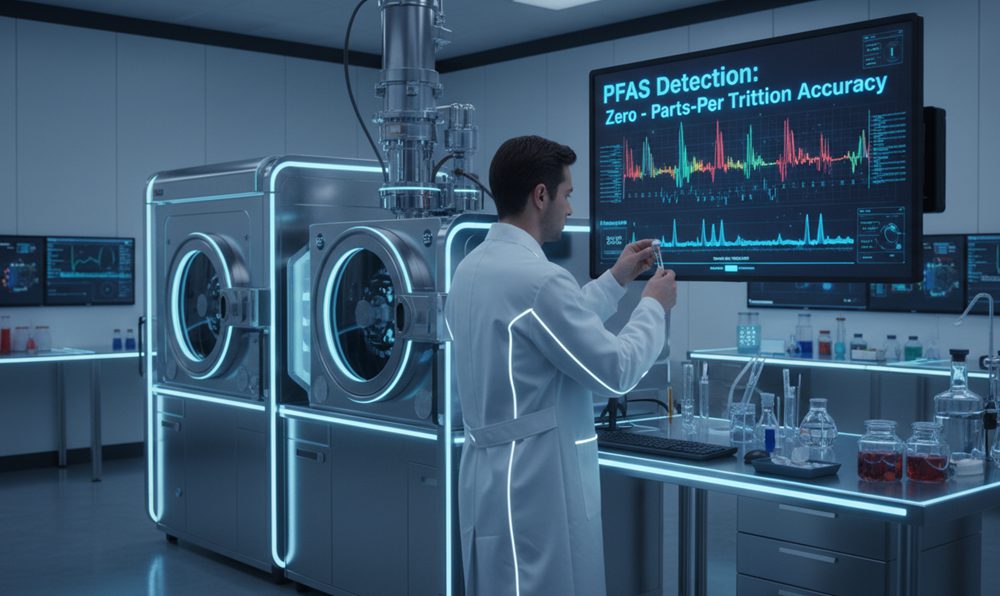
Testing utilizes a multi-tiered approach: Total Fluorine screening followed by LC-MS/MS for specific PFAS and ICP-MS for heavy metals to ensure 2026 global safety compliance.
| Testing Phase | Methodology | Detection Target |
|---|---|---|
| Level 1 Screening | Combustion Ion Chromatography (CIC) | Total Fluorine / PFAS presence |
| Level 3 Quantification | LC-MS/MS | Specific PFAS (Parts-per-trillion) |
| Elemental Analysis | ICP-MS | Lead, Mercury, Arsenic, Cadmium |
Analytical Framework for PFAS and Heavy Metal Detection
We employ a scientific hierarchy to identify and quantify chemical residues before any batch leaves the Hebei facility. This systematic approach ensures that even microscopic traces are accounted for during the quality control phase.
- Total Fluorine Testing (Level 1): Labs use combustion ion chromatography (CIC) to provide a rapid screening for any fluorinated substances, acting as a “yes/no” gatekeeper for PFAS presence.
- Target Analysis (Level 3): We use liquid chromatography with tandem mass spectrometry (LC-MS/MS) to detect specific PFAS compounds at concentrations as low as parts-per-trillion.
- Heavy Metal Detection: Inductively Coupled Plasma Mass Spectrometry (ICP-MS) analyzes digested samples to find isotopes of lead, mercury, and arsenic.
- Regulatory Alignment: These protocols follow the latest United States Pharmacopeia (USP) guidelines for elemental impurities, providing legal and safety assurance for international importers.
Maintaining Safety Thresholds with 100% OBA-Free Virgin Pulp
The most effective way to manage chemical residues is to control the input materials. By selecting high-purity fibers, we eliminate many of the contamination risks associated with secondary or recycled paper streams.
- 100% Virgin Wood Pulp: We use long-fiber wood pulp to bypass the heavy metal contamination often found in recycled paper collections.
- OBA-Free Manufacturing: We guarantee that no optical brightening agents or fluorescent whiteners enter the papermaking process, protecting skin microbiome safety.
- Natural Brightness: Our fiber selection achieves an 85-92% brightness level naturally, removing the need for aggressive chemical bleaching agents.
- Batch Verification: Every production run undergoes batch-specific testing to confirm alignment with FDA and EU hygiene standards for finished goods.

PH Balancing Technology for Skin-Safe Final Products
Top Source Hygiene aligns paper pH between 4.5 and 5.75 using 100% OBA-free virgin wood pulp, protecting the skin’s acid mantle and preventing chemical irritation during daily use.
Protecting the Acid Mantle Through Biological pH Alignment
Human skin maintains a natural pH range between 4.5 and 5.75 to support its protective barrier. When hygiene products exceed these levels, they disrupt the skin’s biological defenses. Alkaline paper products with high pH values strip away natural oils and weaken the moisture barrier, frequently resulting in dryness and localized irritation.
We use precision-controlled manufacturing at our Hebei facility to ensure every batch remains within this biocompatible range. Maintaining this acidity prevents micro-inflammation and stops bacterial colonization on sensitive skin. This technical focus is essential for wholesalers supplying healthcare or premium retail markets where skin safety is a non-negotiable requirement.
100% OBA-Free Virgin Wood Pulp for Natural Chemical Neutrality
Material purity determines the final chemical stability of the paper. While recycled materials often contain alkaline residues and heavy metal contaminants from previous processing, 100% Virgin Wood Pulp provides a clean, chemically neutral base. This purity ensures the product does not require harsh chemical buffers to reach the target pH.
Our OBA-free certification guarantees that no Optical Brightening Agents or fluorescent whiteners are used. These chemicals are notorious for shifting pH levels and causing allergic reactions. Instead of relying on chemical bleaching, we achieve professional brightness through strict fiber selection.
- Base Material: 100% Virgin Wood Pulp (Long-fiber)
- Chemical Safety: 100% OBA-Free (No fluorescent whiteners)
- Natural Brightness: 85-92% level achieved via fiber selection
- Target pH Range: 4.5 to 5.75 (Biocompatible)
This approach guarantees batch color consistency without compromising the user’s microbiome. For B2B buyers, this translates to a product that meets rigorous safety standards in North America and Europe, including FDA and EU hygiene compliance.
Does Automated Chemical Dosing Guarantee Consistent Softness?
Automation provides technical consistency via exact chemical delivery, but true softness requires pairing this precision with 100% virgin long-fiber pulp and strict density monitoring.
Achieving a uniform hand-feel across millions of rolls requires more than just high-quality pulp. While raw materials provide the foundation, the chemical finishing stage determines the final surface texture. Automated dosing systems act as the technical anchor for this process, ensuring that every batch of paper receives the exact volume of softening agents required to meet global retail standards.
Uniformity Through Precision Chemical Application
Manual chemical mixing is a primary cause of batch rejection in paper manufacturing. Human error in measuring softening agents leads to sheets that are either too stiff or structurally weakened by over-saturation. Automated systems stabilize the production line by removing these variables and creating a repeatable baseline for sheet flexibility.
- Repeatability: Systems deliver exact softening agent volumes to eliminate manual measurement variations.
- Operational Efficiency: Precise dosing improves right-first-time performance, which minimizes batch rejection and expensive production rework.
- Fiber Lubrication: Controlled application ensures uniform fiber lubrication, resulting in a consistent sheet feel from the start to the end of a 40HQ production run.
Achieving Fiber-Specific Softness with OBA-Free Formulations
Softness cannot be “sprayed on” to low-grade materials. At Top Source Hygiene, we integrate automated dosing with a strict 100% Virgin Wood Pulp strategy. This combination ensures that the softening agents enhance the natural long-fiber characteristics of the wood pulp rather than masking poor fiber quality. By focusing on OBA-Free (No Optical Brightening Agents) standards, the factory maintains skin safety while achieving a premium natural brightness of 85-92%.
- Safety Standards: 100% OBA-Free formulations guarantee the paper is safe for sensitive skin without sacrificing texture.
- Structural Balance: Balancing additives with 100% Virgin Wood Pulp preserves the long-fiber tensile strength needed for multi-ply bonding.
- Density Precision: Synchronized dosing works alongside 13–22g/m² ply density controls to deliver a lint-free, cloud-like experience.
Wholesalers and distributors rely on this technical synergy to protect their brand reputation. By managing the interaction between high-pressure lamination and automated chemistry, the Hebei production facility ensures that luxury hotel rolls (like the TSH-4010) and high-volume retail packs (TSH-2559) maintain the same tactile quality across every container shipment.
Frequently Asked Questions
Is bleached toilet paper safe for users with sensitive skin?
Traditional chlorine bleaching can leave trace dioxins and formaldehyde, which often trigger irritation. For 2026 hygiene standards, choosing 100% Virgin Wood Pulp that is OBA-Free (no optical brightening agents) provides the safest experience for sensitive skin without the risks of chemical whiteners.
How do factories detect microscopic PFAS residues in tissue products?
Manufacturers use a three-level detection strategy starting with total fluorine screening. High-resolution mass spectrometry then identifies unknown compounds, while LC-MS/MS quantification detects specific ‘forever chemicals’ at parts per trillion to ensure compliance with global safety regulations.
Does recycling process water impact the hygiene of the final product?
Most mills recycle 90% of process water to save resources. While absolute zero microbial growth is impractical, we manage water quality through oxidizing biocides and continuous ATP-metry monitoring to prevent biofilm buildup and maintain strict hygiene during production.
Why do clinical and luxury hospitality tenders require pH-balanced paper?
The skin barrier in sensitive areas is naturally acidic. Paper with an improper pH can cause discomfort or dermatitis. Maintaining a balanced pH profile is now a standard requirement in B2B procurement to ensure product compatibility with human skin microbiome health.
Are softening lotions and fragrances applied through hands-free systems?
Yes, high-capacity production lines use fully automated PLC-controlled systems for dosing. These systems utilize vacuum or piston-based technology to apply additives precisely, ensuring batch consistency and eliminating manual handling to maintain sanitary conditions.
Which certifications prove a manufacturer meets environmental and chemical standards?
Factories demonstrate compliance through ISO 14001 for environmental management and ISO 45001 for occupational safety. Specialized certifications like FSC for sustainable wood pulp and FDA compliance for North American markets further verify chemical and sourcing integrity.”n },n {n “question”: “Are softening lotions and fragrances applied through hands-free systems?
Final Thoughts
Choosing lower-cost recycled alternatives often exposes your supply chain to heavy metal contamination and chemical pH imbalances that trigger skin irritation claims. Our 100% Virgin Wood Pulp and OBA-free manufacturing ensure your inventory remains compliant with 2026 global safety standards. This technical precision safeguards your reputation and eliminates the risk of batch rejections in medical or luxury hospitality sectors.
Secure your market position by requesting a 40HQ trial order for high-demand models like the TSH-2559 or TSH-4010. Our Hebei loading teams maximize every container to a 9-ton payload, ensuring you receive the lowest landed cost per roll for your distribution hub. Contact our sales office today to receive a full digital catalog and verified FOB pricing for your region.