Skip to content
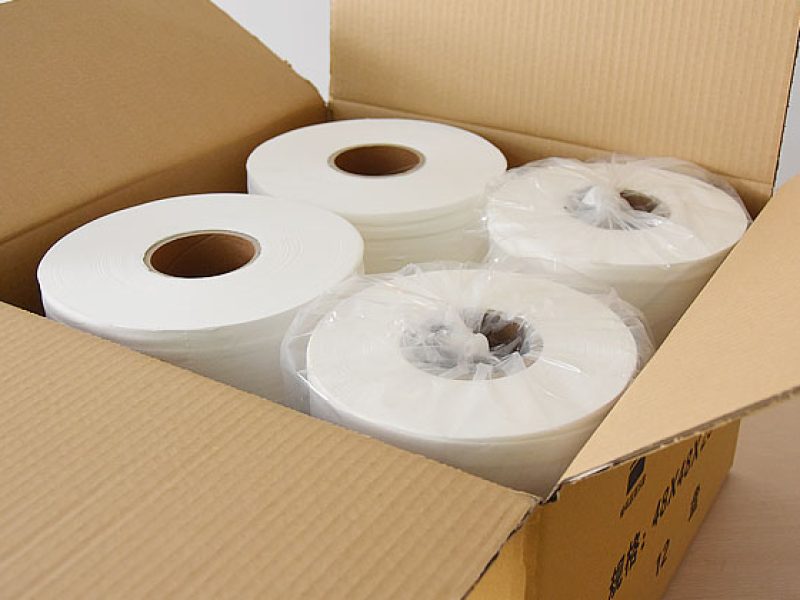
Industrial JRT efficiency dictates the bottom line for high-traffic facilities where maintenance labor costs far outweigh the price of raw materials. Facility managers often lose thousands of dollars annually because crews spend most of their shifts cycling through small-core rolls instead of performing essential building repairs. This inefficiency creates a bottleneck that increases operational overhead and risks occupant dissatisfaction in busy environments.
This technical analysis evaluates the labor math behind a fifty percent reduction in maintenance hours and explains why traditional unit pricing fails to reflect real-world ROI. We compare the storage footprint of 9-inch versus 12-inch formats, audit the impact of locking dispenser mechanisms on product loss, and outline inventory strategies for integrating high-capacity industrial rolls into your supply chain.
Why Is “Price per Roll” the Wrong Metric for High-Traffic Facility ROI?
True ROI in high-traffic environments depends on the radical reduction of maintenance labor hours and the elimination of product waste rather than the invoice price of a single paper unit.
Facilities managers often focus on the sticker price per roll, but this single-variable approach ignores the $50,000 to $500,000 in annual operational costs tied to manual restroom maintenance. In high-traffic settings like airports, stadiums, or large office complexes, the labor required to restock standard toilet rolls multiple times per day creates a massive hidden deficit. Switching to high-capacity Jumbo Roll Tissue (JRT) allows janitorial teams to reduce restocking interventions by up to 50%. This shift enables staff to focus on critical sanitation tasks instead of repetitive paper-handling, directly impacting the facility’s bottom line.
| Performance Metric | Standard Small Roll | TSH Jumbo Roll (JRT) |
|---|---|---|
| Refill Frequency | High (Every 4-8 Hours) | Low (Every 3-5 Days) |
| Labor Cost Impact | Significant Overhead | Up to 33% Savings |
| Product Waste Potential | Frequent “Stub Roll” Loss | Controlled Dispensing |
Waste Reduction and Quality Consistency
Material quality dictates consumption volume. When facilities use low-GSM or recycled paper that tears prematurely, users compensate by pulling significantly more sheets than necessary, driving up the total volume consumed per visit. Top Source Hygiene utilizes 100% virgin wood pulp with advanced ply-bonding technology to ensure each pull provides maximum tensile strength and consistent absorbency. This prevents dispenser jams and the “shredded edge” effect that frustrates guests. Reliable wood pulp products reduce overall waste and lower annual disposal costs by ensuring users get the performance they need from fewer sheets.
Supply Chain Stability and Logistics Accuracy
Sourcing directly from a Hebei-based manufacturer eliminates the volatility associated with intermediary markups and supply chain disruptions. Factory-direct models provide more predictable delivery windows, which is essential for bulk orders in high-demand facilities. By utilizing on-time delivery from manufacturers like Top Source Hygiene, facility managers avoid the need for emergency local sourcing at premium prices. Professional loading teams maximize every inch of a 40HQ container, ensuring the lowest possible landed cost per roll and freeing up warehouse capital for other critical facility improvements.
- Maintenance staff spend fewer hours on restroom cycles, allowing them to focus on high-priority sanitation.
- Strict quality control over GSM and ply strength prevents excessive paper consumption.
- Leaner inventory management reduces warehouse footprint and holding costs.
The Labor Math: How JRT Reduces Maintenance Hours by 50%
Switching to high-capacity jumbo roll systems allows facility managers to transition from reactive restocking to scheduled maintenance blocks, reducing manual tissue interventions by up to 50% in high-traffic zones.
Extended Refill Cycles in High-Traffic Zones
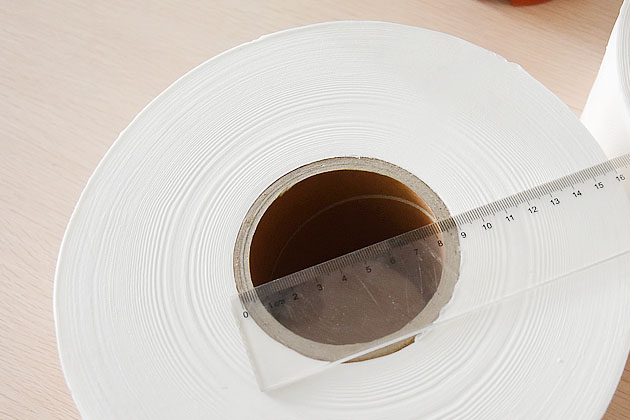
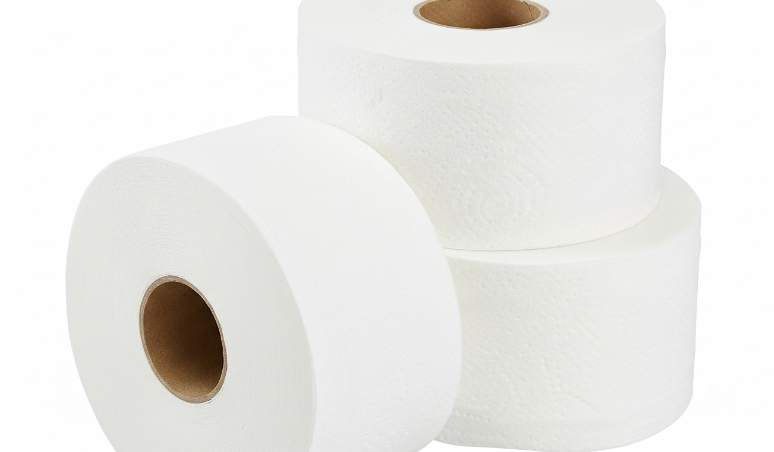
High-capacity jumbo rolls significantly decrease the frequency of manual interventions compared to standard tissue rolls. Top Source Hygiene produces jumbo rolls with diameters up to 12 inches, providing much higher paper volume per unit than consumer-grade products. This volume is critical for facilities like airports and shopping malls, where janitorial staff frequently spend over 30% of their shift simply traveling between storage areas and restrooms. By installing TSH-JRT08 systems, managers report that doubling roll capacity can cut daily maintenance rounds by half.
| Operational Metric | Standard Small Roll | JRT Industrial System |
|---|---|---|
| Restock Frequency | Multiple times per day | Once every 2-3 days |
| Maintenance Labor Hours | Baseline (High Travel Time) | 33% to 50% Reduction |
| Capacity Ratio | 1 Roll | Equivalent to 10-12 Rolls |
Standardizing Maintenance Intervals for Predictable Results
Moving from reactive to scheduled maintenance models allows facilities to optimize their workforce allocation. Predictive maintenance adoption reached 59% globally by 2026, shifting the focus toward data-driven scheduling. Our consistent 2,860-ton monthly output ensures a steady supply that allows facility managers to plan monthly or quarterly maintenance cycles with precision. Predictable roll depletion rates mean janitorial staff integrate tissue checks into broader facility cleaning routes rather than responding to emergency outages or “empty stall” complaints.
Operational Impact on Facility Management Budgets
Reducing labor-hours per restroom stall directly lowers the total cost of ownership for commercial paper products. Industrial maintenance costs drop when facilities minimize the “travel time” staff spend moving between storage areas and restrooms. Top Source Hygiene clients in Africa reported a 15% reduction in maintenance costs by switching to high-capacity rolls that last longer in public facilities. We prioritize 100% Virgin Wood Pulp in these rolls to ensure high tensile strength, which prevents mid-roll tearing and further reduces wasted maintenance time cleared by jams or shredded paper.
- Active labor management reduces the $60 billion annual loss attributed to industrial downtime and inefficient facility operations.
- Procurement labor costs decrease by 20%-30% due to fewer ordering cycles and streamlined inventory tracking.
- ROI on dispenser upgrades is typically achieved within six months through reduced labor overhead in high-traffic restrooms.
Scale Your Brand With Expert OEM Manufacturing
Is 12-Inch or 9-Inch JRT Better for Storage Space Efficiency?
Optimizing facility ROI requires balancing the physical shelf footprint against the cubic density of the paper, where 12-inch rolls provide the highest linear footage per pallet despite their larger individual size.
Footprint Analysis of 12-Inch Versus 9-Inch Rolls
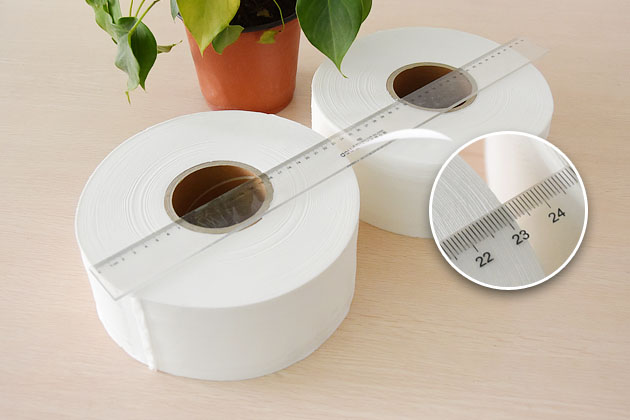
Data from 2026 facility audits confirms that 12-inch jumbo rolls maximize linear footage within a single core. This density reduces the frequency of restocking in high-traffic zones because more usable product exists in the same vertical plane. While 12-inch rolls take up more physical space per unit on a shelf, they yield a significantly higher paper volume per cubic meter of storage compared to standard small-core rolls.
| Efficiency Metric | 9-Inch Jumbo Roll | 12-Inch Jumbo Roll |
|---|---|---|
| Typical Footage (2-Ply) | 750 – 1,000 ft | 1,500 – 2,000 ft |
| Storage Density | High (fits shallow cabinets) | Maximum (more paper per m³) |
| Restock Frequency | Moderate | Low (Up to 50% fewer changes) |
Facilities with shallow storage cabinets or restricted restroom dimensions often prefer 9-inch variants. These provide a smaller physical profile that fits standard jumbo dispensers without protruding too far from the wall. Choosing the 9-inch format allows these buildings to maintain a sleek aesthetic while still benefiting from the core efficiencies of jumbo systems over standard retail-sized rolls.
Vertical Storage and Dispenser Compatibility
Facility managers select diameters based on existing dispenser infrastructure and vertical clearance in supply rooms. 9-inch rolls fit standard jumbo dispensers, which makes them a versatile choice for mixed-use buildings that contain varying stall sizes. They balance the need for capacity with the physical limitations of legacy restroom hardware.
- 12-inch rolls require specialized high-capacity dispensers that extend further from the wall, potentially impacting ADA compliance in narrow stalls.
- 9-inch variants offer the most flexibility for facilities moving from standard rolls to jumbo formats without replacing every dispenser.
- Space efficiency improves when facilities match roll diameter to the specific traffic volume of each zone, preventing the overstocking of large rolls in low-use areas.
Pallet Density and Transportation Economics
Jumbo roll diameters directly influence shipping costs and warehouse utilization rates. Shipping 12-inch rolls reduces the total number of pallets required for high-volume orders, as each pallet carries significantly more linear footage of paper. This consolidation lowers logistics overhead and maximizes the payload of 40HQ containers, which is essential for B2B wholesalers managing thin margins.
9-inch rolls allow for more flexible stacking configurations in smaller delivery vehicles used for urban facility management. While they carry less paper per unit, their size makes them easier to handle in tight loading docks or multi-story office buildings. Transitioning to any jumbo format from standard rolls saves approximately 30% in labor and storage handling by consolidating product volume and reducing the complexity of the supply chain.
Anti-Theft Engineering: Why Locked Jumbo Systems Slash Product Loss
Industrial-grade loss prevention transforms hygiene dispensers from simple holders into secure assets that eliminate the 15% annual budget drain caused by product shrinkage.
High-traffic environments like airports, stadiums, and shopping malls face a constant challenge with “skimming”—the bulk theft of toilet tissue for unauthorized use. Top Source Hygiene addresses this by engineering dispensers with reinforced mechanical locks and tamper-resistant casings. By securing the internal supply of 100% Virgin Wood Pulp rolls, facility managers prevent the costly drain of entire rolls leaving the premises prematurely.
Secure Locking Architecture for High-Traffic Environments
A secure dispenser functions as the first line of defense in public restrooms. We utilize industrial-grade locking mechanisms to prevent unauthorized roll removal, ensuring that the high-capacity JRT08 jumbo rolls remain accessible only to maintenance staff. These reinforced systems protect the integrity of the supply chain at the point of use, where the highest percentage of product loss typically occurs.
- Industrial-grade locking systems stop bulk theft of virgin wood pulp rolls in airports and major retail hubs.
- Durable casing materials resist tampering and forced entry, maintaining the security of high-capacity jumbo tissues.
- Maintenance teams use standardized keys to streamline refills while maintaining a secure barrier against general users.
IoT and Wireless Sensor Integration for 2026 Facility Standards
Facility standards in 2026 have moved beyond passive security toward active, wireless monitoring. Modern anti-theft engineering incorporates IoT solutions that provide real-time status updates on dispenser security and inventory levels. This technology enables managers to track usage patterns and identify security breaches as they happen, moving beyond simple physical locks to an integrated digital architecture.
- Wireless sensors detect dispenser openings outside of scheduled maintenance windows and trigger immediate alerts.
- Bluetooth LE and RFID technology allow for precise tracking of jumbo rolls within large-scale industrial complexes.
- Cloud-managed systems offer a multi-layered approach to loss prevention that replaces outdated passive security labels.
Digital Audit Trails and Strategic Shrinkage Reduction
Digital monitoring paired with physical security creates a transparent audit trail for every roll in the facility. Automated inventory tracking identifies exactly where and when product shrinkage occurs, allowing for data-driven decisions on security protocols. This level of oversight contributes to the significant maintenance cost reductions observed in high-traffic regional hubs and distribution centers.
- Automated tracking creates detailed audit trails to pinpoint exactly where product shrinkage occurs in the facility.
- Reducing product loss contributes to a 15% reduction in overall maintenance costs for high-traffic environments.
- Geofencing capabilities in modern 2026 models ensure that high-value hygiene products stay within their designated zones.
Can You Achieve Premium Softness on a High-Capacity Industrial Roll?
Modern manufacturing reconciles 1,000-foot roll capacities with residential-grade comfort by utilizing long-fiber virgin wood pulp and precision embossing, eliminating the historical trade-off between volume and skin-safe texture.
Material Selection: Virgin Wood Pulp for Texture Quality
High-traffic facilities often struggle with the reputation of industrial tissue as abrasive or “sandpaper-like.” Top Source Hygiene solves this by using 100% virgin wood pulp. These longer fibers create a naturally softer surface compared to recycled alternatives, which rely on shorter, weaker fibers that feel rough to the touch. By prioritizing material purity, we ensure the roll maintains high tensile strength without sacrificing the tactile comfort expected in premium environments.
- Virgin wood pulp provides the structural integrity needed for high-capacity rolls while remaining gentle on sensitive skin.
- Our 2026 production standards strictly avoid fluorescent whiteners (OBA-free) to maintain natural brightness and user safety.
- High-purity fibers prevent the linting and dust common in lower-grade industrial paper.
Engineering Comfort: Ply Layers and Embossing Techniques
Softness in a jumbo roll is as much about engineering as it is about fiber. We configure 2-ply and 3-ply options that balance high-volume capacity with a cushioned feel. Advanced point-to-point embossing technology creates small air pockets between the layers. These pockets increase the bulk and thickness of the sheet, providing a quilted texture that improves moisture absorption by 30% compared to flat-pressed industrial rolls.
The winding process plays a critical role in final perceived quality. Our factory utilizes specific pressure settings during the winding phase to prevent over-compression. By maintaining a controlled tension, the roll stays “fluffy” and easy to pull until the very last sheet, ensuring users do not encounter tightly packed, stiff paper at the end of the roll.
Performance Standards for High-Traffic Environments
Modern jumbo rolls now provide 750 to 1,000 feet of paper while meeting the luxury standards expected in premium commercial facilities. Hospitality and retail clients use these high-capacity solutions to deliver a high-end guest experience without the labor costs associated with frequent small-roll replacements. This efficiency allows facility managers to optimize their maintenance schedules while keeping user satisfaction high.
- Testing protocols verify that soft sheets maintain enough wet strength to prevent tearing during use.
- High-capacity rolls reduce core waste and packaging overhead for large-scale institutional supply.
- Luxury 5-ply options, like the TSH-4010, bridge the gap between industrial volume and hotel-grade quality.
Certification and Environmental Compliance in 2026
Adhering to international quality and sustainability standards ensures that premium softness meets global regulatory requirements. Our 2026 manufacturing lines utilize FSC-certified materials, allowing facilities to meet strict sustainability mandates without sacrificing product quality. Every batch undergoes rigorous monitoring to ensure consistent brightness, absorbency, and softness across 40HQ container orders.
Compliance with ISO 9001 and FDA hygiene regulations guarantees that these soft industrial rolls are safe for diverse global markets. By integrating high-pressure lamination and rapid-disintegration technology, we provide a product that is both skin-friendly and septic-safe. This dual focus on comfort and compliance makes our jumbo rolls a reliable choice for international distributors serving airports, hospitals, and corporate headquarters.
Just-In-Time (JIT) Supply: Automating Your Bulk Jumbo Roll Inventory
Automation in jumbo roll procurement shifts facility management from reactive restocking to data-driven replenishment, cutting inventory holding costs by up to 50%.
Modern facilities use IoT sensors and RFID tracking to monitor jumbo roll depletion in real-time across high-traffic zones. This live data feeds into AI-powered algorithms that analyze historical usage to predict future demand with high precision. Instead of relying on manual floor checks, the system triggers automated reorders before the stock hits a critical threshold. Digital integration with existing ERP platforms eliminates the administrative burden of manual audits and prevents human error in high-capacity environments.
- IoT sensors provide live visibility into jumbo roll consumption rates across large-scale facilities.
- AI algorithms predict depletion timelines, triggering reorders to ensure 100% uptime.
- Direct ERP integration removes manual paperwork and streamlines procurement workflows.
Balancing Lean Efficiency with Strategic Buffer Stocks
Transitioning to a JIT model allows businesses to reduce inventory holding costs by 20-50% by minimizing the physical footprint of stored paper. But the 2026 market environment requires a hybrid “Just-in-Case” approach. We recommend maintaining small strategic buffers to protect operations against sudden global logistics shifts or shipping delays. Blockchain-enabled procurement systems provide the necessary transparency and traceability throughout the jumbo roll delivery cycle, so managers know exactly where their cargo sits at any given moment.
- Predictive analytics allow organizations to operate with significantly lower on-site inventory.
- Hybrid inventory models mitigate risks from supply chain volatility while maintaining high efficiency.
- Blockchain integration ensures clear audit trails for every bulk shipment arriving at the facility.
Aligning Automated Logistics with Top Source Hygiene Production
Successful automated inventory systems depend on a manufacturing partner that can meet strict replenishment schedules without deviation. Top Source Hygiene supports these high-tech systems with a massive monthly capacity of 2,860 tons of virgin wood pulp tissue. Standard production lead times of 15-25 days allow facility managers to time their bulk arrivals precisely to match consumption dips. By shipping directly from our factory in Hebei, we eliminate middlemen and ensure that automated restocking remains the most cost-effective path for large-scale distributors and hospitality groups.
- Monthly capacity of 2,860 tons guarantees that high-volume automated orders are always fulfilled.
- Predictable 15-25 day lead times simplify the scheduling of Just-In-Time deliveries.
- Factory-direct shipping from Mancheng reduces landed costs and logistical complexity.
Conclusion
High-capacity jumbo roll systems reduce maintenance labor and minimize product loss through secure, anti-theft engineering. These systems optimize storage space while maintaining the hygiene standards required for high-traffic environments like airports and stadiums. Efficient paper management directly improves facility ROI by cutting operational overhead and stabilizing inventory flow.
Audit your current restroom maintenance schedules to see where high-capacity rolls can reduce refill frequency. Contact our team to receive a technical catalog or request a roll sample for your next facility upgrade.
Frequently Asked Questions
How much labor cost can be saved by switching to jumbo rolls?
Switching to jumbo rolls typically yields a 15% to 25% reduction in total custodial labor costs. By increasing the capacity per dispenser—often by up to 5x to 10x the volume of standard rolls—maintenance staff spend significantly less time on refills and more time on critical sanitation tasks, leading to the $50,000 to $500,000+ annual operational savings cited in high-volume facility benchmarks.
What is the difference between core-pull and standard jumbo rolls?
Standard jumbo rolls are designed to rotate on a central spindle, with paper dispensed from the exterior of the roll. Core-pull (or center-pull) jumbo rolls dispense from the interior, usually through a specialized aperture. Core-pull systems are often preferred for hygiene and waste reduction, as they eliminate “over-spinning” where excess paper is accidentally unspooled.
Are jumbo rolls suitable for premium office building restrooms?
Absolutely. While jumbo rolls were once associated strictly with industrial settings, modern 2-ply and 3-ply high-GSM (grams per square meter) jumbo tissue combined with architectural-grade stainless steel dispensers provide a premium experience. They are increasingly standard in Grade A office buildings because they balance high-end user comfort with the operational necessity of fewer service interruptions.
How do jumbo roll dispensers prevent paper theft in public areas?
Industrial jumbo roll dispensers are engineered with heavy-duty locking mechanisms that require a proprietary key for access. Furthermore, the sheer physical size of a 9-inch or 12-inch roll serves as a natural deterrent; unlike standard rolls, jumbo tissue does not fit into residential dispensers, making it an unappealing target for pilferage.
Can I order custom jumbo roll lengths to match my specific dispensers?
Yes, industrial manufacturing allows for custom roll lengths (footage), core diameters (2.25″, 3″, or coreless), and widths. This ensures 100% compatibility with proprietary or legacy dispenser systems while optimizing the roll diameter for maximum capacity within the cabinet.
What is the impact of jumbo rolls on shipping volume and warehouse ROI?
Jumbo rolls significantly improve warehouse ROI by increasing pallet density. Because they contain more paper and less individual cardboard packaging/air per unit of volume, they reduce shipping footprints by approximately 10-20%. This maximizes warehouse storage capacity and reduces the total number of shipments required, aligning with modern ROI calculations that integrate supply-chain control and inventory accuracy.