Skip to content
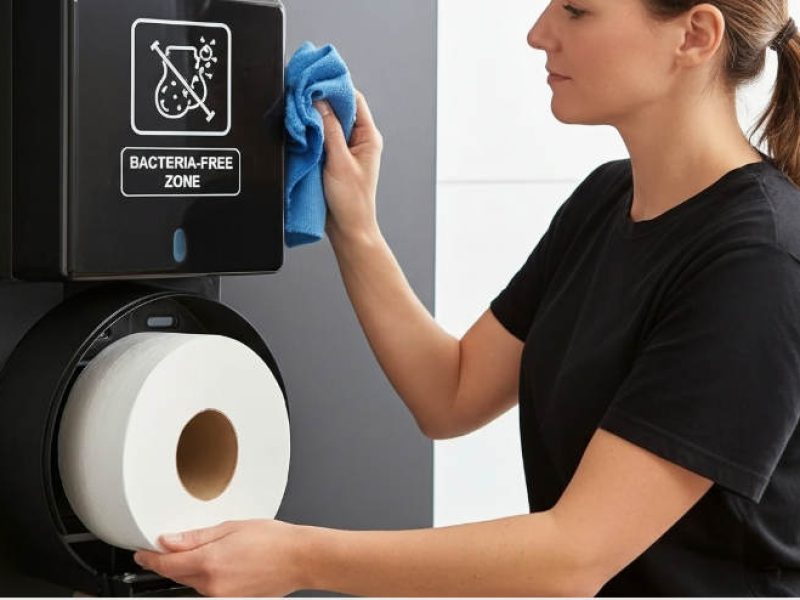
Effective JRT Dispenser Maintenance directly impacts facility hygiene ratings and operational efficiency by preventing the restroom bottlenecks that lead to tenant complaints. When custodial staff cannot quickly access or service these units, it creates a lapse in sanitation that risks building compliance and increases maintenance labor costs. Standardizing the way teams handle these high-capacity fixtures ensures restrooms remain functional during peak hours and reduces the wear and tear that leads to premature equipment replacement.
This guide establishes a clear technical protocol for managing jumbo roll systems, covering everything from clearing internal paper jams to sanitizing housings against bacterial growth. We provide specific steps for opening locked dispensers, performing rapid roll changes under high-traffic pressure, and resolving issues when keys are lost or broken. Following these procedures helps maintenance teams streamline their workflows and maintain a high standard of restroom service.
How to Safely Open a Locked Jumbo Roll Dispenser?
Effective maintenance of jumbo roll tissue (JRT) systems relies on non-destructive entry techniques that preserve the integrity of high-impact plastic housings while ensuring rapid refill cycles during high-traffic shifts.
Standard maintenance protocols in 2026 emphasize the use of manufacturer-specific keys to manage large-scale facility hygiene. Most commercial dispensers, including those found in industrial settings, utilize a locking cylinder located at the top or side of the unit to prevent pilferage and maintain roll sanitation.
Using Manufacturer Keys for Routine Access
Operating a standard JRT lock requires precision to avoid internal spring damage. Maintenance staff should insert the key fully into the cylinder before applying torque. Turning the key engages the release springs, but the operator must support the heavy front cover with one hand. This prevents the cover from swinging open abruptly, which can fatigue the hinges over time and lead to misalignment.
- Insert the manufacturer-specific key into the designated cylinder, usually at the unit’s apex.
- Apply steady pressure while rotating the key to trigger the internal release mechanism.
- Hold the dispenser cover during the release to protect the pivot points from impact stress.
| Opening Method | Tool Required | Best Use Case |
|---|---|---|
| Standard Maintenance | Proprietary JRT Key | Routine roll replacement in secure zones. |
| Emergency Bypass | Small Flathead Screwdriver | Accessing basic models when keys are lost. |
| Electronic Override | Manual Latch/Hidden Button | Smart or touchless high-capacity systems. |
Emergency Opening Techniques with Manual Tools
When original keys are unavailable, maintenance teams utilize alternative tools to keep facilities operational. Basic manual JRT holders often feature internal spring latches that a small flathead screwdriver can depress. The focus remains on applying pressure to the latch itself rather than prying the outer casing, as the latter can cause permanent cracking in the plastic housing.
- Use a flathead screwdriver to gently depress internal latches on standard manual models.
- Select hemostats or needle-nose pliers for recessed mechanisms with narrow access slots.
- Target the internal spring rather than the casing to prevent structural damage.
Operating Latches on Modern Touchless Systems
Modern touchless and battery-operated dispensers frequently integrate hidden electronic overrides. These mechanisms allow staff to bypass sensors for quick loading without searching for physical keys. Identifying the location of these manual override buttons—often found tucked underneath the primary sensor housing—is essential for efficient changeovers in high-volume environments like airports or shopping malls.
- Locate hidden manual buttons positioned behind or beneath the main sensor housing.
- Check for electronic release sequences on smart dispensers that may require specific app commands.
- Follow manufacturer instructions for advanced units like enMotion to protect sensitive electronics.
What Are the Common Causes of Paper Jams in JRT Holders?
Most JRT dispenser jams result from preventable mechanical friction or environmental factors rather than equipment failure.
Improper Roll Loading and Alignment
Incorrect placement of the jumbo roll on the internal spindle remains the most frequent cause of dispensing failure. When the roll is loaded in the wrong direction, the paper cannot feed through the discharge throat smoothly, leading to immediate snags. Top Source Hygiene designs include intuitive loading guides to help maintenance staff align high-capacity output correctly in high-traffic 2026 environments.
- Wrong feed direction prevents the paper from clearing the internal guides.
- Uneven tension occurs when the roll sits off-center, causing it to rub against the inner casing.
- Misalignment often leads to “shredding” where the paper tears inside the unit before it reaches the user.
Core and Spindle Diameter Discrepancies
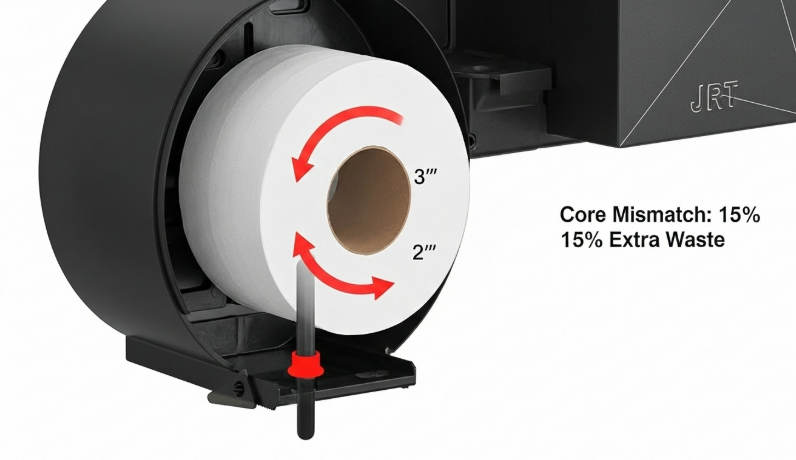
Structural mismatches between the paper roll core and the dispenser spindle lead to erratic rotation. Using a roll with a 3-inch core on a 2-inch spindle allows for excessive “play,” which causes the paper to bunch or “over-spin” during a fast pull. Standardizing OEM specifications ensures that 100% virgin wood pulp rolls from Top Source Hygiene match global dispenser dimensions across 56+ countries.
- Loose core-to-spindle ratios create “backlash” where the roll continues spinning after the user stops pulling.
- Tightly fitted cores create too much friction, preventing the roll from spinning and leading to paper breakage.
- Damaged or crushed cores from improper shipping bind on the spindle immediately after installation.
Humidity and Environmental Fiber Swelling
Restroom environments with high moisture levels alter the physical properties of the paper, increasing the likelihood of jams. Excessive humidity causes paper fibers to absorb moisture and swell, which increases the roll’s overall diameter and creates unnecessary friction against the holder walls. Storing bulk inventory in climate-controlled areas maintains the 2026 quality standards for absorbent jumbo roll tissues.
- Moist paper loses its structural integrity, leading to “shredding” at the perforation points.
- Damp rolls become heavier, requiring more force to rotate and increasing the risk of the paper snapping.
- 100% Virgin Wood Pulp offers better resistance to moisture-induced fiber separation than low-grade recycled alternatives.
Accumulation of Paper Dust and Residual Debris
The mechanical buildup of fine paper particles can obstruct the rotation of the internal braking system. Continuous friction between the paper and the dispenser’s serrated edge creates dust that settles into the spindle housing. Regular maintenance schedules reduce the 15% extra cost typically associated with dispenser repairs and paper waste caused by mechanical stalls.
- Dust buildup reduces the grip of the feeder teeth, making it harder to start a new roll.
- Residual scraps from previous stub rolls often get lodged in the discharge area, catching the new roll’s lead sheet.
- Periodic cleaning with mild detergents protects plastic components and ensures consistent rotation.
Premium OEM Jumbo Roll Tissue Solutions
How to Quickly Change a Jumbo Roll During High-Traffic Shifts?
Modern facility management in 2026 relies on systematic replenishment cycles and dual-capacity hardware to eliminate restroom downtime, potentially reclaiming five labor hours per week in high-volume environments.
Speed during peak operational hours depends on a standardized “check-and-swap” rhythm. Janitorial teams should move through restroom blocks in a single direction, performing the opening, loading, and threading sequence as a unified motion. This protocol eliminates back-tracking and ensures that every dispenser is assessed before the next wave of traffic arrives. By reducing the decision-making time at each stall, facilities maintain higher hygiene compliance and lower labor costs.
Utilization of Dual-Capacity Dispenser Technology
Adopting high-capacity systems is the most effective way to extend the intervals between refills. Systems like the TSH-JRT08 are designed for airports, malls, and stadiums where constant monitoring is impractical. These dispensers use a dual-roll configuration, ensuring that a backup is always available when the primary roll depletes. This hardware shift reduces emergency refill requests and prevents the “shredded edge” issues common in overfilled single-roll units.
| Dispenser Configuration | Refill Interval (High Traffic) | Labor & Waste Impact |
|---|---|---|
| Standard Single JRT | Every 12-24 Hours | High risk of “run-outs”; frequent emergency calls. |
| Dual-Roll (TSH-JRT08) | Every 48-72 Hours | 50% labor reduction; 100% paper utilization via stub rolls. |
Efficient Stub Roll Repositioning Techniques
Waste reduction in commercial settings centers on stub roll management. Instead of discarding nearly empty rolls, maintenance staff should reposition the remaining paper to a secondary spindle. This ensures 100% product utilization before a fresh jumbo roll is started. Systematic repositioning reduces maintenance disruptions by roughly 15% and prevents guests from encountering empty dispensers during transition periods.
Standardized Staff Training for 2026 Operational Demands
Inconsistent refill habits often lead to damaged locking systems and broken keys. Training teams on specific dispenser mechanics—especially for heavy-duty metal keys and high-pressure latches—extends the lifespan of the hardware. We recommend the following practices for onsite teams:
- Use a single-layer pull test before locking the cover to verify the roll rotates freely.
- Align the roll “dimple” with the internal arrows to prevent core misalignment.
- Check for debris in the feed channel to stop paper fragments from causing future jams.
- Report worn cutting edges immediately to ensure clean tears and prevent user-induced snags.
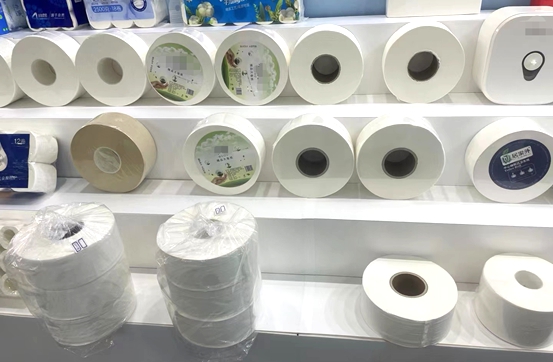
Correct roll sizing is also vital. Using a 100% virgin wood pulp roll that matches the dispenser’s core requirements (typically 2.25 or 3.25 inches) prevents the binding that occurs with off-spec paper. Following these protocols secures the facility’s hygiene investment and improves overall guest satisfaction scores.
What Should You Do If the Dispenser Key Is Lost or Broken?
Losing access to a locked JRT unit does not require a full hardware replacement; sourcing specialized replacement keys or master ring sets provides a fast, cost-effective path to restoring restroom maintenance.
Facility managers often assume that a lost or snapped key necessitates drilling out the lock or replacing the entire dispenser. But specialty industrial distributors stock exact replacements for almost every major brand. For example, Kimberly Clark JRT Jr. dispensers use heavy-duty 2mm steel keys designed to withstand high-torque turns in commercial environments. These metal versions offer significantly higher durability than the plastic keys often shipped with the original units.
| Key Solution | Compatibility Range | Est. Cost (2026) |
|---|---|---|
| Manufacturer-Specific (e.g., KC #770301) | Specific brand lines (JRT, Folded Towel) | $5.00 – $12.00 |
| Master Key Ring Set (27 Keys) | Multi-brand (Bobrick, Tork, Bradley, GP) | $35.00 – $60.00 |
| Universal Skeleton Key | Common push-button or simple latch models | $3.00 – $7.00 |
- Procure heavy-duty metal keys, such as the 2mm steel versions used for Kimberly Clark JRT Jr. dispensers, to ensure long-term durability.
- Use standardized designs like the KC #770301, which operate across extensive lines of paper towel and bath tissue dispensers.
- Individual keys typically cost between $5 and $40 in 2026, making them a cost-effective alternative to replacing the entire dispenser.
Utilize Universal Master Key Collections
Managing large commercial properties often means overseeing a variety of dispenser brands acquired during different renovation phases. Maintenance teams lose valuable time searching for specific keys during high-traffic shifts. Master key rings consolidate up to 27 different universal keys into a single kit, covering almost every major manufacturer like Georgia Pacific, Tork, and Bobrick.
- Purchase ‘master’ ring sets that feature up to 27 universal keys from multiple manufacturers to cover every unit in the building.
- Equip maintenance teams with these sets to prevent downtime when specific individual keys are misplaced during high-traffic shifts.
- Distributors ship these universal kits quickly to ensure maintenance remains on schedule without hardware disruptions.
Identify Dispenser Models for Accurate Ordering
Before placing an order for a replacement, verify the brand and model to avoid the cost of shipping incompatible parts. Look for engraved model numbers on the dispenser chassis or brand logos on the faceplate. Visual key guides provided by suppliers allow staff to match the lock’s internal tumbler pattern to the correct key profile before purchase.
- Check the dispenser chassis for engraved model numbers or brand logos before browsing retailer websites.
- Review visual key guides provided by suppliers to match the lock pattern of the broken or lost key.
- Consult with 2026 hygiene partners like Top Source Hygiene for guidance on compatible universal keys for their commercial-grade dispensers.

How to Clean and Sanitize JRT Dispensers to Prevent Bacteria Build-up?
Strategic sanitization of Jumbo Roll Tissue (JRT) dispensers reduces pathogen transmission and extends the lifespan of high-traffic restroom hardware through targeted internal and external maintenance.
Facility teams must treat the exterior housing of JRT dispensers as high-touch critical points. Pathogens accumulate rapidly on the cover and dispensing mouth where users frequently make contact. Using mild detergents paired with soft microfiber cloths preserves the integrity of the ABS plastic while removing bio-burden without causing surface degradation.
Daily Sanitization of High-Touch Surfaces
Regular external cleaning prevents the transfer of pathogens on frequently handled dispenser covers and dispensing openings. Maintaining surface integrity is essential for long-term durability in commercial environments.
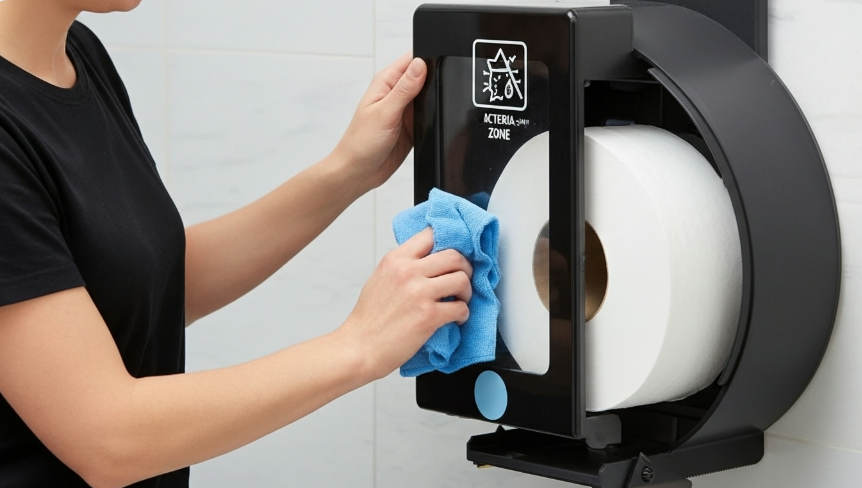
- Staff should wipe the exterior housing daily using mild detergents and soft microfiber cloths to maintain surface integrity.
- Focus sanitization efforts on the bottom opening and the latch area where user contact is most frequent.
- Maintain the clarity of transparent viewing windows by avoiding abrasive pads that cause micro-scratches where bacteria can hide.
Internal Mechanism Dust Management
Accumulated paper lint and organic dust inside the holder provide a substrate for bacterial growth and can interfere with the rotation of the jumbo roll. Removing the roll during deep cleaning allows for thorough debris removal from the spindle and base plate, ensuring the mechanism operates without drag.
- Remove the jumbo roll and use a vacuum or dry cloth to clear paper lint and dust from the internal spindle and base.
- Clean the dispensing teeth or serrated edges to prevent the buildup of residue that can cause paper jams during high-traffic shifts.
- Wipe the interior walls with a disinfectant before loading a new roll to ensure a sterile environment for the paper supply.
Chemical Compatibility and Component Protection
Selecting appropriate cleaning agents is vital to prevent chemical stress cracking in polycarbonate and ABS components. Aggressive chemicals like high-concentration bleach or ammonia cause yellowing and brittleness, eventually leading to structural failure of the dispenser unit.
- Use pH-neutral cleaners that effectively kill bacteria without damaging the ABS plastic or polycarbonate materials common in JRT holders.
- Apply sanitizing solutions directly to the cleaning cloth rather than spraying the dispenser mechanism to avoid liquid pooling inside the core holder.
- Avoid high-concentration bleach or ammonia-based products that can lead to yellowing and brittleness over time.
Scheduled Maintenance Based on Usage Data
High-volume environments like airports and commercial malls require data-driven cleaning cycles that go beyond standard daily checks. Aligning deep sanitization with the 20-25 day production lead times typical for large-scale paper supply orders ensures that dispensers remain in peak condition for high-capacity refills.
- Implement data-driven cleaning schedules that prioritize high-volume restrooms in airports, malls, and public facilities.
- Coordinate deep sanitization with the production lead times of paper supplies to ensure dispensers are ready for high-capacity refills.
- Document sanitization cycles in a maintenance log to comply with global hygiene standards and ISO 9001 quality management protocols.
Conclusion
Efficiently managing jumbo roll dispensers maintains high hygiene standards and prevents service delays in high-traffic commercial restrooms. Regular maintenance and proper troubleshooting protect hardware while ensuring a consistent paper supply for users. These routine practices prolong fixture life and improve overall facility maintenance productivity.
Evaluate your current restroom setup to ensure JRT holders use high-strength, OBA-free virgin wood pulp for optimal performance. Reach out to our specialists for bulk JRT specifications or to secure consistent supplies for your distribution network.
Frequently Asked Questions
How to open jumbo toilet paper dispenser?
To open a standard jumbo toilet paper dispenser, locate the lock mechanism, which is typically situated on the top or front of the unit. Insert the manufacturer-provided key or a compatible flathead tool into the slot. Apply downward or rotational pressure to disengage the internal spring latch, then pull the front cover toward you or allow it to hinge downward to access the roll.
How to open marathon jumbo toilet paper dispenser?
Marathon dispensers, often manufactured by Georgia-Pacific, require a standard “waffle” style key. Insert the key into the slot located at the top center of the dispenser. Press down firmly to release the locking catch. Once released, the front cover will tilt forward and down, providing access to the jumbo roll mandrels.
How to change a commercial toilet paper roll?
First, unlock the dispenser using the appropriate key or latch. Remove the empty cardboard core from the internal spindle. Slide the new jumbo roll onto the spindle, ensuring the paper feeds from the top (overhand) to prevent dragging. Thread the end of the paper through the bottom exit slot or past the feed rollers, then close and lock the cover securely.
Where can I buy a replacement dispenser key?
Replacement keys can be purchased through commercial janitorial supply distributors, industrial hardware retailers like Grainger or McMaster-Carr, and major online marketplaces. For specific models, you can contact the manufacturer (such as Georgia-Pacific, Kimberly-Clark, or Tork) directly to order a replacement key based on the model number found on the back of the unit.
Why is my jumbo roll dispenser jamming?
Jams are typically caused by using a roll that is too large for the housing, leading to excessive friction against the cover. Other common causes include paper dust buildup within the spindle mechanism, a bent internal mandrel, or high humidity causing the paper to swell. Ensure the roll is seated correctly and that no “stub rolls” are obstructing the movement of the primary roll.
How to unlock toilet paper holder without key?
In emergency situations, many commercial dispensers can be opened by using a small flathead screwdriver or a pair of hemostats to manually depress the internal spring-loaded lever through the keyhole. For some models, applying firm pressure to the top of the dispenser while gently pulling the cover forward can bypass a worn or loose latch mechanism without damaging the unit.