 Skip to content
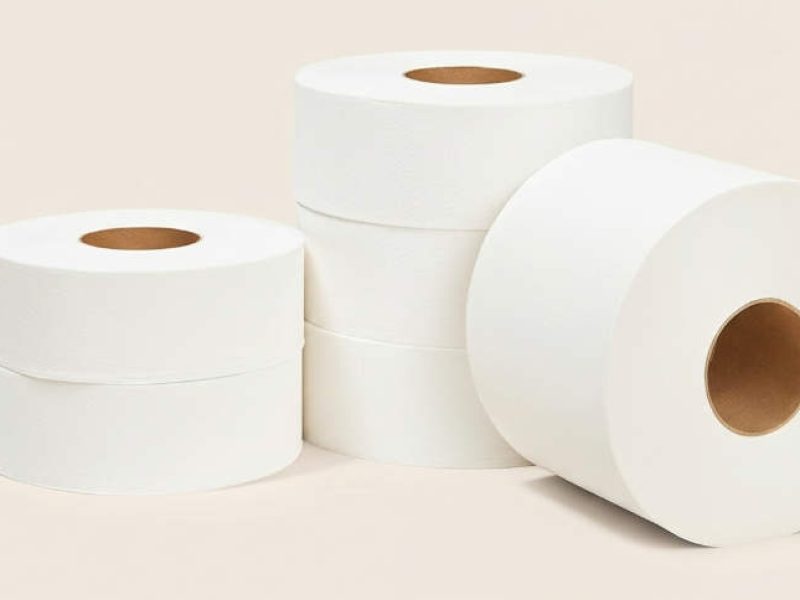
Prioritizing virgin JRT softness (quality) serves as a direct defense against negative guest reviews that can tank a hotel’s ranking on major booking platforms. When facility managers choose low-grade alternatives, they risk alienating high-value guests who equate physical comfort with the property’s overall standards. Using coarse, recycled fibers often results in skin irritation and perceived hygiene failures, leading to immediate complaints and long-term brand damage.
This analysis breaks down the chemical and mechanical advantages of using pure fiber sources, specifically focusing on how fiber length dictates the tactile feel and absorbency of jumbo rolls. We examine the correlation between pulp purity and brightness levels, alongside the manufacturing protocols required to maintain a 2860-ton monthly output without compromising performance. By following these technical benchmarks, hospitality procurement teams can establish a consistent supply chain that protects guest loyalty.
Why Is Virgin Wood Pulp Crucial for Large Format Softness?
Virgin wood pulp provides the structural integrity and fiber length necessary to maintain a velvet-like texture in high-capacity jumbo rolls without the brittleness common in recycled alternatives.
Fiber Length and Tactile Integrity
High-performance jumbo rolls require a precise balance of long softwood fibers for strength and short hardwood fibers for velvet-like texture. 2026 industry standards prioritize this specific ratio to ensure paper remains soft even when wound under the high tension required for high-capacity commercial formats. Recycled alternatives often suffer from fiber degradation due to repeated processing, while virgin pulp preserves the natural cellulose structure for a superior hand-feel.
- Virgin fibers undergo significantly less mechanical processing than recycled fibers, preventing the breakdown of cellular walls that leads to a coarse texture.
- Top Source Hygiene utilizes 100% virgin pulp to eliminate the brittleness found in large-format products made from shorter, repurposed fibers.
- The long-fiber integrity ensures that multi-ply jumbo rolls maintain their ply-bonding even during high-speed automated dispensing.
Absence of Chemical Binders and Residues
Utilizing raw wood pulp eliminates the need for harsh de-inking agents and chemical binders required to stabilize recycled paper. We guarantee an OBA-free (Optical Brightening Agent) product, relying on the natural purity of the fibers to achieve brightness levels between 85-92% without fluorescent whiteners. This purity results in a smoother surface area that significantly reduces skin friction in hospitality and professional settings.
| Performance Metric | 100% Virgin Wood Pulp | Low-Grade Recycled Pulp |
|---|---|---|
| Fiber Integrity | Long, intact fibers (High Softness) | Short, broken fibers (Brittle/Scratchy) |
| Chemical Additives | OBA-Free, No fluorescent agents | Contains de-inking & bleaching residues |
| Tactile Performance | Smooth, low-friction surface | Textured, higher pilling risk |
By avoiding recycled contaminants, the tissue maintains a hypoallergenic profile safe for sensitive skin. Our two factories implement strict quality controls to ensure the pulp remains free from the bacteria-harboring contaminants sometimes found in recycled mills, providing a cleaner fiber structure that supports superior absorbency and comfort across all 56+ export countries.
Consistency in High-Volume Manufacturing
Managing a 2,860-ton monthly output demands raw materials with predictable performance characteristics. Virgin pulp provides the uniform thickness (GSM) and absorption rates necessary to prevent thin spots or rough patches in 2-ply and 3-ply jumbo rolls. This structural stability allows for precision point-to-point embossing, which increases absorbency by 30% while enhancing the perceived bulk of the tissue.
- Uniform fiber distribution prevents “shredded edges” during the high-speed perforation process.
- Consistent fiber quality ensures that large-format jumbo rolls (JRT) do not tear or degrade during 20-25 day international shipping cycles.
- High-purity pulp ensures batch-to-batch color consistency, protecting brand reputation for hotel and commercial distributors.
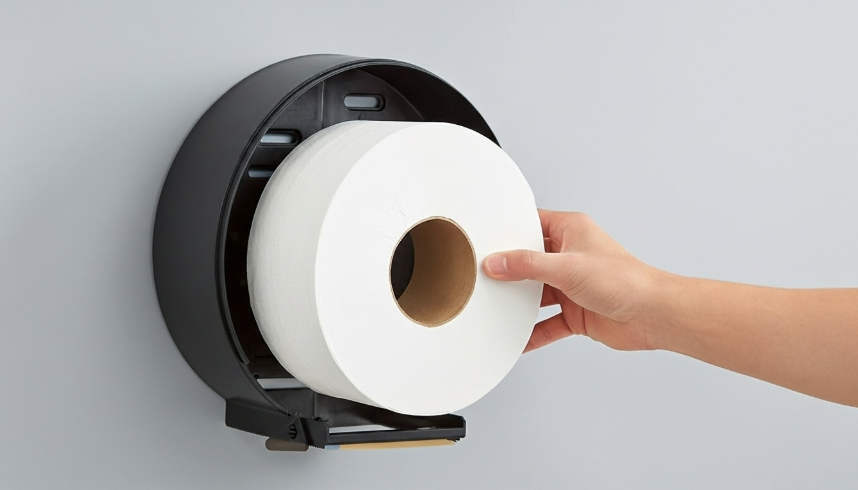
How Does Fiber Purity Impact the Whiteness of Your Jumbo Rolls?
Fiber purity serves as the primary technical driver for tissue brightness, as the systematic removal of lignin and organic impurities allows for a professional-grade visual finish without excessive chemical additives.
Removing Lignin to Enhance Natural Brightness
High-purity pulp starts with the aggressive extraction of lignin and ash, the organic compounds responsible for the natural yellowing of raw wood fibers. By isolating pure cellulose, Top Source Hygiene achieves a natural brightness level between 85% and 92% across our jumbo roll lines. This method eliminates the need for heavy concentrations of optical brightening agents (OBAs), ensuring the paper remains safe for sensitive skin while maintaining the crisp, white appearance expected in professional environments.
Refining the cellulose content changes how the paper interacts with light. Pure fibers reflect light more effectively and uniformly than fibers contaminated with residual plant matter. This structural clarity produces a visually “clean” product that stays white over time, rather than fading or yellowing in storage, which is a common failure point for lower-grade commercial tissues.
Impact of Advanced Pulping Methods on Paper Grade
Modern chemical pulping processes isolate strong, white cellulose fibers from non-fibrous materials with surgical precision. This technology preserves the integrity of the long-fiber softwood used in our Hebei manufacturing hub, providing the tensile strength needed for high-capacity dispensers. While mechanical pulping increases yield, we prioritize chemical and chemical-mechanical techniques to meet 2026 industry standards for aesthetic consistency in high-traffic venues.
- Chemical pulping removes the “glue” between fibers, resulting in a smoother, whiter surface.
- Integrated controls at our 2,860-ton monthly capacity ensure batch color consistency from the core to the outer wrap.
- Advanced refining minimizes the presence of black spots or shives often found in recycled alternatives.
Standardizing Whiteness for Global Market Consistency
Whiteness serves as a critical visual indicator of hygiene for hospitality and healthcare sectors across 56 countries. We use precision testing equipment to verify that our jumbo rolls align with ISO and international brightness standards. This standardization prevents the grey or dull appearance associated with secondary fibers, allowing facilities to maintain a premium brand image without the cost of luxury boutique rolls.
High-purity jumbo rolls differentiate a facility’s maintenance standards. For distributors serving the Middle East and North American markets, offering a product with consistent, high-level whiteness reduces client complaints regarding “dirty-looking” paper. By maintaining strict control over fiber purity, we provide a product that meets the aesthetic and sanitary demands of the world’s most rigorous commercial environments.
Premium OEM Jumbo Rolls at Factory Prices
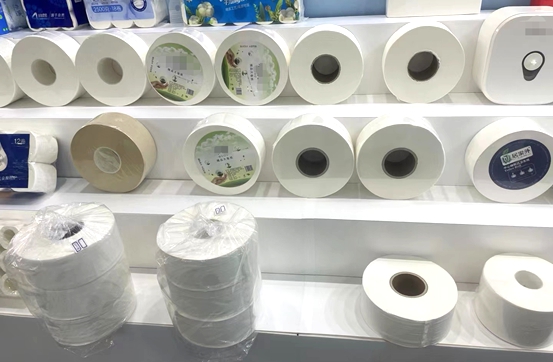
Is Virgin Pulp More Absorbent Than Recycled Tissue?
Virgin wood pulp provides a significant increase in moisture uptake through its intact long-fiber capillary network, whereas recycled fibers lose structural integrity and retention capacity with every processing cycle.
Structural Impact of Long Wood Fibers
Virgin wood pulp features a dense network of long, intact fibers. These natural structures facilitate superior capillary action, allowing moisture to move through the sheet quickly and stay trapped within the fiber layers. Recycled fibers undergo mechanical and chemical breakdown during previous use and reprocessing. This reduces their length and segments them into shorter pieces. Shorter segments offer less surface area for liquid retention and create a weaker internal matrix.
- Longer fiber structures in virgin pulp provide superior capillary action for faster moisture uptake.
- Repeated processing breaks down recycled fibers, resulting in segments that offer less surface area for retention.
- Market data from 2026 confirms that high-end hospitality brands prioritize virgin pulp to maintain high absorbency standards for guest amenities.
Manufacturing Differences in Liquid Retention
The manufacturing process for virgin pulp preserves the natural integrity of the wood fiber. Virgin pulp lacks the contaminants, inks, and fillers often found in recycled batches. These residues can clog fiber pores and prevent efficient soaking. Top Source Hygiene utilizes 100% virgin wood pulp to ensure that jumbo rolls meet strict international absorbency benchmarks. Our refining process ensures a smooth texture that distributes moisture evenly across the entire surface of the sheet.
| Performance Metric | 100% Virgin Wood Pulp | Standard Recycled Tissue |
|---|---|---|
| Fiber Integrity | Long, Intact (Strong Capillary) | Short, Fragmented (Weak Network) |
| Absorbency Speed | Instant (< 3 Seconds) | Delayed (5-8 Seconds) |
| Chemical Purity | 100% OBA-Free / No Residue | Contains Fillers / De-inking Agents |
Performance Standards for Commercial Applications
Commercial environments prioritize performance over cost-per-roll alone. Hospitality and premium retail sectors select virgin pulp because it requires fewer sheets to dry hands or clean spills. This efficiency reduces overall waste and maintenance frequency in high-traffic settings. While recycled tissue serves basic residential needs, it often lacks the ultra-premium thickness required for luxury environments. We support global clients in 56+ countries with customizable virgin pulp options like the TSH-JRT08 to protect their brand reputation and ensure guest satisfaction.
- Premium sectors select virgin pulp to reduce the number of sheets needed per use.
- Recycled tissue works for everyday residential use but lacks the thickness needed for commercial traffic.
- Top Source Hygiene provides customizable 13–22g/m² ply density to balance softness with high-wet-strength durability.
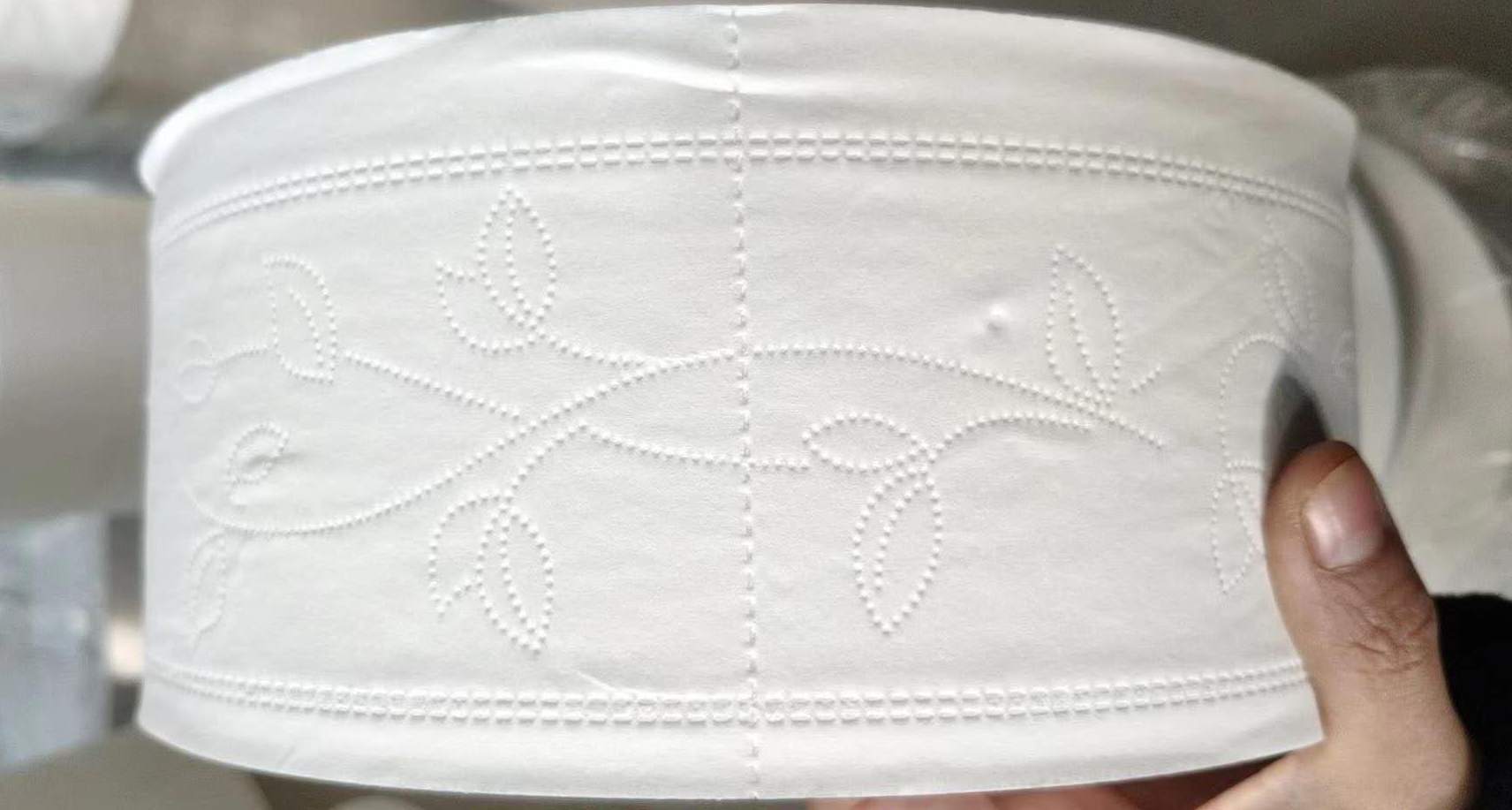
Why Should Hotels Avoid Low-Grade Recycled JRT to Protect Branding?
Bathroom amenities serve as a silent ambassador for hotel standards; substituting high-performance virgin pulp with low-grade recycled tissue creates a tactile disconnect that directly erodes guest trust and premium brand positioning.
Guest Perception of Quality and Amenities
Guests evaluate hotel value through direct physical contact with amenities. Low-grade recycled Jumbo Roll Tissue (JRT) often features a rough, abrasive texture and a distinctive gray or yellowish tint. These visual and tactile cues lead guests to associate the property with poor hygiene or aggressive cost-cutting measures rather than hospitality.
Data from Top Source Hygiene indicates that hospitality clients who transitioned from low-tier recycled products to high-quality virgin wood pulp saw a 20% increase in guest satisfaction scores. In the 2026 market, premium amenities are no longer optional; they are a baseline requirement for brands attempting to differentiate themselves through “complete comfort experiences.”
Correlation Between Tissue Standards and Online Ratings
The quality of basic bathroom supplies significantly impacts digital reputation and, by extension, total revenue potential. Industry research confirms that a one-star rating increase on platforms like TripAdvisor correlates to revenue gains between 5% and 9%. Conversely, negative reviews frequently cite poor-quality restroom supplies as a specific reason for lower satisfaction scores.
- Consistency in high-quality jumbo rolls helps maintain brand cohesion across global outlets.
- Premium tactile experiences encourage a 10% increase in customer return rates.
- High-purity paper reduces the likelihood of negative mentions in social media “room tours” or review blogs.
Material Purity and Brand Trust
Using 100% virgin wood pulp ensures a consistent, high-end aesthetic that aligns with luxury branding. Virgin fibers provide superior absorbency and a lint-free experience, qualities that guests intuitively link to professional service standards. Low-grade recycled products often contain uneven fibers or chemical residues from the de-inking process, which undermines a hotel’s commitment to safety.
Top Source Hygiene utilizes premium long-fiber wood pulp to guarantee an OBA-free (No Optical Brightening Agents) product. This ensures the tissue is hypoallergenic and safe for sensitive skin, reinforcing brand trust through every interaction. High-purity paper products allow hotels to communicate their identity effectively through the small details that guests notice during their stay.
Operational Efficiency and Maintenance Impacts
Superior material integrity reduces the hidden operational costs associated with low-quality paper. Low-grade JRT generates excessive paper dust and breaks easily under tension, which significantly increases the cleaning workload for housekeeping staff. This added labor often offsets any initial savings gained from purchasing cheaper rolls.
High-capacity rolls made from durable virgin fibers, such as the TSH-JRT08 model, cut maintenance costs by 15%. These rolls last longer and require fewer replacements throughout the day. Furthermore, stronger paper fibers prevent dispensers from clogging, ensuring smooth operations in high-traffic hotel restrooms and reducing the frequency of emergency maintenance calls.
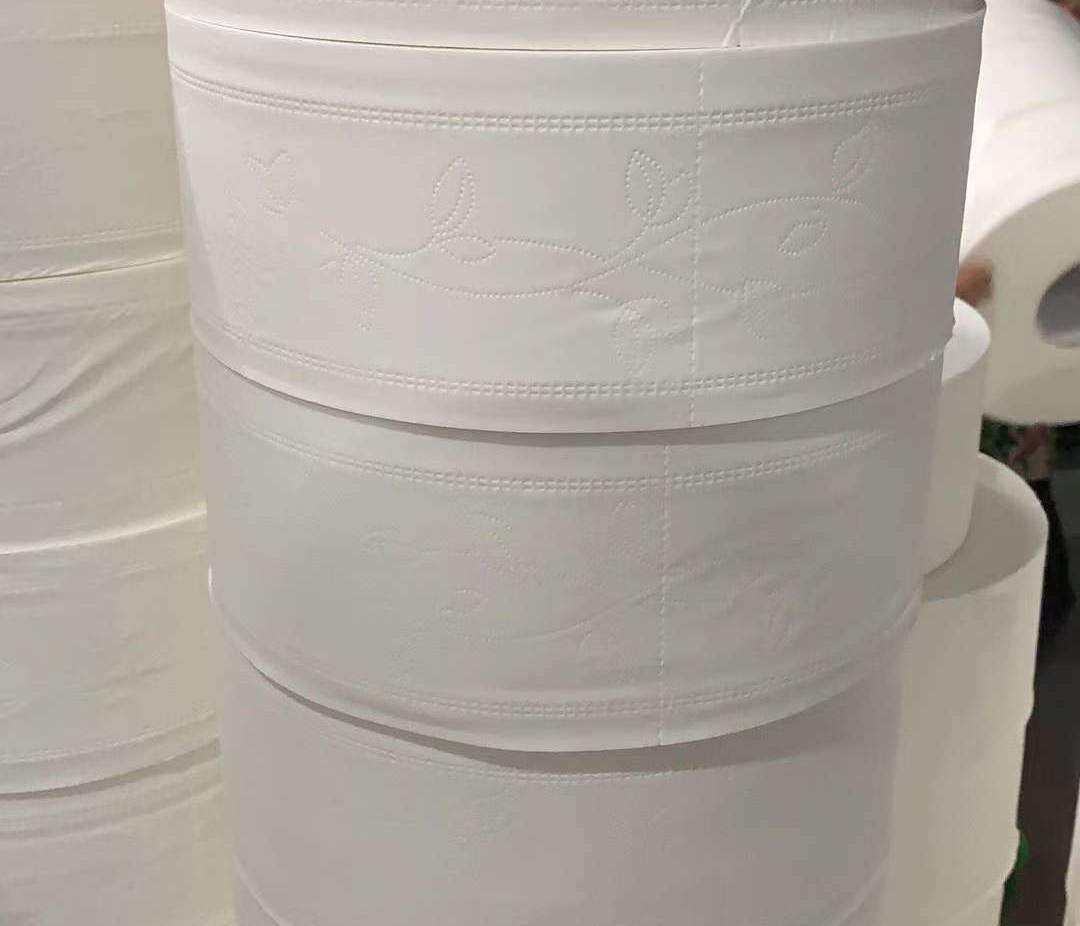
How Do We Maintain Quality Consistency with 2860-Ton Monthly Output?
Achieving uniform quality across nearly 3,000 tons of monthly production requires a transition from manual oversight to integrated, real-time mechanical and chemical control systems.
Standardized Fiber Selection and Pulp Control
Consistency begins with the rigorous selection of raw materials. We source 100% virgin wood pulp to eliminate the structural variations often found in recycled paper supplies. By removing recycled waste from the equation, we prevent the “scratchiness” associated with shorter, degraded fibers. We implement strict fiber purity checks at the intake stage to maintain a consistent baseline for whiteness and GSM, ensuring the base material is OBA-free and safe for sensitive skin.
- Maintain standardized pulp blends across all 2026 production cycles to ensure the same tactile experience for repeat global orders.
- Eliminate structural variations by avoiding mixed-fiber sources that compromise tensile strength.
- Use high-purity long-fiber softwood to provide a cloud-like texture even in high-density jumbo rolls.
Mechanical Processing and Structured Tissue Technology
Advanced equipment in our two specialized factories manages high-volume output while preserving the physical properties of the paper. We utilize through-air drying (TAD) and structured tissue technology to maintain bulk and absorbency at scale. Unlike standard mills that over-press paper to save space, we minimize pressing nips during processing to prevent the paper from densifying and losing its soft texture.
| Control Metric | Standard Commodity Mills | Top Source Hygiene Standard |
|---|---|---|
| Raw Material Base | Mixed or Recycled Pulp | 100% Virgin Wood Pulp |
| Drying Method | Cylinder/Press Drying | Through-Air Drying (TAD) |
| Thickness Control | High-Compression Nips | Minimized Nips (Bulk Preservation) |
| Brightness Agent | Optical Brighteners (OBA) | Natural Fiber Whiteness (OBA-Free) |
Systematic ISO 9001 Testing Protocols
A multi-stage quality control framework monitors production from raw fiber processing to the final packaged product. We conduct regular tensile strength and dimensional tests to verify that every roll meets commercial and retail durability requirements. Softness panel assessments and absorbency checks ensure performance remains stable even during high-speed production runs. Our adherence to ISO 9001 standards and FDA regulations provides reliable compliance for North American and European markets.
Real-Time Batch Monitoring for High-Volume Output
Integrated control systems monitor chemical treatments and mechanical adjustments to prevent deviations during continuous manufacturing. We apply chemical softening agents precisely when fiber adjustments alone are insufficient to meet softness targets. We monitor production lead times of 15-25 days to ensure that speed never compromises the integrity of the finished paper. Every batch is tracked through the factory to maintain full traceability and accountability for large-scale international shipments, providing our B2B partners with pre-shipment visual verification.
- Synchronize automated machinery across both facilities to produce identical specifications for the 2,860-ton monthly capacity.
- Utilize CNC-precision embossing patterns to increase absorbency by 30% while maintaining layer bonding.
- Perform real-time GSM tracking (13–22g/m²) to balance weight, softness, and wet-strength durability.
Conclusion
Switching to 100% virgin wood pulp jumbo rolls allows hospitality providers to offer the same skin-friendly softness and visual whiteness found in premium household tissue. This material choice eliminates the scratchiness associated with low-grade recycled paper, ensuring that high-traffic restrooms reflect the quality of a hotel brand. Our consistent manufacturing process provides the absorbency and strength needed to manage high guest volume without compromising on hygiene or septic safety.
You can review our technical specifications for hotel-grade JRT or contact us to request a sample for your next bulk procurement. We offer detailed pre-shipment photos and videos to ensure your order meets specific whiteness and texture standards before it leaves our factory.
Frequently Asked Questions
Is jumbo roll toilet paper soft?
Yes, jumbo roll toilet paper (JRT) can be exceptionally soft when manufactured from 100% virgin wood pulp. While industrial-grade JRT often prioritizes volume, premium hospitality-grade versions utilize multi-ply layering and sophisticated embossing techniques to provide a tactile experience comparable to high-end residential bath tissue.
What is the softest commercial toilet paper?
The softest commercial toilet paper is a 2-ply or 3-ply product made from 100% virgin wood pulp. This grade achieves its superior softness through a precise blend of long softwood fibers for structural strength and short hardwood fibers for a velvety surface texture, often enhanced by micro-embossing.
Is virgin pulp better for hotel guests?
Virgin pulp is significantly better for hotel guests because it offers unmatched tactile quality, superior brightness, and higher absorbency. In the hospitality industry, the use of virgin pulp is a key indicator of quality that directly influences guest satisfaction scores and the perceived luxury of the establishment.
Does recycled paper feel scratchy?
Recycled paper can feel scratchier than virgin pulp because the fibers are shorter and more brittle due to the recycling process. While modern manufacturing can improve the feel through additives, it generally lacks the natural “plush” and smooth finish provided by the long, intact fibers found in virgin wood pulp.
Why use 100% virgin pulp in jumbo rolls?
100% virgin pulp is used in jumbo rolls to maximize fiber integrity, which ensures the paper is strong enough to resist snapping in high-tension dispensers while remaining soft. Additionally, virgin pulp produces less lint and dust than recycled alternatives, keeping high-traffic restrooms cleaner and reducing maintenance needs.
What is the best grade for hotel JRT?
The gold standard for hotel JRT is a Premium 2-Ply 100% Virgin Wood Pulp grade. This specific grade provides the ideal balance of high tensile strength for the jumbo format and the premium softness and absorbency expected by hotel guests in a commercial setting.
