Skip to content
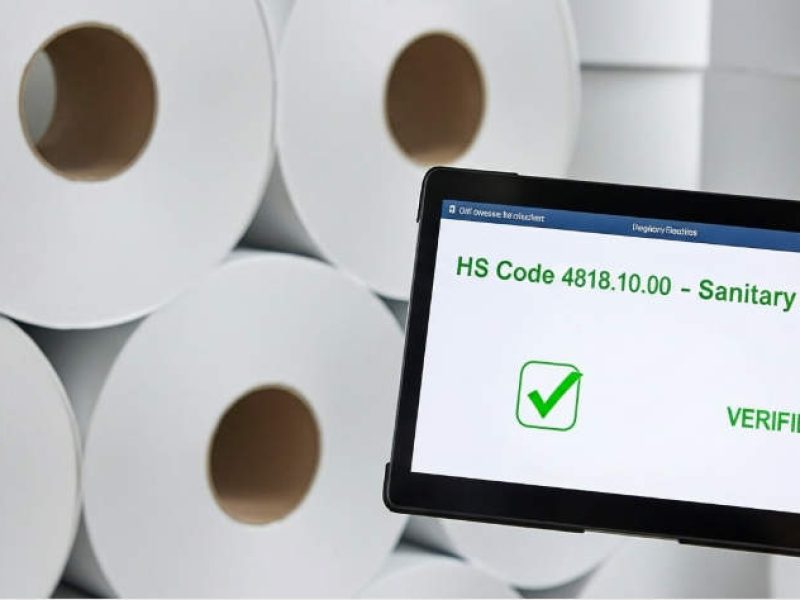
Individually wrapped toilet paper serves as a vital safeguard against cross-contamination and health code violations in commercial facility management. When janitorial teams store unwrapped rolls in supply closets or transport them on cleaning carts, the paper acts as a magnet for dust, moisture, and pathogens. These environmental contaminants compromise the integrity of the product, leading to increased waste and potential safety risks for end-users in high-traffic restrooms.
This guide provides a technical overview of how wrapped rolls preserve hygiene during the final stages of the supply chain, from bulk storage to guest bathrooms. We analyze the impact of humidity on paper shelf-life, the logistics of cleaning cart transport, and the specific psychological benefits for hospitality guests. Use these insights to refine your facility’s sanitation protocols and manage janitorial inventory more effectively.
The Dust and Moisture Problem in Janitorial Supply Closets
Sub-optimal storage environments directly compromise the structural integrity of 100% virgin wood pulp, making climate-controlled janitorial closets a technical necessity rather than a luxury in 2026.
Protecting Paper Stock from Humidity and Mold
High-performance paper products act as hygroscopic sponges when stored in environments where relative humidity exceeds the industry-standard 60% threshold. For premium 3-ply and 4-ply rolls, moisture absorption triggers fiber breakdown, which leads to structural warping and a significant loss in the “cloud-like” softness expected by end-users. We see facilities in 2026 moving toward climate-controlled storage zones to maintain the specific tensile strength and absorbency of bulk paper supplies before they ever reach the dispenser.
- Industrial desiccant systems and silica gel technologies prevent paper fibers from losing their bonding strength in high-humidity regions.
- Elevated shelving systems keep jumbo rolls and facial tissues at least six inches off the floor to avoid moisture-wicking from damp concrete surfaces.
- Monitoring storage temperatures between 20–25°C ensures that the point-to-point embossing remains crisp and functional.
Strategic Ventilation for Air Quality
Stagnant air in confined supply closets creates a breeding ground for mildew and mold, which can contaminate entire pallets of unwrapped or bulk-packaged goods. Proactive ventilation involves installing active airflow systems that circulate air consistently, reducing the risk of micro-climates forming in corner stacks. These systems also protect the chemical stability of cleaning agents stored in proximity to paper products, preventing off-gassing from affecting the scent-free profile of virgin wood pulp.
- Integrated dehumidification solutions maintain the 50-60% relative humidity range required for long-term shelf-life.
- Regular airflow checks prevent dust from settling on guest amenities, ensuring the primary packaging remains presentable.
- Active ventilation reduces the concentration of airborne spores that could compromise the OBA-free status of hygienic supplies.
Dust Mitigation and Equipment Longevity
Accumulated dust particles do more than just look unprofessional; they can physically damage the internal gearing of mechanical dispensers and contaminate the paper surface. In 2026, preventive maintenance protocols prioritize the regular dusting of high shelves to ensure that airborne particulates do not settle on individual wrappers. Using sealed storage containers for loose or opened rolls provides a secondary barrier that maintains the hygiene standards of the Hebei paper industrial hub from factory to bathroom.
- Scheduled dusting of storage racks keeps the outer surfaces of bulk bundles clean and ready for transport.
- Sealed containment for partially used packs prevents environmental germs from colonizing the paper edges.
- Managing dust levels extends the functional lifespan of janitorial tools and ensures clean-cut perforation lines on every roll.
Cross-Contamination Risks During Restroom Cleaning Cart Transport
Effective infection control in 2026 relies on a rigid physical barrier between high-biohazard restroom zones and public communal spaces during the critical transit phase of janitorial carts.
Color-Coded Tool Segregation Protocols
Industry standards for 2026 mandate a visual and physical separation of all cleaning implements to prevent pathogen spread across different facility zones. We no longer rely on staff memory; color-coded systems provide an immediate audit trail and ensure compliance. Red-coded microfiber and mops remain strictly within high-risk restroom boundaries, while blue or green tools are reserved for low-risk communal areas.
- Dedicate specific cloths, mops, and equipment exclusively to high-risk restroom environments.
- Use distinct color identifiers to ensure staff do not use restroom tools in low-risk communal or food-preparation areas.
- Implement dedicated storage slots on cleaning carts to maintain physical distance between tools from different zones.
Pathogen Transfer During Inter-Zone Transit
Moving cleaning carts between high-biohazard areas and public spaces creates significant operational risks. Contaminated materials from restrooms can inadvertently contact shared surfaces like door handles and hallway floors during transport. This cross-zone transfer remains a primary cause of outbreaks in the hospitality and retail sectors, requiring a more tactical approach to janitorial movement.
- Contaminated materials from restrooms can contact shared surfaces like door handles during transport.
- Cross-zone transfer serves as a primary driver for infectious outbreaks in high-traffic facilities.
- Effective transit requires staff to follow strict path-of-travel rules that minimize exposure to sensitive areas.
| Contamination Metric | Traditional Protocol | 2026 Industry Standard |
|---|---|---|
| Tool Segregation | Shared storage racks | Color-coded zone isolation |
| Waste Management | Open-top cart bins | Airtight, sealed containment |
| Cleaning Materials | Cotton mops (Redistributive) | Microfiber (Pathogen Trapping) |
Microfiber Systems for Pathogen Trapping
Modern cleaning technologies focus on physically capturing contaminants rather than redistributing them. Advanced microfiber materials trap pathogens within the fiber structure, significantly reducing the risk of release during cart movement. This mechanical capture is essential when moving through lobbies or food courts where airborne particles could settle on sensitive surfaces.
- Microfiber materials trap pathogens within the fiber structure, reducing release risks during transit.
- Shift toward microfiber reduces reliance on wet mops that can drip and spread bacteria across floors.
- Facilities using advanced fiber systems report higher hygiene scores in 2026 audits due to superior soil removal.
Sealed Containment for High-Risk Materials
Professional protocols mandate the immediate isolation of used cleaning materials to prevent cross-contamination on the cart. As soon as a microfiber cloth or mop head completes its task in a high-risk zone, it belongs in a sealed container. This prevents contact transmission and ensures that restroom waste and soiled linens remain covered while the cart traverses the rest of the facility.
- Store used towels and mop heads in sealed containers immediately after use in high-risk zones.
- Prevent airborne transmission by ensuring restroom waste and soiled linens remain covered during transit.
- Adopt airtight waste management components for janitorial carts to maintain environment integrity.
Build Your Unique Toilet Paper Brand
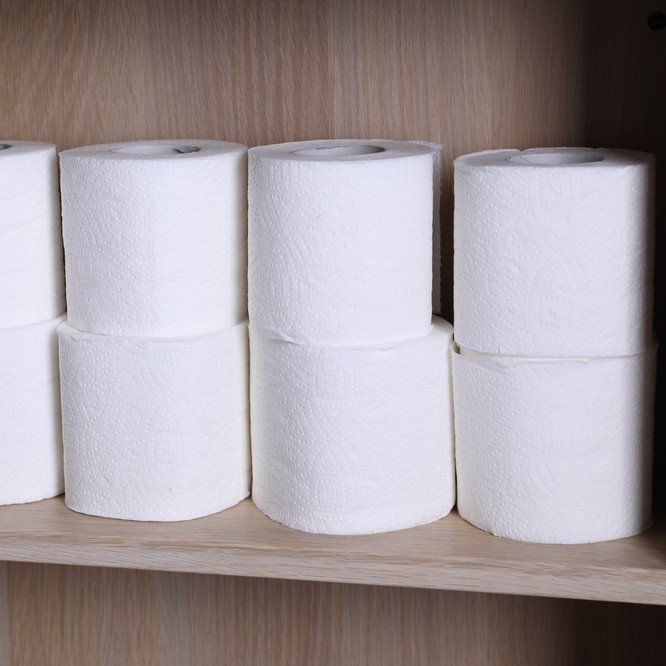
The Psychological Assurance of the Wrapped Roll for Hotel Guests
Individual wrapping transforms a utility item into a visible hygiene guarantee, addressing the heightened guest expectations for sanitary security in 2026 hospitality environments.
Hygiene Signaling and the First-Use Guarantee
Guests in modern high-traffic hotels prioritize physical evidence of sanitation over verbal or printed promises. An individually wrapped toilet paper roll provides an immediate visual confirmation that the product remains untouched since its departure from the manufacturing facility or the completion of a deep-cleaning cycle. This seal functions as a psychological “sanitation certificate,” effectively removing any guest doubt regarding contact from previous occupants or housekeeping staff during the room turnover process.
- Wrapped rolls act as a physical barrier against dust, pathogens, and environmental contaminants commonly found in shared ventilation systems.
- The effort required to unwrap a roll signals a higher standard of room preparation and a commitment to hygiene protocol.
- Protective wrapping ensures the 100% Virgin Wood Pulp fiber remains lint-free and pristine until the exact moment of use.
Quantifiable Gains in Guest Satisfaction Scores
Small details in paper presentation directly influence overall property ratings and perceived value. Data from partner hospitality groups reveals that guests frequently equate the presence of wrapped amenities with professional management and attention to detail. For instance, Coastal Elegance Hotels tracked a 20% increase in guest satisfaction scores specifically after implementing high-quality, individually wrapped tissue solutions across their premium suites.
- Online reviews often cite wrapped rolls as evidence of a hotel’s hygiene standards, which directly impacts booking rates.
- Using premium models like the TSH-4010 luxury hospitality series minimizes negative feedback regarding bathroom cleanliness and paper quality.
- The “first-use” experience reinforces the perception that the guest is staying in a meticulously maintained environment.
Brand Professionalism and Interior Cohesion
Customized wrappers allow hospitality brands to extend their identity into the restroom, creating a cohesive interior aesthetic. Unlike loose rolls that can appear disorganized or industrial, wrapped rolls maintain a uniform, structured look on shelves or in dispensers. Top Source Hygiene provides ODM services that enable hotels to print logos, sustainability commitments, or FSC certification data directly onto the wrapper, turning a basic supply into a sophisticated brand touchpoint.
- Individually wrapped rolls eliminate the “loose” look of bulk supplies, contributing to a more organized and premium bathroom layout.
- Branded packaging signals that the facility does not cut corners on essential guest comforts, fostering long-term trust.
- Consistent use of OBA-free, high-purity wood pulp in protective packaging ensures the paper’s natural brightness (85-92%) is preserved for the guest.
Shelf-Life: Preventing Humidity from Warping Toilet Paper
Effective humidity management protects the structural integrity of wood pulp fibers, preventing the softening and warping that compromises commercial toilet paper performance.
Environmental Control and Storage Standards
Warehouses must maintain a relative humidity between 50% and 60% to prevent hygroscopic wood pulp fibers from absorbing airborne moisture. When humidity exceeds these levels, the paper softens and loses its structural integrity, making it prone to tearing and machine jams during dispensing. Facility managers keep temperatures between 20°C and 25°C to eliminate the risk of condensation within the supply chain.
- Maintain storage environments at a strict 50–60% relative humidity to prevent paper softening.
- Keep facility temperatures between 20–25°C to minimize condensation risks within the supply chain.
- Implement mandatory equilibration periods before distribution to allow paper rolls to stabilize with local environmental conditions.
Moisture-Resistant Packaging Systems
Primary defense against warping relies on high-density polyethylene (PE) film and reinforced kraft wrapping. These materials create an essential moisture-proof barrier that shields the rolls during long-term storage and high-risk transit phases. For large-scale commercial orders, Top Source Hygiene utilizes vacuum-sealed palletization to remove air pockets that trap humidity between layers.
- Utilize high-density polyethylene (PE) film and reinforced kraft wrapping to create a moisture-proof barrier.
- Apply vacuum-sealed palletization for bulk commercial orders to eliminate air pockets that trap humidity.
- Deploy climate-controlled containers and sealed secondary packaging for maritime shipping routes.
Fiber Optimization and Condition Monitoring
Manufacturers optimize the ratio of long-fiber virgin wood pulp to adjust the natural moisture absorption rate of the paper. This technical adjustment ensures the paper maintains a higher resistance to softening compared to recycled alternatives. Monitoring this stability requires advanced testing equipment to verify absorbency and durability metrics after extended storage periods.
- Optimize the ratio of virgin wood pulp and coating structures to lower the natural moisture absorption rate of the paper.
- Use moisture indicator labels on bulk shipments to provide real-time data on environmental exposure during transport.
- Apply advanced testing equipment to verify absorbency and durability metrics after extended storage periods.
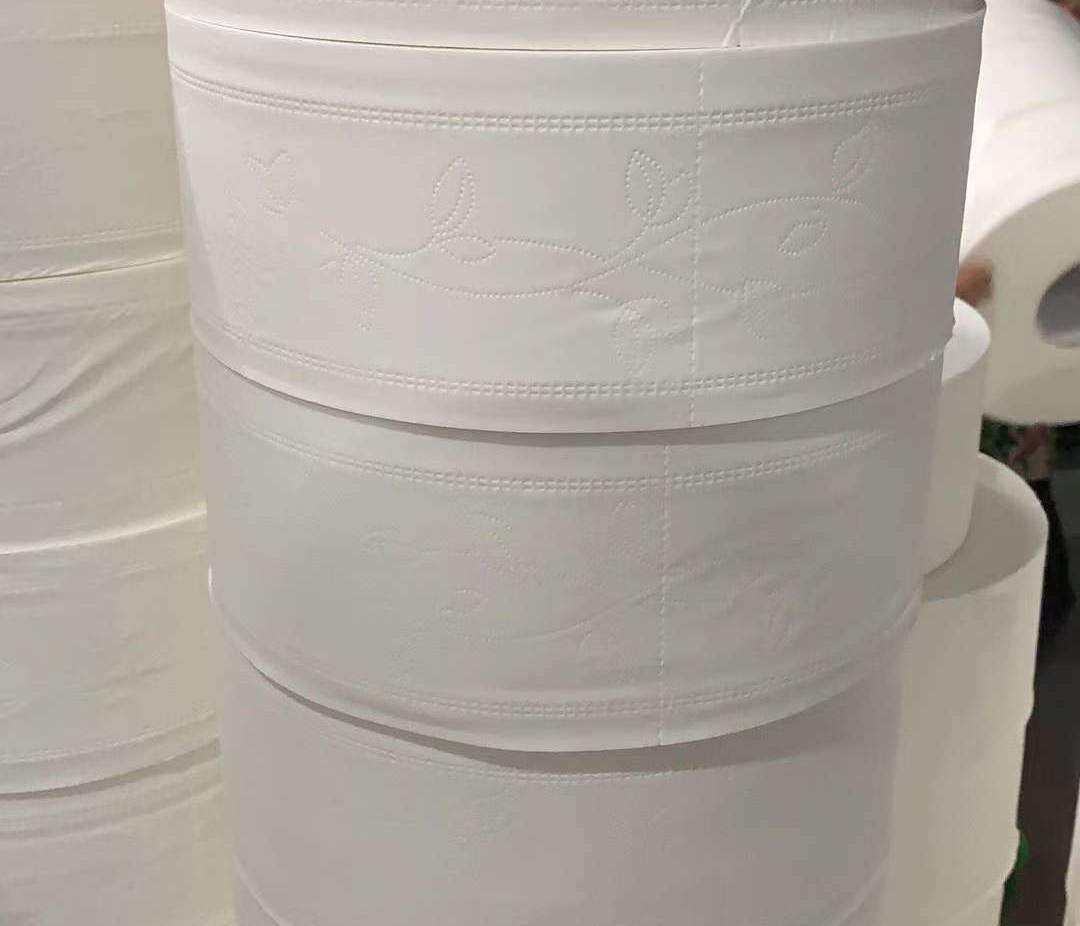
Bulk Storage Benefits of Individually Wrapped Commercial Rolls
Individual wrapping transforms standard tissue into a structurally reinforced unit, enabling high-density vertical stacking and eliminating the surface degradation typical of bulk-exposed paper.
Vertical Stacking Stability and Space Optimization
Individual wrapping provides a uniform structural layer that allows for higher and safer stacking in commercial warehouses. These protective wrappers prevent rolls from friction-locking or tearing when compressed on industrial pallets. This structural integrity is vital when maximizing the payload of 40-foot high-cube containers, such as those used for Top Source Hygiene shipments, where vertical pressure can exceed standard limits.
| Storage Parameter | Individually Wrapped Rolls | Standard Bulk Packs |
|---|---|---|
| Vertical Stack Height | Up to 5 meters (High Stability) | Max 2.5 meters (Risk of Slumping) |
| Friction Protection | High – Prevents sheet shredding | Low – Common surface abrasion |
| Moisture Resistance | Individual vapor barrier per unit | Vulnerable once master pack opens |
Uniform dimensions of wrapped units enable facilities to maximize vertical storage space without risking product collapse. Stable stacking reduces the footprint required for high-volume orders, ensuring that even 5000g heavy-duty bundles like the TSH-3396 maintain their shape during long-term storage and cross-border logistics.
Material Preservation and Waste Reduction
Wrapped rolls maintain their integrity over long storage periods by resisting environmental degradation. Each wrapper acts as a dedicated moisture barrier, preventing 100% virgin wood pulp from warping in humid supply chain environments. Because virgin fiber is highly absorbent, exposure to ambient humidity causes fiber swelling and loss of softness.
- Individual seals block dust and pests, ensuring the last roll in a bulk shipment remains as hygienic as the first.
- Protecting the outer layers of every roll eliminates the common practice of discarding damaged or soiled paper during initial loading.
- Wrapped formats prevent the growth of mold and mildew in janitorial closets with poor ventilation.
Simplified Inventory Control and Distribution
Standardized unit packaging facilitates faster auditing and more efficient internal supply management. Facility managers can distribute exact roll counts to different restroom pods without exposing the remaining bulk stock to contamination. This is especially useful for luxury hospitality settings using premium models like the TSH-4010, where guest perception of hygiene is paramount.
Branded wrappers allow staff to identify product tiers, such as 2-ply or 4-ply tissues, at a glance during inventory checks. This standardized wrapping supports automated counting systems and helps maintain accurate FIFO (first-in, first-out) stock rotation, preventing older inventory from collecting dust or deteriorating in the back of the warehouse.
Disposing of Paper Wrappers Responsibly
Transitioning from traditional waste disposal to a structured material recovery strategy ensures that paper wrappers serve as a valuable resource in the circular economy rather than contributing to facility landfill costs.
Recycling Protocols for Paper Packaging
Effective recycling hinges on maintaining material purity. Facilities often see entire batches of paper waste rejected at sorting centers because of moisture or adhesive contamination. To ensure wrappers successfully enter the paper stream, janitorial teams must standardize how these materials are collected and staged before they leave the loading dock.
- Collect wrappers in paper bags instead of plastic to simplify sorting at municipal facilities.
- Remove adhesive labels or tape that contaminate the pulp during the chemical recycling process.
- Keep wrappers dry and free from food or chemical contaminants to Keep wrappers dry and free from food or chemical contaminants to maintain their high-grade recyclability. By integrating these paper-based wrappers into existing fiber recovery streams, facilities can achieve a 100% plastic-free hygiene cycle, aligning with 2026 global sustainability mandates while cutting landfill taxes.
Conclusion
Transitioning to individually wrapped toilet paper is a strategic investment in both facility hygiene and brand reputation. By providing a physical barrier against humidity and cross-contamination, wrapped rolls ensure that every user receives a pristine, high-performance product that maintains the integrity of the 100% virgin wood pulp. In the 2026 hospitality and commercial sectors, where guest satisfaction and sanitary transparency are paramount, the wrapped roll serves as a visible hallmark of professional management and operational excellence.
Standardizing your inventory with individually wrapped solutions not only protects your assets during long-term storage but also streamlines your internal logistics and sustainability reporting.
Ready to elevate your facility’s hygiene standards with custom-branded, factory-direct solutions? Contact the Top Source Hygiene technical team today to request a wholesale catalog or a customized OEM sample for your high-volume commercial needs.
Frequently Asked Questions (FAQ)
1. Why is commercial toilet paper individually wrapped?
Individual wrapping serves as a protective engineering barrier during the final stages of the supply chain. In commercial facility management, it prevents rolls from absorbing ambient moisture, attracting dust in janitorial closets, and sustaining surface damage during cleaning cart transport. This ensures every roll remains in factory-pristine condition until the exact moment of use.
2. Is wrapped toilet paper more hygienic?
Yes. Beyond the physical protection, wrapping provides a “First-Use Guarantee.” In high-traffic environments like hotels or premium office suites, it signals to the user that the product has not been touched by previous occupants or housekeeping staff. It acts as a visual hygiene certificate that satisfies the heightened sanitary expectations of 2026 guests.
3. Does unwrapped toilet paper collect bacteria?
Unwrapped rolls act as hygroscopic sponges, meaning they naturally absorb moisture and airborne particulates from the environment. In shared restrooms or poorly ventilated supply closets, exposed paper can accumulate dust, bathroom aerosols, and pathogens. Individual wrapping effectively isolates the 100% virgin wood pulp from these environmental contaminants.
4. What is the best toilet paper for hotel bathrooms?
For the hospitality sector, the gold standard is individually wrapped, 3-ply or 4-ply 100% virgin wood pulp rolls. This combination provides the “cloud-like” softness guests associate with luxury, while the wrapper ensures a professional, cohesive aesthetic on the vanity. Models like the Top Source Hygiene TSH-4010 series are specifically designed for this high-end experience.
5. How to store bulk commercial toilet paper safely?
To maintain the structural integrity of bulk inventory, facilities should:
-
Maintain Humidity: Keep storage areas between 50% and 60% relative humidity.
-
Elevation: Store pallets at least 6 inches off the floor to prevent moisture-wicking from concrete.
-
Ventilation: Ensure active airflow to prevent the growth of mold or mildew.
-
Wrapped Protection: Utilize individually wrapped formats to ensure that even the last roll in a large wholesale shipment remains 100% hygienic.