 Skip to content
Deciding between virgin vs blended paper stock directly impacts a facility manager’s bottom line and the perceived quality of a property’s amenities. For wholesale buyers and facility leads, choosing the wrong fiber mix leads to either inflated procurement costs or a surge in maintenance complaints from tenants expecting premium comfort. In high-traffic environments, failing to balance softness with tensile strength increases waste and disrupts the supply chain cycle.
This technical breakdown examines the paper pulp spectrum, comparing 100% virgin luxury against the cost-efficiency of recycled options. We analyze how blended fibers serve as a strategic middle ground to maximize wholesale margins while maintaining building-class standards. Use this analysis as a procurement standard operating procedure to specify the exact pulp density and fiber composition required for different commercial applications.
Understanding the Paper Pulp Spectrum in B2B Tissue
Technical pulp selection determines the balance between fiber tensile strength and skin-contact softness, dictating a product’s performance in high-traffic commercial environments.
Kraft Chemical Pulping Standards
The kraft chemical pulping process remains the global benchmark for isolating high-quality fibers from wood chips. By chemically dissolving lignin, this method preserves the structural integrity of long cellulose fibers, which are essential for producing the high-ply toilet paper required in luxury hospitality. This process allows manufacturers to control the final texture, ensuring the tissue provides high absorbency without shedding lint or tearing under tension.
Top Source Hygiene utilizes these advanced pulping standards across its two manufacturing bases in the Hebei industrial hub. By focusing on 100% virgin wood pulp through the kraft process, the factory maintains a consistent density of 13–22g/m² per ply. This level of precision ensures that bulk orders—ranging from 2-ply retail rolls to 5-ply hotel-grade tissue—meet the strict durability requirements of the Middle Eastern and North American markets.
Energy Efficiency and Decarbonization in 2026
The 2026 manufacturing landscape prioritizes energy intensity reduction and the optimization of the recovery loop. Modern tissue mills have transitioned toward membrane separation methods to lower the thermal energy required for fiber recovery. These advancements reduce dependency on biomass combustion, effectively lowering the carbon footprint of each metric ton produced. For B2B buyers, these efficiencies translate to more stable pricing and better alignment with corporate sustainability goals.
Adopting these decarbonization standards is a prerequisite for entering the European and North American wholesale sectors. Suppliers that integrate closed-loop water management and OBA-free (Optical Brightening Agent) processing satisfy both environmental compliance and consumer safety standards. By eliminating harsh chemical whiteners and focusing on natural fiber brightness (85-92%), manufacturers deliver a product that is both hypoallergenic and septic-safe.
Global Market Consolidation and Capacity Trends
The industry has seen a massive shift in production capacity, with over 500,000 short tons of annual output shuttered as older, inefficient mills go offline. This consolidation has pushed the market toward large-scale, high-efficiency production hubs that can leverage economies of scale. Strategic manufacturing bases in China now provide the necessary volume to stabilize the global supply chain, offering professional-grade consistency that smaller facilities cannot match.
These high-capacity facilities utilize automated CNC-precision embossing and ply-bonding technology to maintain quality even at high speeds. For wholesalers and distributors, this means reliable lead times and factory-direct pricing. Top Source Hygiene manages this scale by focusing on its “Big 10” inventory—a strategic selection of the most in-demand global specifications—to ensure 40HQ containers are loaded efficiently and delivered within 20-25 days.
100% Virgin Pulp: The Unmatched Luxury Standard
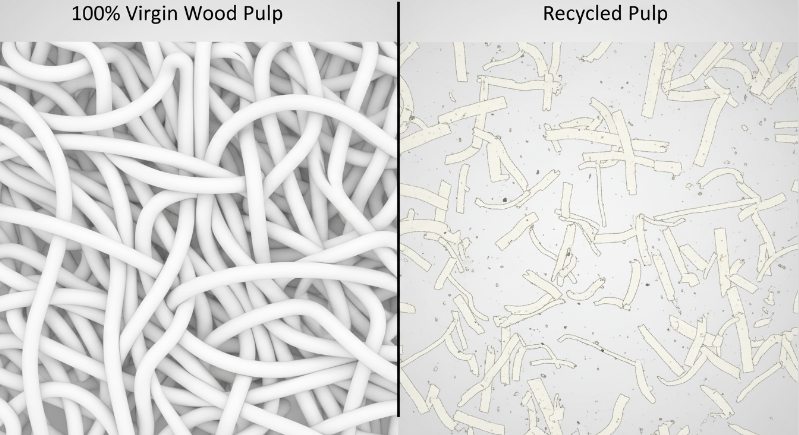
100% virgin wood pulp remains the non-negotiable benchmark for premium B2B tissue, leveraging long-fiber structural integrity to deliver a level of softness and tensile strength that recycled fibers cannot replicate.
Virgin wood pulp provides the foundation for high-performance tissue products by utilizing long, undamaged fiber strands. These fibers create a robust bonded network that significantly improves tensile strength. This structural integrity prevents the paper from tearing, pilling, or shedding lint during use, which is a common failure point in lower-grade recycled alternatives.
Superior Fiber Integrity and Tactile Softness
The natural composition of virgin pulp allows for higher absorbency levels, often increasing moisture retention by up to 30% through precision embossing patterns. We maintain a strict ply density of 13–22g/m² to ensure the final product feels cushioned rather than papery. For global hospitality clients, this translates to reduced paper consumption per use, as the superior strength of 2-ply to 5-ply virgin rolls requires fewer sheets to achieve the same result as standard commercial grades.
- Longer fiber strands improve tensile strength, preventing the paper from pilling.
- Natural capillary action increases absorbency, reducing total waste per facility visit.
- Top Source Hygiene applies this material across ultra-soft ranges to maintain consistent tactile quality for 5-star hospitality groups.
Hygiene Compliance and Chemical-Free Safety
Pure virgin pulp eliminates the risks associated with the complex de-inking and chemical washing processes required for recycled paper. By using raw, uncirculated wood fibers, we guarantee a product free from industrial contaminants and heavy metals. This purity is vital for medical clinics, high-end childcare facilities, and luxury hotels where guest skin sensitivity is a priority.
- The manufacturing process excludes Optical Brightening Agents (OBA), ensuring the paper is safe for sensitive skin and hypoallergenic.
- Using fresh raw materials minimizes bacterial contamination risks found in multi-cycle consumer waste streams.
- In 2026, meeting ISO 9001 and FDA standards is a baseline requirement for high-purity certifications in North American and European markets.
Sustainable Sourcing and FSC Certification
Modern virgin pulp production relies on managed forestry rather than deforestation. Sourcing from FSC-certified forests ensures that the wood pulp originates from sources that prioritize environmental, social, and economic benefits. This approach allows B2B buyers to offer a premium product while adhering to strict corporate social responsibility (CSR) mandates.
- FSC-certified sourcing provides a transparent chain of custody for sustainable forest management.
- 100% wood pulp remains fully biodegradable and septic-safe, dissolving rapidly to prevent plumbing clogs in high-density urban buildings.
- Integrating these materials helps OEM partners meet the rising demand for green-certified products in the North American and Middle Eastern markets.
Market Positioning for Premium Brand Identity
Choosing 100% virgin pulp allows distributors and wholesalers to position their private labels in the luxury tier of the market. The visual consistency of the paper—achieving 85-92% natural brightness without heavy bleaching—signals quality to the end-user immediately. This consistency is essential for brands that manage thousands of tons in monthly production, as it protects the reputation of the private label across different batches.
- Maintaining a production volume of 2,860 tons per month ensures consistent texture and appearance for large-scale retail contracts.
- Premium material selection correlates directly with higher guest satisfaction scores in the hospitality sector.
- The performance advantage of virgin pulp justifies higher wholesale margins when targeting corporate offices and luxury malls.
Build Your Unique Toilet Paper Brand
100% Recycled Pulp: The Eco-Friendly, Coarse Option
Recycled pulp in 2026 serves as the primary engine for green-certified procurement, trading peak softness for unmatched sustainability and cost-efficiency in high-volume commercial environments.
Circular Economy Drivers and Sustainability Goals
Global procurement standards in 2026 have shifted from voluntary eco-measures toward mandatory circular economy compliance. In European and North American hospitality sectors, environmental concerns and strict eco-certification requirements now dictate paper choices. Regulatory frameworks increasingly penalize reliance on virgin timber, making recycled tissue the standard for green-certified buildings and government-managed facilities.
- Sustainability goals in the commercial sector drive the rapid adoption of recycled pulp across major hospitality chains.
- New regulations favor products that reduce the carbon footprint associated with logging and initial wood processing.
- Procurement officers prioritize FSC-certified recycled options to hit corporate social responsibility targets and maintain LEED certifications.
Deinking Technologies and Contaminant Removal
Advances in mechanical and chemical processing allow modern mills to produce high-grade recycled pulp that meets stringent hygiene standards. Modern cleaning systems strip away up to 99% of contaminants, ensuring the final product remains safe for facial and bathroom use without the presence of inks or adhesives. While these deinking processes preserve as much fiber quality as possible, the material undergoes mechanical stress during each cycle.
Facilities in the Hebei paper industrial hub now leverage optimized water management systems to reduce the environmental cost of this processing. These systems maximize water recovery loops and reduce energy intensity, addressing the primary criticisms of earlier recycling methods. This technical evolution ensures that recycled pulp remains a viable, high-capacity alternative for the global B2B market.
Texture Management and Fiber Degradation Challenges
Recycled pulp involves shorter, weaker fibers compared to virgin wood because each recycling cycle breaks down the structural integrity of the cellulose. This degradation results in a lower softness rating and a naturally coarser texture in the final tissue product. Such characteristics make 100% recycled pulp less suitable for luxury hotel suites but ideal for high-traffic commercial areas where durability and cost-effectiveness take precedence.
Manufacturers compensate for these fiber limitations through specialized embossing techniques. Precision point-to-point embossing patterns create air pockets between the sheets, which improves the hand feel and increases absorbency by up to 30%. This allows recycled rolls to perform reliably in professional settings without sacrificing structural integrity.
Strategic Market Positioning for Recycled Products
Recycled pulp remains the most effective choice for specific B2B tiers. Public facilities, including schools, airports, and transit hubs, prioritize high-capacity jumbo rolls and lower price points where recycled options excel. Wholesale margins often improve when shifting bulk contracts toward recycled materials, as the raw material costs are less volatile than the virgin wood pulp market.
Top Source Hygiene applies deep manufacturing expertise to these products, ensuring that even high-recycled-content solutions balance regional hygiene compliance with environmental performance. For price-sensitive markets in Southeast Asia and Africa, recycled options provide a way to maintain hygiene standards while optimizing the payload of 40HQ containers for maximum freight value.
The Blended Compromise: Mixing Virgin and Recycled Fibers
Hybrid pulp formulations allow facility managers to meet sustainability quotas without sacrificing the structural integrity required for high-traffic commercial environments.
Restoring Structural Integrity through Fiber Reinforcement
Mechanical recycling processes naturally shorten and weaken paper fibers, which often results in the coarse texture and low durability found in 100% recycled products. By introducing virgin wood pulp into the mix, manufacturers create a structural matrix that binds these shorter recycled fibers together. This reinforcement prevents the linting and tearing common in low-grade tissues, ensuring that the final product maintains a professional standard even under heavy use.
- Virgin wood pulp acts as a structural matrix that binds shorter recycled fibers together.
- Blending prevents the linting and tearing common in low-grade recycled tissues.
- Manufacturers like Top Source Hygiene use these ratios to ensure 3-ply and 4-ply products maintain high tensile strength.
| Fiber Composition | Technical Advantage | Strategic Application |
|---|---|---|
| 70% Virgin / 30% Recycled | High tensile strength with reduced linting | Class A Office Spaces |
| 40% Virgin / 60% Recycled | Cost-effective bulk durability | Public Infrastructure / High-Traffic |
| 100% Virgin (Premium) | Maximum absorbency and OBA-free safety | Healthcare / 5-Star Hospitality |
Energy Efficiency and Carbon Footprint Reduction
Hybrid paper production offers a practical middle ground for meeting 2026 sustainability targets. Incorporating recycled content reduces industrial energy requirements significantly, as processing recycled fibers consumes nearly 60% less energy than the chemical pulping of pure virgin wood. This approach allows high-volume facilities to scale their output while adhering to stricter environmental regulations and lowering the overall carbon footprint of the supply chain.
- Incorporating recycled content can reduce production energy consumption by nearly 60%.
- Blended products allow high-volume facilities to scale output while adhering to environmental regulations.
- This approach supports FSC-certified supply chains by stretching the utility of premium virgin pulp.
B2B Market Positioning and Cost Management
Blended fibers provide a versatile option for commercial clients who need to balance a premium feel with rigid budget constraints. Hybrid rolls serve as an ideal solution for mid-tier hospitality and corporate office environments where 100% virgin pulp may be cost-prohibitive. Strategic blending also helps mitigate the volatility of raw wood pulp prices in the global market, allowing wholesalers to maintain more stable pricing for their end-users.
- Hybrid rolls serve as an ideal solution for mid-tier hospitality and corporate office environments.
- Customization options in GSM and ply allow brands to adjust the virgin-to-recycled ratio.
- Strategic blending mitigates the volatility of raw wood pulp prices in the global market.
Technical Challenges in Downstream Recycling
While blends offer immediate performance benefits, they present hurdles for circular economy models. Mixed-fiber tissues are often more difficult to re-process into high-grade paper once they enter the waste stream because the different fiber lengths and types require separate processing speeds. The industry is currently optimizing enzyme treatments to better separate and treat blended pulp during recovery, helping procurement managers accurately report on corporate social responsibility metrics.
- Mixed-fiber tissues are often more difficult to re-process into high-grade paper.
- The industry is optimizing enzyme treatments to better separate and treat blended pulp.
- Transparency in fiber ratios helps procurement managers accurately report on CSR metrics.
Cost Comparison: How Blends Maximize Wholesale Margins
Strategically engineered fiber blends allow wholesalers to capture the mid-tier market by balancing the high performance of virgin pulp with the aggressive price points of recycled materials.
Lowering Unit Costs through Fiber Ratios
Mixing virgin wood pulp with recycled fibers reduces the average cost per ton of raw material. In the 2026 market, the price gap between premium virgin pulp and secondary fibers remains wide enough that a 70/30 or 60/40 blend significantly drops the Cost of Goods Sold (COGS). Manufacturers achieve these savings by substituting a portion of expensive long-fiber wood with more economical recycled content, allowing wholesalers to maintain competitive pricing in high-volume sectors where every cent per roll impacts the final contract.
| Pulp Specification | Avg. Cost per 1,000 Sheets | Market Margin Strategy |
|---|---|---|
| 100% Virgin Wood Pulp | $1.55 – $1.80 | Premium / Hospitality High-Margin |
| Blended (60% Virgin / 40% Recycled) | $1.40 – $1.45 | Balanced Mid-Market Volume |
| 100% Recycled Pulp | $1.30 – $1.35 | Economy / High-Traffic Price Wars |
- Blended ratios enable price sensitivity management without falling into the commodity “race to the bottom” associated with pure recycled paper.
- Strategic fiber substitution helps distributors maintain their 15-25% wholesale margins even as shipping costs fluctuate.
- High-volume markets like janitorial supply rely on these blends to win government and institutional tenders.
Maintaining Premium Perception at Mid-Range Prices
Blended products provide the strength and softness that mimic 100% virgin pulp while maintaining a lower production profile. Top Source Hygiene uses advanced manufacturing processes to ensure these tissues retain the absorbency expected in hospitality and corporate settings. Wholesalers effectively capture the “value-for-money” segment by positioning these as high-performance alternatives to coarse recycled options.
Clients in 2026 often prefer the tactile quality of a well-engineered blend over the visible imperfections and roughness of entry-level recycled tiers. This preference justifies a higher price point than budget products, allowing wholesalers to retain better margins than they would on basic commodities. By offering a product that looks and feels like a premium roll but costs less to source, distributors bridge the gap between luxury and utility.
Protecting Margins against Global Pulp Volatility
A diversified fiber base acts as a financial hedge against the price swings frequent in the virgin wood pulp market. Relying on multiple fiber sources gives manufacturers the flexibility to adjust ratios based on current market availability. This adaptability ensures that wholesale prices remain stable even when timber supply chains tighten or global pulp mills face capacity closures.
Wholesale partners benefit from more stable long-term contracts because blended specifications are less susceptible to sudden raw material spikes. Fixed-price agreements for 2026 delivery cycles are more sustainable for both the manufacturer and the distributor when using these precision-engineered hybrid fibers. This stability prevents the margin erosion that often occurs when distributors are forced to absorb sudden cost increases from 100% virgin pulp suppliers.
Specifying the Right Pulp for Your Client’s Building Class
Effective procurement in 2026 requires matching fiber composition to specific facility usage profiles—aligning the tactile luxury of 100% virgin pulp with Class A prestige while leveraging high-capacity recycled blends for public infrastructure.
Virgin Pulp Solutions for Luxury Hospitality and Class A Offices
Premium facilities prioritize 100% virgin wood pulp to maintain high guest satisfaction and protect brand prestige. Top Source Hygiene provides 4-ply and 5-ply toilet paper engineered from long-fiber wood pulp, delivering the softness and absorbency required for high-end clinical and hospitality settings. These premium grades ensure a lint-free experience and remain completely free from fluorescent whiteners (OBA-free), meeting the rigorous safety and hygiene standards of the North American and European luxury markets.
| Facility Profile | Recommended Pulp Grade | Top Source Model Logic |
|---|---|---|
| Class A Offices & Hotels | 100% Virgin Wood Pulp (OBA-Free) | TSH-4010: 5-Ply luxury hospitality standard. |
| Commercial & Retail | 40-70% Virgin / Recycled Hybrid | TSH-1071: Versatile mid-tier performance. |
| High-Traffic Public Spaces | 100% Recycled / Bamboo JRT | TSH-JRT08: Max capacity for industrial value. |
Hybrid Blending Strategies for Standard Commercial and Retail Sectors
Engineered blends provide a middle ground for high-volume commercial use by balancing 40-70% virgin fiber with recycled content. These customized formulations maintain structural integrity while lowering the overall cost per roll for large-scale retail distributors. We utilize real-time quality monitoring to ensure these hybrid products meet ISO durability standards. This allows businesses to fulfill environmental responsibility claims without sacrificing the tactile softness and ply-bonding strength expected by corporate office tenants.
High-Capacity Recycled Fibers for High-Traffic Public Facilities
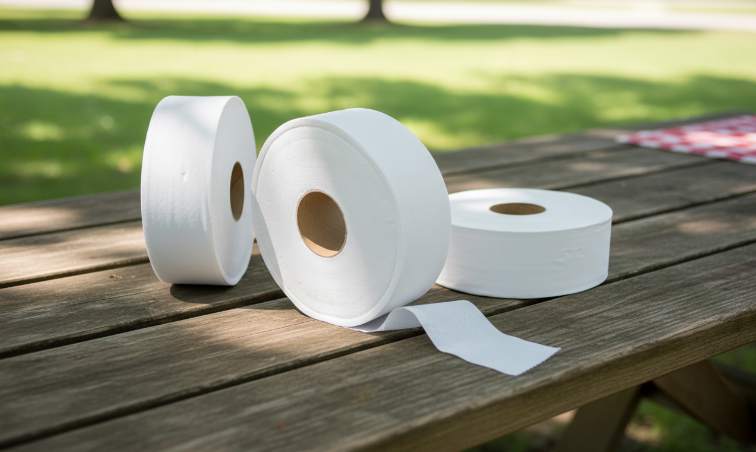
Public infrastructure, including transit stations and schools, benefits from the durability and cost-effectiveness of recycled pulp in jumbo roll (JRT) formats. Utilizing 100% recycled jumbo rolls reduces maintenance labor costs by approximately 15% due to higher roll density and fewer refill requirements. This pulp grade stands up to heavy-duty use in public restrooms where volume and procurement efficiency are the primary drivers. Top Source Hygiene facilitates high-volume bulk orders of these grades to support facility managers in the Middle East, Africa, and South America, ensuring maximum payload optimization in every 40HQ container.
FSC-Certified Selections for Sustainable Building Compliance
Sourcing pulp with FSC or PEFC certification helps clients meet 2026 green building regulations and corporate sustainability targets. FSC-certified virgin pulp allows retail groups to align with global eco-friendly consumer trends, often resulting in higher sales volume and customer loyalty. We provide Environmental Product Declarations (EPDs) to assist facility managers in securing LEED or other green building certifications. Customizing pulp based on regional compliance ensures finished products meet the specific hygiene and environmental standards required in Oceania and Europe.
- Precision embossing increases absorbency by 30% in high-traffic commercial environments.
- Septic-safe engineering ensures rapid disintegration for facilities with sensitive plumbing.
- Customized roll weights from 780g to 5000g match specific procurement price points.
Conclusion
Balancing material quality with budget constraints helps wholesalers and property managers maintain high standards in Class B and C facilities. Selecting the appropriate pulp blend optimizes wholesale margins and ensures the paper meets the specific traffic demands of each building. This strategic approach prevents overspending on luxury virgin fibers where a durable, cost-effective blend serves the purpose better.
Evaluate your current inventory needs and building classifications to see if a blended pulp solution improves your bottom line. Reach out to Top Source Hygiene for a detailed wholesale catalog or to discuss custom 40HQ container specifications for your region.
Frequently Asked Questions
What is blended commercial toilet paper?
Blended commercial toilet paper is a hybrid product manufactured by combining virgin wood pulp with recycled paper fibers. This combination is designed to provide a balanced solution that captures the softness and strength associated with virgin fibers while maintaining the cost-effectiveness and environmental benefits of recycled materials. It is a standard choice for facilities seeking a professional-grade feel without the premium price point of 100% virgin products.
Is virgin pulp toilet paper better than recycled?
From a technical performance standpoint, virgin pulp is superior because its fibers are longer and have not been weakened by previous use, resulting in higher absorbency, greater tensile strength, and a softer texture. However, recycled toilet paper is “better” for sustainability goals and LEED certification requirements. While virgin pulp often uses the Kraft chemical pulping process to ensure premium quality, many modern facilities choose a blend to optimize both user experience and eco-friendly benchmarks.
How to choose the right quality of jumbo toilet paper?
Selecting the right jumbo roll involves evaluating three key factors: ply, roll length, and core size. For high-traffic areas, a 2-ply jumbo roll provides a balance of comfort and durability, while 1-ply maximizes footage. Ensure the core diameter is compatible with your existing commercial dispensers to prevent jamming. Additionally, check the “break-up” time or rapid-dissolve rating to ensure the paper is compatible with your facility’s plumbing systems and won’t cause blockages.
What is the most cost-effective commercial toilet paper?
The most cost-effective option for commercial settings is high-capacity Jumbo Roll Tissue (JRT), particularly those made from blended pulp. These rolls reduce the “cost-per-sheet” and significantly lower maintenance labor expenses by requiring fewer change-outs. Given recent market consolidation and the closure of over 500,000 tons of manufacturing capacity, purchasing in bulk and utilizing high-capacity dispensers is the most resilient strategy to combat rising supply costs.
Sourcing blended pulp janitorial paper wholesale?
Wholesale sourcing should focus on suppliers who utilize the Kraft chemical pulping process, as this method remains the industry standard for fiber isolation and quality. When vetting partners, prioritize distributors with robust regional logistics to avoid the risks associated with aging mill closures. It is also advisable to seek suppliers who are investing in energy-efficient production and decarbonization, as these manufacturers are better positioned to provide stable pricing in a market focused on lowering energy intensity.
