Skip to content
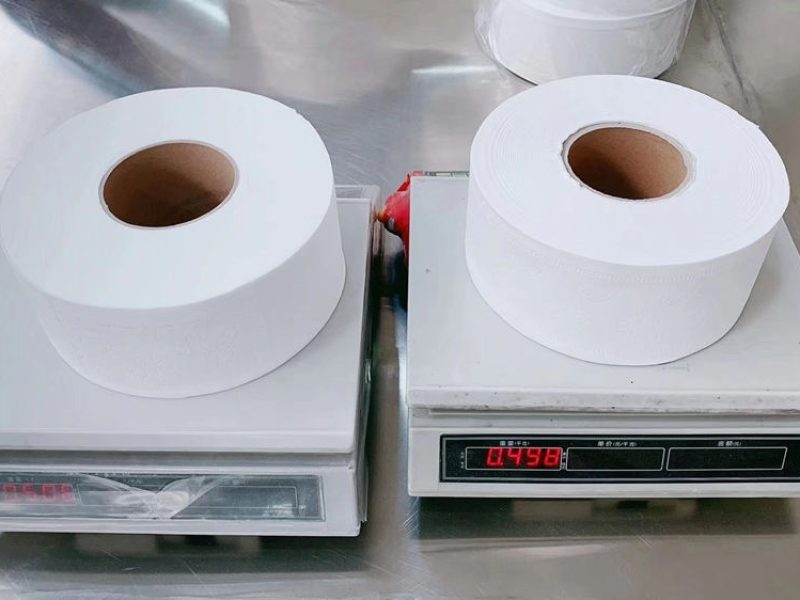
Mastering Paper GSM Basics is the only way for procurement managers to protect their facility budgets from deceptive bulk tissue contracts that look good on paper but fail in high-traffic restrooms. Relying on subjective softness ratings instead of verifiable density metrics leads to excessive consumption rates and frequent plumbing blockages that drain maintenance resources. When weight specifications are ignored, businesses often pay premium prices for air-filled rolls that disintegrate under standard tensile stress.
This guide establishes a technical standard for evaluating commercial tissue by breaking down the specific weight ranges for 1-ply and 2-ply rolls. You will learn how to identify manufacturing tactics like aggressive embossing used to mask low-density fibers and how to verify tensile strength before committing to a full shipping container. Consider this a standard operating procedure for audit-proofing your janitorial supply chain and ensuring every roll meets the required durability for industrial use.
Moving Beyond the “Softness” Illusion in B2B Tissue
Effective B2B procurement in 2026 shifts the focus from subjective softness to objective performance metrics like fiber density, tensile strength, and application-specific GSM.
Many buyers fall into the trap of equating “hand-feel” with quality, yet commercial environments demand high-performance specifications that softness alone cannot provide. While residential consumers prioritize a plush texture, professional buyers must evaluate how a tissue stands up to high-traffic use. We prioritize the cost-performance balance by analyzing fiber density and finish. For instance, a 17–22 GSM sheet made from 100% virgin wood pulp often outperforms a heavier recycled sheet because the long-fiber structure provides superior integrity without unnecessary bulk.
Prioritizing Functionality Over GSM Alone
Technical selection depends entirely on the intended task. Lighter 13–18 GSM stocks suit high-capacity rolls where length and flushability take precedence, while heavier options provide the structural rigidity needed for premium hospitality settings. Relying solely on weight measurements can lead to inefficient spending. Instead, we look at how the paper performs under tension and its ability to remain lint-free. This empirical approach ensures that high-traffic retail or hospitality environments receive a product that reduces maintenance overhead and waste.
The Role of Material Specification in Paper Selection
Modern procurement strategies now integrate technical metrics with sustainability and brand perception. Buyers analyze GSM alongside certifications like FSC to meet 2026 environmental standards. The choice of material—whether 100% virgin wood pulp for maximum strength or bamboo pulp for eco-targeted projects—drastically changes the tactile experience for the end-user. By matching paper thickness and ply to specific industry requirements, we optimize the supply chain, ensuring that the product reinforces the client’s brand quality without compromising on functional durability.
Would you like me to draft a technical comparison between 100% virgin wood pulp and recycled pulp specifications for your next order?
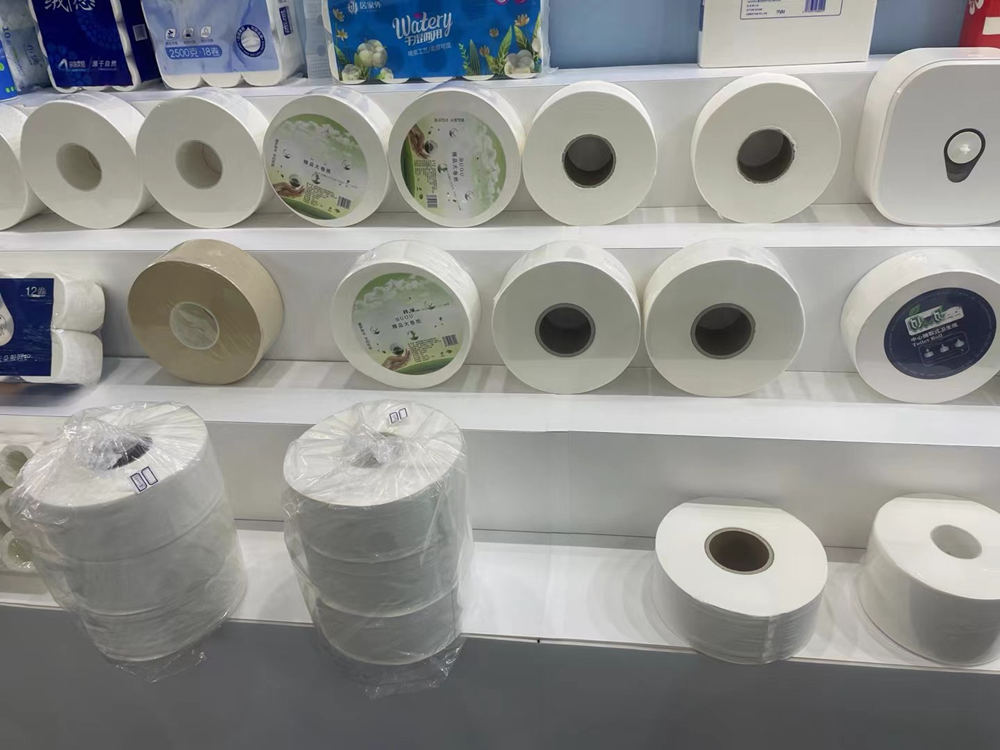
What Does GSM (Grams per Square Meter) Actually Measure?
GSM serves as the definitive technical anchor for B2B procurement, moving beyond vague “softness” marketing to provide a verifiable measurement of fiber density and material mass.
Defining GSM as the Global Standard for Paper Density
GSM represents the weight in grams of a single sheet of paper cut to a one-meter by one-meter square. In the 2026 global tissue market, this metric functions as the primary language for international trade, allowing distributors to bypass subjective descriptions. While retail consumers focus on “fluffiness,” professional buyers use GSM to calculate the actual raw material value they receive per shipping container.
At Top Source Hygiene, we maintain a strict 13–22g/m² range per ply for our 100% virgin wood pulp products. This precision ensures that every batch from our 2,860-ton monthly production meets the specific density requirements of our OEM partners. By quantifying the mass per unit area, we eliminate the guesswork in quality control and provide a baseline for comparing products from different manufacturing hubs.
The Technical Relationship Between Weight and Material Durability
Higher GSM values generally indicate increased absorbency and tensile strength because more fibers occupy the same surface area. This relationship is critical for products like the TSH-4010 luxury rolls, where a higher density provides the structural integrity required for a 5-ply construction. However, weight alone does not guarantee performance; the quality of the long-fiber virgin pulp determines whether that weight translates into usable strength or just dead mass.
- Absorbency: Increased fiber density creates more interstitial space for moisture retention.
- Tensile Strength: Higher GSM sheets typically withstand higher “bursting” pressure during use.
- Cost Efficiency: Strategic GSM selection allows brands to balance premium hand-feel with logistics-friendly weights.
Global Standardization vs. Regional Variations
While Europe and Asia have fully standardized around GSM, North American markets occasionally still reference traditional basis weights. In 2026, the industry has largely shifted toward the metric system to facilitate material optimization and sustainability reporting. Relying on GSM allows procurement teams to verify that a “Premium” roll in the Middle East matches the specifications of a “Professional” grade roll in Europe.
Top Source Hygiene utilizes 30 years of manufacturing expertise to bridge these regional gaps. We convert complex technical specs for clients in over 56 countries, ensuring the 40HQ container they receive matches the physical data promised in the initial quote. This data-driven approach prevents the “thinning” of paper quality that often occurs when suppliers prioritize low costs over specified density.
Would you like me to generate a technical comparison of GSM ranges for our “Big 10” inventory models to help you select the right density for your region?
Premium Jumbo Tissue Rolls at Wholesale Prices
Standard GSM Ranges for 1-Ply vs 2-Ply Commercial Rolls
Precision in GSM selection directly dictates the balance between per-roll longevity and the user’s tactile experience in high-traffic commercial environments.
The High-Density Single Ply: 18-22 GSM Standards
Commercial 1-ply rolls require a higher base weight per layer to maintain structural integrity. Because these products lack the air-pocket cushioning found in multi-ply tissue, manufacturers rely on a denser fiber mat to prevent tearing during use. Standard 1-ply toilet paper typically sits between 18 and 22 GSM. This density serves as the primary defense against “finger-through” incidents in public facilities, where users often pull longer lengths of paper to compensate for the lack of thickness.
| Roll Type | Ply Count | Standard GSM Range |
|---|---|---|
| Industrial Jumbo Roll | 1-Ply | 18 – 22 GSM |
| Standard Commercial | 2-Ply | 26 – 30 GSM (Total) |
| Premium Hospitality | 3-Ply+ | 39 – 45+ GSM (Total) |
Industrial jumbo rolls frequently lean toward the 20-22 GSM mark. This specific range balances cost-efficiency for the facility manager with acceptable tensile strength. By increasing the fiber density, we ensure the paper withstands the mechanical stress of being pulled from high-capacity dispensers without constant snapping, which reduces maintenance labor and waste.
The Multi-Layer Balance: 13-16 GSM Per Ply
Multi-ply configurations achieve superior softness and absorbency by layering thinner sheets. A typical 2-ply commercial roll utilizes two layers of 13.5 to 15 GSM paper, resulting in a combined effective weight of 27 to 30 GSM. This layering strategy is more efficient than a single heavy sheet because the lamination process traps air between the plies. This trapped air increases the perceived thickness and “bulk” of the roll without requiring a massive increase in raw material density.
Top Source Hygiene optimizes the 15 GSM-per-layer threshold for our 2-ply configurations. This “sweet spot” ensures the paper remains soft enough for premium hospitality use while maintaining the tensile strength needed for automated converting lines. We use high-pressure lamination to bond these lighter layers, ensuring they do not delaminate or peel during use, a common failure in lower-quality wholesale products.
Virgin Pulp vs. Recycled GSM Requirements
The source material dictates the minimum GSM required to reach performance thresholds. 100% virgin wood pulp features long, intact fibers that provide high tensile strength even at lower weights, such as 13-14 GSM per ply. Conversely, recycled fibers are shorter and more brittle. To compensate for this structural weakness, recycled commercial rolls often require a 5% to 10% increase in GSM to prevent the paper from pilling or shredding during use.
Procurement teams must verify whether a quoted GSM refers to the individual ply or the finished product. For 2026 sourcing, we recommend standardizing specifications around the total finished weight to ensure accurate “apples-to-apples” comparisons between suppliers. Higher GSM in recycled products does not always mean better quality; it often simply indicates a need to offset inferior fiber length.
- Virgin Wood Pulp: Higher strength at 13-15 GSM per ply; 100% OBA-free.
- Recycled Pulp: Requires 16+ GSM per ply to match virgin strength; higher dust levels.
- Efficiency Check: Solid, coreless rolls (like TSH-3396) maximize transport volume regardless of GSM.
Would you like me to compare these GSM standards against specific high-traffic dispenser requirements for your next 40HQ order?
How Manufacturers Manipulate Embossing to Hide Low GSM
Advanced embossing techniques allow manufacturers to increase roll volume and perceived quality by up to 30% without adding raw fiber weight, effectively masking lower GSM specifications.
Artificial Bulk Creation Through Deep Engraving
Manufacturers use mechanical embossing to expand the physical profile of a tissue roll. This process creates strategic air pockets between the paper plies, which increases the roll diameter and gives the consumer a “loftier” hand-feel. By using deep engraving patterns, a factory can produce a roll that looks and feels like a premium 20 GSM product while only utilizing 13-15 GSM base tissue. This technique compensates for the natural loss of thickness that occurs during high-speed rewinding and tensioning on the production line.
Technologies such as laser ablation and direct-to-steel engraving enable highly intricate 3D textures. These patterns do more than just add visual appeal; they structurally reinforce the thin paper, allowing it to maintain its shape under pressure. This mechanical “bulking” ensures that the roll remains firm on the shelf, even though it contains significantly less raw material than a non-embossed roll of the same dimensions.
| Embossing Method | Perceived Benefit | Technical Reality |
|---|---|---|
| Point-to-Point | 30% Higher Absorbency | Trapped air pockets; no increase in fiber mass. |
| Deep 3D Engraving | Premium Thickness | Masks low-density base sheets (13-15 GSM). |
| Micro-Embossing | Enhanced Softness | Breaks fiber bonds to mimic 3-ply hand-feel. |
Visual Deception and Pattern Psychology
Complex aesthetic designs distract buyers from technical gaps in weight and tensile strength. Intricate floral or quilted patterns create a “premium” visual identity that justifies higher price points despite lower fiber density. Furthermore, embossing reduces the transparency of thin paper. A flat 12 GSM sheet looks translucent and fragile; however, once embossed, the same sheet appears opaque and substantial to the naked eye.
We focus on creating “softness illusions” where surface texture mimics the ply-depth of much heavier products. For B2B wholesalers, this means balancing the visual “wow factor” with the actual performance of 100% virgin wood pulp. While the pattern creates the initial impression of quality, the long-fiber pulp provides the necessary tensile strength that the embossing process might otherwise compromise.
Operational Efficiency and Cost Management
Advanced embossing systems allow our Hebei-based factory to maintain high production speeds while cutting material costs. Dual-technique embossing reduces mechanical pressure on machinery by 30-40%, allowing for faster output of low-weight products without tearing the web. Modern systems increase overall productivity by roughly 20% by maintaining roll firmness during the rewinding process, which is critical for meeting 40HQ container lead times.
- Mechanical Integrity: Top Source Hygiene uses ply-bonding technology to ensure embossed layers do not separate during use.
- Fiber Selection: We utilize premium long-fiber wood pulp to ensure that even at lower GSM, the paper does not pill or shred.
- Cost Optimization: Strategic embossing maximizes the “perceived value” for distributors while keeping the landed cost per roll competitive.
Would you like me to analyze how these embossing patterns specifically impact container payload and shipping costs for your next 40HQ order?
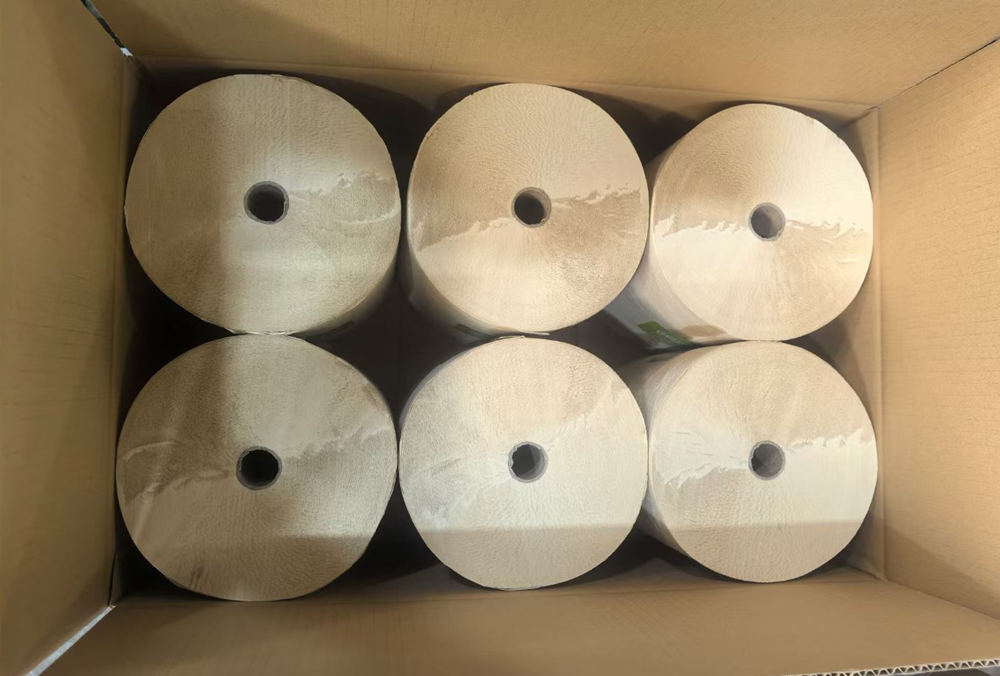
The Relationship Between GSM, Tensile Strength, and Dissolvability
True tissue performance stems from the synergy between raw fiber integrity and engineered breakdown rates rather than mass alone.
Balancing Grams per Square Meter with Fiber Quality
GSM measures total material weight, yet fiber quality dictates how that weight translates into functional utility. Two rolls sharing an identical 15 GSM specification can deliver vastly different user experiences based on the ratio of long to short fibers and the refining process. Top Source Hygiene utilizes 100% virgin wood pulp to ensure that even lightweight sheets maintain superior formation and a lint-free texture. By focusing on high-purity pulp, we achieve a soft hand-feel and high opacity without needing to artificially inflate the GSM with cheaper, shorter fibers that compromise the sheet’s integrity.
| Performance Metric | High-GSM Recycled Pulp | Optimized Virgin Wood Pulp |
|---|---|---|
| Tensile Strength | Moderate (Short fibers tear easily) | High (Long-fiber bonding) |
| Dissolution Rate | Slow (Potential for clumping) | Rapid (Septic-safe engineering) |
| Surface Texture | Rough/Dusty | Smooth/Cloud-like |
Tensile Strength and Bursting Benchmarks
In high-traffic commercial environments, durability is a non-negotiable metric. We evaluate quality through dual-metric specifications, requiring both GSM and bursting strength data for a complete performance profile. Industry standards like ISO 2758 prove that well-formed, lightweight sheets often outperform heavier, poorly constructed alternatives. We apply precision moisture conditioning and sizing treatments during production to enhance the cross-direction (CD) tensile strength, ensuring the paper withstands use without increasing the physical thickness or weight of the roll beyond necessary limits.
Dissolvability and Environmental Breakdown
Effective plumbing management in the hospitality and commercial sectors depends on the paper’s ability to disintegrate quickly after use. While high-ply or high-GSM products offer luxury, they can pose significant risks to older plumbing systems if not engineered correctly. Our products, including the high-capacity Jumbo Rolls (TSH-JRT08), prioritize a balance between wet strength and rapid disintegration. We ensure all 100% virgin pulp supplies meet global hygiene and “Septic Safe” standards, allowing for a premium guest experience without the operational headache of clogged pipes or drainage failures.
Would you like me to generate a comparative analysis of the specific tensile strength benchmarks for our “Big 10” inventory models?
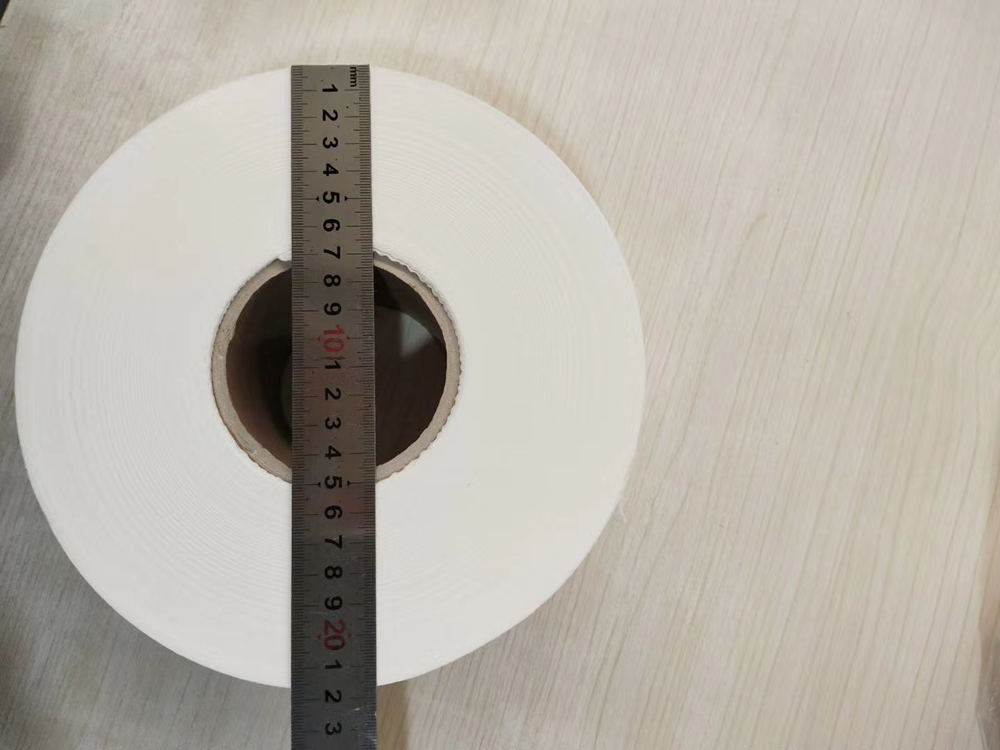
Requesting Spec Sheets Before Ordering a Full Shipping Container
Securing detailed technical specifications prior to procurement prevents the 15–25% loss in container utilization that often plagues unverified high-volume tissue shipments.
Verifying Technical Dimensions and Payload Capacities
Standard 40’HQ containers offer a specific volume that tissue importers must maximize to keep landed costs competitive. We cross-reference internal container dimensions—length, width, and height—against our product packaging to eliminate “dead air” space. For high-density orders like the TSH-3396 (5000g rolls), our Hebei loading teams analyze door clearance dimensions to ensure mechanical stuffing equipment doesn’t crush outer 5-ply export cartons.
Weight management is equally critical. While a 40’HQ can physically hold a massive volume of lightweight tissue, we monitor maximum payload capacities to ensure the 2,860-ton monthly factory output remains safely distributed. This technical oversight prevents safety rejections at international ports and ensures that the total shipping weight stays within the 7,000kg to 9,000kg range typical for specialized tissue cargo.
Ensuring Regulatory and ISO Standard Compliance
Spec sheets act as the primary defense against customs delays and structural failures during multi-modal transport. We validate ISO 668 and ISO 1496 compliance for every unit assigned to our shipments. This documentation confirms the container can withstand the rigors of transit to our primary markets in the Middle East and North America without compromising the integrity of the 100% Virgin Wood Pulp products inside.
Verification of the CSC (International Convention for Safe Containers) plate is a non-negotiable step in our logistics protocol. For projects requiring moisture-controlled or high-cube units, these specs ensure that the environmental conditions during the 25-day shipping window won’t lead to fiber degradation or mold, maintaining the “Pure Quality” standard Top Source Hygiene guarantees to its B2B partners.
Mitigating Logistical Risks and Hidden Costs
Analyzing tare weight data allows us to calculate precise gross shipping weights, helping distributors in North America and Europe avoid expensive overweight penalties. We use this data to coordinate with your local facilities managers, ensuring that roll diameters and bundle weights align with your discharge point’s dock leveler heights and storage rack tolerances.
By cross-referencing container specs with our 20–25 day production cycle, we optimize the loading-to-dispatch window at Tianjin Xingang Port. This technical alignment reduces the risk of “shredded edges” caused by shifting loads and ensures that every 40’HQ arrives as a turnkey inventory solution rather than a logistical puzzle.
Would you like me to draft a technical checklist for your next 40’HQ container inspection?
Conclusion
Mastering GSM and technical specifications allows procurement officers to ensure product durability while maintaining strict cost control. Selecting the right weight and ply density protects your supply chain from low-quality embossing tactics and guarantees plumbing safety across diverse commercial environments. These standards help maintain consistent hygiene quality and operational efficiency for high-volume distributors.
Review your current inventory specifications against our Top Source Hygiene technical standards to optimize your next container shipment. You can contact our team to request detailed spec sheets or 100% virgin wood pulp samples for your private label needs.
Frequently Asked Questions
What is GSM in toilet paper?
GSM stands for Grams per Square Meter, a metric used to measure the density and weight of the paper. While it is a common indicator of thickness, modern industry standards emphasize that GSM alone does not determine quality; factors like fiber density, finish, and specific application requirements are equally critical to the paper’s overall performance.
How to measure the quality of commercial toilet paper?
Quality measurement involves a balanced evaluation of GSM, durability, opacity, and functionality. Beyond just weight, high-quality commercial tissue is assessed by its tensile strength (to prevent tearing), absorption capacity, and environmental sourcing. The “cost-performance balance” is optimized by matching these technical specifications to the intended use-case.
What is a good GSM for 2-ply toilet tissue?
For a standard 2-ply commercial toilet tissue, a GSM ranging from 13 to 15 per ply (totaling 26–30 GSM) is considered the industry benchmark for comfort and strength. While lighter tissues (17–28 GSM total) are often used for wrapping or budget applications, the 26–30 range provides the necessary durability and opacity for commercial restrooms.
Does embossing make commercial toilet paper thicker?
Yes, embossing increases the perceived thickness and bulk of the roll without increasing the actual GSM. By creating patterns that trap air between the plies, embossing enhances the surface area, improves absorption, and provides a softer hand-feel, making the product appear more premium while maintaining a consistent material weight.
How to compare wholesale toilet paper specifications?
To accurately compare wholesale options, look beyond the price per roll. Evaluate the sheet count, roll length, and total GSM alongside “functional quality” markers like ply count and fiber type (virgin vs. recycled). Professional buyers use these metrics to calculate the true cost-in-use, ensuring the paper meets durability and opacity requirements for their specific facility.
Is higher GSM toilet paper worse for plumbing?
Not necessarily. While higher GSM indicates a denser paper, plumbing issues are more often caused by the “breakdown rate” or dispersibility of the fibers rather than weight alone. However, extremely high-GSM or multi-ply luxury papers take longer to dissolve in water; in older low-flow plumbing systems, moderate GSM ranges are typically preferred to ensure rapid disintegration.