Skip to content
1-Ply vs 2-Ply choices are a frontline operational decision for facility teams: higher clog rates from the wrong roll can trigger unexpected downtime, surge repair costs, and strained maintenance budgets. Facility managers juggle supply costs, restroom uptime, and plumbing risk daily, so picking the wrong ply isn’t just a comfort issue—it shows up as a measurable line item on operational risk reports.
This guide functions as a technical SOP for tissue specification. It breaks down the structural differences between 1-ply and 2-ply, runs the cost-per-foot math to reveal which roll truly saves money, explains why 1-ply is often mandatory for older plumbing, examines whether users compensate by using more sheets, details the lamination process that holds 2-ply together, and offers facility-specific recommendations—from high-traffic stadiums to upscale offices—followed by concise FAQs you can use to finalize procurement and maintenance specs.
The Structural Difference Between 1-Ply and 2-Ply Tissue
One layer prioritizes rapid water breakup and roll length; two layers prioritize cushioning and perceived strength, with manufacturers balancing pulp, creping, embossing, and GSM to hit target performance.
Layer Composition and Material Use
A 1-ply sheet uses a single engineered paper layer and fewer fibers per sheet, which lets manufacturers pack more sheets into the same roll diameter. A 2-ply product stacks and bonds two paper webs, so producers add more pulp and increase mass per sheet to create bulk, durability, and a softer hand.
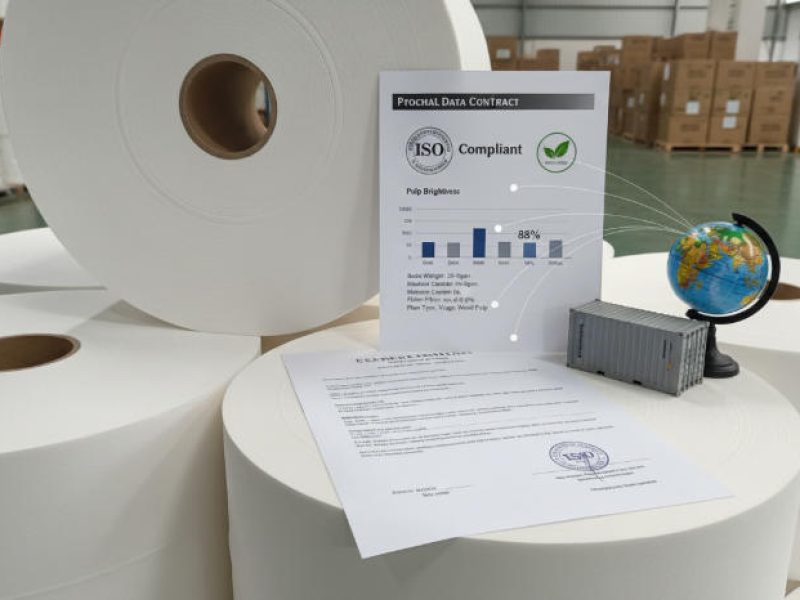
Material choice drives final performance: long-fiber virgin wood pulp increases tensile strength and softness, while recycled blends reduce cost and change wet-strength behavior. Top Source Hygiene controls per-ply GSM between 13–22 g/m² to balance wet performance and comfort; that lets a 2-ply product reach a combined GSM roughly double the per-ply value when designers want more cushion.
| Specification | 1-Ply (Typical) | 2-Ply (Typical / TSH) |
|---|---|---|
| Fiber, weight & structure | Single layer with lower fiber per sheet; per-ply GSM commonly at the low end (≈13–18 g/m²), higher sheet counts per roll, coarser creping for bulk control and rapid water uptake. | Two bonded layers using more pulp; combined GSM roughly 26–44 g/m² depending on target feel; uses 100% virgin wood pulp options (TSH) for strength and softness; heavier, denser roll profile. |
- 1-ply maximizes sheet count per roll and reduces material used per sheet.
- 2-ply increases bulk and perceived quality by adding pulp and bonding two webs; TSH offers virgin pulp and controlled GSM to maintain strength.
- Choice of pulp (long-fiber virgin vs recycled) directly affects tensile strength, softness, and wet integrity.
Dissolvability and Plumbing Compatibility
A single web allows water to penetrate and separate fibers quickly, so 1-ply sheets disperse faster in drains and septic systems. That reduces clog risk in older plumbing and in facilities with low-flush fixtures.
Bonded layers in 2-ply resist immediate separation, so the product takes longer to break down after flushing. That slower disintegration increases load on pipes and septic tanks when users overuse sheets or systems have weak flush performance.
- 1-ply: faster water penetration and separation, preferred for fragile plumbing and septic systems.
- 2-ply: slower disintegration; safe in most modern commercial plumbing but riskier in older or low-flow systems.
- Facility managers should match ply selection to flush strength, pipe age, and service patterns.
Absorbency, Softness, and the Trade-off
Single-ply sheets keep higher porosity by design, which supports quick liquid uptake per layer and efficient use of material. That makes 1-ply surprisingly effective for absorbency relative to mass, but it sacrifices cushioning and perceived comfort.
Manufacturers tune softness by changing GSM, creping intensity, embossing patterns, and fiber blends. Two plies give a cushioned feel but can trap moisture between layers and reduce effective porosity unless they increase overall GSM or alter pulp composition.
- 1-ply: higher porosity per layer, efficient absorbency for its mass, but less cushion.
- 2-ply: improved comfort and perceived absorbency; producers often increase GSM to offset trapped moisture between layers.
- Producers manage the trade-off using creping, embossing and per-ply GSM targets to meet either comfort or liquid-handling goals.
Texture, Creping, and User Perception
Creping and surface finishing shape how users perceive quality. 1-ply typically uses more pronounced creping that yields a firmer, slightly rougher texture, while 2-ply plus embossing produces a smoother, more cushioned touch that users associate with higher quality.
Commercial products combine bonding, point-to-point embossing, and strategic lamination to keep layers intact and to optimize dispensing in high-traffic dispensers. Those process controls reduce shreds, improve tear behavior, and raise perceived value without necessarily increasing material cost dramatically.
- Pronounced creping on 1-ply gives tactile grip and compact bulk, at the cost of a rougher hand.
- Embossing and lamination in 2-ply improve softness, strength, and dispenser reliability in high-use settings.
- Commercial laminators and solventless adhesives now let producers bond layers quickly while maintaining softness and process efficiency.
The Cost-Per-Foot Math: Which Roll Actually Saves Money?
Measure installed cost per square foot using three inputs—material, labor, and lifecycle OPEX—and you’ll find single‑ply membranes typically deliver the lowest total operating cost on fast-turn projects.
Why Single-Ply Now Leads the Market
Single‑ply membranes now account for roughly 86% of U.S. flat‑roof installations because contractors value speed and predictable labor. Manufacturers standardized on EPDM, TPO and PVC rolls that unroll, align and seam far faster than built‑up asphalt layers; that lowers on‑site crew hours and shortens project windows. The membranes also improve building energy performance: white TPO and PVC offer strong solar reflectivity that cuts cooling load in warm climates and reduces peak HVAC demand.
Labor and Installation Cost Breakdown
Installed single‑ply costs vary by crew skill, roof complexity and membrane type, but typical installed labor sits in a $4.50–$9.00 per square‑foot band across the market. Faster installation compresses indirect costs—site supervision, safety oversight, staged deliveries—and those indirects often decide “which system wins” on a real project budget, not raw material price alone.
| Membrane Type | Typical Installed Cost ($/sq ft) | Primary Advantage |
|---|---|---|
| EPDM | $4.50–$6.50 | Lowest material cost and proven durability; forgiving on details and fast to install. |
| TPO | $5.00–$7.50 | High solar reflectivity and heat-weldable seams that reduce leak risk when detailed correctly. |
| PVC | $6.00–$9.00 | Excellent chemical resistance and reliable heat-welded seams for long-term leak control in demanding environments. |
Use the table as a short-hand. On a real job, expect variation: substrate prep, edge details, landscaping access and penetrations push labor up quickly. If you compress schedule and prioritize low disruption, single‑ply labor savings will often outweigh small differences in membrane sticker price.
Lifecycle Economics: Maintenance vs Replacement
When you run lifecycle math, single‑ply often wins on total cost of ownership. These membranes require less routine maintenance than older multi‑ply asphalt systems and repairs take hours, not days. That lowers OPEX and reduces downtime for building owners. Full replacement of single‑ply can cost more than a recoating alternative, but quicker replacement windows reduce tenant disruption and indirect cost exposure.
Quantify lifecycle value by modeling: initial installed cost + expected annual maintenance + end‑of‑life replacement over a 20–30 year horizon. If maintenance frequency stays low and energy savings from reflectivity materialize, single‑ply produces better net present value on many commercial projects.
Material Pricing and Choice: EPDM, TPO, PVC
Material selection drives both upfront price and long‑term performance. EPDM remains the most economical option and suits budgets and simple details. TPO and PVC cost more but deliver higher solar reflectivity and different seam technologies—TPO and PVC weld in the field to create continuous seams that reduce leak points. Choose by roof exposure, local climate, and maintenance access rather than chasing short‑term commodity swings.
Because material pricing has stabilized, prioritize technical fit: substrate compatibility, expected ponding, rooftop traffic, and energy targets. When you match membrane properties to site conditions, you minimize lifecycle expenses and get the most predictable cost per square foot.
Custom OEM Toilet Paper — Fast Global Supply
Plumbing Protection: Why 1-Ply is Mandatory for Older Buildings
1‑ply labeling applies to paper or roofing membranes, not to pipe integrity—protect older plumbing by addressing materials, joints, and flow capacity, not product ply.
Clarifying the Misconception: Ply vs Plumbing
People often conflate “ply” with structural protection because the term appears in roofing and paper markets, but plumbing engineers and standards do not classify internal pipe protection by ply. Research finds no technical basis for treating single‑ply or multi‑ply products as measures that prevent internal pipe failure.
- “Ply” describes layers in roofing membranes or paper products, not the composition or durability of a buried or in‑wall pipe.
- Industry guidance and search results do not support using 1‑ply as a plumbing protection method.
- Avoid term confusion so maintenance teams focus on pipe condition, joint type, and flow performance instead of irrelevant product labels.
Why Tissue or Roofing Ply Won’t Prevent Pipe Failures
Failures occur inside the hydraulic system or at connection points; external coverings or thin versus thick paper products do not change corrosion chemistry, root intrusion, mechanical impact, or freeze damage. Treating ply as a mitigation strategy diverts budget and inspection effort away from measures that actually reduce leaks and structural damage.
- Pipes fail from corrosion, scale, joint failure, root intrusion, freezing, and mechanical stress—issues that ply labels do not address.
- External membranes or product-layer marketing do not alter the chemical or mechanical processes that weaken pipe walls and seals over time.
- Relying on a ply-based fix increases the chance of missed inspections and delayed upgrades that actually prevent leaks and water damage.
Common Plumbing Risks in Older Buildings
Older buildings carry predictable plumbing hazards tied to historic materials and installation methods. Identify these risks first; they determine the intervention that reduces failure frequency and insurance exposure.
- Galvanized steel corrodes internally, narrows flow, and increases leak risk as internal cross‑section deteriorates.
- Polybutylene installations can embrittle and fail unexpectedly in certain vintages and conditions.
- Cast‑iron sewer lines corrode and allow root intrusion or collapse after decades in service.
- Hard water creates mineral buildup that reduces flow, clogs fixtures, and accelerates valve and fixture wear.
- Aging joints, obsolete fittings, and poor soldered connections account for a large share of chronic leaks.
Practical Protections: Repiping and Modern Solutions
Protect older plumbing by upgrading materials, targeting high‑risk runs, and adding monitoring—not by changing consumable labels. Use retrofit‑friendly materials and trenchless methods where full excavation proves impractical, and align work with insurer and code requirements to avoid coverage gaps.
- Repiping with PEX provides flexibility, corrosion resistance, and faster installation in retrofit scenarios; installers can route around obstacles and reduce labor time.
- Use copper where long‑term durability and code acceptance matter and the budget supports higher upfront cost.
- Apply cured‑in‑place pipe (CIPP) relining for sewer runs to extend service life without full excavation and to limit disruption.
- Prioritize inspections and repairs on main stacks, kitchens, and bathrooms; plan phased repiping when full replacement would disrupt operations or exceed short‑term budgets.
- Install accessible shutoff valves, add water‑softening or filtration where mineral buildup occurs, and deploy leak‑detection monitors to catch problems early.
- Coordinate upgrades with insurers and local code officials—many insurers require repiping for buildings beyond a certain age to maintain coverage and reduce claim exposure.
User Behavior: Do People Use More 1-Ply to Compensate?
Measured tests show 1‑ply drives significantly higher sheet counts—commonly up to 300%—so facilities that buy on list price alone end up with higher operational costs unless they model real consumption and dispenser strategy.
Measured Increase in 1-Ply Consumption
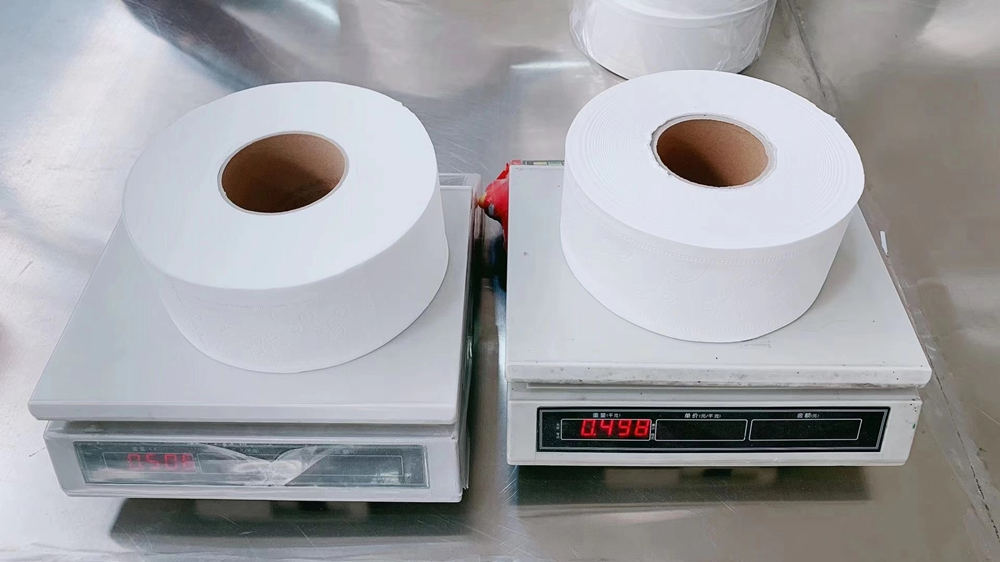
Field and lab studies report sheet use with 1‑ply can rise as much as 300% versus 2‑ply in comparable settings. Users take extra sheets to compensate for thinness, stack multiple sheets for perceived softness, or grab larger portions to secure coverage and strength.
The root causes mix tactile perception and functional need: single-layer creping feels rougher and tears sooner, so users instinctively increase quantity per visit to match comfort and cleanliness delivered by thicker products.
Roll Replacement Frequency and Maintenance Impact
Higher per-visit sheet counts shorten roll life and raise the frequency of replacements, which directly increases staff time for restocking and bin checks. Facilities that ignore this see more maintenance cycles, greater downtime on dispensers, and higher risk of empty-roll complaints during peak hours.
You can offset some of that overhead by installing high-capacity jumbo rolls. For example, commercial jumbo formats (see models like TSH-JRT08 in supplier catalogs) extend time between interventions and reduce replacement events despite higher per-roll consumption.
Cost Trade-offs: Unit Price Versus Actual Consumption
A lower unit price for 1‑ply rarely equals a lower cost per effective use. If sheet consumption multiplies, the apparent savings evaporate. Calculate cost per effective use using measured sheets-per-visit: Cost per use = (roll price) / (sheets per roll ÷ sheets used per visit).
Facilities should include replacement labor, increased waste handling, and dispenser downtime in total cost of ownership. Run simple consumption models with conservative and peak scenarios to compare true operating cost between 1‑ply and higher‑ply options.
Behavior Differences by Facility Type
User behavior changes by venue. Hotels and premium venues see guests prioritize comfort and use more sheets when given thinner paper, which affects perceived service quality and can justify 2‑ply or better. Public restrooms and budget facilities tolerate lower comfort and accept the higher sheet rate in exchange for lower upfront costs.
High‑traffic commercial sites focus on dispenser capacity and dispensing control: controlled‑dispense devices reduce waste and limit per‑use withdrawal, while large solid or coreless rolls reduce the frequency of maintenance rounds regardless of ply.
Mitigation Strategies for Facilities
You can manage the drawbacks of 1‑ply without wholesale product changes by combining product selection, dispenser engineering, and operational monitoring. Small pilots give reliable data before you scale purchasing changes.
- Select upgraded 1‑ply blends that improve perceived softness while keeping cost and dissolvability advantages.
- Install controlled‑dispense or high‑capacity dispensers to limit over‑pull and extend time between replacements.
- Run a two‑week pilot in representative restrooms and record sheets per visit, roll life, and staff intervention time before changing contract terms.
- Model total cost of ownership: include product cost, replacement frequency, labor, and waste disposal to compare true per‑use spend across ply options.
The Lamination Process: How 2-Ply Commercial Rolls Stay Together
Reliable 2‑ply lamination combines solventless or hotmelt adhesives, targeted embossing, and closed‑loop servo controls to deliver bonded rolls at high line speed while preserving softness and fast water disintegration.
Adhesive Systems and Bonding Methods
Manufacturers favor solventless and hotmelt adhesive systems because they support higher line speeds and cut VOC emissions compared with solvent-based glues. Producers select adhesive chemistry and the application pattern to strike a balance between bond strength, hand‑feel, and cost: too much glue creates a stiff sheet, too little produces delamination under use.
Operators control adhesive amount, placement, and open time to tune durability and softness for the target tissue grade. Set adhesive temperature and viscosity to the vendor’s window, monitor for stringing, and adjust patterning (spray, bead, slot die) so bonds form only where needed—this preserves perceived softness while keeping plies locked during winding.
- Spray, bead, and slot-die formats let teams control bond footprint and minimize stiffness.
- Tune tack and cure profile to the tissue base (virgin wood pulp grades need different open times than recycled blends).
- Maintain consistent adhesive temperature and pump shear to avoid viscosity drift and deposition variability.
Embossing and Mechanical Interlock
Embossing creates a mechanical interlock that supplements adhesive bonds and, in some designs, reduces glue usage. Pattern design controls contact area: interlocked pockets or channels lock plies together while preserving bulk and absorbency, but aggressive patterns can crush fibers and reduce perceived softness.
Combine light adhesive with targeted embossing to minimize glue, then validate registration and nip settings. Keep registration tight (sub‑millimeter where practical) and verify emboss tooling condition routinely; worn tooling creates weak spots and web marking that lead to delamination during conversion or use.
Automation, Servo Drives and Web Synchronization
High‑speed laminators rely on servo drives and closed‑loop feedback to keep multiple webs in perfect registration. Servo‑driven unwinds and rewinds provide precise linear and angular positioning; encoders and laser guides correct differential stretch so embossing and adhesive laydown align across the web.
Implement dancer rolls, load cells, and zone tension control to hold constant web tension through adhesive stations. Use recipe‑based PLC/HMI profiles so operators can recall synchronization and nip settings between SKUs, and enable automated changeovers to reduce scrap and downtime on long runs.
Thermal Management and Gas Entrapment
Heat introduced during adhesive transfer or nip compression can trap CO2 and other gases inside the roll, producing blisters or weak bonds. Control thermal input with staged heating and cooling zones so adhesives cure while gases escape prior to winding.
Manage web moisture and dryer profiles: precondition webs when necessary and avoid over‑drying, which increases gas formation. Set nip temperature and dwell time to fix the bond without over‑compressing tissue and lowering bulk; monitor thermal gradients to prevent localized delamination.
In-line Quality Monitoring and Process Control
Install vision systems, adhesion checks, and thickness sensors to catch misregistration, adhesive voids, and surface defects before winding. Real‑time alerts let operators stop or slow the line when key parameters drift, saving large batches from rejection.
Log process data for SPC and traceability: correlate nip pressure, adhesive deposition, and emboss registration with finished‑roll adhesion metrics. Add predictive maintenance on applicators, embossing rolls, and servo systems to reduce unplanned stops and keep lamination consistent across long production cycles.
Specifying Ply Based on Facility Type (Stadiums vs Luxury Offices)
Match ply to traffic patterns, plumbing capacity, and brand goals: use high-capacity, quick-dissolve low-ply formats for stadium networks and 3–5 ply, branded rolls for luxury offices while validating dispenser and waste-system compatibility.
Traffic Volume and Dispensing Frequency
Specify by peak users per fixture and planned refill cadence. For high-footfall venues, prioritize roll capacity and supply-chain simplicity: jumbo rolls reduce touchpoints, cut labor for replacements, and lower the total number of cartons handled. Top Source supplies commercial jumbo formats (TSH-JRT08) and durable 2-ply options built to maximize uptime in high-turnover locations.
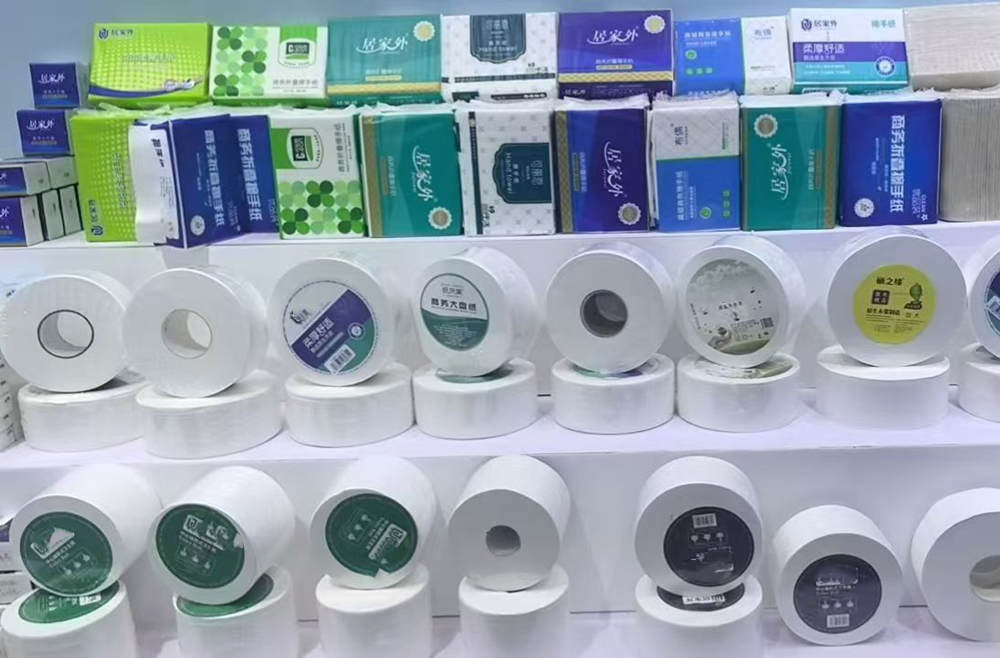
For lower-traffic, premium spaces, prioritize tactile quality and brand perception. Specify 3–5 ply hotel-grade rolls (TSH-4010, TSH-2269) and individual wrapping where client-facing presentation matters. Before locking a spec, confirm dispenser compatibility: many high-capacity dispensers handle thin jumbo cores well but fail with oversized multi-ply sheets.
| Facility Type | Operational Priority | Top Source Spec |
|---|---|---|
| Stadiums vs Luxury Offices | Max uptime & low maintenance (stadiums); premium feel & brand alignment (luxury offices) | Stadiums: TSH-JRT08 / TSH-3082 (jumbo, 1–2 ply). Luxury: TSH-4010 / TSH-2269 (3–5 ply, individually wrapped, private-label options) |
Plumbing and Dispenser Compatibility
Assess pipe diameter, toilet flush strength, and dispenser feed mechanics before selecting ply. Older or narrow sewage lines demand quick-dissolving sheets; that means single- or two-ply papers engineered to separate on contact and minimize blockage risk. Where plumbing remains modern and flush systems meet current flow ratings, you can specify thicker 3–4 ply products without a material risk to drainage.
Verify sheet tensile strength and GSM against dispenser tolerances to prevent jams and waste. Top Source customizes GSM per ply (13–22 g/m² per ply) and adjusts cartonization so thicker products feed reliably in compatible dispensers. Run a dispenser compatibility test on-site before a full rollout.
Guest Experience and Brand Positioning
Use ply as a tangible expression of service level. Higher ply communicates care and elevates perceived hygiene; specify 3–5 ply branded tissue and individual wrapping in client-facing restrooms to support premium positioning. Select embossing patterns and widths (up to 165mm) that match the tactile expectations for the market.
Leverage private-label printing and custom packaging from Top Source to build a consistent guest experience. Collect and monitor feedback metrics—guest satisfaction scores and replenishment complaints—to justify specification changes and to measure ROI on upgrading ply for select areas like executive washrooms or VIP suites.
Cost, Maintenance, and Supply Logistics
Model cost-per-use, not cost-per-roll. Thicker ply increases material cost per sheet but can reduce sheets used per visit; simulate usage (uses per fixture per day) to find the breakeven ply. Stadium networks often standardize on a single, durable low-cost ply to simplify purchasing and inventory control across sites.
Factor Top Source commercial terms into rollout planning: standard MOQ is one 40’HQ container, production lead time for a full container runs about 20–25 days, and free samples are available. Plan reorder cadence against regional shipping times and on-site storage capacity to avoid stockouts during peak season.
Sustainability and Compliance
Match specifications to procurement rules and ESG targets. In Europe and sustainability-focused clients, require FSC-certified or recycled-content options even if you specify higher ply. Top Source supplies FSC-certified lines and can balance virgin wood pulp and recycled blends to meet performance and certification needs.
Validate regional regulations and client ESG commitments before finalizing specs. Where primary procurement emphasizes cost, reserve eco-certified SKUs for premium areas or pilot programs to demonstrate compliance without disrupting the base supply chain.
Conclusion
Choosing the correct 1-ply or 2-ply specification and pairing it with compatible dispensers protects plumbing, reduces service calls, and helps keep restrooms compliant with safety and plumbing standards (including OSHA and local codes) while extending fixture life.
Start by auditing roll types, dispenser compatibility, and per-foot cost across your locations; contact Top Source Hygiene for samples, certified product specifications, and a tailored cost-per-roll analysis to support your procurement decisions.
Frequently Asked Questions
Is 1-ply or 2-ply commercial toilet paper better?
Neither is universally better — it depends on priorities. 2-ply delivers a softer, more cushioned feel because of two bonded layers, while 1-ply is thinner, uses less fiber, provides higher sheet counts per roll, breaks down faster in water (lowering clog risk) and is generally more cost‑efficient; choose 1‑ply for plumbing compatibility and lower maintenance, and 2‑ply for user comfort.
Does 2-ply toilet paper clog commercial pipes?
2-ply can be more likely to clog than 1-ply because the bonded layers take longer to disperse after flushing. In modern commercial plumbing with adequate flow it typically performs fine, but in older plumbing, septic systems, or poorly maintained drains it increases clog risk; use fast-dissolving or septic-safe products if clogging is a concern.
Why do public restrooms use 1-ply toilet paper?
Public restrooms favor 1-ply because it uses less fiber (allowing more sheets per roll), is cheaper, breaks down faster in water (reducing clog risk), and lowers refill frequency and maintenance costs — advantages for high-traffic facilities and older plumbing systems.
Do people use more 1-ply toilet paper?
Yes — on a per-use basis people often use more sheets of 1-ply because it is thinner and less soft, so consumption per person tends to be higher; however, 1-ply rolls contain more sheets, which can offset per-roll longevity. Compare cost-per-effective-use to judge true consumption.
What is the price difference between 1-ply and 2-ply jumbo rolls?
2-ply jumbo rolls typically cost more because they use more fiber and additional processing. Expect roughly a 15% to 50% premium for comparable-quality 2-ply versus 1-ply; in absolute terms that commonly translates to about $0.30–$1.50 extra per jumbo roll depending on brand, grade, and bulk or contract pricing. Evaluate cost per usable sheet or per bathroom visit for procurement decisions.
How are 2-ply toilet paper sheets glued together?
Manufacturers bond the two layers using a light, water-soluble adhesive (often starch-based or polymer emulsions) applied in dots, stripes or spiral patterns and/or by embossing to create mechanical interlock. The adhesive is applied sparingly so plies stay bonded during use but will separate and disperse in water to allow flushing.