 Skip to content
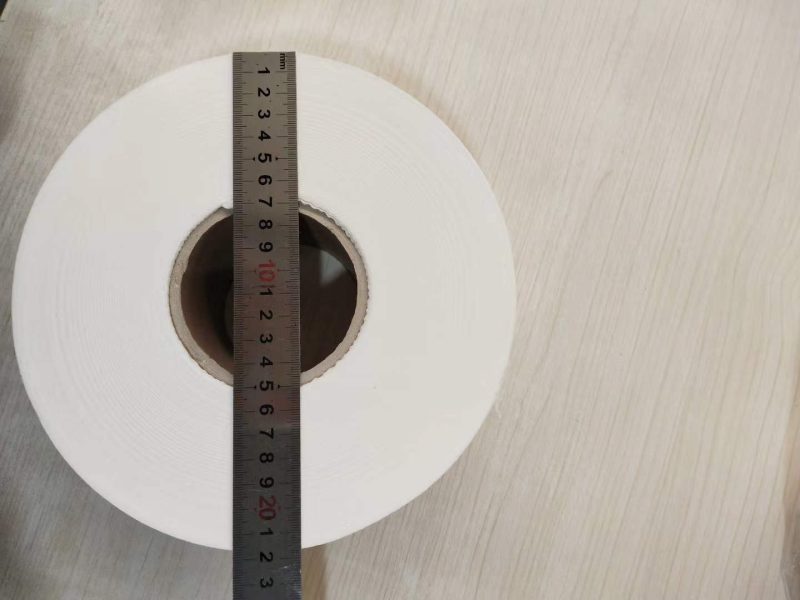
Perforation Quality controls how often jumbo toilet rolls fail in service, translating to higher supply waste, extra janitorial hours and the risk of contract penalties for facilities operators. A ragged tear doesn’t just annoy users; it causes unspooling, jams dispensers and triggers repeat service calls that eat into margins and hurt vendor scores. Facilities managers and procurement teams depend on consistent perforations to protect uptime and keep consumable costs predictable.
This guide acts as a technical SOP for buyers and plant engineers: it explains the rewinder perforation stage and blade mechanics, shows why high-speed lines dull knives, and lays out inspection checkpoints you should enforce. You’ll get step-by-step tests to measure the roll “snap,” a checklist to spot dulling from production stresses, and practical procurement language to demand sharp, repeatable perforations from your OEM. Use these procedures to cut waste, reduce service interruptions and protect your service-level agreements.
The Frustration of the “Ragged Tear” in Public Restrooms
Ragged tears happen when perforation geometry, blade condition, and on-site dispenser mechanics don’t align with the paper’s GSM and web tension — fix any of those and you cut user frustration and material waste.
Causes of Ragged Tears in Commercial Restrooms
Ragged tearing shows up at the user interface, but the root causes live in both manufacturing and on-site handling. Operators and procurement teams should separate supply-side variables (perforation, paper composition, rewinder settings) from dispenser and environmental variables so they can target the fastest corrective action.
- Dull or misaligned perforation blades create incomplete cuts and leave jagged edges that promote partial tears.
- Blade profile or notch spacing that doesn’t match the paper’s GSM and ply produces weak, inconsistent tear lines.
- High rewinder speed or variable web tension stretches the web before perforation, so sheets tear unpredictably under user pull.
- Low paper strength — low GSM or high recycled fiber content — reduces tear control when users pull at an angle.
- High humidity or wet storage conditions soften fibers and change the tear path, increasing ragged edges.
- Dispenser problems — tight guides, wrong core size, or obstructed feed paths — force angled pulls and escalate ragged tearing.
Perforation Design and Manufacturing Factors
Perforation performance depends on measurable geometry and repeatable process control. Converters must match notch depth, spacing, and blade profile to the paper’s ply and GSM; small changes in knife clearance or angle will shift tear behavior noticeably. Establishing clear specs and inline checks prevents drift during long production runs.
- Perforation geometry — notch depth, pitch, and blade profile — must suit the target ply and 13–22 g/m² per ply density for predictable tearing.
- Keep knives sharp: sharp blades shear fibers cleanly; blunt blades crush fibers and leave fuzzy, bridged edges.
- Control knife clearance and angle to balance cut-through against controlled fiber bridging; document the optimal settings per SKU.
- Set and log rewinder parameters — speed, web tension, and nip roll pressure — and treat them as part of the SKU recipe.
- Prefer long-fiber virgin wood pulp for consistent perforation response; heavy recycled mixes change cut behavior and require different blade profiles.
- Use inline vision or periodic tensile checks to detect perforation drift before you complete a full production run.
Dispenser Compatibility and Mechanical Stress
Facilities staff often misattribute ragged tears to product defects when the dispenser causes the problem. Check mechanical compatibility first: correct core diameter, unobstructed feed paths, and controlled-advance mechanisms make tearing predictable even with standard perforation specs.
- Match roll core diameter and width to the dispenser to eliminate excess friction and misfeeds.
- Inspect the feed path for burrs or sharp edges that abrade the web and promote partial starts to tears.
- Use dispensers with controlled-advance or tensioning features to keep pulls straight and reduce lateral stress on perforations.
- Train staff to seat rolls correctly; poor seating or over-tight closures shift the feed angle and produce jagged tears.
- For very high-traffic sites, choose jumbo or center-pull systems that remove dispenser-induced sideways pulls entirely.
Testing Perforation Quality and a Procurement Checklist
Buyers should test perforation performance in the dispenser environment before they commit to large orders. Combine simple tactile checks with measurable tensile tests and specify acceptance criteria in the contract so suppliers must deliver repeatable results.
- Snap/tactile test: manually tear 30–50 sheets across the perforation and record the clean-tear rate; set a maximum acceptable ragged-tear percentage in your purchase terms.
- Request MD/CD tensile strength and tear-resistance data from the vendor for the specific ply and GSM you plan to use.
- Ask suppliers for perforation specs: notch spacing (mm), notch depth, perforation pitch, and recommended rewinder speed for that SKU.
- Run supplier samples in the actual dispenser model you use on-site and record failure modes (unravel, partial tear, jagged tear) as part of acceptance testing.
- Define acceptance criteria: maximum ragged-tear rate, target mean tear force, and clear rework/return terms for nonconforming batches.
- Include a supplier maintenance checklist in contracts: blade replacement interval (hours or linear meters), recommended rewinder settings, and the vendor’s inline QA methods and reporting cadence.
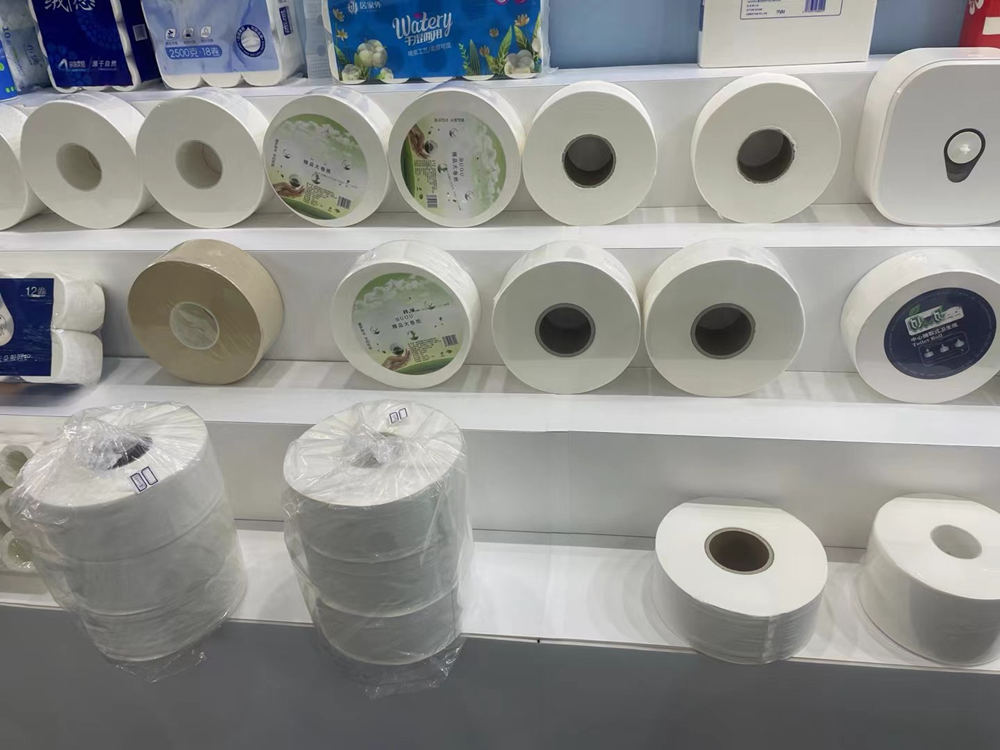
The Manufacturing Process: Perforation Blades on the Rewinder
Perforation applied at the rewinder controls tear initiation and dispensing performance, so blade selection, setup, and tracked wear determine whether users get a clean snap or a ragged tear.
Perforation purpose and the rewinder’s role
Perforation serves three operational purposes: it creates a defined tear point, preserves the sheet feel consumers expect, and ensures reliable dispensing from commercial rolls and dispensers. Manufacturers set perforation depth and pitch to balance tear force with sheet integrity so end users separate sheets predictably without shredding or premature breaks.
The rewinder converts large parent reels into finished rolls and applies the perforation during winding. On modern converting lines the rewinder enforces registration (alignment of perforation to sheet edges), regulates web tension at the knife station, and controls winding profile so the perforation stays on the correct pitch across every finished roll. Typical process steps at the rewinder include:
- Web tracking and edge alignment
- Tension control through dancer rolls or closed-loop servo systems
- Perforation station (knife/anvil or rotary unit)
- Winding with controlled nip pressure and roll profile monitoring
- Slitting and core insertion or coreless finishing
If you need deeper vendor or technical literature, run targeted searches with these terms: “rewinder perforator”, “tissue perforation process”, “web tension control rewinder”, and “perforation pitch registration”.
Perforation blade types and common materials
Converters use several blade profiles depending on desired tear characteristics and line architecture: straight-edge scoring knives for shallow score lines, toothed/perforation knives for discrete hole patterns, rotary perforation wheels where continuous rolling contact suits high speeds, and patterned dies for custom tear profiles. Each profile trades off cut definition, noise, and friction against production speed and maintenance complexity.
Vendors typically supply blades in hardened tool steels, stainless alloys, or with carbide tips for high-wear applications; some offer surface coatings (for example, TiN or DLC) to extend life. Verify these key attributes on supplier data sheets: edge geometry, Rockwell hardness, surface finish, mounting interface, and recommended operating speed range. Also ask for expected service life under specified GSM and line speed so you can plan spares and maintenance windows.
| Blade / Profile | Materials & Coatings | Supplier Specs to Request |
|---|---|---|
| Straight-edge scoring, toothed perforation knives, rotary wheels, patterned dies | Hardened tool steels, stainless alloys, carbide tips; optional TiN/DLC or wear coatings | Material spec, Rockwell hardness, edge geometry, recommended speed range, expected service life (hours or tons), mounting interface |
Setup, adjustment and maintenance on the rewinder
Keep blade-to-anvil clearance and blade angle within vendor tolerances; small deviations amplify into ragged tears at line speed. Set perforation pitch and registration with a reference gauge, then run trial cuts at production speed and measure tear force across several rolls. Control web tension at the perforation station—use closed-loop feedback to prevent pitch drift when speed or parent roll diameter changes.
- Establish a reference gauge for perforation depth and registration checks
- Run trial cuts at target speed, then adjust pitch and registration before full production
- Inspect blades for burrs and nicks at scheduled intervals; log blade hours by roll type and speed
- Keep spare blades and a maintenance log; use correct torque on mounting fasteners to avoid vibration and premature wear
Document blade life against GSM and line speed so you can correlate wear with specific product SKUs and plan replacements before quality slips.
Measuring perforation quality and common failure modes
Measure perforation quality with objective metrics: peak and average tear force, tear uniformity across the seam, visual alignment of the perforation line, and the percent of ragged tears in a sample. Track these metrics per lot and per blade serial so you can spot drift quickly.
- Common failures: dull blades causing ragged edges, uneven web tension producing inconsistent pitch, misalignment creating off-register perforations, and blade chipping from foreign debris.
- Basic tests: manual snap test at multiple roll positions, simple tensile test across the perforation, and magnified visual inspection for burrs or micro-chipping.
- Collect for root cause analysis: production speed, GSM, blade serial/lot, time-in-service, web tension logs, and photos of failed tears.
Use the collected data to decide whether to adjust setup, sharpen or replace blades, or change material or coating specifications with your supplier. Consistent logging and supplier communication prevent repeated ragged-tear complaints from end users.
OEM Toilet Paper — Custom, Fast Delivery
How High-Speed Production Dulls Perforation Knives
High line speeds multiply abrasive contact, impact events, and thermal stress on perforation knives, so manufacturers must specify tougher metallurgy and tighter process controls to preserve cut quality and avoid ragged tears.
Blade Wear Mechanisms in Continuous Perforation
Perforation knives on rewinders operate in a high-abrasion, high-impact environment. Fibers, fillers and dust grind at the edge; occasional knots or contaminants produce tiny impact chips; and processing resins or additives deposit on the edge and change its geometry. The combination shortens edge life, degrades cut profile and produces variable tearing on finished rolls.
- Abrasive wear from fillers, dust and unrefined fibres removes metal from the cutting edge over time, flattening the profile.
- Impact and flex fatigue create micro‑chipping when knives strike backing rollers or contact knots and contaminants.
- Chemical attack and resin build‑up from processing additives blunt edges and alter cutting geometry.
- Knife metallurgy matters: high‑speed steel wears faster in abrasive mixes than tungsten carbide or ceramic options.
- Expected service life varies with stock type, line speed and knife material—track life in linear metres or run hours rather than calendar days.
Heat and Friction Effects at High Line Speeds
Higher web speeds raise contact temperatures and friction at the knife interface. Heat softens some steels, promotes edge rounding and encourages tacky deposits to adhere. Those effects change perforation depth and torque demand, creating inconsistent snaps unless you control cooling, lubrication and tension precisely.
- Rising blade temperature softens some steels and promotes faster edge deformation under load.
- Increased friction raises motor torque and can shift web tension, causing inconsistent perforation depth and variable tear behaviour.
- Hot surfaces attract tacky deposits that build up on edges and reduce cutting performance.
- Mitigations include targeted air cooling, controlled lubricant sprays and maintaining consistent web tension to remove heat and reduce adhesion.
- Monitor drive current and surface temperature as indirect indicators of rising friction and impending blade stress.
Signs of Dulling: Quality Metrics and Inspection
Catch blade dulling before customers do by combining objective lab measures with routine in‑line checks. Use tear‑snap tests and motor/load monitoring alongside visual or microscopic edge inspection to create actionable wear thresholds that trigger maintenance.
- Ragged or uneven tear lines and an uptick in unspooling incidents indicate edge dulling on the perforation knife.
- Measure perforation snap with a tension/tear test and record residual strength in newtons to set baseline and alarm thresholds.
- Watch for rising motor current or frequent operator adjustments as early, low‑cost wear indicators.
- Use optical inspection or SEM on scheduled checks to detect micro‑chipping and edge rounding before surface defects appear on finished rolls.
- Log defect rates and customer complaints and correlate them with in‑plant wear data to refine replacement triggers.
Maintenance and Mitigation Strategies for OEMs
Extend knife life by combining material upgrades, process control and planned maintenance. Specify hard‑wearing materials where the stock contains fillers, control upstream contamination, and adopt online monitoring so you replace or dress edges on condition, not guesswork.
- Define replacement intervals by run metres or cumulative run hours rather than fixed calendar days to match actual wear profiles.
- Specify tungsten carbide or coated steels for abrasive stocks; reserve ceramic edges where brittleness risk stays low and precision matters.
- Use regrinding or controlled edge dressing as scheduled maintenance when original geometry tolerates it; document geometry limits per knife type.
- Improve upstream filtration and housekeeping to reduce abrasive contamination reaching the perforation station and cut edge wear by simple prevention.
- Implement online monitoring—torque sensors, acoustic wear sensors and periodic tear‑snap sampling—and train operators to act on those signals before field defects appear.
The Domino Effect: Uneven Tearing Leads to Unspooling Waste
Minor deviations in perforation geometry or blade timing create weak, asymmetric tear initiation points that propagate into layer slippage and progressive roll unspooling.
Root Causes of Uneven Perforation and Tearing
Uneven perforation and ragged tears come from discrete mechanical and material issues that interact during converting. Operators and engineers should treat perforation quality as a function of blade condition, web handling, alignment, material properties, and synchronization between the perforation tool and the rewinder.
- Perforation blade wear or an incorrect blade profile reduces cut depth and spacing precision, producing ragged or partial perforations that fail to cleanly separate sheets.
- Web tension variation across the rewinder stretch or compresses the paper at the perforation point, which shifts where the tear initiates and causes uneven breaks.
- Misalignment between the perforation station and roll core produces off-angle perforations that encourage lateral or side-tearing instead of a straight break.
- Inconsistent GSM (grammage) or local moisture content alters tear resistance across the sheet so some segments tear cleanly while adjacent segments tear poorly.
- Speed changes during high-speed runs produce inconsistent perforation imprinting when blade engagement timing does not remain tightly synchronized with web speed.
How Uneven Tears Trigger Roll Unspooling on the Shelf
A single imperfect tear rarely stays isolated; the physics of a ragged edge converts a partial failure into a progressive mechanical problem. When users pull paper from a roll, force vectors shift across the sheet and exploit any partially attached strips, turning small defects into visible unspooling.
- A ragged tear often leaves a partially attached strip; a lateral pull routes force into adjacent perforations and initiates multiple partial separations.
- Those partial separations reduce friction between layers, letting the outer wraps slide and the roll loosen on the core.
- Loose trailing edges snag on dispenser bezels or packaging, triggering abrupt pulls that accelerate unspooling and create large torn sections.
- Repeated user attempts to re-tear or tear at a different point multiply the damage, producing unusable segments and higher waste per roll.
Operational and Commercial Costs of Perforation Defects
Perforation defects produce measurable costs across operations, logistics, and brand perception. Facility managers and procurement teams need to quantify these impacts when they set supplier acceptance criteria and unit economics for private-label contracts.
- Increased waste per roll raises material cost per usable sheet and forces higher shipments to maintain stock levels, inflating landed cost.
- Maintenance and janitorial time rises as staff re-roll or remove unspooled rolls, lowering labor productivity on routine tasks.
- Customer complaints and visible failures harm brand perception for hospitality and retail clients using private-label tissue, impacting retention.
- Higher return rates or product rejection at distribution points add handling and reverse-logistics expenses.
- Large accounts may demand tighter quality tolerances or financial compensation when perforation-related failures exceed contractual thresholds.
Practical Controls: Preventing Uneven Tearing in OEM Production
Manufacturers can reduce uneven tearing by applying controls across design, equipment maintenance, and quality assurance. Buyers should require clear specifications and measurable tests from OEMs, and OEMs should embed these controls into daily operations.
- Specify perforation geometry in supplier contracts: define tooth profile, pitch, and cut depth with tolerances so suppliers produce to an auditable drawing.
- Institute scheduled blade inspection and replacement intervals based on run hours or sheet counts rather than visual checks alone to prevent gradual dulling.
- Control web tension with closed-loop tension systems and inline sensors to keep conditions consistent at the perforation point.
- Include tear-quality testing in incoming inspection: perform snap tests, lab-controlled tear trials, and sample roll unwind checks before accepting lots.
- Document acceptable defect rates and implement statistical process control (SPC) to detect drift and trigger corrective actions before waste rises.
- Provide clear packaging and usage instructions so handlers and end-users avoid handling practices that can trigger unspooling during transit or at point of use.
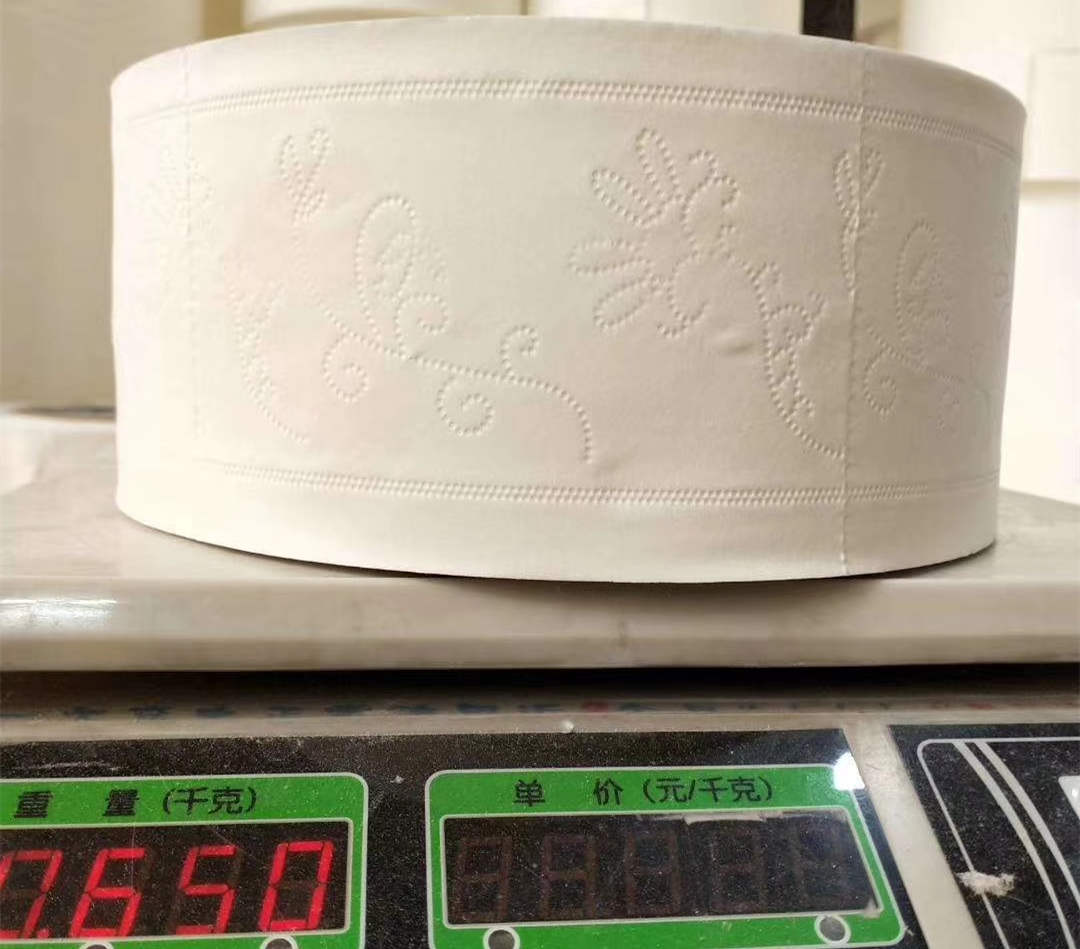
Testing the “Snap” Quality of Wholesale Tissue Samples
Measure perforation performance with objective snap and tear metrics up front—use those numbers to set pass/fail limits before committing to container buys.
Key metrics for measuring perforation “snap”
Buyers should quantify perforation behavior with a short list of repeatable metrics: snap force (peak force in newtons to start separation), tear‑propagation energy (energy required to continue a tear), separation quality (clean detachment vs. fiber pull), perforation consistency (mean and standard deviation of snap force across samples), perforation geometry (pitch, hole depth relative to sheet thickness, hole shape), and unspooling tendency (whether the roll releases or the tear stops).
Each metric predicts a practical failure mode: low snap force causes unintentional unspooling, high variance causes ragged tears, and shallow or uneven hole depth produces partial tears and ragged edges. Track these metrics together rather than relying on a single observation.
| Metric | Typical wholesale range | Top Source Hygiene target |
|---|---|---|
| Snap force (peak, N) | ~1.0–6.0 N (market variance by ply and GSM) | Target 2.5–4.5 N with SD ≤ 0.6 N |
| Perforation pitch (mm) | Common 100–140 mm depending on sheet size | Specify tolerance ±2 mm for retail rolls; ±3 mm for jumbo rolls |
| Hole depth (% of sheet thickness) | Typically 55–85% (inconsistent across suppliers) | Specify 70–80% depth and require knife maintenance records |
Laboratory tests: tensile, tear-propagation, and instrumented pull
Run conditioned, instrumented tests to get repeatable numbers. Equilibrate samples at 23°C and 50% RH for at least 24 hours to remove moisture bias. Use a tensile tester to pull a perforated sheet and record peak force at separation; repeat across multiple replicates from several rolls.
Complement tensile data with an Elmendorf or tear‑propagation test to measure energy needed to extend a tear, and use an instrumented perpendicular pull to capture force vs. displacement for snap dynamics. Record high‑speed video (200–1,000 fps) to confirm the tear follows the perforation line. Report mean, standard deviation, min/max and Cpk so you can validate process capability before approval.
Practical field tests for quick sample screening
Create a short on-site checklist to reject bad lots fast. Do a finger‑snap test with dry hands across several perforations and score separation ease and edge cleanliness. Perform a roll pull test: pull at a steady rate and at different angles, watching for rolling release or continued tearing.
Count perforation pulls to separation across 10 perforations per roll on multiple rolls, inspect holes under strong light for burrs or incomplete cuts, and use a handheld force gauge for quick peak force checks (5–10 samples per lot). These checks catch gross defects before you invest in full lab testing or container loads.
Interpreting results and setting OEM acceptance criteria
Translate test data into clear specs tied to product class. Set target snap force and tear energy by ply count and GSM (for example, higher GSM or higher ply tolerates higher snap force). Define sampling: inspect 5 rolls per 40HQ pallet (or 5 rolls per container for small buys) and test 10 perforations per roll. Require mean and SD limits and a minimum Cpk (recommend Cpk ≥ 1.33 for production runs).
Specify perforation geometry in the contract: pitch tolerance (±2–3 mm), hole depth as a percent of sheet thickness (70–80%), and acceptable snap force range. Demand OEM production controls: knife maintenance logs, blade type and hardness, and rewinder speed settings with timestamps. Define corrective actions: rework, retest, or lot rejection when mean snap force or variability falls outside limits, and require free pre‑shipment samples plus an agreed field‑test protocol before large orders ship.
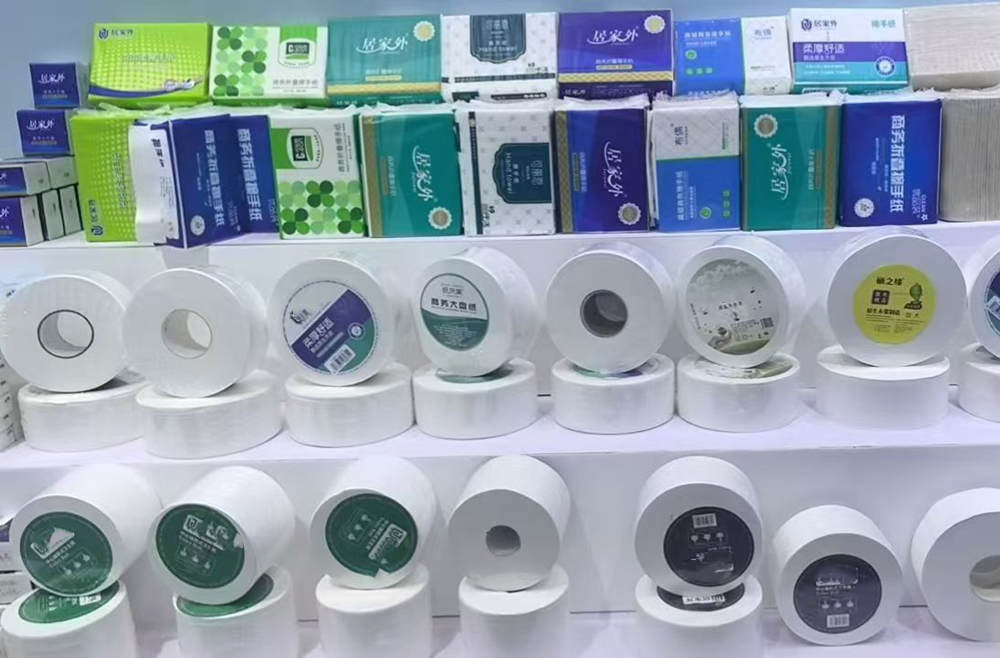
Demanding Sharp Perforations from Your OEM Manufacturer
Specify measurable perforation targets up front—pitch, depth, tear force, tooling and machine settings—so your OEM delivers repeatable, dispenser-compatible rolls that protect brand quality and cut waste.
Why perforation sharpness matters
Sharp, consistent perforations determine how a roll behaves in the field. Clean tears reduce over-dispensing and unspooling, cut dispenser jams, and lower service calls. When sheets rip raggedly or vary in length, users notice and assume the brand cut corners—even if the pulp and embossing meet spec.
From an operations standpoint, precise perforations reduce labor to reload or fix dispensers and lower product waste from torn or unravelled rolls. On quality control and returns, one visible ragged edge can trigger complaints and chargebacks; enforceable perforation specs protect your margins and reputation.
Key perforation specifications to set with your OEM
Do not ask for “sharp”—call out numeric targets, tolerances, and the test method you will use to verify them. Cover these fields: perforation pitch/pattern (sheet length in mm and tooth count), depth or scoring (full cut vs partial score and remaining ply tolerance), instrument/manual tear force target, preferred blade tooling and materials, and the machine parameters (wind-on tension, rewind speed, nip pressure) you expect recorded for each lot. Also require OEM to confirm compatibility with GSM, ply count, embossing and dispenser models you will sell into.
| Specification | Top Source Recommended | OEM Acceptance / Notes |
|---|---|---|
| Perforation pitch & pattern Perforation depth / scoring Target tear strength (instrument/manual) Blade type & material Machine settings to record Compatibility checks (GSM/ply/embossing/dispenser) | Specify sheet length in mm (e.g., 100 / 110 / 120) and tooth count; for household rolls target 100–125mm pitch. For commercial jumbo runs confirm customer dispenser sheet length. Prefer full-thickness cut for single-ply solid rolls; for multi-ply use controlled scoring. Define instrumented tear target (example: 0.8–1.5 N per sheet depending on ply/GSM) and require OEM to use the same test method. Recommend hardened steel or carbide rotary knives. Require OEM to log wind-on tension, rewind speed and nip pressure for each run. Match specs to GSM 13–22 g/m² per ply and declared ply count. | Acceptable tolerances by SKU (e.g., ±10–15% on tear force; ±2mm on sheet length). OEM must provide tooling spec, blade hardness, and maintenance schedule. Require run logs and a one-page compatibility checklist per SKU showing tested dispensers and emboss alignment. |
How to test and accept perforation quality on samples
Agree a sample protocol before mass production. Require both stock and custom-run samples, include a minimum number of rolls per SKU, and insist on dispenser-tested samples in common models your customers use. Use a visual checklist—sheet length, straight tear line, no fiber pull, no ragged edges, and embossed pattern alignment across the perforation—and document with photos and video.
Run mechanical checks: perform a manual tear test and an instrumented tear-strength test using the same machine and method you specified in the contract. Add a dispenser cycle test: run the sample in target dispensers for a set number of cycles to confirm clean tearing under real use. Define pass/fail thresholds and an AQL (for example, percent of sheets with clean tears per roll) and require OEM test reports and a formal sign-off before approving full production.
Fixing poor perforations: troubleshooting and corrective actions
When samples or production fail, follow a structured troubleshooting flow: isolate tooling, machine settings, and material variables. Start with immediate checks on the perforator/rewinder—blade sharpness, clearance, and alignment—and capture close-up photos of the perforation edge and blade edge. Verify the paper feed and nip are stable and repeatable.
- Material checks: confirm GSM, ply bonding strength and embossing height; different fibers or embossing depth may require a different blade profile or reduced wind-on tension.
- Machine adjustments: lower rewind speed, reduce wind-on tension, or tweak nip pressure and then re-run the agreed test protocol after each change.
- Tooling & maintenance: require OEM to replace blades on a defined interval, maintain blade logs, and provide blade part numbers and hardness specs on demand.
- Pilot runs & evidence: run a short correction batch, retest using the acceptance protocol, and collect photos, videos and instrument logs before resuming full production.
- Contract remedies: include rework, replacement, or credit terms if the OEM cannot meet the agreed perforation specs within the remediation window.
Conclusion
Clean, precise perforations prevent ragged tearing and reduce unspooling waste while preserving dispenser performance and plumbing safety. Consistent perforation quality protects brand reputation, lowers replacement and maintenance costs, and maximizes yield from each jumbo roll.
Start by auditing your current jumbo-roll performance and sample-tearing at high‑traffic sites, or request Top Source Hygiene’s certified perforation samples and test reports. Contact our team to arrange a factory-backed sample pack and a perforation audit tailored to your dispensers and traffic profile.
Frequently Asked Questions
Why does my commercial toilet paper tear unevenly?
Uneven tearing is usually caused by faulty or inconsistent perforation (irregular pitch, depth, worn or misaligned perforation tooling), variable tissue strength (weak ply bonds or inconsistent basis weight), incorrect rewind tension or roll hardness, dispenser mechanics that add drag or snag the sheet, and environmental factors like high humidity; resolving it requires checking perforation tooling and settings, testing separation and tensile strength, correcting rewind tension and dispenser compatibility, and choosing a supplier with tight perforation quality control.
How is commercial toilet paper perforated?
Commercial toilet paper is perforated on the converting line during rewinding using rotary perforators (male/female rollers or pin wheels) that score or punch the web without cutting through the full ply; operators adjust pitch, blade depth/anvil pressure, web tension and machine speed to set tear force and sheet length, and modern lines use servo control and integrated embossing to keep perforation consistent.
Does bad perforation cause toilet paper waste?
Yes; poorly designed or executed perforation leads to partial tears, ragged breaks and excessive pulling, which increases consumption, creates dispenser jams and generates visible waste and complaints, so specifying and testing perforation separation force and consistency directly reduces product waste and total cost.
How to test the quality of wholesale jumbo rolls?
Use a QC checklist: visual inspection for winding, edge trim and core integrity; measure roll dimensions, sheet length and basis weight; run functional tests including unwind force, perforation separation force with a tensile tester, ply bond strength, overall tensile and elongation, absorbency and linting; perform dispenser compatibility and field-use trials; sample across batches, record results and compare to agreed acceptance criteria with the supplier.
Why does jumbo toilet paper unravel on the floor?
Unraveling typically results from loose rewind tension or poor tail attachment, very weak perforation, incorrect core diameter or loose fit in the dispenser, damage during handling, or softening from humidity; fixing it involves correcting rewind tension, securing tails with adhesive or banding, using the correct core/dispenser system and selecting rolls with appropriate roll hardness.
What makes a good commercial toilet paper manufacturer?
A good manufacturer delivers consistent product quality and tight QC (perforation control, tensile and separation testing), clear specs and batch traceability, reliable capacity and lead times, dispenser-compatible roll formats, technical support and sampling, regulatory and sustainability certifications (for example ISO and recognized fiber certifications), transparent pricing, and the ability to customize products and respond quickly to field issues.
