 Skip to content
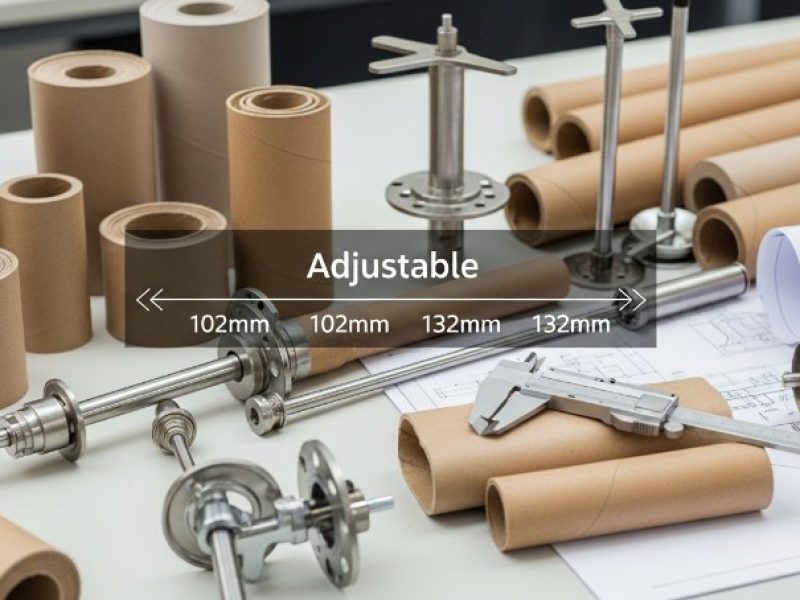
Choosing a Manufacturer for commercial toilet paper determines whether your facility maintains consistent hygiene standards or faces catastrophic supply chain gaps. A single shipment of sub-standard GSM rolls or delayed FCL logistics can halt janitorial operations across multiple sites and lead to significant operational downtime. When the procurement process fails to vet production capacity accurately, the business risks increased overhead costs and a loss of trust from end-users.
This technical breakdown establishes a vetting protocol for evaluating overseas paper mills and domestic suppliers. We analyze critical benchmarks including monthly production volume, FSC sustainability certifications, and specific quality control tolerances for core sizes. Following these five assessment pillars allows procurement teams to verify logistical lead times and branding capabilities before committing to a long-term wholesale contract.
The Risk of Partnering with the Wrong Overseas Paper Mill
Sub-par manufacturing partnerships introduce systemic risks, from fluctuating material integrity to massive compliance gaps that stall international market entry.
Inconsistent Product Quality and Compliance Gaps
Factories operating without ISO 9001 or FDA oversight regularly miss international hygiene benchmarks. These technical lapses manifest as erratic GSM levels and ply counts, creating brittle rolls that fail in high-traffic commercial environments. FSC certification remains non-negotiable for brands targeting European or North American markets. Missing this credential blocks access to eco-conscious retail tiers and invites regulatory scrutiny.
Unreliable Lead Times and Capacity Overstatements
High-volume distribution requires a stable output—often reaching 2,860 tons per month—which many smaller facilities cannot sustain despite their marketing claims. Inaccurate scheduling pushes lead times past the 25-day threshold, forcing retailers to face stockouts and lost revenue. Outdated technology further restricts a brand’s ability to scale during peak demand cycles, leaving you vulnerable to competitors with more agile, tech-forward supply chains.
Limited Customization and Branding Constraints
Rigid production lines limit options for custom core diameters and specific GSM weights, stripping away a brand’s competitive edge. Partnering with a mill that lacks in-house design engineering means your packaging will likely fail to translate a premium brand vision into a tangible product. Choosing standardized specifications forces businesses into a pricing war rather than building long-term value through specialized, private-label features.

Question 1: What is Your True Monthly Production Capacity?
Verifying actual tonnage prevents supply chain bottlenecks, as many intermediaries inflate capacity figures to secure contracts they cannot fulfill on schedule.
Monthly Tonnage and Output Volume
We produce 2,860 tons of paper products every month to meet global demand across 56 countries. Our two large-scale factories focus on high-volume manufacturing for household toilet rolls, jumbo rolls, and facial tissues. These 2026 output levels provide the necessary volume to support both international retail chains and regional commercial distributors without interruption.
| Performance Metric | Top Source Hygiene (TSH) | Industry Benchmark |
|---|---|---|
| Monthly Output Volume | 2,860 Tons | 800 – 1,200 Tons |
| 40HQ Production Lead Time | 20 – 25 Days | 35 – 45 Days |
| Sample Turnaround | 2 – 3 Days | 7 – 10 Days |
Factory Infrastructure and Resources
Our operations in Mancheng, the largest paper hub in China, utilize 30 years of manufacturing expertise. We operate two modern factories equipped with high-speed automated production lines that handle the entire process from pulp selection to final packaging in-house. Direct access to raw material resources in Baoding ensures our production lines run continuously to avoid seasonal delays.
Order Scalability and Fulfillment Speed
Standard 40-foot high-cube containers move through production in 20 to 25 days. We provide stock samples within 2 to 3 days so partners can evaluate physical quality before committing to bulk orders. Our team manages schedules through prioritized machinery allocation to accommodate urgent requests and established 2026 logistics routes ensure timely delivery to North America, Europe, and Asia.
Scale Your Business With Expert OEM Manufacturing
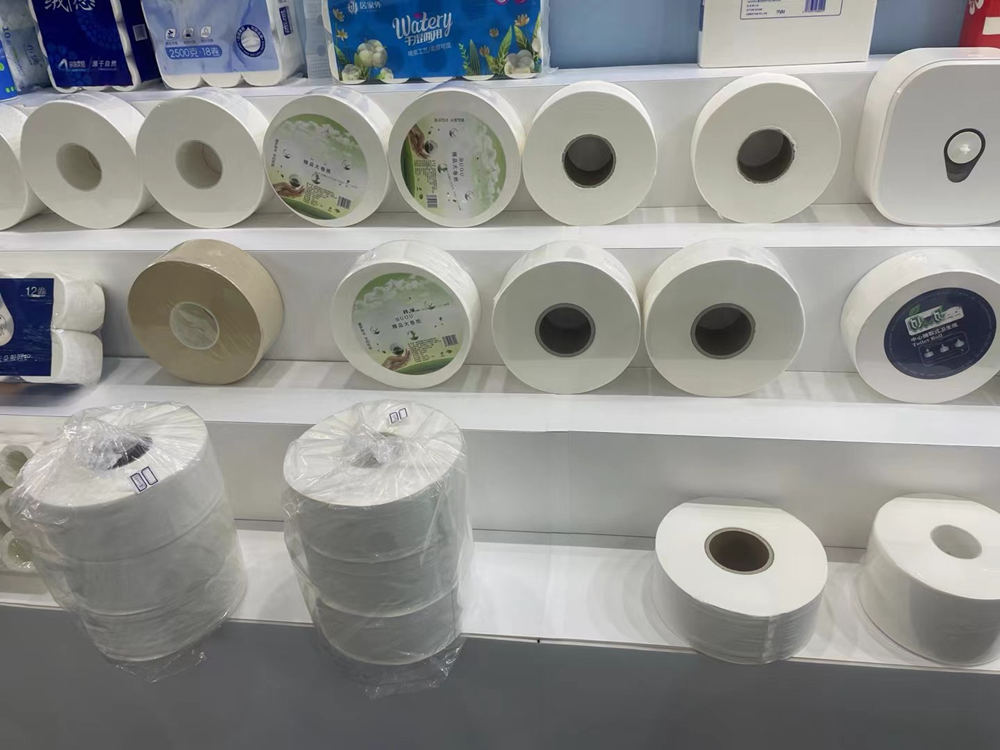
Question 2: Do You Source Sustainable/FSC Certified Pulp?
Securing certified pulp is a critical supply chain requirement for B2B importers aiming to penetrate North American and European retail networks where environmental transparency is non-negotiable.
FSC-Certified Sourcing for International Markets
International retail partners prioritize documented sustainability to meet strict corporate procurement policies and regional laws. Top Source Hygiene provides FSC-certified paper options, ensuring wood pulp originates from responsibly managed forests. This verification allows distributors to access high-value markets where green consumer preferences dictate long-term purchasing decisions.
- Verified materials ensure wood pulp originates from responsibly managed forests.
- Certified goods help North American and European retail partners satisfy regional environmental expectations.
- Documented sustainability credentials assist commercial clients in meeting corporate social responsibility mandates.
Utilization of 100% Virgin Wood Pulp
We prioritize 100% virgin wood pulp to maintain technical performance without relying on chemical additives or recycled waste. This high-grade raw material ensures maximum absorbency and tensile strength across all tissue categories, from household rolls to luxury hotel-grade 5-ply options. By focusing on fiber integrity, we produce a lint-free product that meets premium hygiene standards.
- Production processes utilize 100% virgin wood pulp for maximum softness and absorbency.
- Materials remain OBA-Free, eliminating fluorescent whiteners to ensure safety for skin contact.
- Sourcing high-grade pulp allows for durable multi-ply construction without compromising structural integrity.
Alignment with Regional Environmental Regulations
Global distribution requires strict adherence to international forestry and hygiene standards. Our procurement team monitors EU and FDA regulations to ensure every batch of pulp meets environmental compliance benchmarks before manufacturing starts. This alignment has directly supported sales growth for partners focusing on the sustainable facial tissue and commercial hygiene segments.
- Procurement strategies focus on maintaining compliance with strict EU and FDA hygiene standards.
- Eco-friendly material selection led to a 30% surge in sales for European partners targeting sustainable markets.
- Strict quality control systems verify that all pulp batches meet durability and environmental benchmarks.
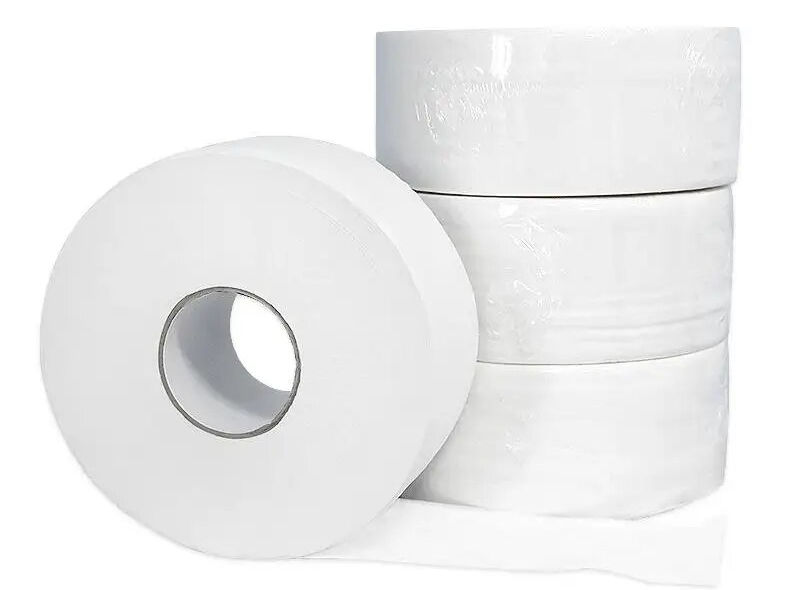
Question 3: Can You Provide Custom Core Sizes and Branding?
Precise mechanical specifications and tailored branding ensure seamless integration into regional dispenser systems while maximizing brand equity in competitive retail environments.
Customized Dimensions and Core Specifications
We calibrate core diameters and roll widths to match your specific commercial hardware or regional market norms. Our Hebei-based production lines allow for technical adjustments in ply density and thickness, ensuring that every roll fits the intended dispenser without mechanical failure or paper jams. These adjustments are vital for distributors managing large-scale facility contracts where equipment standards vary by building age and location.
- Adjustable core sizes and roll widths (102mm to 132mm) for perfect dispenser compatibility.
- Customized GSM ranging from 13g/m² to 22g/m² per ply.
- Ply options from 2-ply utility rolls to premium 5-ply luxury configurations.
Full Private Label and Packaging Solutions
Our ODM specialists manage the transition from raw design concepts to shelf-ready packaging, allowing you to build brand recognition without maintaining your own manufacturing facility. We handle the branding process from initial logo placement to final poly-bundle consolidation, focusing on professional aesthetics and material durability. This approach secures your market position by offering a product that looks and performs like a tier-one brand.
- Individual wrap options for premium hospitality and hotel hygiene standards.
- Custom logo embossing using CNC-precision point-to-point technology to increase absorbency.
- Retail-optimized bundle packs designed for supermarket shelf appeal and secondary protection.
Sector-Specific Branding for Global Markets
We adapt customization strategies to meet the specific demands of different geographic regions, such as septic-safe engineering for North America or high-density formats for Southeast Asia. Our 2026 production infrastructure supports rapid market entry with flexible volumes tailored to hospitality groups or international supermarket chains. By aligning physical specs with local consumer preferences, we reduce the friction of entering new territories.
- Branded facial tissues and toilet paper for hotel chains seeking higher guest satisfaction scores.
- Bulk packaging configurations optimized for European and South American logistics.
- Scalable order volumes to facilitate fast entry for emerging hygiene brands.
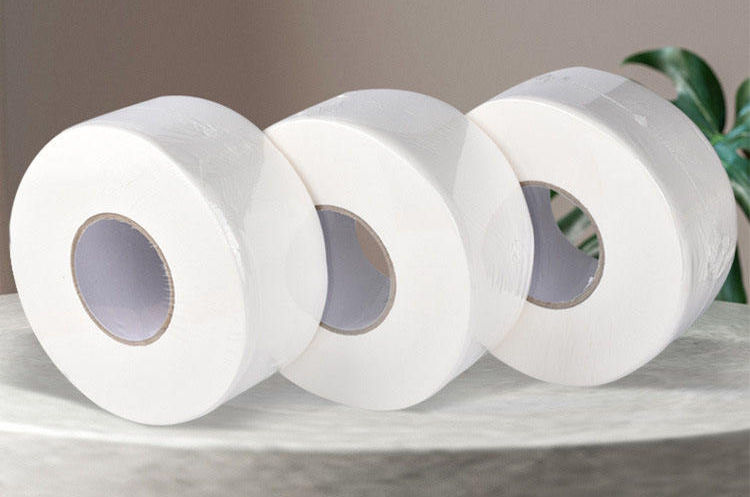
Question 4: What are Your Quality Control Tolerances (GSM)?
Precise GSM control determines the balance between textile-like softness and the structural integrity required for high-speed commercial dispensers.
Grammage Specifications for Specialized Paper Goods
We calibrate GSM settings based on the intended layer count, typically ranging from 13g/m² to 22g/m² per ply. This technical precision allows us to engineer toilet paper from 2-ply up to 5-ply thickness while maintaining consistent bulk across every production batch in our Hebei facility. Specific weight standards for jumbo rolls ensure these high-capacity products provide the necessary durability and performance for heavy-traffic commercial venues.
| Specification Metric | Industry Standard | Top Source Hygiene Spec |
|---|---|---|
| GSM Tolerance Deviation | +/- 5% to 8% | Strict < 3% |
| Ply-Bonding Method | Basic Mechanical Press | High-Pressure Lamination |
| Fiber Composition | Recycled / Mixed Pulp | 100% Virgin Wood Pulp |
Measurement Procedures for Weight Uniformity
Our quality teams utilize automated testing equipment to verify that each roll matches the technical specifications defined in the production plan. We evaluate GSM alongside dimensional consistency to maintain strict ISO 9001 compliance. These protocols also assess surface finishing and absorbency, confirming that the material weight aligns with premium quality benchmarks for international distribution.
Performance Risks Associated with GSM Deviations
Strict tolerance limits prevent structural failures and maintain the soft texture required for hygiene products. Weight deviations compromise the absorbency and tensile strength of kitchen towels and facial tissues, often leading to tearing or plumbing clogs. We set application-specific benchmarks with our partners to avoid performance degradation and ensure full compliance with regional safety standards.
Question 5: How Do You Handle FCL Logistics and Lead Times?
Successful B2B tissue procurement depends on synchronized manufacturing cycles and maximizing 40HQ container density to lower the landed cost per roll.
Production Cycles and Expedited Handling
We maintain a rigorous manufacturing schedule that ensures the completion and loading of a 40-foot high-cube container within 20 to 25 days. Standard manufacturing lead times for most private label orders range from 15 to 25 days, providing a predictable window for inventory planning. We utilize a specialized production queue to expedite urgent requests and reduce turnaround times for high-priority market demands.
Regional Shipping Timeframes
Our logistics infrastructure leverages primary maritime routes to ensure delivery windows remain stable across all continents. Shipments to North America and Europe typically arrive at their destination ports within 7 to 14 days after departure from Tianjin Xingang. Orders destined for Asia and Oceania require between 10 and 20 days, while routes serving Africa and South America involve a 15 to 25-day transit period.
| Shipping Region | Avg. Transit Time | Logistics Strategy |
|---|---|---|
| North America & Europe | 7–14 Days | Septic-Safe & FDA Compliance Focus |
| Asia & Oceania | 10–20 Days | Space-Saving Compression Tech |
| Africa & South America | 15–25 Days | 9-Ton Maximum Freight Value |
FCL Capacity and Order Flexibility
We focus on 40-foot high-cube containers to maximize shipping efficiency and pass the freight savings on to our distributors. The standard minimum order quantity remains one 40HQ container, but we offer volume flexibility for clients operating within the African and South American markets to better suit local distribution scales. Every shipment leaves our facility with full documentation to verify compliance with regional hygiene and safety standards.

Conclusion
Vetting a manufacturer through these core questions ensures your inventory consistently meets international hygiene and safety standards. This process protects your profit margins by identifying high-capacity partners capable of managing complex global logistics. Reliable sourcing prevents the quality fluctuations and supply chain disruptions that often affect bulk paper imports.
Review your current procurement specifications to identify areas where factory-direct customization could reduce your landed costs. Contact our team to request a technical catalog or a sample of our OBA-free, 100% virgin pulp products.
Frequently Asked Questions
How to choose a commercial toilet paper manufacturer?
Selecting the right manufacturer requires evaluating their total production capacity, vertical integration, and material sourcing. A reliable partner should control the entire process from parent roll production to converting to ensure consistent GSM and ply thickness. Prioritize manufacturers with ISO 9001 certifications and a proven track record of meeting high-volume delivery schedules for the commercial sector.
What questions to ask a B2B paper supplier?
When vetting a supplier, ask critical questions regarding their Minimum Order Quantities (MOQ), lead times for custom OEM orders, and their available pulp options (virgin, bamboo, or recycled). Inquire about their quality control protocols, specific incoterms for shipping, and whether they provide certifications like FSC or PEFC to verify sustainable sourcing practices.
How to verify the quality of wholesale jumbo rolls?
Quality verification of jumbo rolls involves testing for tensile strength, moisture content, and basis weight (GSM) consistency. It is essential to request technical data sheets and physical samples to check for winding tension and the absence of paper dust or contaminants. Performance tests should focus on absorption rates and perforation quality to ensure the rolls meet commercial dispensing requirements.
Sourcing OEM toilet paper from overseas?
Successful overseas sourcing depends on clear technical specifications and robust third-party inspections. Utilize a Product Specification Sheet (PSS) to define ply, sheet count, and embossing patterns. It is standard practice to hire independent inspection firms for Pre-Shipment Inspections (PSI) and to factor in total landed costs, including freight, tariffs, and customs clearance, to ensure the partnership remains economically viable.
What makes a reliable janitorial paper manufacturer?
Reliability is defined by a manufacturer’s ability to maintain tight tolerances in product weight and softness across various batches. A top-tier manufacturer offers transparent supply chain communication, financial stability, and the flexibility to scale production for large-scale janitorial contracts. They must adhere to international hygiene standards and provide responsive logistics support to mitigate potential supply chain disruptions.
