Skip to content
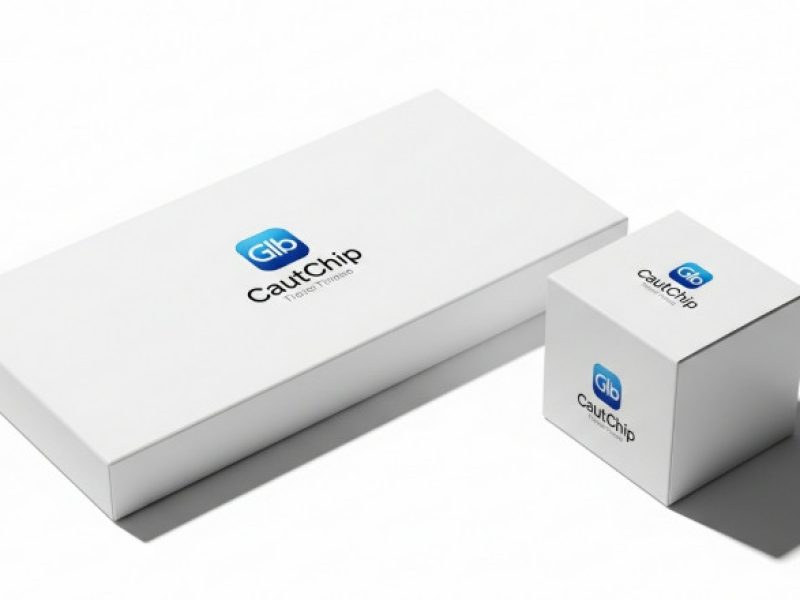
Selecting a specialized OEM / Private Label partner for facial tissues ensures brand consistency across corporate facilities and avoids the perceived lack of quality that comes with mismatched retail packaging. When hospitality or corporate environments rely on generic products, they miss a critical opportunity for brand reinforcement and risk diminishing the overall guest experience. A fragmented visual identity in high-traffic areas often signals operational neglect to professional clients and premium visitors.
This guide details the technical requirements for upgrading hotel vanity aesthetics and transitioning from generic supplies to customized solutions. We break down the specific printing techniques for bulk tissue production, evaluate the spatial efficiency of cube versus flat box configurations, and provide clear benchmarks for minimum order quantities. Use these specifications as a standard operating procedure for scaling custom branded hygiene assets.
The Aesthetic of the Hotel Vanity
Premium hospitality environments rely on the precise calibration of material quality and custom packaging to transform a utility item into a signature brand asset.
Strategic Brand Integration Through Packaging
Customized facial tissue boxes function as a silent but effective ambassador for the hotel brand. We utilize specialized OEM services to synchronize tissue box artwork with the specific architectural and interior motifs of a property. This strategy replaces generic retail products with bespoke assets that reinforce a professional and intentional guest experience.
- Design alignment ensures that amenities complement rather than clash with room decor.
- Bespoke packaging signals a commitment to detail that retail brands cannot replicate.
- Custom branding on disposable items builds a cohesive environment for the traveler.
Material Selection and Hospitality Standards
The physical characteristics of vanity products influence guest satisfaction scores significantly. We prioritize 100% virgin wood pulp in our production lines to provide a lint-free, absorbent, and skin-friendly product. By eliminating fluorescent whiteners, we maintain a purity level consistent with modern health and safety expectations.
- Ply options ranging from 2-ply to 5-ply provide the necessary flexibility for different hospitality tiers.
- Higher GSM counts result in a heavier, more premium hand-feel that guests associate with luxury care.
- Quality paper goods contribute to measurable increases in overall property ratings.
Visual Consistency in Guest Amenities
Achieving a polished environment requires a uniform aesthetic across all guest touchpoints. We manufacture tissues to exact size specifications so they fit seamlessly into existing vanity dispensers or serve as standalone design elements. This level of customization ensures that the tissue box, hand towels, and napkins all speak the same visual language.
- Sustainable packaging materials bridge the gap between environmental responsibility and luxury presentation.
- Consistent branding across all paper goods strengthens the overall identity of the hospitality provider.
- Tailored dimensions prevent dispenser jams and maintain a clean vanity appearance.
Moving Away from Generic Retail Brands
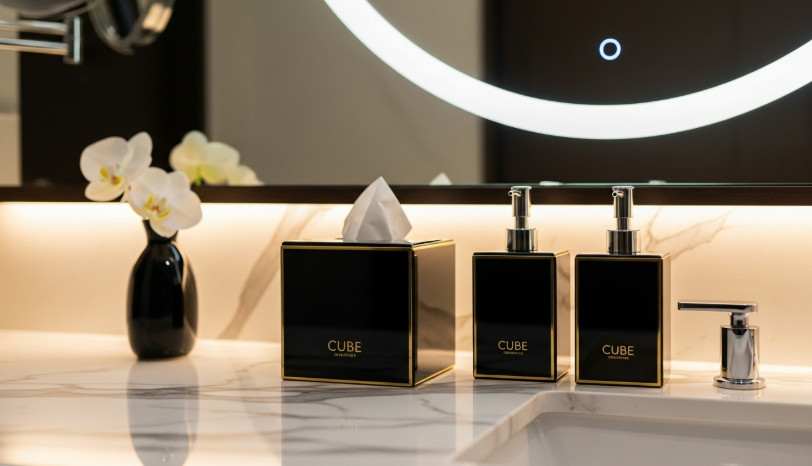
Transitioning from generic retail commodities to proprietary private labels allows businesses to capture higher margins and establish distinct market differentiation.
Strategic Brand Development via OEM Solutions
Traditional retail models often force businesses into price wars over basic commodities. Partnering with a manufacturer integrates 30 years of technical expertise into a unique brand identity, bypassing the middleman and reclaiming the margins necessary for premium brand presentation. You maintain full control over packaging and design, which separates your inventory from the indistinguishable options found on supermarket shelves.
Technical Customization for Unique Market Positioning
Adjusting physical product attributes helps brands escape the generic retail trap. We provide specific ply counts ranging from 2-ply to 5-ply to meet varied consumer expectations for softness and tensile strength. Selecting 100% virgin wood pulp and adjusting the paper weight (GSM) enables premium product tiering, while custom dimensions cater specifically to the requirements of the hospitality and high-traffic commercial sectors.
Quality Compliance and Environmental Standards
Adopting international certifications elevates brand trust and perceived value in a competitive landscape. Compliance with ISO 9001 and FDA regulations ensures products meet strict safety benchmarks for the market. FSC-certified options provide a competitive edge by appealing to eco-conscious shoppers, and rigorous quality control from raw material sourcing to final packaging guarantees consistent performance across global shipping routes.
Quantifiable Impact on Retail Performance
Moving toward custom-branded products yields measurable improvements in sales and customer loyalty. Retail groups reported a 30% increase in tissue sales after introducing customized, eco-friendly product lines, while hospitality clients noted a 20% rise in guest satisfaction scores. High-capacity, custom-labeled solutions also reduce maintenance costs by 15% in large-scale commercial facilities, proving that customization is a functional efficiency tool.
Premium Custom Toilet Paper for Your Brand
The OEM Process: Printing Your Logo on Bulk Tissues
Effective OEM tissue production requires aligning high-speed printing precision with rigorous material density to ensure brand consistency across global hospitality and retail supply chains.
Initial Brand Consultation and Design Alignment
Top Source Hygiene utilizes three decades of industry experience to translate brand identities into physical paper products. We evaluate your specific market positioning to determine how a logo should interact with various packaging textures. This phase involves a comprehensive review of brand requirements, ensuring the final design reflects the intended prestige or utility of the product.
Our technical team provides direct guidance on selecting tissue types that suit your target sector, ranging from standard soft packs to premium boutique boxes. We coordinate the design phase by verifying that all digital artwork meets high-volume printing standards, preventing color drift or registration errors during the manufacturing process.
Technical Specification and Material Selection
The customization process depends on selecting physical attributes that influence both user tactile experience and print quality. We offer configurations from 2-ply for standard commercial applications to 5-ply for luxury settings. By adjusting the Grams per Square Meter (GSM), we meet specific requirements for thickness and absorbency while maintaining the structural integrity of the sheet.
| Feature | Standard OEM Tier | Premium Private Label |
|---|---|---|
| Ply Configuration | 2-Ply / 3-Ply | 4-Ply / 5-Ply |
| Base Material | Bamboo Pulp | Premium 100% Virgin Wood |
| Print Surface | Matte Finish Box | High-Gloss / Embossed Logo |
We prioritize 100% virgin wood pulp for all branded applications. This material provides a neutral, bright-white surface that ensures logo colors remain accurate and vibrant. Choosing the correct substrate prevents ink absorption issues that often plague lower-grade recycled materials.
Custom Packaging and Private Label Application
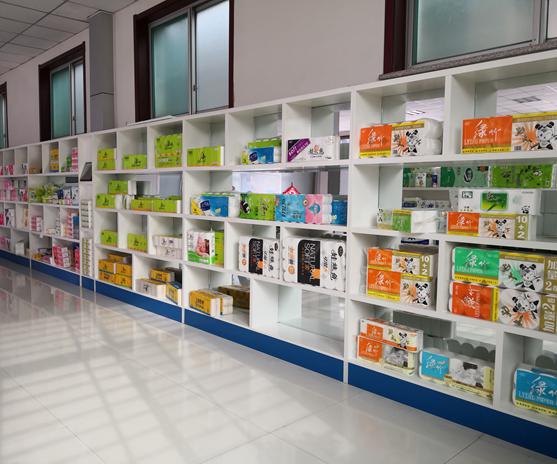
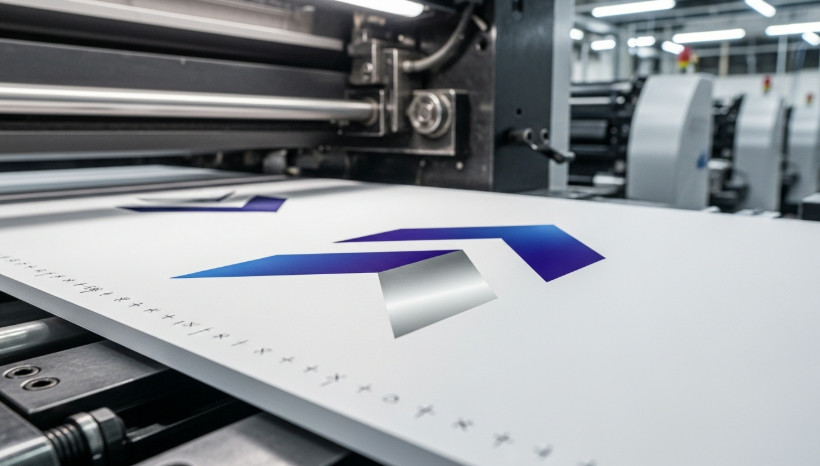
The printing phase converts bulk paper stock into branded assets using advanced packaging technology. Our two factories operate modern equipment capable of printing logos directly onto carton boxes, soft wraps, and commercial dispensers. This infrastructure supports full private label services, allowing brands to maintain a uniform aesthetic across diverse hygiene product lines.
Strict quality control protocols govern the application phase. We perform regular checks to ensure every batch adheres to ISO 9001 standards, verifying that branding is centered, legible, and consistent in color. This attention to detail eliminates variances that could undermine your brand’s professional appearance in the field.
Production Timelines and Global Distribution
Streamlined manufacturing cycles keep global projects on schedule for the fiscal year. We typically complete the production of a 40-foot container within 15 to 25 days. To mitigate risk, we provide free physical samples of custom designs within 10 days, allowing for hands-on verification of print quality before full-scale manufacturing begins.
Our logistics network facilitates delivery to over 56 countries. For primary markets in North America and Europe, transit times usually range from 7 to 14 days. We manage the entire export process, ensuring that custom-branded hygiene supplies arrive intact and ready for immediate deployment in hospitality or retail environments.
Cube vs Flat Boxes: Choosing the Right Shape
Selecting the optimal box geometry directly dictates vanity footprint efficiency and logistics overhead in large-scale hospitality deployments.
Spatial Optimization for Hospitality and Office Environments
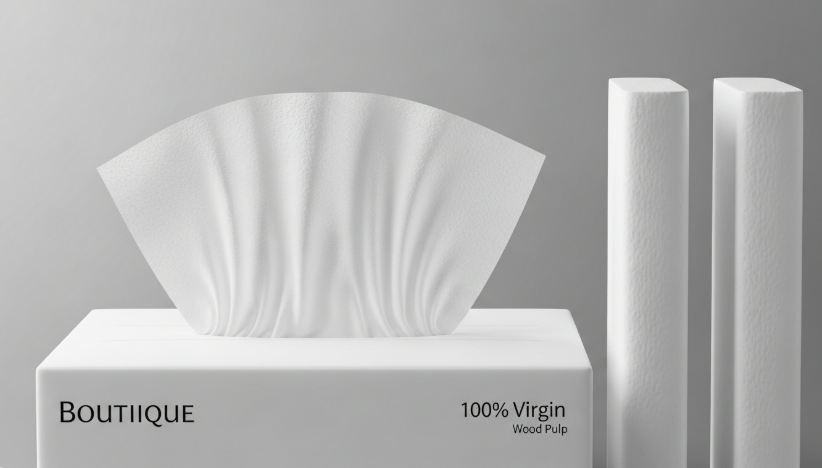
Cube boxes minimize the footprint on restricted surfaces like bedside tables or narrow hotel vanities where every square inch is at a premium. These vertical configurations allow staff to place tissues alongside other amenities without cluttering the guest space. Flat boxes provide better stability and a lower center of gravity to prevent tipping in high-traffic office reception areas or lobby lounges. We design tissue box dimensions to fit standard commercial dispenser brackets, ensuring seamless replacement across varied professional settings.
Branding Surface Area and Logo Visibility
Flat configurations provide a larger canvas for complex graphics and expansive brand narratives, making them the standard choice for retail-facing products. The wider top panel allows for prominent logo placement that remains visible from various angles. Cube packaging supports a minimalist, boutique aesthetic, utilizing vertical branding to align with modern luxury hotel interiors. Our OEM services apply custom designs to both shapes using high-definition printing to maintain brand consistency regardless of the chosen form factor.
| Technical Comparison | Cube Box | Flat Box |
|---|---|---|
| Primary Use Case | Boutique Hotels & Guest Rooms | Reception Areas & Office Desks |
| Branding Canvas | Vertical/Compact | Large Horizontal Surface |
| Structural Stability | Moderate | High |
Impact on Shipping Volume and Container Loading
Shipping economics depend heavily on box geometry and stacking efficiency. Flat boxes stack with high density to maximize the internal volume of 40’HQ containers, particularly for long-haul export routes to North America. Cube boxes require specific palletizing strategies to ensure product safety and prevent crushing during transit schedules. We help clients calculate the most cost-effective shape based on their monthly volume requirements and regional logistics infrastructure.
Minimum Order Quantities (MOQ) for Custom Packaging
Scaling production in 2026 requires a strategic balance between high-volume container logistics and regional market accessibility to maintain low per-unit costs.
Standard Capacity Requirements for Full Containers
We establish the baseline for global distribution through standardized container sizes to optimize shipping efficiency. Top Source Hygiene sets the primary requirement at one 40-foot high-cube (40’HQ) container for standard orders. Full container loads ensure maximum protection for bulk tissue products during the 15-25 day transit periods to distant regions.
This standardization allows us to synchronize production schedules with global shipping routes. By aligning manufacturing output with 40’HQ volumes, we reduce potential delays for clients in North America and Europe, ensuring a steady supply chain for high-traffic facilities.
| Order Classification | Volume Threshold | Production Window |
|---|---|---|
| Global Standard | One 40’HQ Container | 20-25 Days |
| Emerging Markets | Tiered Thresholds | 20-25 Days |
| Custom Verification | Logo Prototypes | 10 Days |
Tiered Ordering Solutions for Emerging Markets
We adapt order requirements to support business growth in specific geographical sectors where smaller initial volumes are necessary. Clients in Africa and South America access flexible order thresholds to better serve local public facilities and retail groups. This tiered approach facilitates market entry for hospitality providers testing custom-branded premium facial tissues.
Our logistics team coordinates these specialized volumes to maintain the 20-25 day production lead time for all regional requests. By managing these smaller tiers effectively, we provide smaller distributors with the same quality standards used for our global container clients.
Sample Verification for Large-Scale Production
We provide a verification phase before finalizing high-volume contracts to guarantee that custom branding meets precise specifications. We ship free stock samples within 2-3 days so procurement managers can evaluate paper softness and GSM quality immediately. This step confirms the technical performance of the paper before committing to bulk manufacturing.
Custom-branded samples require a 10-day production window to ensure exact alignment with the logo and packaging design. Initial quality testing prevents errors in bulk manufacturing runs, protecting the client’s brand reputation across their entire retail or hospitality network.
Conclusion
Moving away from generic retail brands allows hotel chains and corporate offices to maintain a cohesive brand identity throughout their facilities. Selecting the right box shape and customizing the packaging ensures that every guest touchpoint reflects a high standard of quality. This professional approach to hygiene products strengthens brand recognition and elevates the aesthetic of any professional environment.
You can review your current inventory needs or reach out to our team to request a custom tissue box sample. We help you navigate order minimums and design specifications to create a product that fits your brand requirements.
Frequently Asked Questions
Who makes great value facial tissues?
Great Value is the private label brand for Walmart. While the specific manufacturer can vary by region and contract cycles, these products are typically produced by industry-leading paper converters like Kimberly-Clark or Georgia-Pacific. These manufacturers utilize high-speed tissue lines to produce multi-ply facial tissues that meet strict retail specifications for softness, tensile strength, and lint reduction.
How to customize facial tissue boxes?
Customizing facial tissue boxes involves selecting a high-quality folding carton (usually 350-400gsm white back board) and utilizing offset or digital printing for brand graphics. Technical customization options include unique die-cut openings, spot UV coatings, matte or gloss lamination, and foil stamping. To ensure professional results, designers should work within the manufacturer’s specific die-line template to account for glue tabs and perforation zones.
Private label hygiene products?
The private label hygiene market encompasses a wide array of personal care items, including facial tissues, toilet paper, hand towels, wet wipes, and feminine hygiene products. For brands looking to enter this space, OEM manufacturers offer turnkey solutions that include raw material sourcing (virgin or recycled pulp), product formulation, and automated packaging. This allows retailers to offer high-quality alternatives to national brands at more competitive price points.
Who pioneered facial tissue in a box?
Kimberly-Clark pioneered the facial tissue category with the introduction of Kleenex in 1924, originally marketed as a cold cream remover. In 1928, they revolutionized the industry by introducing the first “Pop-Up” tissue box with a perforated opening. This innovation transformed the product from a niche beauty accessory into a universal household staple for hygiene and convenience.
How to start a private label tissue brand?
Starting a private label tissue brand requires a multi-step strategic approach: First, identify your market segment (e.g., luxury, eco-friendly, or budget). Second, vet OEM manufacturers for ISO 9001 compliance and production capacity. Third, define your product specifications, such as ply count (2-ply vs. 3-ply) and sheet size. Finally, develop your brand identity and packaging design, then establish distribution channels through e-commerce platforms or traditional retail partnerships.