
Facial Tissue
Facial Tissue Box Crush: 5 Transit Damage Prevention Tips
Facial tissue box crush during ocean transit isn’t a rare quality escape—it’s a predictable failure when packaging engineering is treated as an afterthought. A procurement
 Skip to content
Facial tissue box crush during ocean transit isn’t a rare quality escape—it’s a predictable failure when packaging engineering is treated as an afterthought. A procurement
We outline the technical requirements for virucidal coatings, focusing on the synergy between citric acid and sodium lauryl sulfate. This analysis covers the moisture-triggering mechanism essential for viral neutralization and the physical 3-ply construction needed to contain fluids during use.
This technical protocol provides a step-by-step method for inspecting facial tissue sheets to verify manufacturing quality. We examine the visual signatures of high-grade paper, from identifying structural pinholes to spotting unbleached ink remnants and analyzing fiber uniformity. By implementing this audit, procurement teams can distinguish between high-performance virgin pulp and inferior recycled substitutes to secure consistent product performance across all inventory.
This comprehensive guide details the precise technical specifications required to source custom facial tissues engineered explicitly for highly regulated professional sectors. We analyze why flexible high-density plastic soft packs outclass traditional rigid cartons, review the toxicological and dermatological supremacy of Hydrogen Peroxide (H2O2) wood pulp refinement, and evaluate modern bioplastic material innovations like cornstarch-derived Polylactic Acid (PLA) box slits.

This guide examines the industry-standard procedures used to quantify and control fiber shed, including dry tumbling methods and airborne particle counting. We also look at the role of calendering in binding loose fibers and how procurement teams can set precise technical requirements for their orders.
This technical analysis details the production differences between core application and surface coating, focusing on how each method affects evaporation and shelf-life stability. We examine why internal infusion serves as a safer standard for boutique hotel supply chains and custom OEM projects.

This technical overview details the engineering requirements for flushable paper, from the removal of harmful resins to the rigorous rapid dispersion slosh test. We examine the specific design protocols needed to balance sneeze strength with rapid disintegration and provide a roadmap for supplying specialized maritime and hospitality sectors.
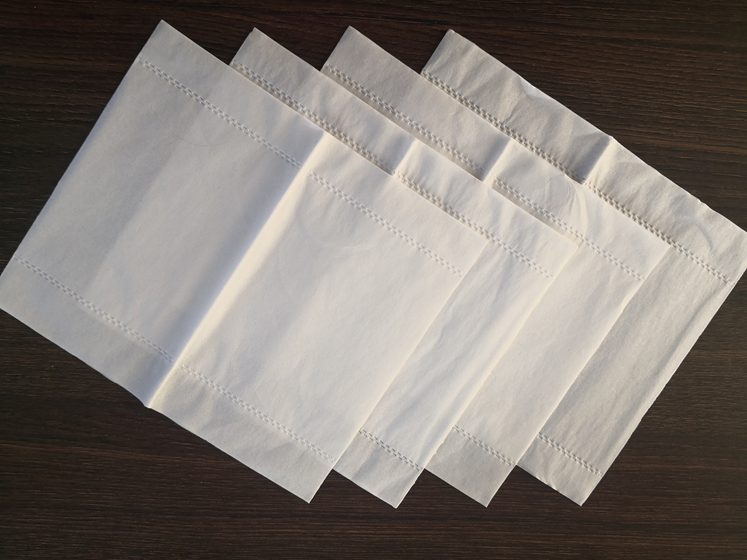
This technical guide examines the mechanics of high-velocity headbox operation and how specific jet-to-wire ratios prevent the uneven, cloudy texture often seen in poorly formed sheets. We provide a comprehensive breakdown of how high-speed Yankee drying locks in tensile strength while the paper moves at over 30 meters per second. By following these operational standards, manufacturers can maintain the fiber consistency and roll density required for demanding OEM partnerships and high-speed converting processes.

This technical guide examines the mechanics of high-velocity headbox operation and how specific jet-to-wire ratios prevent the uneven, cloudy texture often seen in poorly formed sheets. We provide a comprehensive breakdown of how high-speed Yankee drying locks in tensile strength while the paper moves at over 30 meters per second.