Skip to content
Anti-Viral Tissues must meet rigorous virucidal efficacy standards to gain traction in healthcare supply chains where cross-contamination risks drive high-volume purchasing decisions. When manufacturers fail to substantiate pathogen-reduction claims with hard data, they face significant liability and the loss of trust from institutional buyers. Reliable production hinges on understanding how active chemical ingredients interact with cellulose fibers without compromising the soft-touch integrity of the finished paper.
We outline the technical requirements for virucidal coatings, focusing on the synergy between citric acid and sodium lauryl sulfate. This analysis covers the moisture-triggering mechanism essential for viral neutralization and the physical 3-ply construction needed to contain fluids during use. This guide provides a technical framework for OEM production and quality control in the specialized hygiene paper sector.
The Science of Virucidal Paper Coatings
Effective virucidal performance in 2026 hinges on the precise immobilization of active agents within fiber-friendly polymer matrices to ensure rapid pathogen inactivation without compromising the structural integrity or tactile softness of the tissue.
Antiviral Agent Immobilization and Fiber Matrices
Engineering teams utilize specialized polymer matrices to anchor antiviral agents directly onto paper fibers. This immobilization process prevents the active substances from leaching during standard use, ensuring that the virucidal properties remain concentrated on the surface where viral contact occurs. We focus on embedding metal ions, quaternary compounds, and bio-based actives into the 100% virgin wood pulp matrix to target viral envelopes effectively.
| Active Agent | Primary Mechanism | 2026 Efficacy Standard |
|---|---|---|
| Organic Acids (Citric/Malic) | pH reduction and protein denaturation | >99.9% Inactivation (Enveloped) |
| Surfactants (SLS) | Lipid envelope disruption | Rapid kill within 15 minutes |
| Metal Ion Matrices | Interference with viral replication | Extended surface protection |
This architectural approach allows the agents to remain dormant until moisture activation occurs. By localizing the chemistry within the fiber structure, manufacturers maintain the high tensile strength required for “Aslike Cloth Tough” performance, even in high-ply configurations like 4-ply or 5-ply tissues.
Balancing Tissue Softness with Surface Efficacy
Applying functional chemical coatings often risks stiffening the paper structure. To mitigate this, manufacturers apply thin-film coatings specifically to the outer layers of a 3-ply or 4-ply structure. This preserves the internal bulk of the virgin wood pulp while ensuring the active surface is available for immediate contact with respiratory droplets.
- High absorbency remains critical to pull moisture into the treated layers for immediate activation.
- Precision interfolding and ply-bonding technology keep the treated layers intact during use.
- Advanced application methods prevent localized stiffness, maintaining the cloud-like texture users expect from premium facial tissue.
Safety Standards and Environmental Compatibility in 2026
Modern virucidal coatings must align with strict chemical regulations. Developments in 2026 prioritize non-toxic, OBA-free (Optical Brightening Agent-free) formulations that eliminate skin irritation and inhalation risks. These coatings undergo rigorous testing to ensure they do not interfere with the compostability or recyclability of the wood pulp.
International compliance with EPA and EN standards ensures that treated tissues are safe for high-traffic public facilities and healthcare environments. We analyze the impact of every coating agent on the global green initiative, ensuring that the final product remains as sustainable as it is effective.
Citric Acid and Sodium Lauryl Sulfate Mechanisms
The synergy between low-pH organic acids and anionic surfactants creates a robust virucidal barrier that inactivates respiratory pathogens upon contact with moisture within the tissue matrix.
Citric acid functions as the primary chemical anchor in anti-viral coatings. By shifting the surface pH of the 100% virgin wood pulp fibers to a highly acidic level of approximately 3.5, it creates an environment hostile to the structural proteins of rhinoviruses and other non-enveloped pathogens. This acidity forces the viral capsid—the protective protein shell—to lose its configuration, which prevents the virus from binding with human host cells.
- The acidic environment remains active on the dry tissue until moisture triggers the reaction.
- High-purity wood pulp ensures the acid is distributed evenly across the inner ply.
- This mechanism targets both Rhinoviruses 1A and 2, which are frequent causes of the common cold.
Disruption of Lipid Envelopes by Surfactants
Sodium Lauryl Sulfate (SLS) provides a second layer of defense by targeting the lipid bilayer of enveloped viruses, including influenza A and B. As an anionic surfactant, SLS molecules physically insert themselves into the fatty membrane that protects the viral genome. This interaction causes the envelope to pull apart and disintegrate, rendering the pathogen inactive.
| Active Agent | Biological Target | Mechanism of Action |
|---|---|---|
| Citric Acid (7.51%) | Protein Capsid | Denaturation via pH reduction (3.5) |
| Sodium Lauryl Sulfate (2.02%) | Lipid Envelope | Surfactant-induced membrane rupture |
| Combined Formulation | Cold & Flu Viruses | 99.9% inactivation within 15 minutes |
Skin Compatibility and Sensitivity Standards in 2026
Manufacturing standards in 2026 emphasize the immobilization of active ingredients within the center ply of 3-ply or 4-ply structures. This design prevents active chemicals from transferring excessively to the skin during use. By using OBA-free (Optical Brightening Agent-free) fibers, the final product avoids fluorescent irritation while maintaining high virucidal efficacy.
- Precise SLS concentrations minimize the risk of hand or nasal irritation.
- Moisture-locking agents are incorporated to preserve the “Super Soft” feel for infant care.
- Product stability testing ensures a shelf life of up to 36 months without loss of potency.
Sustainable Sourcing of Active Ingredients
The hygiene industry is moving toward green chemical systems to comply with modern environmental regulations. Citric acid is now predominantly sourced through natural fermentation of agricultural waste streams. Bio-based surfactants are replacing petroleum-derived alternatives to improve the biodegradability of the treated tissue without sacrificing germ-killing performance.
These sustainable ingredients are compatible with high-speed converting lines in regional manufacturing hubs like Hebei. By integrating eco-friendly actives into the “Dry & Wet Using” series, B2B distributors can offer products that meet both hygiene demands and environmental certification requirements in North American and European markets.
Global Leader in OEM Tissue Customization
Moisture Activation: How Sneezes Trigger the Kill
Moisture-activated tissues remain chemically dormant until respiratory droplets provide the aqueous environment required to dissolve virucidal agents and neutralize viral particles within the fiber matrix.
Aqueous Triggers for Dormant Biocides
The efficacy of virucidal tissues relies on a dry-state coating that remains chemically inert during storage and handling. Top Source Hygiene utilizes premium 100% virgin wood pulp fibers as a stable substrate, ensuring that virucidal agents do not degrade or migrate before use. This dormant state is critical for maintaining skin safety, as the chemical payload only engages when liquid moisture—specifically from a cough or sneeze—acts as a solvent to activate the treated layers.
- Specialized wood pulp fibers serve as a stable substrate for virucidal agents, preventing premature degradation during storage.
- Droplets from a sneeze or cough provide the necessary solvent to dissolve the active surface layer and initiate the neutralization process.
- By 2026, manufacturing standards focus on ensuring the chemical payload releases only when needed to maintain skin safety for the user.
Droplet Penetration and Fiber Saturation
The physics of droplet penetration determines how effectively a tissue captures and inactivates pathogens. High-velocity respiratory emissions from a sneeze hit the initial ply with significant force, which the paper matrix must manage without tearing. Using high-tensile technology, the fibers absorb these droplets and spread the moisture across a wider surface area, ensuring maximum contact with the treated inner layers.
- High-velocity respiratory droplets penetrate the initial ply, spreading the moisture across a larger surface area of treated fibers.
- Rapid absorption pulls the viral particles into the inner layers where the concentration of virucidal agents is highest.
- Capillary action within the virgin wood pulp ensures that even small amounts of moisture trigger a widespread chemical response.
Microencapsulation for Precision Release
Advanced tissue engineering now incorporates micro-spheres to house biocidal agents with extreme precision. These spheres protect active ingredients from evaporating or reacting with atmospheric oxygen, which is essential for institutional stockpiles that require a long shelf life. This controlled release mechanism ensures that the virucidal load is deployed only when the tissue is actually put to work.
- Micro-spheres prevent the active ingredients from evaporating or reacting with atmospheric oxygen before use.
- The combination of moisture and the physical pressure of a sneeze causes these capsules to rupture, deploying the virucidal load.
- This controlled release mechanism ensures the product remains effective for several years, providing a reliable shelf life for institutional stockpiles.
The 3-Ply Barrier Requirement for Effectiveness
3-ply architecture serves as a mechanical necessity for virucidal tissues, isolating active chemical agents within a central reservoir to achieve high-speed pathogen neutralization without compromising epidermal safety.
Functional Roles of Individual Paper Layers
Modern virucidal tissues utilize a specialized 3-ply configuration where each layer performs a specific technical task. The middle ply acts as the primary reservoir for virucidal agents, typically impregnated with a formulation of citric acid and sodium lauryl sulfate. This central positioning ensures that the active chemicals remain concentrated at the point of moisture impact while the outer layers provide a soft, non-irritating surface for the user.
- The middle ply holds the precise chemical load required to disrupt viral envelopes.
- Outer plies protect the skin from direct contact with high concentrations of the virucidal treatment.
- Multi-layer bonding maintains the structural integrity of the tissue when saturated.
Prevention of Hand-to-Face Pathogen Transfer
A 3-ply design creates a physical and chemical barrier that stops moisture from penetrating the paper and reaching the user’s hand. High-absorbency inner fibers trap respiratory droplets immediately upon contact, while the combined thickness of the plies prevents “soak-through.” This barrier thickness is the primary defense against hand contamination during intense sneezing or coughing episodes, breaking the common infection cycle.
- High-absorbency layers lock in mucus and droplets to prevent lateral spread.
- The physical barrier blocks the migration of pathogens from the tissue surface to the fingers.
- Limiting moisture transfer reduces the viral load left on external surfaces and skin.
Optimization of Coated Middle Plies
Manufacturers in 2026 apply advanced coating techniques to balance virucidal efficacy with production efficiency. Engineers calibrate the chemical load on the inner ply to ensure virus inactivation occurs within seconds of moisture contact. Modern converting lines use inline quality analytics to ensure uniform coating across the entire fiber matrix, leaving no “dead zones” where a virus could remain infectious.
- Precision chemical application ensures the tissue meets 3-log (99.9%) reduction standards.
- Advanced converting ensures uniform active distribution across every sheet.
- Refined production processes reduce chemical waste, meeting current environmental regulations.
Safety and Skin Compatibility Standards for 2026
Strict safety benchmarks now govern 3-ply tissues intended for healthcare and public use. Hypoallergenic testing confirms that the virucidal coating does not cause dermatitis or respiratory irritation during the prolonged, frequent use typical of seasonal outbreaks. Current 2026 standards require all anti-viral paper products to be 100% OBA-free, ensuring they remain safe for the most sensitive skin types.
- Dermatological testing ensures safety for pediatric and eldercare clinical environments.
- OBA-free certifications guarantee the absence of harsh optical brightening agents.
- High-purity virgin wood pulp provides a lint-free experience for cosmetic and medical applications.
OEM Manufacturing for Healthcare Brands
Scalable OEM partnerships in 2026 require the integration of active virucidal chemistries with 100% virgin wood pulp substrates while adhering to rigorous medical-grade safety and dermatological standards.
Regulatory Compliance and Dermatological Safety Standards
Healthcare brands demand strict adherence to international safety protocols so products remain safe for sensitive skin and clinical environments. Manufacturing processes align with FDA and ISO 9001 standards to meet global healthcare procurement requirements. We eliminate risks associated with chemical irritants by ensuring all medical-grade substrates are 100% OBA-Free (Optical Brightening Agents).
- Quality control protocols verify the absence of fluorescent whiteners and harsh chemicals in 100% virgin wood pulp products.
- Dermatological testing confirms that tissues treated with anti-viral agents remain non-irritating for frequent use by patients and medical staff.
- Production transparency provides the documentation needed for hospital tenders and pharmaceutical retail chains.
Integration of Anti-Viral and Virucidal Technologies
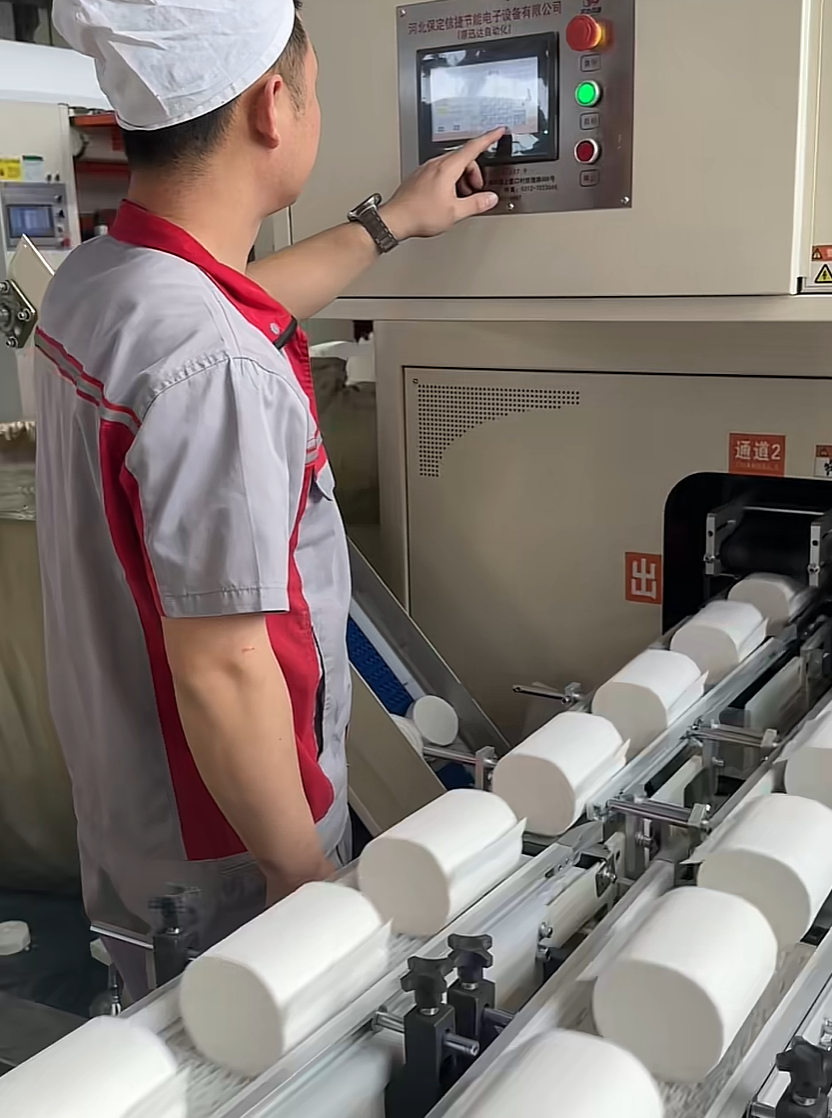
Advanced OEM facilities integrate active chemistries directly into paper fibers to provide infection control benefits. Production lines incorporate citric acid and sodium lauryl sulfate (SLS) coatings that activate upon contact with moisture from sneezes or coughs. Inline quality analytics monitor the concentration of these anti-viral coatings to ensure consistent efficacy across high-volume production runs.
| Feature | Standard Retail Tissue | Medical OEM Anti-Viral |
|---|---|---|
| Active Ingredients | None (Mechanical only) | Citric Acid & SLS Coated |
| Structure | 2-Ply to 3-Ply | Engineered 3-Ply to 5-Ply |
| Material Integrity | Standard Pulp | 100% Virgin Pulp (OBA-Free) |
| Wet Performance | Low to Moderate | High Wet-Strength Technology |
Sustainable and Plastic-Free Substrate Development
The 2026 healthcare market prioritizes biodegradable paper products to meet institutional sustainability goals. FSC-certified materials provide a transparent supply chain for hospitals looking to reduce their environmental footprint. We offer bamboo pulp options featuring natural unbleached fibers for eco-conscious procurement, alongside plastic-free and alcohol-free wipes that address the growing demand for biodegradable hygiene solutions.
- Sustainable manufacturing practices reduce water waste and energy consumption during the production of high-absorbency medical paper.
- Microencapsulation options allow for controlled release of active agents while maintaining shelf-life stability up to 36 months.
- Recyclable and compostable substrates reconcile efficacy with evolving chemical and environmental regulations.
Top Source Hygiene’s Scalable Capacity for Medical Chains
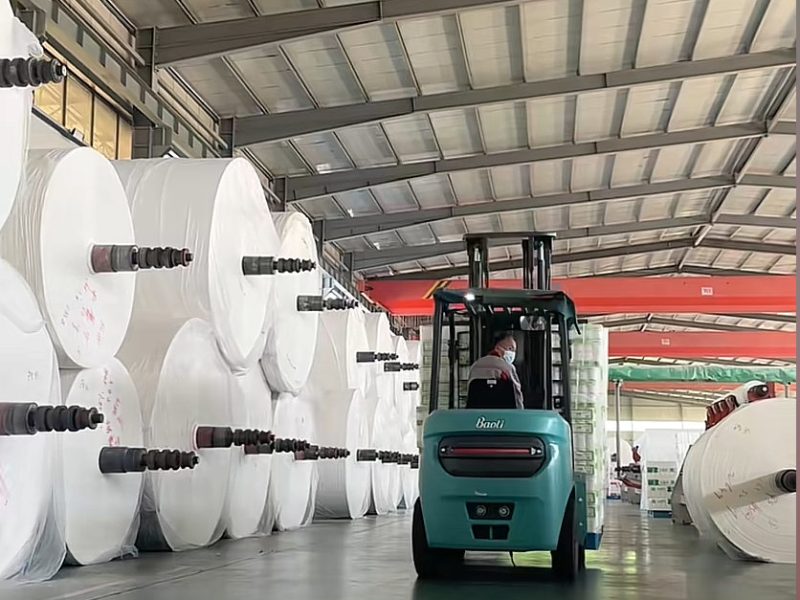
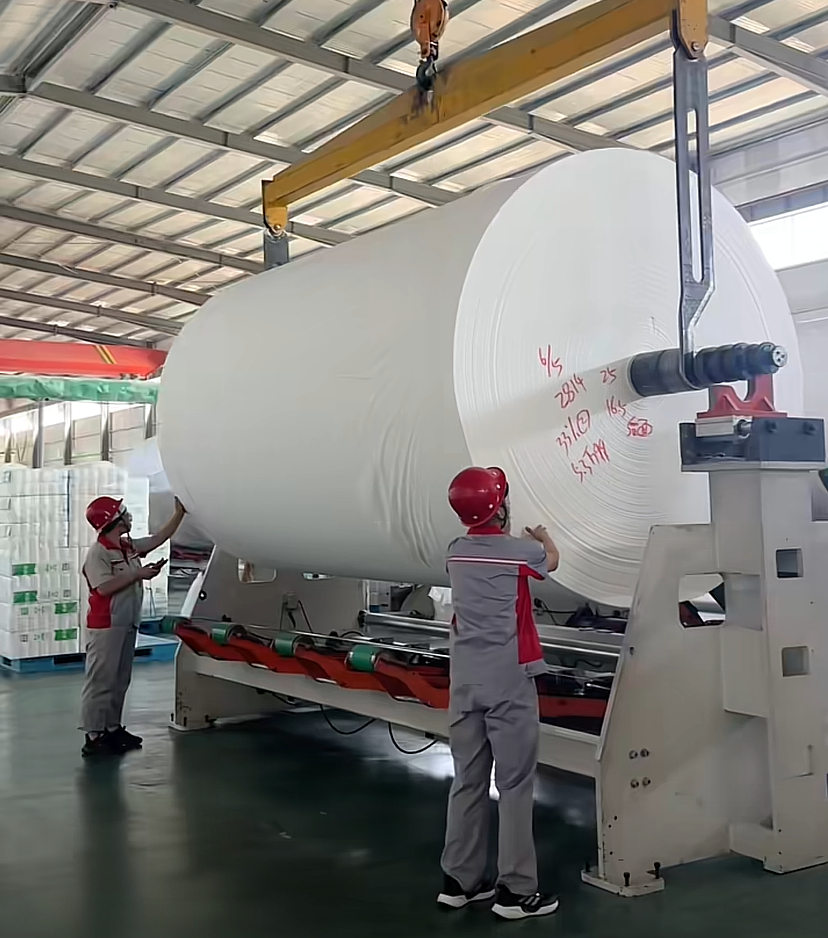
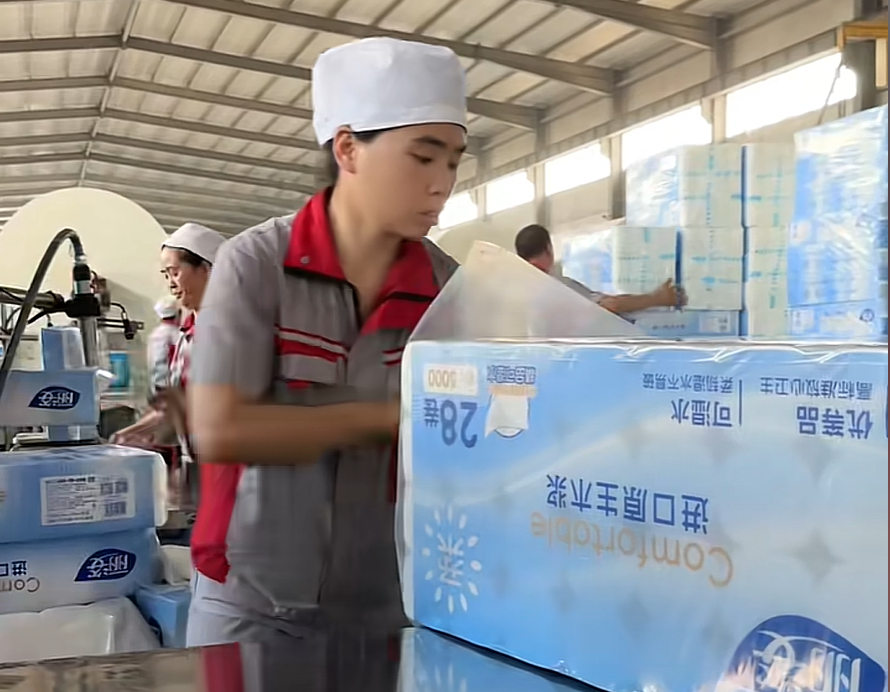
Large-scale manufacturing from our Hebei hub allows healthcare brands to maintain consistent stock levels across global hospital and pharmacy networks. With a monthly production capacity of 2,860 tons, we provide a stable supply of facial tissues and jumbo rolls for high-traffic medical facilities. Our logistics teams maximize 40HQ container loading to ensure the lowest landed cost per unit for international distributors.
- Customizable GSM and ply options allow healthcare providers to tailor product thickness to specific clinical needs.
- Established logistics routes facilitate delivery to 56+ countries, ensuring timely replenishment for large-scale healthcare contracts.
- Pre-shipment visual verification via photos and videos ensures order transparency and cash-flow security for B2B partners.
Conclusion
Anti-viral tissues combine specialized chemical agents like citric acid with multi-ply barriers to neutralize pathogens effectively upon contact. Utilizing 100% virgin wood pulp as the carrier material ensures these virucidal coatings remain stable while providing the softness required for medical and retail applications. High-standard manufacturing processes allow healthcare brands to deliver reliable hygiene solutions that meet strict safety and performance requirements.
Review your current inventory to see how specialized anti-viral products can enhance your hygiene portfolio. Reach out to our team to request a technical catalog or samples of our medical-grade OEM tissue configurations.
Frequently Asked Questions
Do anti-viral tissues actually work?
Yes, anti-viral tissues are highly effective at neutralizing pathogens within the tissue fibers. They are specifically engineered to reduce the viral load by up to 99.9% within 15 minutes of contact. By immobilizing and deactivating viruses in the middle layer, these tissues prevent cross-contamination and the spread of germs to hands, surfaces, and other individuals during disposal.
What is in anti-viral facial tissue?
Anti-viral tissues typically utilize a moisture-activated middle layer containing virucidal agents such as citric acid, sodium lauryl sulfate, or metal ions (like zinc and copper). These active ingredients are often embedded within fiber-friendly polymer matrices to ensure they remain stable while maintaining the tissue’s softness and absorbency without causing skin irritation.
Can tissues kill cold viruses?
Specifically formulated anti-viral tissues are designed to kill Rhinoviruses (Type 1A and 2), which are the leading cause of the common cold, as well as Influenza A and B. When the virus makes contact with the treated moisture-sensitive layer, the acidic environment disrupts the viral envelope or protein structure, effectively deactivating the virus.
How long do viruses live on tissue paper?
On standard untreated tissue paper, viruses can remain infectious for 8 to 12 hours depending on environmental humidity. However, on anti-viral treated tissues, the survival window is drastically reduced; the active virucidal agents are engineered to neutralize 99.9% of the viral presence in as little as 15 minutes, significantly lowering the risk of secondary transmission.
OEM anti-viral tissue manufacturing?
OEM manufacturing for anti-viral tissues involves sophisticated coating and spray systems integrated into the high-speed converting process. Technical focus is placed on maintaining a balance between efficacy, skin safety (low toxicity), and environmental standards like compostability. Manufacturers must comply with evolving chemical regulations while ensuring the multi-ply structure retains high tensile strength and premium softness for healthcare and retail markets.