Skip to content
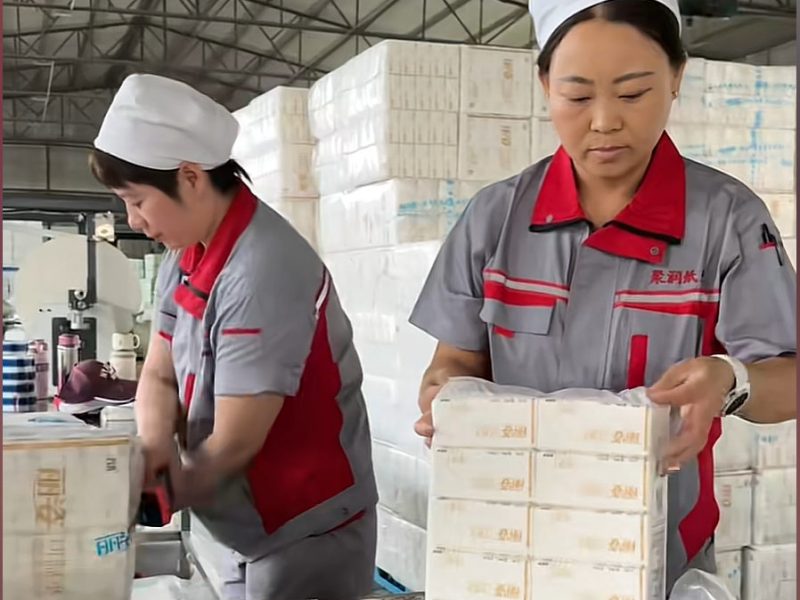
If you buy facial tissue for retail, private‑label runs or institutional contracts in Israel, your priority is clear: Israeli buyers expect high absorbency, a soft hand‑feel and demonstrable skin compatibility, but the SII does not publish numeric absorbency or softness thresholds. To avoid costly rework, insist on measurable acceptance criteria, physical samples and independent lab plus consumer testing before placing large orders — minimum order quantities commonly equal one 40′ high‑cube container and mills typically need 20–25 days to produce a container.
This article walks you through the practical checklist you need: how to write specs (GSM, ply count, sheet size, lab absorbency limits), the test reports and supplier QC documentation buyers require, and tender and packaging rules for hospitals and public tenders. It also covers logistics best practices for Haifa and Ashdod with realistic timelines (free stock samples often ship in 2–3 days, custom samples ~10 days, and door‑to‑port lead times generally run 5–8 weeks) so you can align procurement, production and delivery with buyer expectations.
Top 10 Facial Tissue Manufacturers & Importers in Israel
Quick Comparison: Top Picks
| Manufacturer | Location | Core Strength | Verdict |
|---|---|---|---|
| Top Source Hygiene | Mancheng, Baoding, China (Global Shipping) | Facial tissues, toilet paper, jumbo rolls, kitchen towels, napkins, wet wipes, diapers | Factory-direct OEM/ODM with strong ISO controls and high monthly capacity; great for private-label at competitive pricing but expect longer global lead times. |
| Kimberly-Clark Israel (Kleenex) | Israel / Global (USA HQ) | Boxed facial tissues, pocket tissues, multipacks under Kleenex and related brands | Global brand with consistent quality and regulatory compliance; usually pricier and import-dependent rather than locally manufactured. |
| Sano Group | Hod HaSharon, Israel | Facial tissues, toilet paper, paper towels, napkins | Local manufacturer with strong domestic distribution and private-label capability; best for Israel-focused supply but limited global scale. |
| Dorot Cellulose – B2B Paper Division | Ashdod / Industrial Zone, Israel | Boxed and bulk-pack facial tissues, institutional toilet tissue, paper towels, AFH dispensers | Strong B2B and institutional focus with products aligned to SII/EU standards; relies on strategic converting lines and import-driven master rolls. |
| Diplomat Group – Tissue Brands Import Division | Airport City, Israel | Imported boxed facial tissues, pocket packs, paper towels, toilet tissue from global brands | Extensive import/logistics and SII regulatory experience; wide brand portfolio but functions as a distributor rather than manufacturer. |
| Shufersal Private Label Tissue Program | Israel (sourcing from multiple countries) | Private-label boxed facial tissues, cube boxes, pocket tissues, multipacks | Large-scale retailer-controlled private label with flexible sourcing for cost/quality balance; variability possible across supplier base. |
| Rami Levy Private Label Tissue Program | Israel (multi-country OEM sourcing) | Private-label facial tissues, toilet paper, paper towels | Value-focused private label with cost-competitive OEM sourcing; suited for price-sensitive channels though consistency may vary. |
| Victory / Yenot Bitan & Mega – Private Label Importers | Israel (sourcing from Turkey, Eastern Europe and Asia) | Private-label boxed and soft-pack facial tissues, family packs, multipacks | Large supermarket groups with negotiation power and broad distribution; import-reliant supply can introduce origin and lead-time variability. |
| Regional Tissue Mills in Turkey & EU (e.g., Eczacıbaşı Consumer Products) | Turkey / EU (exporting to Israel) | Finished facial tissues, jumbo parent rolls for converting, private-label and branded tissue products | Regional mills offer faster logistics and established quality systems—good middle ground between cost and speed; unit cost typically higher than Asian OEMs. |
| Asian OEM Tissue Manufacturers Supplying Israeli Importers | China / Southeast Asia (exporting to Israel) | Private-label facial tissues, travel packs, pocket tissues, mixed tissue assortments | Highly competitive pricing with large-scale OEM/ODM capability and flexible packaging; expect longer shipping times and need for close quality/compliance oversight. |
Top Source Hygiene
Top Source Hygiene has operated from Mancheng, Baoding since 1995 as a factory-direct partner focused on private-label facial tissues and related paper hygiene items. The company serves hospitality, retail and institutional clients worldwide, offering OEM/ODM customization and an ISO-grade approach to quality. With a reported monthly production capacity of 2,860 tons, Top Source executes manufacturing locally at its Baoding facility, which supports direct oversight of production schedules, custom specifications and order fulfillment.
Factory control and local execution drive how Top Source reduces operational risk for customers: direct factory relationships limit middlemen, allow clearer technical communication on product specs, and make capacity planning more predictable. Their emphasis on ISO-grade quality controls and factory-direct delivery helps buyers seeking consistent, scalable supply for private-label tissues and paper hygiene categories while still shipping globally from China.
At a Glance:
- 📍 Location: Mancheng, Baoding, China (Global Shipping)
- 🏭 Core Strength: Facial tissues, toilet paper, jumbo rolls, kitchen towels, napkins, wet wipes, diapers
- 🌍 Key Markets: North America, Europe, Asia, Africa, South America, Oceania
Why We Picked Them:
| ✅ The Wins | ⚠️ Trade-offs |
|---|---|
|
|
Kimberly-Clark Israel (Kleenex)
Kimberly-Clark Israel operates through a local subsidiary and a network of authorized distributors to place Kleenex-branded facial tissues into Israeli retail and institutional channels. Local execution focuses on coordinating deliveries to national retail chains, pharmacies and institutional buyers while ensuring on-the-ground compliance with SII labeling and hygiene requirements. This setup keeps the brand present across the channels that matter for institutional procurement and consumer retail, and it lets the local team respond to channel-level needs without changing the product specification.
Products arrive under global Kimberly-Clark specifications, which preserves factory-level control over materials, quality and hygiene standards. That consistent factory control, coupled with SII-compliant labeling and hygiene practices, reduces regulatory and reputational risk for bulk buyers and retailers. Buyers should note that supply typically depends on imports and that pricing generally sits above private-label OEM alternatives, reflecting the global brand positioning and centralized production model.
At a Glance:
- 📍 Location: Israel / Global (USA HQ)
- 🏭 Core Strength: Boxed facial tissues, pocket tissues, multipacks under Kleenex and related brands
- 🌍 Key Markets: National retail chains, pharmacies, institutional buyers, private-label collaborations
Why We Picked Them:
| ✅ The Wins | ⚠️ Trade-offs |
|---|---|
|
|
Sano Group
Sano is a major Israeli home- and personal-care manufacturer and importer based in Hod HaSharon. Its tissue division produces Sano-branded and private-label facial tissues, toilet paper, paper towels and napkins that meet SII standards. Local production keeps manufacturing close to the domestic market, which supports steady supply for Israeli retail chains, discount stores and institutional buyers.
By combining branded lines with private-label capability, Sano gives retailers flexibility to source both own-brand and Sano-branded products from a single local supplier. Factory control and adherence to SII requirements reduce regulatory and logistics risk for buyers, helping ensure consistent quality and faster response times compared with distant suppliers.
At a Glance:
- 📍 Location: Hod HaSharon, Israel
- 🏭 Core Strength: Facial tissues, toilet paper, paper towels, napkins
- 🌍 Key Markets: Israel retail chains, discount stores, institutional buyers, nearby export markets
Why We Picked Them:
| ✅ The Wins | ⚠️ Trade-offs |
|---|---|
|
|
Dorot Cellulose – B2B Paper Division
Dorot Cellulose processes and markets facial tissues and disposable paper products with a clear institutional focus: hospitality, healthcare and cleaning contractors. Based in Ashdod and serving central Israel, the company runs local distribution and account management aimed at meeting the needs of procurement teams that require specific packaging, dispenser compatibility and regulatory alignment. Their core range — boxed and bulk facial tissues, toilet tissue, paper towels and dispensers — is specified to align with SII and EU hygiene norms so buyers can place orders with compliance considerations already addressed.
Rather than positioning strictly as a primary pulp mill, Dorot Cellulose reduces operational risk through tight supplier selection, specification control and hands-on local execution. That approach keeps product standards visible for institutional customers, simplifies ordering and streamlines replenishment for high-volume sites, and helps ensure consistent hygiene performance across hotel, clinical and cleaning-use settings. Buyers should note the company emphasizes converting and commercial marketing, which delivers fast market access while relying on contracted production capacity for master rolls.
At a Glance:
- 📍 Location: Ashdod / Industrial Zone, Israel
- 🏭 Core Strength: Boxed and bulk-pack facial tissues, toilet tissue, paper towels, dispensers
- 🌍 Key Markets: Hospitality, offices, health institutions, cleaning contractors, institutional distributors
Why We Picked Them:
| ✅ The Wins | ⚠️ Trade-offs |
|---|---|
|
|
Diplomat Group – Tissue Brands Import Division
Diplomat acts as a local execution partner for international tissue brands entering the Israeli market. The company focuses on import and distribution logistics, moving boxed facial tissues, pocket packs, paper towels and toilet tissue from international suppliers into national supermarket chains, drugstores, convenience stores and institutional channels. For brands that need an on-the-ground presence without setting up local operations, Diplomat centralizes customs coordination, warehousing and retailer engagement to deliver shelf-ready product across Israel.
Operationally, Diplomat reduces market-entry risk by managing regulatory touchpoints and retail distribution rather than by manufacturing product. Their experience securing approvals with Israeli authorities, including SII-related processes, and established retail relationships help streamline compliance and placement. That said, they operate strictly as a distributor — they rely on supplier factories for product quality and production schedules, so brand owners retain responsibility for factory-level control while benefiting from Diplomat’s import, approval and retail execution capabilities.
At a Glance:
- 📍 Location: Airport City, Israel
- 🏭 Core Strength: Imported boxed facial tissues, pocket packs, paper towels, toilet tissue from global brands
- 🌍 Key Markets: National supermarket chains, drugstores, convenience stores, institutional channels
Why We Picked Them:
| ✅ The Wins | ⚠️ Trade-offs |
|---|---|
|
|
Shufersal Private Label Tissue Program
Shufersal operates a large private-label tissue program that contracts manufacturers in Israel, Turkey, the EU and Asia. This multi-country setup supports local execution by allowing the retailer to work directly with factories across regions, producing boxed, cube and pocket tissues that align with local retailer specifications and SII requirements.
Working through contracted manufacturers creates clearer factory control and makes it easier to enforce retailer-driven standards. Meeting SII and retailer specifications supplies consistent quality benchmarks, and sourcing from several geographies helps reduce concentration risk in the supply chain while keeping product assortments tailored to Shufersal’s store network.
At a Glance:
- 📍 Location: Israel (sourcing from multiple countries)
- 🏭 Core Strength: Private-label boxed facial tissues, cube boxes, pocket tissues, multipacks
- 🌍 Key Markets: Shufersal hypermarkets, supermarkets, online grocery, B2B supply
Why We Picked Them:
| ✅ The Wins | ⚠️ Trade-offs |
|---|---|
|
|
Rami Levy Private Label Tissue Program
Rami Levy runs a focused private-label tissue portfolio that includes value-priced facial tissues, toilet paper and paper towels manufactured by OEM partners to meet SII-compliant specifications. The program is aimed squarely at price-sensitive consumers and small institutional buyers, with a clear retail channel for volume distribution through Rami Levy supermarkets, discount outlets and HoReCa/business customers across Israel. This local execution — leveraging the retailer’s own outlets and B2B relationships — helps move large volumes while keeping shelf pricing competitive.
Operationally, the retailer sets product requirements and sources production from multiple OEMs across countries to maintain cost advantages and supply flexibility. That factory-focused approach gives Rami Levy control over specifications without direct manufacturing, reducing some concentration risk by spreading suppliers. At the same time, multi-country OEM sourcing introduces variable lead times and occasional consistency differences, which procurement teams should manage through buffer planning and clear spec enforcement.
At a Glance:
- 📍 Location: Israel (multi-country OEM sourcing)
- 🏭 Core Strength: Private-label facial tissues, toilet paper, paper towels
- 🌍 Key Markets: Rami Levy supermarkets, discount outlets, HoReCa and business customers
Why We Picked Them:
| ✅ The Wins | ⚠️ Trade-offs |
|---|---|
|
|
Victory / Yenot Bitan & Mega – Private Label Importers
Victory, Yenot Bitan and Mega handle private-label facial tissues by sourcing through established trading partners and negotiating product specifications to suit their retail banners. They focus on local execution: retail teams set target specs and packaging expectations so products fit shelf presentation, price points and customer expectations across their chain-owned supermarkets and neighborhood stores.
The groups exercise factory control by specifying ply, grammage and embossing during supplier negotiations and confirming SII compliance before products reach stores, which reduces regulatory and quality risk at the point of sale. This approach centralizes specification management and compliance checks within the retailer, limiting surprises on shelves, even though reliance on imports can introduce variability in origin and lead times.
At a Glance:
- 📍 Location: Israel (sourcing from Turkey, Eastern Europe and Asia)
- 🏭 Core Strength: Private-label boxed and soft-pack facial tissues, family packs, multipacks
- 🌍 Key Markets: Chain-owned supermarkets, convenience and neighborhood stores across Israel
Why We Picked Them:
| ✅ The Wins | ⚠️ Trade-offs |
|---|---|
|
|
Regional Tissue Mills in Turkey & EU (e.g., Eczacıbaşı Consumer Products)
These high-capacity regional tissue mills in Turkey and the EU produce finished facial tissues and jumbo parent rolls destined for export to Israel. They run factory-level quality systems and align production processes to meet SII requirements, so the output fits the specific regulatory and buyer expectations for the Israeli market. Because production happens within the region, execution stays close to the factory floor, which helps suppliers keep tighter oversight of batches and maintain consistent product standards.
Local execution also shortens transit times and simplifies logistics, which reduces lead-time exposure and makes replenishment faster than distant sourcing alternatives. That regional proximity, combined with established factory controls at high-throughput mills, lowers operational risk for importers who need predictable supply and compliance with Israeli specifications. The setup favors buyers who value reliable delivery windows and consistent quality over pursuing the lowest-cost, longer-haul options.
At a Glance:
- 📍 Location: Turkey / EU (exporting to Israel)
- 🏭 Core Strength: Finished facial tissues, jumbo parent rolls for converting, private-label and branded tissue products
- 🌍 Key Markets: Israeli importers, supermarket private labels, institutional distributors, OEM clients
Why We Picked Them:
| ✅ The Wins | ⚠️ Trade-offs |
|---|---|
|
|
Asian OEM Tissue Manufacturers Supplying Israeli Importers
Large OEM tissue manufacturers across China and Southeast Asia produce private-label facial tissues, travel packs, pocket tissues and mixed assortments tailored for Israeli importers. They operate at scale, which drives down unit costs and enables consistent volume supply for supermarket chains, B2B traders and private-label owners. Many of these factories work directly with importers on packaging and product specifications so finished goods meet SII norms, helping keep execution close to the factory and reducing ambiguity around product standards.
Operationally, the value proposition centers on factory control and flexible private-label services: manufacturers can adapt pack formats and materials to specific buyer requirements while leveraging large production runs to lower prices. That collaboration on specs tied to SII norms can reduce regulatory and quality risk when export documentation and labeling align from the start. Importers should still plan for longer shipping lead times and maintain active compliance oversight and quality checks, since remote sourcing amplifies logistical and inspection responsibilities.
At a Glance:
- 📍 Location: China / Southeast Asia (exporting to Israel)
- 🏭 Core Strength: Private-label facial tissues, travel packs, pocket tissues, mixed tissue assortments
- 🌍 Key Markets: Israeli supermarket chains, B2B traders, discount stores, private-label brand owners
Why We Picked Them:
| ✅ The Wins | ⚠️ Trade-offs |
|---|---|
|
|
The Israeli Consumer Standard: Demand for High Absorbency and Softness
Israeli buyers prioritize high absorbency, a soft hand-feel and skin compatibility for facial tissues. Open-source material supplied for this brief shows no numeric SII thresholds for absorbency or softness, so expectations come from consumer testing and adjacent product standards. For reliable sourcing, specify measurable acceptance criteria, require physical samples, run lab and consumer tests, and collect supplier QC documentation before large orders.
What Israeli consumers look for: absorbency, softness and skin compatibility
Market preference centers on high absorbency and a soft hand-feel that works for facial use; low irritation and skin compatibility rank high for household buyers and healthcare purchasers who may buy for vulnerable users.
The supplied sources do not show an explicit numeric absorbency or softness threshold from the Standards Institution of Israel (SII). Buyers and spec writers shape expectations using adjacent product standards, brand benchmarks and consumer-panel feedback.
Primary end markets include retail consumers, private-label brands, hotels and clinics, where perceived softness and gentle performance drive repeat purchases and affect private-label positioning.
How manufacturers deliver the desired properties
Material choices matter: virgin wood pulp and targeted pulp blends set the baseline for softness and absorbency. Increasing basis weight (GSM) and adding plies raise bulk and liquid holding capacity.
Proven production levers include ply count, crepe structure, embossing patterns and finishing processes. Manufacturers tune these variables to balance surface softness with internal absorbency and wet integrity.
Suppliers use lab absorbency tests, instrumented tensile and lint measurements, and sensory panels for hand-feel. Common certifications and marks used to reassure buyers include ISO 9001 and optional FSC chain-of-custody labeling for fiber origin.
Practical guidance for buyers and private-label importers
Because no specific SII numeric facial-tissue standard appears in the supplied sources, write clear, measurable acceptance criteria into contracts: target GSM, ply count, sheet size, specified lab absorbency results (method and acceptance limits), and required skin-compatibility testing protocols.
Request physical samples and run both standardized lab absorbency/tensile tests and a small consumer panel to validate perceived softness and any irritation risk before committing to large-volume production or imports.
Require supplier documentation: raw-material origin, production process descriptions, third-party certifications (ISO, FSC where relevant), routine QC test reports and batch-level test data. These documents support institutional tenders, retailer private-label approval and SII conformity checks during procurement audits.
Sourcing for High-Volume Sectors: Hospitals, Offices, and Institutional Demand
Hospitals, facilities managers and public institutions buy at scale and expect SII‑aligned quality, pallet‑ready packaging, predictable national logistics and flexible private‑label options. Suppliers win contracts by proving regulatory compliance, offering optimized case‑packs and resilient delivery plans with fast emergency replenishment.
Buyer segments and procurement channels
Large hospitals, HMOs and networks centralize purchasing through Group Purchasing Organizations and national tenders that use multi‑year framework agreements. These buyers demand documented compliance, national distribution and the capacity to meet sustained volumes across many sites.
Facilities management and integrated service contractors Geist consolidate procurement for corporate offices, tech campuses and multi‑tenant buildings. They prefer single‑vendor solutions that deliver private‑label or co‑branded tissues, consolidated invoicing and carton formats optimized for janitorial storage and dispenser compatibility.
Public institutions — ministries, municipalities, universities and schools — run public e‑tenders and framework agreements with explicit service‑level terms, regional delivery cadence and sustainability criteria embedded in award scoring.
Distributors and wholesalers in the away‑from‑home (AFH) channel aggregate demand from hospitals, offices and institutions, providing just‑in‑time deliveries and emergency replenishment to avoid stockouts at critical sites.
Retail B2B and cash‑and‑carry private‑label programs serve smaller institutional buyers that need contract pricing and larger case‑packs but do not run formal tenders; these channels act as pragmatic alternatives for clinics and small hotels.
Product specifications and tender requirements
Tenders commonly require SII‑compliant facial tissues and hygiene papers with documented microbiological cleanliness and traceable quality control records. Include test reports and certificates when bidding for hospital or public‑sector contracts.
Procurement documents specify functional metrics: ply count, sheet count per box, base paper grammage (GSM), absorbency performance and measured softness targets tied to each application such as patient rooms or classrooms.
Packaging and handling rules are explicit: palletization patterns, pallet‑ready outer cartons, standardized carton dimensions, clear labelling for storeroom handling and dispenser compatibility for washroom refills. Align your pallet patterns to hospital loading and warehouse aisle constraints.
Sustainability criteria appear increasingly in public tenders. Expect minimum recycled content thresholds or requests for eco‑line options and recognised eco‑labels; provide documented material composition and chain‑of‑custody where requested.
Sourcing and logistics strategies suppliers should offer
Offer both branded and private‑label formats with flexible case‑packs, neutral artwork options and on‑box branding for institutional clients. Present clear MOQ and lead‑time tiers for branded versus private‑label runs.
Provide pallet‑ready cartons and optimized pack sizes that fit janitorial storage shelves and dispenser systems. Consolidate invoicing and SKU management to simplify billing for FM contractors and multi‑site accounts.
Support distributor and wholesaler channels with stable national stock, reliable just‑in‑time deliveries and emergency replenishment capabilities. Maintain buffer stock and clear allocation rules for framework volumes to meet multi‑year commitments.
Prepare tender documentation and physical samples in advance for public e‑tenders and GPO processes. Ensure packaging, palletization and labelling meet hospital logistics standards and include compliant Hebrew labelling where required for retail‑derived institutional programs.
Include configurable service levels — scheduled replenishment, regional warehousing and rapid emergency fulfilment — and describe your logistics visibility tools, inventory control process and route redundancy to demonstrate resilience under demand spikes.
OEM Toilet Paper Experts — Custom from Pulp to Pack
Logistics Excellence: Optimizing the Supply Chain for Israel’s Mediterranean Ports
Focus on three capabilities: end-to-end visibility from port to shelf, real-time inventory control with route optimization, and resilient network design with customer‑focused orchestration. Combine real-time tracking, inventory analytics and AI-driven routing with supplier risk management and order orchestration to cut lead times, reduce stockouts and keep service levels high for Haifa and Ashdod distribution flows.
End-to-end visibility for port-to-shelf operations
Track inventory, shipments and order status across the full supply chain so operations teams can detect delays and clear bottlenecks faster. Visibility should span inbound vessel arrival, customs clearance, yard/terminal movement, container deconsolidation, and onward transport to warehouses.
Deploy real-time tracking, inventory monitoring and shipment-status analytics to improve service levels and control costs. Key product capabilities include GPS/telemetry for shipments, inventory-location services, and dashboards that combine shipment ETA, dwell time and order status into operational alerts.
Target users include supply chain operations, transportation management and customer service teams who need a single source of truth for exceptions, SLAs and customer updates.
Reference implementation patterns and tooling: integrate logistics analytics platforms and cloud data warehouses that centralize telemetry and order events for downstream analytics.
Real-time inventory control and route optimization
Operate a network-wide inventory system so teams always know stock levels, locations and movement velocity. Make faster fulfillment decisions by combining on-hand quantities with transit position and expected inbound receipts.
Use inventory visibility, stock reconciliation and replenishment analytics to cut stockouts and reduce excess carrying costs. Deliverables include cycle-count automation, exception-driven reconciliation workflows and replenishment planning that prioritizes high-velocity SKUs bound for retail or institutional channels.
Apply route analytics and predictive disruption alerts to select efficient port-to-warehouse paths and anticipate delays before they cascade into missed deliveries. Combine historical transit-time models, current terminal congestion metrics and weather/traffic feeds to produce ranked route options and proactive reroute recommendations.
Primary markets for these capabilities are warehousing, distribution, fulfillment planning, freight transport and carrier planning for port-to-warehouse distribution.
Resilient network design and customer-focused orchestration
Design the supply chain to anticipate, absorb and recover from demand spikes, supplier failures and port disruptions. Build buffer strategies, alternate sourcing lanes and contingency playbooks into network plans so teams can recover quickly with minimal service impact.
Implement risk management, supplier diversification and recovery planning to shorten recovery time and preserve service levels. Practical outputs include tiered supplier lists, quantified recovery-time objectives, and financial/operational trade-off dashboards for contingency activation.
Orchestrate logistics around the delivery experience with order orchestration, service-level optimization and coordinated fulfillment to meet buyer expectations. Use rules-based order routing, SLA-aware carrier selection and synchronized pickup windows to reduce lead-time variability and improve on-time performance.
Focus recipients for these practices are B2B distribution, procurement and production planning teams that need continuity and higher customer satisfaction across retail and institutional channels.
Quality Compliance: Meeting the SII (Standards Institution of Israel) for Paper Products
SII compliance for paper products centers on documented conformity assessment: link products to the applicable SII standard, verify required physical and chemical test results, and maintain certification or supplier declarations tied to production lots. Typical verification covers absorbency, tensile strength, GSM, ply count and absence of prohibited additives; import shipments should carry traceable test reports in Hebrew or English that match shipped batch IDs.
What the SII requires for paper products
The Standards Institution of Israel enforces product‑specific Israeli standards that confirm safety, declared characteristics and market fitness before placement. Each product must be assessed against the precise SII standard that applies to its category.
Expected compliance outcomes include a documented conformity assessment, laboratory testing consistent with the standard’s test methods, and either an SII certificate or formal supplier declarations and test reports that demonstrate compliance.
Common parameters SII standards cover are absorbency, surface softness/skin compatibility, dry and wet tensile strength, basis weight (GSM), ply count and limits on prohibited additives such as fluorescent whitening agents.
Parties that must ensure compliance include manufacturers, importers, private‑label suppliers and institutional buyers; procurement teams and buyers should require supplier declarations and batch-linked test reports before acceptance.
Required tests, certificates and supporting documentation
Acceptable evidence typically comprises third‑party laboratory test reports, SII certificates (when issued for the product), supplier conformity declarations and traceable batch documentation tying reports to production lots.
Common test methods used in verification include absorbency and rewet tests, dry and wet tensile and tear strength, and microbial testing for tissues intended for healthcare or clinical use.
Chemical analyses should demonstrate the absence or acceptable levels of contaminants and optical brighteners; include test method references and detection limits so technical reviewers can confirm the result’s relevance to the SII requirement.
Complementary credentials that accelerate procurement include ISO 9001 quality-system evidence, FSC chain‑of‑custody for certified fibre, and export‑market proofs such as FDA documentation when relevant to destination requirements.
Practical compliance checklist for manufacturers and buyers
Map each product SKU to the exact SII standard and list the mandatory tests and certificate types before production or tendering; document this mapping in technical specifications and purchase orders.
Schedule pre‑shipment testing with an accredited laboratory and retain test reports linked to production lot numbers. Insist that lab reports include sample IDs and methods so importers and buyers can reconcile them with shipped batches.
For OEM/ODM suppliers, collect ISO 9001 certificates, FSC documentation if requested, and any client‑specific attestations. Confirm raw material claims such as 100% virgin wood pulp and explicit statements that no fluorescent whiteners or banned additives were used.
Plan logistics and timing around realistic minimum order quantities and production cycles: a common MOQ equals one 40′ high‑cube container; production for a 40′ container usually takes 20–25 days; free stock samples often ship in 2–3 days and custom samples take about 10 days.
Include compliance language on commercial documents and packaging, and prepare supplier declarations plus copies of test reports to expedite institutional procurement, customs clearance and any SII or sanitary inspections at import.
Frequently Asked Questions
Which tissue brands are most popular in the Israeli market?
Common brands include Kleenex (Kimberly‑Clark) — a mid‑to‑premium imported option with lotion and extra‑soft lines; Tempo — a durable, soft European/regional brand; supermarket private labels (e.g., Shufersal, Rami Levy, Yenot Bitan) — strong on price and shelf presence; Teno — a regional value brand often used for bulk or institutional purchases; and a range of generic import brands from Turkey, Eastern Europe and Asia that compete on price. These are sold through supermarkets, pharmacies, wholesalers and institutional channels.
What are the Israeli standards (SII) for facial tissue quality?
The Standards Institution of Israel (SII) sets mandatory and voluntary standards for paper and tissue products, but the detailed SII facial tissue clauses and numeric limits are not openly indexed. To obtain exact parameters you need SII documentation or certified manufacturer/importer records. Based on common international practice, the standard likely covers ply count, basis weight (g/m²), sheet size, absorbency time and capacity, dry and wet tensile strength, dust/lint limits, visual quality and limits on optical brighteners or skin‑contact chemicals, plus specified test methods.
How can I find reliable wholesale tissue distributors in Israel?
Follow a structured search: check SII certification and conformity databases for certified converters and distributors; use B2B marketplaces and paper‑industry directories with Israel filters to find suppliers of jumbo rolls, boxed tissues and bulk cartons; consult Israeli trade associations, chambers of commerce and trade‑expo exhibitor lists; monitor RFQ boards where repeat responder suppliers demonstrate active wholesale capability; and perform due diligence on shortlisted firms — verify company registration, years in business, export history, production capacity, lead times, private‑label capability, certifications (SII/ISO) and client references.
Are there specific packaging requirements for the Israeli retail sector?
Yes. Retail packaging and labelling must comply with SII and general Israeli packaging laws. Labels must include Hebrew text and clear consumer information: product name/description, manufacturer or importer name and Israeli address, quantity (sheet count and dimensions in metric units), material/composition (e.g., virgin vs. recycled pulp), country of origin, batch or production code, and any applicable SII standard reference. Labels must be legible and not misleading. Packaging also needs to follow applicable environmental and recycling rules.
What is the typical lead time for bulk tissue imports to Haifa or Ashdod?
Door‑to‑port lead time for bulk facial tissue shipments is typically 5–8 weeks. Expect about 1–2 weeks for order confirmation, production slotting and export documentation at the mill, plus roughly 3–6 weeks transit depending on origin (shorter from Turkey/Eastern Mediterranean, longer from Asia or South America). Port congestion, customs inspections and SII or sanitary approvals can add another 1–2 weeks, and peak seasons or first‑time imports may extend timelines further.
Final Thoughts
Israeli buyers focus on high absorbency, a soft hand‑feel and proven skin compatibility, while SII documentation rarely publishes numeric thresholds for facial tissues. To reduce sourcing risk, write measurable acceptance criteria into contracts — GSM, ply count, sheet size, specified lab methods and pass/fail limits — and require physical samples, accredited lab and small consumer tests, plus batch‑linked QC reports before placing large orders. Match packaging, pallet patterns and Hebrew labelling to retail and institutional logistics so shipments clear procurement and customs without delays.
Suppliers that map SKUs to the relevant SII standard, pre‑stage accredited test reports in Hebrew or English, offer pallet‑ready private‑label options and hold buffer stock will be more competitive for tenders and institutional accounts. Buyers who require sample validation and documented batch conformity shorten approval cycles, lower return risk and reduce supply interruptions. Taken together, these steps make B2B tissue sourcing to Israel more predictable, auditable and scalable.