Skip to content
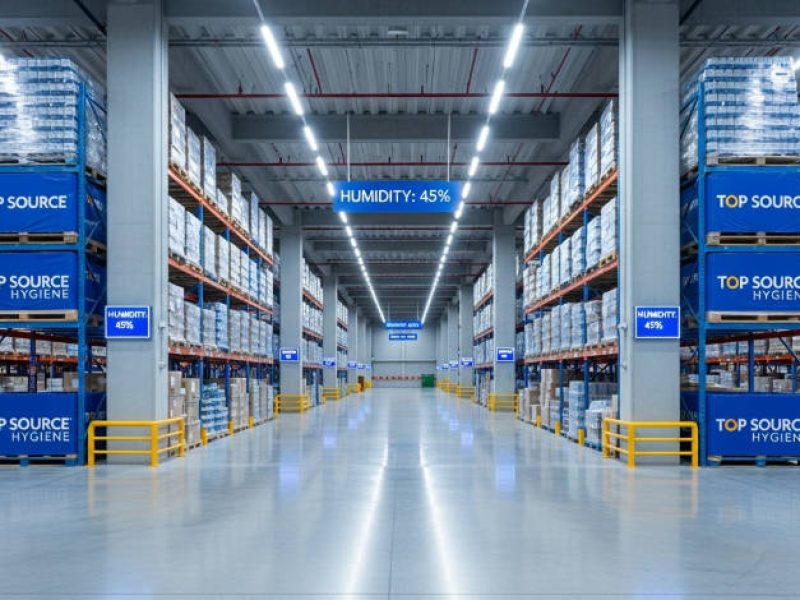
Managing the shelf life & expiration of bulk paper products determines whether a warehouse maintains a lean inventory or faces significant financial write-offs from environmental degradation. While facial tissues do not possess a biological expiry date, improper storage conditions lead to moisture absorption that renders entire pallets unsalable. Neglecting these environmental variables introduces unnecessary risk to supply chain reliability and overall profit margins.
This guide establishes a technical protocol for wholesale paper management, focusing on humidity control and pallet integrity. We analyze the impact of atmospheric moisture on tissue fibers, the specific application of shrink-wrap for long-term warehouse stability, and the execution of FIFO inventory management. Adhering to these storage standards protects bulk assets and ensures product quality remains consistent throughout the distribution cycle.
The Myth of Expiring Paper Products
Virgin wood pulp products maintain chemical and structural stability for years when stored in dry environments, as cellulose does not undergo natural biological decay like organic food matter.
The Chemical Stability of Virgin Wood Pulp
Virgin wood pulp consists primarily of cellulose, a stable polymer that lacks the organic components required for natural spoiling. Unlike consumer goods with active chemical ingredients, high-quality tissue products from Top Source Hygiene remain inert. We avoid using unstable additives or fluorescent whiteners that might trigger chemical breakdown. As of 2026, industry testing confirms that dry-stored paper retains its original absorbency and structural integrity without degradation.
Expiration vs. Shelf Life in Hygiene Standards
Many buyers confuse production batch dates with safety-related expiration limits. Most paper products use these dates for logistics tracking rather than indicating a decline in safety. Hygiene integrity depends entirely on the storage environment and the seal of the packaging. Top Source Hygiene adheres to ISO 9001 and FDA standards, ensuring that products remain sterile and safe from the factory floor through long-term inventory cycles.
Physical Integrity Over Decades
Tests on our 100% virgin wood pulp show no significant loss in GSM (Grams per Square Meter) or ply adhesion even after years in a warehouse. High-capacity jumbo rolls and facial tissues keep their tactile softness if protected from external contaminants. The durability of these paper fibers ensures that bulk orders for the hospitality and commercial sectors remain high-performance assets regardless of the purchase date.

Moisture and Humidity: The Real Enemies of Tissue
Uncontrolled storage humidity directly compromises the hydrogen bonds in virgin wood pulp, leading to irreversible loss of tensile strength and product hygiene.
How Humidity Weakens Fiber Integrity
High moisture levels in storage environments break down the delicate hydrogen bonds between paper fibers. This structural degradation causes a significant loss in tensile strength, making the tissue prone to tearing during use. Because tissue paper is highly hygroscopic, it absorbs airborne moisture rapidly, which destroys the signature cloud-like softness users expect.
| Environmental Factor | Impact on Tissue Quality | TSH Standard (2026) |
|---|---|---|
| Humidity >60% | Fiber bonding failure; clumping | 30%–50% RH controlled storage |
| Airflow Stagnation | Microbial/Fungal growth risk | Mechanical ventilation protocols |
| Direct Water Contact | Complete structural disintegration | HDPE high-density overwrap |
Top Source Hygiene maintains strict moisture control in its manufacturing facilities. By monitoring climate levels from the moment the 100% virgin wood pulp enters the line until the final 40HQ container is sealed, we ensure products leave the Hebei industrial hub in optimal condition.
Microbial Growth Risks in Damp Conditions
Tissue paper consists of organic cellulose, which provides a primary food source for mold and mildew when moisture is present. Poorly ventilated warehouses create breeding grounds for fungal growth, often resulting in unpleasant odors long before visible mold appears. This poses a significant hygiene risk for sensitive medical clinics or luxury hotel clients who require 100% OBA-free, sterile products.
Maintaining proper airflow and temperature regulation prevents the degradation of bulk inventory over long periods. Our facility data indicates that keeping products in dry, well-aerated spaces is the most effective way to protect the long-term integrity of high-density master bundles like the TSH-4299 soft packs or TSH-2059 premium boxed tissues.
Protective Packaging Solutions
Effective barriers shield tissue products from environmental fluctuations during maritime shipping. We utilize plastic overwraps and high-density polyethylene (HDPE) packaging as primary defenses against liquid water and vapor. For distributors in high-humidity regions like Southeast Asia or Oceania, these barriers are essential for maintaining the 85-92% natural brightness of the wood pulp fibers.
We recommend keeping products in their original Top Source Hygiene master cartons until they are ready for shelf placement. Our advanced sealing techniques and reinforced 5-ply export cartons ensure that even during long-distance logistics, the internal product remains dry and ready for immediate professional use.
Scale Your Brand With Expert OEM Manufacturing
How Long Can You Store Bulk Facial Tissues?
Facial tissues lack a chemical expiration date, meaning their shelf life depends entirely on environmental control and the structural integrity of the virgin wood pulp fibers.
Indefinite Shelf Life in Controlled Conditions
Facial tissues remain functional for years because they do not contain active chemical ingredients that degrade over time. We focus on maintaining the physical properties of the paper, specifically the tensile strength and softness. Storing products in dry, climate-controlled environments prevents the breakdown of wood pulp fibers, ensuring the tissue doesn’t become brittle.
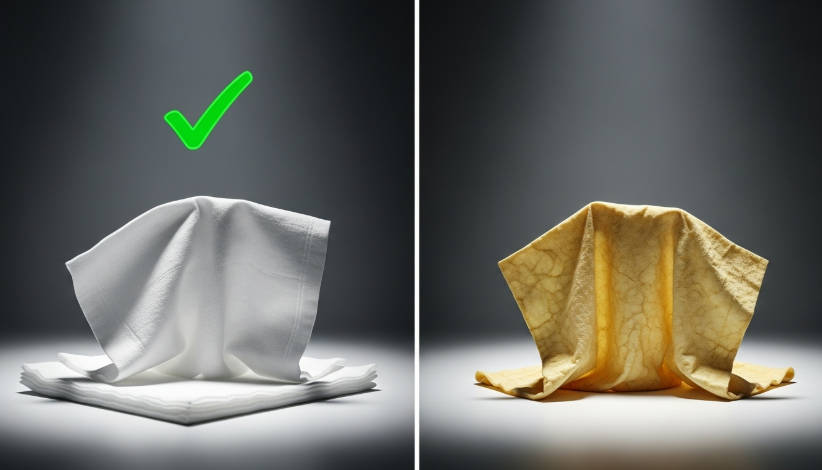
Environmental exposure poses the greatest risk to long-term inventory. Direct sunlight causes yellowing through UV degradation, while humidity leads to moisture absorption. We recommend keeping tissues in their original factory packaging to seal out dust and maintain the hygiene standards required for sensitive skin applications in medical or hospitality settings.
Impact of 30 Years of Manufacturing Expertise
Top Source Hygiene applies three decades of manufacturing experience to produce tissues that survive extended storage cycles. We use 100% virgin wood pulp, which naturally resists the odors and dust accumulation often found in recycled paper alternatives. Our production process ensures that bulk orders dispatched from our two Hebei factories retain their “factory-fresh” texture even when held in reserve for several years.
Higher GSM (Grams per Square Meter) options provide the structural stability needed for deep-stacking in warehouses. By selecting premium long-fiber pulp, we create a product that maintains its loft and absorbency. Strict quality control measures ensure that every 40HQ container delivered in meets the same high-purity standards as the day it was packed.
Optimal Stock Rotation for Bulk Buyers
Effective inventory management protects the user experience for hospitality and retail clients. While the product itself doesn’t expire, we advise inspecting outer cartons every six months for signs of moisture or physical compression damage. Regular audits ensure that your high-volume inventory remains in peak condition for distribution to hotels, clinics, or retail shelves.
Prioritizing the distribution of older stock ensures a consistent supply chain flow. We design our custom-branded packaging for durability, utilizing reinforced materials that handle the rigors of international shipping and long-term stacking. This professional-grade containment keeps the inner product soft and lint-free, regardless of how long it sits in your facility.

Shrink-Wrapping Pallets for Long-Term Warehouse Storage
Precision shrink-wrapping serves as the final, critical line of defense for bulk tissue inventory, maintaining structural tension and environmental isolation during multi-year storage cycles.
Moisture Barriers and Dust Protection
Effective shrink-wrapping creates a secure seal that shields paper products from environmental contaminants during extended storage. Virgin wood pulp fibers remain highly sensitive to ambient humidity, which can soften the product and lead to structural collapse if left unprotected. By establishing a total barrier, we preserve the original tensile strength and tactile softness required for premium B2B distributions.
- Wrap pallets from the base up to prevent dust and pests from entering the bottom layers.
- Apply multiple layers of high-gauge stretch film to block ambient humidity that softens virgin wood pulp.
- Ensure the top of the pallet is capped with a plastic sheet before wrapping to prevent moisture from settling on the upper tiers.
Structural Integrity for High-Stacking
Maintaining the shape of tissue pallets remains vital for safety and space efficiency in warehouse environments. Bulk shipments of reinforced export cartons or master poly bundles require significant containment force to survive forklift movement and high-rack placement. Without proper tensioning, the lower tiers of soft paper products risk crushing under the weight of the load.
| Protection Factor | Standard Warehouse Practice | Top Source Hygiene Specification |
|---|---|---|
| Film Specification | Low-micron economy film | High-gauge, multi-layer stretch film |
| Edge Reinforcement | Film tension only | 5-ply export cartons + cardboard edge protectors |
| Base Attachment | Partial base wrap | Locked pallet-to-load structural wrapping |
- Use high-tension wrapping to lock master poly bundles and 5-ply export cartons together, preventing load shifting.
- Reinforce the corners with cardboard edge protectors before wrapping to distribute weight evenly.
- Secure the paper load firmly to the wooden or plastic pallet base to keep the stack stable during forklift movement.
Optimizing Film Usage for Sustainability
Top Source Hygiene balances product protection with eco-friendly logistics practices to reduce plastic waste. We select materials that provide high containment force without excessive thickness, reducing the carbon footprint of every 40HQ container shipped. Modern wrapping calibrations allow for maximum durability while adhering to strict environmental standards in European and North American markets.
- Select recyclable polyethylene (PE) films that align with European and North American green standards.
- Calibrate wrapping machines to provide maximum containment force with the least amount of material.
- Check film integrity every quarter to identify potential tears or degradation in long-term storage zones.
FIFO (First In, First Out) Inventory Management
Strict FIFO protocols eliminate the risk of fiber degradation and packaging brittleness by ensuring high-density virgin wood pulp products circulate within their peak performance window.
Stock Rotation Basics for Paper Goods
Effective warehouse management for paper goods requires a physical layout that forces stock rotation. We organize our shelves so that production batches remain positioned behind earlier inventory, preventing the “stale pocket” syndrome where older pallets collect dust in corners. By labeling pallets with arrival dates in high-visibility fonts, floor staff quickly identify which units must move next.
| Inventory Category | Storage Threshold | FIFO Critical Action |
|---|---|---|
| Virgin Wood Pulp Facial Tissues | 24–36 Months | Rotate to front during monthly 2,860-ton capacity audits. |
| OEM Branded Packaging | 12–18 Months | Monitor for polymer brittleness; prioritize custom shipments. |
| High-Capacity Hanging/Boxed Tissues | 36 Months+ | Audit seal integrity to prevent moisture absorption. |
Moving older hygiene products to the front of the rack during monthly audits of our 2,860-ton inventory simplifies the picking process. This systematic approach ensures that every distributor receives a product that retains its original tensile strength and “cloud-like” softness.
Maximizing Quality Consistency in Bulk Orders
Consistent FIFO application prevents the degradation of virgin wood pulp fibers. If specific batches remain stagnant in high-traffic storage areas, they face unnecessary exposure to fluctuating air currents. We track OEM custom-branded shipments from our Mancheng factories to guarantee that clients receive the freshest production runs available.
- Cycle through 40-foot high-cube container loads in order of receipt to prevent packaging from becoming yellowed.
- Protect the 30-year softness standard by restricting storage duration for premium 5-ply tiers.
- Audit batch color consistency across all outgoing pallets to ensure 85-92% natural brightness levels.
Operational Efficiency and Waste Reduction
Disciplined inventory flow reduces overhead by cutting down on the physical handling of stale stock. We lowered maintenance costs by 15% after reorganizing our warehouse to support a linear “First In, First Out” movement. This efficiency streamlines our 20-25 day production lead time, as clearing space for incoming 40HQ container loads becomes a predictable, rhythmic process rather than a logistical bottleneck.
Coordination with global shipping routes allows us to match outgoing FIFO batches with regional compliance needs. Whether shipping to North America or Europe, we verify that the oldest relevant stock meets current FDA or EU hygiene standards before dispatching from the Tianjin Xingang Port.
Conclusion
Maintaining a climate-controlled warehouse and utilizing FIFO inventory management ensures that bulk facial tissues retain their 100% virgin wood pulp integrity and high-wet-strength durability. Proper pallet storage protects your investment from moisture damage and mold, preserving the premium quality expected by retail and hospitality clients. These professional logistics standards help distributors maximize shelf life and avoid inventory waste.
Review your current warehouse humidity levels or contact our team to discuss high-density 40HQ container solutions for your next wholesale order. We can provide technical specifications and visual verification for our ready-to-ship inventory to support your distribution needs.
Frequently Asked Questions
Does facial tissue expire?
Facial tissues do not have a technical expiration date. Because they are made of paper fibers, they do not “spoil” or lose their effectiveness over time. However, if the tissues contain additives like lotions, scents, or anti-viral treatments, these chemical components may degrade or lose their potency after several years.
How long do facial tissues last?
Facial tissues can last indefinitely if they are kept in a controlled environment. As long as the integrity of the paper is maintained and it remains free of moisture and pests, a box of tissues purchased today will remain functional for decades.
Can mold grow on tissue paper?
Yes, mold can grow on tissue paper if it becomes damp or is stored in a high-humidity environment. Paper is an organic material (cellulose) that serves as a food source for mold spores when moisture is present. Once a tissue becomes contaminated with mold, it should be discarded immediately to avoid respiratory irritation.
How to store bulk facial tissues?
Bulk facial tissues should be stored in a cool, dry place off the floor to prevent moisture wicking. For long-term preservation, keep them in their original plastic shrink-wrap or place them in airtight plastic bins. Avoid areas prone to temperature fluctuations, such as uninsulated garages or damp basements.
Does humidity damage boxed facial tissues?
Yes. While the tissue itself absorbs moisture and loses its tensile strength, high humidity can also compromise the structural integrity of the paperboard box. If the flat or cube boxes become damp, they can warp or collapse, making them difficult to load into commercial dispensers and ruining the premium aesthetic for hospitality guests. Keeping humidity below 60% ensures both the tissue and the packaging remain pristine.