Skip to content
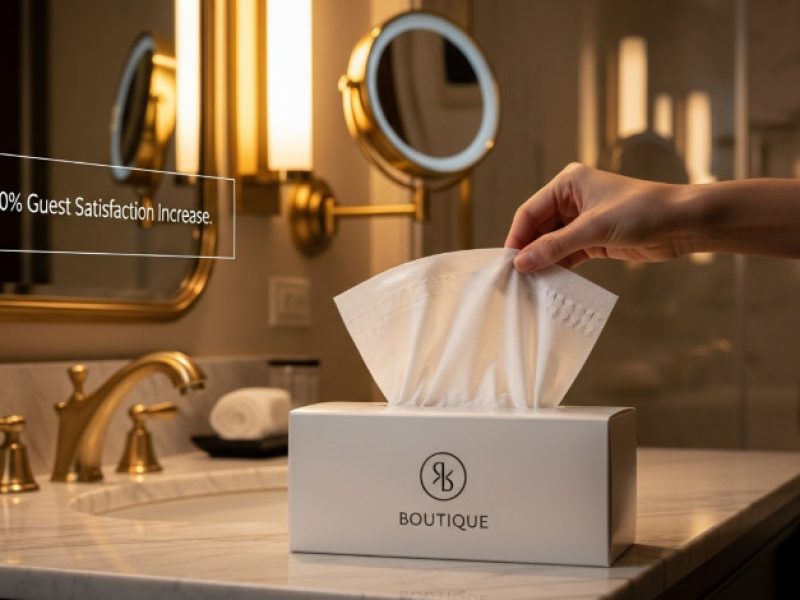
A rigorous ply comparison serves as the primary technical metric for facility managers looking to avoid the operational waste of mismatched supply grades. Choosing the wrong tissue specification creates a ripple effect of increased maintenance labor and depleted procurement budgets when product performance fails to meet traffic demands. This misalignment compromises tenant satisfaction and forces facilities into reactive purchasing cycles that inflate annual overhead.
This technical breakdown provides the framework for selecting facial tissues based on fiber density and specific application requirements. We examine the structural differences between 2-ply and 3-ply grades to determine the best fit for high-traffic office spaces, luxury hospitality suites, and clinical settings. By evaluating how ply-count influences both user experience and bulk shipping logistics, your procurement team can implement an efficient standard operating procedure for facility-wide supply management.
The Anatomy of a Tissue: What Does “Ply” Mean?
Ply count serves as the primary metric for calculating tensile strength and fluid absorption capacity in industrial tissue manufacturing.
Defining Ply in Paper Production
A ply represents a single, distinct layer of paper web bonded into a unified sheet. In professional paper production, this unit dictates the baseline for thickness and structural durability. Top Source Hygiene maintains 2026 manufacturing protocols for 2, 3, 4, and 5-ply configurations, allowing distributors to scale product specifications based on specific market price points and performance requirements.
The bonding of multiple layers creates microscopic air pockets between the sheets. These voids significantly improve liquid retention and overall softness compared to single-layer alternatives. Engineering these layers correctly ensures the tissue feels substantial and performs reliably under pressure.
The Functional Benefits of Multi-Layer Construction
Increasing the ply count directly correlates with heightened tensile strength. This physical property prevents premature tearing during use, a critical factor for high-traffic public facilities and premium hospitality environments. Higher layers accommodate the demanding absorbency needs of commercial settings where moisture management remains a priority.
Selecting the appropriate ply count aligns the product with its intended end-use. Budget-conscious facilities often opt for 2-ply value, but luxury hospitality groups mandate 3-ply or 4-ply variants to satisfy guest expectations for thickness and comfort.
Technical Methods for Layer Integration
Advanced manufacturing uses mechanical embossing patterns to lock layers together. This technique eliminates the need for heavy adhesives, preserving the 100% virgin wood pulp purity that defines the Top Source Hygiene catalog. Precise pressure lamination ensures these layers remain unified during dispensing and use.
Engineers adjust the Grams per Square Meter (GSM) alongside the ply count to hit exact thickness targets for global 2026 orders. This technical synergy allows for “Aslike Cloth” toughness even in higher-ply counts, ensuring zero paper scraps remain on the skin after use.
2-Ply Tissues: The Standard for High-Traffic Offices
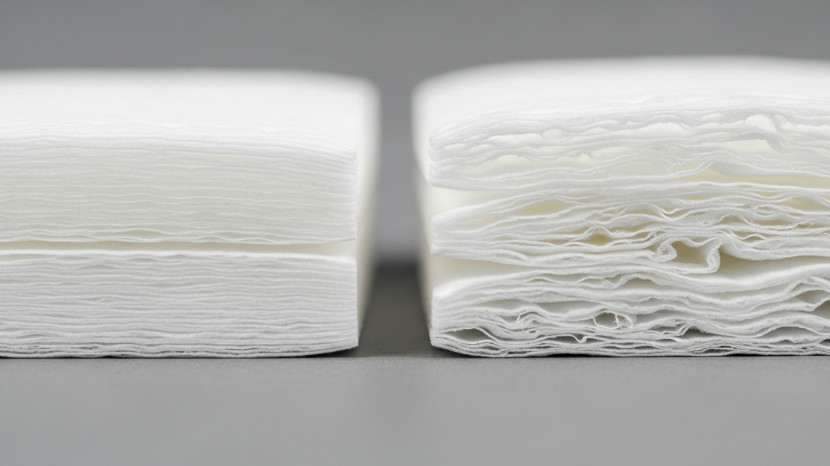
High-traffic commercial environments prioritize 2-ply configurations because they deliver the optimal balance between tensile strength and procurement cost-efficiency.
Balancing Absorbency and Durability
Standard 2-ply tissues utilize a dual-layer construction that provides necessary strength for commercial use without the thickness found in residential luxury products. Top Source Hygiene uses 100% virgin wood pulp to ensure individual plies maintain structural integrity when wet. The 2-ply design offers a higher tensile strength than single-ply options, reducing the volume of paper users consume per visit. Current 2026 production techniques focus on bonding layers through mechanical embossing to prevent ply separation during dispensing.
| Performance Metric | 2-Ply Commercial Standard | 3-Ply Premium Luxury |
|---|---|---|
| GSM Range | 13 – 15 GSM | 15 – 18+ GSM |
| Primary Use Case | High-Traffic Corporate Offices | Boutique Hospitality / Clinics |
| Supply Chain Driver | Landed Cost Per Sheet | User Comfort Experience |
Economic Efficiency for High-Volume Facilities
Facility managers choose 2-ply tissues as a strategic middle ground to control procurement costs while maintaining tenant satisfaction. Lower GSM per ply allows for more sheets per pack, extending the time between maintenance cycles.
- Factories like Top Source Hygiene produce 2,860 tons monthly, enabling bulk pricing for large-scale office complexes.
- A factory-direct model removes middleman markups and stabilizes supply chain budgets.
- High-compression master poly bundling maximizes 40HQ container payloads, lowering the freight cost per unit.
Customization for Office Dispenser Standards
Commercial environments require tissues that fit specific hardware. OEM services allow office supply brands to specify exact sheet dimensions and pull counts to fit standard wall-mounted dispensers. Adjustable GSM settings ensure the paper remains thick enough for comfort but thin enough to prevent frequent plumbing clogs in high-traffic restrooms. Manufacturers provide specific box and pack dimensions matching the diverse range of dispensing equipment used in North American and European markets.
Supporting Corporate Sustainability Goals
Modern office procurement prioritizes environmental compliance and chemical-free manufacturing. Top Source Hygiene produces 2-ply tissues free from fluorescent whiteners, meeting strict safety standards for sensitive skin. The 2-ply configuration optimizes shipping volume, reducing the carbon footprint per sheet compared to heavier 3-ply alternatives. Availability of FSC-certified materials helps commercial clients meet 2026 sustainability targets for responsibly sourced paper products.
Build Your Premium Facial Tissue Brand Today
3-Ply Tissues: The Mandate for Premium Hospitality
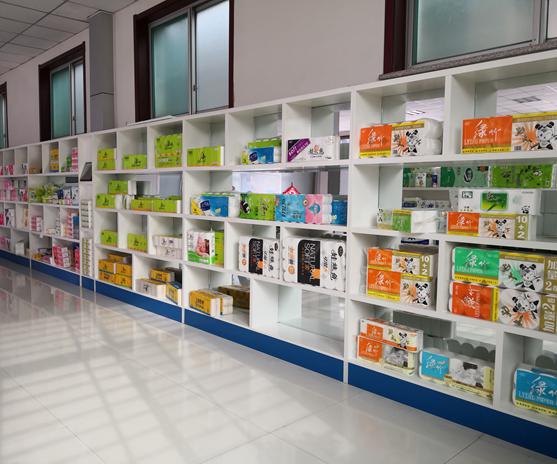
Professional hospitality groups mandate 3-ply tissue structures to bridge the gap between functional hygiene and luxury guest experiences, directly influencing satisfaction metrics.
Improving Guest Satisfaction Metrics
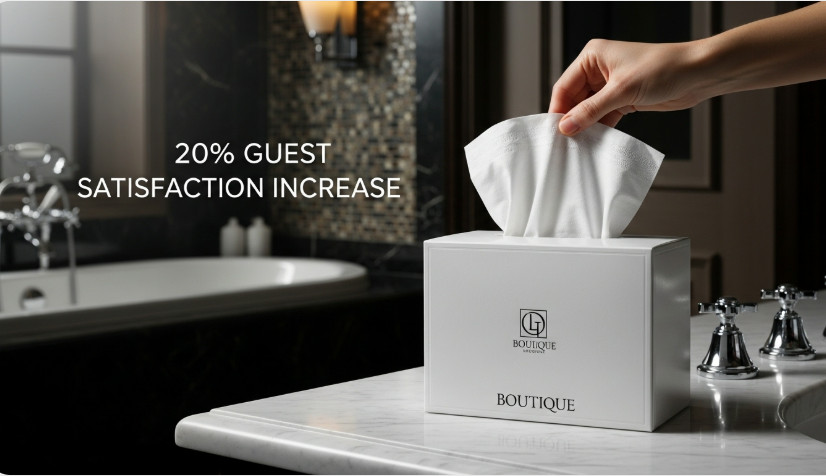
Hospitality procurement managers report a 20% increase in guest satisfaction scores after upgrading to 3-ply branded tissues. Premium hotels utilize these multi-layered tissues to enhance the perceived value of guest amenities, knowing that high-quality details contribute directly to positive online feedback. The tactile softness of triple-layer tissue signals a luxury experience that standard 2-ply products cannot match.
| Performance Metric | 2-Ply (Standard Office) | 3-Ply (Premium Hospitality) |
|---|---|---|
| Material Composition | Recycled or Mixed Pulp | 100% Virgin Wood Pulp |
| Tensile Strength | Moderate | High (Wet-Strength Tech) |
| Absorbency Rate | Baseline | Superior (Triple-Layer Lock) |
| Typical Usage | 3-4 sheets per use | 1-2 sheets per use |
Durability and Absorption through Triple-Layer Construction
The physical structure of 3-ply tissue provides a superior user experience compared to thinner commercial alternatives. Top Source Hygiene uses 100% virgin wood pulp to ensure the paper remains soft while maintaining high tensile strength. This three-layer design increases absorbency, which leads to lower overall consumption as guests use fewer sheets per task.
- Manufacturing processes focus on lint-free finishes to keep high-end hotel bathrooms looking clean.
- Edge-embossing and ply-bonding technology ensure the layers stay intact during use.
- Precision V-fold interfolding allows for smooth, one-at-a-time pulling.
Custom Branding for High-End Hospitality Chains
Tailored packaging allows hotel brands to integrate their visual identity into every aspect of the guest room. We provide custom-branded boxes and private label services that align with the aesthetic of boutique and luxury resorts. Clients control specific product variables including GSM and ply count to meet exact brand standards, ensuring a uniform guest experience across global outlets.
Model TSH-2059 serves as a benchmark for this sector, featuring a 4-ply premium boxed configuration with 102 pulls. This specific model is designed for universal boutique box dispensers, providing the high-density feel required by high-traffic luxury environments without sacrificing space or operational efficiency.
Lotion-Infused Tissues for Clinical Environments
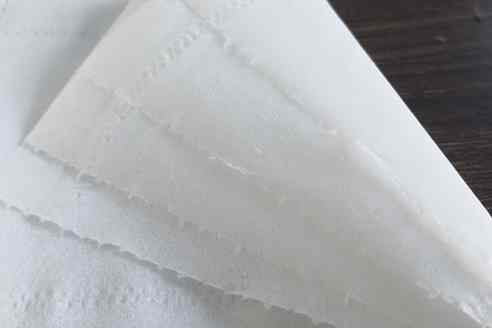
Lotion-infused facial tissues serve as a critical preventive tool in clinical settings by maintaining epidermal integrity for staff and patients during high-frequency usage cycles.
Skin Barrier Protection for Healthcare Professionals
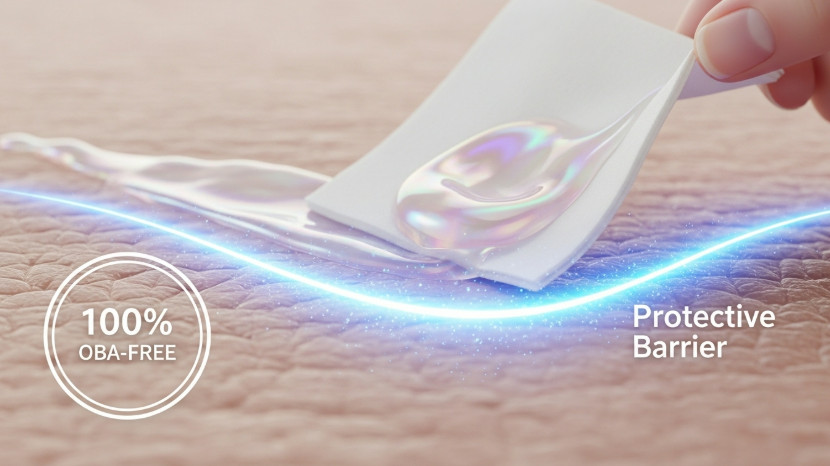
Clinical environments in 2026 demand materials that move beyond basic hygiene to active skin protection. Healthcare professionals often face epidermal friction and localized dryness due to the constant use of standard paper products. Our lotion-infused formulas create a micro-protective layer on the skin surface, significantly reducing the risk of chafing. By utilizing 100% virgin wood pulp as the substrate, we ensure that the underlying material provides maximum absorbency without the abrasive texture associated with recycled fibers.
| Performance Metric | Standard 2-Ply Tissue | TSH Clinical Lotion Series |
|---|---|---|
| Friction Coefficient | High (Abrasive) | Low (Smooth Glide) |
| Fiber Composition | Recycled or Mixed Pulp | 100% Virgin Wood Pulp |
| Chemical Additives | May contain OBA/Fluorescents | 100% OBA-Free / Hypoallergenic |
Top Source Hygiene engineers specialized models like the TSH-6125 specifically for neonatal and geriatric wards where skin sensitivity is paramount. These tissues integrate hypoallergenic additives that satisfy the strict requirements of private clinics and hospital procurement departments.
Hygiene Compliance and International Quality Standards
Manufacturing protocols for clinical tissues must align with global healthcare regulations to ensure patient safety. We operate two modern factories that maintain ISO 9001 certification and FDA compliance, specifically serving the North American and European healthcare sectors.
- Elimination of all Optical Brightening Agents (OBA) to prevent allergic reactions on compromised skin.
- Implementation of strict quality control to ensure zero paper scraps or linting during clinical procedures.
- Sourcing of FSC-certified materials to support the environmental ESG goals of modern medical institutions.
Customized OEM Tissues for Specialized Medical Facilities
Specialized medical facilities often require specific tissue configurations that off-the-shelf products cannot meet. Our factory-direct model allows healthcare groups to specify ply count and GSM to match the intensity of use in different departments, from outpatient reception to intensive care units.
Private label packaging provides clinics an avenue to maintain brand consistency while delivering premium amenities. We offer flexible customization for sheet sizes, ranging from compact 170mm widths for space-saving dispensers to standard 210mm formats for high-end recovery suites. Our Hebei-based loading teams optimize every 40HQ container, ensuring that medical wholesalers receive the lowest landed cost per unit through high-density packing.
How Ply-Count Affects Bulk Shipping Volume
Logistics efficiency in the tissue industry depends on the mathematical relationship between ply thickness and container payload, where a single extra layer of fiber can reduce total 40’HQ unit capacity by up to 15%.
Ply-Count and Stack Height
Higher ply counts increase the physical thickness of every individual sheet. This extra bulk directly expands the total height of the folded stack. When manufacturers produce 4-ply or 5-ply products, the cumulative thickness means fewer units fit into a standard shipping container compared to 2-ply variants with the same sheet count. This physical expansion forces a trade-off between product luxury and landed cost per unit.
- A 4-ply soft pack occupies significantly more physical space than a 2-ply pack of the same sheet count, which reduces the total units available for a 40’HQ container.
- Top Source Hygiene optimizes mechanical compression during bagging to balance thickness and stack height, protecting shipping efficiency for bulk wholesale orders.
- Increased ply thickness requires strategic adjustments in GSM (grams per square meter) to prevent soft packs and boxes from exceeding the dimensions of standard commercial dispensers.
Weight vs. Volume in Logistics
Shipping logistics for paper products require a precise balance between the physical weight of dense, multi-ply paper and the volumetric space inside a container. While tissue is often considered a “light” cargo, premium 3-ply and 4-ply products add substantial mass. Our Hebei loading teams monitor these ratios closely to ensure containers remain within maritime safety limits while remaining as full as possible.
- Multi-ply products like 3-ply and 4-ply facial tissues increase the total weight per container, which often hits maritime weight limits (typically 7,000kg to 9,000kg) before the volume is exhausted.
- Top Source Hygiene produces 2,860 tons monthly, requiring precise ply-count calculations to maximize the specific 40-foot container capacity for different global regions.
- Logistics planning accounts for the 15-25 day lead time by determining the most efficient ply-to-volume ratio for high-demand markets in North America and Europe.
Compression and Packaging Efficiency
The number of layers determines how much the paper can withstand compression during the packaging phase. Higher ply counts generally offer more structural integrity, which allows for more aggressive bundling techniques without damaging the fiber’s softness or natural “hand feel.” We use this structural strength to minimize the amount of air trapped inside retail packaging, ensuring distributors don’t pay to ship “dead air.”
- Higher ply counts provide the necessary structural strength for specific vacuum-packing techniques that save considerable space in bulk ocean shipments.
- Custom packaging for OEM/ODM clients relies on ply-count data to ensure products remain pristine and uncrushed during the 25-day transit to South America or Africa.
- Optimized bundling of high-ply tissues reduces “dead air” within export cartons, leading to more cost-effective freight rates for global hygiene distributors.
Conclusion
Selecting the correct ply count helps purchasing managers align facility standards with operational budgets by matching tissue performance to specific environmental needs. Using 100% virgin wood pulp ensures that clinics and hotels provide lint-free, high-strength hygiene solutions that protect skin health. This specific choice minimizes waste and improves the overall value of every bulk shipment.
Review your current facility specifications or request a technical data sheet to optimize your next procurement cycle. Contact our team to discuss customized packaging and volume pricing for your region.
Frequently Asked Questions
Which is better 2-ply or 3-ply facial tissue?
3-ply facial tissue is generally considered the superior choice for comfort and performance. It offers greater thickness, higher absorbency, and a softer feel against the skin compared to 2-ply. While 2-ply is more cost-effective for high-traffic or basic utility use, 3-ply provides the durability needed to prevent tearing during use, making it the industry standard for premium personal care.
What is a facial tissue?
A facial tissue is a soft, thin, and absorbent disposable paper product specifically engineered for use on the face. It is manufactured from low-basis weight tissue paper and often undergoes specialized finishing processes, such as calendering or the addition of lotions and softeners, to ensure it is gentle on sensitive skin while remaining strong enough for nasal discharge and light cleaning.
Who makes puffs plus lotion facial tissues?
Puffs Plus Lotion facial tissues are manufactured by Procter & Gamble (P&G), a global leader in consumer goods. This specific product line is recognized for incorporating skin-soothing agents like aloe, vitamin E, and shea butter to minimize irritation during frequent use.
Does 3-ply tissue clog toilets?
Yes, 3-ply facial tissue can significantly increase the risk of toilet clogs. Unlike toilet paper, which is designed to disintegrate rapidly in water, facial tissues are treated with “wet strength” agents to ensure they hold together during use. Because 3-ply tissue is thicker and more durable, it does not break down easily in plumbing systems and should always be disposed of in a waste bin rather than flushed.
What does ply mean in tissue paper?
In the tissue industry, “ply” refers to the number of individual layers of paper used to create a single finished sheet. A 1-ply product consists of one single layer, while 2-ply and 3-ply products bond multiple layers together. Increasing the ply count generally enhances the product’s overall strength, absorbency, and perceived softness.